Maps & Flip Flops

The Adventures of Astrid & Cecily


Leave a comment

Paris Museums … Not Just For Rainy Days

We had some trouble with wifi during our time in Florence so we fell behind on our blogging.  Shockingly a 500 year old building  – next to what once was a women’s prison (more on that later) had spotty coverage.

Tourism took over and we are now back to “real life” in Calgary. Not wanting to leave our audience mid-story, the rest of our trip will be blogged as quickly as we can get to it.  Clearly, touring 3 countries in 23 days plus running a real-time blog was a bit ambitious.

Now, that we are back online, I am taking you back to Paris…

As you might imagine, there are endless museum choices throughout Paris and the Paris Museum Pass, while pricey, is your best friend for line hopping. Before we left, lots of advice and suggestions were made about which museums were a “must see”. For Cecily, Musee d”Orsay  and the Musee Rodin were top of this list. For Astrid, time spend in this historic Musee du Louvre was important. We also searched out Napoleon’s Tomb to begin the “I see dead people” Instagram series that tracked the various graves and tombs of significant people in European history who crossed our paths.

It would take hours to talk about each of these museums and this blog post – with lots of photos – is far too long as it is. Each museum offered amazing exhibits, and each had some “key works” that we wanted to see – like all the other tourists did – up close and personal. Here is a summary of those four- Musee du Louvre, Musee d’Orsay, Musee Rodin and Eglise du Dome Church at the Hotel des Invalides where Napolean’s tomb rests.


Musee de Louvre:

The Musee du Louvre apparently has one of the largest – and some might argue – most important art collections in the world.  Its been around for centuries and it is fricken huge!  There are more than 35,000 works of art displayed in this museum.  Its history is long and complicated but the short version is that through the centuries kings and emperors all wanted to build upon and enlarge the space.

It seems it was Francois I that built the Renaissance style building and is also thought to have started the Louvre’s collection with 12 stolen italian works, including the Mona Lisa. Its glory days were in the 17th century (Louis XIV) who loved the arts and this is when works by Leonardo da Vinci, Raphael and Titian were added.  Even Napoleon – known for the worst eye for art of any French leader in history – also added to the collection that was looted during his years of victory. In recent years a glass pyramid structure was built to serve as the entrance to the museum (photos below), which apparently and unsurprising became quite controversial.

For us, knowing it was more than we could ever see in one trip – and knowing about 30,000 visit the galleries each day – we make a napkin list of highlights and set forth.

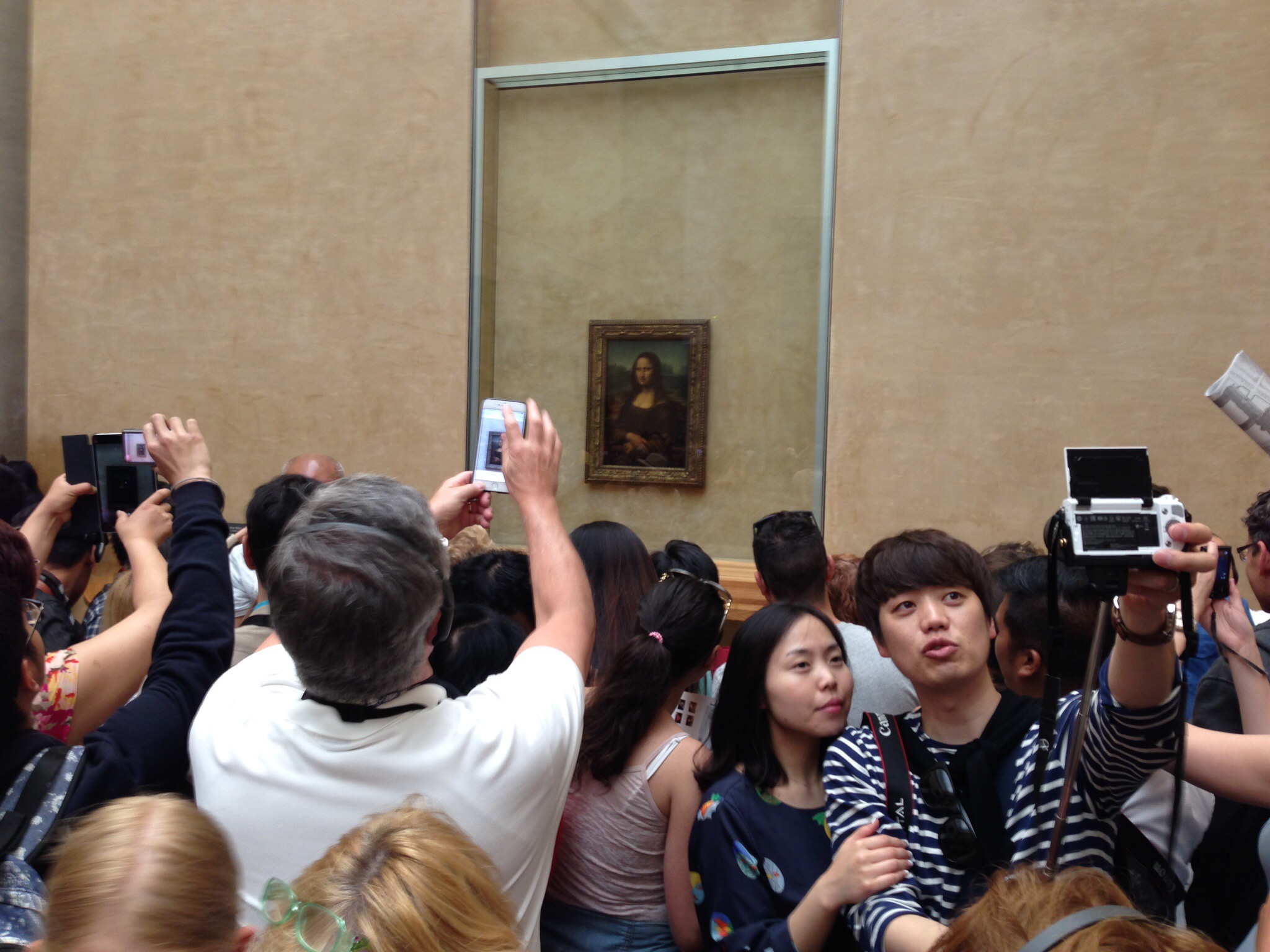
The Portrait of the Mona Lisa – the word on the street is that it is tiny and, yes, that is true, but it was larger than I expected. You always hear it is the size of a postage stamp. I’d say its more like the size of a small poster. What is truly unfortunate about seeing her is the crowd. There are so many people crowded around that the routine is basically politely (we are Canadian after all) shove your way through the hoards of people until you are close enough to the exhibit, take your selfie and then quickly admire this classic painting before someone shoves you out-of-the-way. Photographs of such well-known works of art are also problematic because the art is often encased in a plexiglass because the general public cannot be trusted not to touch or otherwise attempt to destroy them.  But, on the artistic bucket list, this one now has a check mark.

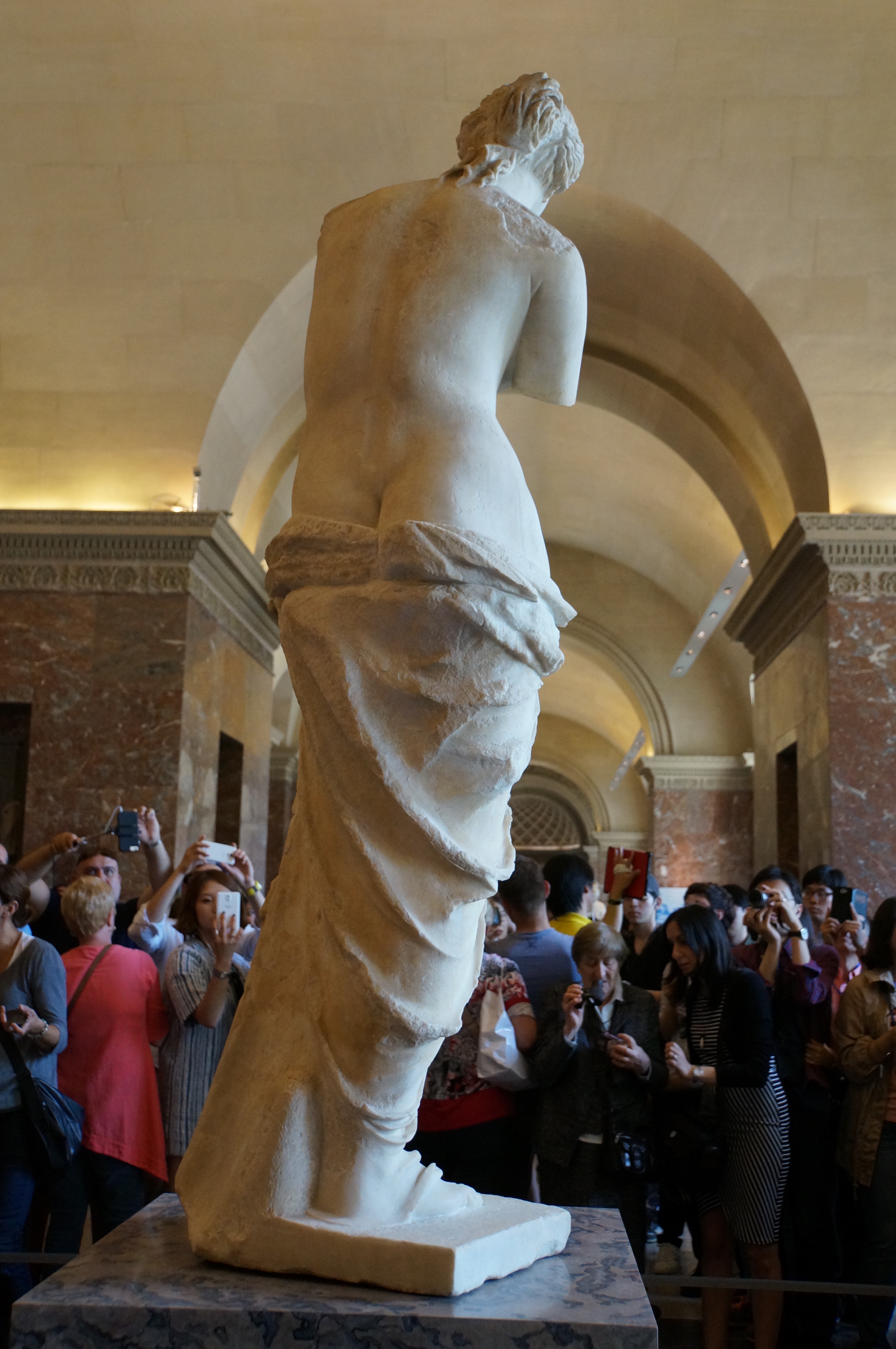
Venus de Milo – was found in 1820 on the Greek island of Milo and named on this island where it was discovered.  According to our friends at Wikipedia – it is an ancient Greek statue and one of the most famous works of ancient Greek sculpture. Created sometime between 130 and 100 BC, it is believed to depict Aphrodite, the Greek goddess of love and beauty (Venus to the Romans). It is a marble sculpture, slightly larger than life-size at 203 cm (6 ft 8 in) high. The arms and original plinth were lost following its discovery. From an inscription that was on its plinth, it is thought to be the work of Alexandros of Antioch; earlier, it was mistakenly attributed to the master sculptor Praxiteles. It is currently on permanent display at the Louvre Museum in Paris.

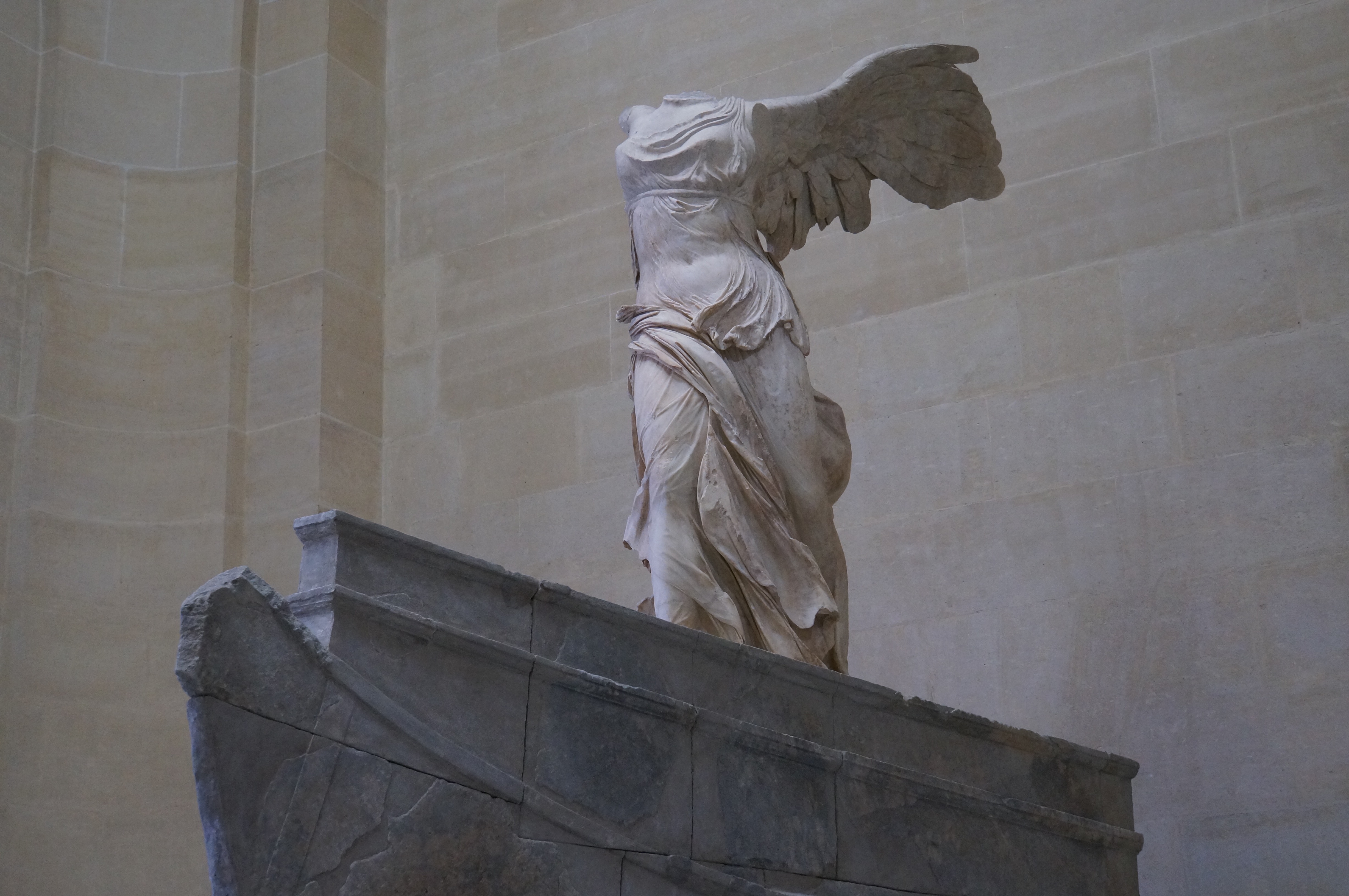
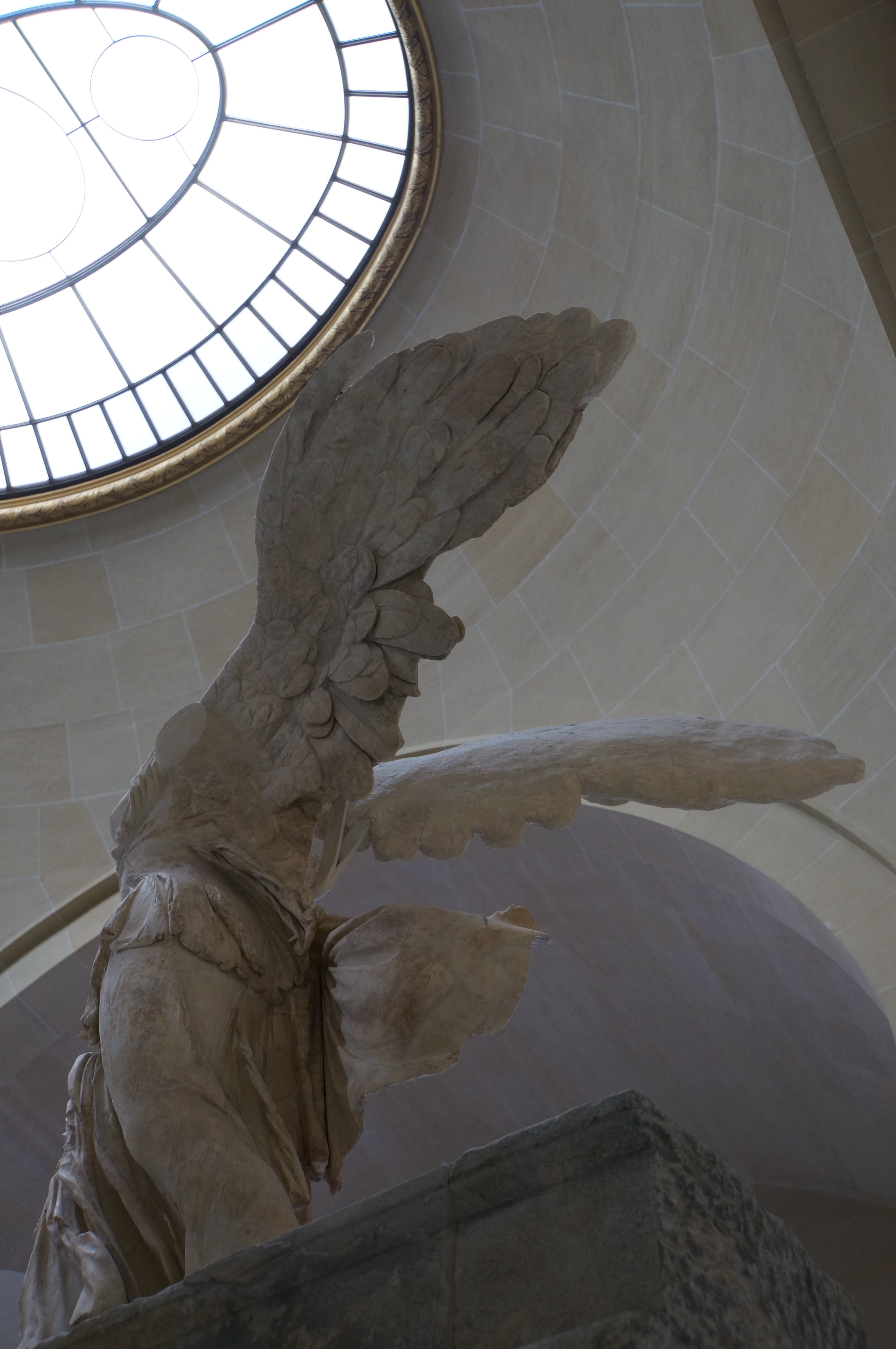
Winged Victory of Samothrace – Likely my favourite of the three, perched atop a staircase and flooded in daylight, it is also called the Nike of Samothrace. It as described as a 2nd-century BC marble sculpture of the Greek goddess NIke (Victory).  Since 1884, it has been prominently displayed at the Louvre and is one of the most celebrated sculptures in the world. As a side note, how many of you knew that Nike translated into “Victory” (other than Amy Tam-Naulty)….hands please? I thought so…

Wikipedia  also tells us that The Winged Victory of Samothrace, discovered in 1863, is estimated to have been created around 200–190 BC. It is 8 feet (2.44 metres) high. It was created to not only honor the goddess, Nike, but to honor a sea battle. It conveys a sense of action and triumph as well as portraying artful flowing drapery, as though the goddess was descending to alight upon the prow of a ship. Modern excavations suggest that the Victory occupied a niche above a theater and also suggest it accompanied an altar that was within view of the ship monument of Demetrius I Poliorcetes (337–283 BC).

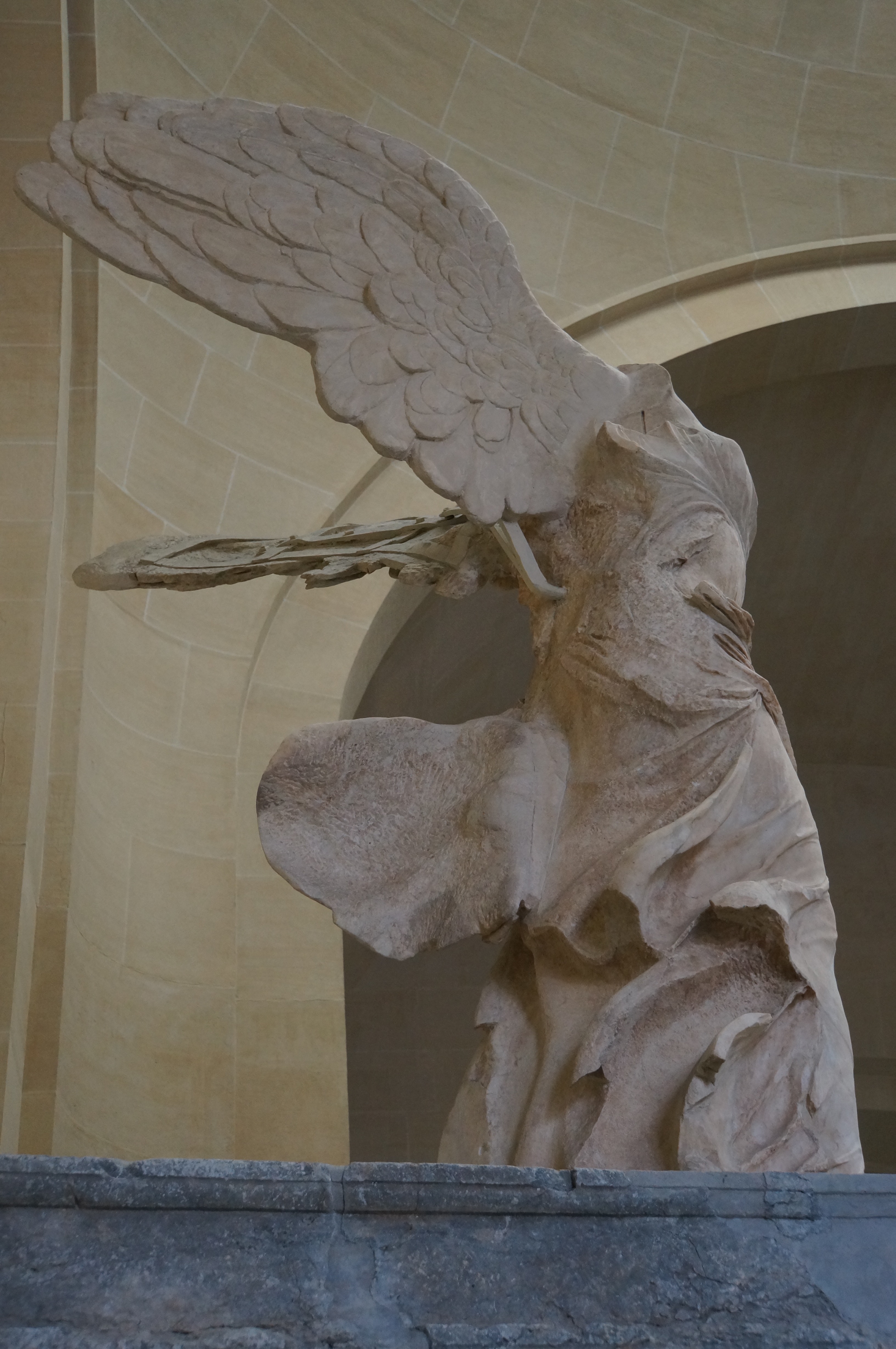
Rendered in grey and white Thasian and Parian marble, the figure originally formed part of the Samothrace temple complex dedicated to the Great gods, Megaloi Theoi. It stood on a rostral pedestal of gray marble from Lartos representing the prow of a ship (most likely a trihemiolia), and represents the goddess as she descends from the skies to the triumphant fleet. Before she lost her arms, which have never been recovered, Nike’s right arm is believed to have been raised, cupped round her mouth to deliver the shout of Victory. The work is notable for its convincing rendering of a pose where violent motion and sudden stillness meet, for its graceful balance and for the rendering of the figure’s draped garments, compellingly depicted as if rippling in a strong sea breeze.  The statue’s outstretched right-wing is a symmetric plaster version of the original left one.

As with the arms, the figure’s head has never been found, but various other fragments have since been found: in 1950, a team led by Karl Lehmann unearthed the missing right hand of the Louvre’s Winged Victory. The fingerless hand had slid out of sight under a large rock, near where the statue had originally stood; on the return trip home, Dr Phyllis Williams Lehmann identified the tip of the Goddess’s ring finger and her thumb in a storage drawer at the Kunsthistorisches Museum, Vienna, where the second Winged Victory is displayed; the fragments have been reunited with the hand,[6] which is now in a glass case in theLouvre next to the podium on which the statue stands.

For more on the Louvre Museum, visit: http://www.louvre.fr/en

The interior courtyard of Musee du Louvre including the controversial pyramid
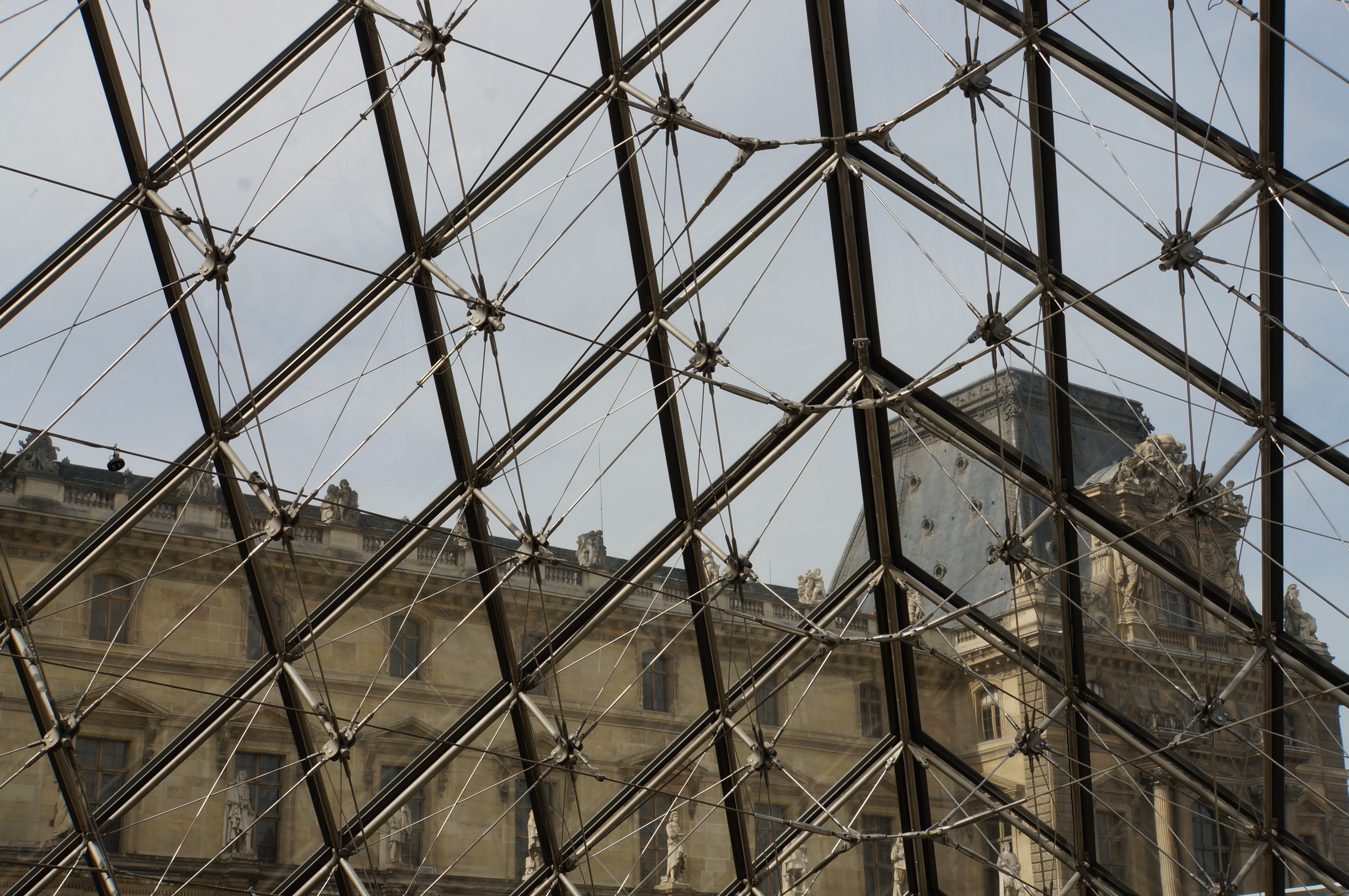
The interior courtyard of Musee du Louvre including the controversial pyramid

Inside looking out at Musee du Louvre
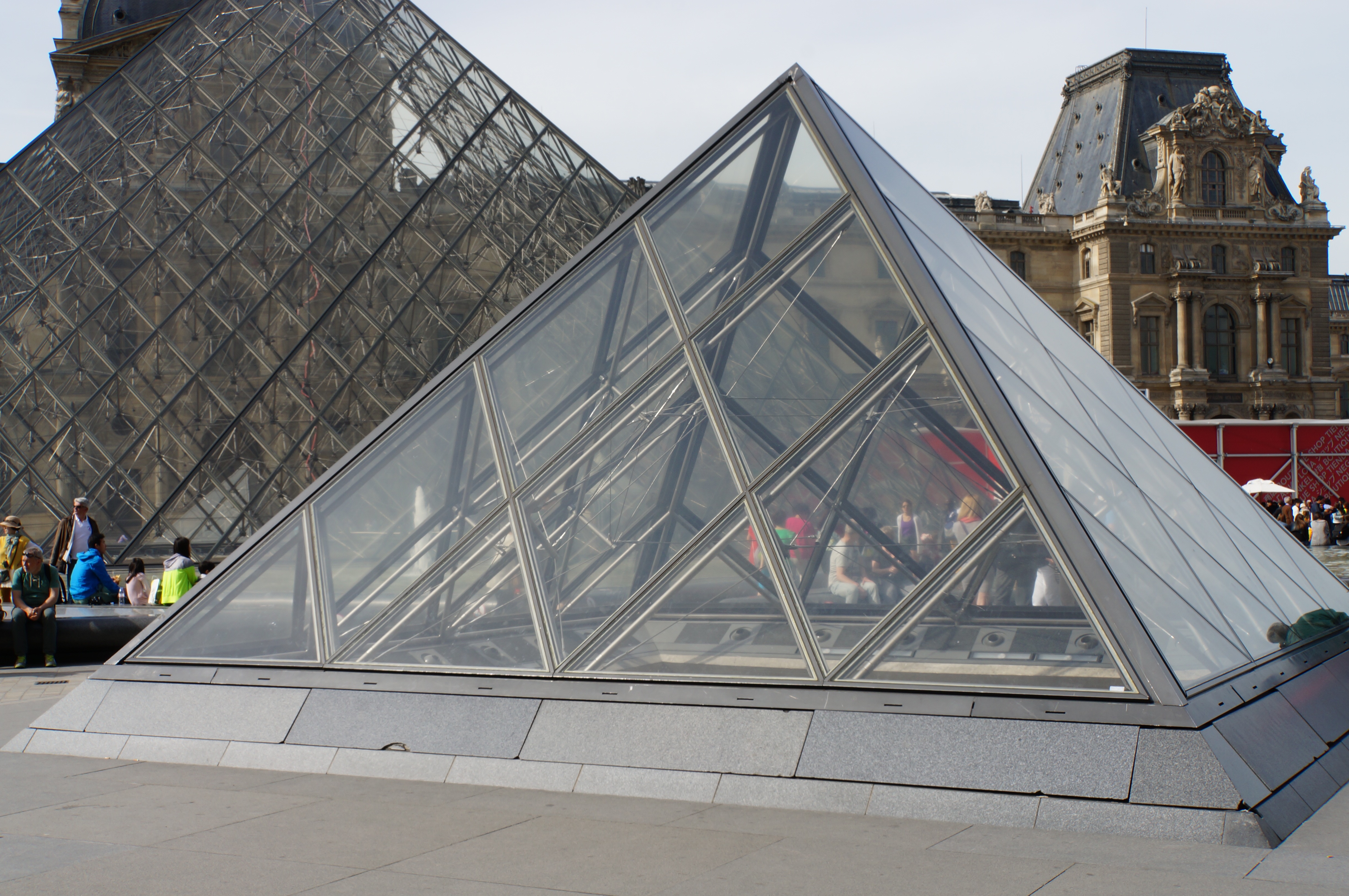
Inside looking out at Musee du Louvre

Up close - the controversial pyramid that is used as the entrance to the Louvre.

Up close – the controversial pyramid that is used as the entrance to the Louvre.

The controversial pyramid entrance at the Louvre – excited and ready to tackle the crowds
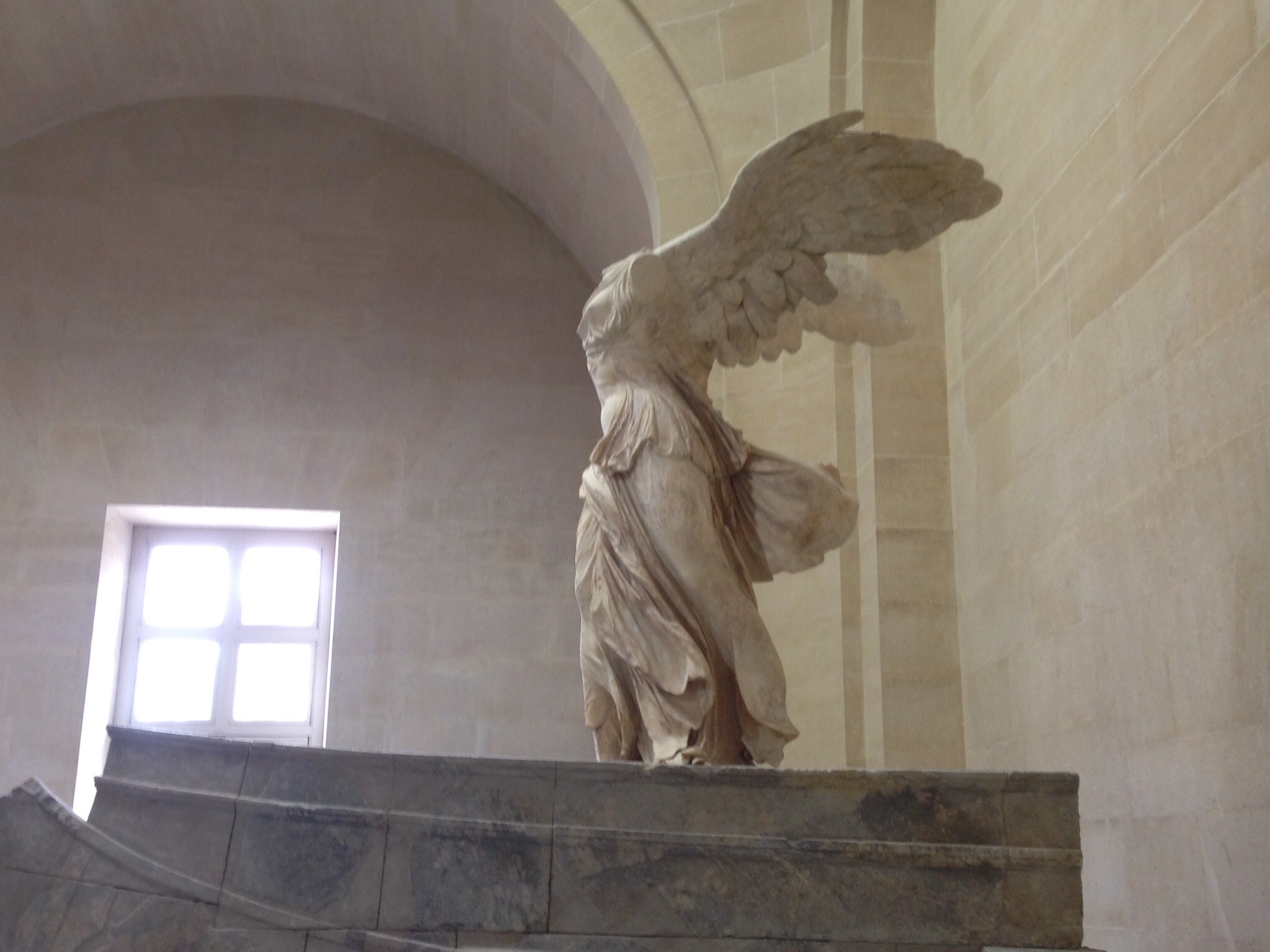
  The Winged Victory of Samothrace

DSC09195

DSC09203

Winged Victory - up close you can see the detail.

Winged Victory – up close you can see the detail.
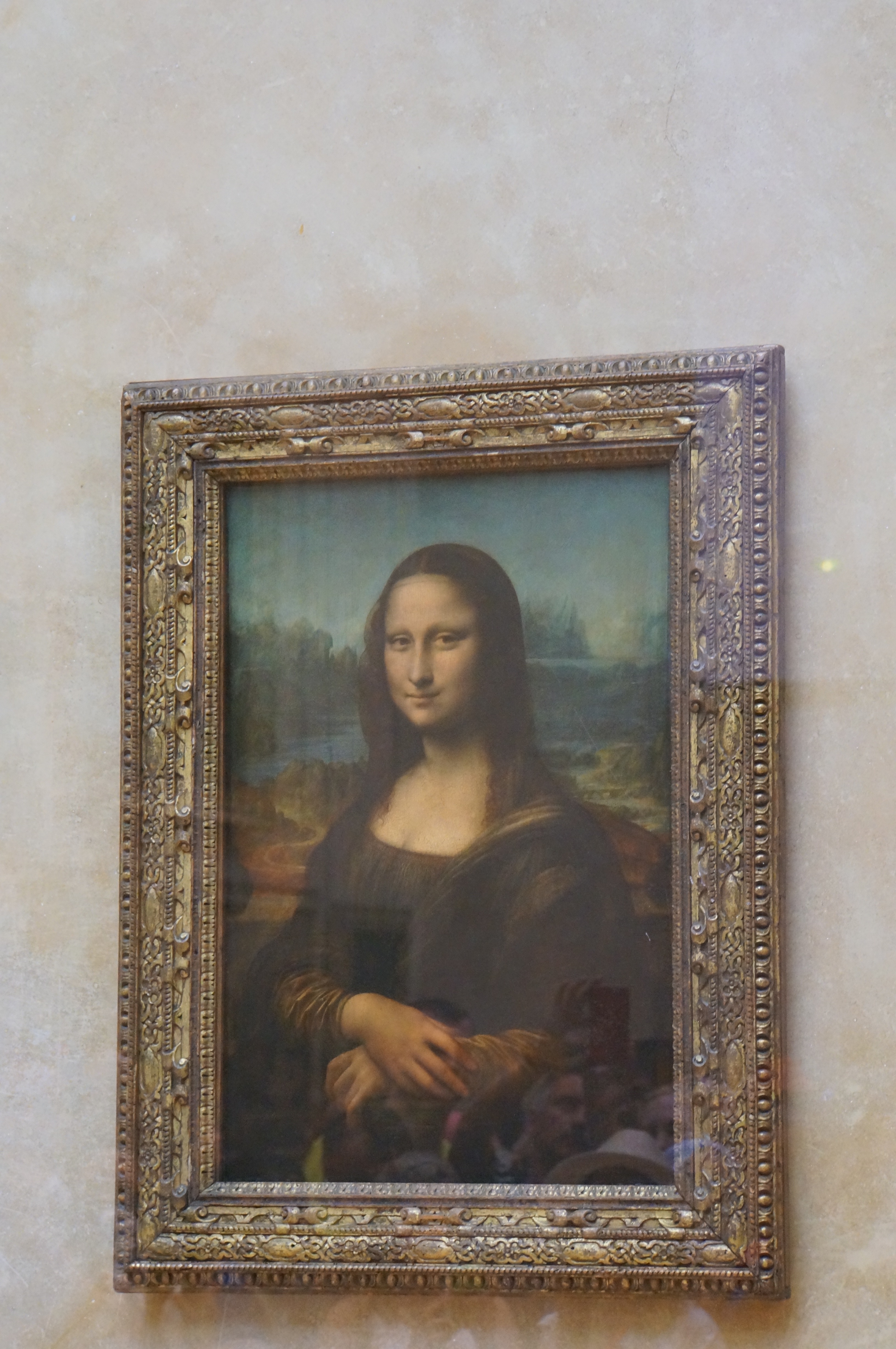
The best tourist free shot I could manage of the Portrait of the Mona Lisa.
The best tourist free shot I could manage of the Portrait of the Mona Lisa.

The swarms of tourists trying to get a shot of the Portrait of the Mona Lisa. Smart phones, SLRs and Selfie’s abound. #donttouchme
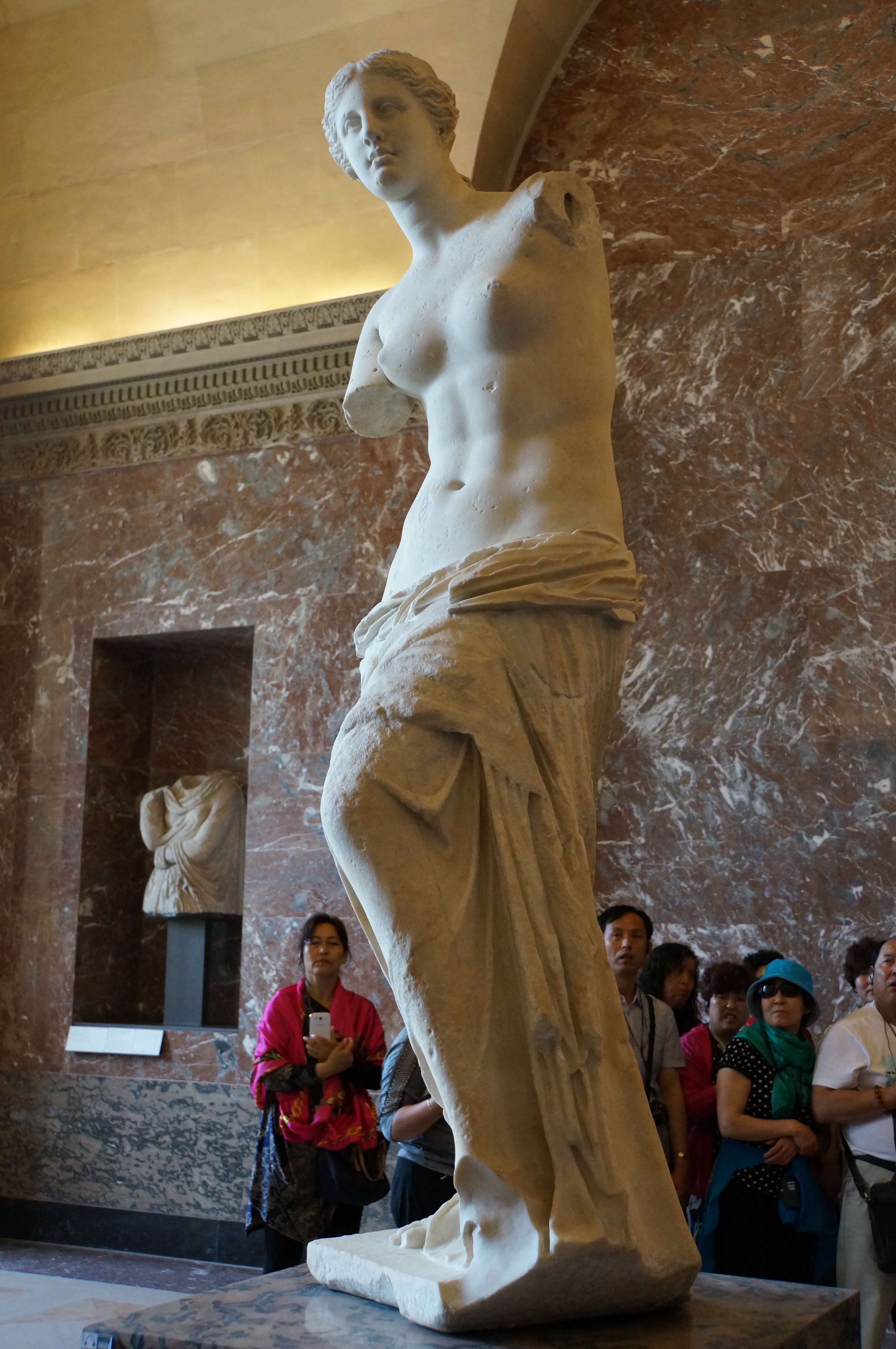
Venus de Milo, from the front.
Venus de Milo, from the front.

Venus de Milo, from behind.

Venus de Milo, from behind.

IMG_4379

C’est Moi!

thumb_IMG_4374_1024

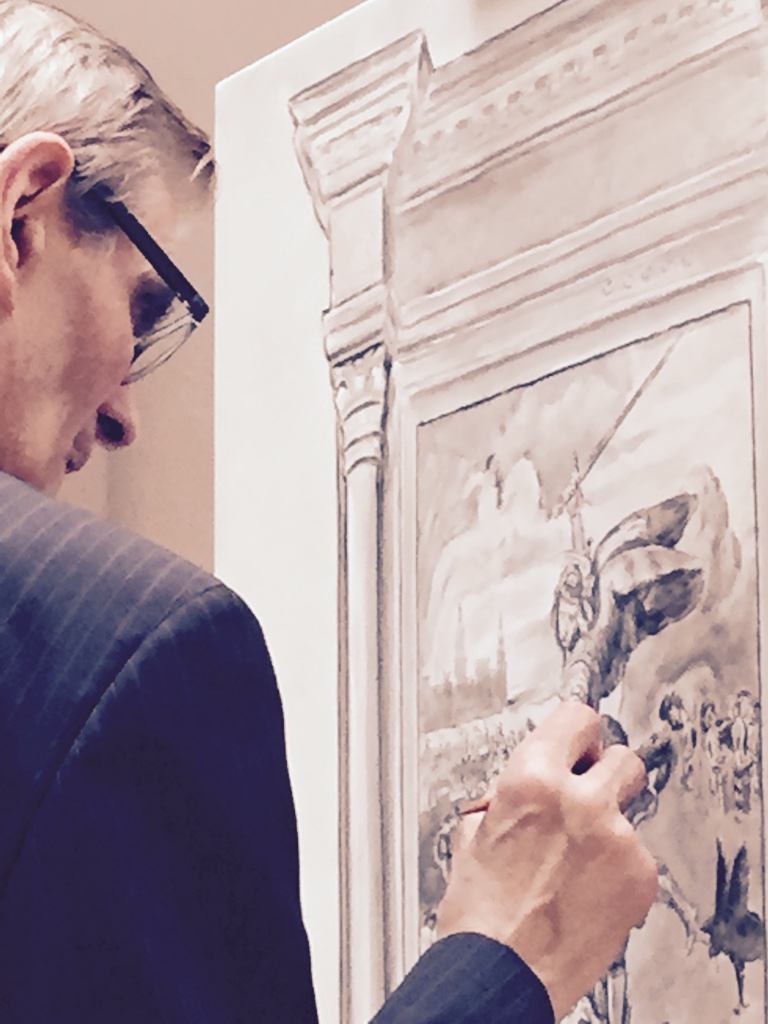
We took a moment to sit in the hallway outside the area where the Mona Lisa was hung, partly to brace ourselves for the crowds. We also wanted to sit quietly and watch this artist at work!

Astrid is a big fan of Egyptian history so we also spent time in that wing of the museum. Here she is trying to replicate a statue’s pose.  Not unlike how we all at some point in our lives have tried to “Vogue…”
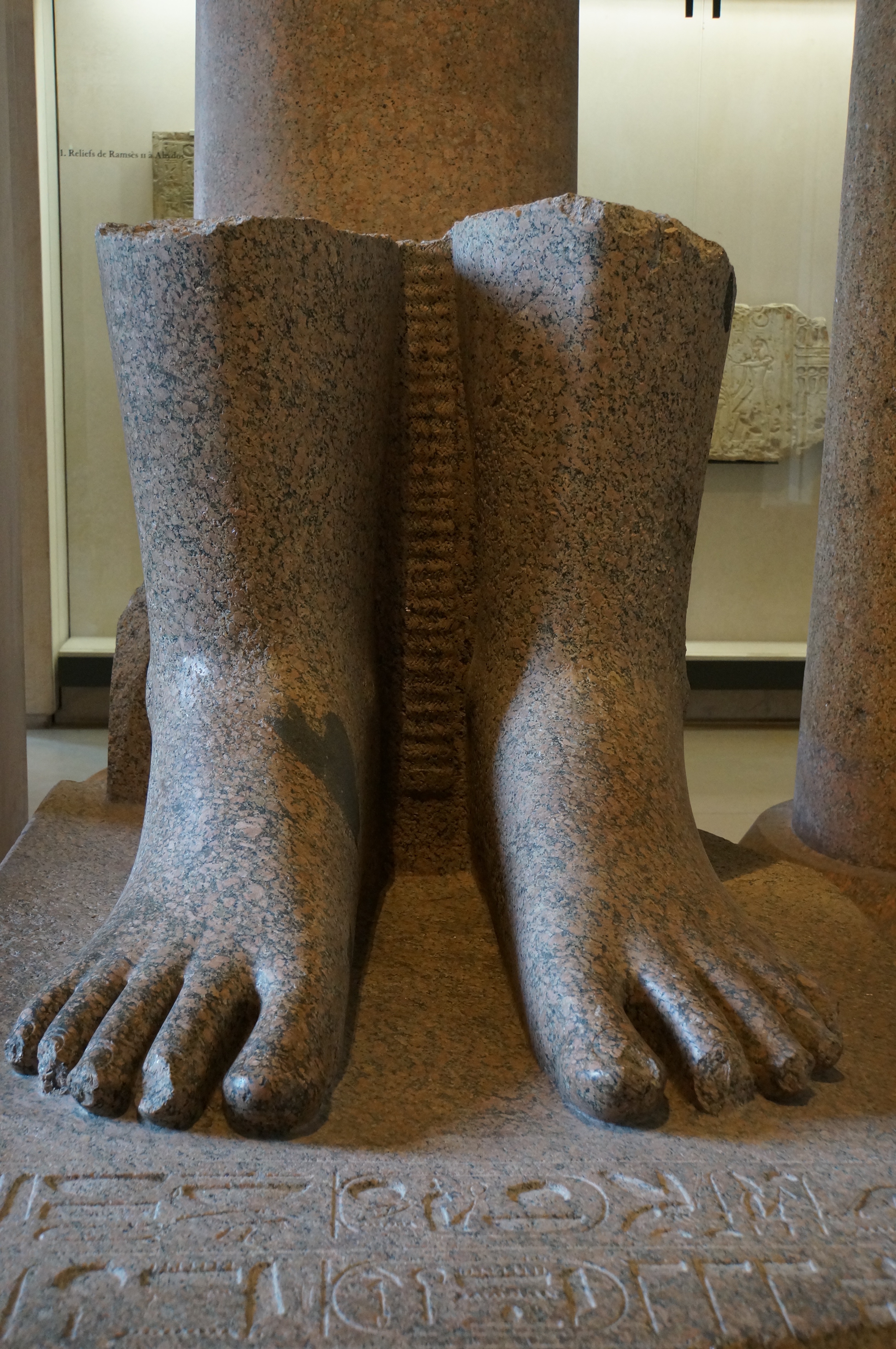
Feet! In the Egyptian Exhibit at the Musee de Louvre.
Feet! In the Egyptian Exhibit at the Musee de Louvre.

Musee D’Orsay:

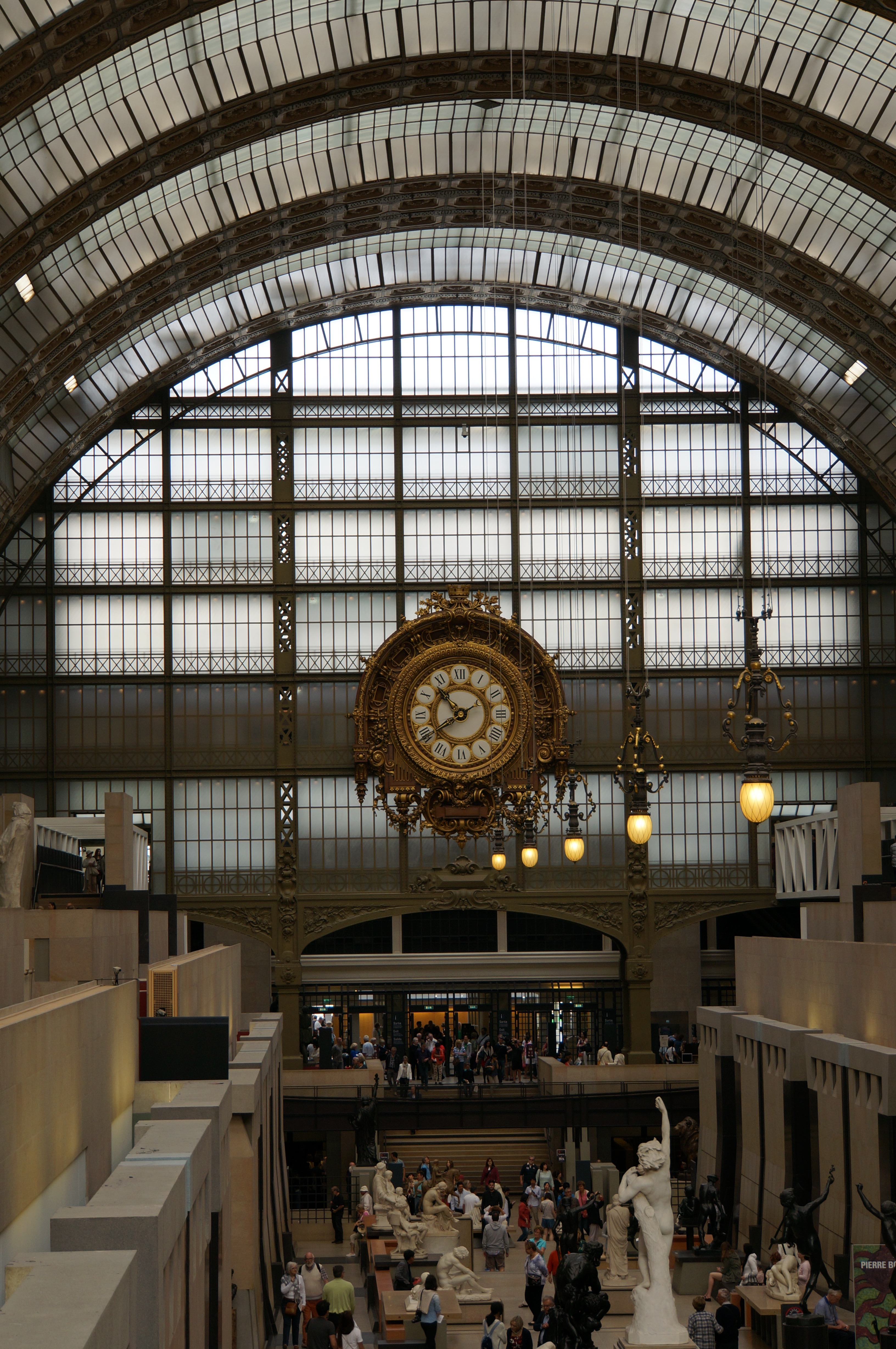
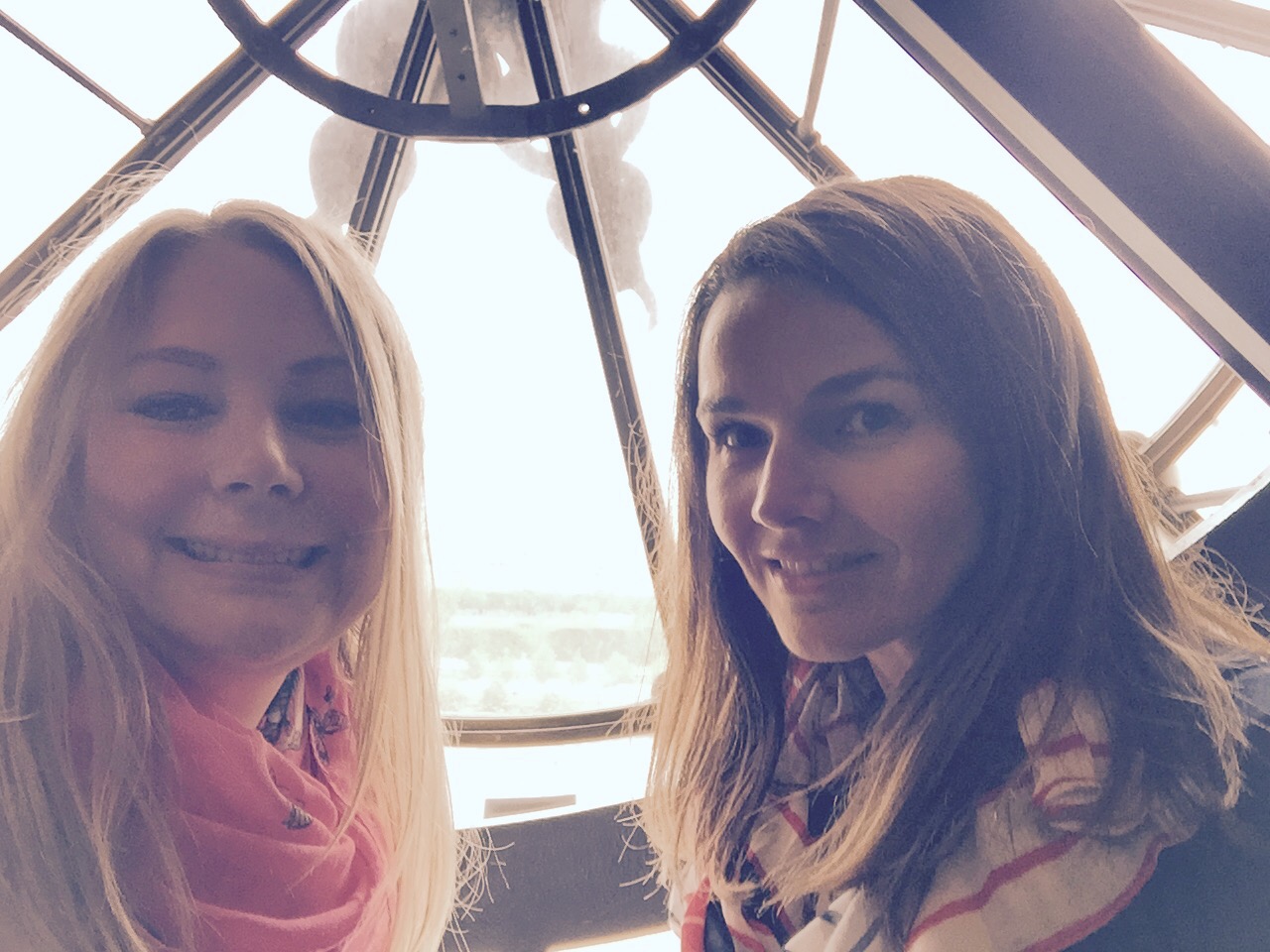
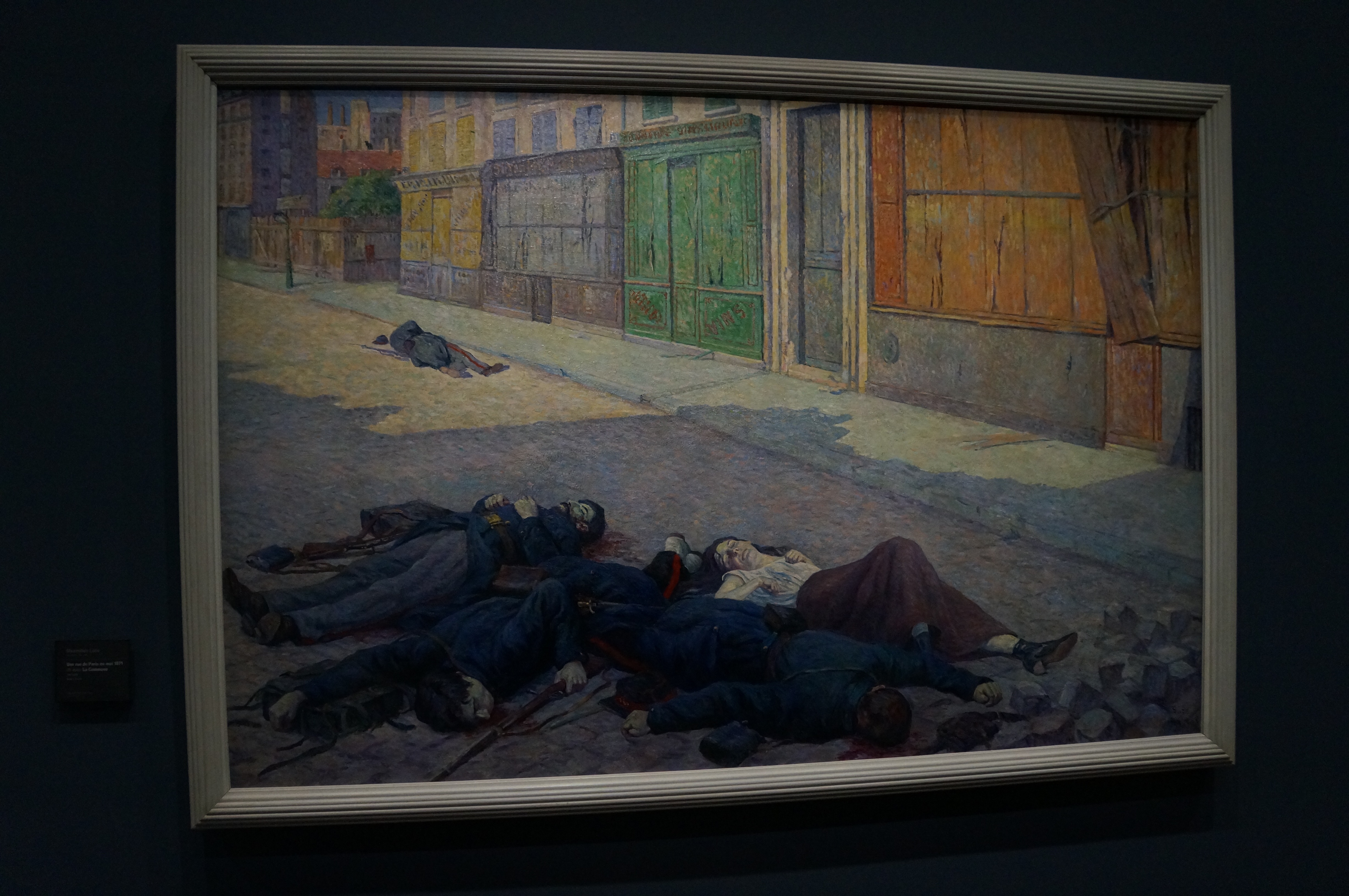
By far, this was the museum – across the entire trip – I was most exited to see, well, other than the Catacombs of Paris (more on that to come).  Several people told me that if there was only one museum we visited in Paris, this should be the one. The building was originally a train station and has a huge clock tower right in its centre. There are apparently also bee hives on the roof (which we did not happen to see). It is well-known for its amazing collection on Impressionists works.  Also, a welcome surprise was a fourth floor exhibit of works for furniture. We are both amidst some home renovations & decorating so it was a fun space to imagine how each of intriguing and unusual pieces of furniture might fit into our respective decor schemes.

According to the museum’s website “the museum building was originally a railway station, Gare d’Orsay, constructed for theChemin de Fer de Paris à Orléans and finished in time for the 1900 Exposition Universelle to the design of three architects: Lucien Magne, Émile Bénard and Victor Laloux. It was the terminus for the railways of southwestern France until 1939. The national museum of the Musée d’Orsay opened to the public on 9 December 1986 to show the great diversity of artistic creation in the western world between 1848 and 1914. It was formed with the national collections coming mainly from three establishments:”

  • from the Louvre museum, for the works of artists born after 1820 or coming to the fore during the Second Republic;
  • from the Musée du Jeu de Paume, which since 1947 had been devoted to Impressionism;
  • and lastly from the National Museum of Modern Art, which, when it moved in 1976 to the Centre Georges Pompidou, only kept works of artists born after 1870.

But each artistic discipline represented in the Musée d’Orsay collections has its own history, which you can dig into on their website at: http://www.musee-orsay.fr/en/collections/history-of-the-collections/home.html

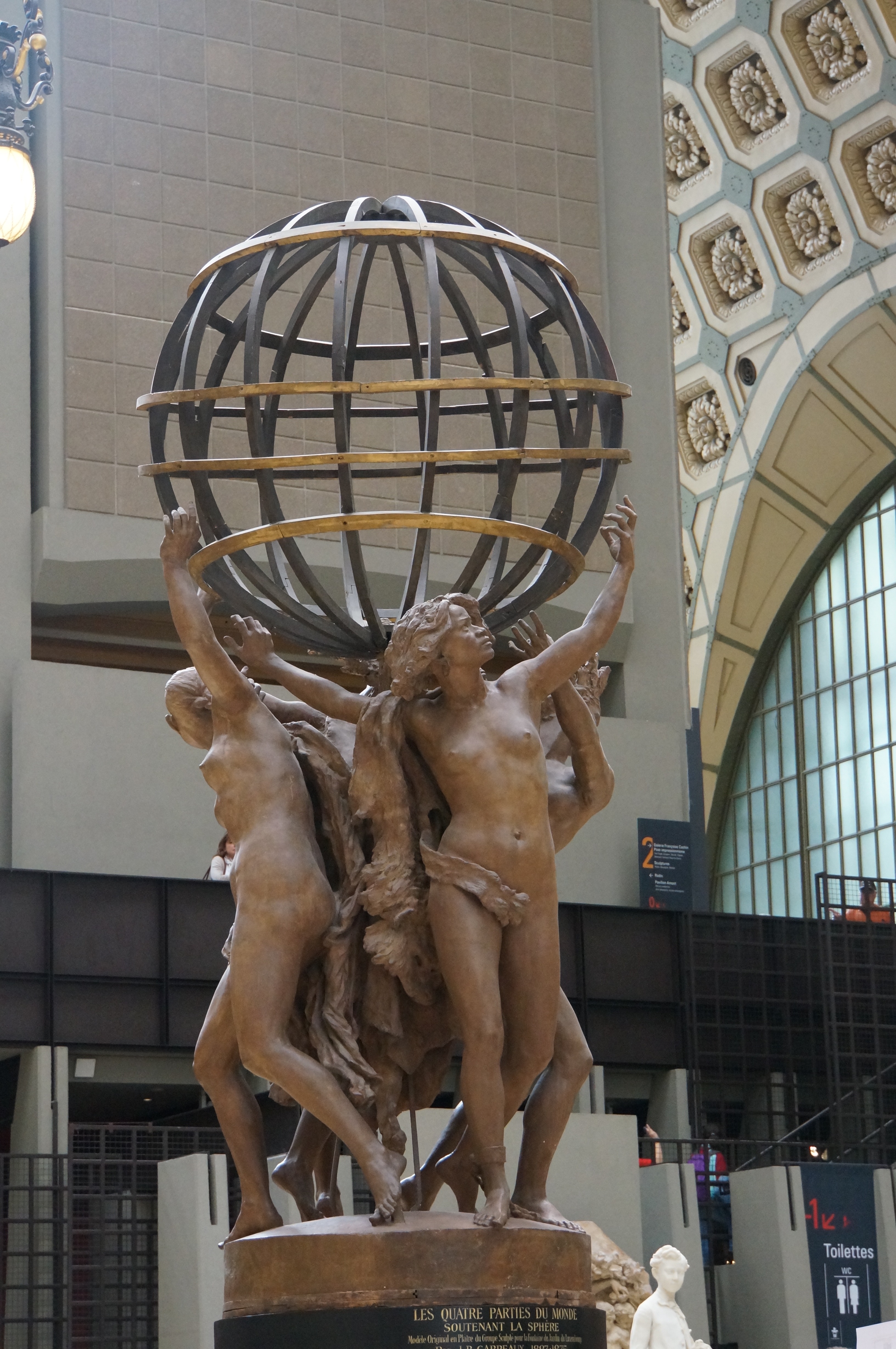
Major sculptors includes François Rude, Jules Cavelier, Jean-Baptiste Carpeaux, Auguste Rodin, Paul Gauguin, Camille Claudel,Sarah Bernhardt and Honoré Daumier.

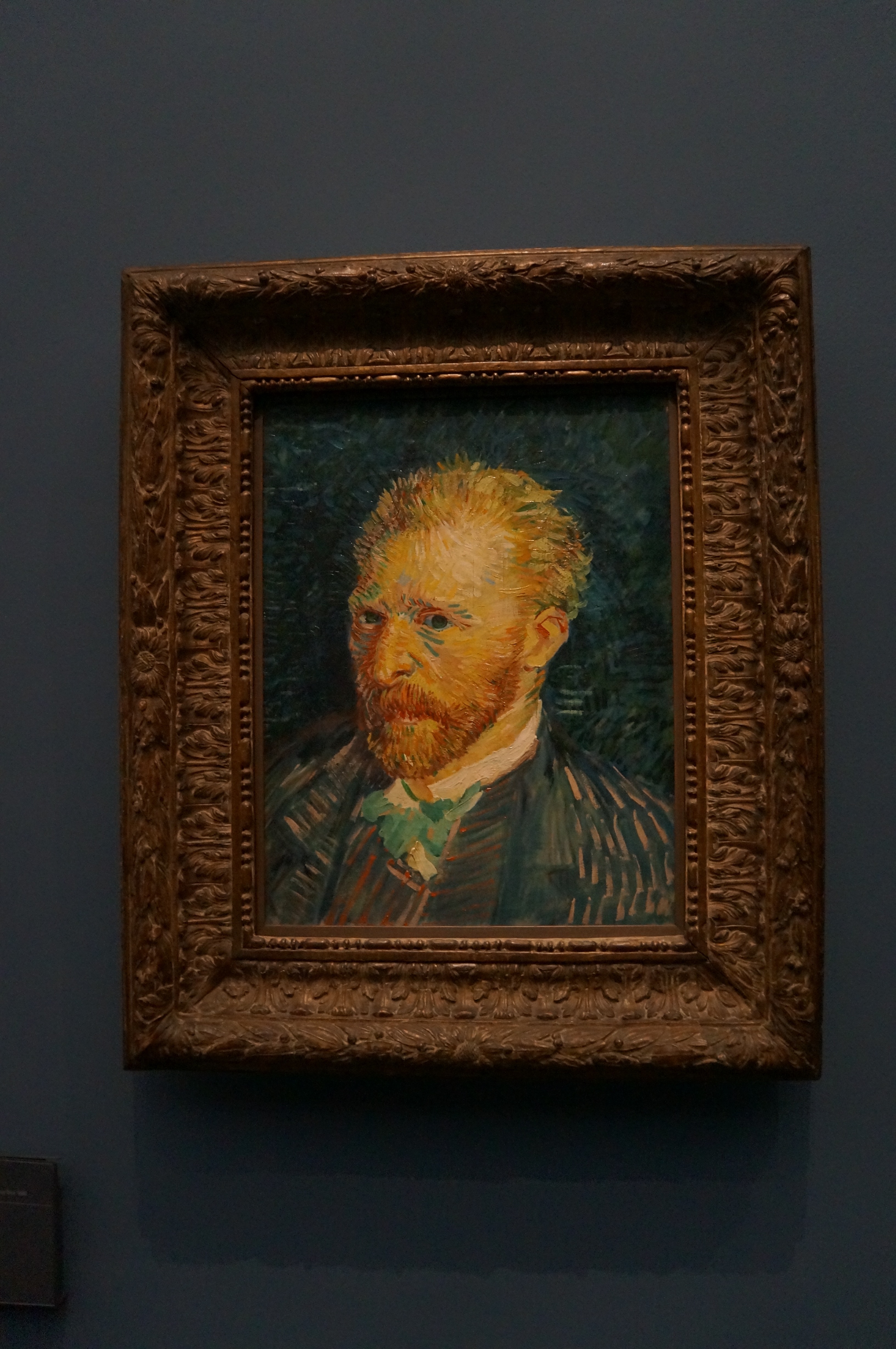
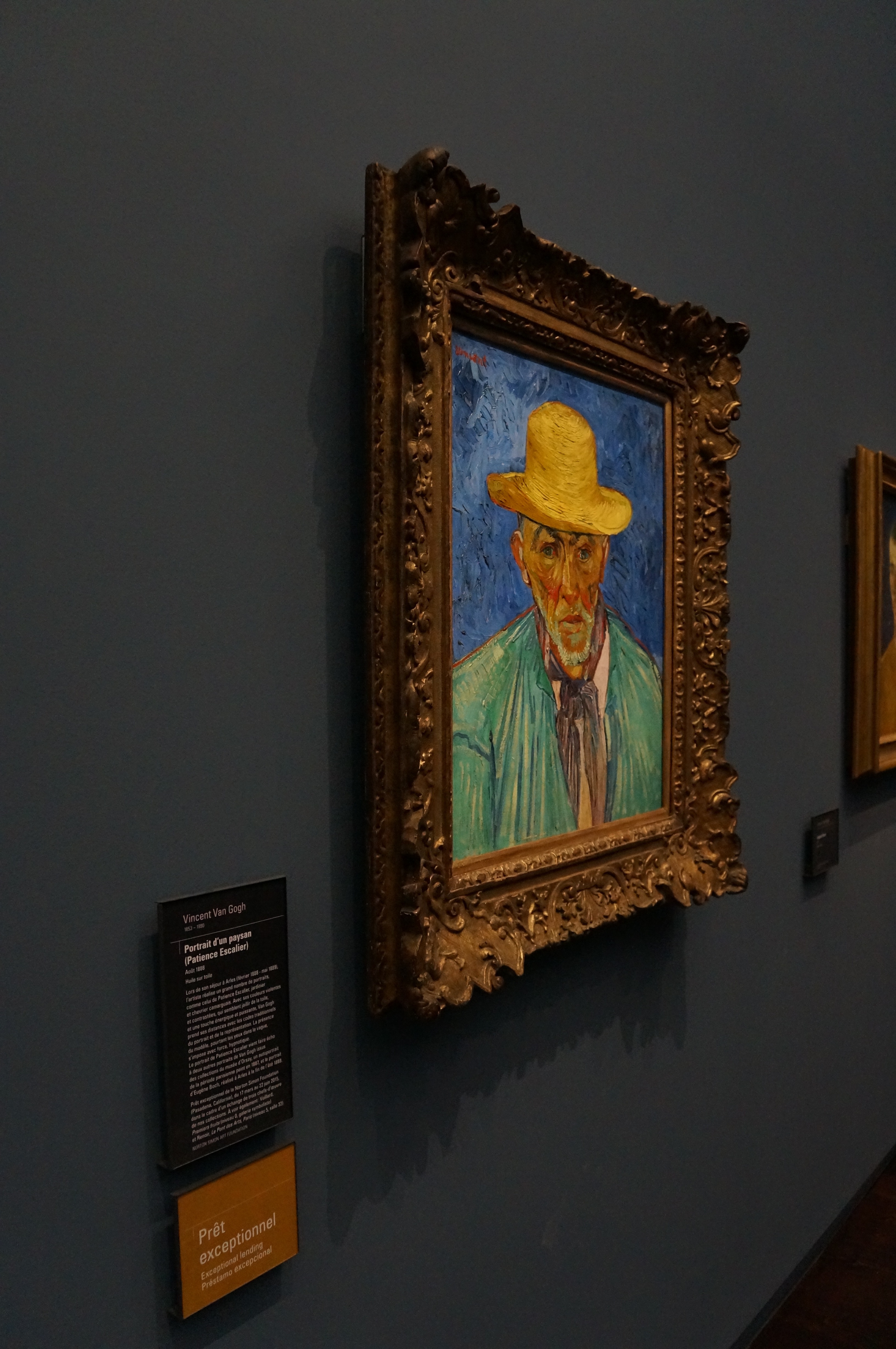
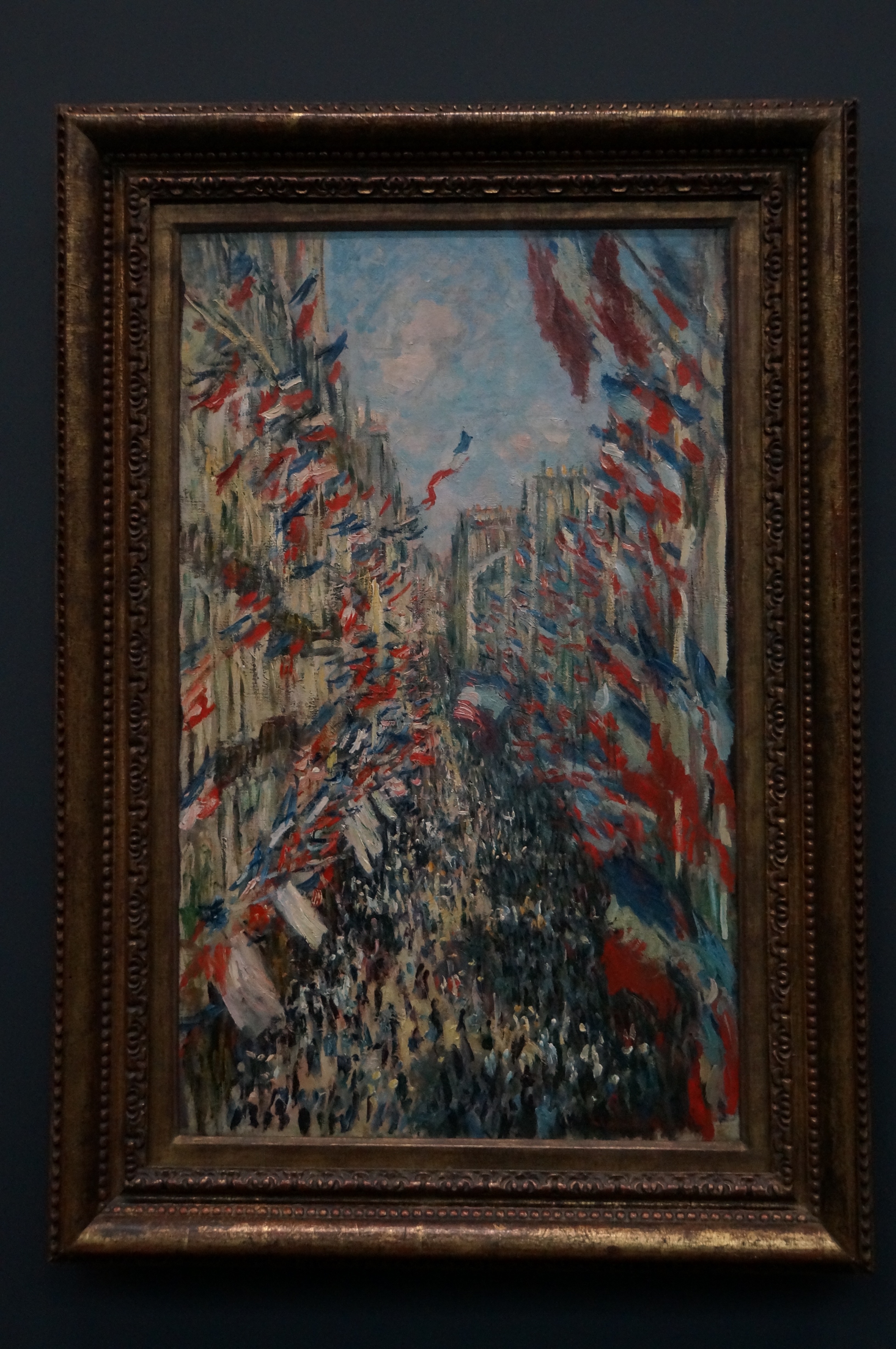
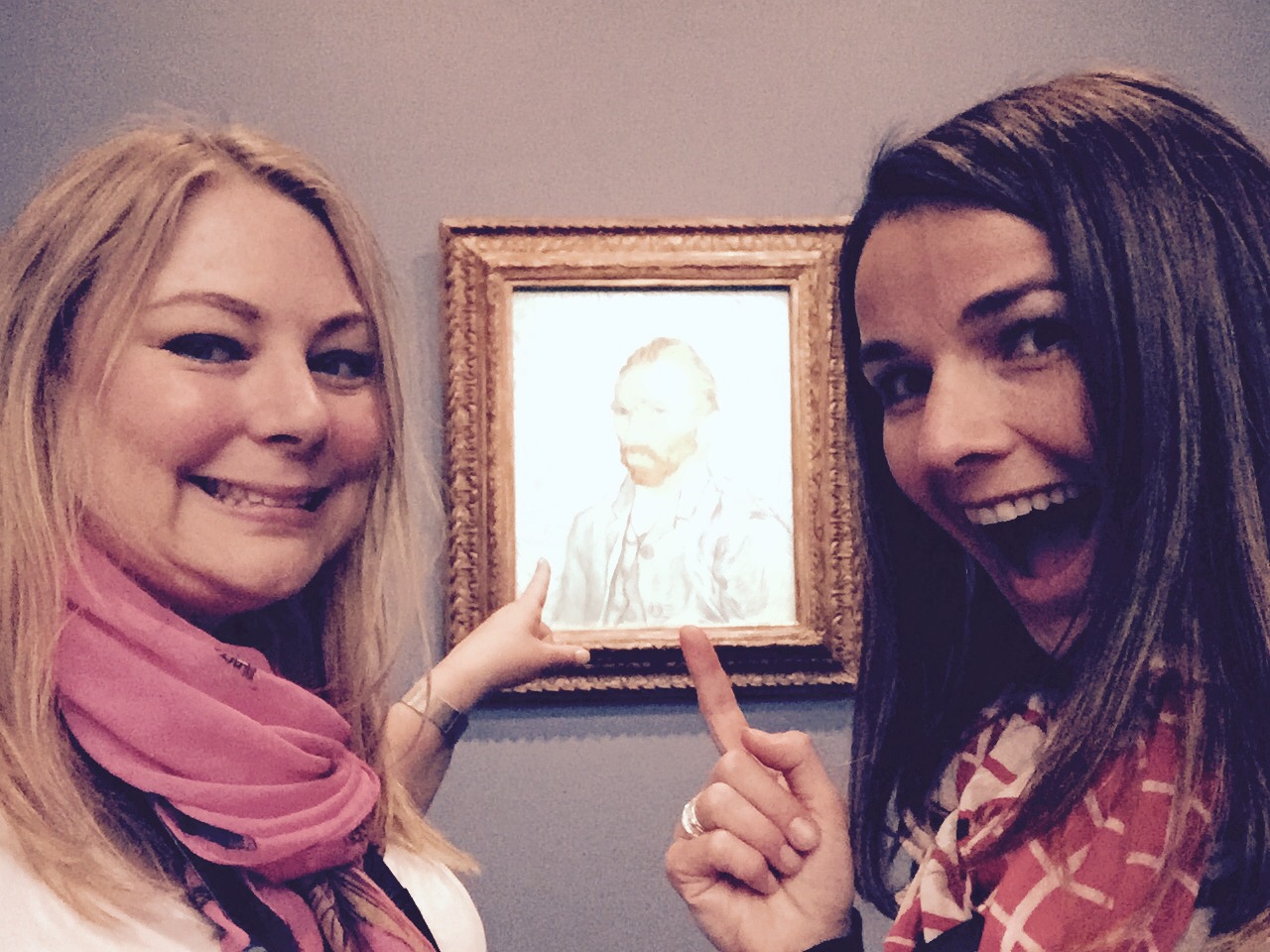
There are far too many amazing sculptures, paintings and artists to mention them all but some well know pieces – The Birth of Venus, Blue Water Lilies, Starry Night over the Rhone, Apples and Oranges as well as The Card Players (Cezanne), a self-portrait by Vincent Van Gogh, The Circus, (Sevrat), The painting family, The sick child (Carriere) and the Luncheon on the Grass.

As luck would have it for us, a small exhibit of Picasso’s work is also on display until June 2015 – (citing http://www.musee-orsay.fr/en/collections/overview/actualites/the-museum-in-motion.html#c84991).

The Femme en vert (Dora) [Woman in Green, Dora]painting by Pablo Picasso

Pablo PicassoFemme en vert (Dora)© Succession Picasso 2015 © Peter Schibli, Basel

This exceptional loan from the Fondation Beyeler provides a dramatic conclusion, in contrast with the works presented in the Impressionist gallery.  Fifty years elapsed between this portrait produced by Pablo Picasso in February 1944, representing in all likelihood his companion Dora Maar, and La femme à la cafetière [Woman with a Coffeepot] by Cézanne.

Nevertheless, many aspects of this canvas are reminiscent of Cézanne’s artwork: the portrait, based on the aspect ratio of volumes, is treated as a still life, recalling his predecessor’s desire to “treat nature through cylinders, spheres and cones”.  Towards the end of the war, Picasso turned once again to Cézanne, whom he declared to be his role model for his Cubist years.

Pablo PicassoThe Absinthe Drinker© Succession Picasso 2015 / Photo Sophie Boegly

On the ground floor, visitors can admire Picasso’s works thanks to a long-term loan granted by a private collector.

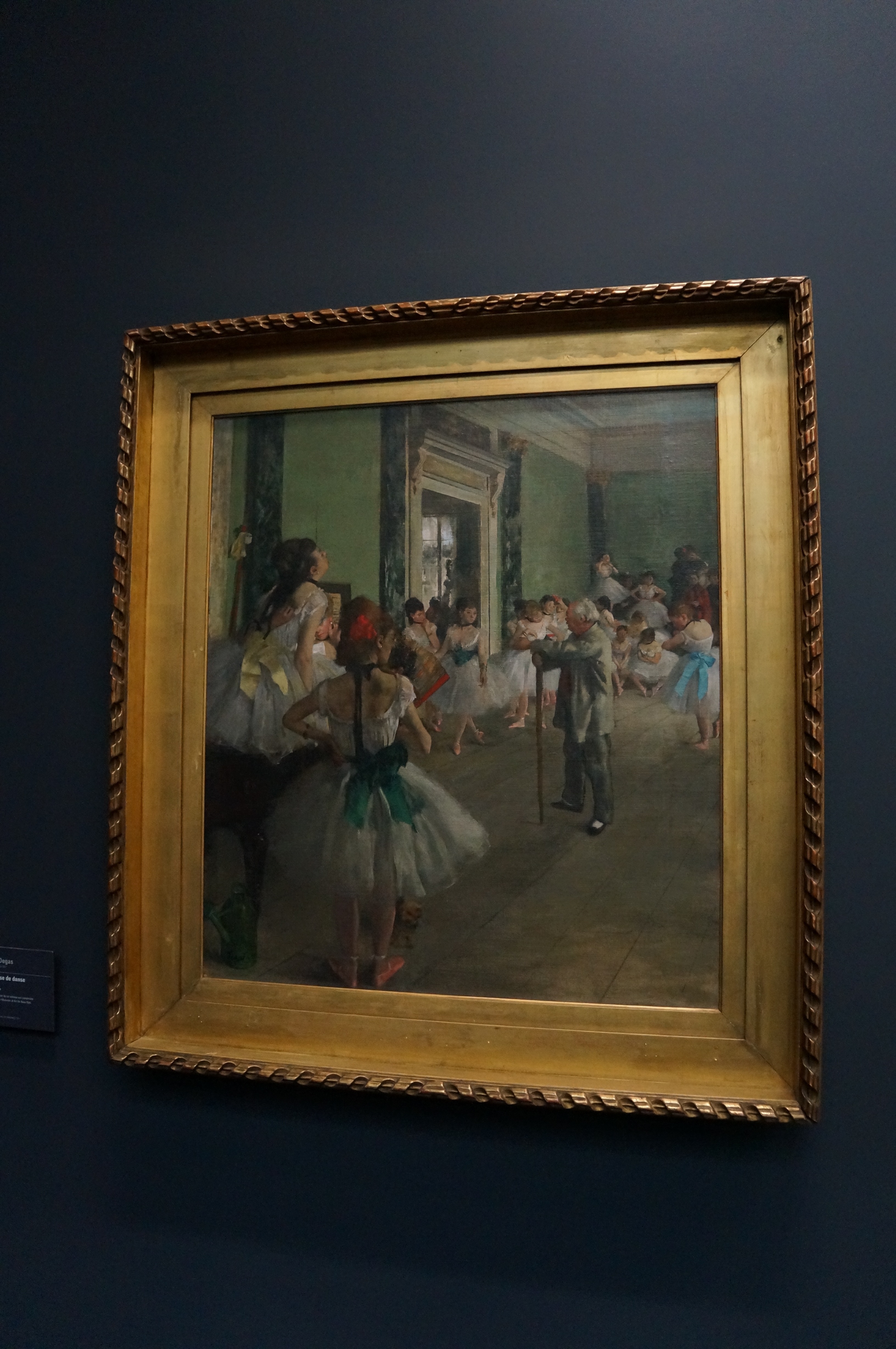
Displayed in the room devoted to Parisian lifestyle (ground floor, room 10), The Absinthe Drinker (1901) hangs alongside scenes of entertainment, dance halls, brothels, portraits by Toulouse-Lautrec, Boldini and Anquetin, and once again reveals the fascination that bohemian Paris held for so many painters at the end of the 19th century. It is also a unique opportunity for visitors to compare this absinthe drinker by Picasso with that of Degas displayed in the Impressionist gallery.

For more: http://www.aviewoncities.com/paris/garedorsay.htm
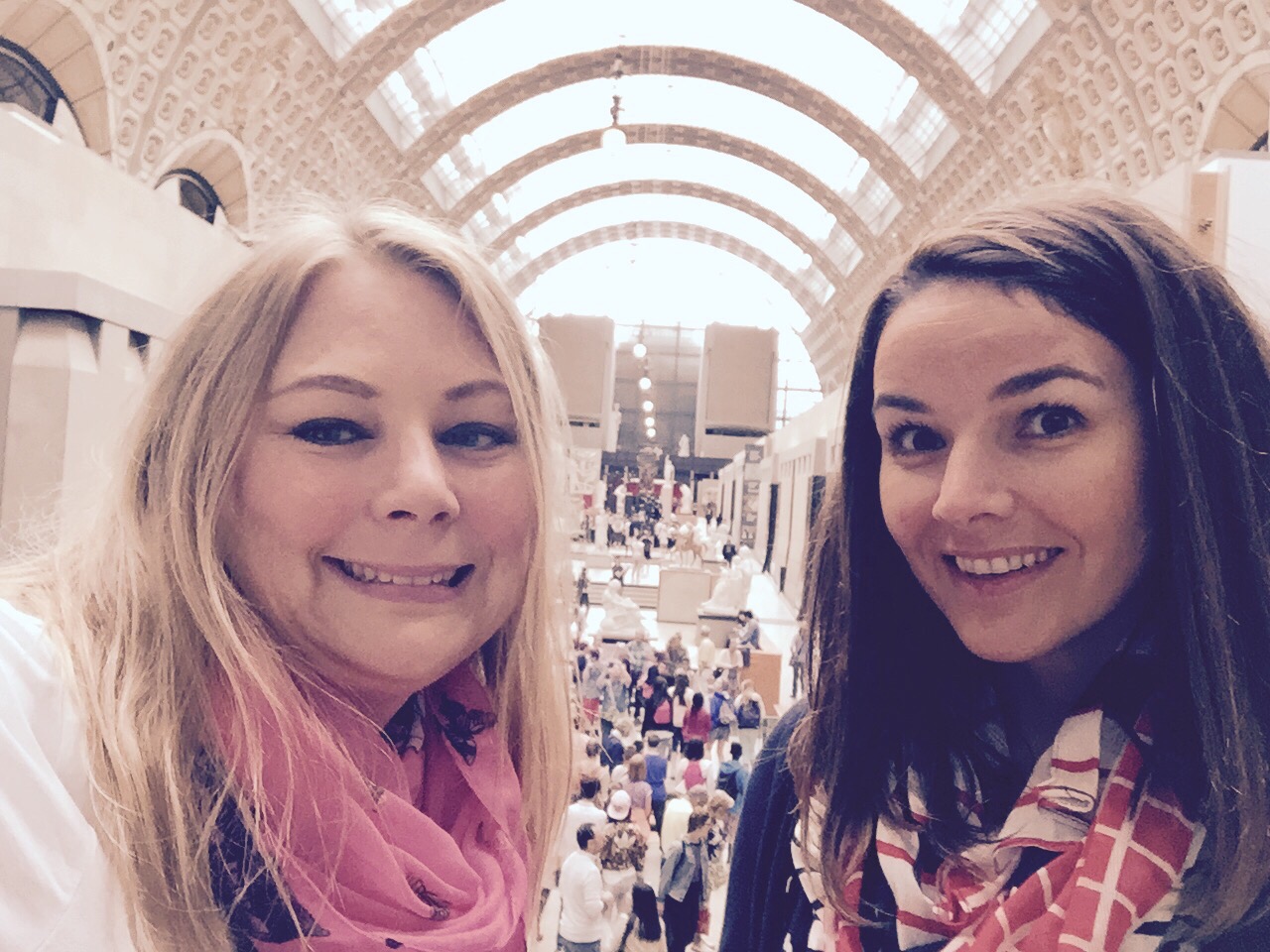
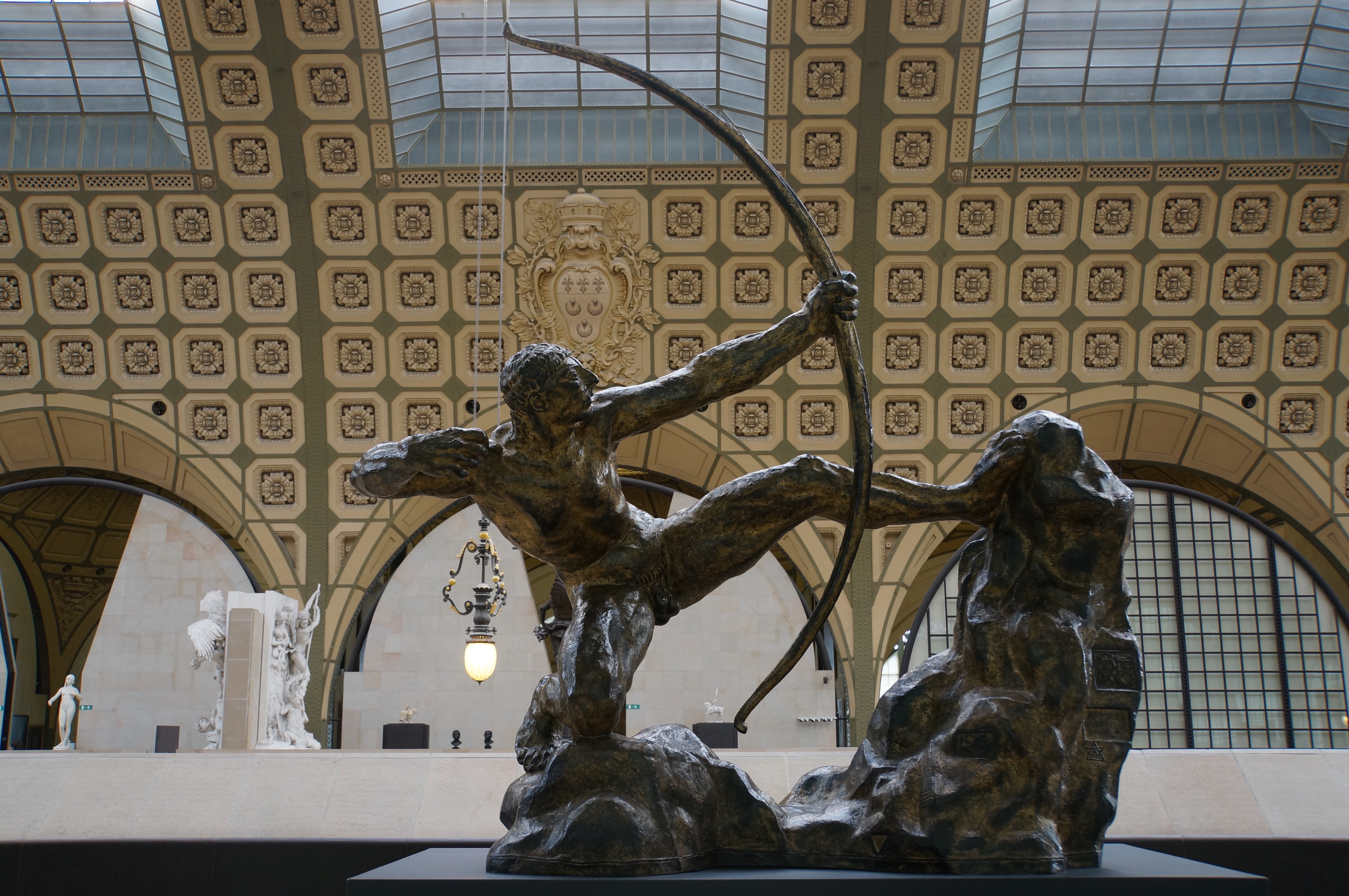
The main hall of Musee D’Orsay
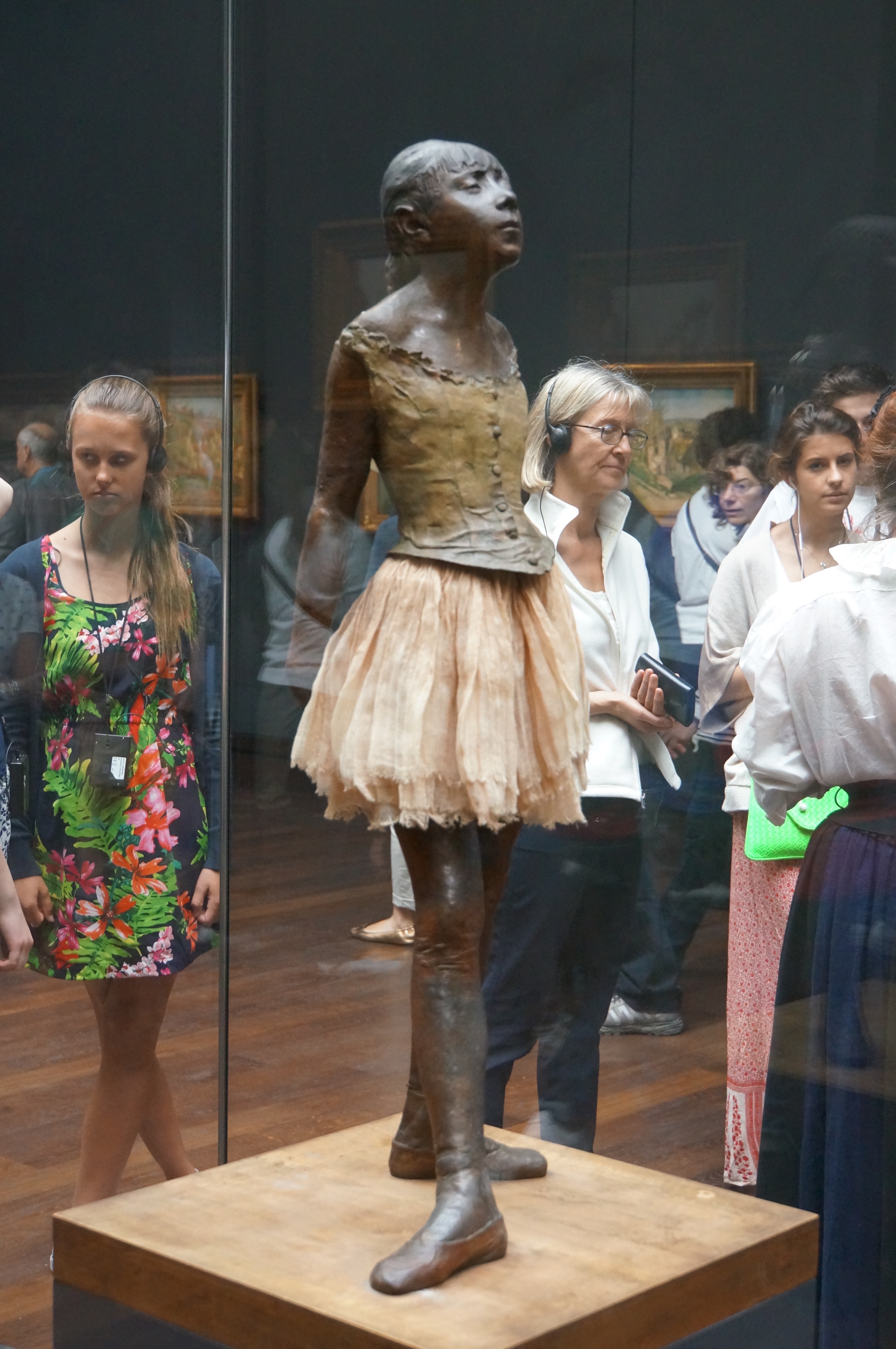
DSC09722

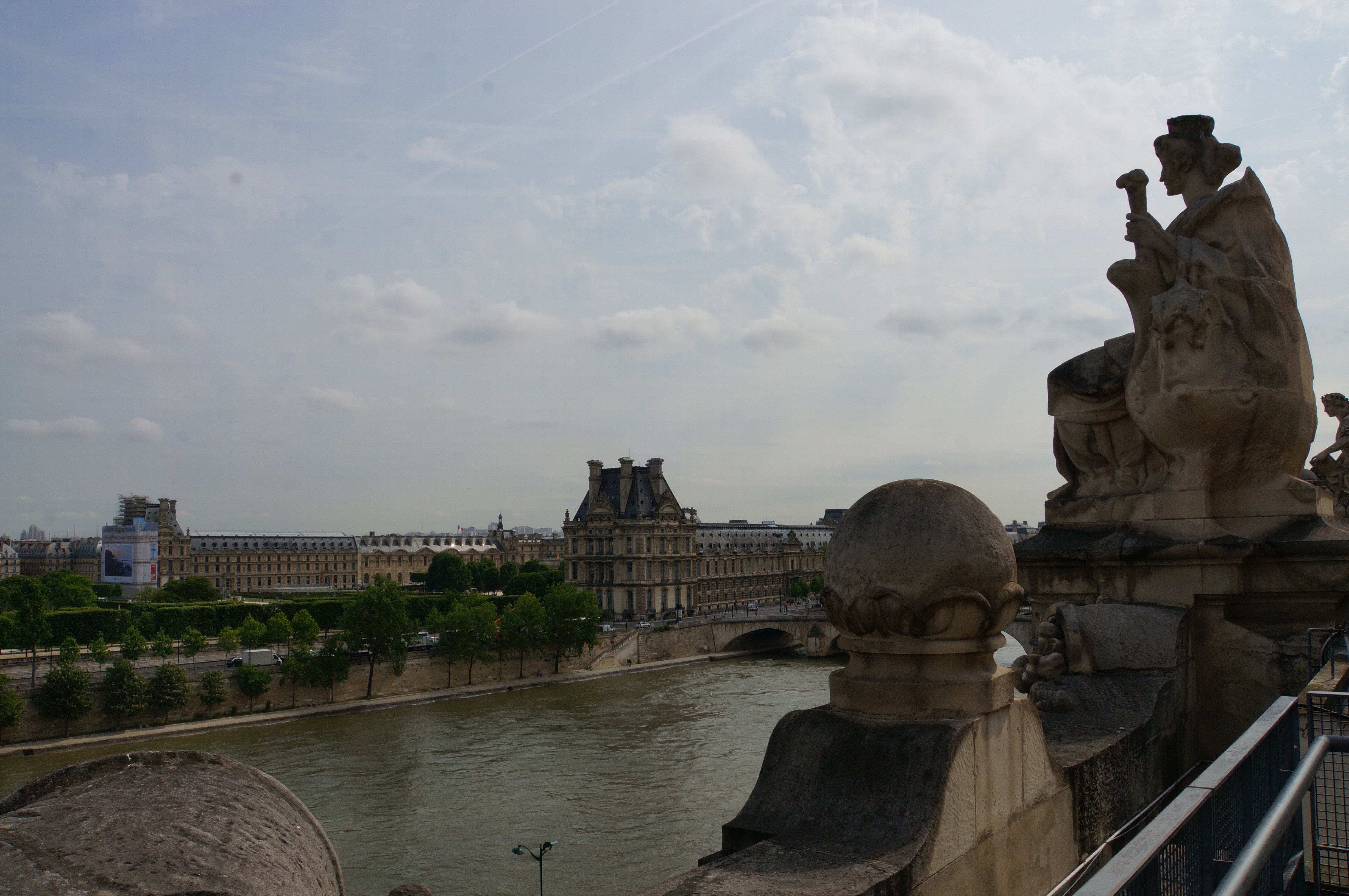
Views of Paris and the Seine from the rooftop of Musee D'Orsay

Views of Paris and the Seine from the rooftop of Musee D’Orsay
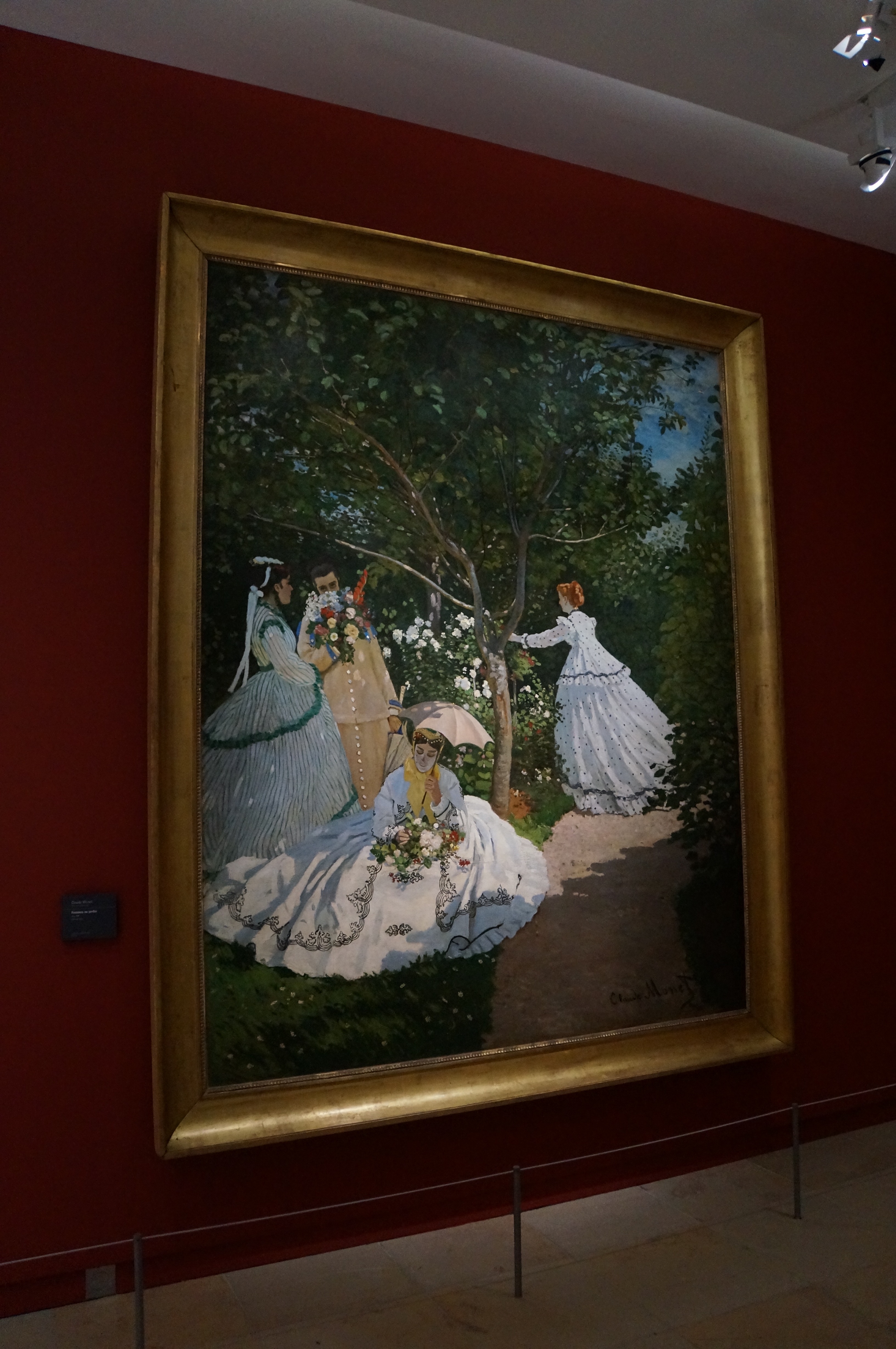
DSC09724DSC09655

DSC09651 DSC09650

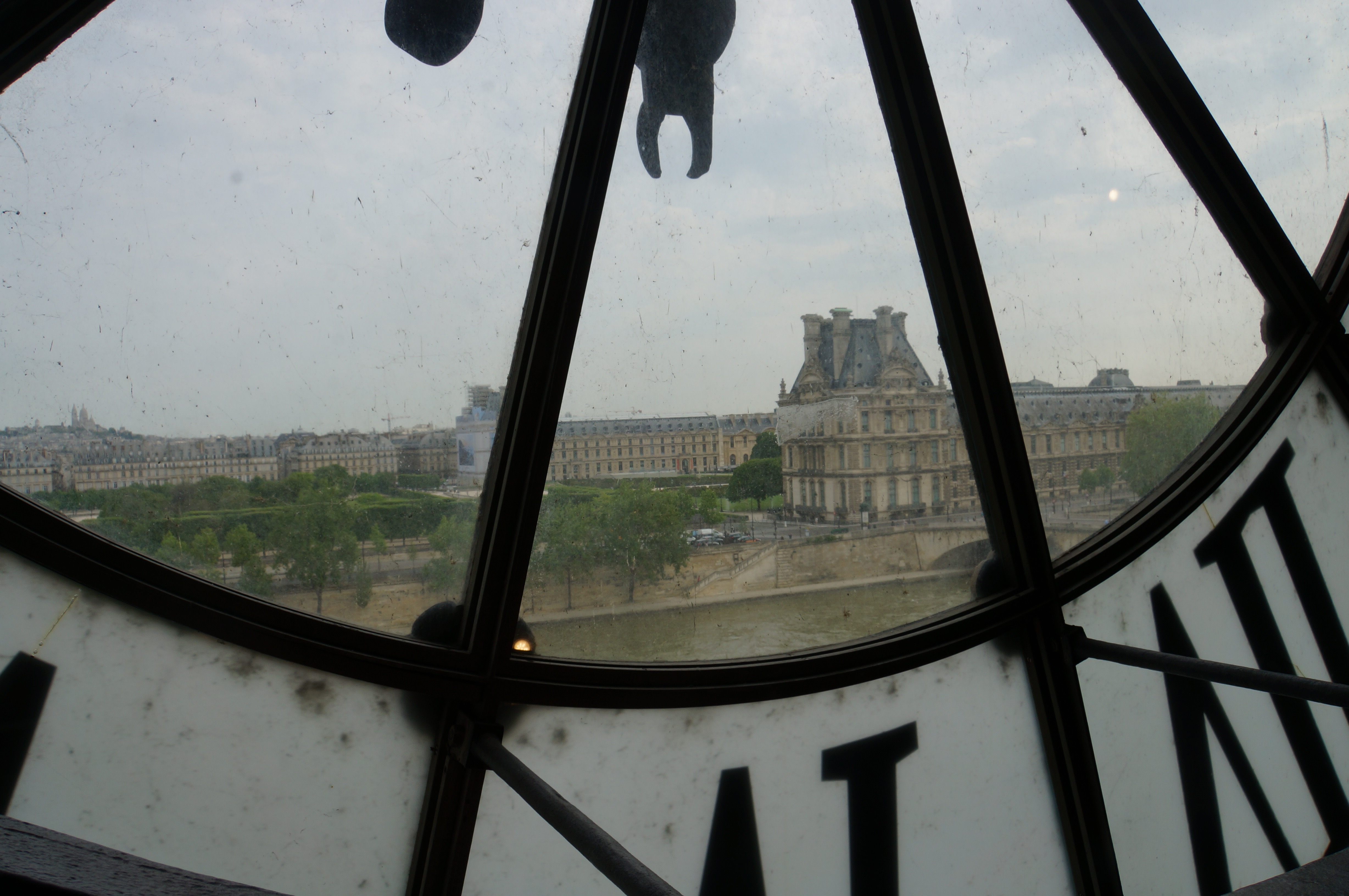
Train station clock in the shadows. With the city of Paris and the Seine in view.

Train station clock in the shadows. With the city of Paris, Musee de Louvre, and the Seine in view.
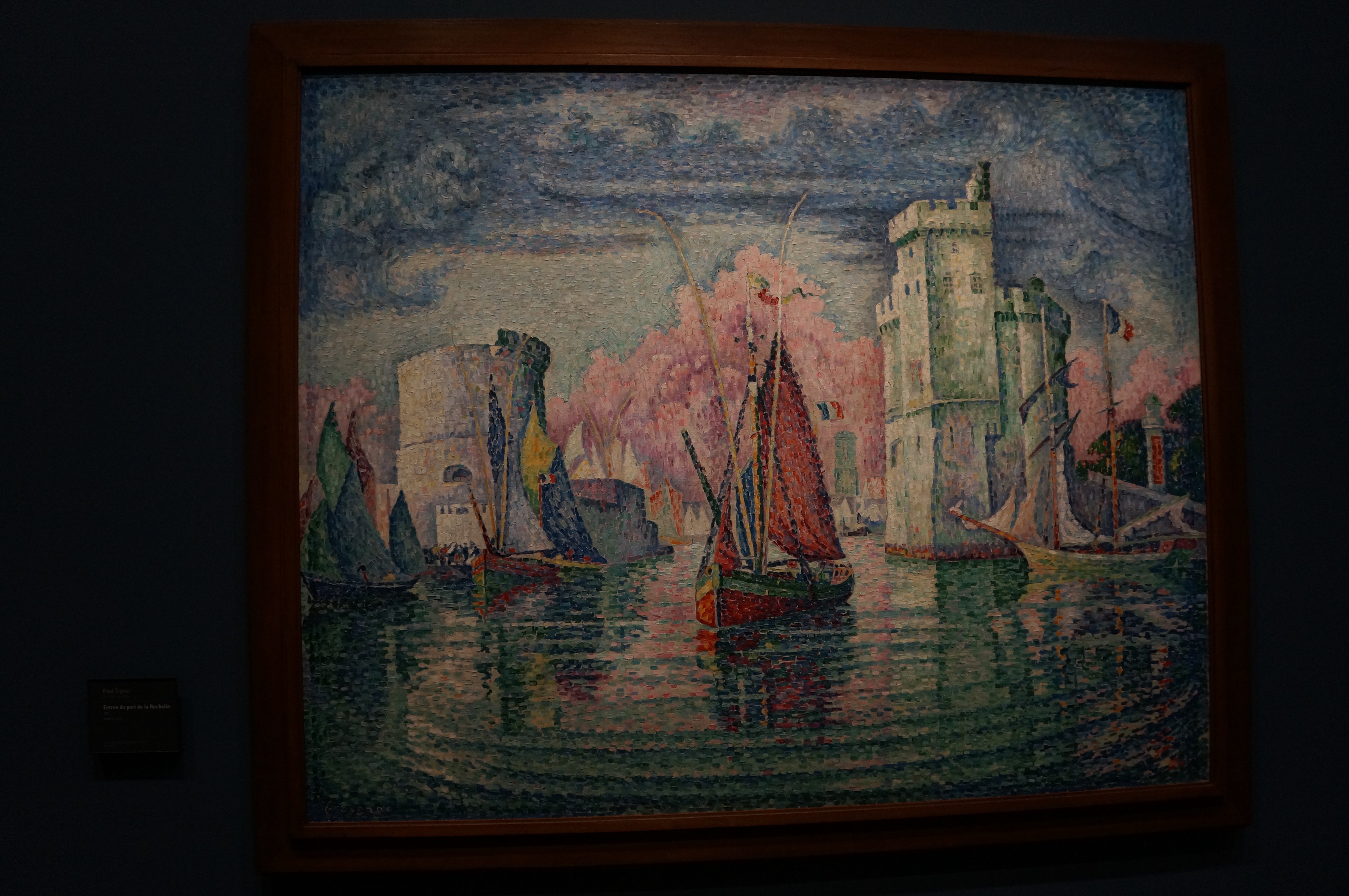
DSC09657 DSC09659 DSC09694

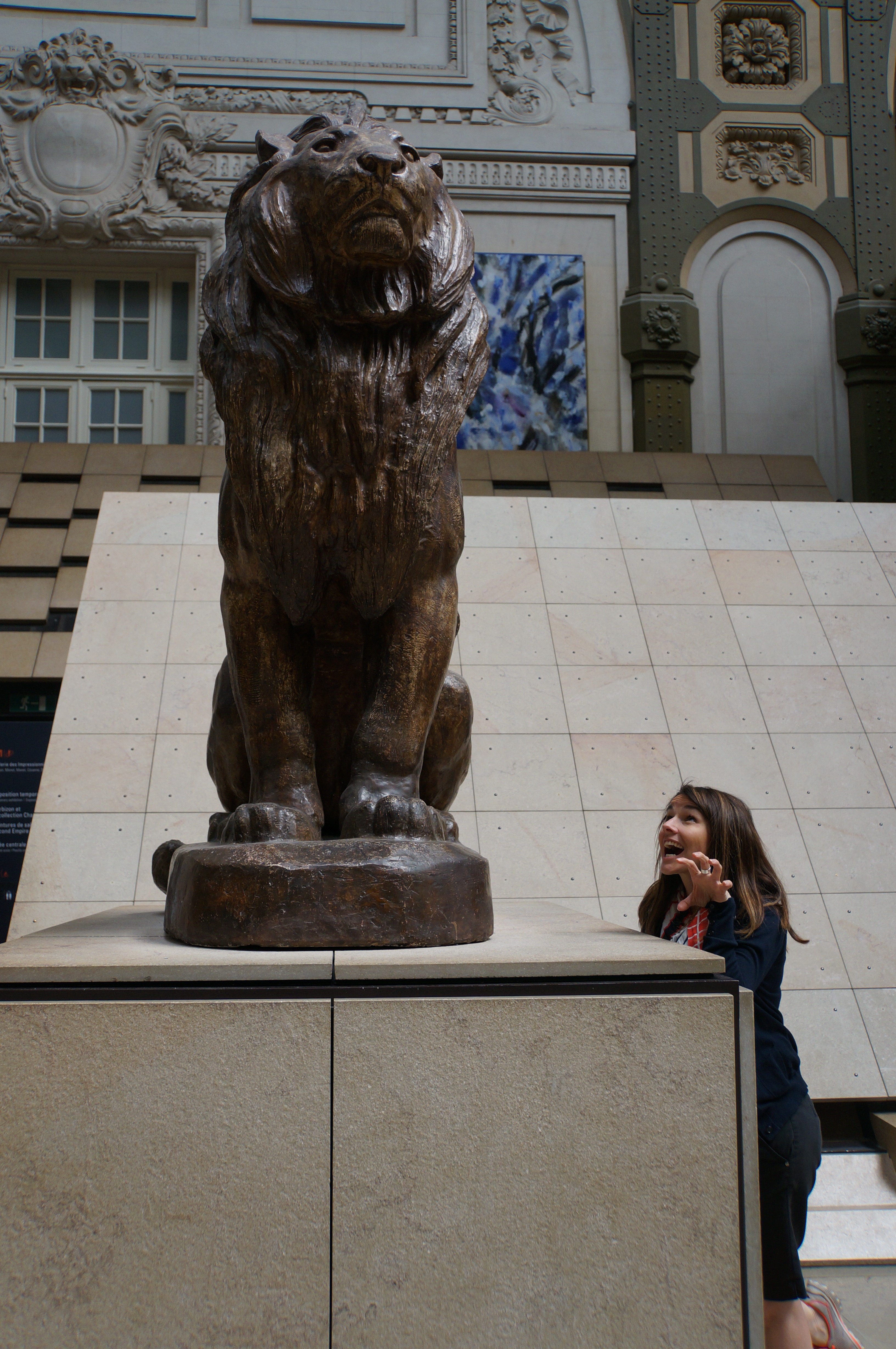
Roar....

Roar….

DSC09719

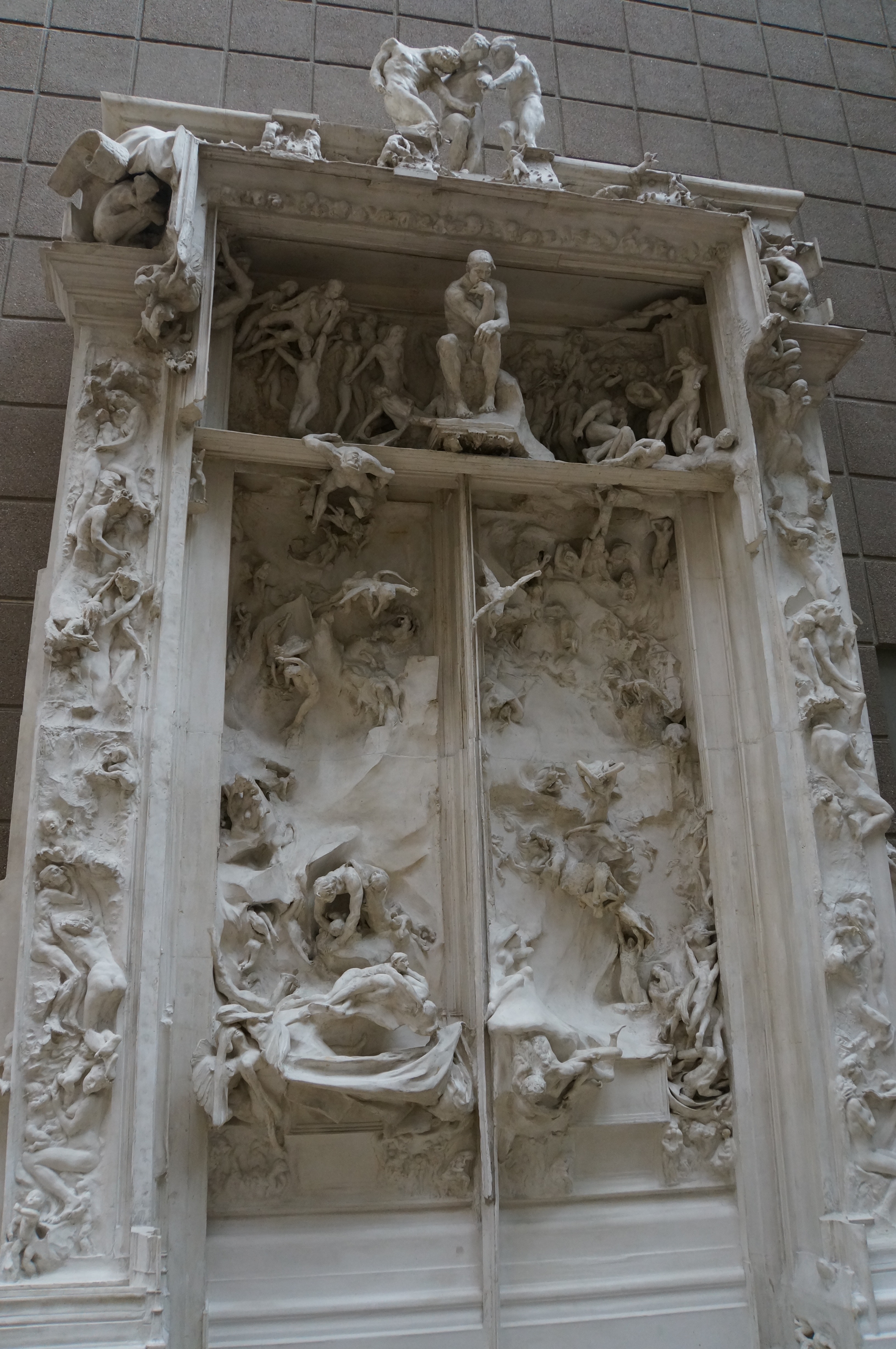
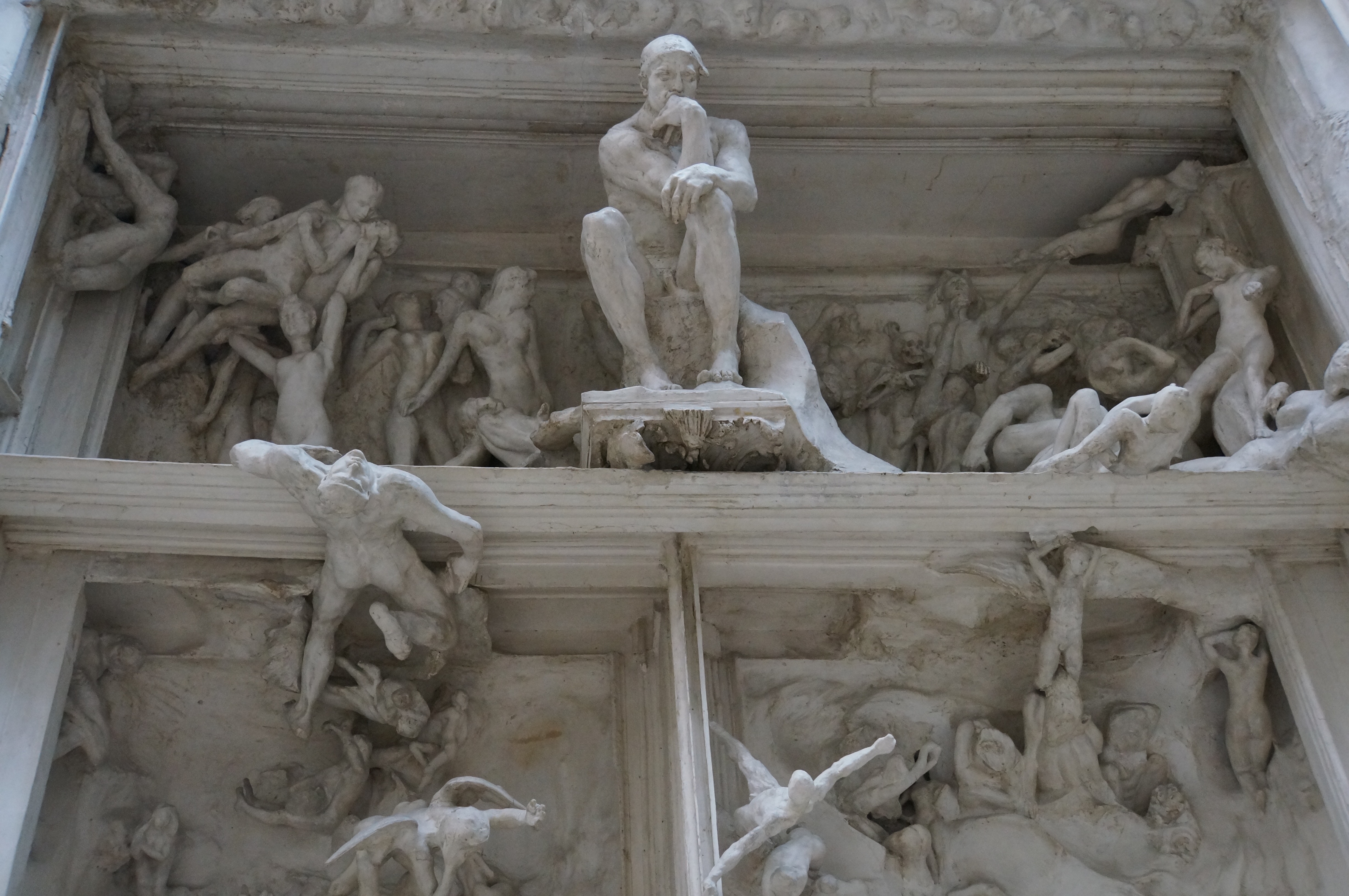
The Gates of Hell sculpture by Rodin at the Musee D'Orsay

The Gates of Hell sculpture by Rodin at the Musee D’Orsay
DSC09670

Main gallery hallway at Musee D'Orsay

Main gallery hallway at Musee D’Orsay
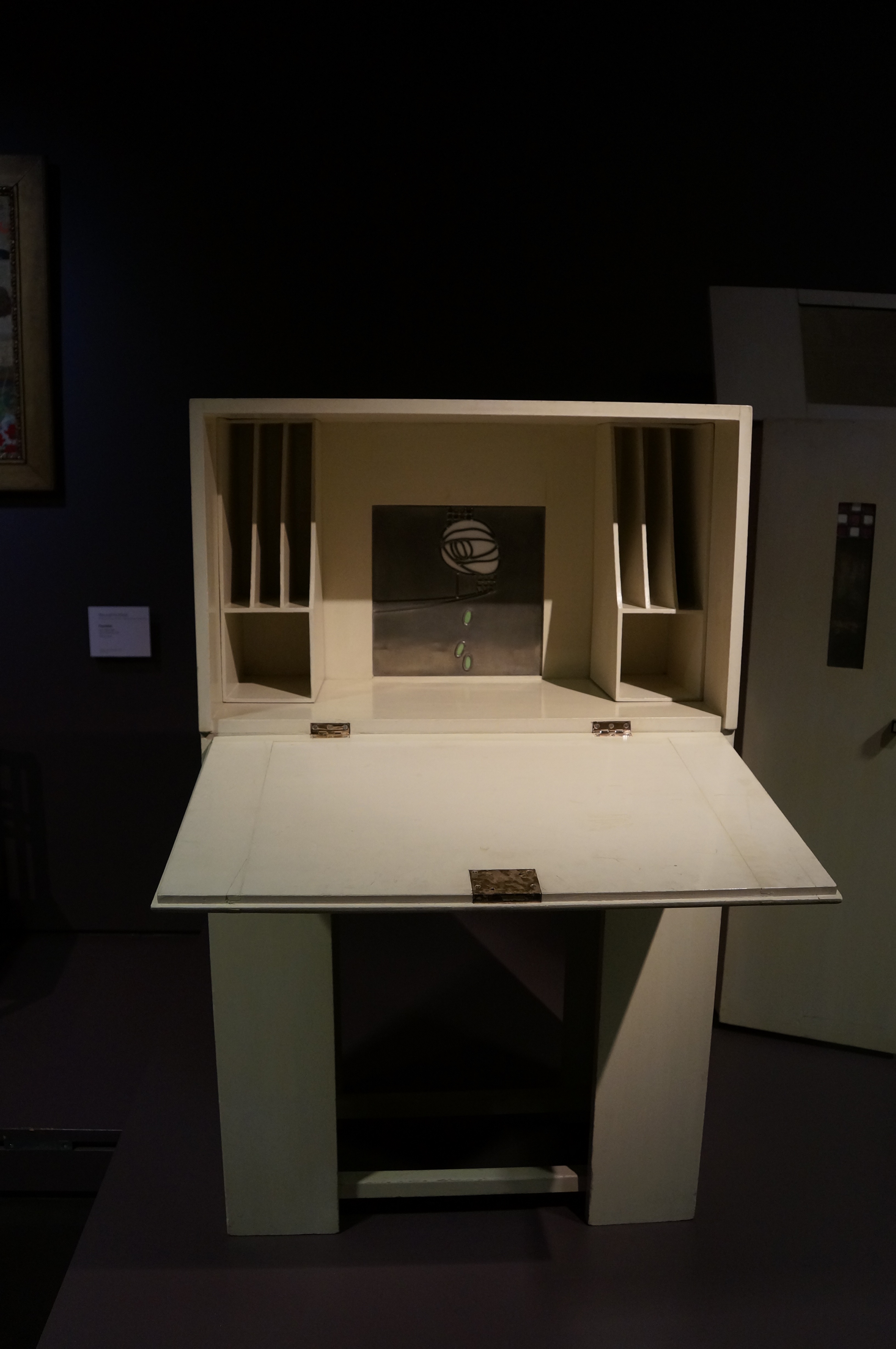
Furniture can also be art!

Furniture can also be art!

DSC09726

DSC09727

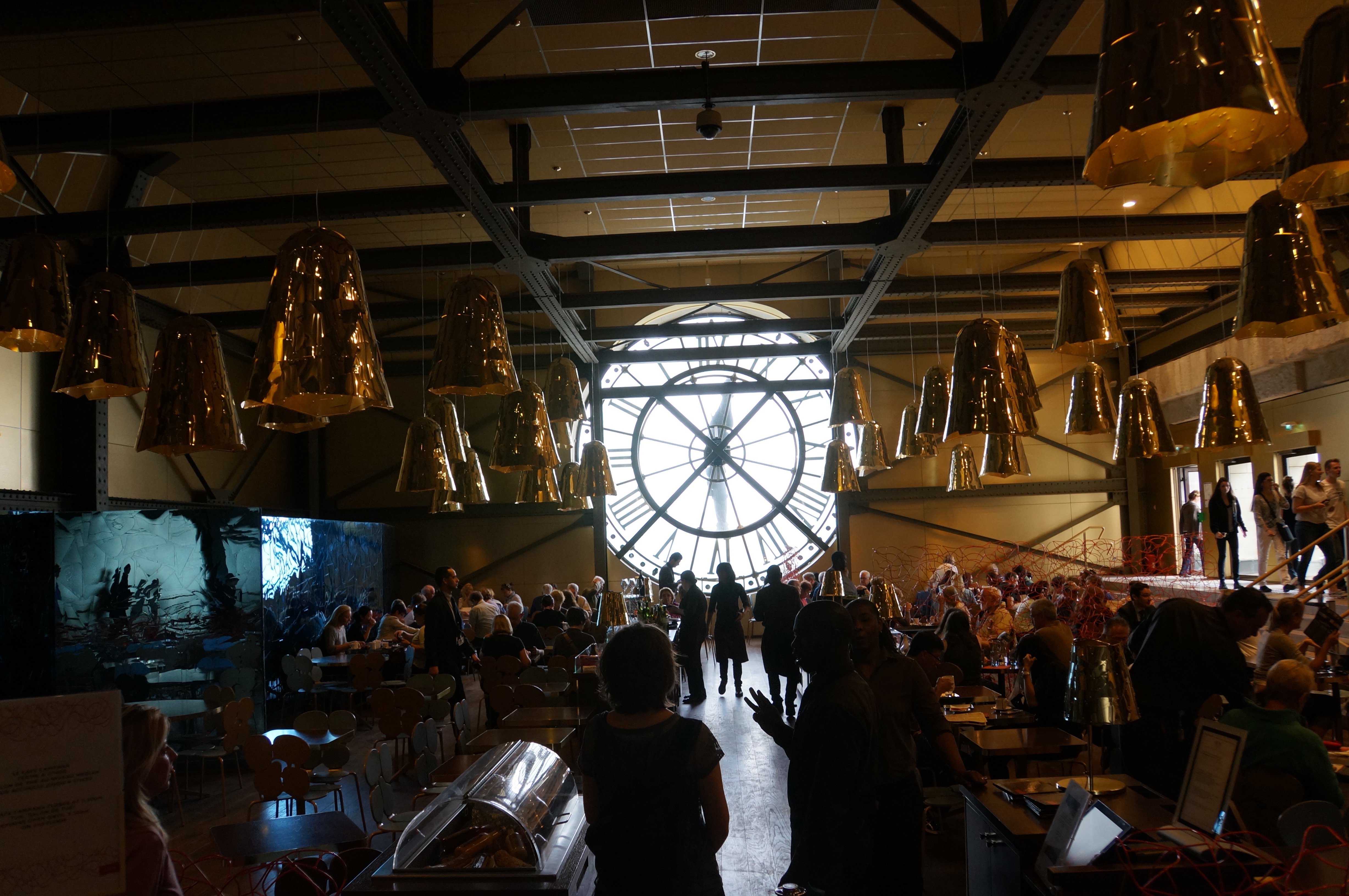
Delicious cafe - wonderful decor.

Delicious cafe – wonderful decor.

Our Selfie with the Self-portrait (1889) by Vincent van Gogh
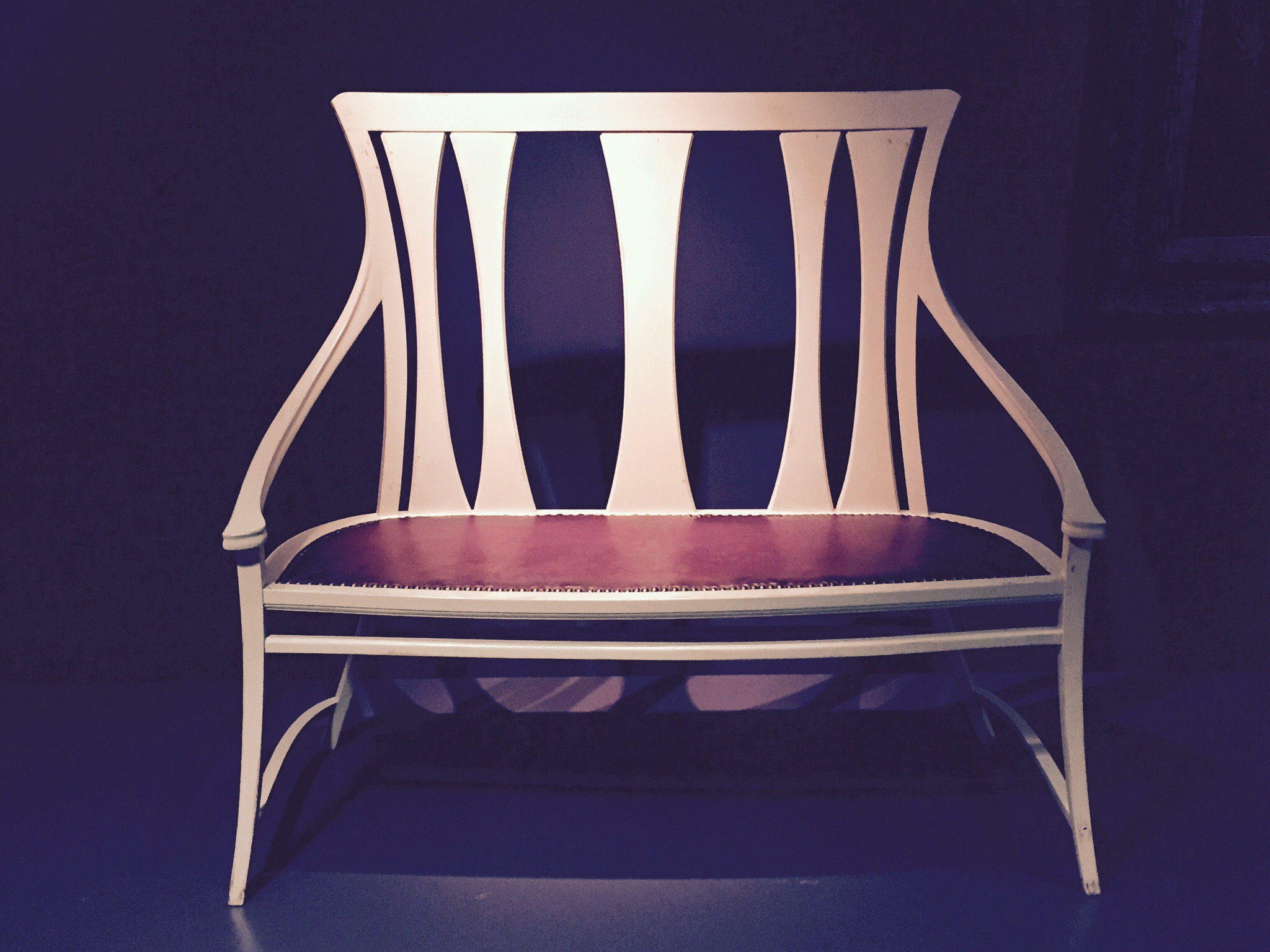
Behind the clock tower of the former train station that houses Musee D’Orsay
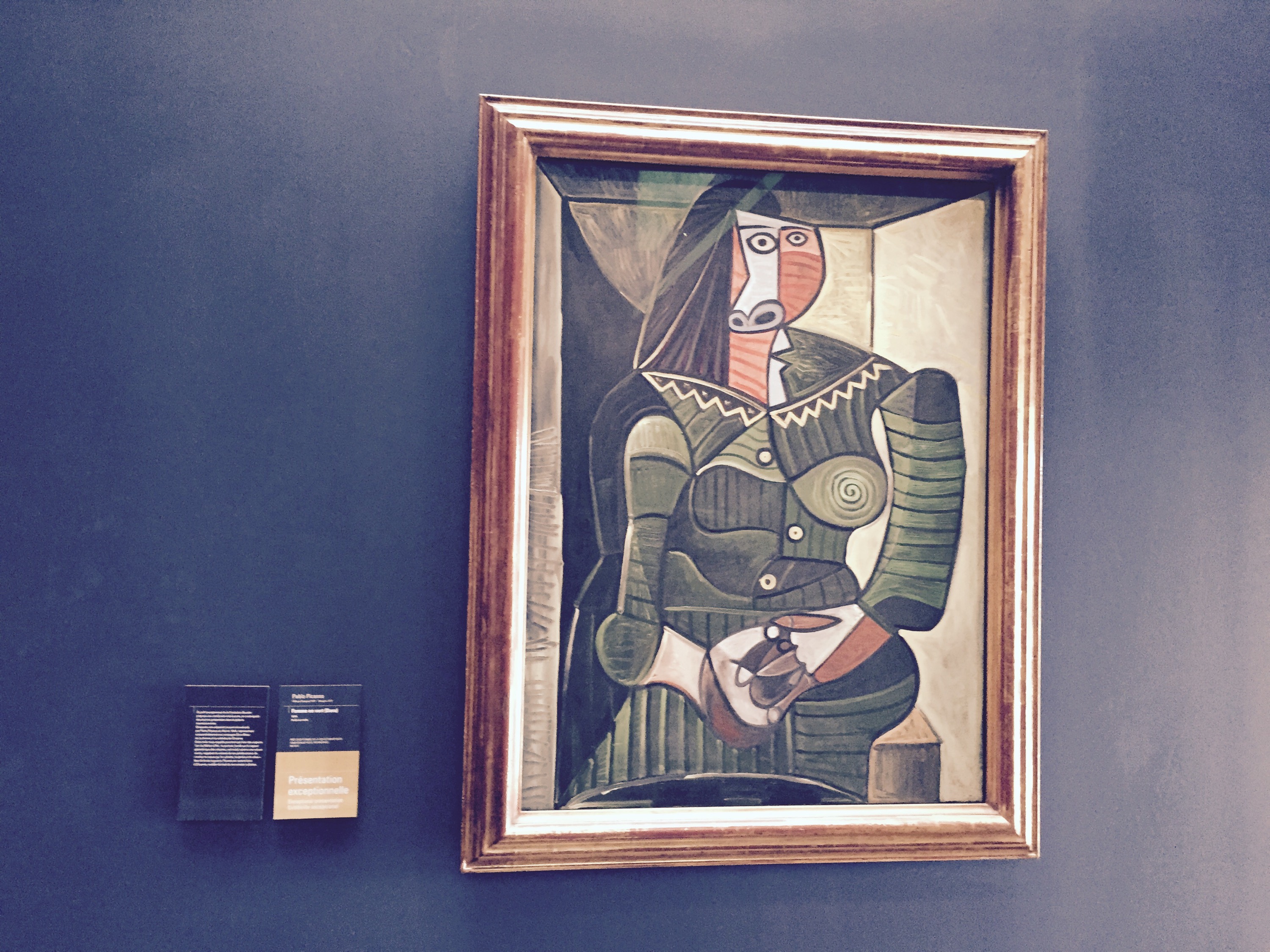
 Pablo Picasso Femme en vert (Dora)

  Light and dark – the Musee D’Orsay clock

Realizing we’ve just spend hours in this museum, decided it was time to book it to our next museum.

Musee Rodin:

By comparison to Versaille, Musee de Louvre and even Musee D’Orsay, the Musee Rodin is quite small. But, it was also on my list of things to see in Paris.  There are three main highlights of this visit – the gardens of the Rodin, where sculptures are nestled amongst the trees, flowers and grassy sections, hotel within which the museum is situated and the chapel.

The Hôtel Biron is in the style of rocaille architecture and the entire space (gardens included) is nearly three hectares. Hosts about 700,000 visitors every year. It opened to the public in August 1919 housed in a mansion, formerly called the Hôtel Peyrenc de Moras, now called Hôtel Biron, built between 1727 and 1732 and houses about 300 works.

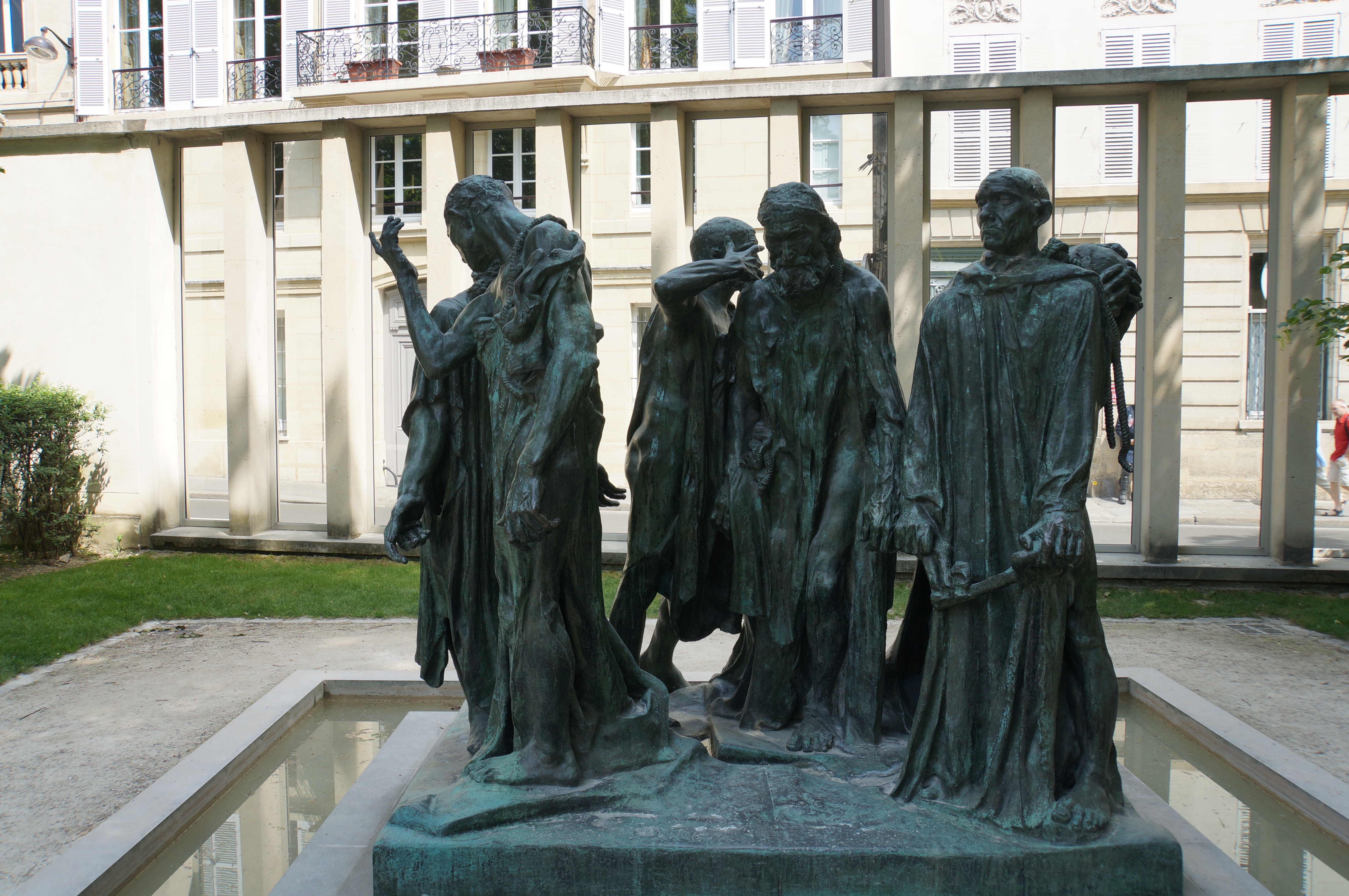
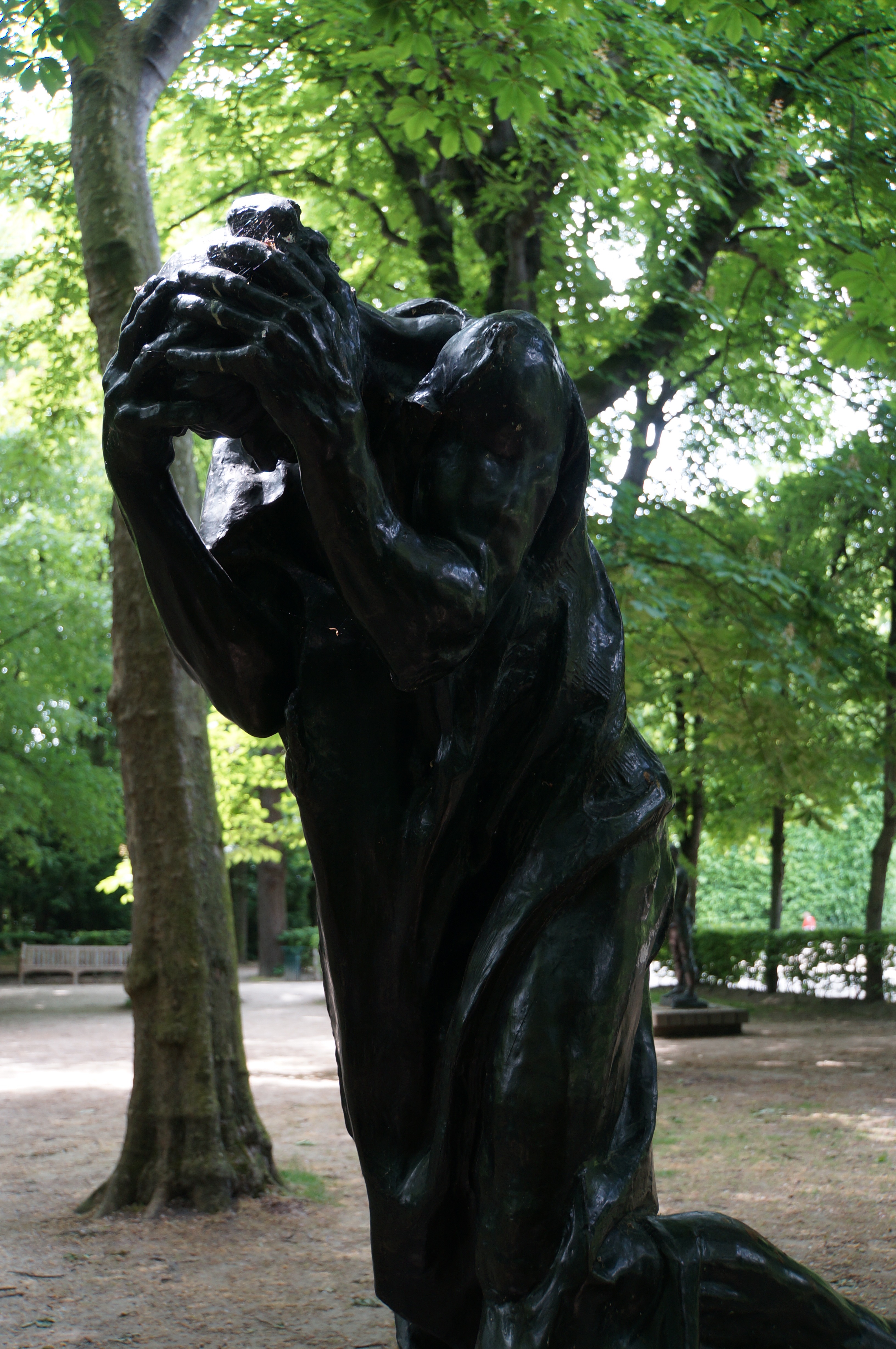
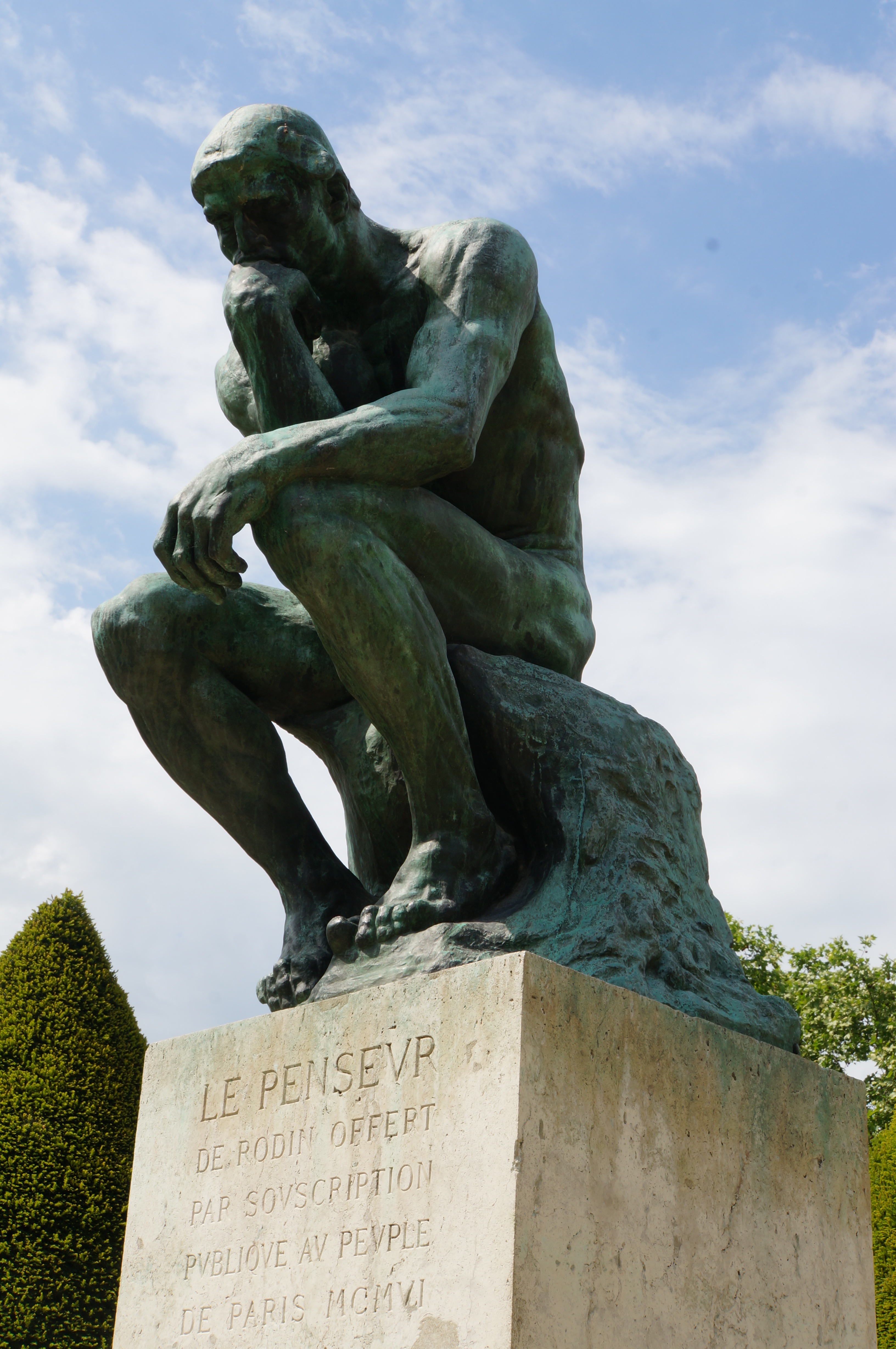
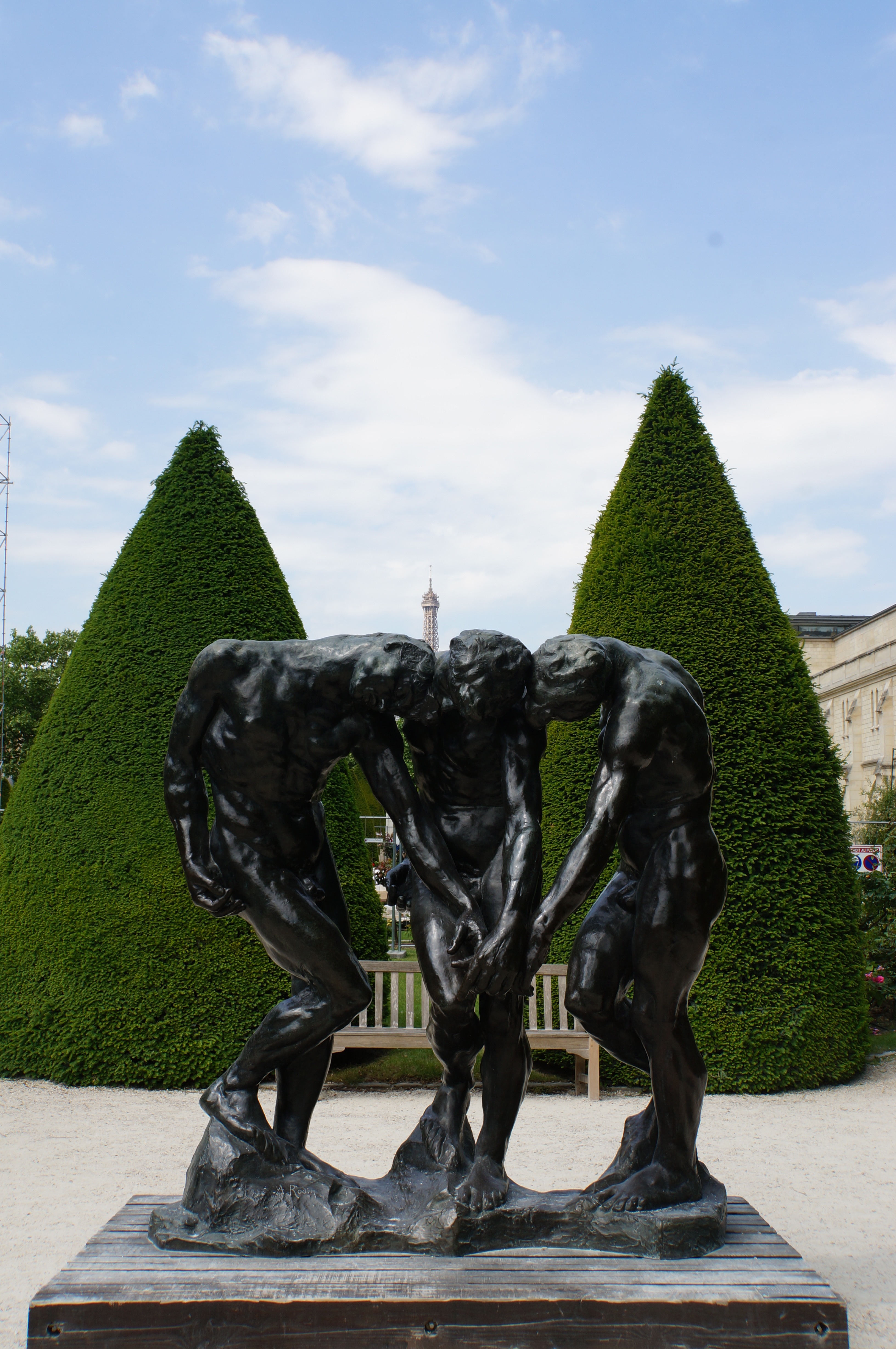
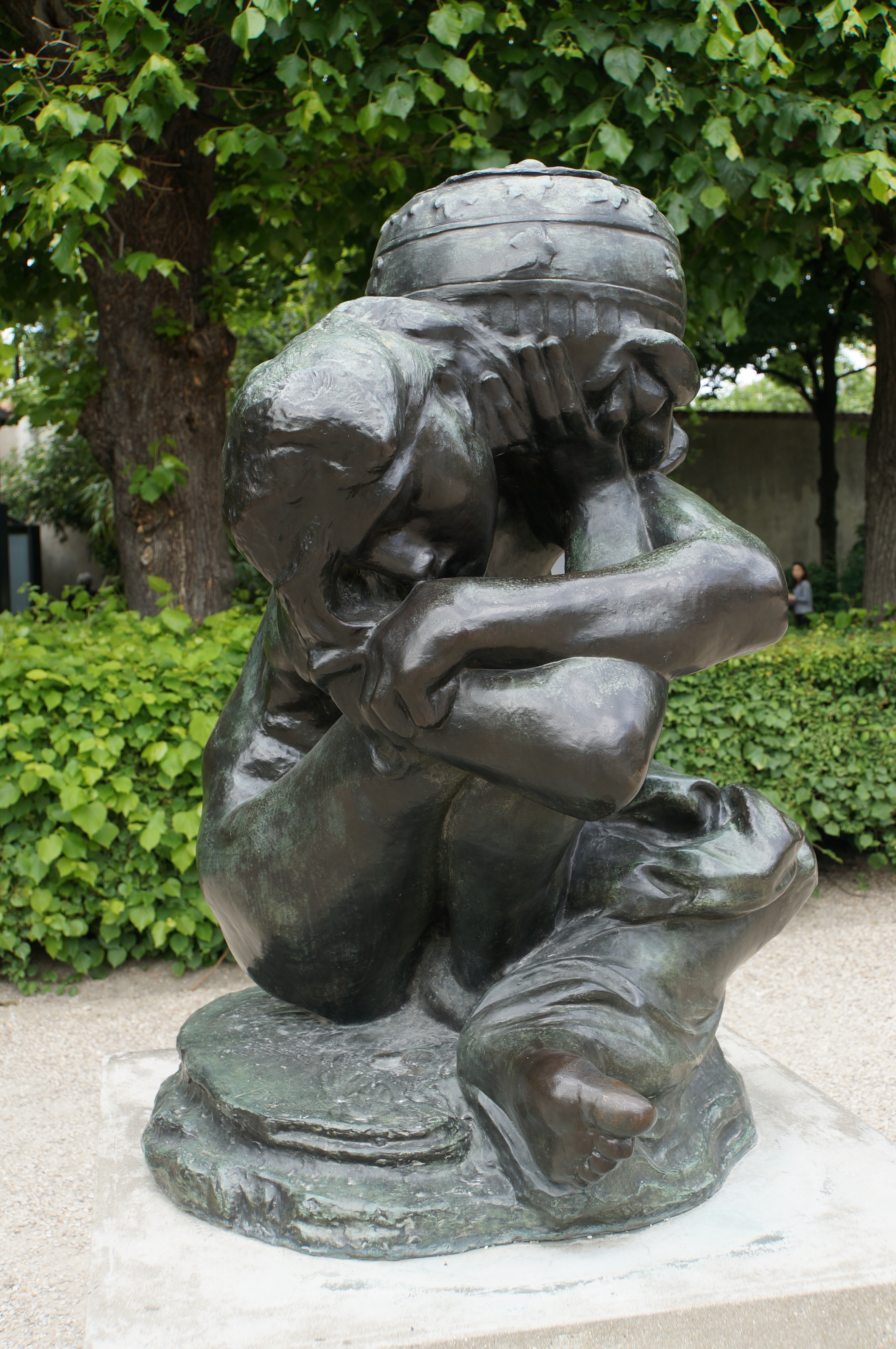
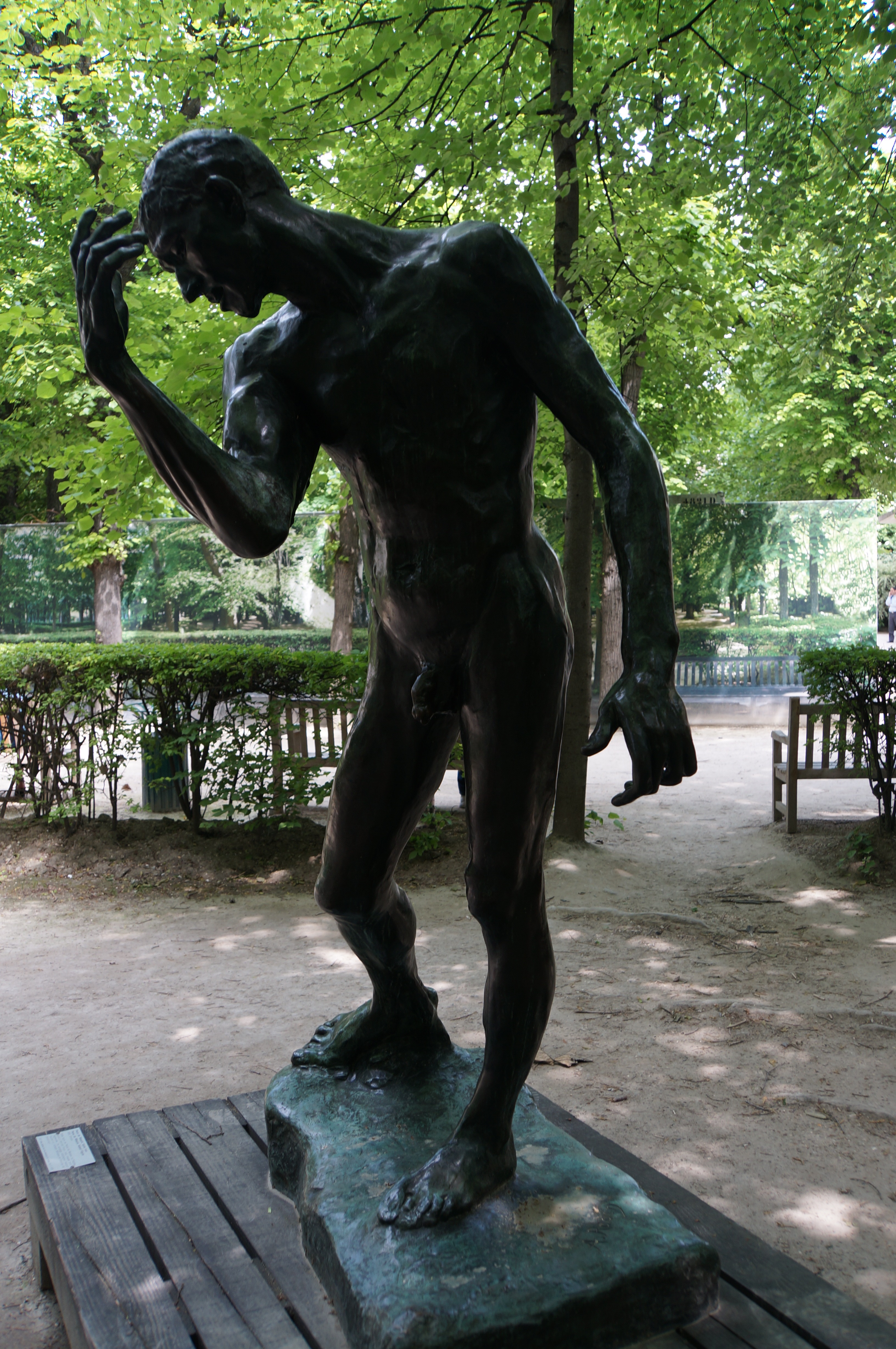
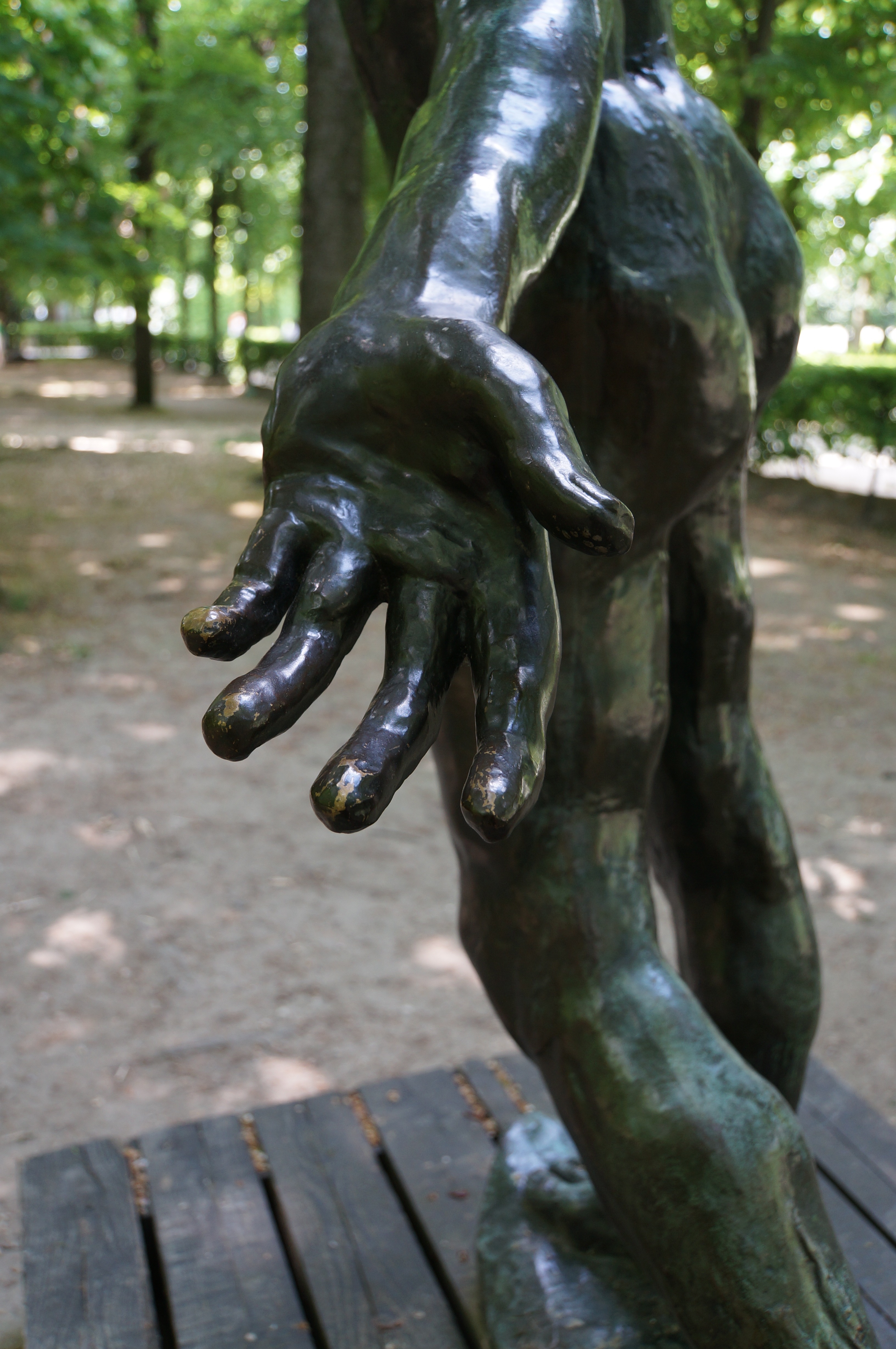
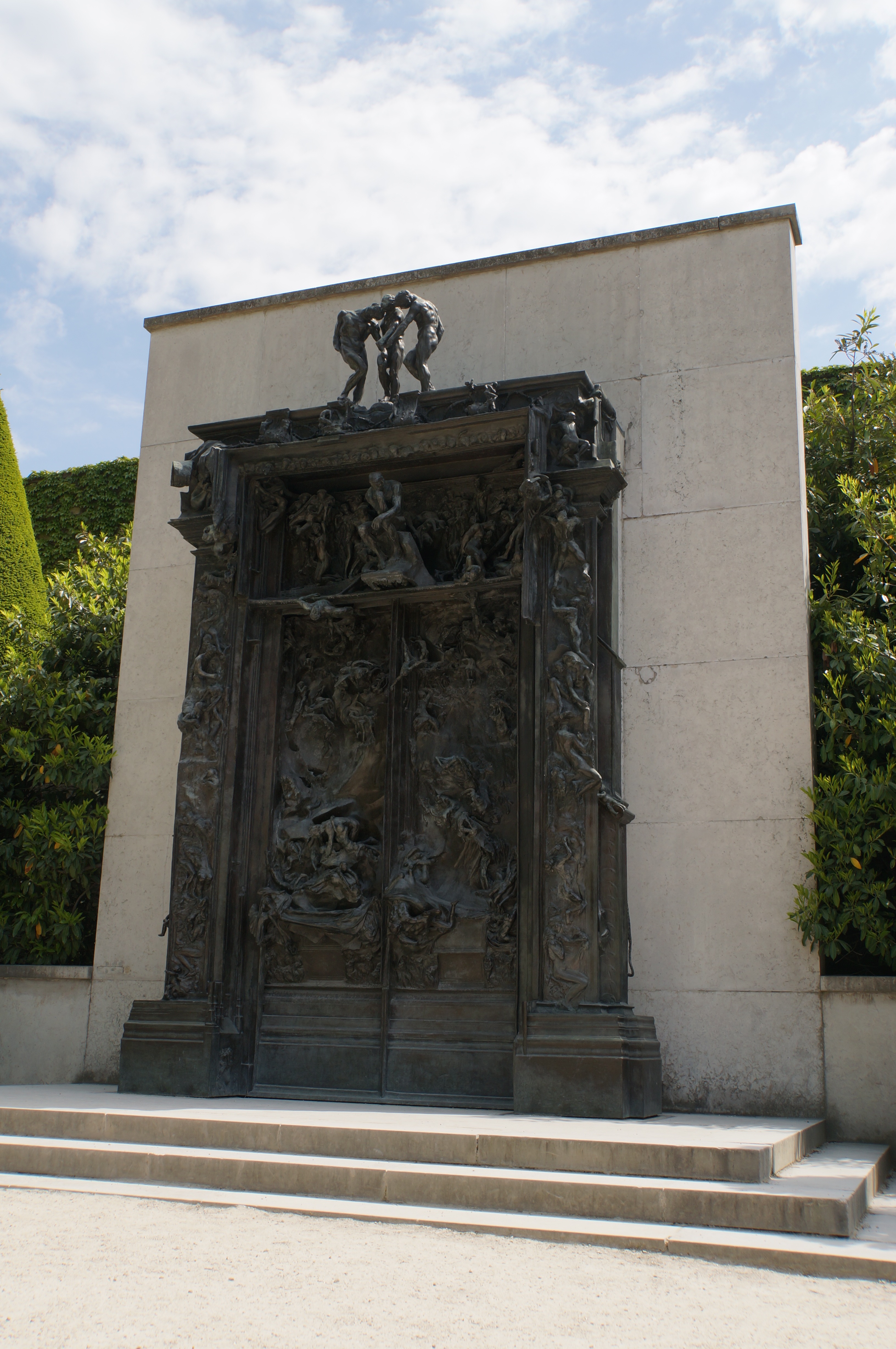
There are 8 key pieces of Rodin’s work in the Garden, many such as The Thinker and The Gates of Hell are well-known – and have stood in place since 1929 when the museum opened.  Adam and The Shade, The Age of Bronze and Eve surround the reflecting pool and in another section, The Three Shades is displayed.

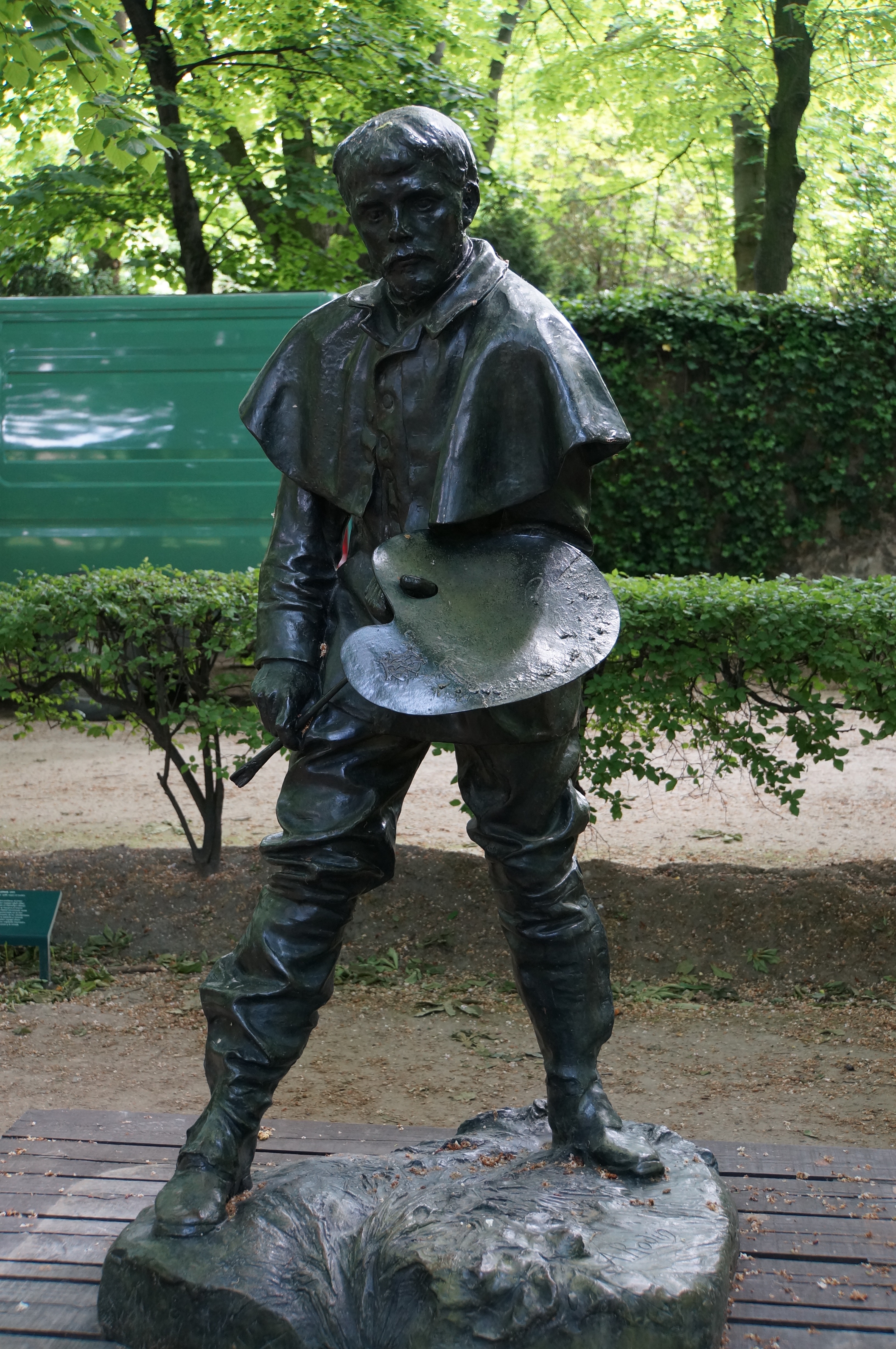
The gallery inside the former hotel hold many famous works and I was overwhelmed to see many “in person”.  According to the museum’s website, “for Auguste Rodin, working with a living, breathing model was essential—it enabled him to study the anatomy, facial expressions, and personality of his subject. When he hired models to pose for him, he asked them to move freely in the studio and was most inspired by their unguarded, unrestrained movements. In his portraits of political figures, writers, and artists, Rodin took measurements of their heads and studied their neck and shoulders. Some individuals were uncomfortable with this scrutiny, but Rodin’s aim was to understand and know his subjects intimately so that he could convey their character.Rodin’s portraits were prized in his lifetime for their vitality and honesty, and they continue to offer fascinating insights into his working practice. The works on view include such renowned subjects as Honoré de Balzac and Victor Hugo, the women in Rodin’s life including Rose Beuret and Camille Claudel, and several works that haven’t been exhibited for many years.”

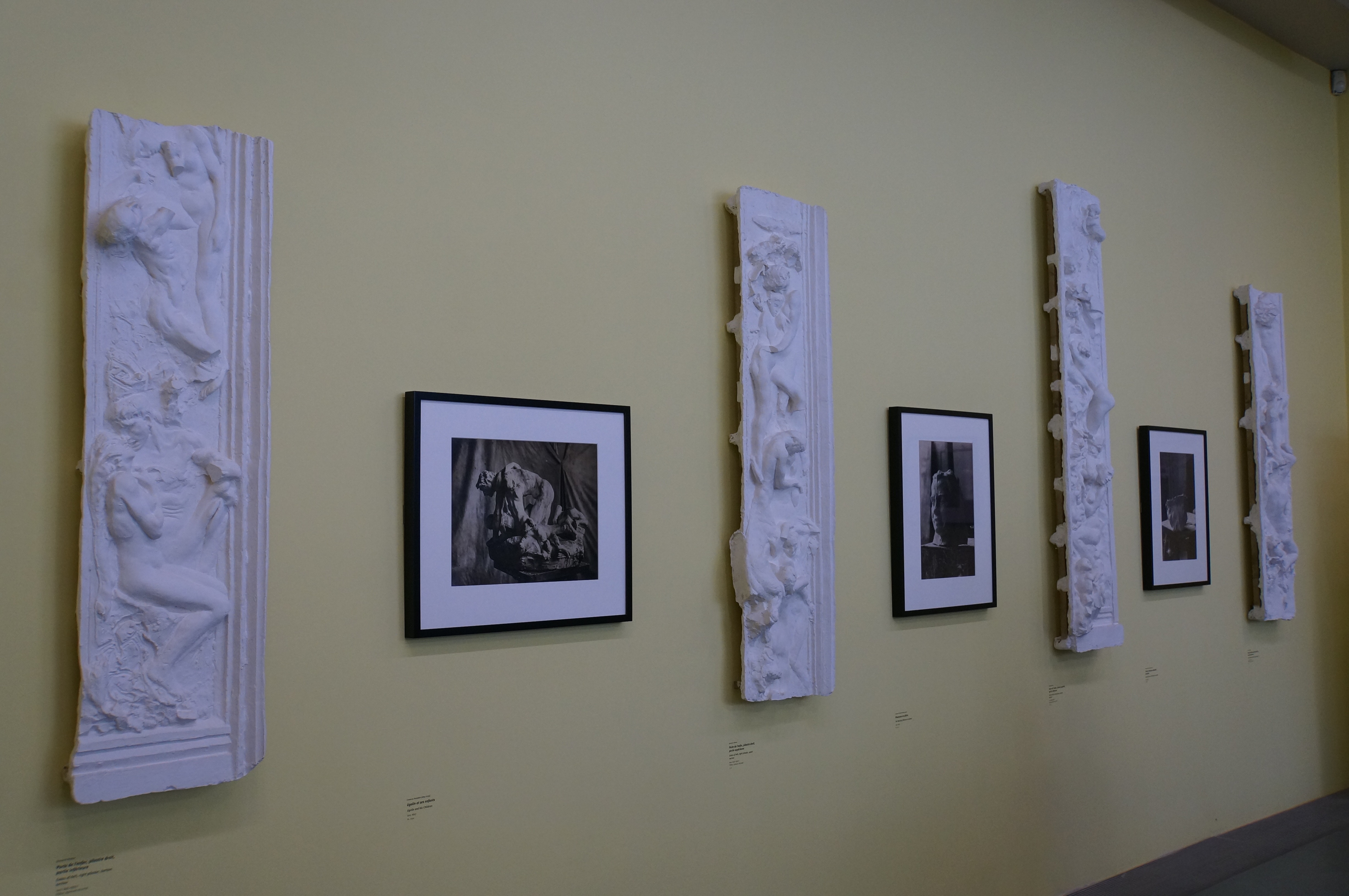
Key works on display are the larger than life bronze doors inspired by Dante’s Divine Comedy, The Kiss, and a smaller version of sculpture “The Thinker” found outside in the garden.

For more on Rodin, visit: http://www.musee-rodin.fr/en/museum/musee-rodin-paris
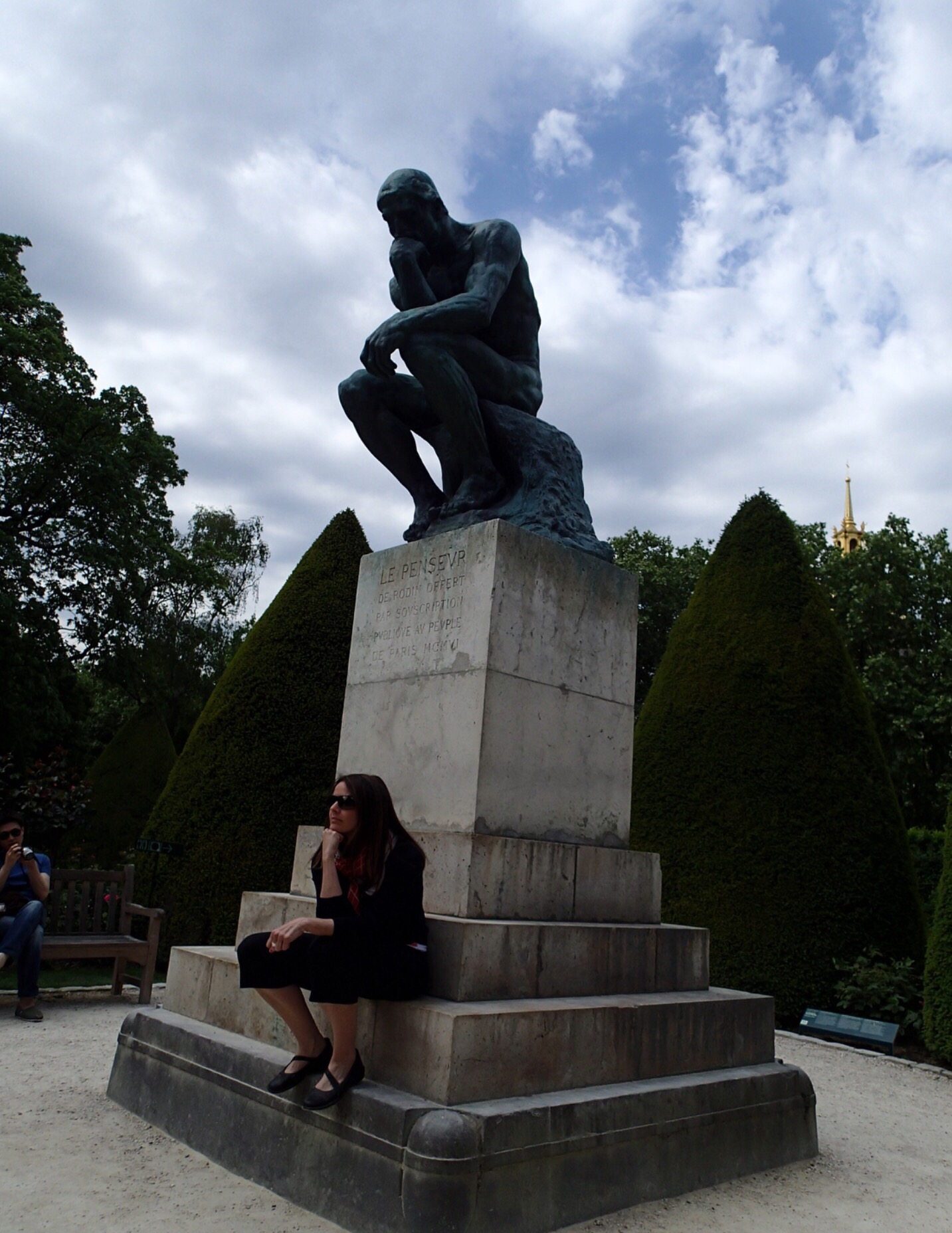
Recreating the pose – “The Thinker” and “The Geologist”
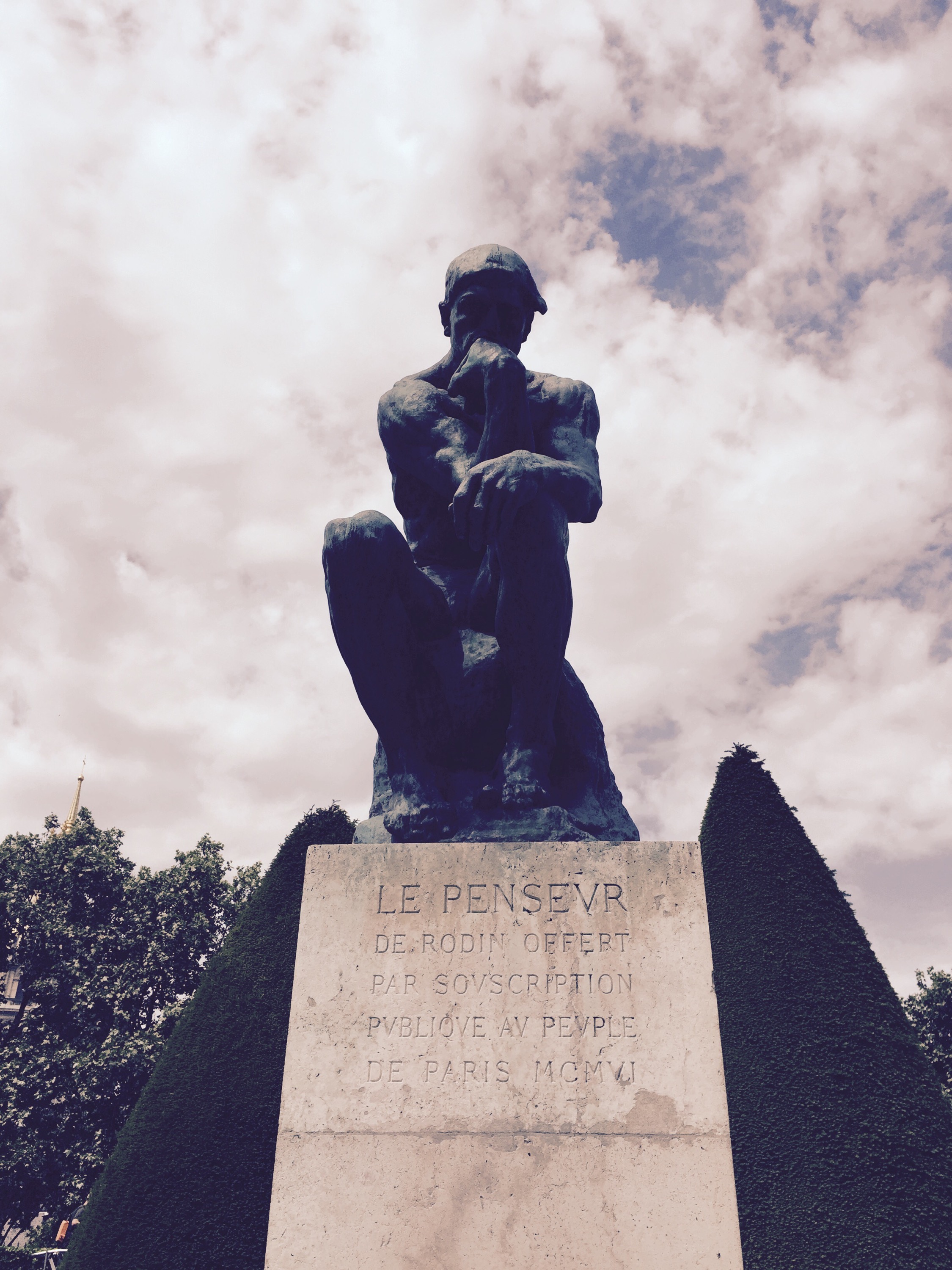
Le Penseur 1903

IMG_4979

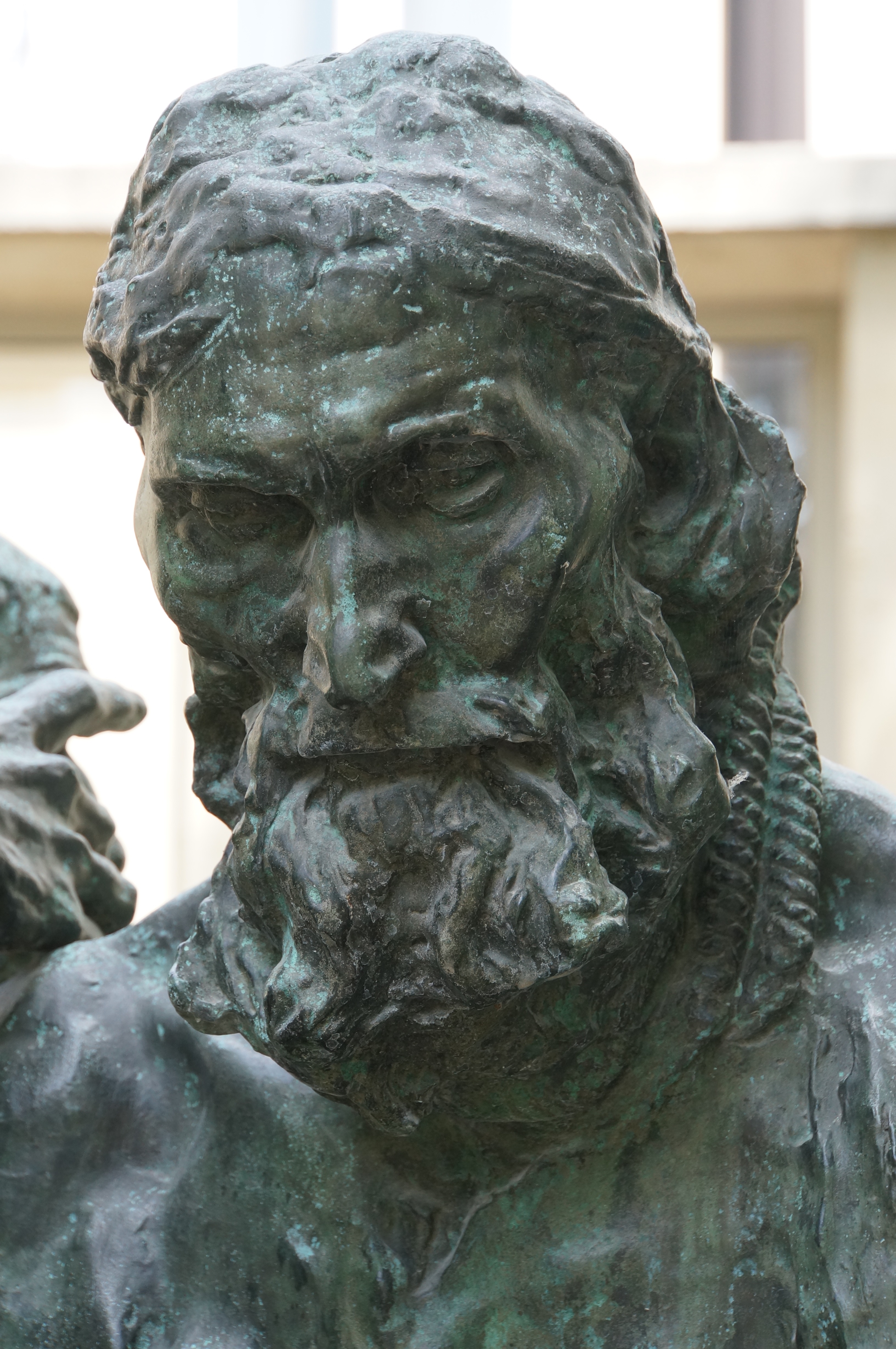
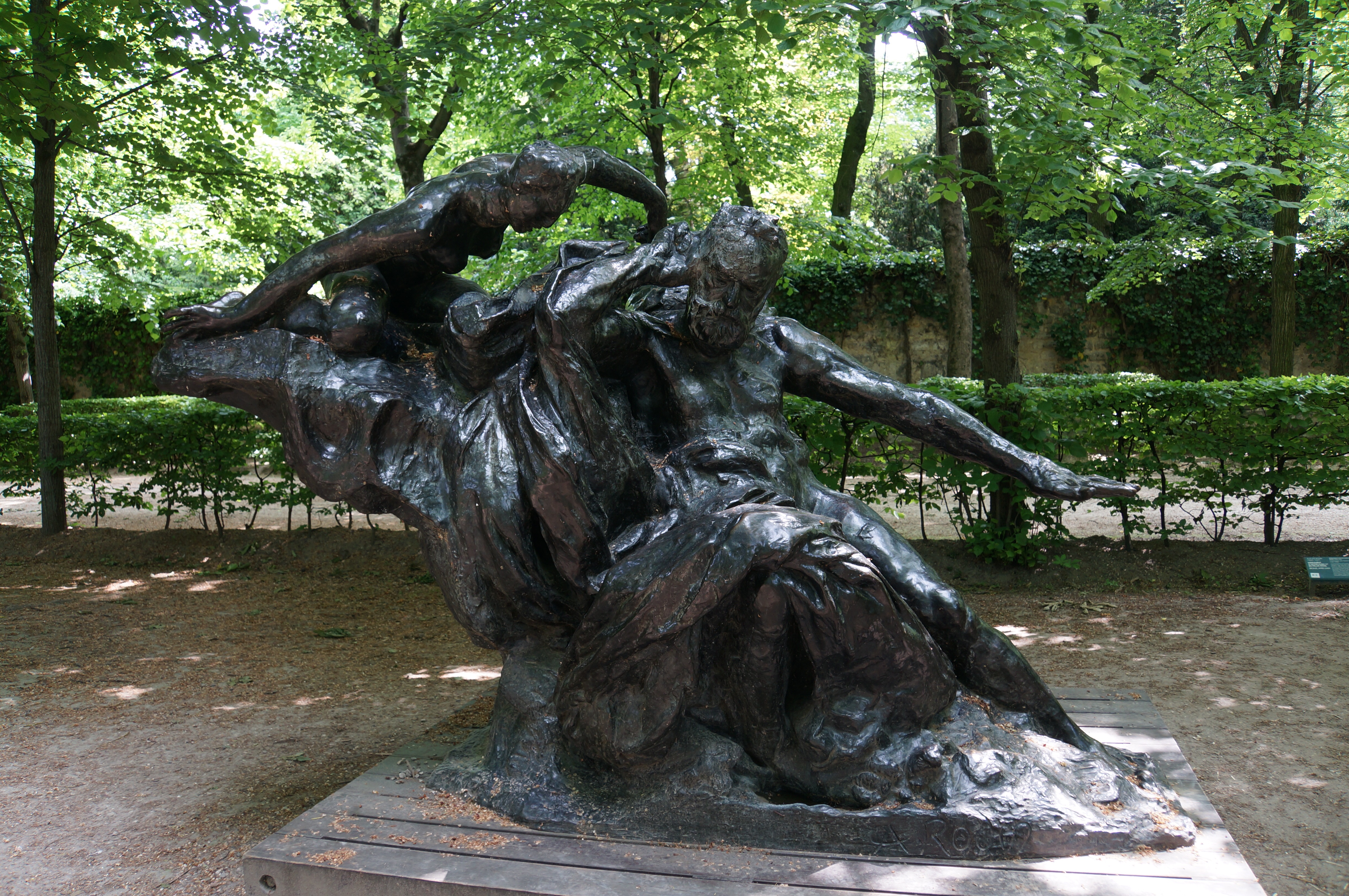
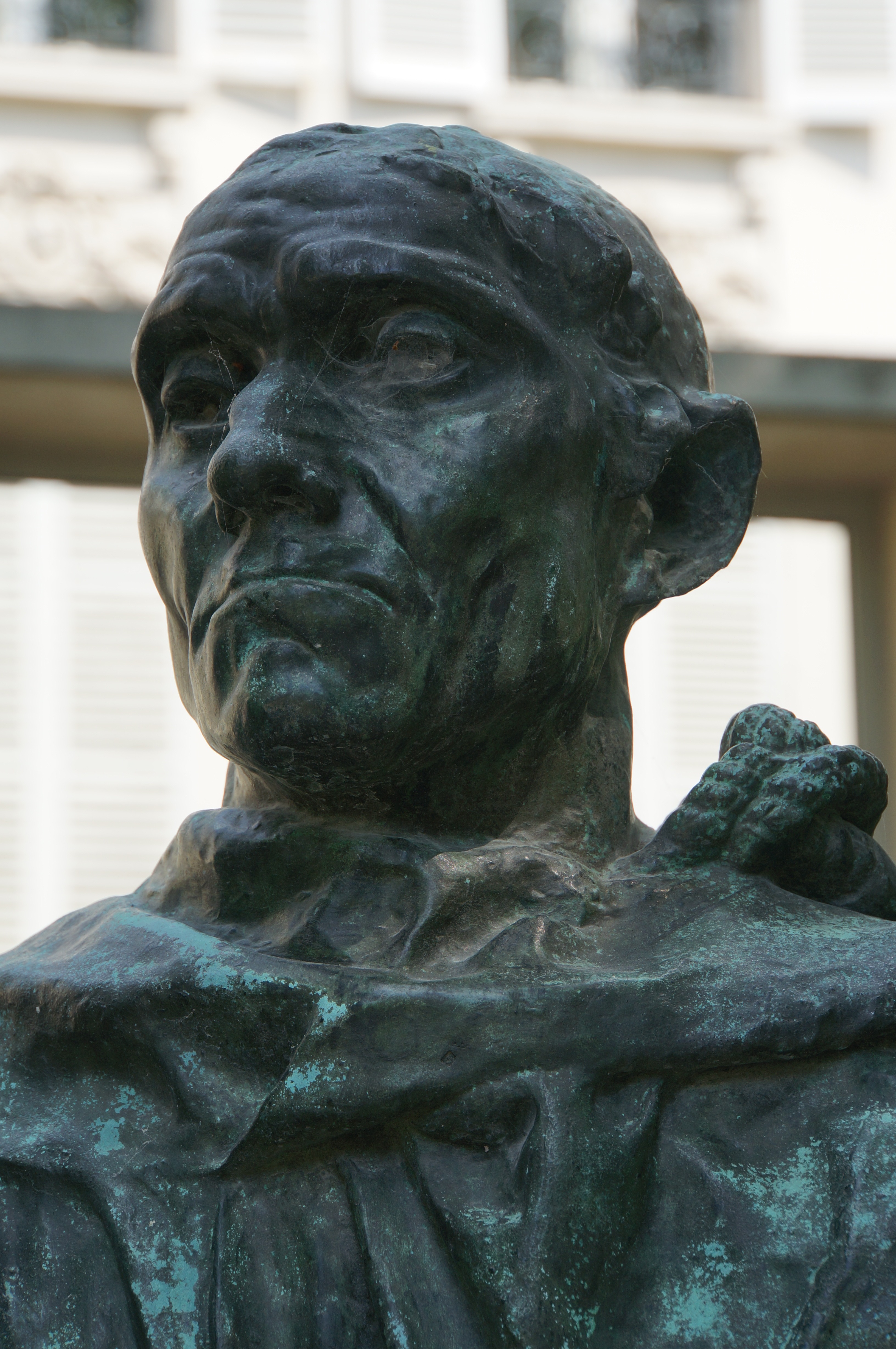
Monument a Victor Hugo (dit du Palis Royal)

IMG_4971

Overthinking?

DSC00310 DSC00288 DSC00251 DSC00252 DSC00255 DSC00312 DSC00308 DSC00309

Monument a Victor Hugo (did du Palais Royal)
Monument a Victor Hugo (did du Palais Royal)
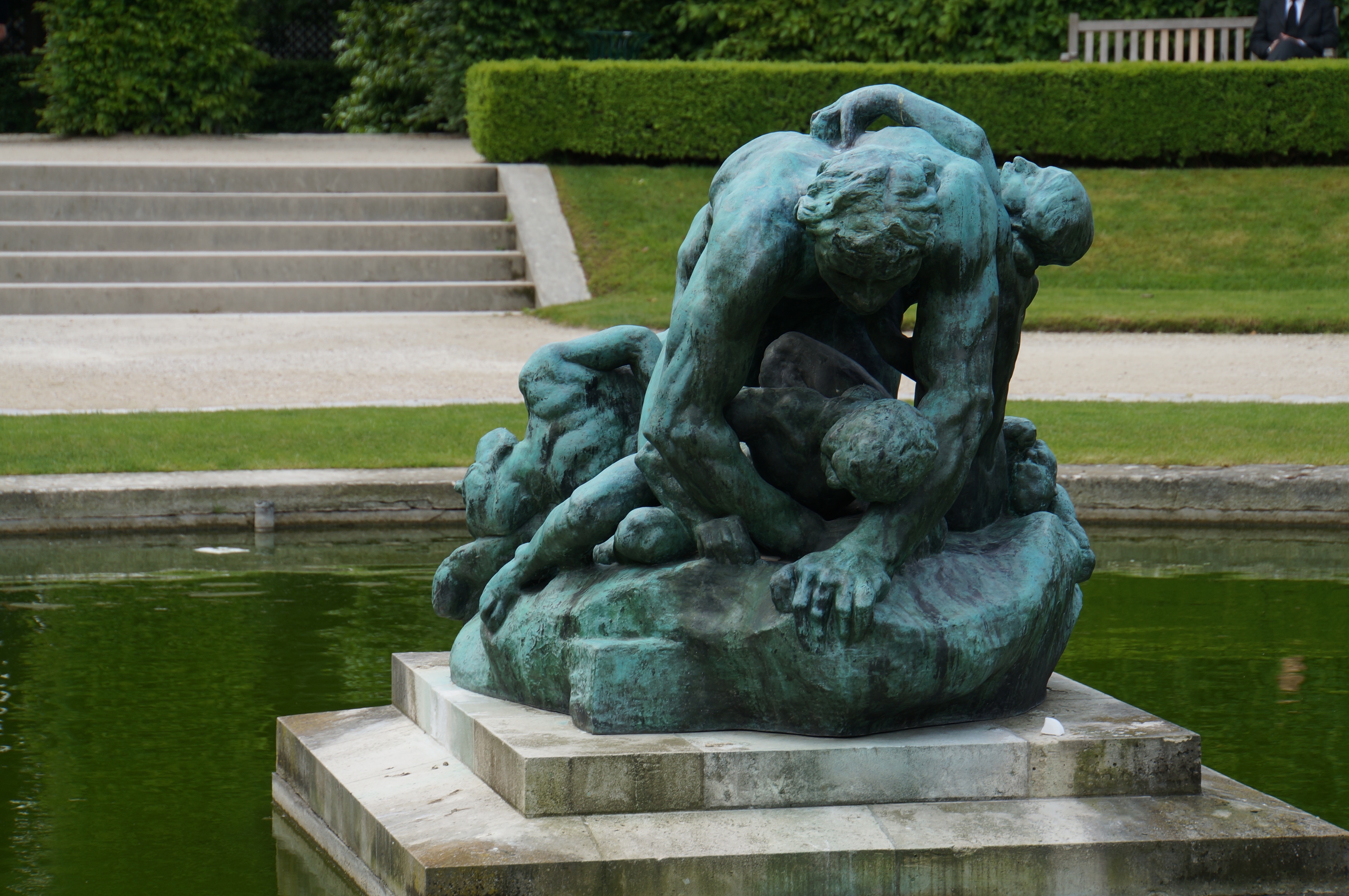
DSC00305 DSC00272 DSC00269 DSC00289 DSC00260 DSC00261 DSC00301 DSC00313
DSC00293

DSC00333

The plasters from the Gates of Hell
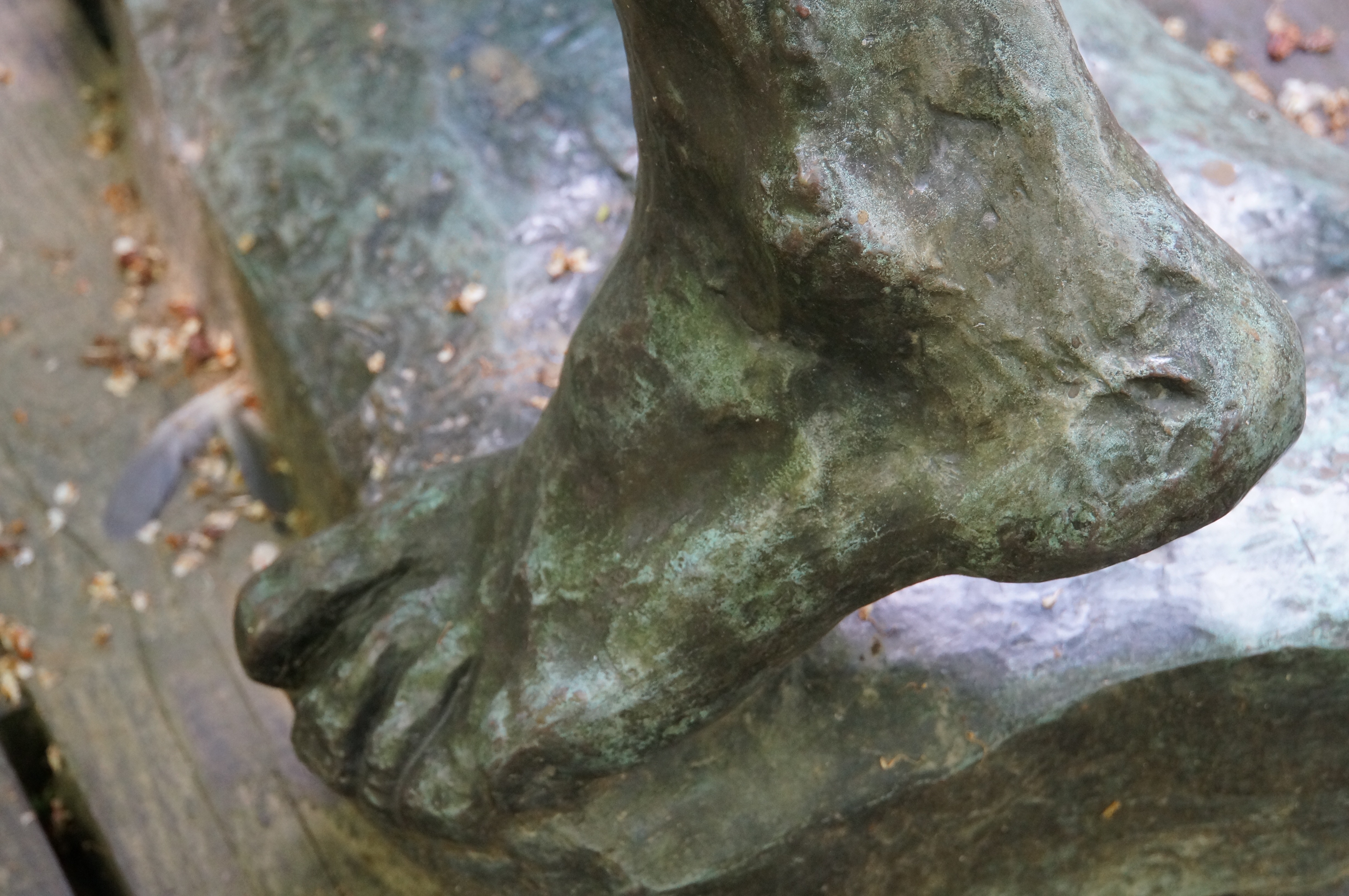
DSC00294

DSC00269 DSC00289 DSC00260

Eglise du Dome Church at the Hotel des Invalides:

We end this phase of museum hopping at Napoleon’s tomb. I’ll be honest, retaining all this history on this is a challenge so I’m dipping into the Google.

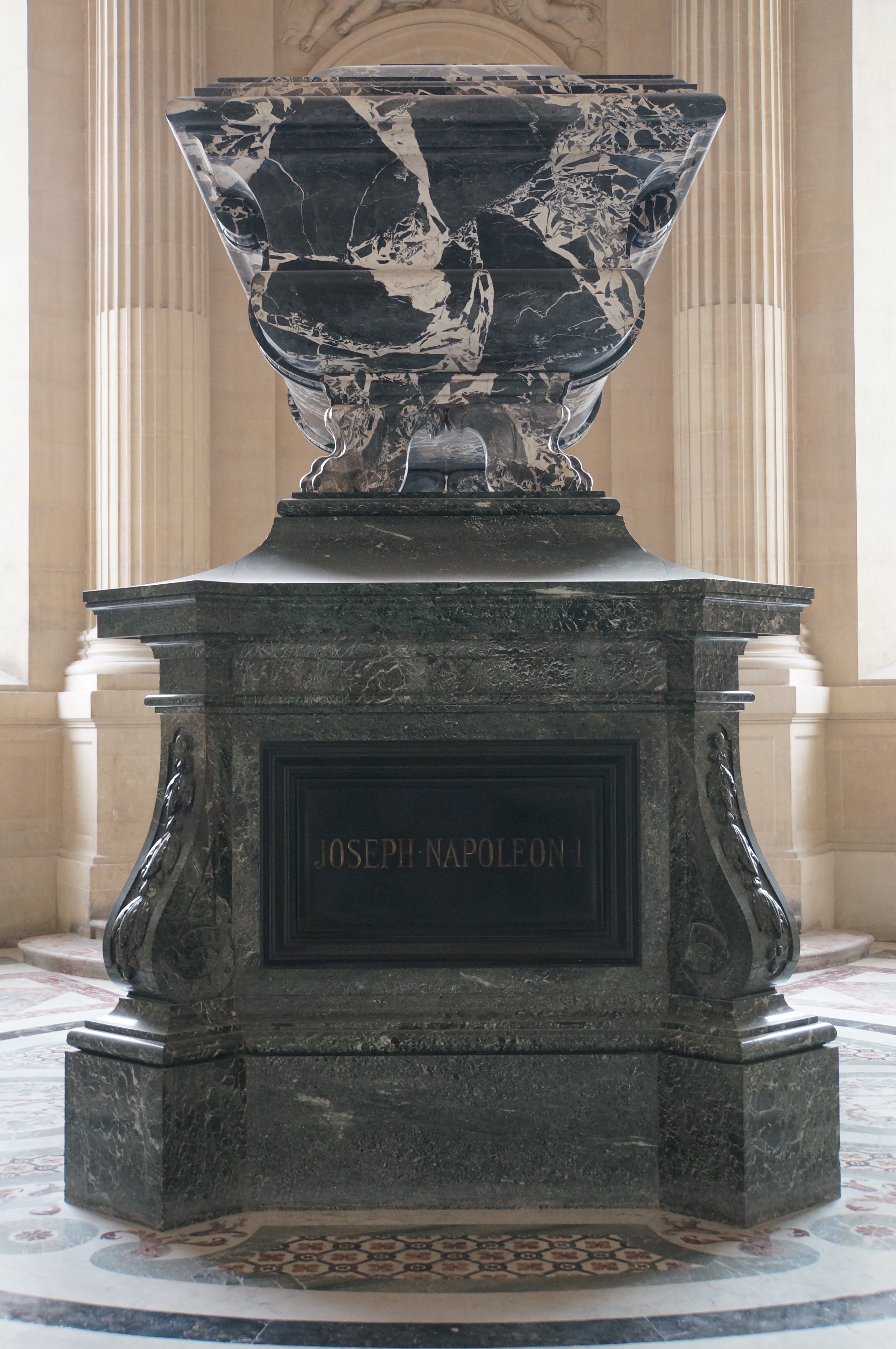
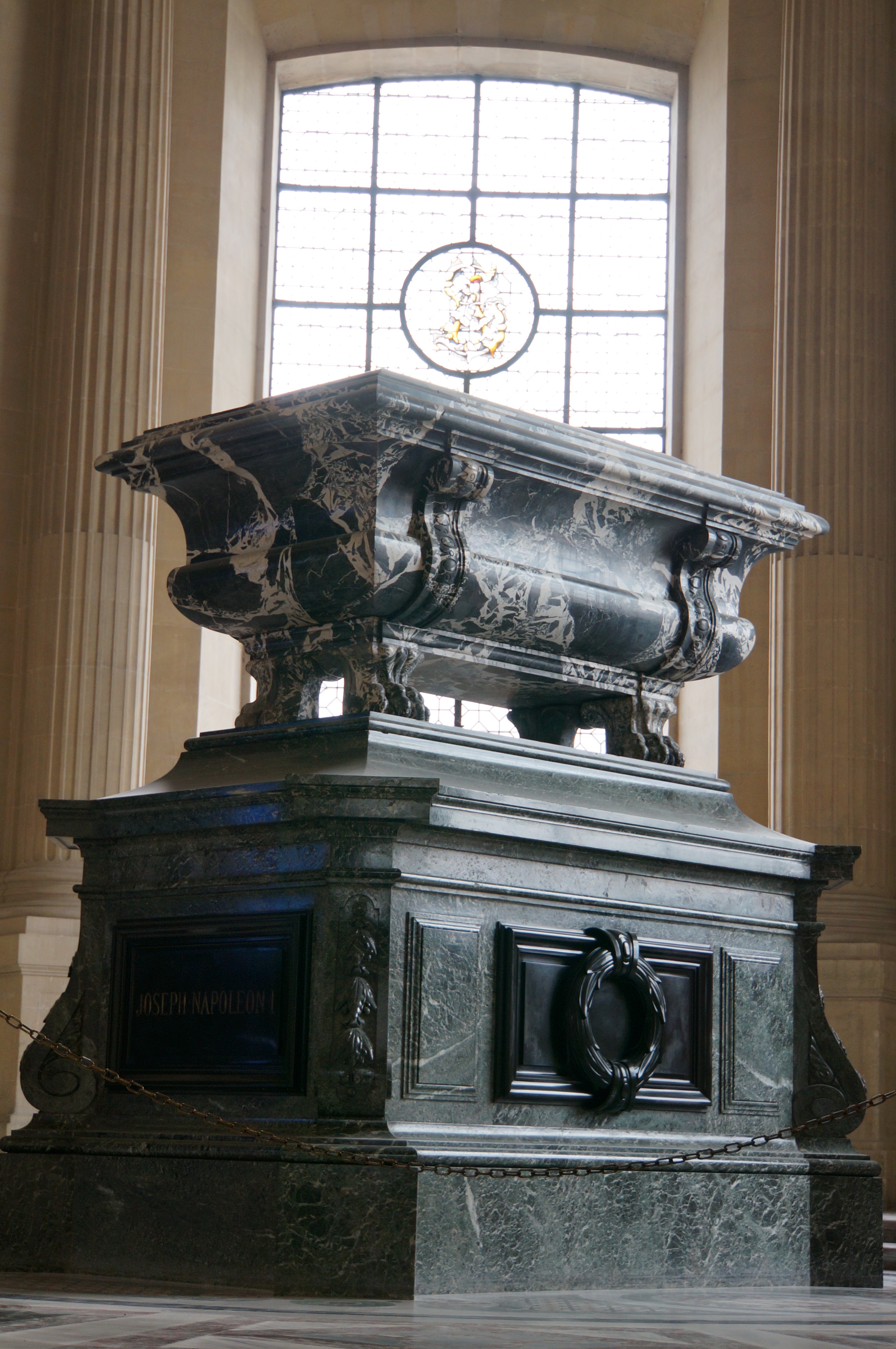
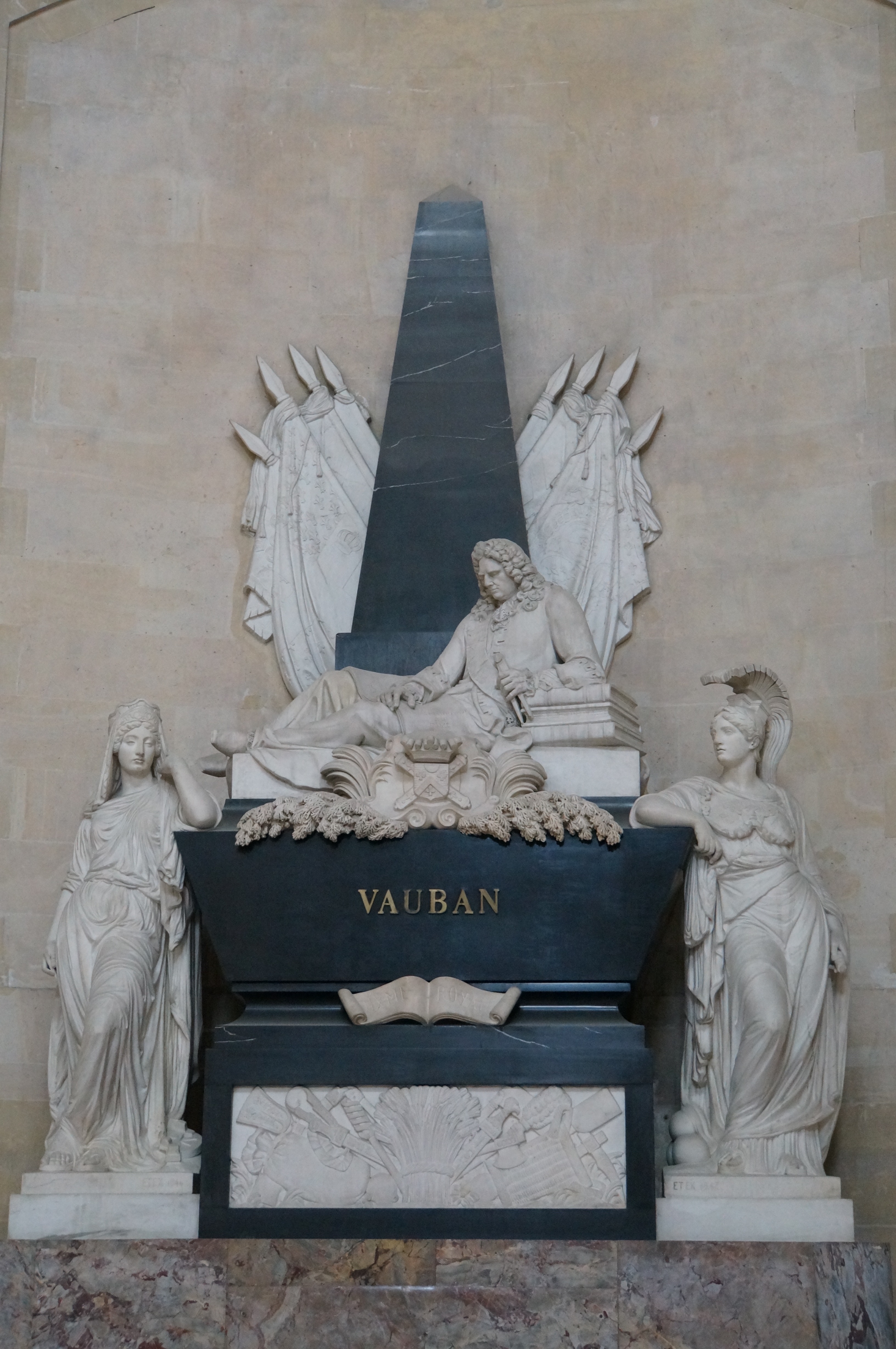
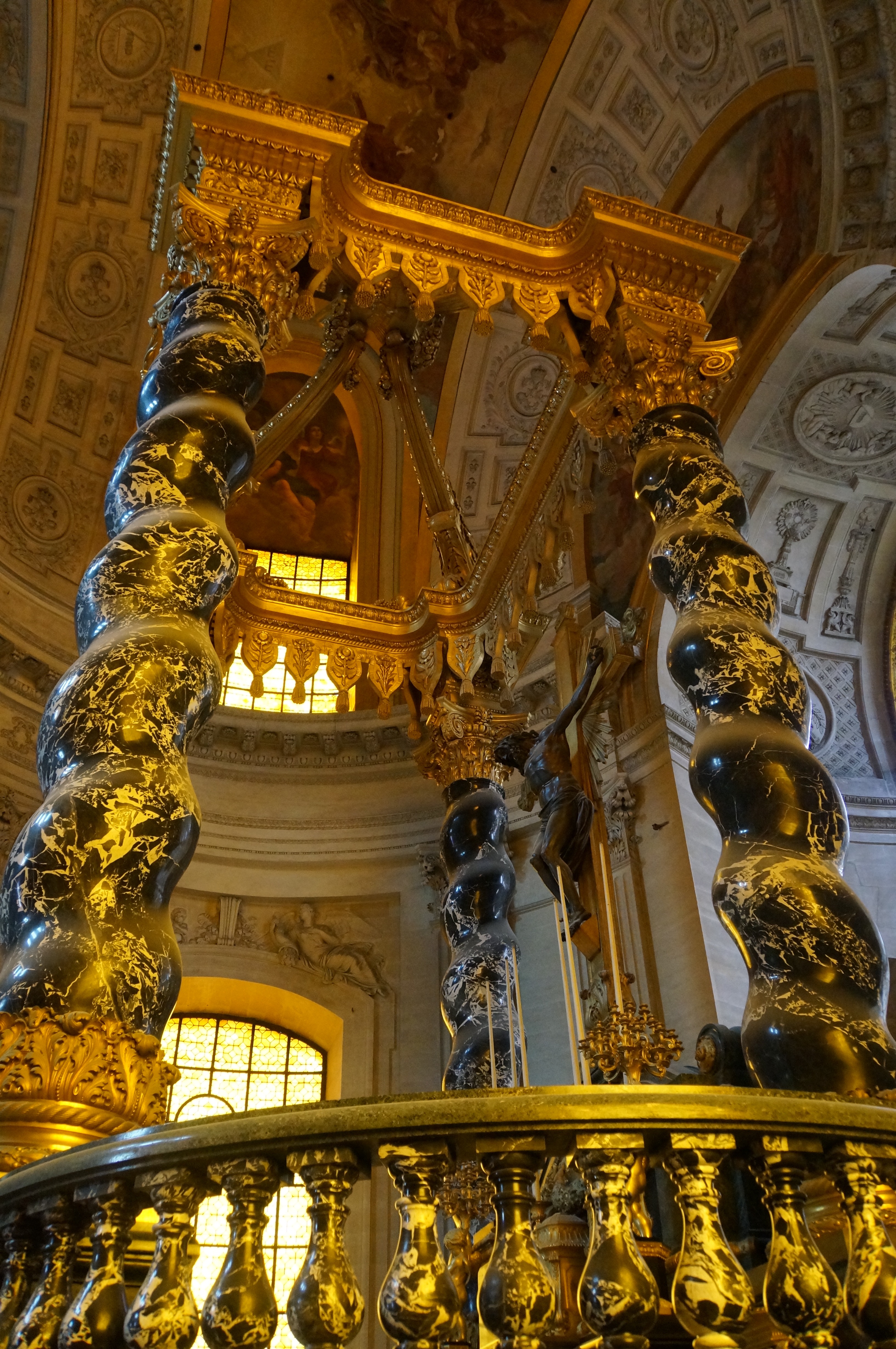
According to http://www.paris-france.me.uk/napoleon’s_tomb.htm Napoleon’s Tomb is located in the central crypt of the Eglise du Dome Church at the Hotel des Invalides, which is situated on the Esplanade des Invalides, within the 7th Arrondissement, in the city of Paris. The remains of the emperor, inside the sarcophagus, are protected by six concentric coffins, built from different materials, including mahogany, ebony, and oak, all one inside the other. It was also the start of our “I see dead people” instagram photo series.  Started by accident, but a highlight of our goofy online documentation.

On May 5th 1821, Napoleon died on the island of St Helena, where he had been in exile since 1815. He was buried in the Geranium valley. His remains rested there until October 15th 1840. In 1840 his remains were exhumed and brought to Paris, under the instructions of Louis-Philippe, who demanded that the English return the emperor to French soil. A state funeral was held, and the remains laid to rest in St Jerome’s Chapel. The remains were moved in 1861 when the tomb was completed.

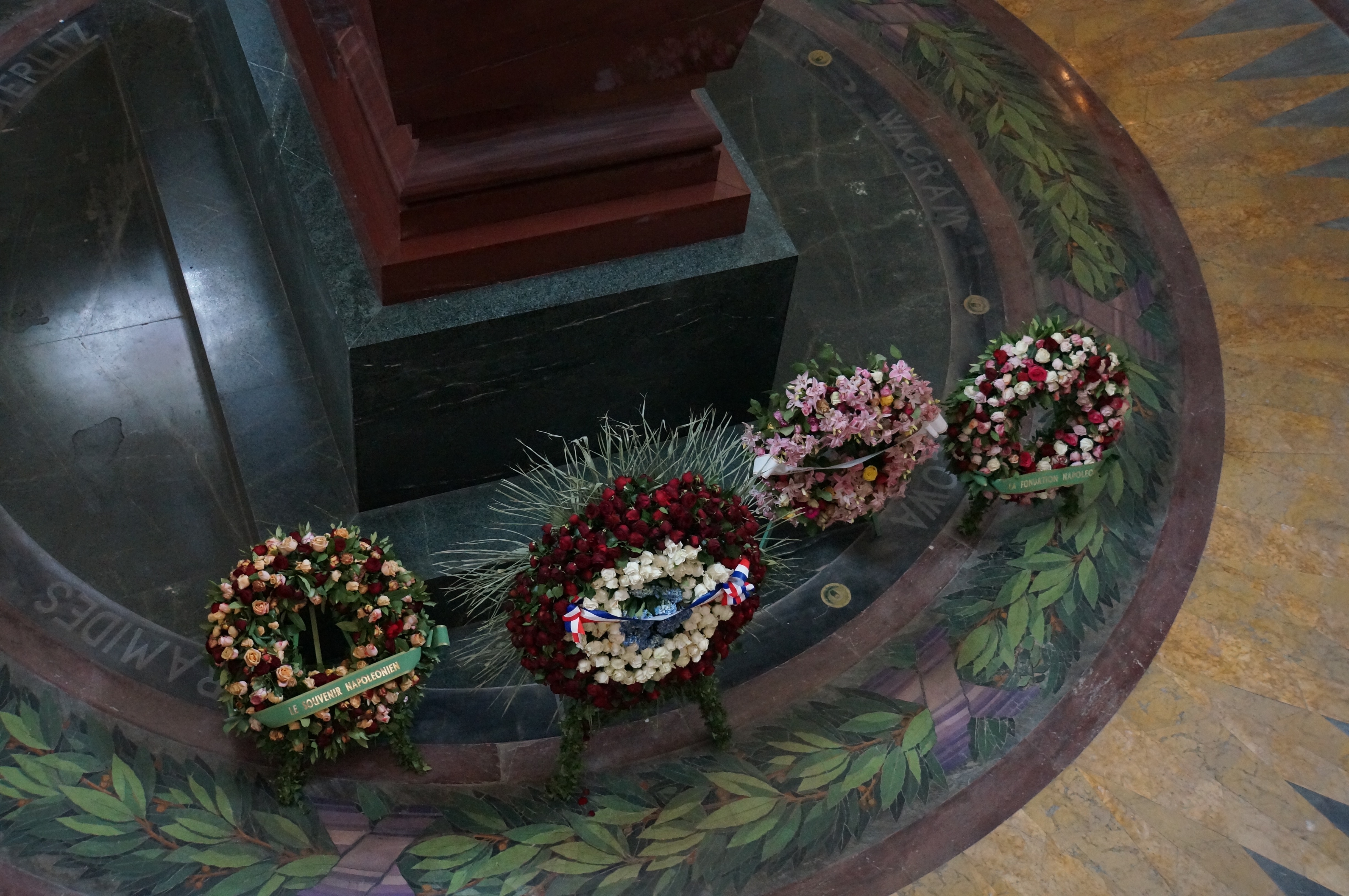
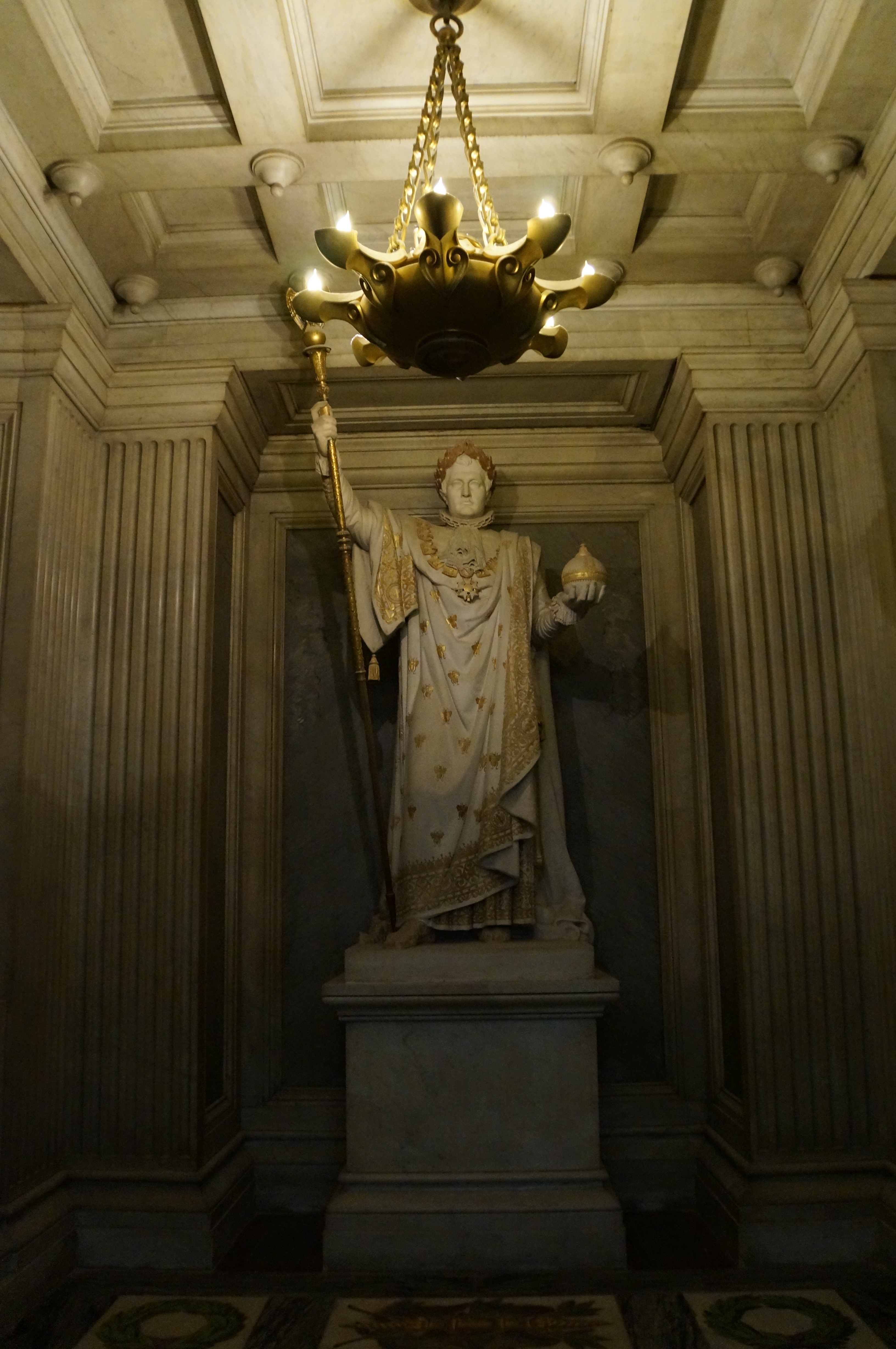
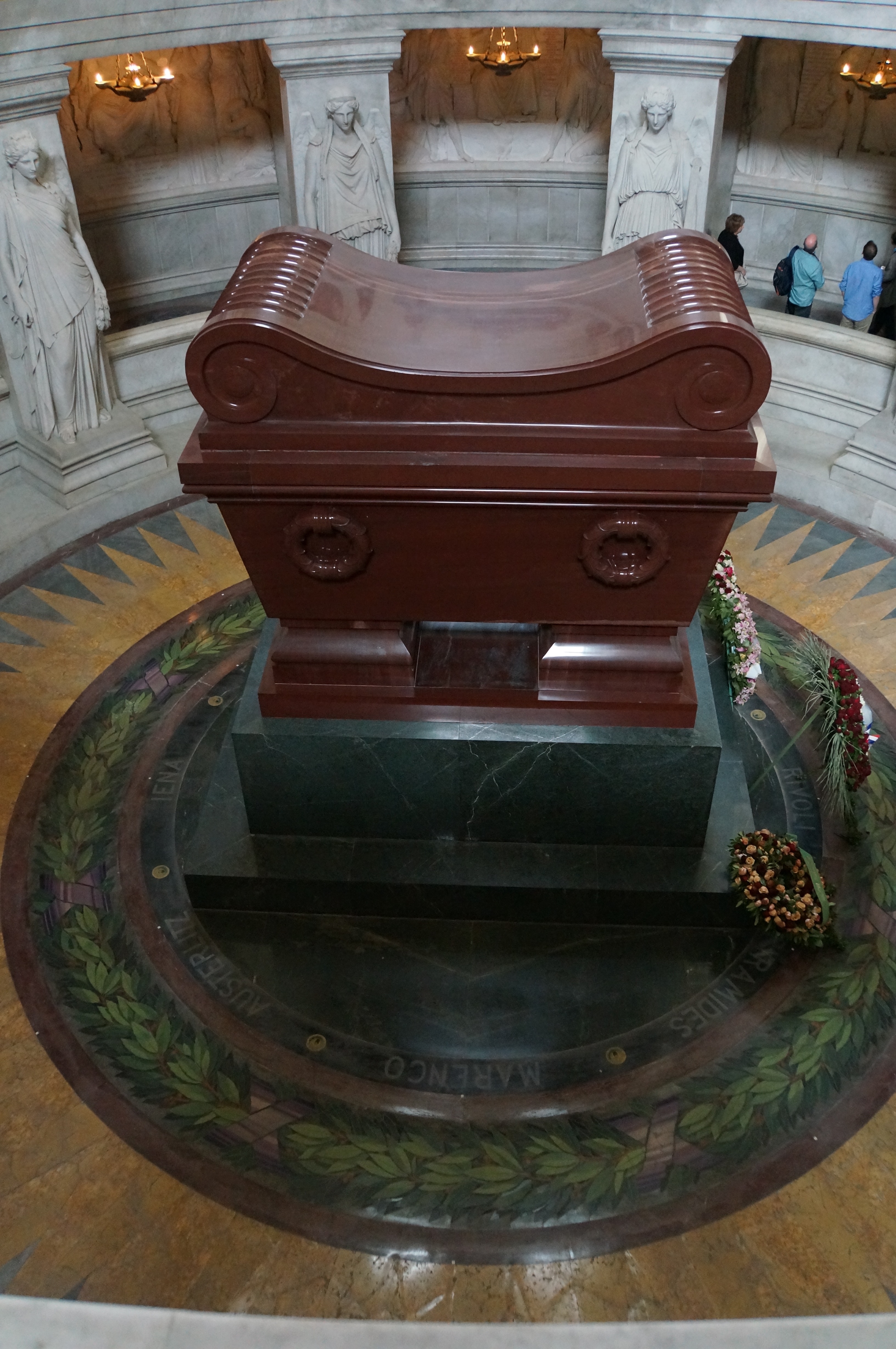
The tomb is crafted in red porphyry, and placed on a green granite base (GEOLOGY ALERT!), it is circled by a crown of laurels with inscriptions, which act as reminders of the empires great victories. In the round gallery is a series of low relief, sculptures by Simart. A statue of the emperor, bearing the imperial emblems, is located at the back of the crypt.

As a spoiler alert – we trudged through many more museums in the Alps and Italy so – wait for it – that excitement is still to come!

Writers footnote: some facts used in this blog were taken from and are credited to: Paris: AMA Spiral Guides, Wikipedia and any websites cited within our blog. 
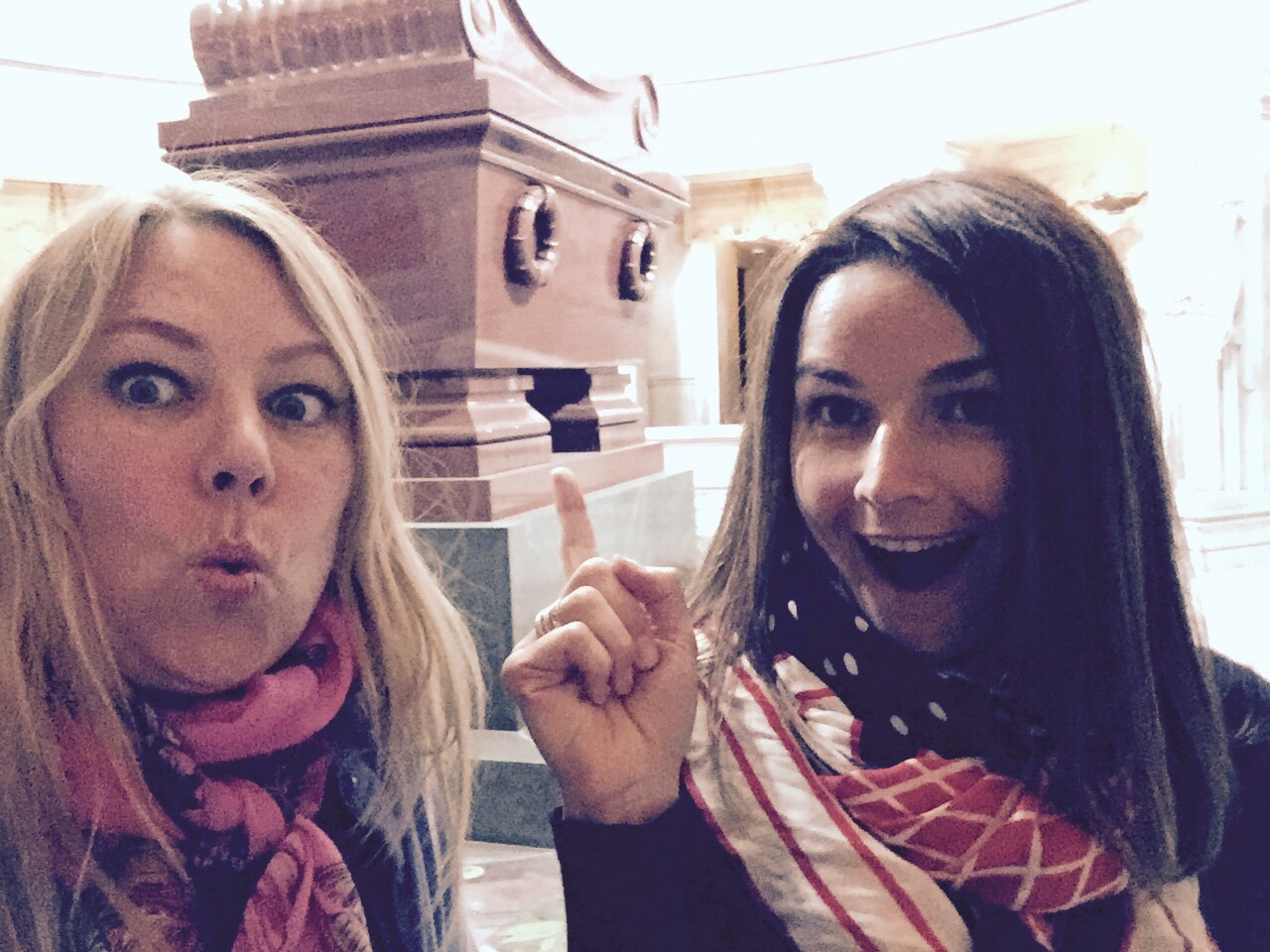
I See Dead People – Napleon’s Tomb.
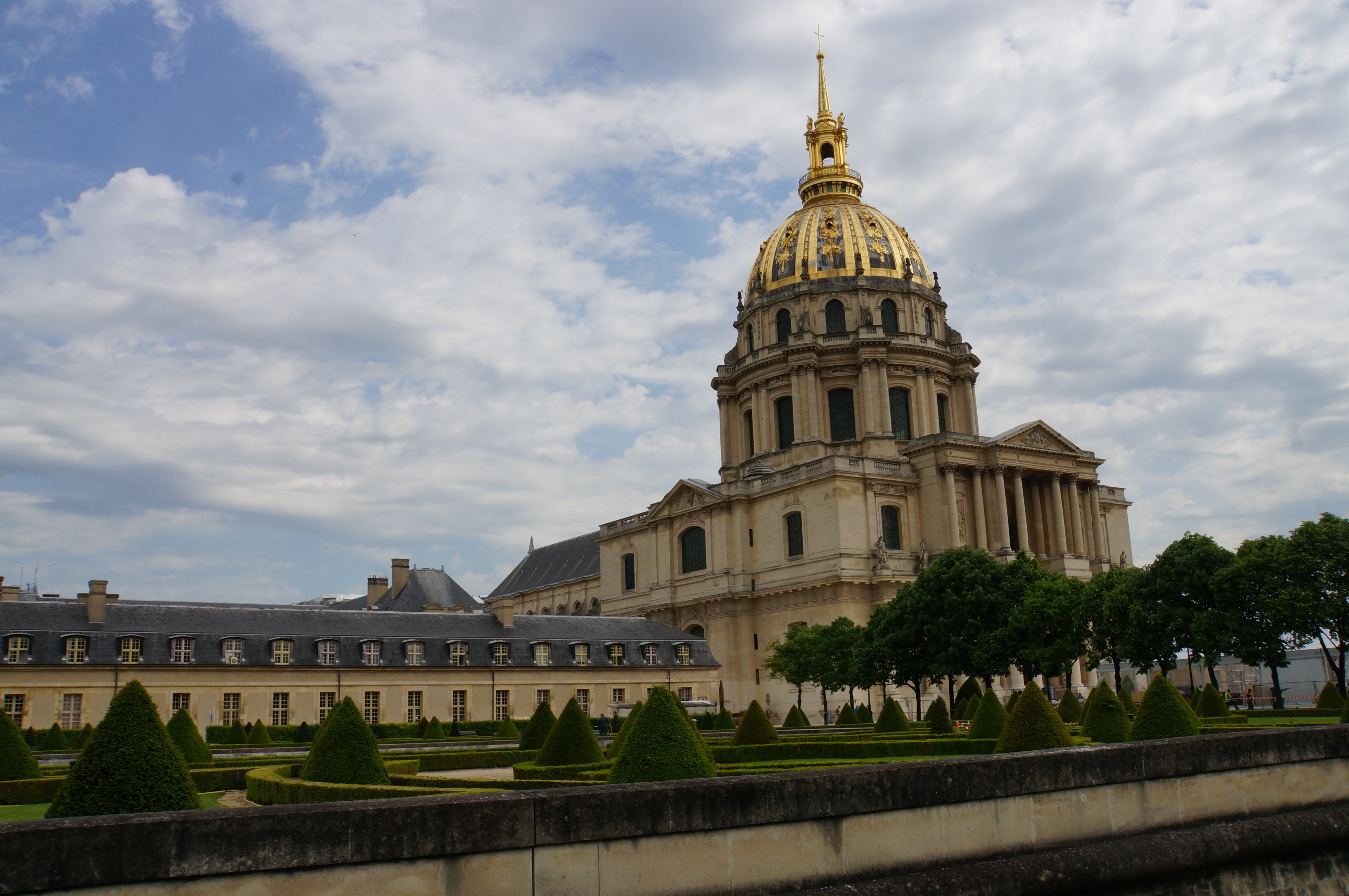
The view from the street
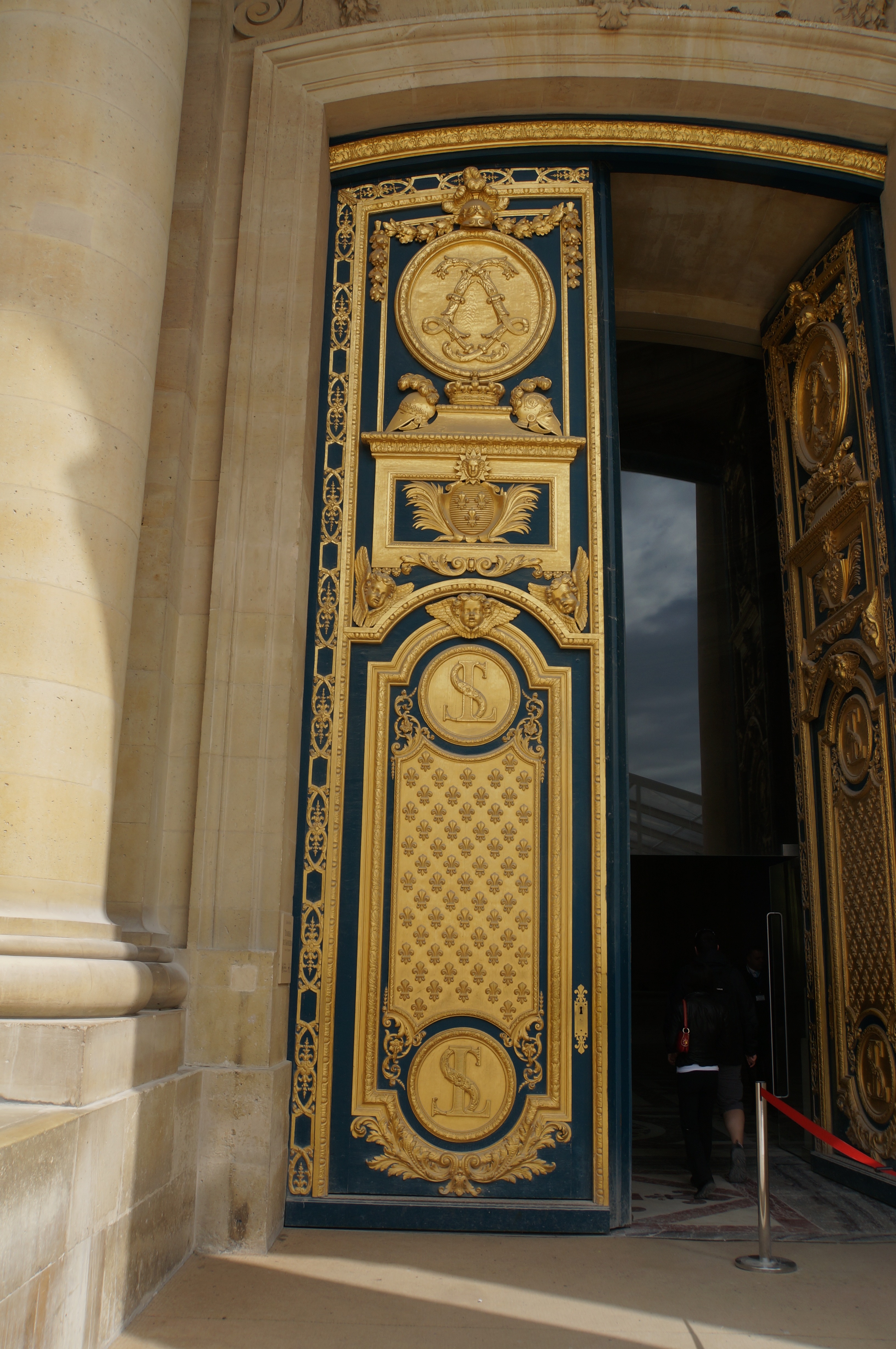
The view from the street

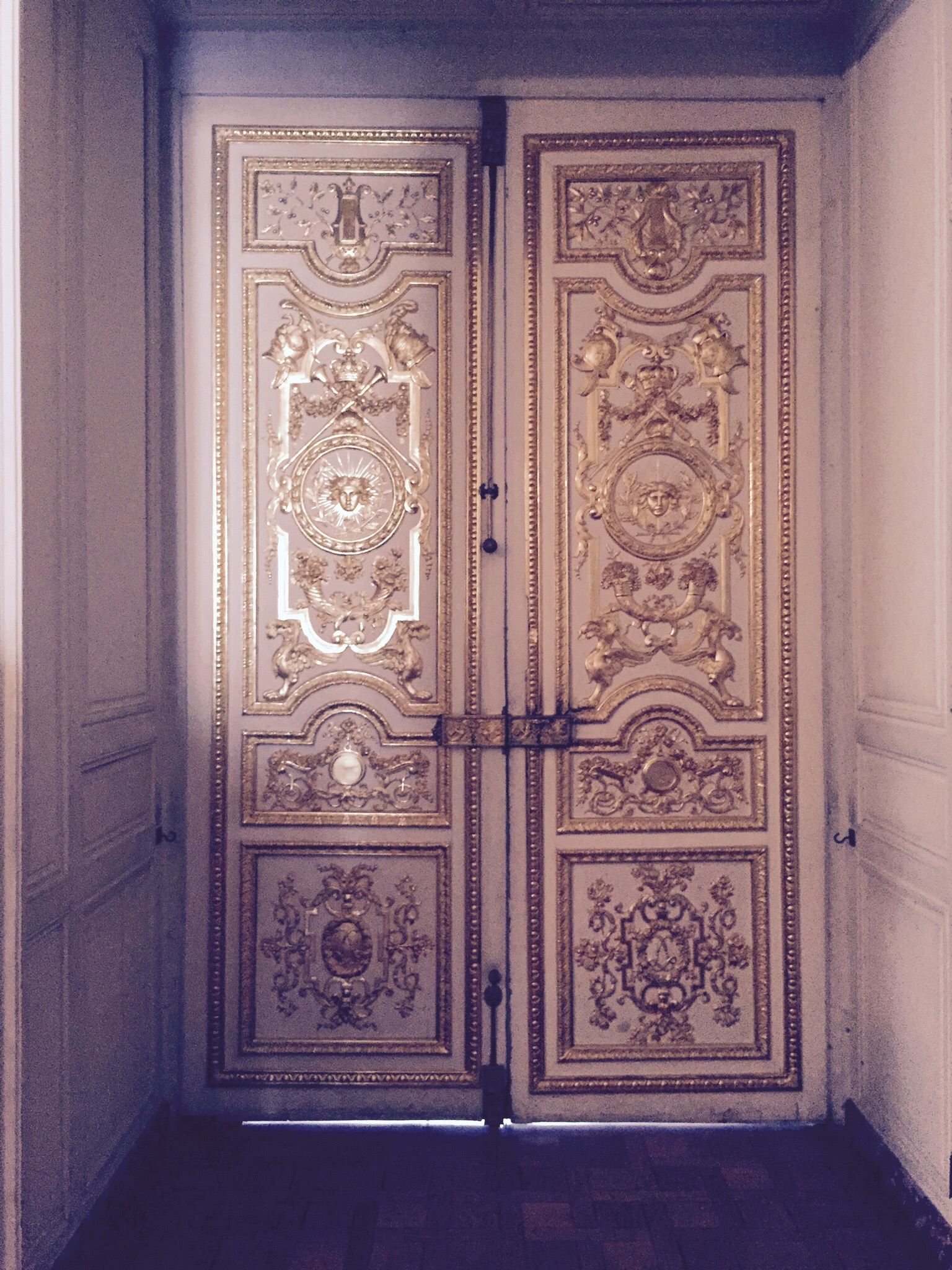
Opulent doorway as you enter the museum
Opulent doorway as you enter the museum

Napoleon' tomb from above

Napoleon’s tomb from above

DSC00215

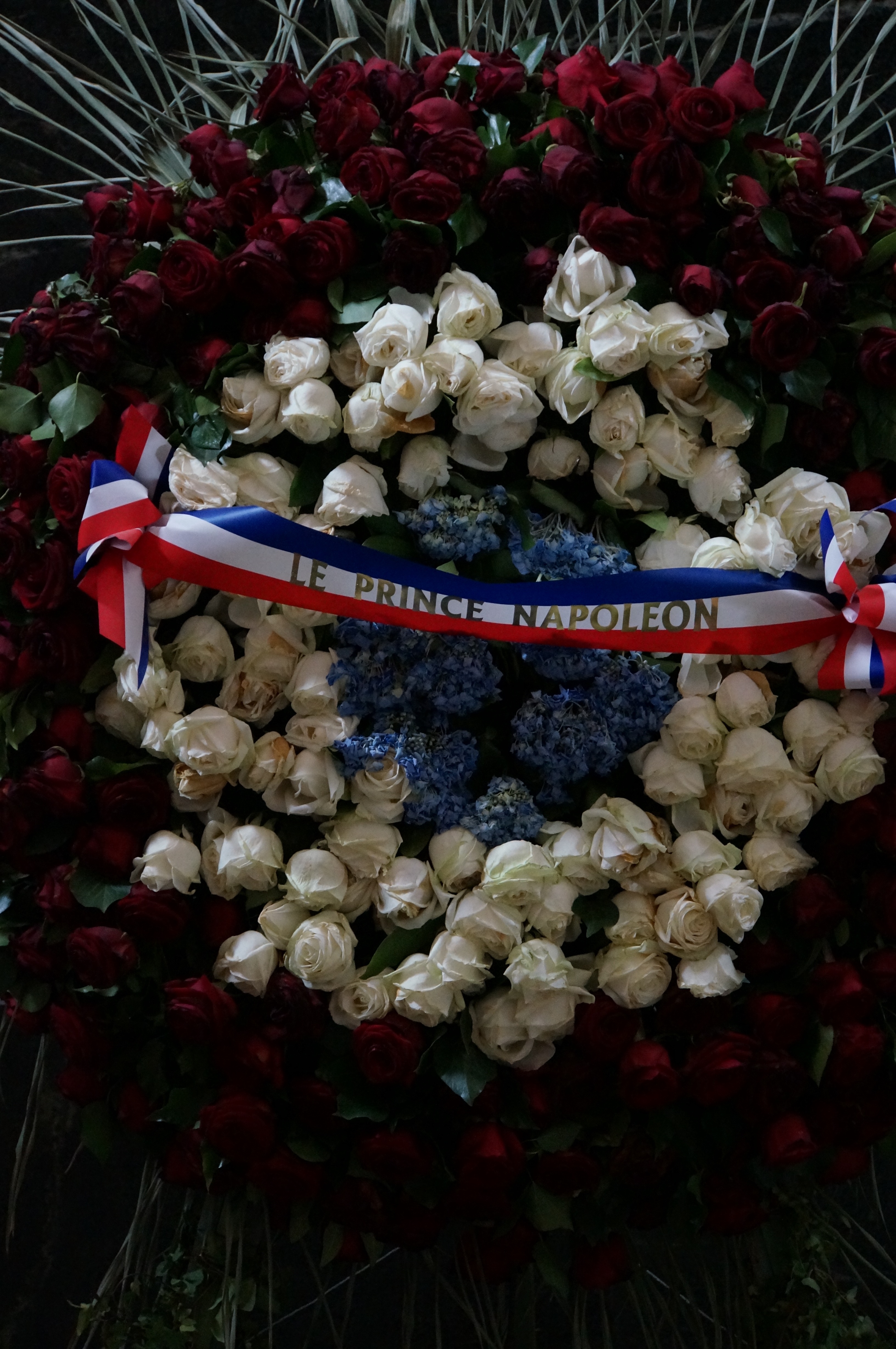
Fresh floral wreaths are present at his tomb
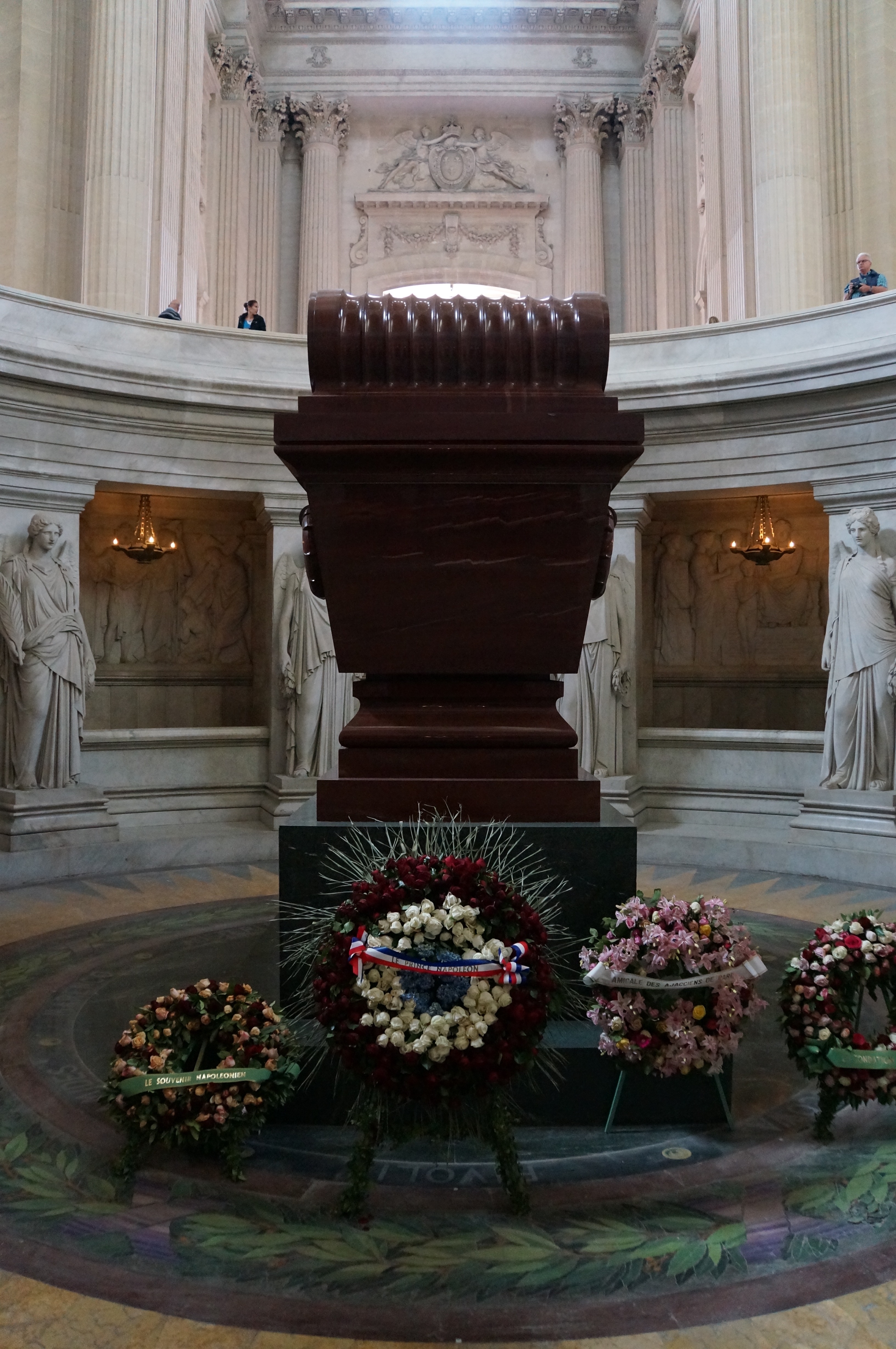
Fresh floral wreaths are present at his tomb
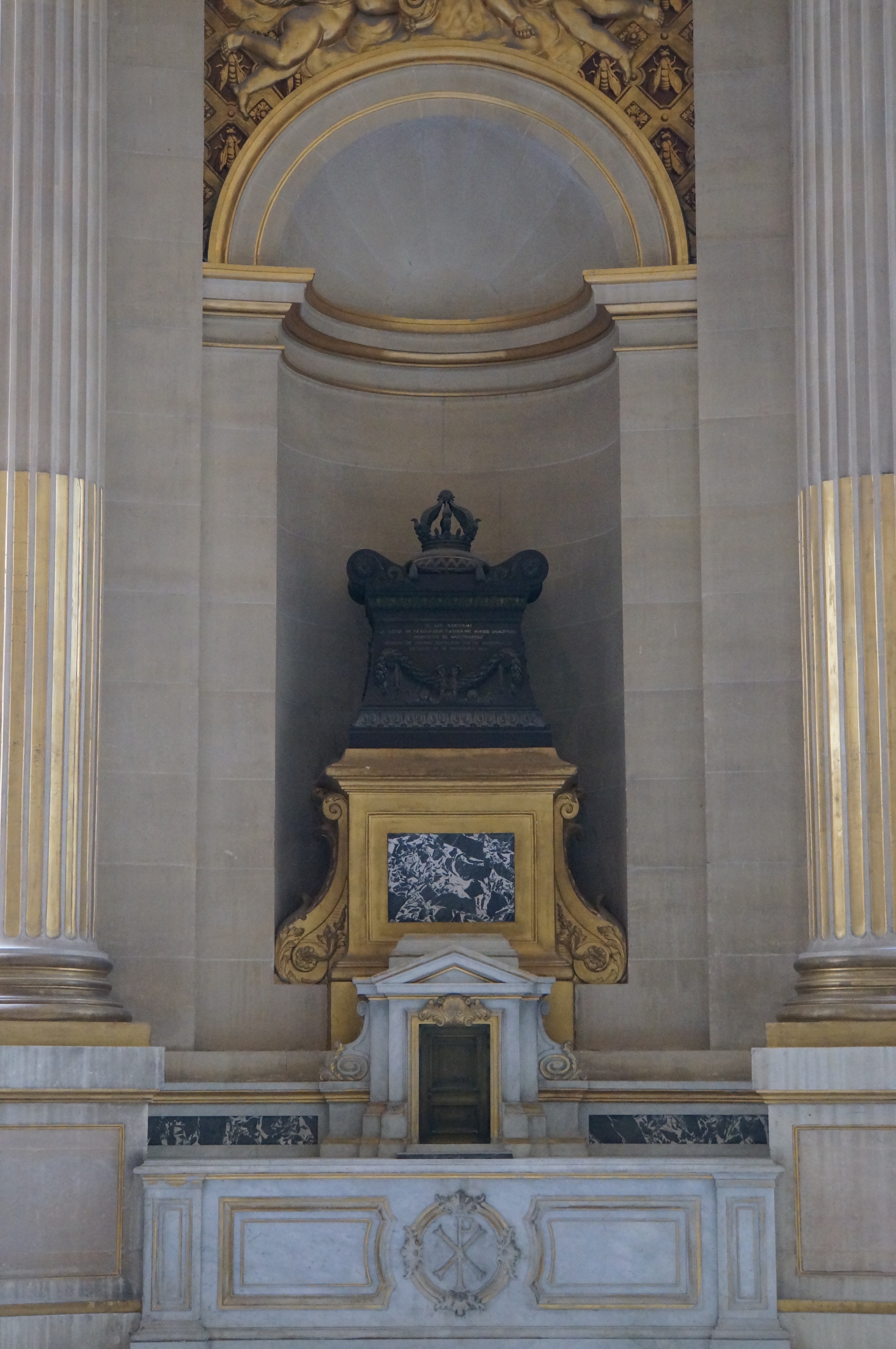
DSC00217

DSC00241 DSC00240

DSC00182 DSC00196

DSC00176 DSC00193 DSC00209 DSC00228


1 Comment

Helping Flat Levi See The World

There is a young six-year-old boy named Levi Mayhew who lives in Ohio.  He is very sick, with a terminal genetic disorder that has made it impossible for him to travel. The backstory is that the Make-a-Wish Foundation offered Levi a trip to Disney World in Orlando, Florida. Because he was too ill to travel, he asked if his best friend could go in his place – she’d been a great support to him & of course MaWF said ‘yes’.  It was Emma who cooked up the idea to make a flat, colour cut out of Levi, laminated it and took it everywhere she went.

Hearing about this story, my employer acquired a set of “Levi’s” and encouraged its employees (our awesome CEO even takes him on business trips) to take Levi on a vacation. Being a former cast member, a fan of travel and clearly touched by his story, it was a no brainer to take Levi with us to Europe.

While not all monuments we visited allowed me take in my backpack (so he had to stay behind) and it was not practical to take him up to the top of the Aiguille du Midi (it’s pretty windy at 3,842 metres) & the Flat version IS cardboard after all or appropriate (does a six year old really need to see the brothel at Pompeii?), we tried to bring him along as often as we could and capture our adventure – and his. And, I’m pretty sure when he did stay back at the hotel, he was the reason our room looked like chaos when we got back. I’m mean, we can’t possibly be THAT messy all on our own…

His story is both sad and amazing and I strongly encourage you to read the links that follow to learn more about Levi’s story and maybe add some travels of your own to his map.

It is a great privilege to have the time, means and health to travel and explore, something this little boy won’t experience in his own lifetime, but he and his family are sure enjoying traveling with others!

Read this article on the Make-a-Wish Foundation website and to see where he’s “been”, check out this map of the world. He’s on Facebook too, as a #topic here and with a Page “Loving Levi” you can Like and follow here!

Wishing Levi our best and the time to continue to enjoy these travel stories. We are proud to support Emma’s challenge and had a great time on the road with the feisty little guy!

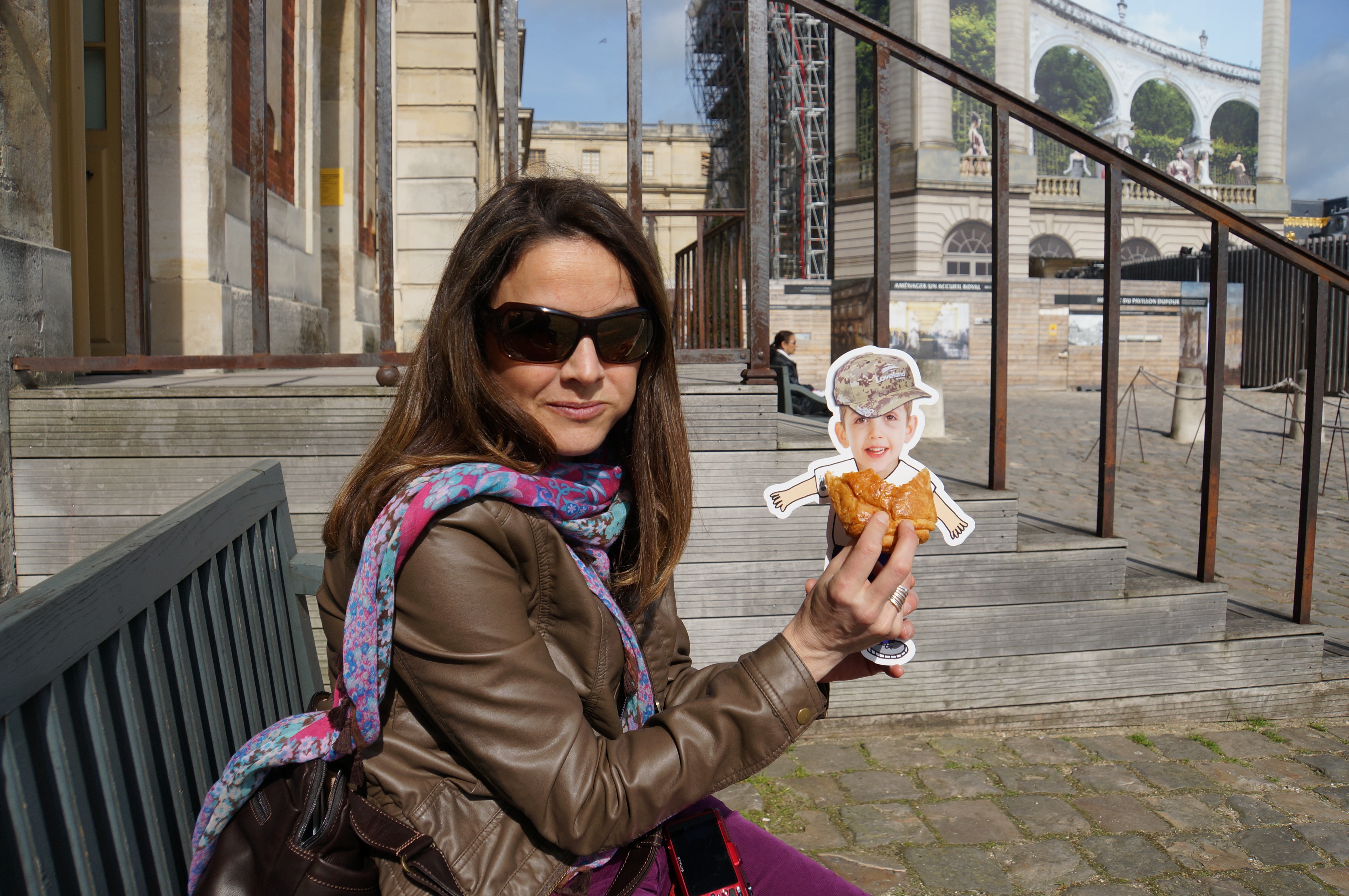
Astrid aspired to eat her body weight in Pain au Chocolate. Flat Levi just wanted a bite.

Astrid aspired to eat her body weight in Pain au Chocolate. Flat Levi just wanted a bite.

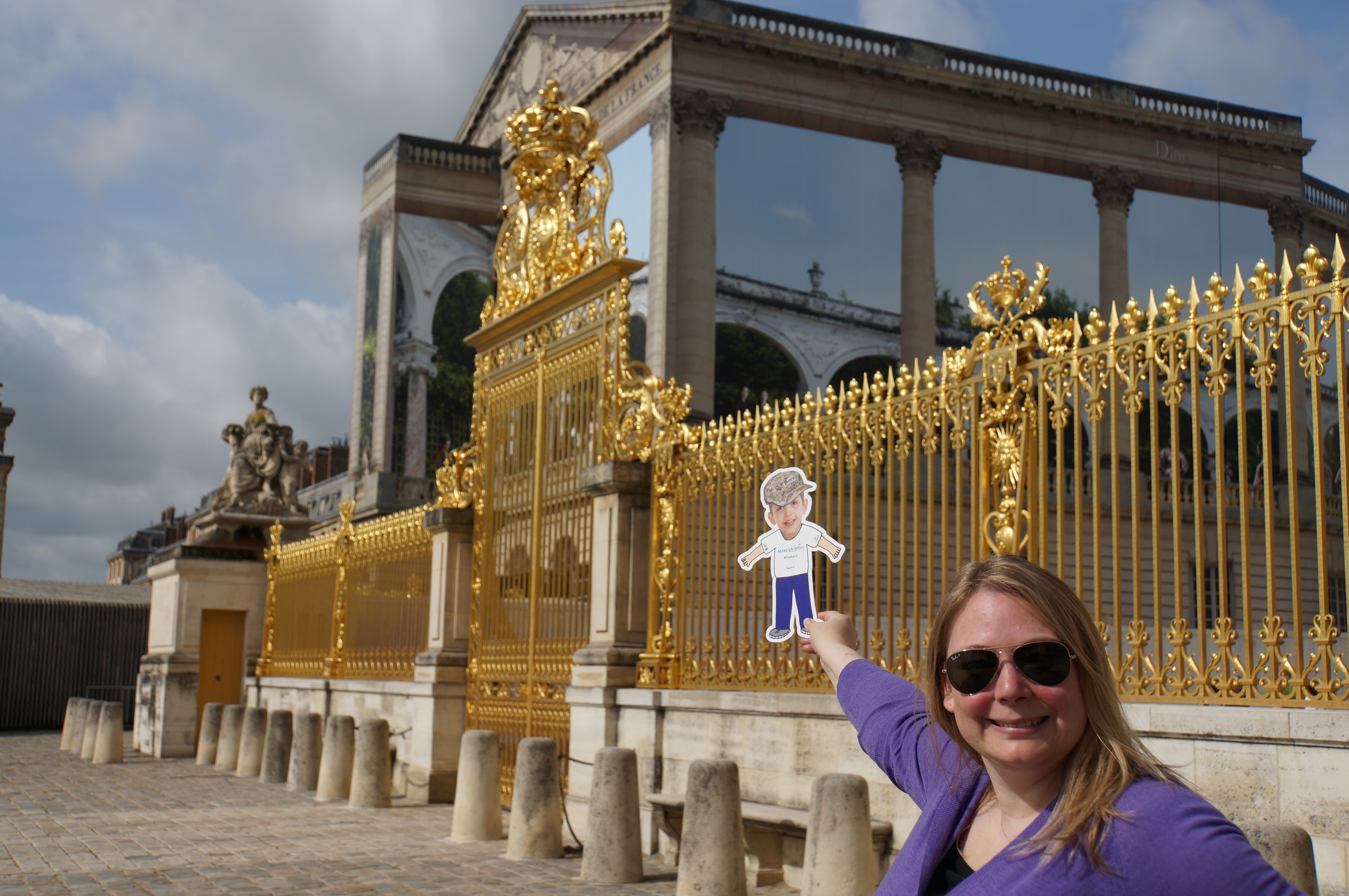
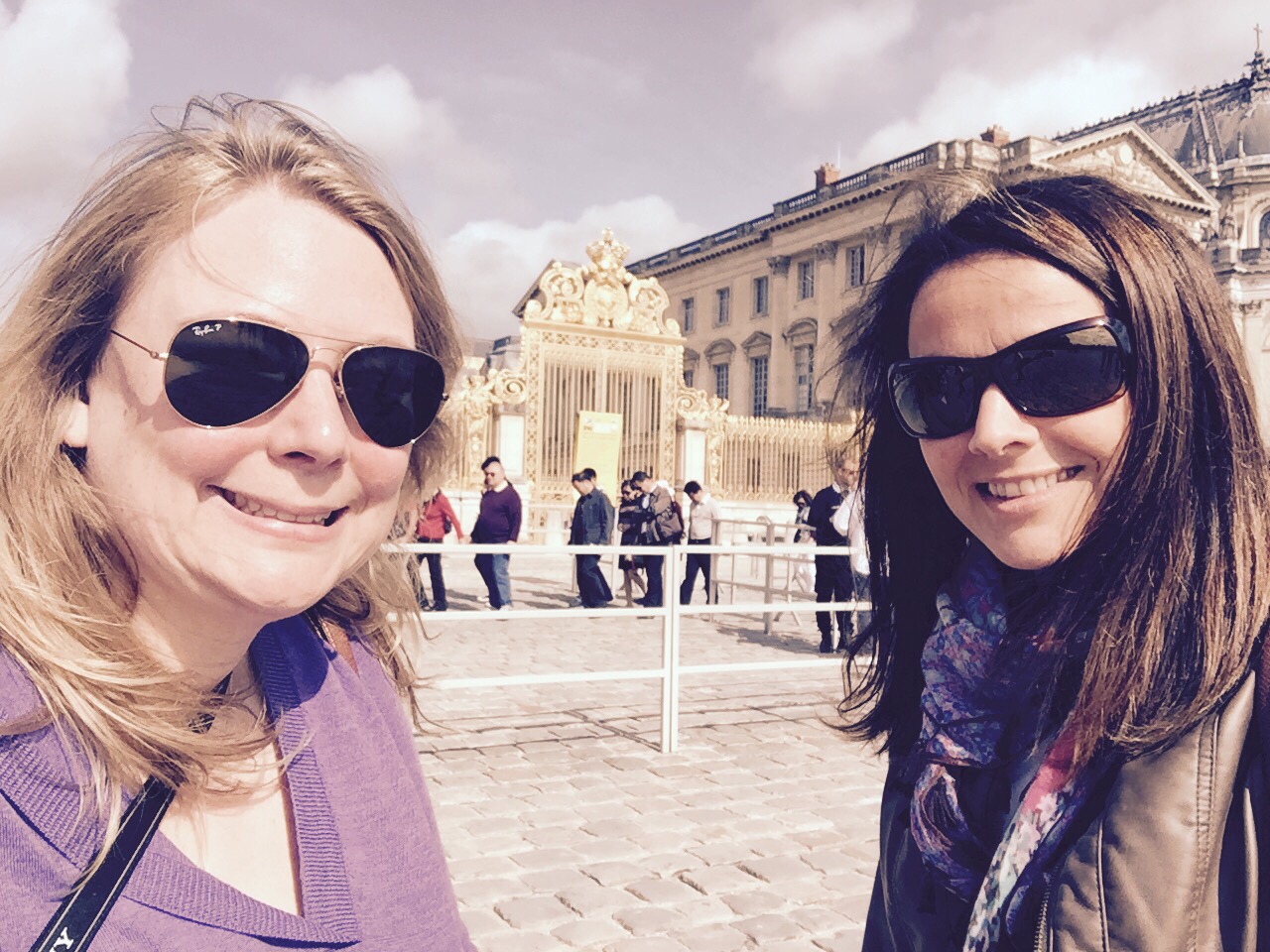
Our first full day in France - completely jetlagged - we tackled Versailles. Levi was cheerful through that 13 hour day and even posed with me at the palace gates before we left.

Our first full day in France – completely jet-lagged – we tackled Versailles. Levi was cheerful through that 13 hour day and even posed with me at the palace gates before we left.

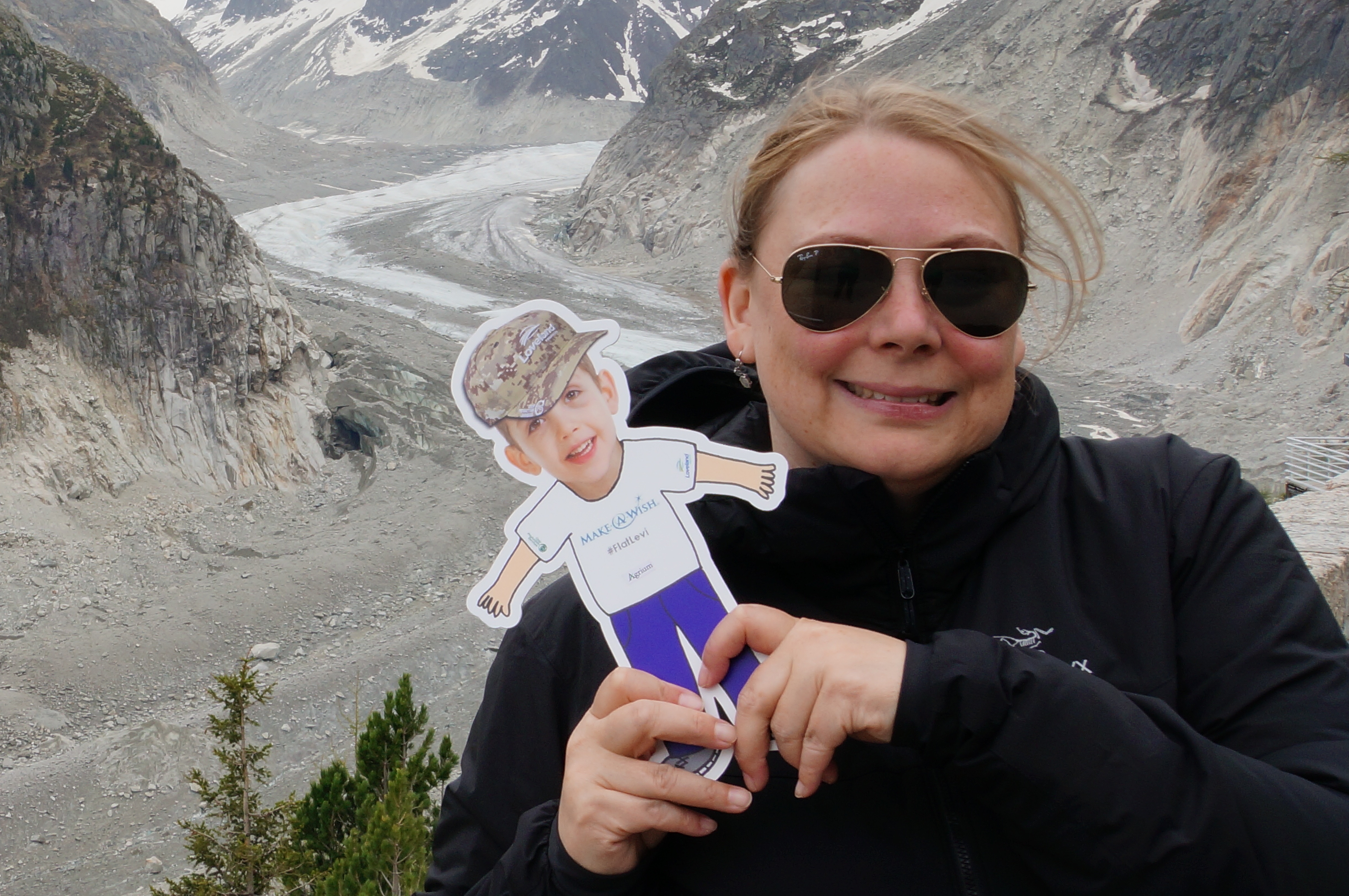
Flat Levi & I in Chamonix, France, posing with Mer de Glace.  He too was amazed at how the glacier advances and recedes. To learn more on that, check out Astrid's blog post.

Flat Levi & I in Chamonix, France, posing with Mer de Glace. He too was amazed at how the glacier advances and recedes. To learn more on that, check out Astrid’s blog post.

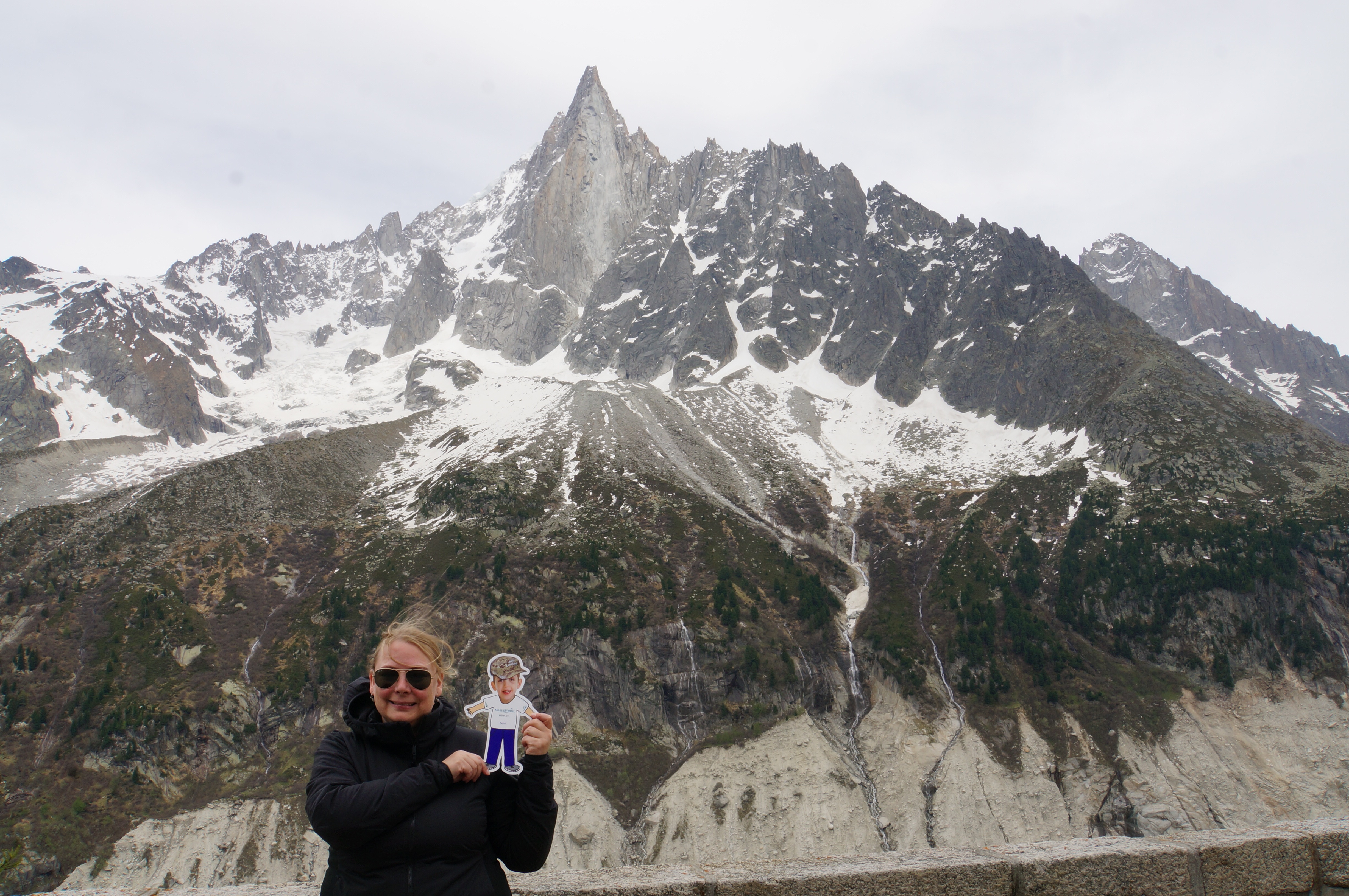
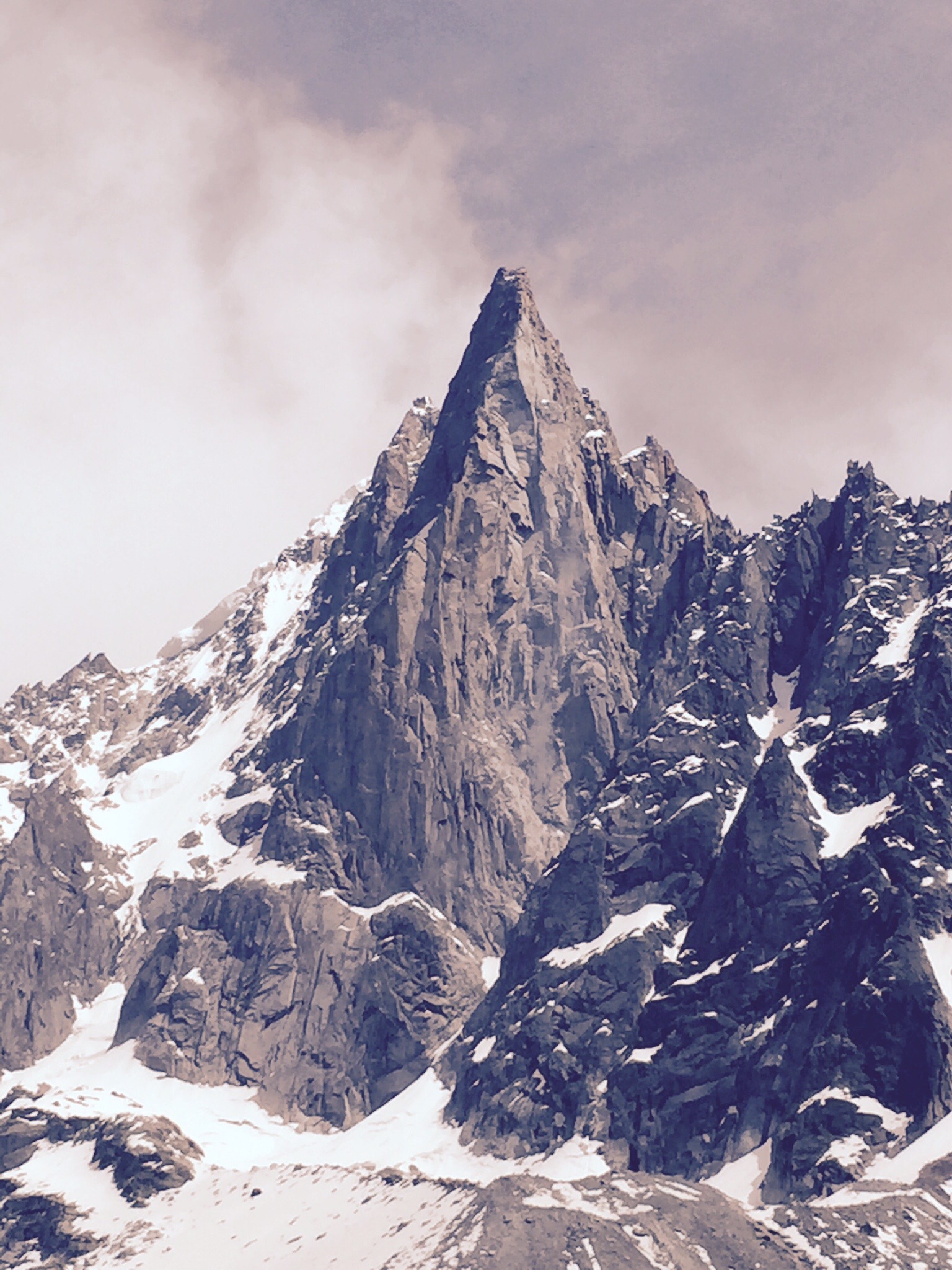
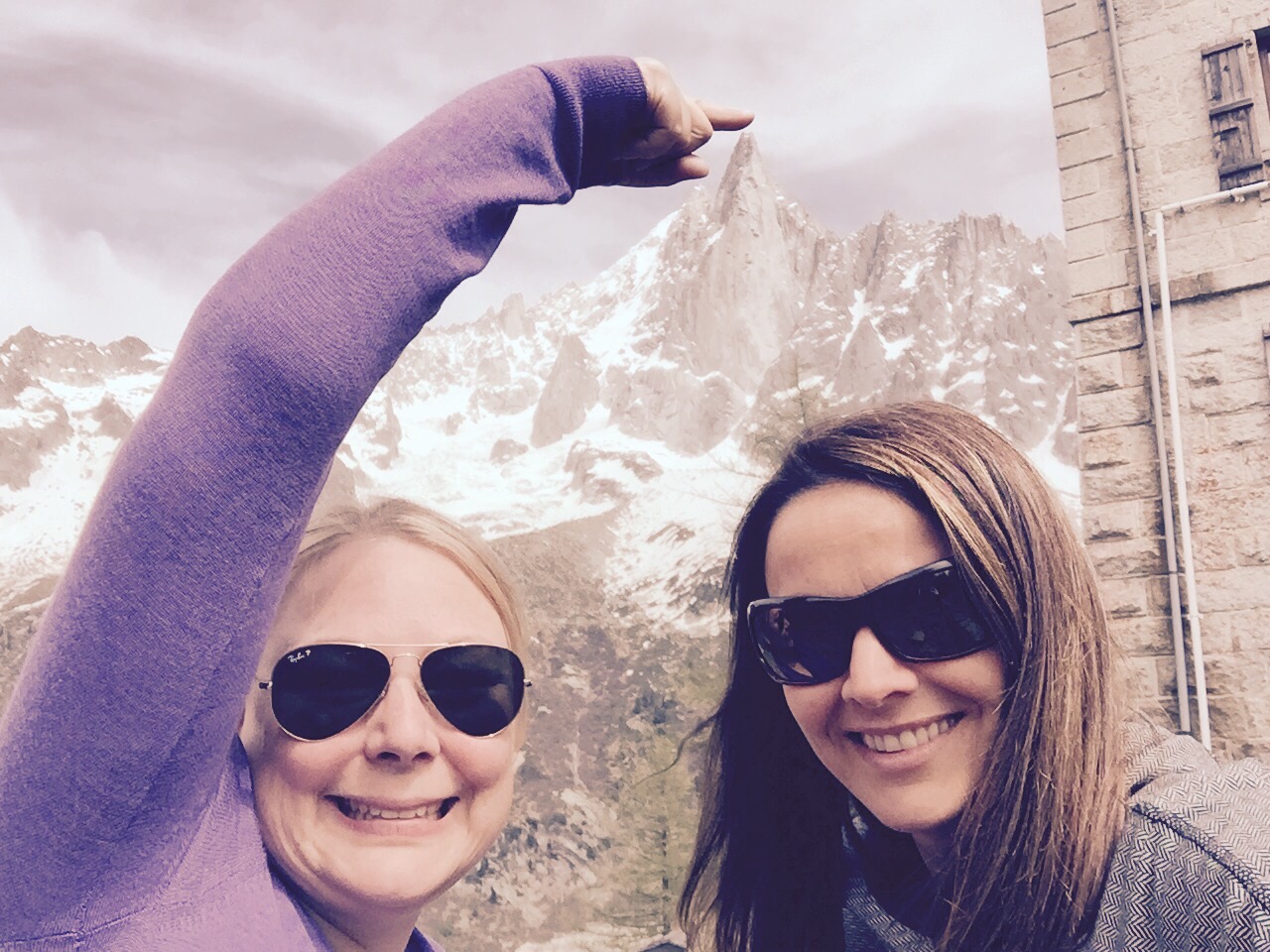
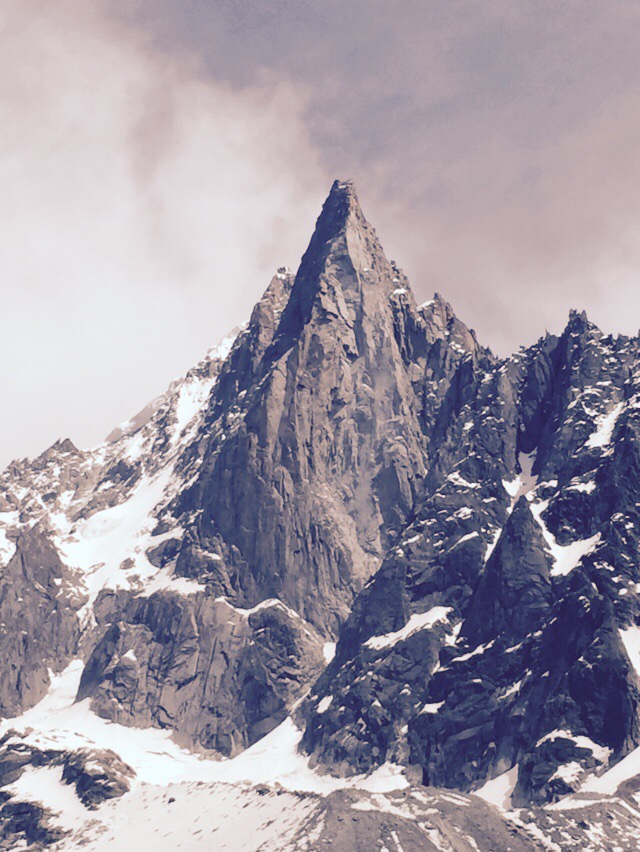
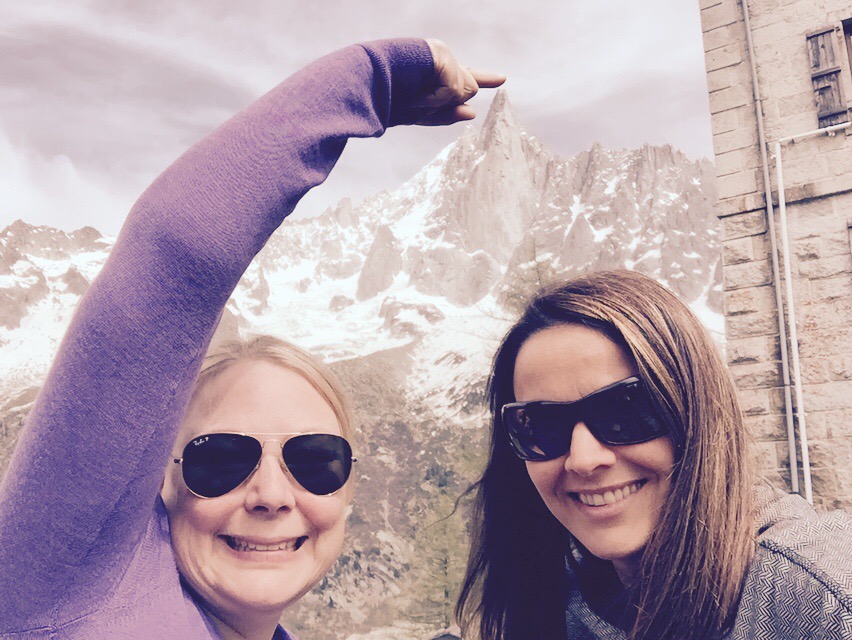
A visit to Chamonix, France would not be complete without a photo of Le Dru. Flat Levi & I checked that off our list.

A visit to Chamonix, France would not be complete without a photo of Le Dru. Flat Levi & I checked that off our list.

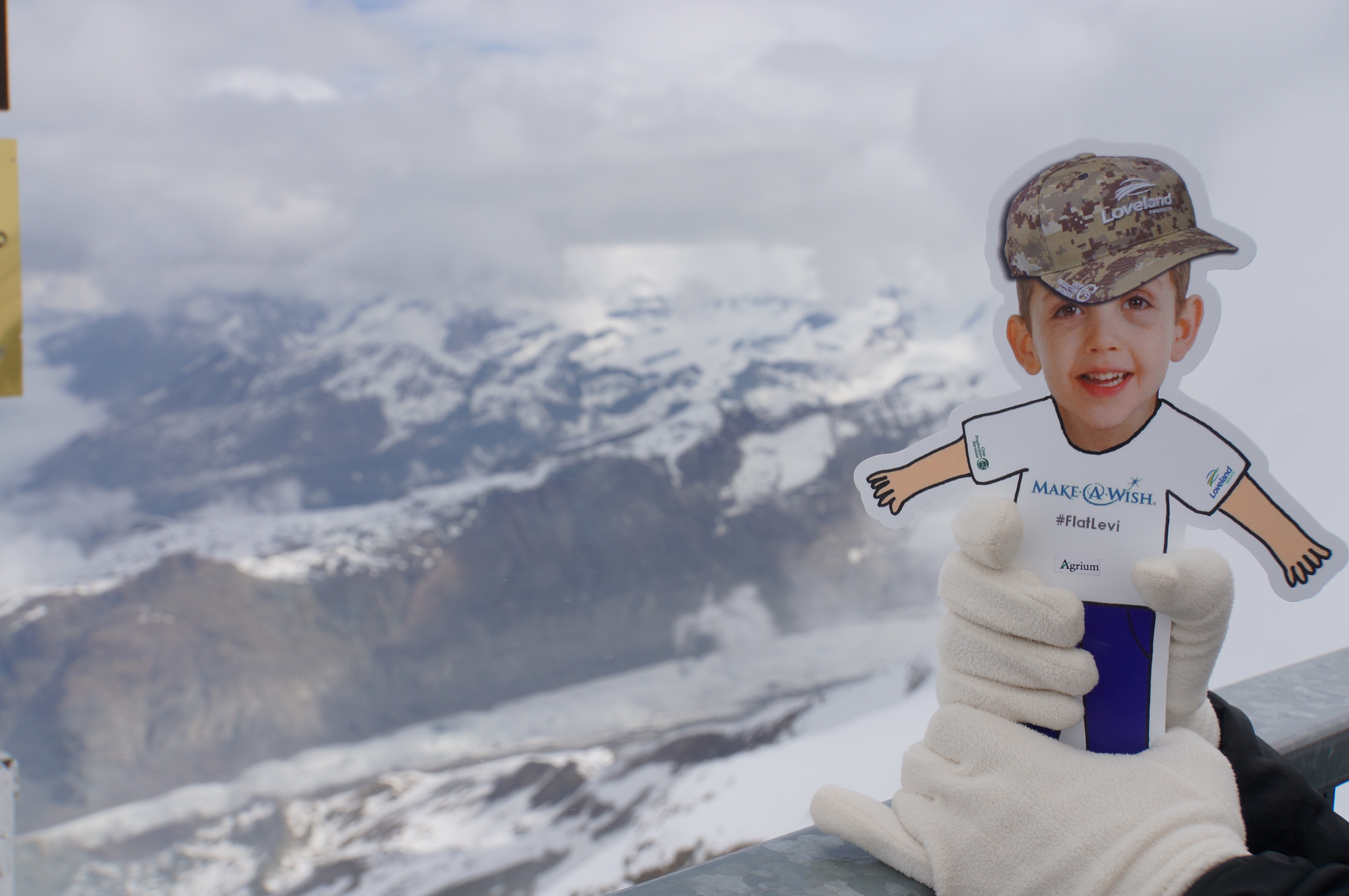
While he didn't make it to the top of Aiguille du Midi, he insisted we take him to the top of the Glacier Mountain Paradise in Zermatt, Switzerland. Although we were not able to get a glimpse of the Matterhorn that day due to poor weather, with a very firm grip, we got this panoramic shot for his Swiss photo album.

While he didn’t make it to the top of Aiguille du Midi, he insisted we take him to the top of the Glacier Mountain Paradise in Zermatt (over 12,000 ft), Switzerland. Although we were not able to get a glimpse of the Matterhorn that day due to poor weather, with a very firm grip, we got this panoramic shot for his Swiss photo album.

IMG_5234

Flat Levi in Chamonix, France with Aiguille du Dru

IMG_5235

Flat Levi in Chamonix, France with Mer de Glace

IMG_9718

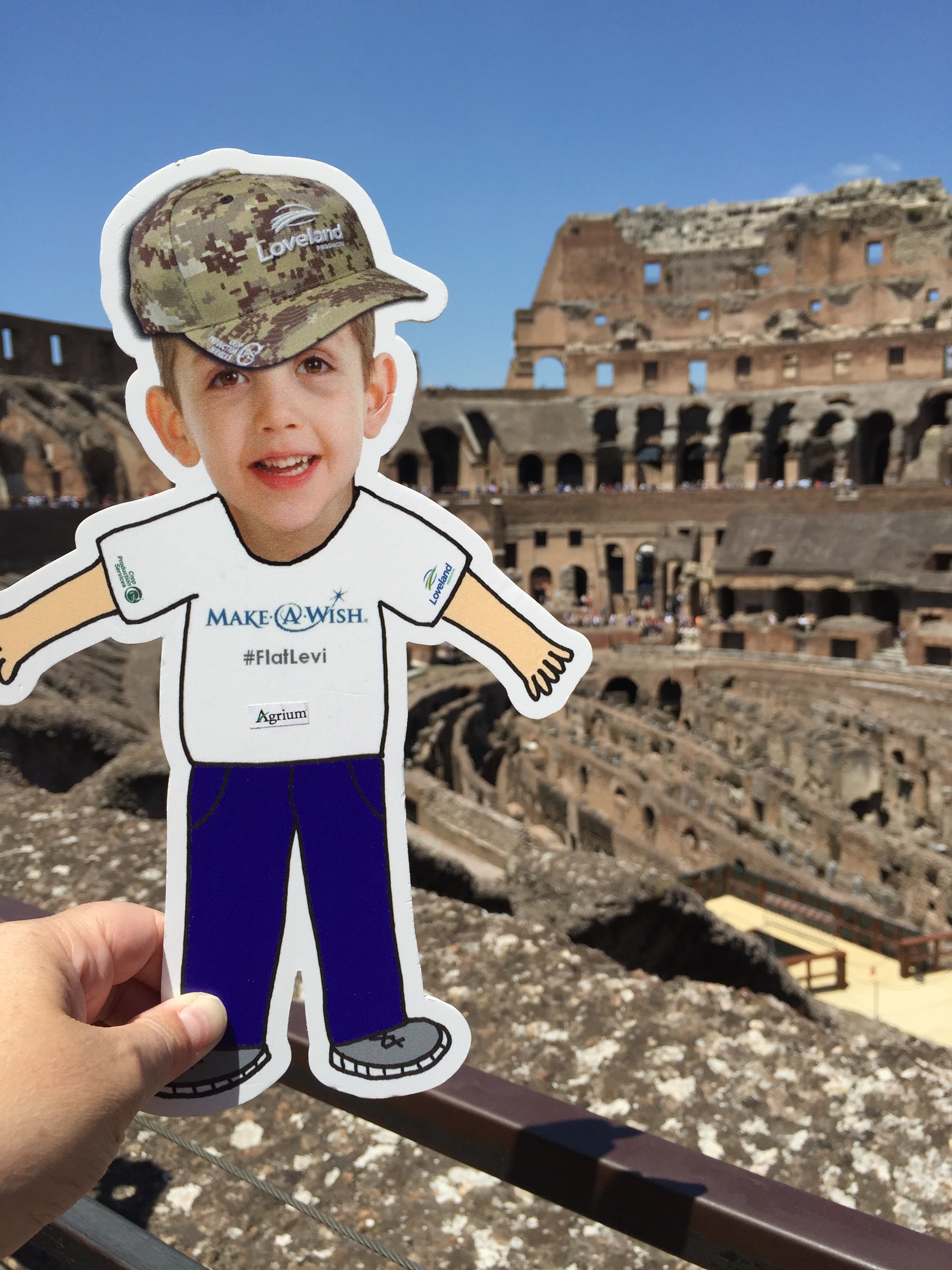
Levi thought the Colosseum in Rome was huge! And a small group of school kids visiting that day found him just as fascinating. One little boy asked me about his story and gave him a “High Five”!

IMG_9733

IMG_9794

IMG_9779

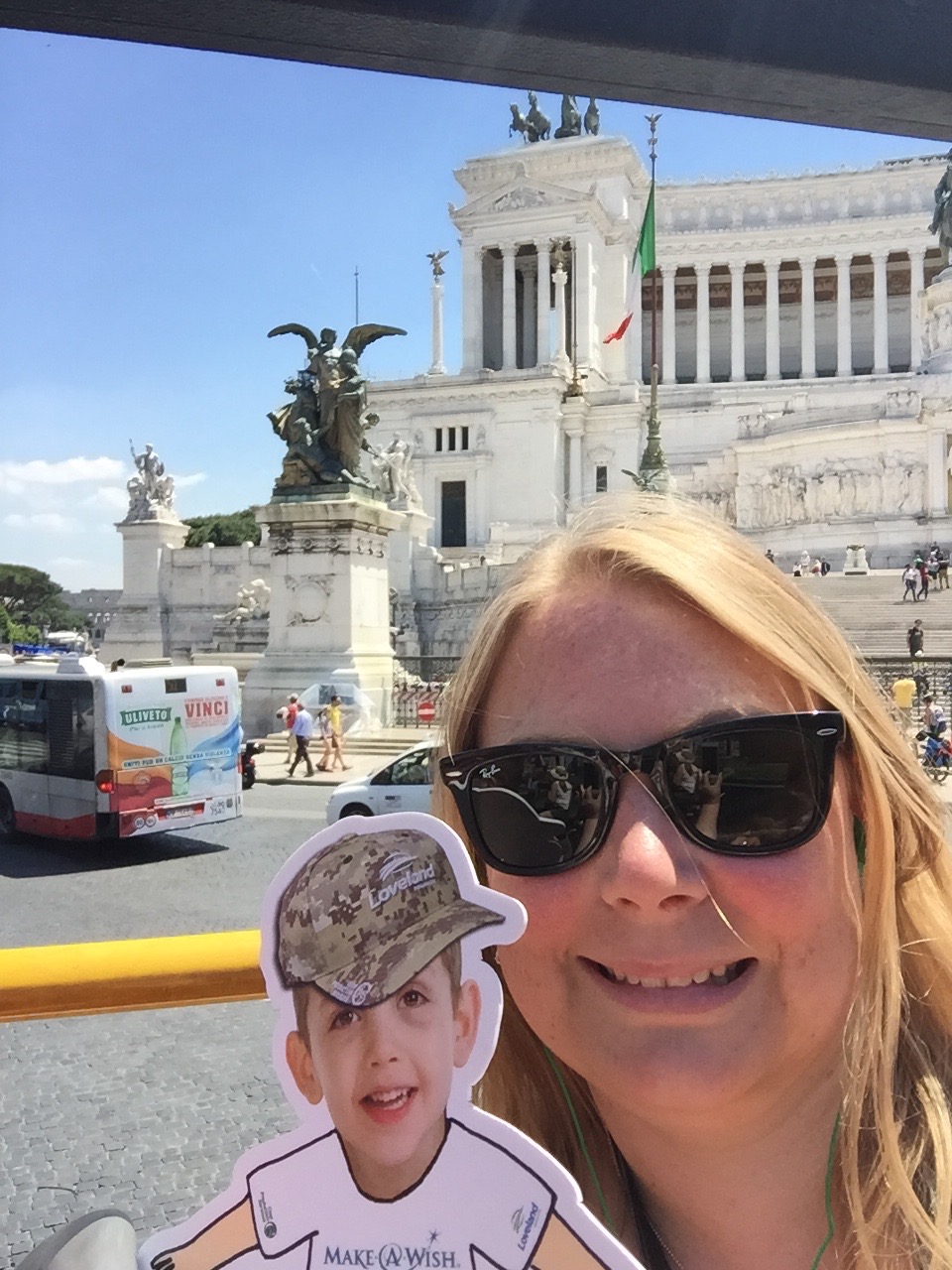
Astrid told me small children (including her own) always want to ride at the very front of the bus. While we did not indulge Flat Levi in this request, he did have an awesome time sight seeing from the Hop on Hop off bus in Rome.

IMG_9802

IMG_9908

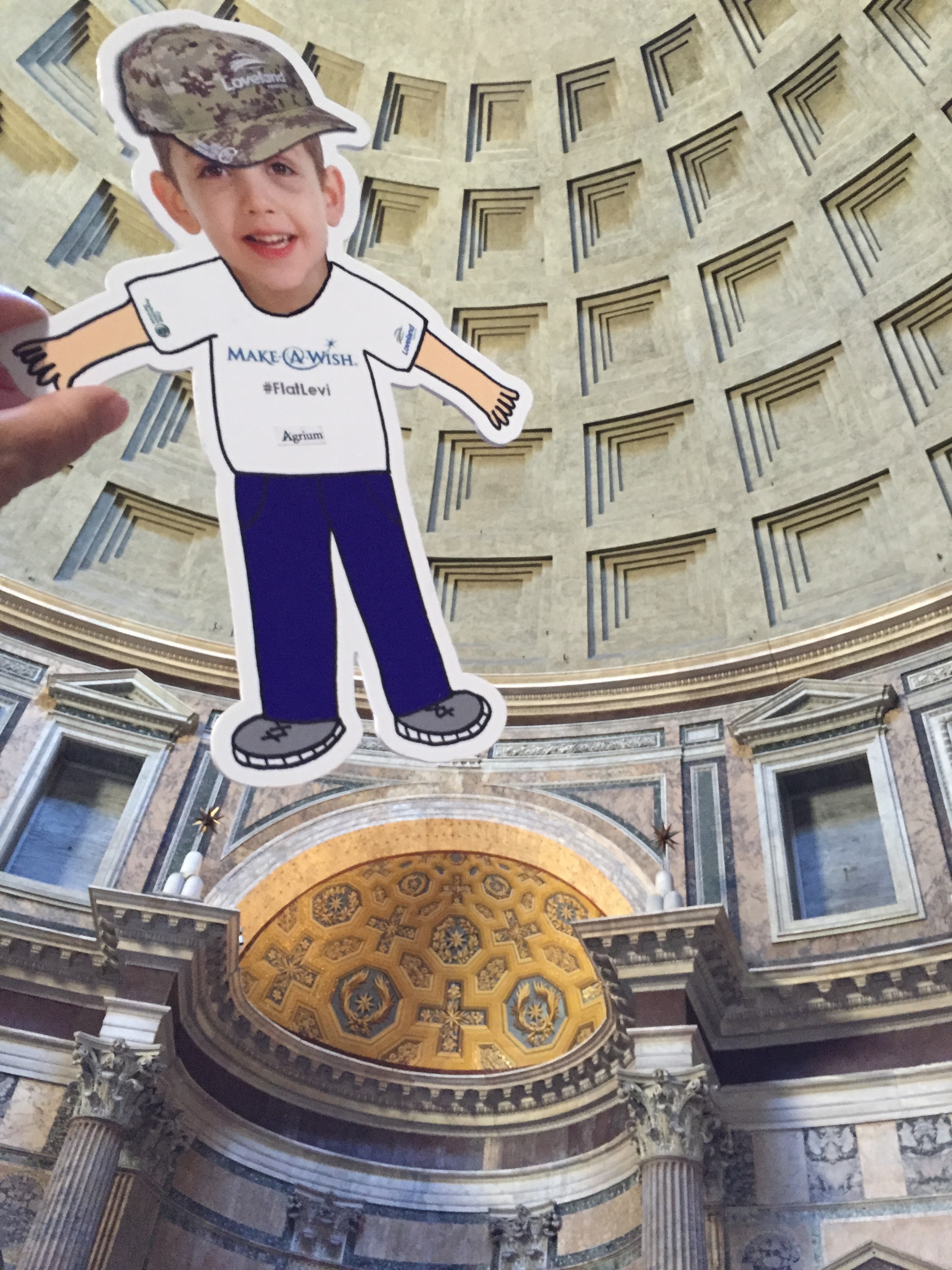
And a visit to Rome would not be complete without a stop at the Pantheon. Levi was amazed to learn from Astrid that the roof of the Pantheon is a “mathematical marvel” and perfectly measured.


1 Comment

A Sea of Ice in Chamonix

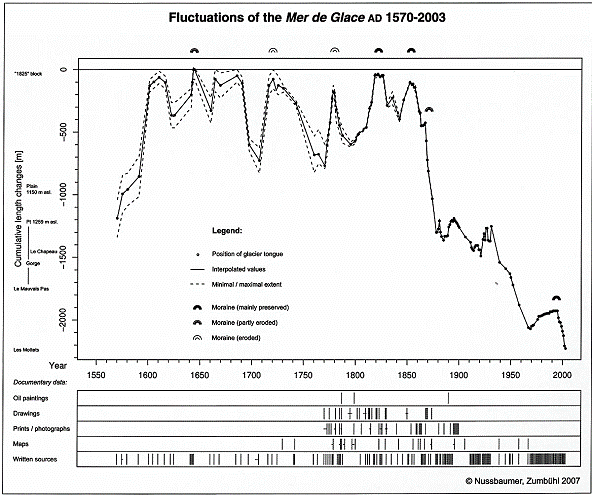
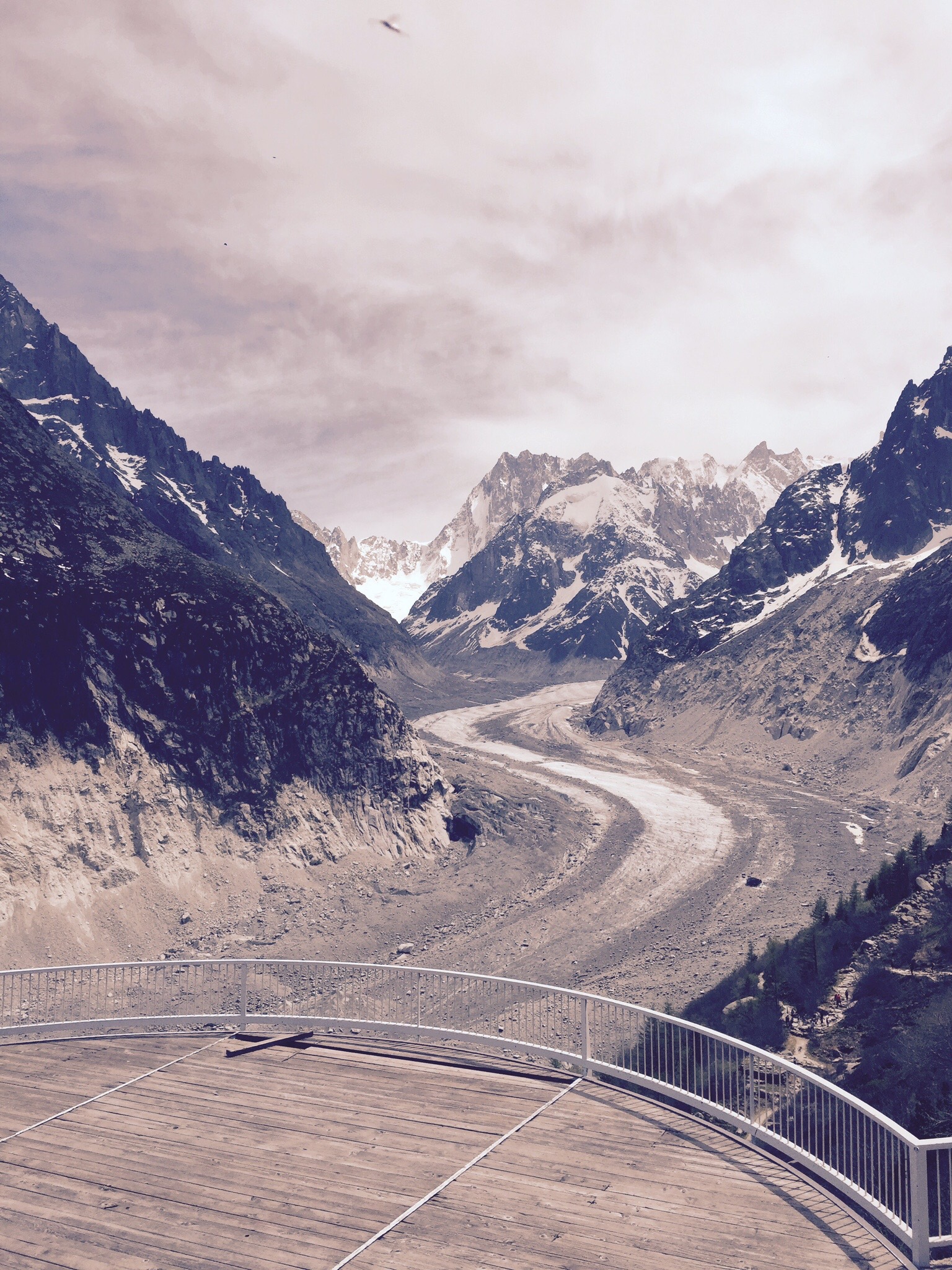
Chamonix is a small town in a freshly carved glacial valley (think steep walls with hills of gravel and rocks along the sides (moraines). I say ‘freshly’ carved because the Mer de Glacé Glacier (Sea of Ice) used to extend down to the town of Les Bois and was clearly visible from Chamonix (approximately 2 km farther down the Valley than its present location when visitors first started frequenting the area in the early 1741). They have been formally studying this glacier since the ~1870’s but they have data back to 1565. Mer de Glacé is really the birthplace of Glaciology (study of glaciers) and the It is the longest studied Glacier in the world.  

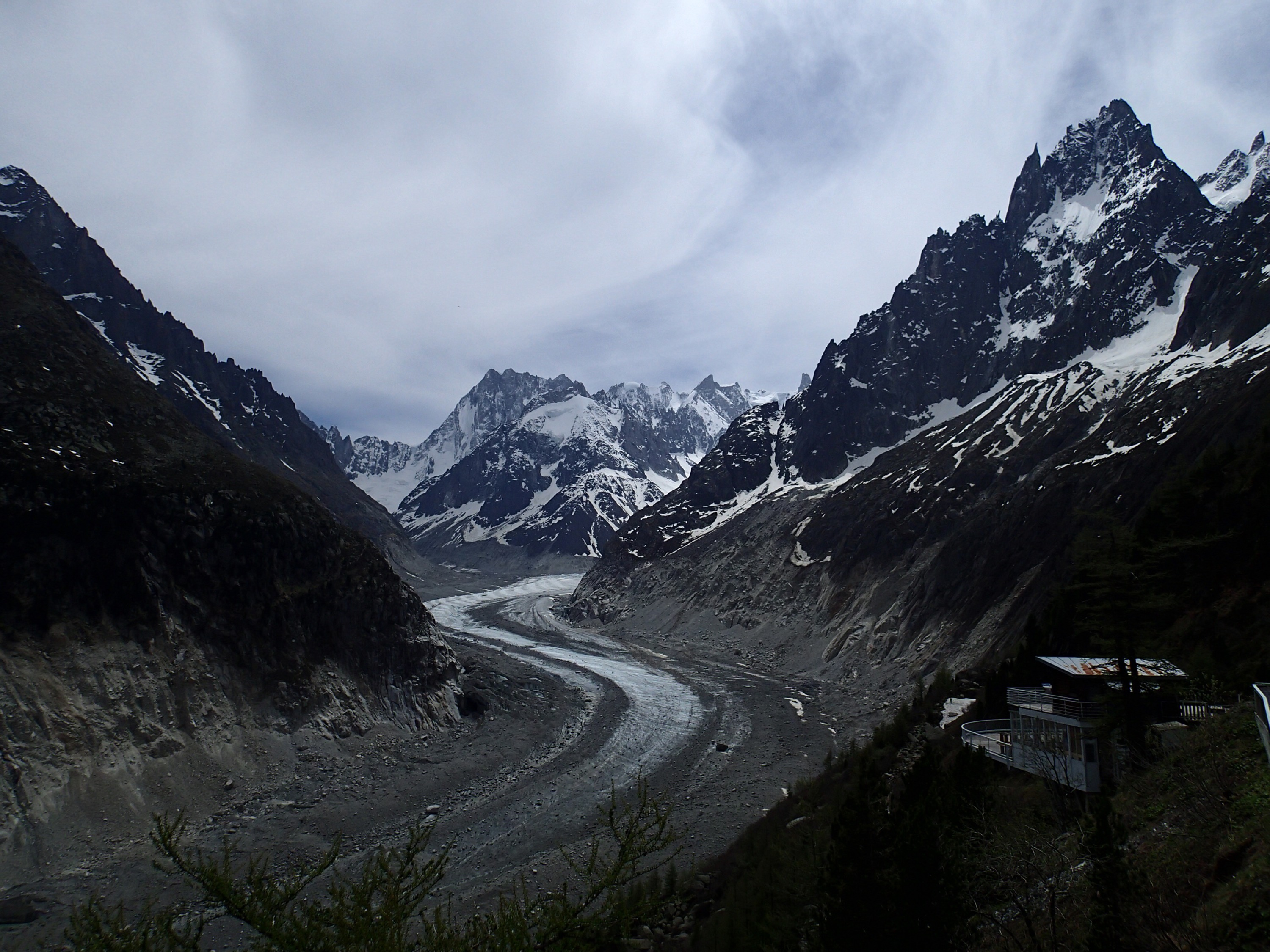
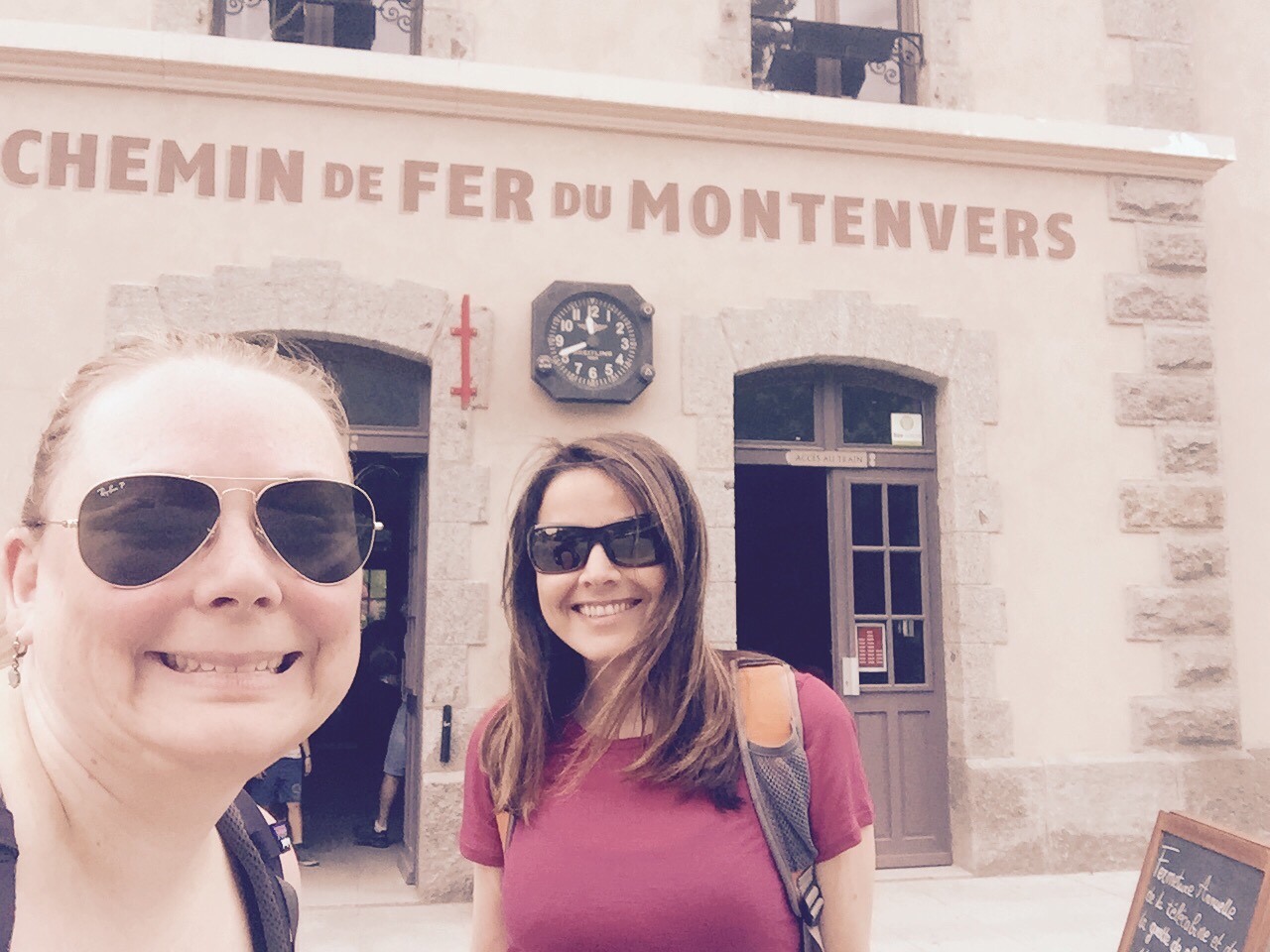
Mer de Glace Glacier, you can see the Montenvers Train station on the right that brings you to the glacier

 Since they began tracking the glacier it has had numerous periods of advance and retreat but has been in overall retreat (with only small advances) for the last 170 years.  The glacier has lost over 2 km in length and a couple hundred meters in thickness (it is about half it’s thickness at lower altitudes).  In the early 1800’s, the people of the Chamonix Valley were quite concerned that the glacier was going to over run the town of Les Bois and so the bishop came down and he exorcised the glacier!

It worked. 

The glacier has been in retreat ever since.  Blame God, not global warming for this one.   

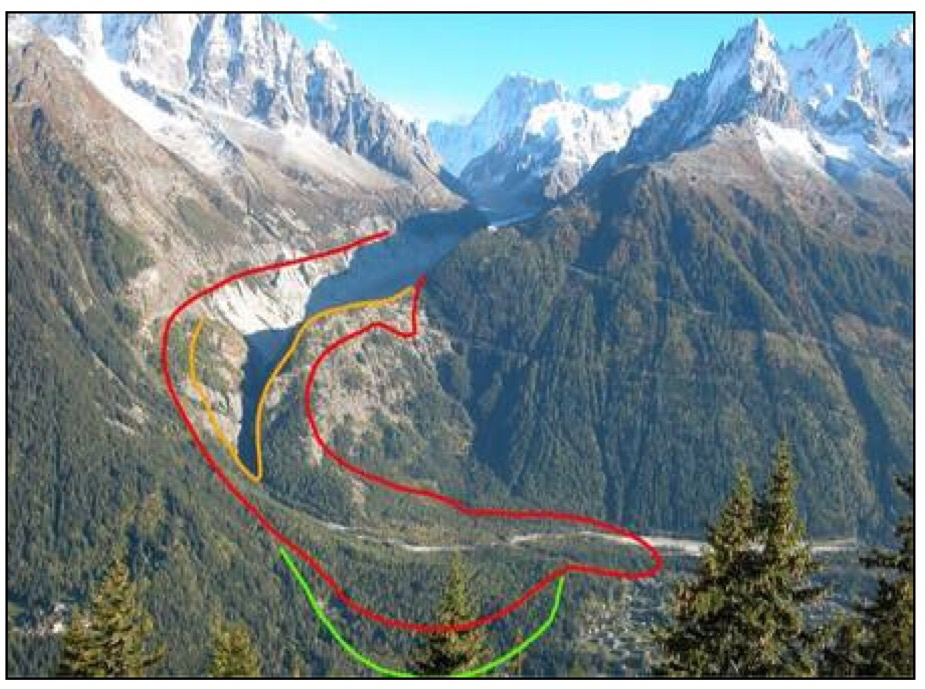
Maximum extension of the glacier in 1644 (green line), this was followed by a retreat then the next maximum was reached in 1821 (red line) … then the exorcisim … then followed a retreat and by 1895 the glacier was at the orange line, currently it is much farther up the valley. Click image for reference paper.

A cool diagram showing the data available and the position of the glacier since 1570


 Studies of the Glacier continue annually and each winter a tunnel is drilled into the Glacier. If you visit in the winter season, you can take a stroll in the “Ice Cave” and see inside a real live glacier! If you don’t want to visit Chamonix for the skiing, this is definitely a reason to come back and nerd out! I am seriously considering adding it to my geology bucket list. 

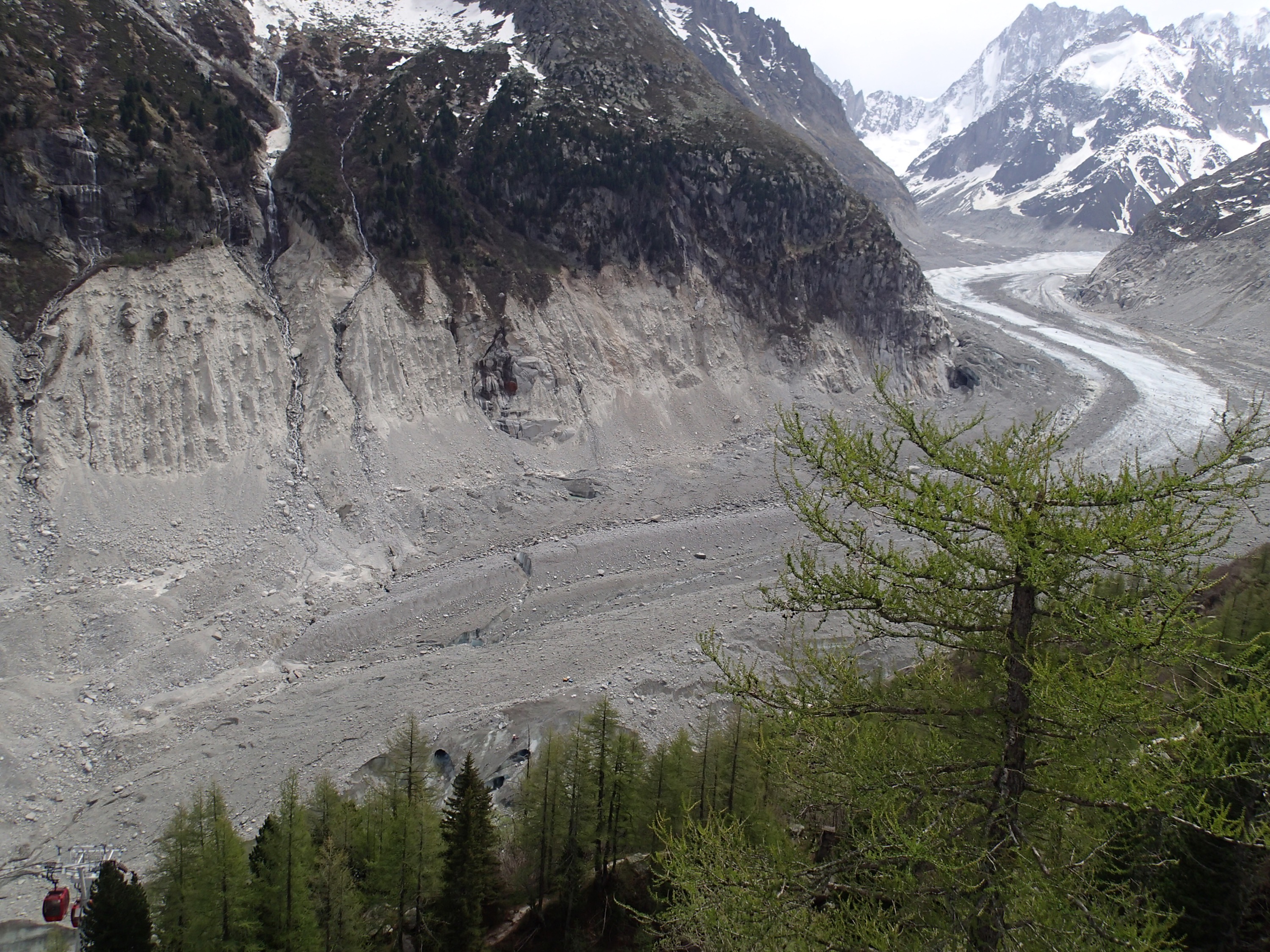
You can see the old ice caves at the very bottom of the picture, about 1/3 ftom the left edge. The gondola to get down to the cave in the bottom left. Crazy to think that this glacier once filled this valley. The valley was once filled to the green/trees transition you can see across the valley, would have been quite the site.


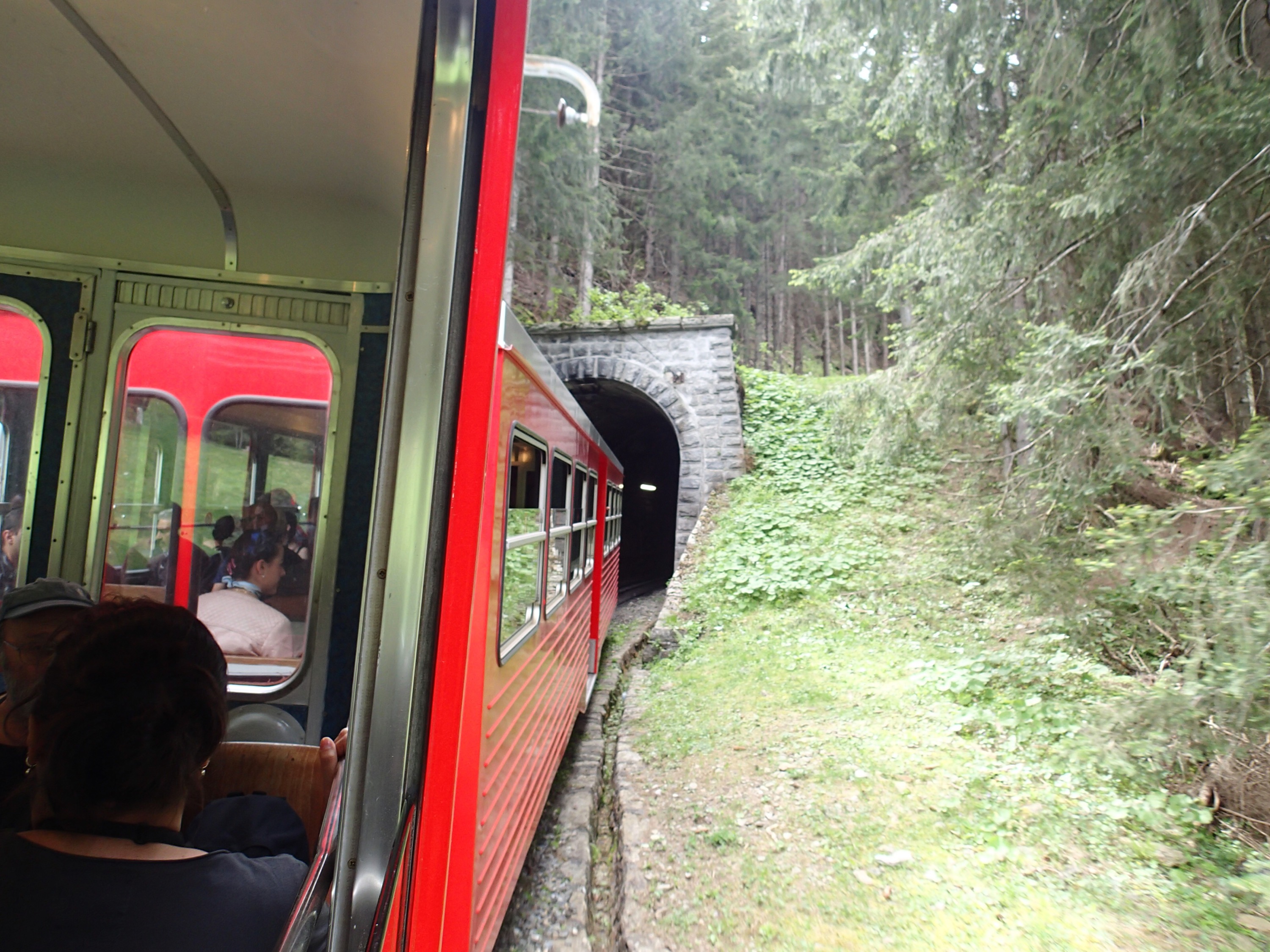
An aquaduct the train travels over. You can see the extra track running down the middle of the track. The train locks into this to help it ascend the steep inclne and control the speed of it’s decent.

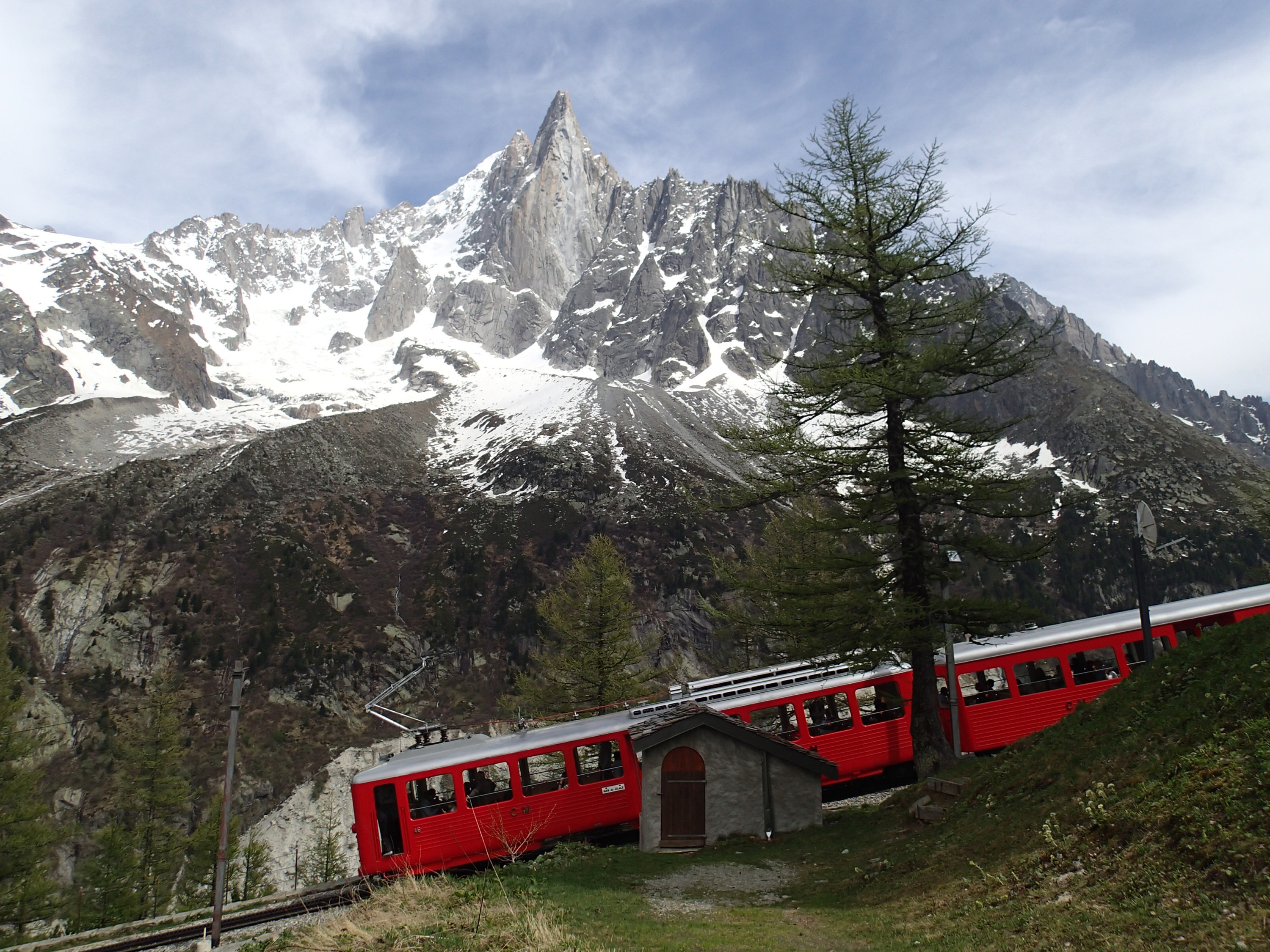
The Montenvers trains and Aiguille du Dru (Aiguille = needle)


The steep ascent … you can see why they need the extra track.


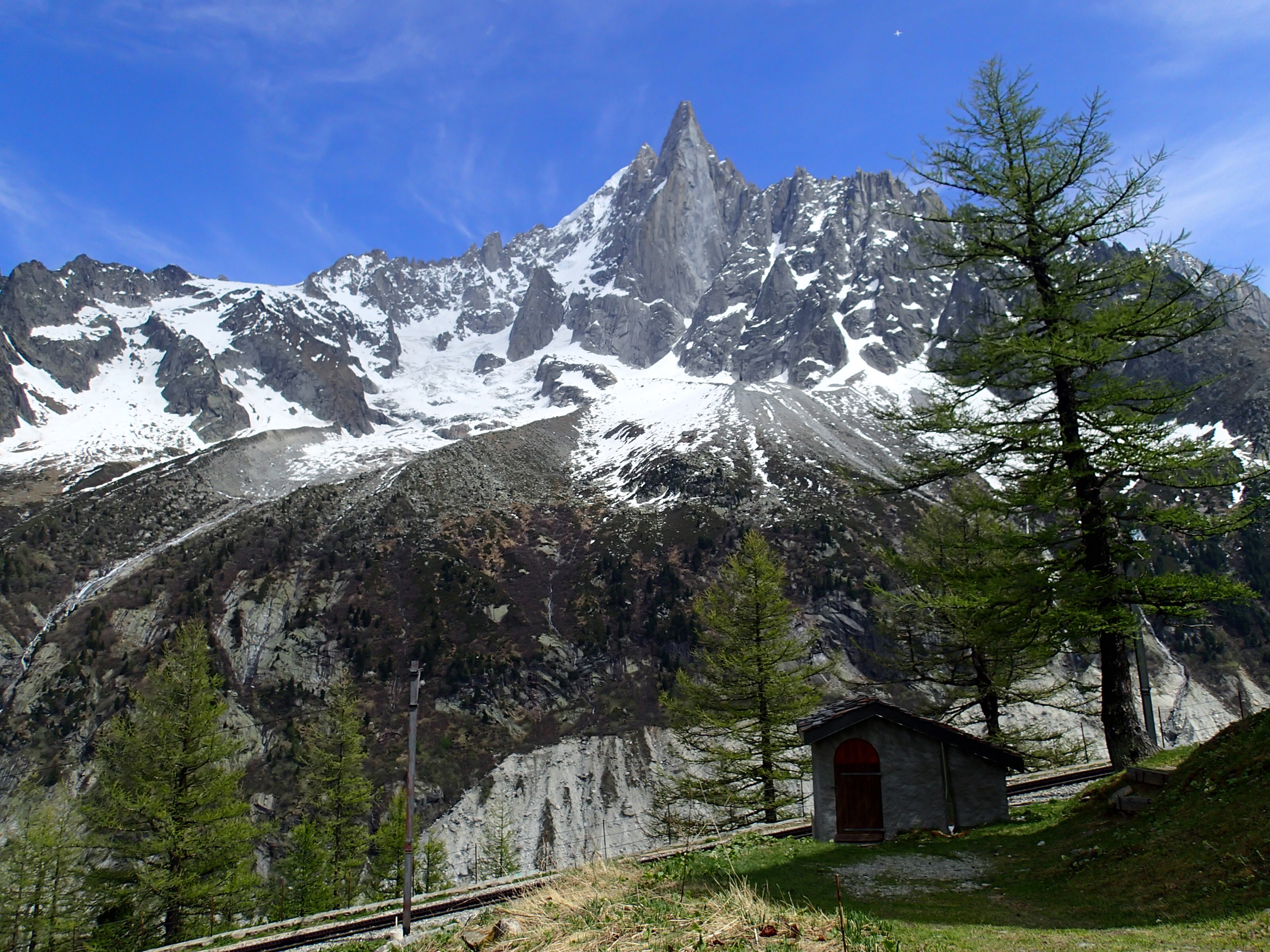
Aiguille du Dru


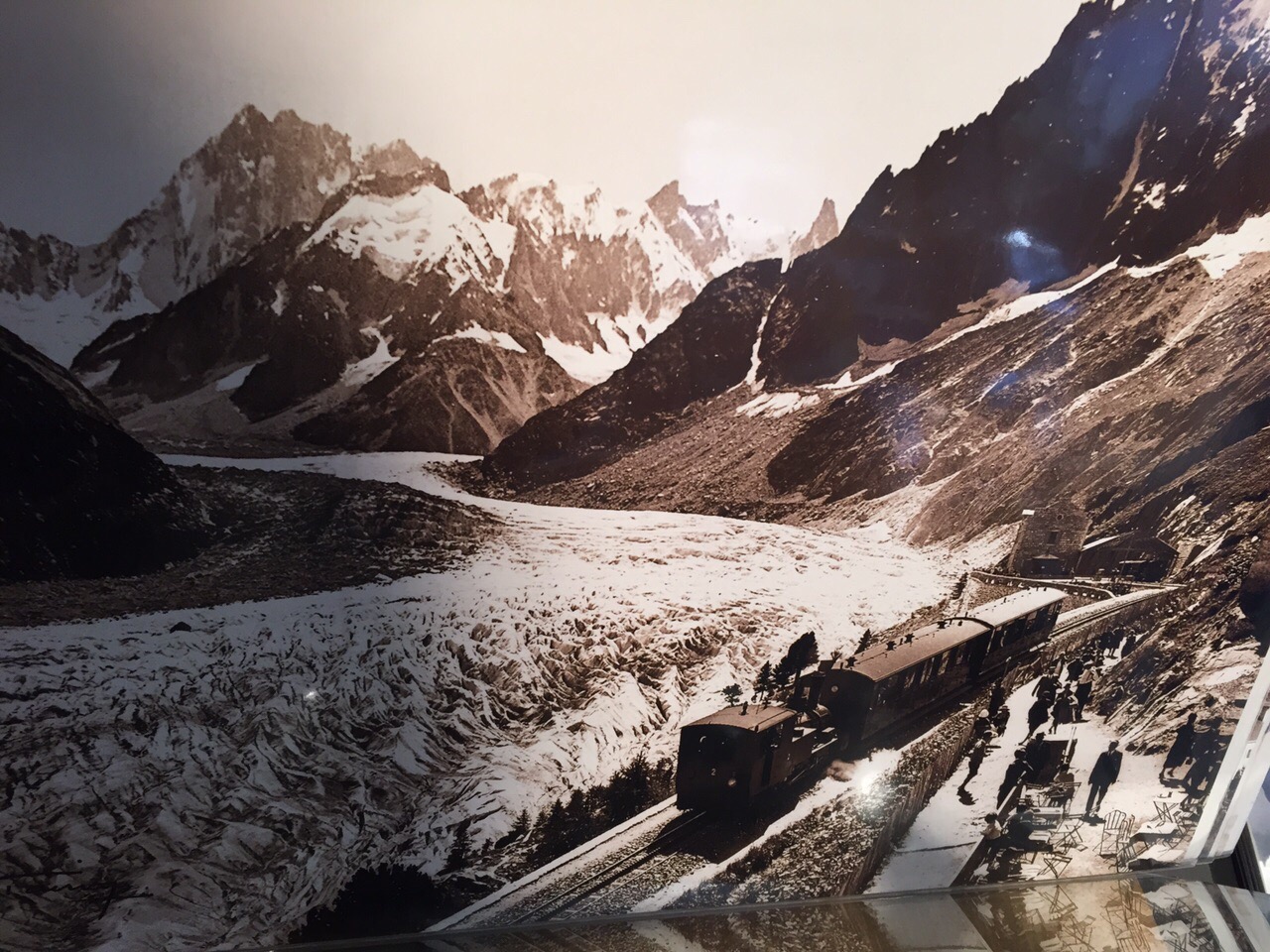
You can compare with the photo above and see where the Glacier is versus ~1909 when the train was built.


Leave a comment

Does Kate Spade Make A 85L Backpack?

This might have been one of my first questions as Astrid and I began to prepare our luggage and packing options for this trip.  

While I am capable of packing light, often the draw of creature comforts and “options” for fashion in my luggage overpowers the need for minimalism. Though, for this trip, knowing it was a serious “you pack it, you carry it” expedition, there was a greater desire to get things right.

In recent years my destinations of choice have not required such luggage and the evolution of the roller bag has served me just fine. 

However, it is not like I haven’t travelled with a backpack before. I was probably about 12 (grade 7, maybe?) when I got my first pack. My dad likely bought it at MEC, a Canadian institution for outdoor-zee folks. It was brown with a nice comfy waist belt and was well suited for my camping gear, sleeping bag, and clothes. I recall using this pack mostly for Guide camp, but I know I also used it on a couple trips along the West Coast Trail. 

For those who know my family, you’ll know that when we camped as kids it was pretty hard core. For example, only when the river reaches your tent flaps, and you can’t move it back further into the woods, is it time to go home. (trip to San Joseph’s Bay with the Loucks family) 

And, during the time we spent on the WCT, well, that was a whole other level of organization and minimalism. We brought a tarp and bivey sacks for sleeping (tents and sleeping bags were heavy and bulky) and I’m pretty sure we had our food down to a science as far as how many crackers, slices of salami and apples would been required to feed us well, but ensure we didn’t bring a single item of food back out of the trail. I suspect that “master” food and supply list is still in the Dobson camping arsenal and the next generation will soon be using it themselves.

In those days, it was “pack in, pack out”, but at an extreme level on the WCT – there were no bathrooms, no campsites, no trash bins and no communication technology to help you. 

Today, there are reservations required to hike the trail, bins and bathrooms strategically and subtly placed and cell phones to call for help (if service permits). But back in the day, you could literally hike for days and see no one, so if you didn’t like who you were with, well, tough luck. Your only other companion option might be a bear sniffing at the tree trunk where you’ve flung your food bag over a high branch for the night.

For this trip, I trotted down to “Out There”, a Calgary-based outdoors shop on Stephen Avenue. Based on their website, they were the place in town I would most likely find a huge pack of 85L, our desired size for this trip. The staff were awesome and within minutes I was ready to take flight with my blue Osprey pack. It fit well and the well-padded belt would be ideal for absorbing all that travel weight. A grey rain cover for foul weather finished things off and I was ready to start packing.

Cecily’s new blue Osprey pack on the left. Astrid’s well travelled Arcteryx, complete with Canadian flag, on the right.

This time around, the challenge was less about the twenty some-odd days we would be on the road (sinks make wonderful laundry facilities); rather the variety of climates we would hit along the way. And, layers can only take you so far. When you are at 12,700 or so feet, an insulated jacket, toque and gloves are absolutely necessary and in a downpour in Zermatt or Chamonix, boy are you glad for a Gortex jacket and a fleece lined hoodie. As we make our way towards Italy these items will be shoved into the bottom of the pack and summer dresses, shorts and tank tops will hopefully get their time in the sun.

Astrid, on the other hand, is a veteran backpacker and valuable resource for me in how to pack for a backpack. She has spent a tremendous amount of time backpacking in many locations around the world – in the Canadian Rockies, throughout Europe; along the shores of the East Coast of Canada and throughout Australia and New Zealand. She has it down – sealable space saving bags, heavy weight on the bottom, little pouches for all the bits and pieces and a spot for all her many, many maps.

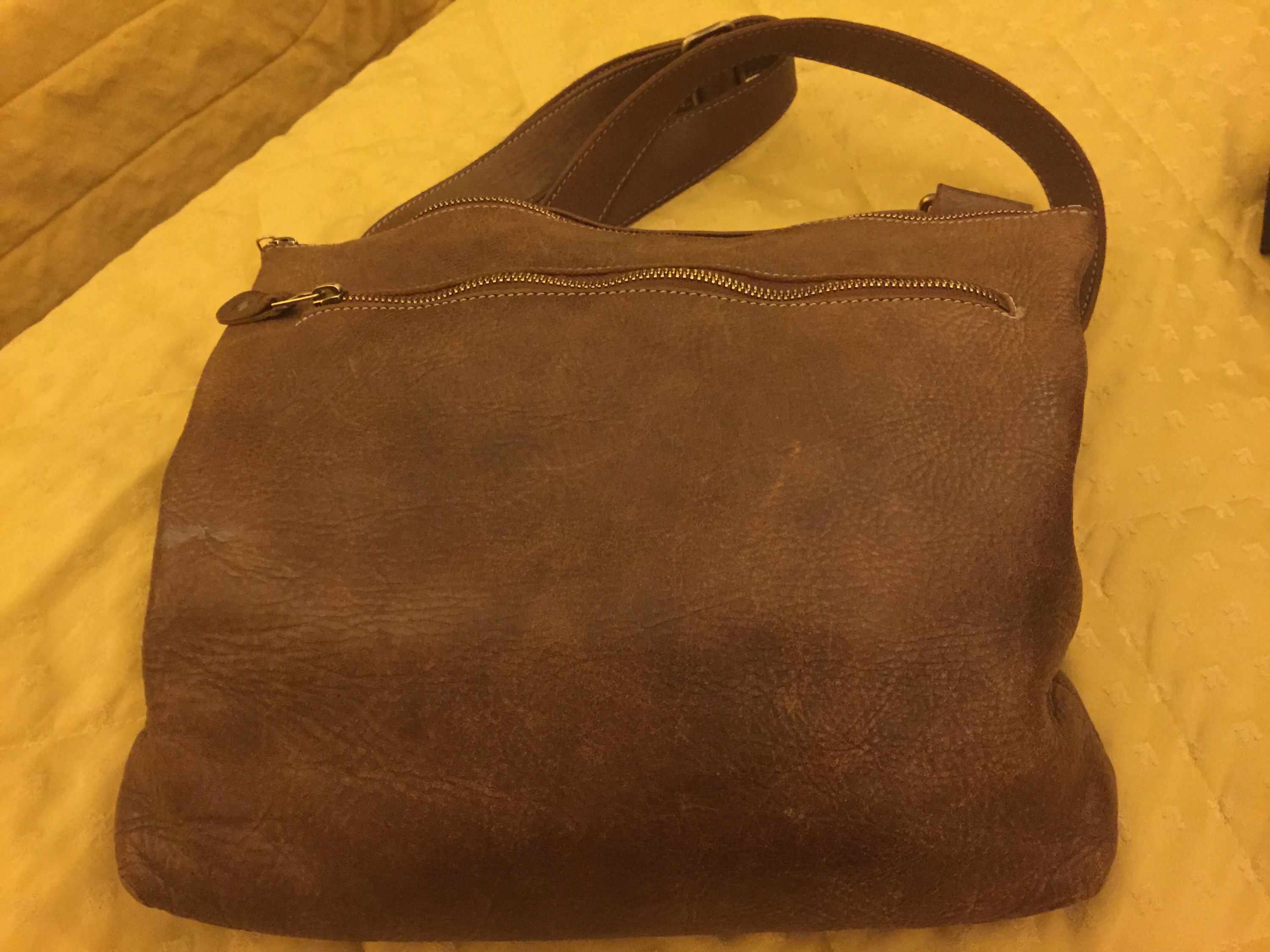
Our large packs are complemented by a day pack each that we wear on our front between rail lines and hotels and also serve for some day outings. In place of a city handbag we each have a handy leather cross-over bag. In this case, my Canadian Roots bag is the well-travelled one and shows the wear and tear of my many adventures. On this trip alone, it went for a little bath in a rainwater downstream sidewalk cavity while we were having lunch in Paris. Soaked right through, it dried quickly and there is not a stain to be had.

Cecily’s beloved and well-travelled Roots leather cross-over bag. has been adventuring since 2010.


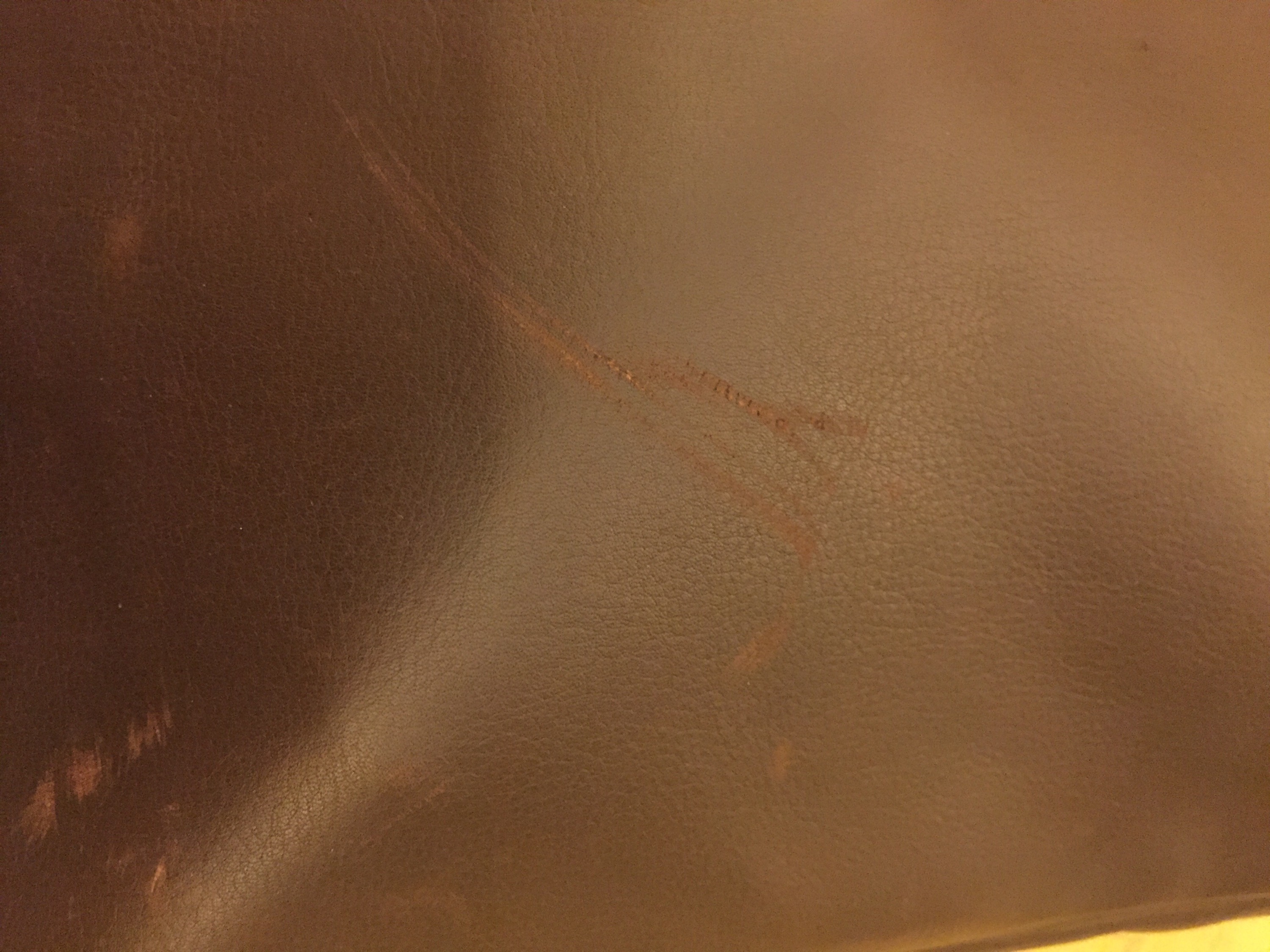
Astrid’s Derek Alexander bag was new for the trip. Fits all her necessities and has achieved its first adventure story – a small series of scratches on one side courtesy of the catacombs in Paris.


Astrid’s new Derek Alexander cross-over.


Close-up shot of Astrid’s new bag and the scratches obtained in the catacombs iin Paris. One of its first adventure wounds.


We have done well on this trip by way of not over acquiring too much too early, though as we do pick up small items the bags are starting to fill and get heavier. My problem seems to be that I buy little bags and boxes of treats and shove them in, creating weight. Astrid on the other hand, knows better, and consumes all that chocolate she buys as we go.

Where we may find ourselves in a bit of trouble is when we reach Italy. If history repeats itself, I many find myself overwhelmed by choices in the Italian leather markets and dreaming through windows at leather shoes. It will be at this point where our true backpacker spirit will be needed, but one can bet these urban girls are going to need a great bag to bring home…


1 Comment

Versailles – Gardens & Marie Antoinette’s Hamlet

Louis XIV who built Versailles led a very public life.  Everything he did, he did in public and this is one of the reasons he succeeded in making France Europe’s number-one power.  Versailles was the cultural centre of Europe, everyone learned French and French style, taste and manner of kissing spread across Europe.  There was no suspicion about him, no rumours, no cause for question because everything he did had a witness. Louis XIV had no privacy and privacy was something Louis XV and Louis XVI craved and they eventually took for themselves.  That privacy ultimately led to the fall of the French Monarchy.  

The day Louis XIV died, his grandson and heir Louis XV took the throne and went to bed in public that night.  Louis XV was only 5 years old. A Regency was establish and ruled until the King turned of age and life was much the same as it had been under Louis XIV.  When the King turned of age he had new apartments built for himself in Versailles (see Versailles – A lesson in opulence) and slowly carved out more and more private time for himself.    Louis XV lacked his grandfathers charm and slowly France lost it’s power abroad and rumblings of rebellion began in France.  By the time Louis XVI took the throne, the nation was in crisis.  He was a meek man who married a sweet girl from Austria, Marie Anntoinette.  The two retreated into a private life in the Gardens of Versailles, isolating themselves from the growing revolutionary fires.  They lived extravagantly, no one knew what they were doing, there was a lot of suspicion and question.  Eventually the poor peasantry were wondering why the King held absolute power over them and why they should be expected to pay for all his and Marie Antoinette’s extravagant life?  This is a bit of an over simplification of what caused the French Revolution by the gluttenous lifestyle of Louis XIV, XV & XVI certainly were leading factors.

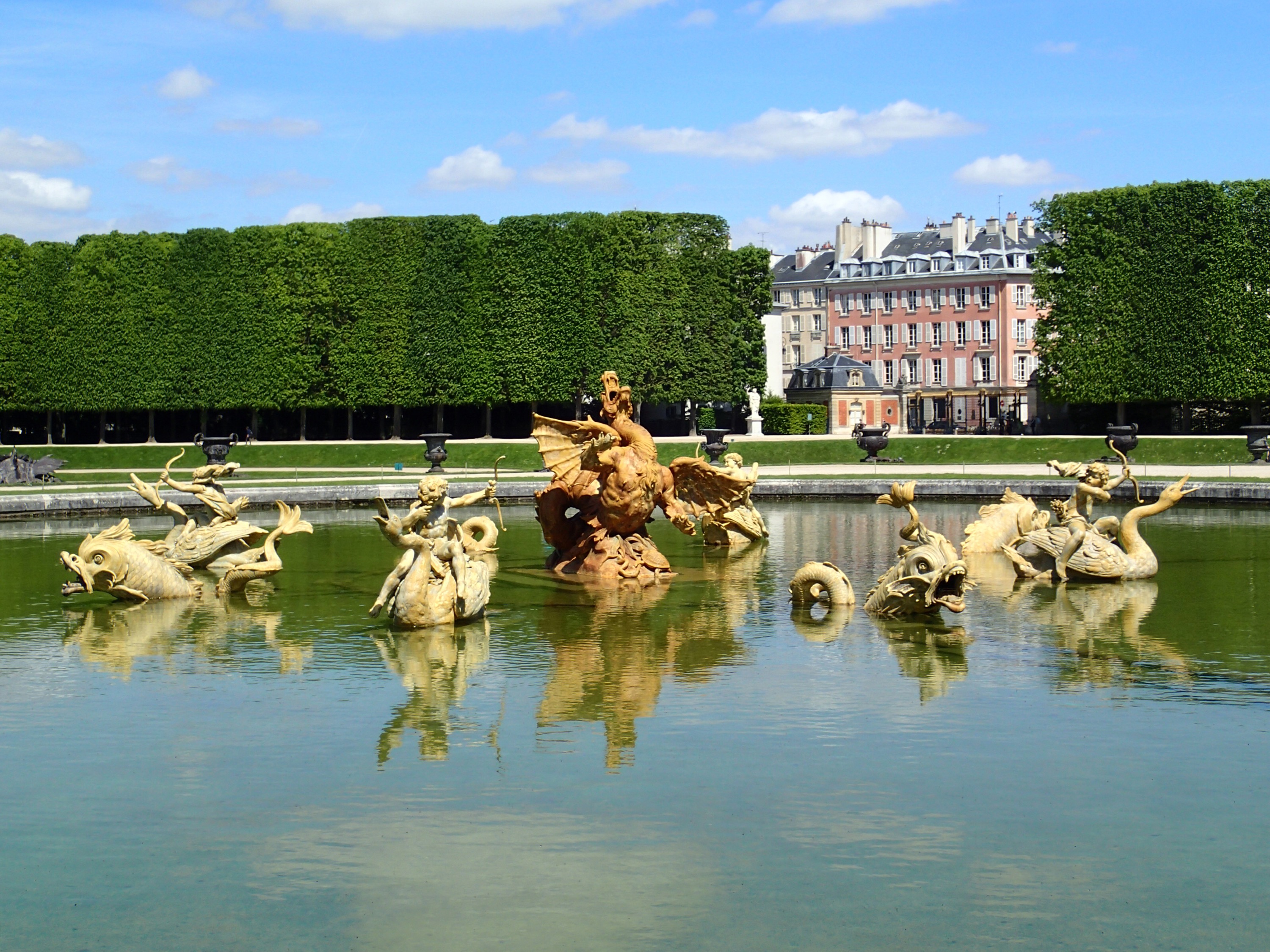
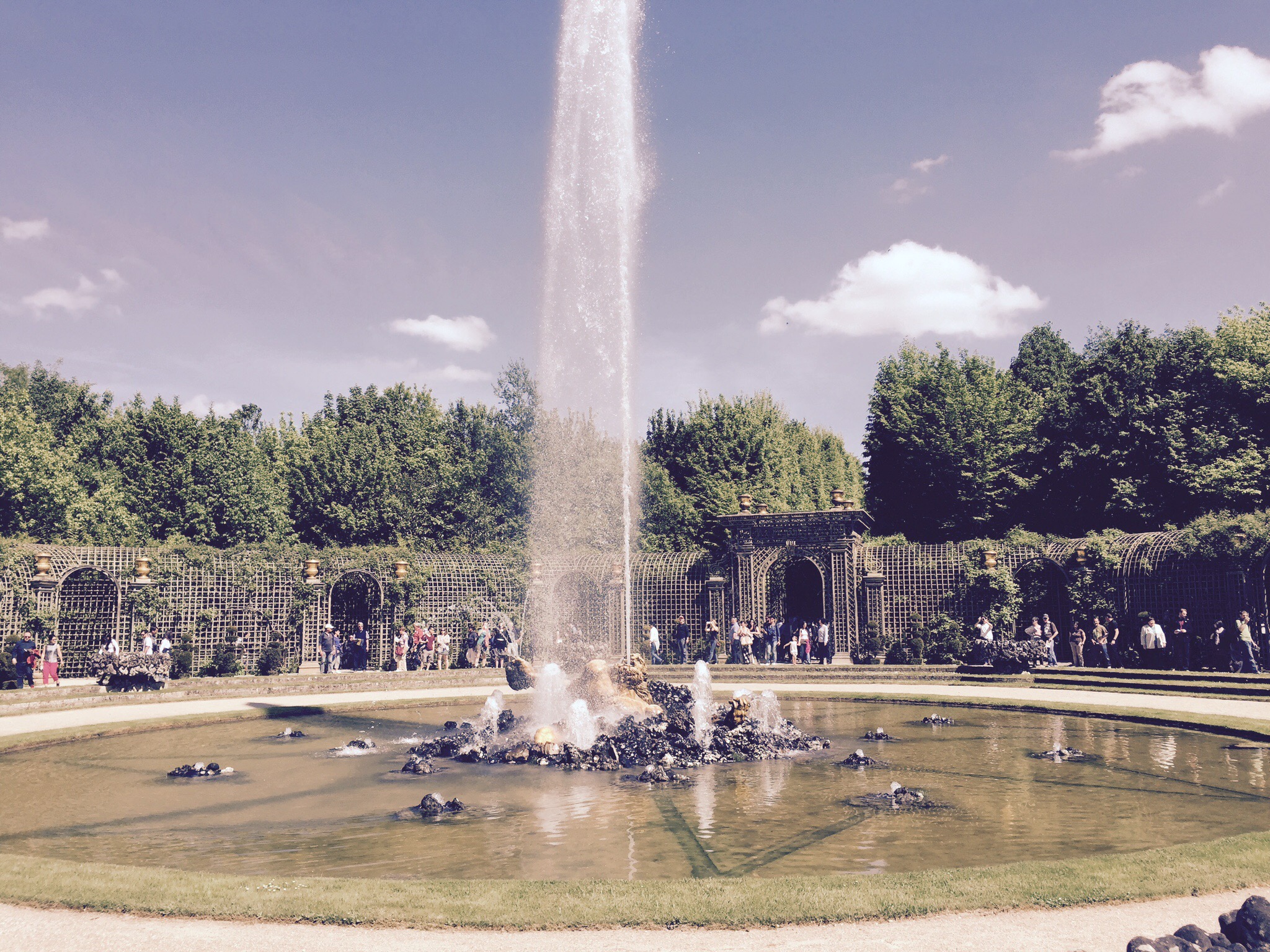
Versailles has some amazing gardens originally built by Louis XIV.  In his mind, he was the divine ruler and thus he canncontrol nature.  The well manicured gardens were well planned, beautifully manicured and embellished with statues and fountains … This control in the gardens was to remind the 5000 nobles who lived at Versailles that the Sun King was in complete control.    We were lucky to be there on a day when the fountains were on, so we got to enjoy them in all their splendour!


Palace life at Versaille still got hectic for Louis XIV.  Ironically, he moved the French Court to Versailles to get away from the stressful life of the Louvre in Paris and instead he just moved all that stress to Versailles.  The constant scrutiny and strict etiquette of being watched by people 24/7 had to wear on the king and so ‘The Trianon Palaces’ were built as a getaway at the edge of the manicured grounds (about a 30 minute walk from the Palace).  Louis XIV and XV used the Trianon Palaces mostly for their mistresses … Louis XVI and his wife retreated there to lead a private, insulated life away from the countries problems.

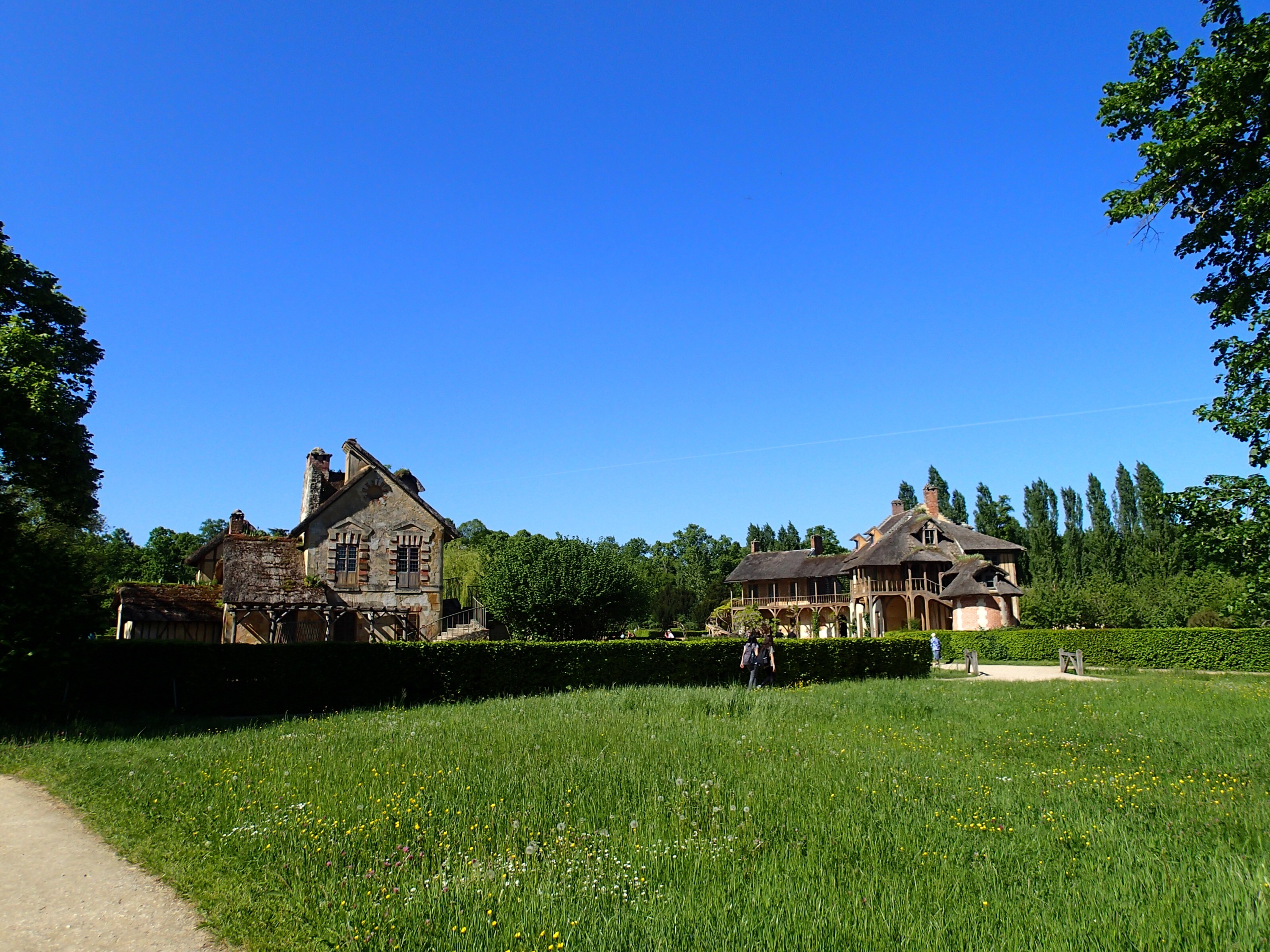
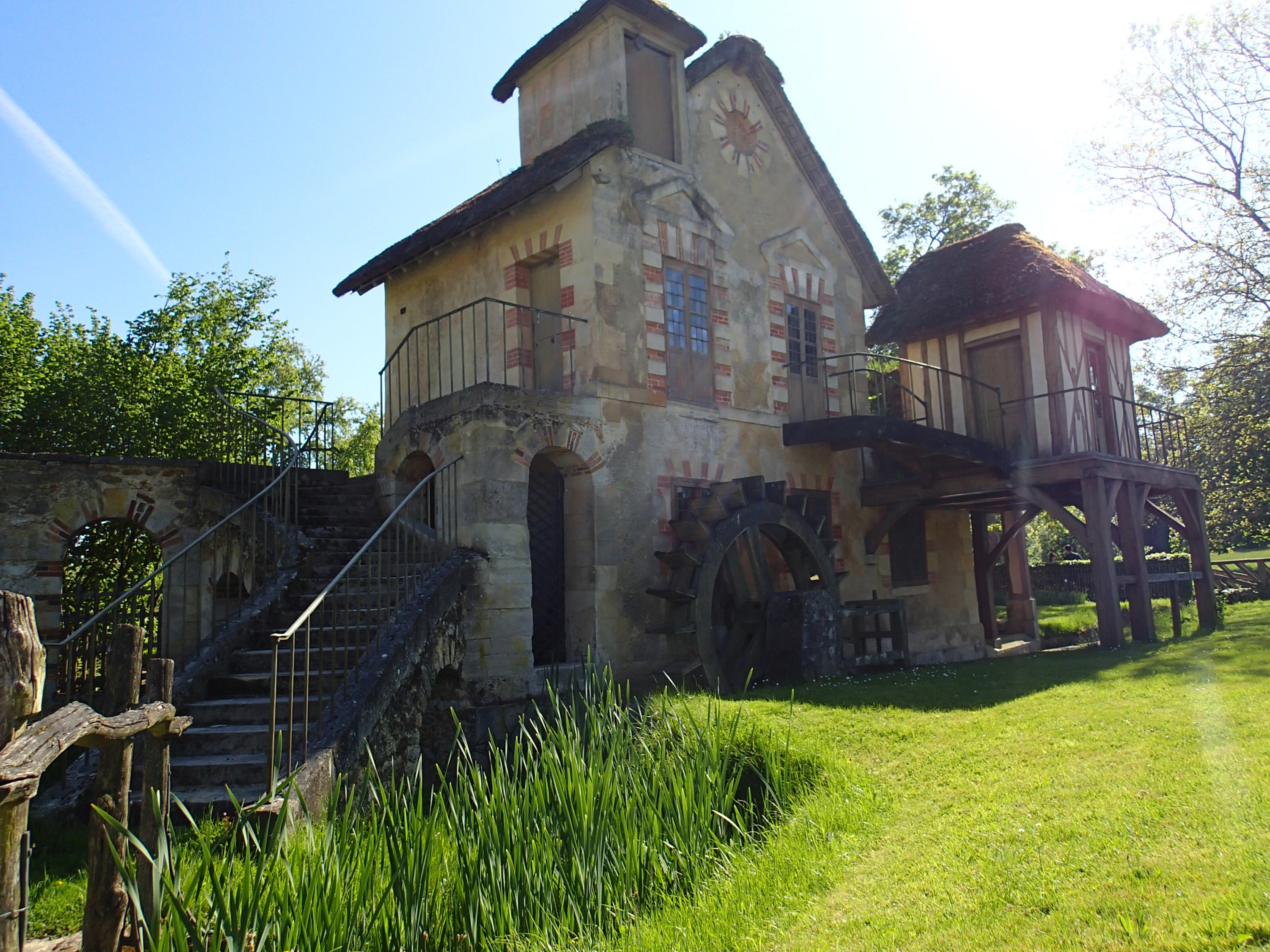
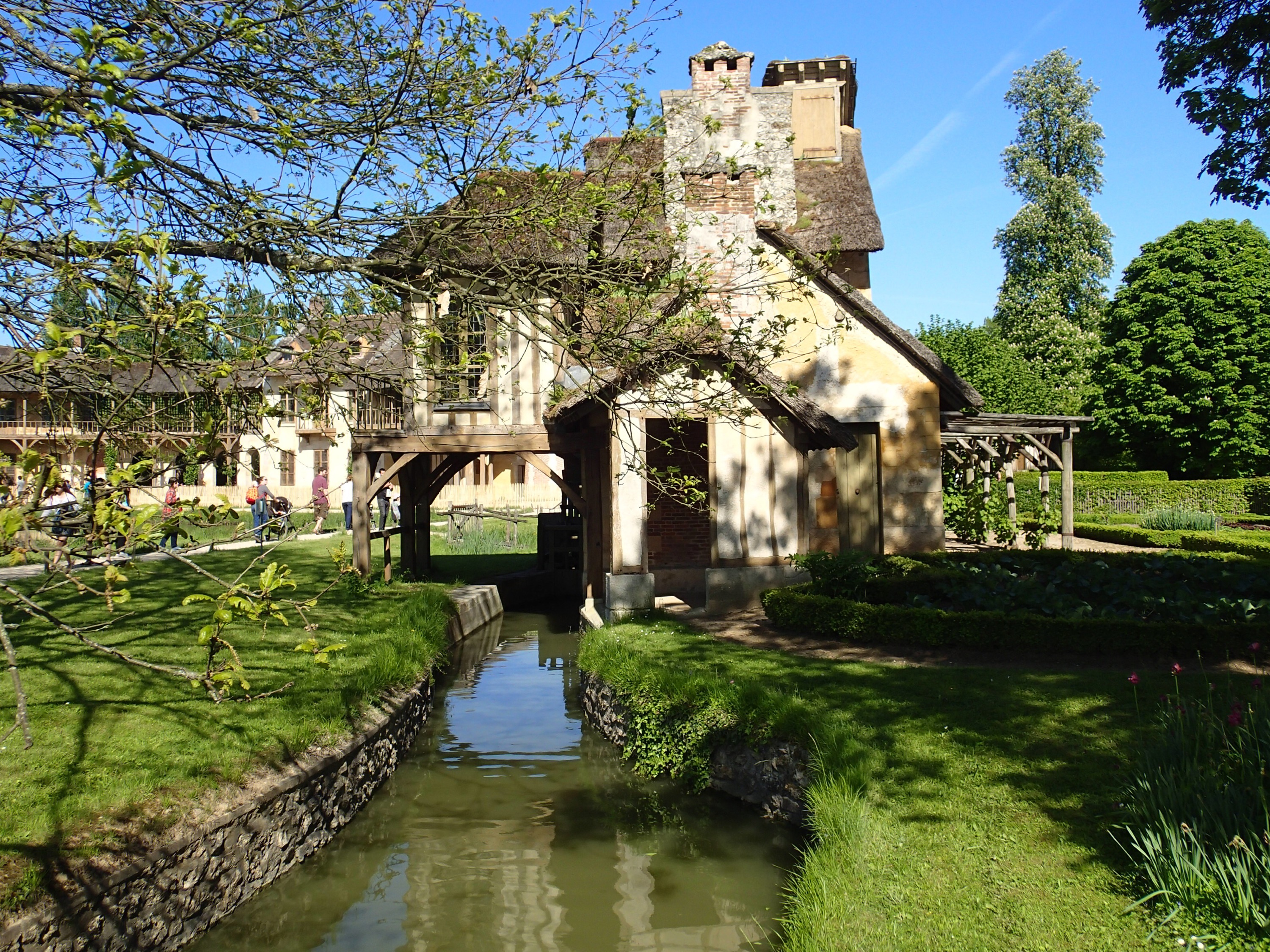
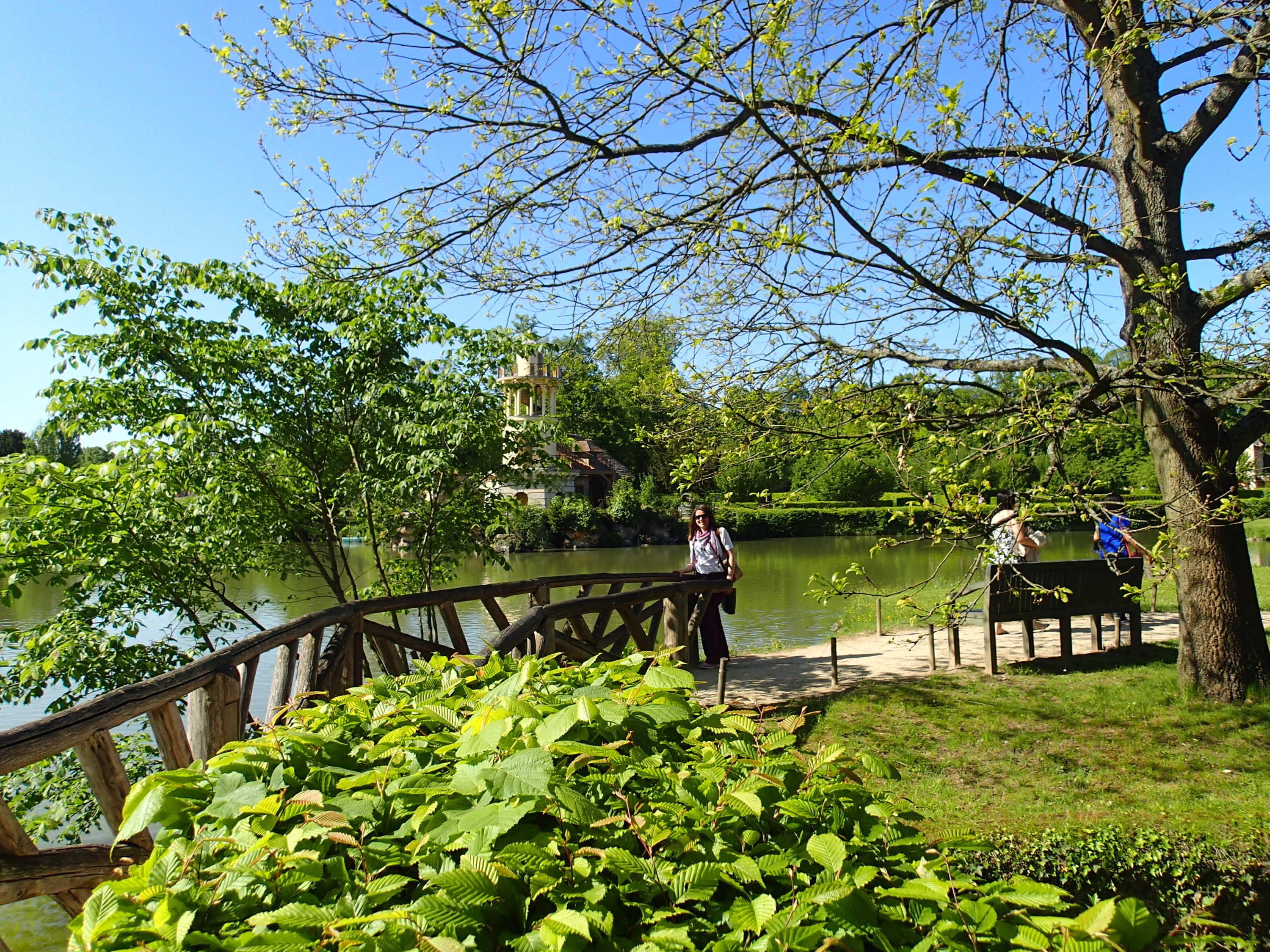
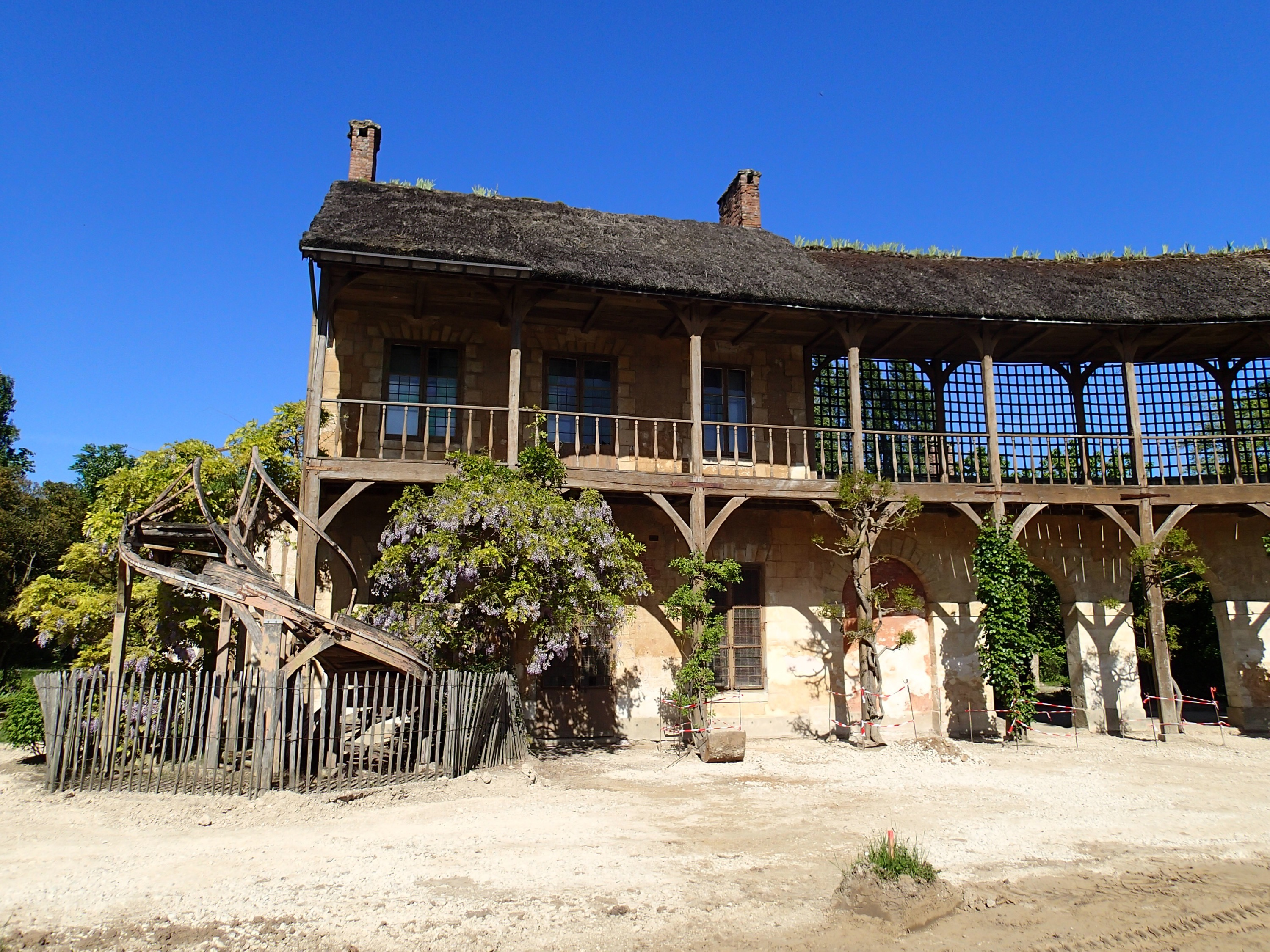
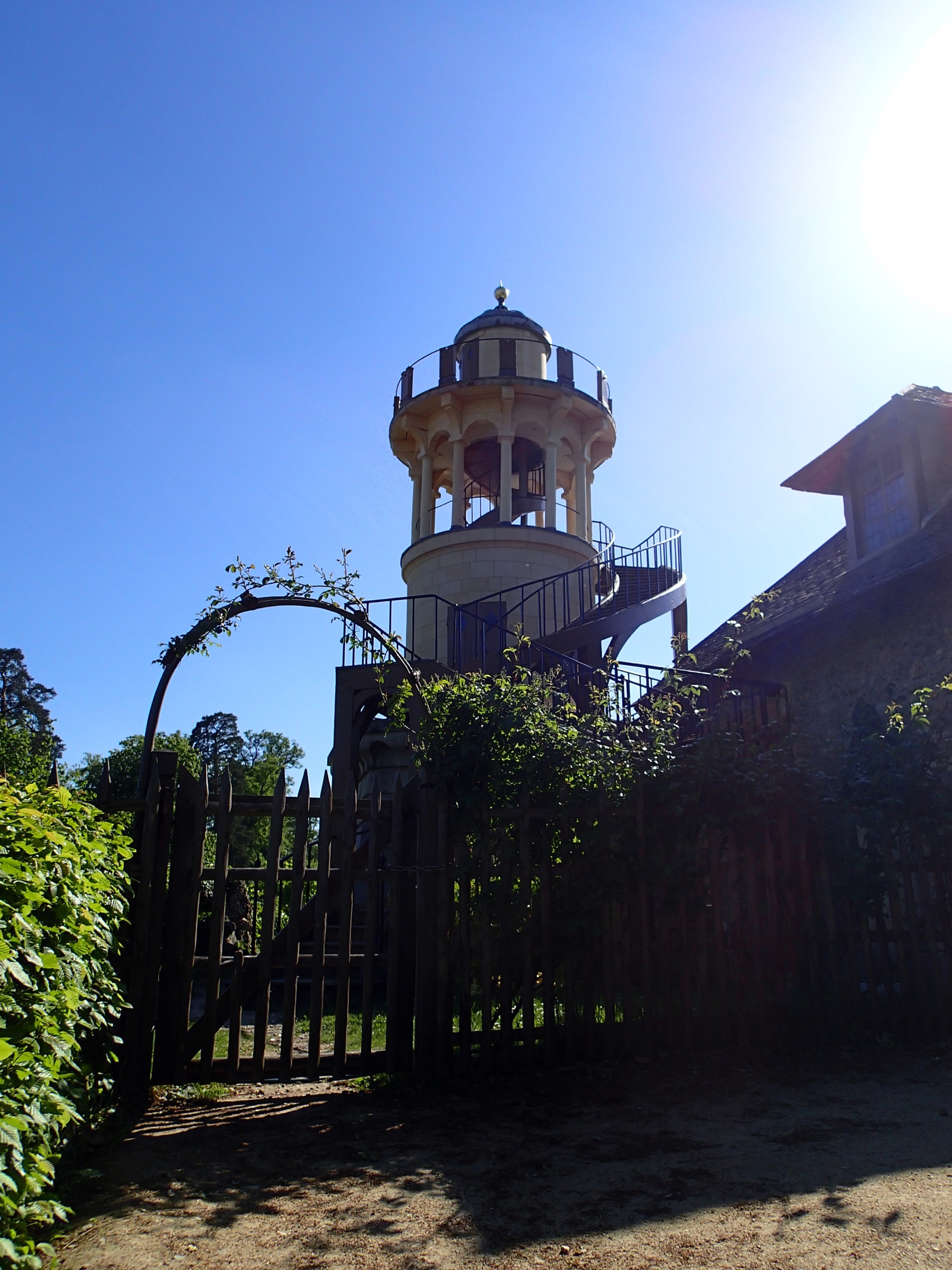
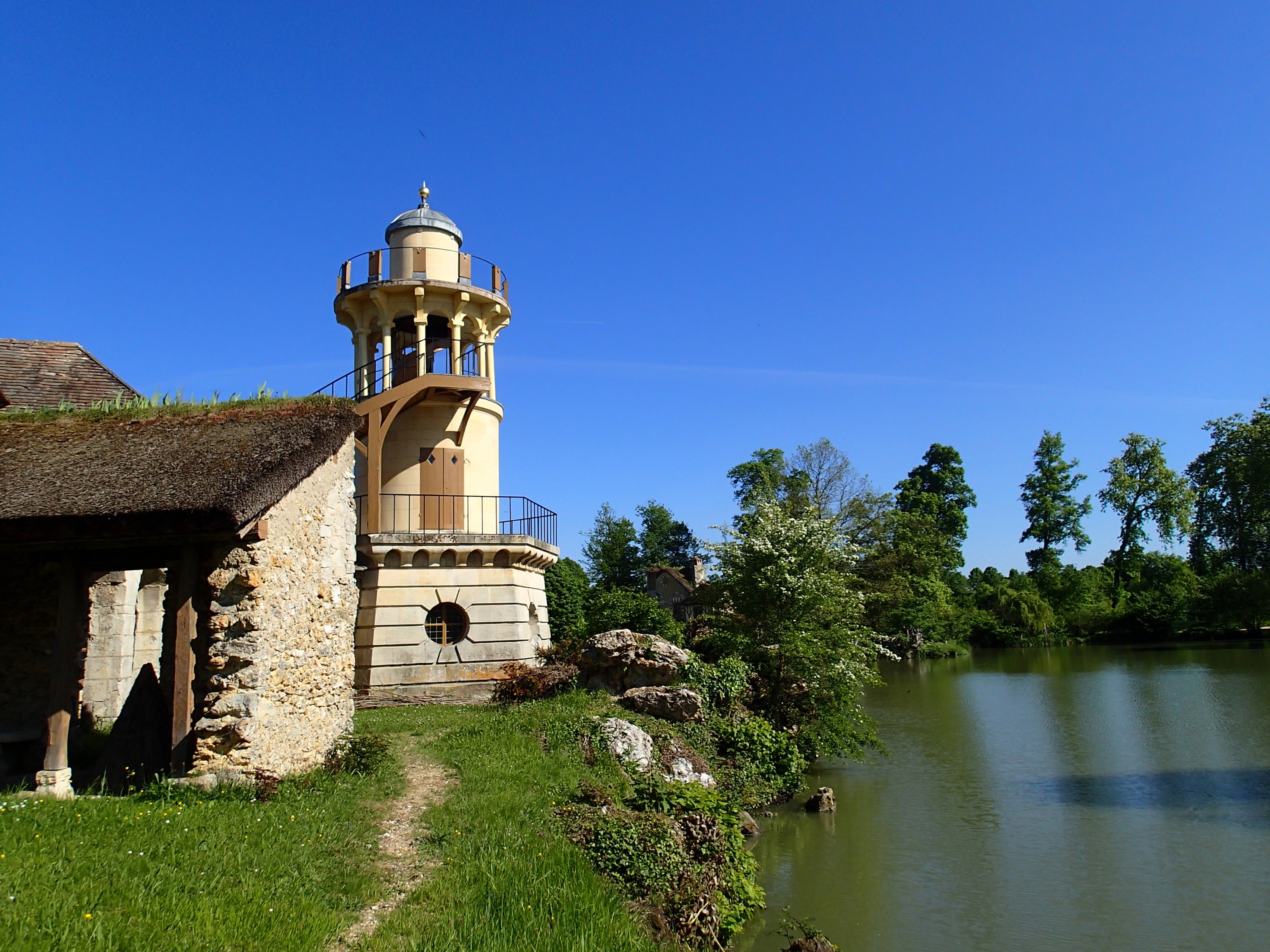
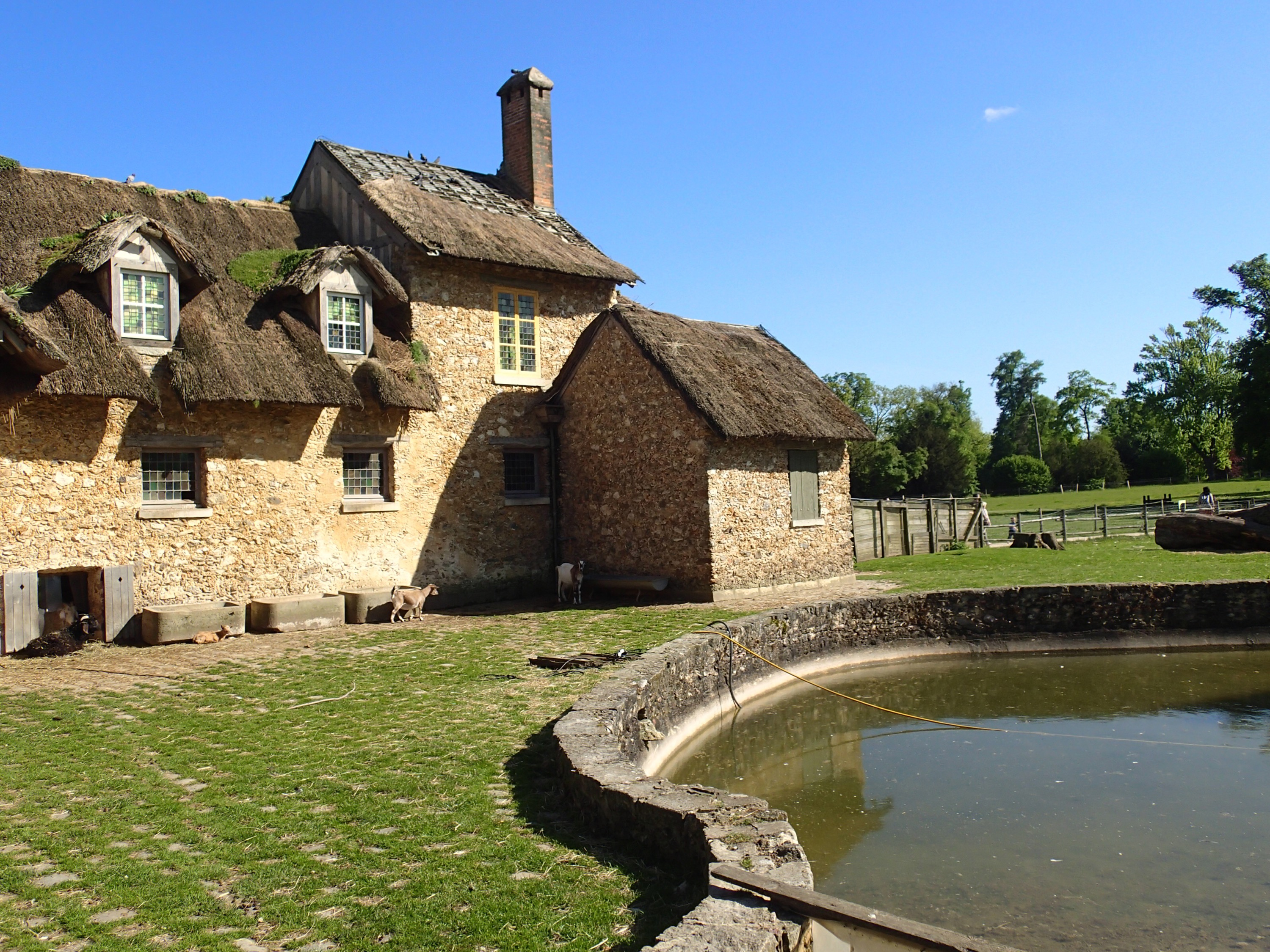
Marie Antoinette desired the simple life of a peasant.  She wanted the fairy tale of simple country living, she did not want the experience of hard labour like the real peasants who sweated and starved around her.  To live out this fairy tale she had built Le Domaine de Marie-Antoinette … A small peasant village where she could live out this dream.  She loved the privacy this village offered her as no one could come to visit without her permission.  It was this type of extravagance that earned her the nickname ‘Madame Déficit’ and helped the country become disillusioned with the monarchy.  Even with all of that – the village is a pretty amazing place and you can easily see its charm.

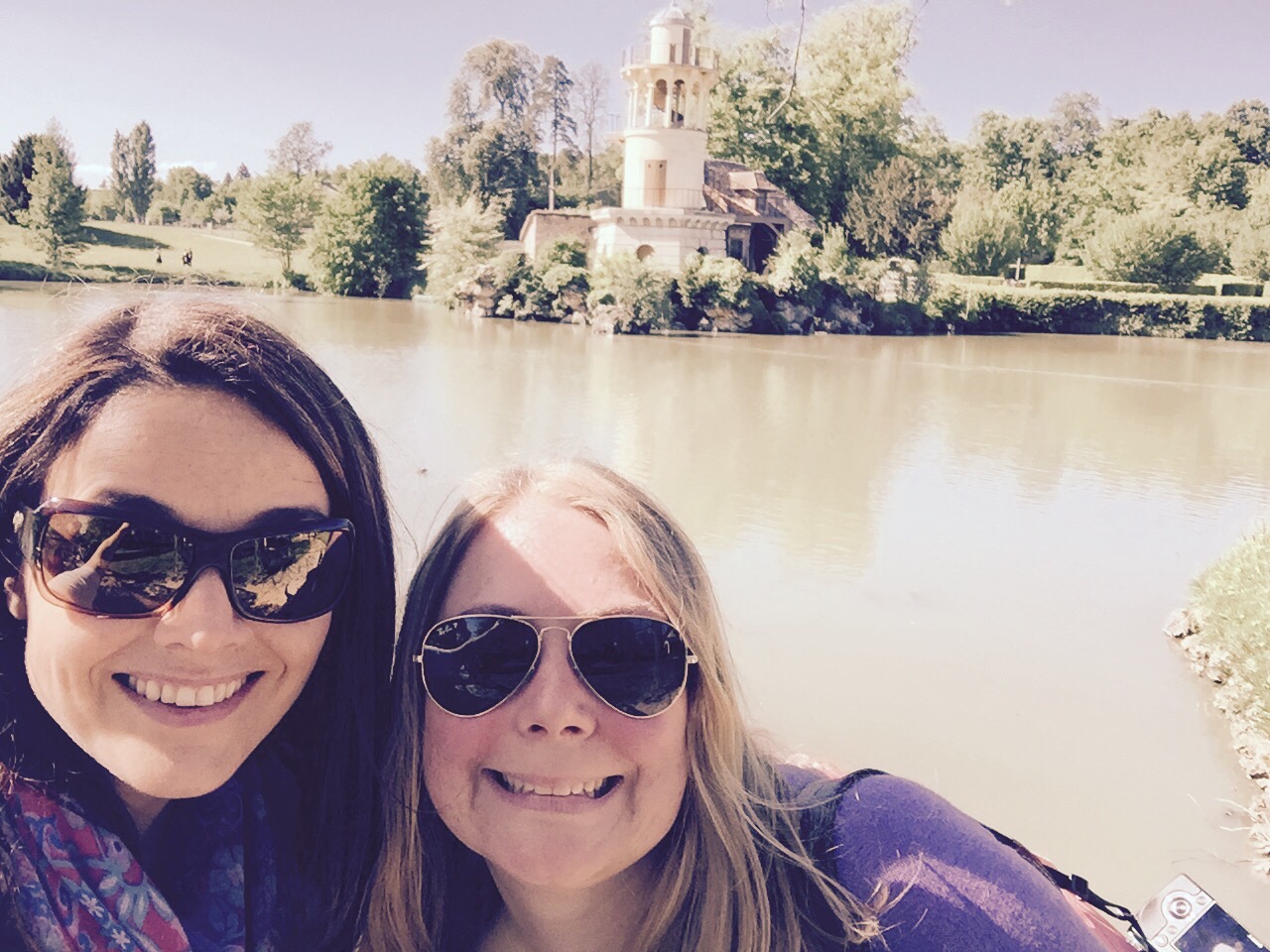
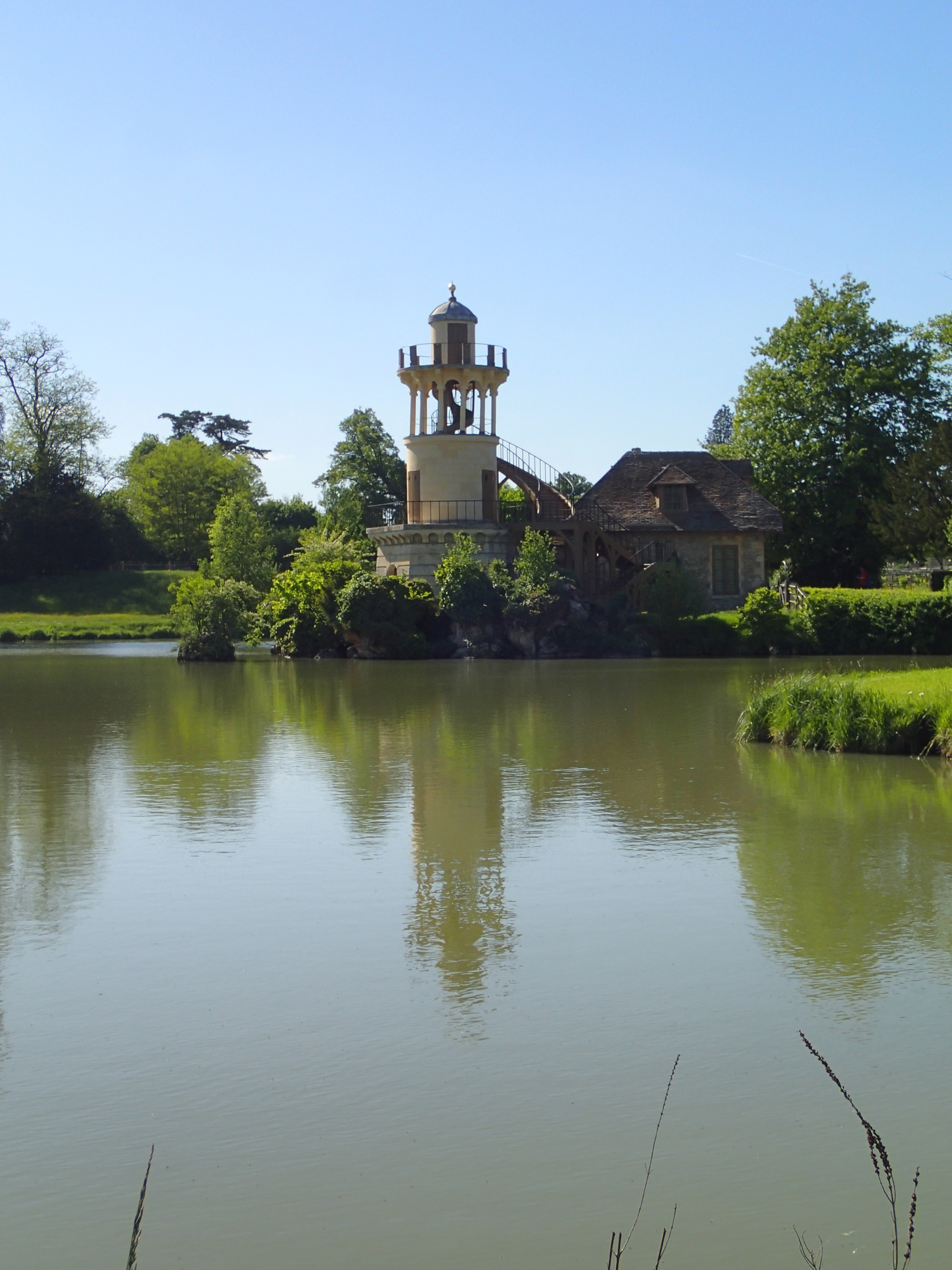
Marlborough Tower


The Queen’s Hamlet


Marlborough Tower


The tower was so picturesque … who doesn’t love a tower!


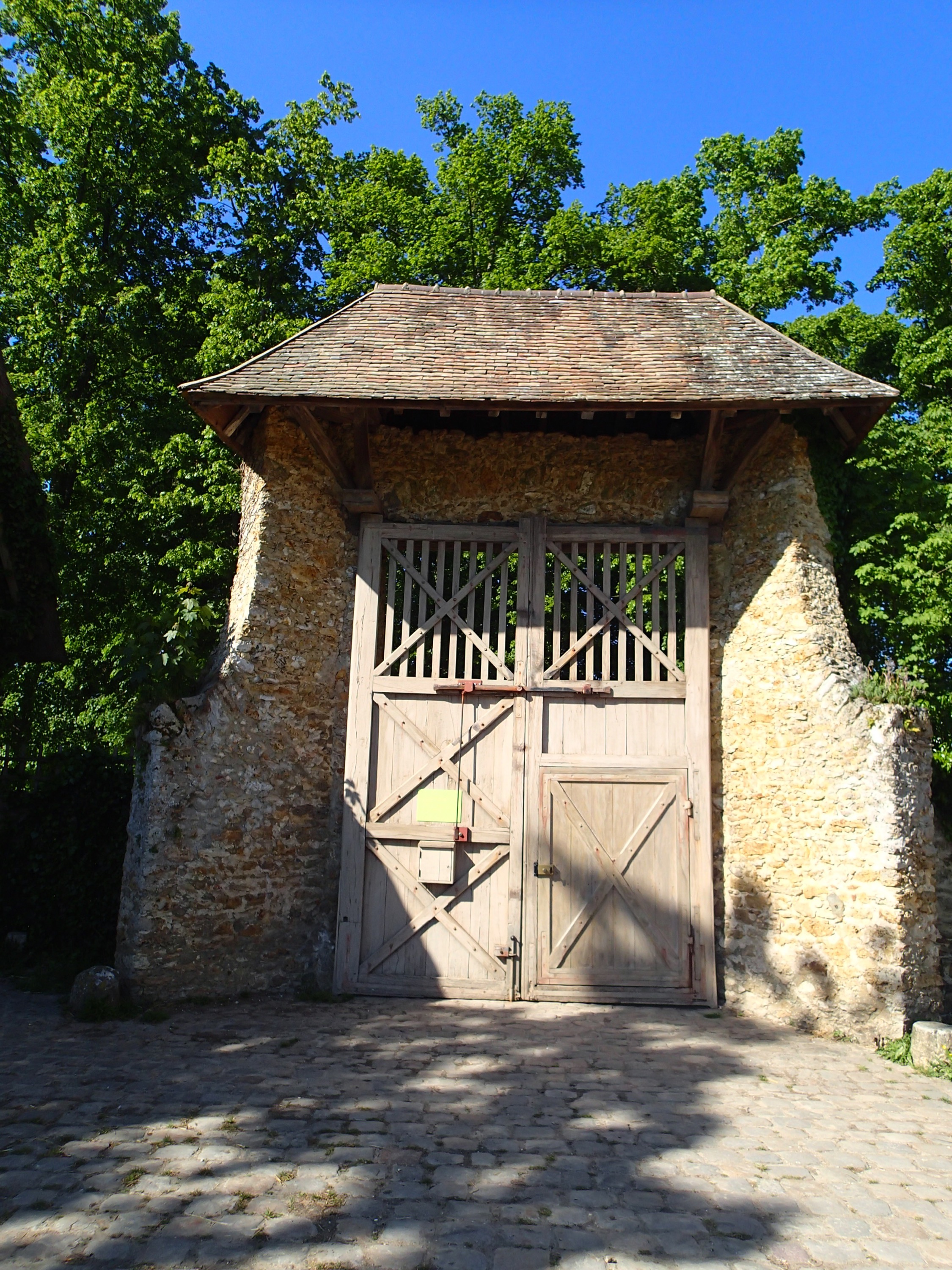
Gate into the village

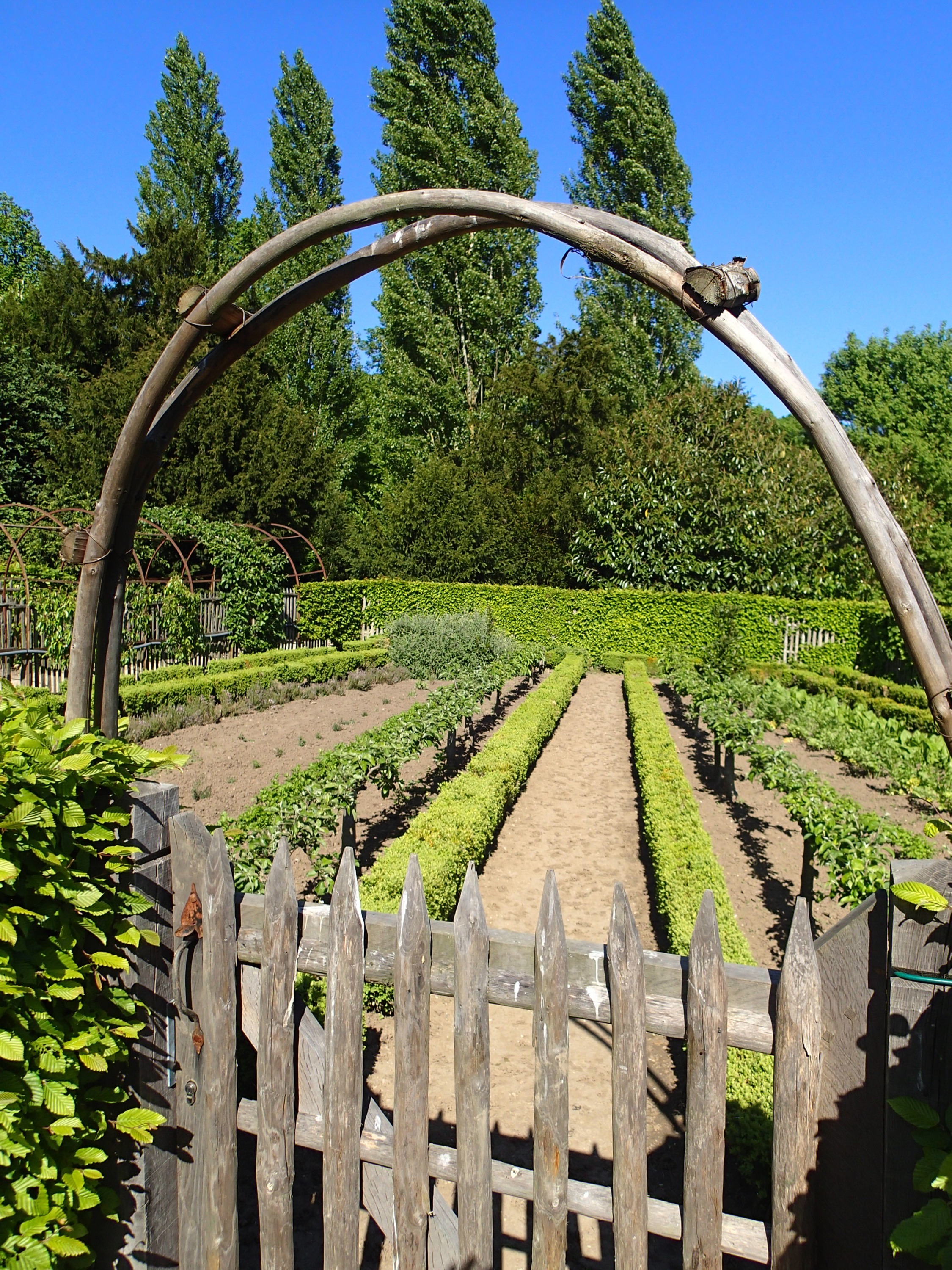
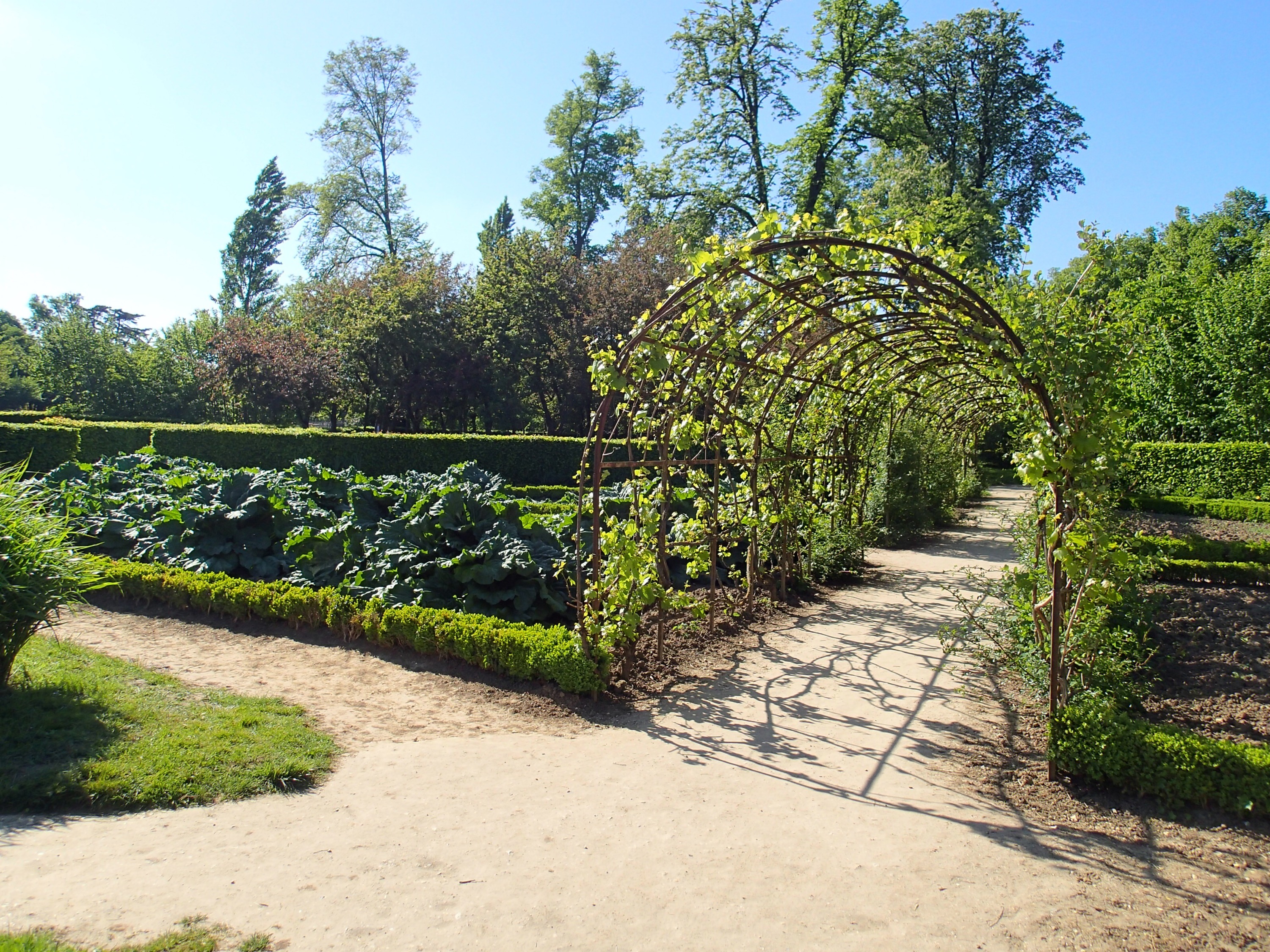
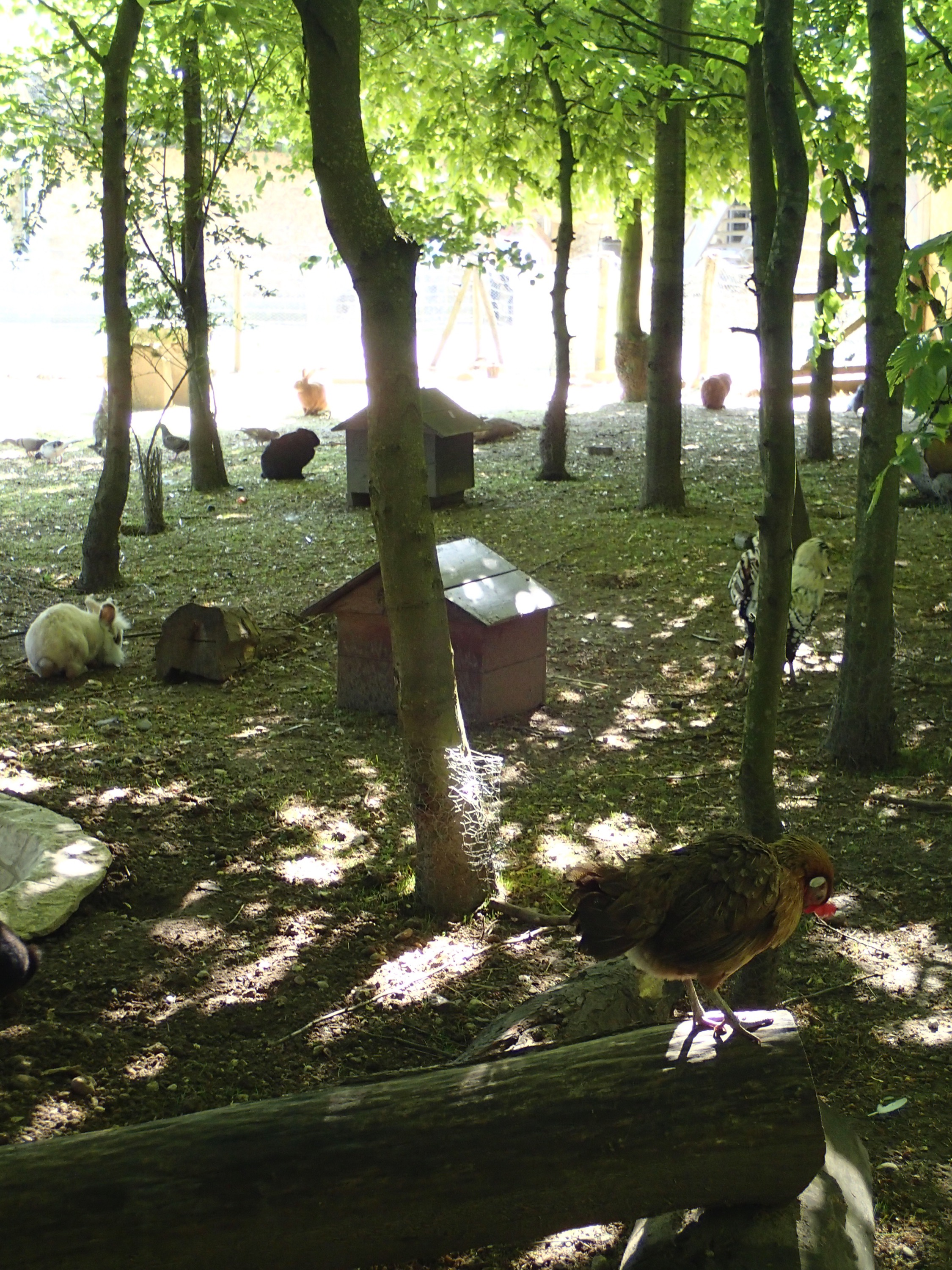
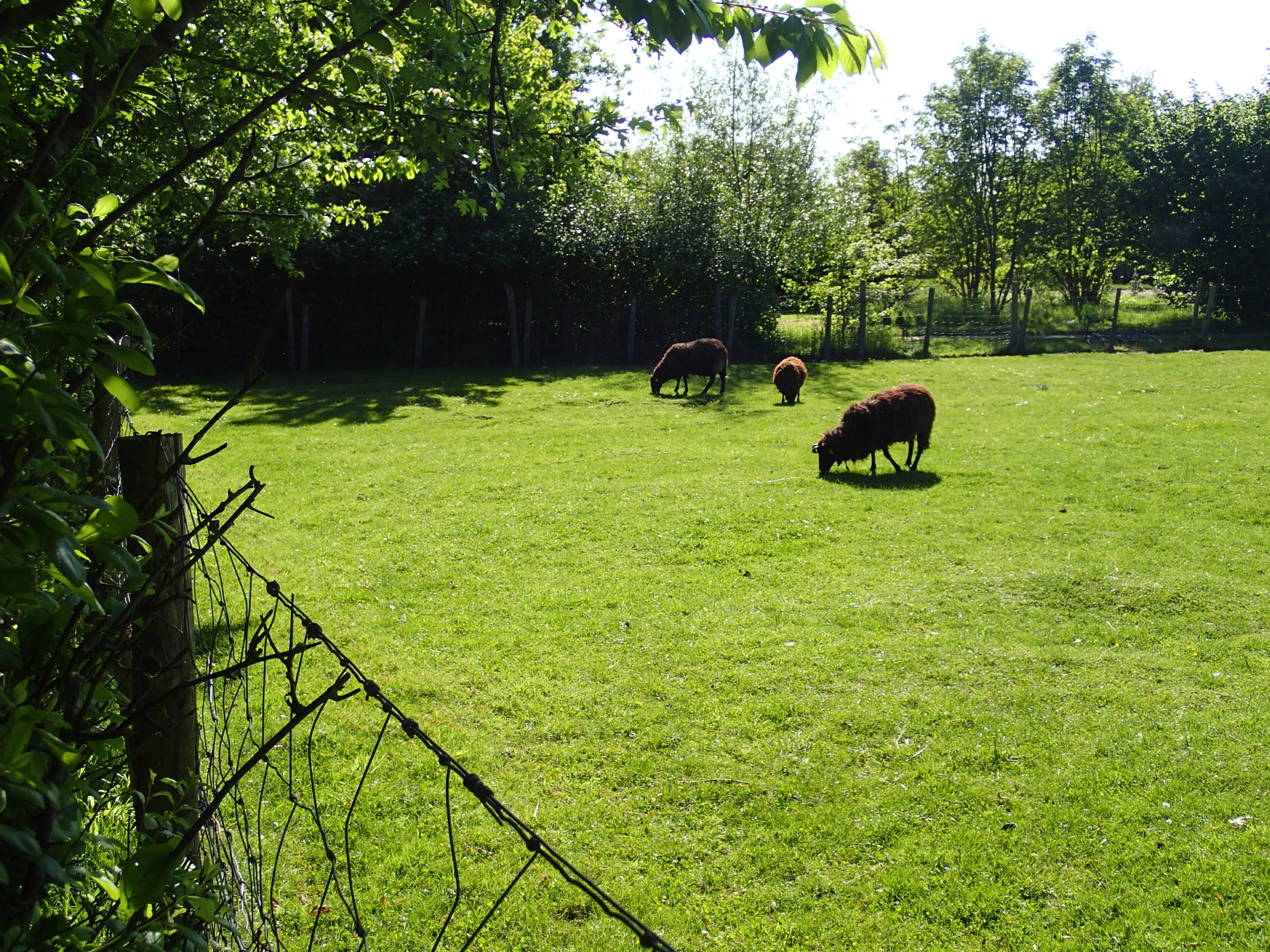
They still grow full gardens and have bunnies, goats and cows so you can get a real feel on what it would have been like. 
    

Check out that Rhubarb!!!


Leave a comment

Versailles – A lesson in opulence

When you see Chateau de Versailles, it is easy to understand why the French Revolution happened.  The Kings were overspending, the peasants were starving and the only way the monarch could pay for his lavish and indulgent lifestyle – was to raise taxes … Beheading the king and queen was really just a matter of time.

Understanding Versailles requires a brief review of French history:

~1380’s-1654~ The Louvre Palace in Paris was he official residence of many French Kings and the political capital of France.  

1654-1715 ~ Louis XIV was King of France (aka the Sun King)’ reigned for 72 years is the longest of any monarch in European history. Moved the royal residence and the French Court from the Louvre in Paris to the Palace of Versailles.

1715-1774  ~ Louis XV, took the throne when he was 5 and was a huge science buff!

1774-1793 ~ Louis XVI was the last King of France (wife: Marie Antoinette).  Both were beheaded during the French Revolution and their deaths ended the French Monarchy.

1789-1799 ~ the French Revolution was a period of political and social upheaval which resulted in the abolition of the French Monarchy and changed the power of monarchies across Europe.  It was decreed in 1792 that the Louvre be used as a museum to display the Nation’s masterpieces (at that time 537 paintings).

1804-1814 ~ Napoleon Bonaparte (aka Napoleon I) was Emperor of the French, he rose to prominence during the French Revolution

Louis XIV was the visionary behind Versailles.  He greatly expanded his father’s hunting lodge (where he had his favorite memories as a child) into his lavish home and the political capital of France.  It features 700 rooms, 67 staircases, 2,153 windows, 27 acres of roofing, and 55 fountains.  If you ever wondered where Donald Trump found inspiration … this is it.  Louis the XIV spent half of France’s annual GDP building the Palace.  The grandeur was to show the power of the King.  He lived his whole life in public, people were with him at ALL times – when he went to bed, when he woke up, nobles fought over who would get to dress him, people would sit and observe him eat all his meals. With high ceilings, poor insulation and expansive gardens – Versailles has been and continues to be a beast to heat and maintain.

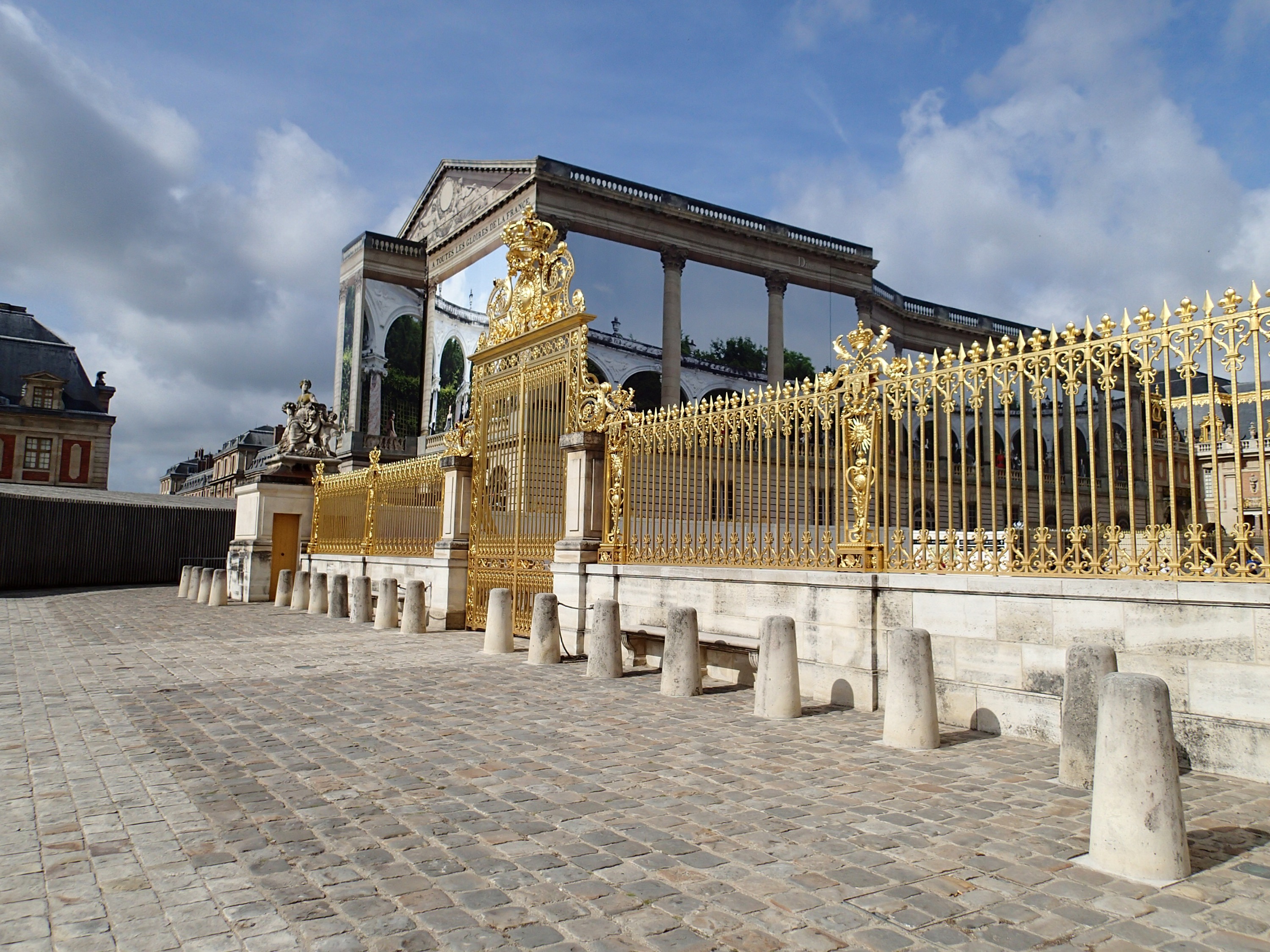
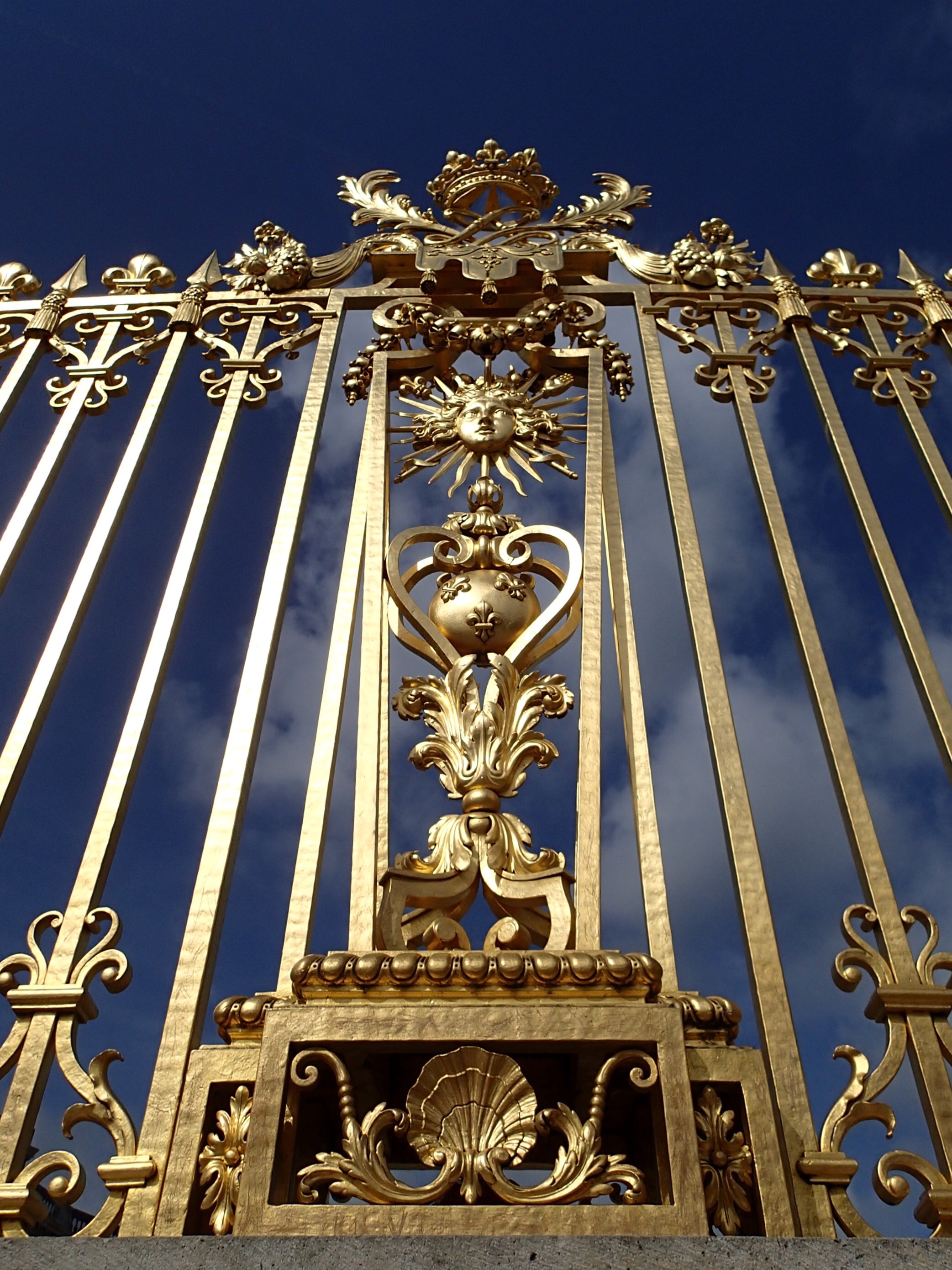
The gilded gates at the entrance of Versailles

  
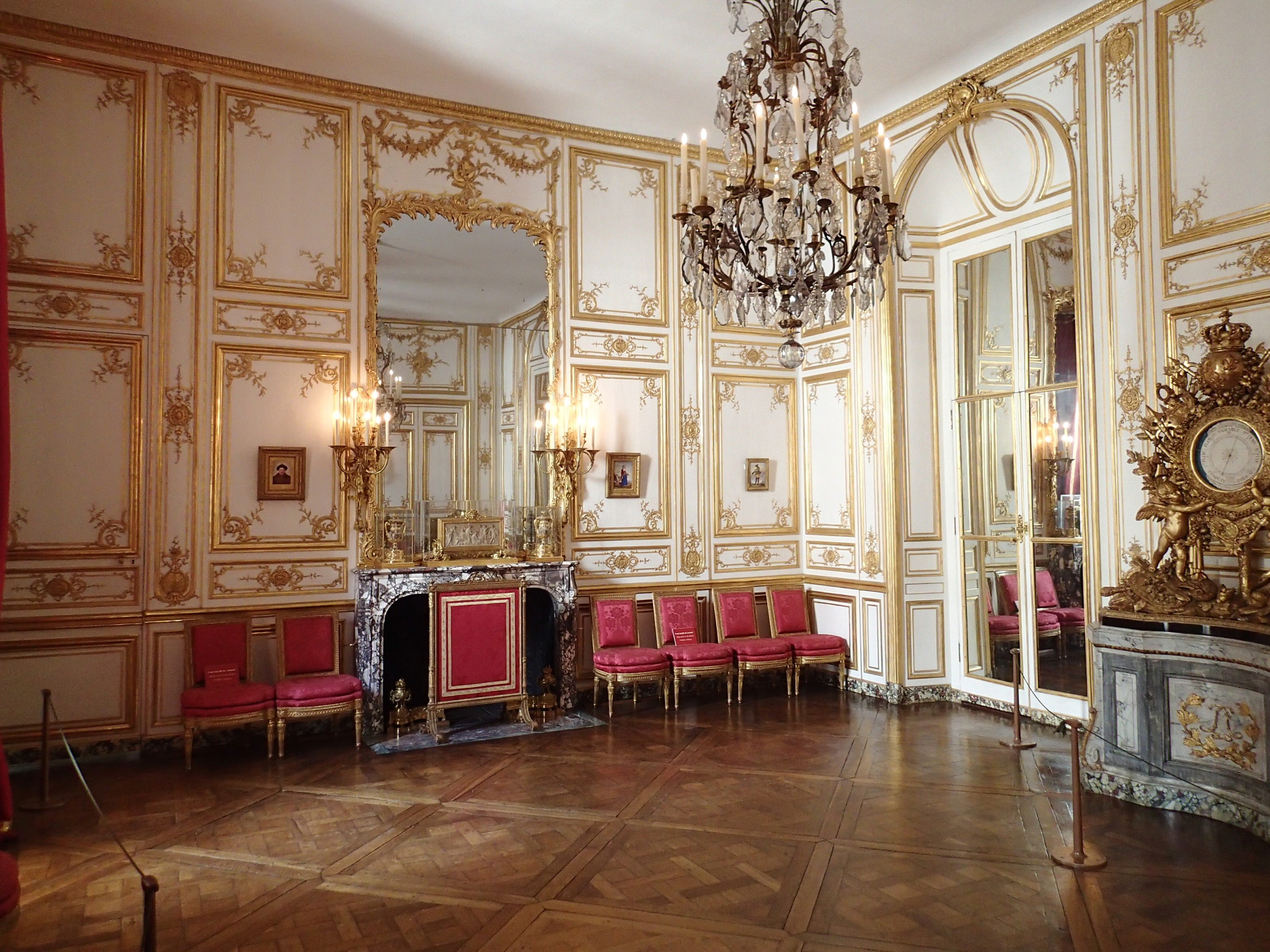
  We did a tour of the private Royal Apartments of Louis XV and Louis XVI to bypass the 1.5 hour wait to get into the Palace.  We would agree the 15€ was worth every penny. The private apartments/areas were some of the best parts of the Palace we saw and when they opened the doors dividing the private and public areas you really got a sense of what Palace life would have been like.

The Private Apartments       

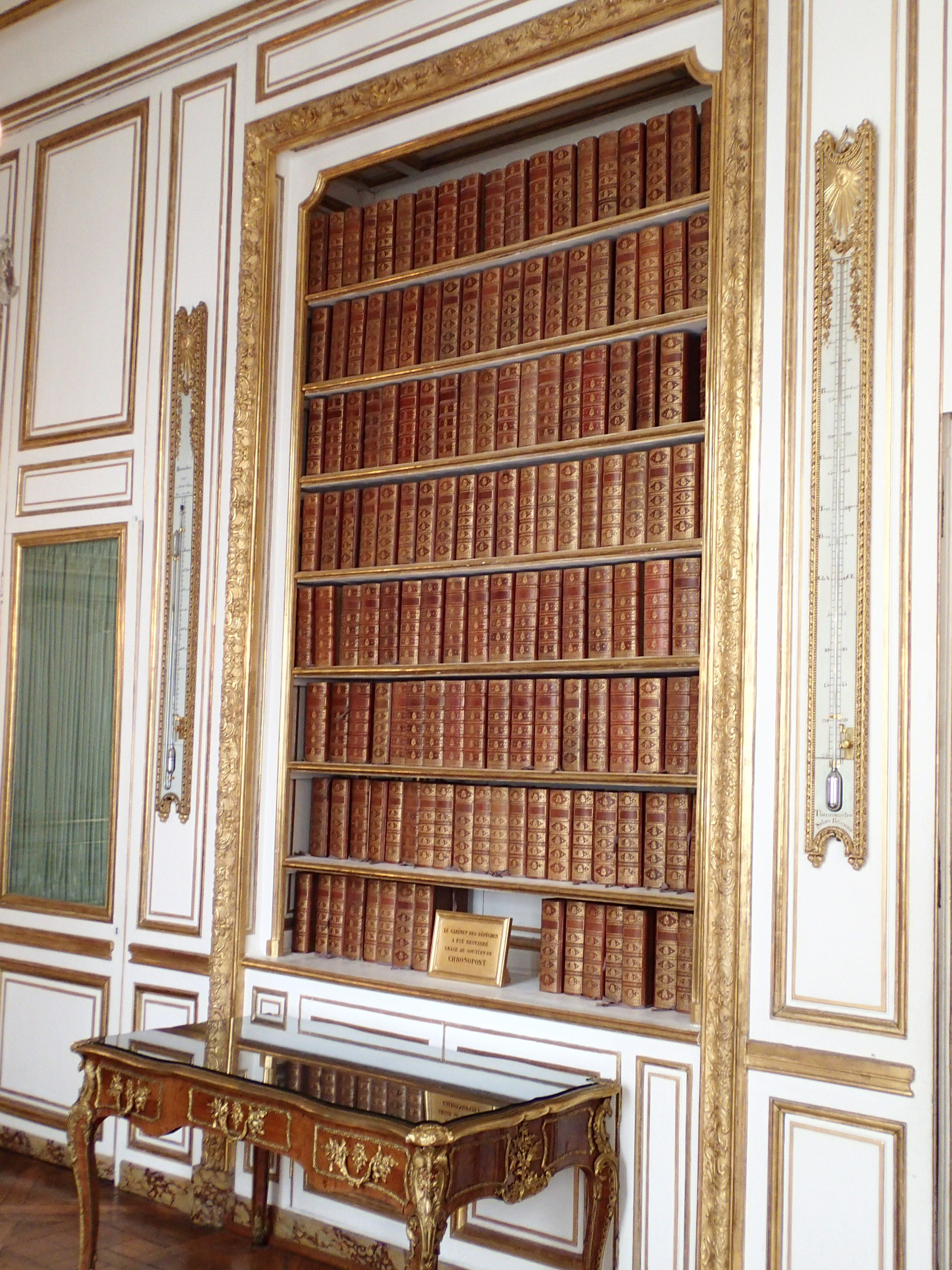
private library … one of the bookcases had false book fronts and was actually a secret door


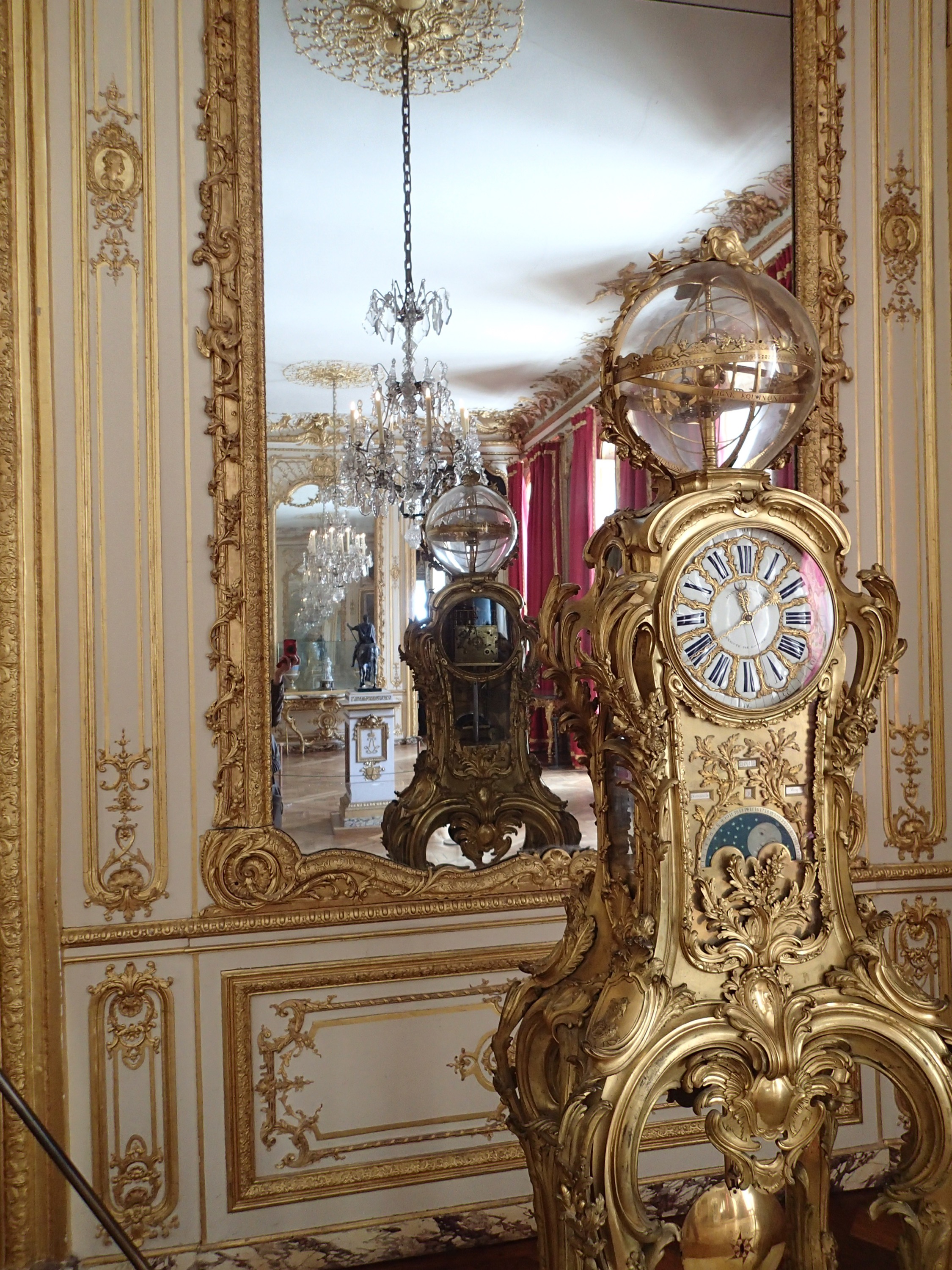
The Passemant Astronomical Clock. Louis XV was a big lover of science and this clock was presented to him by the French Academy of Sciences in 1750. It is by far the most amazing time piece I have ever seen. It is 6’7, shows the time, date, averages phases of the moon (blue dial) and Copernican planetary motion (8 planets) in the sphere on the top. The mechanism is designed to be able to display the date until the end of the year 9999 – amazing that the clock tells the correct time 265 years after it was created! Louis XV made the clock the ‘official time’ reference for France.


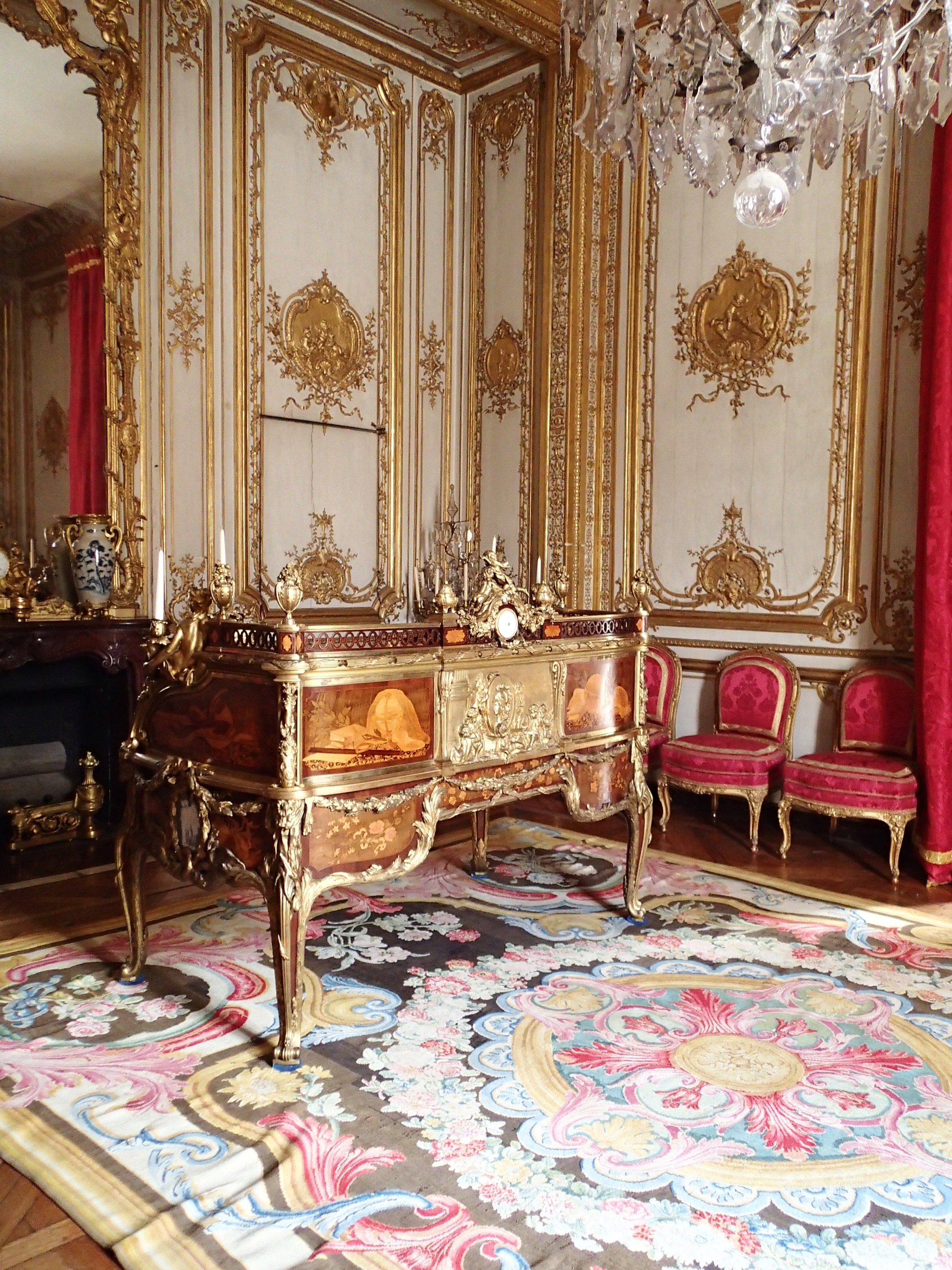
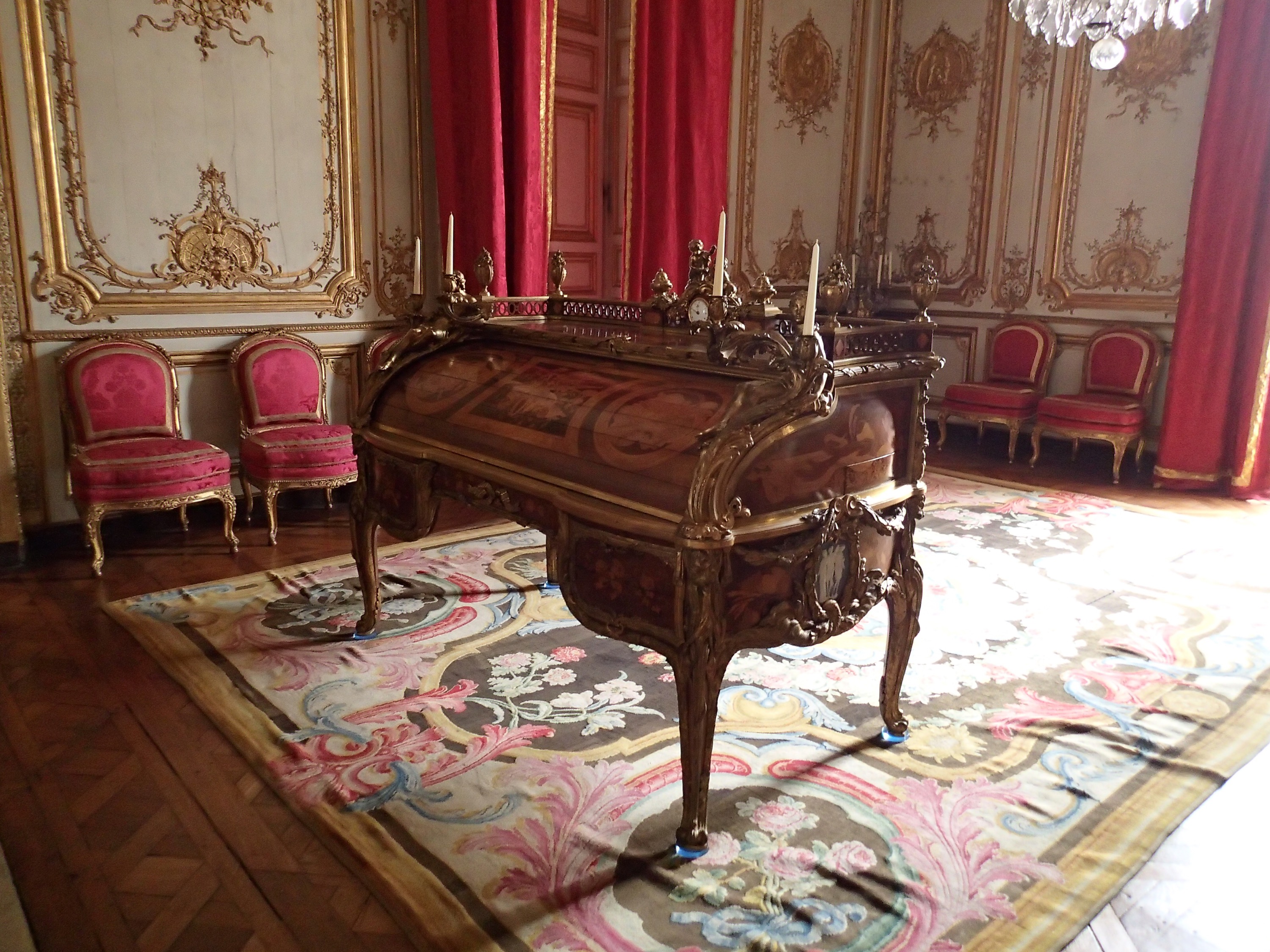
The Riesener Desk was the personal desk of Louis XV. It had an ingenious mechanism that closed the entire desk by the turn of a key and opened it with the push of a button. Impressive for something made in 1769!


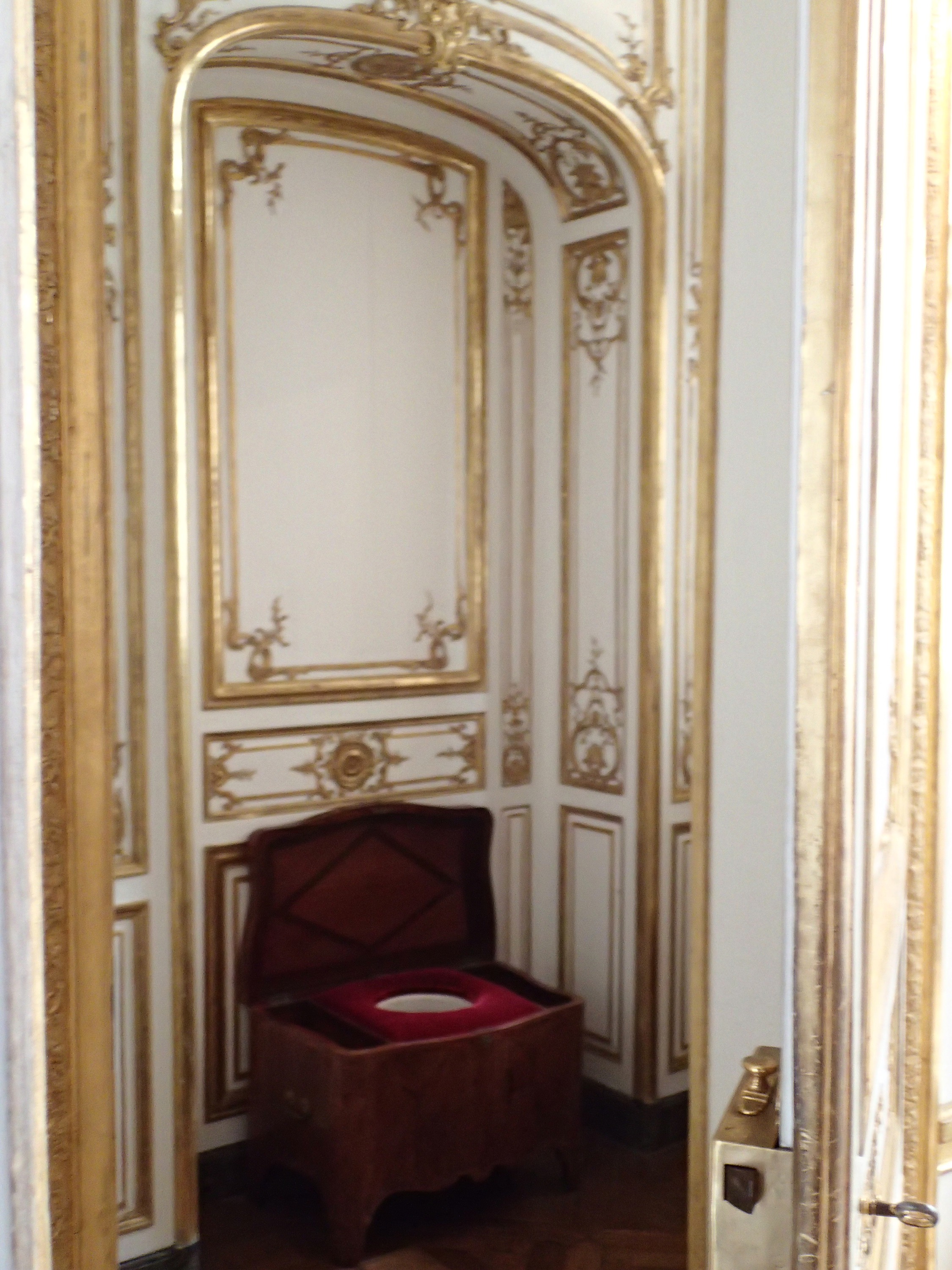
Royal Commode … were weren’t suppose to be in there so I stole a quick pic!


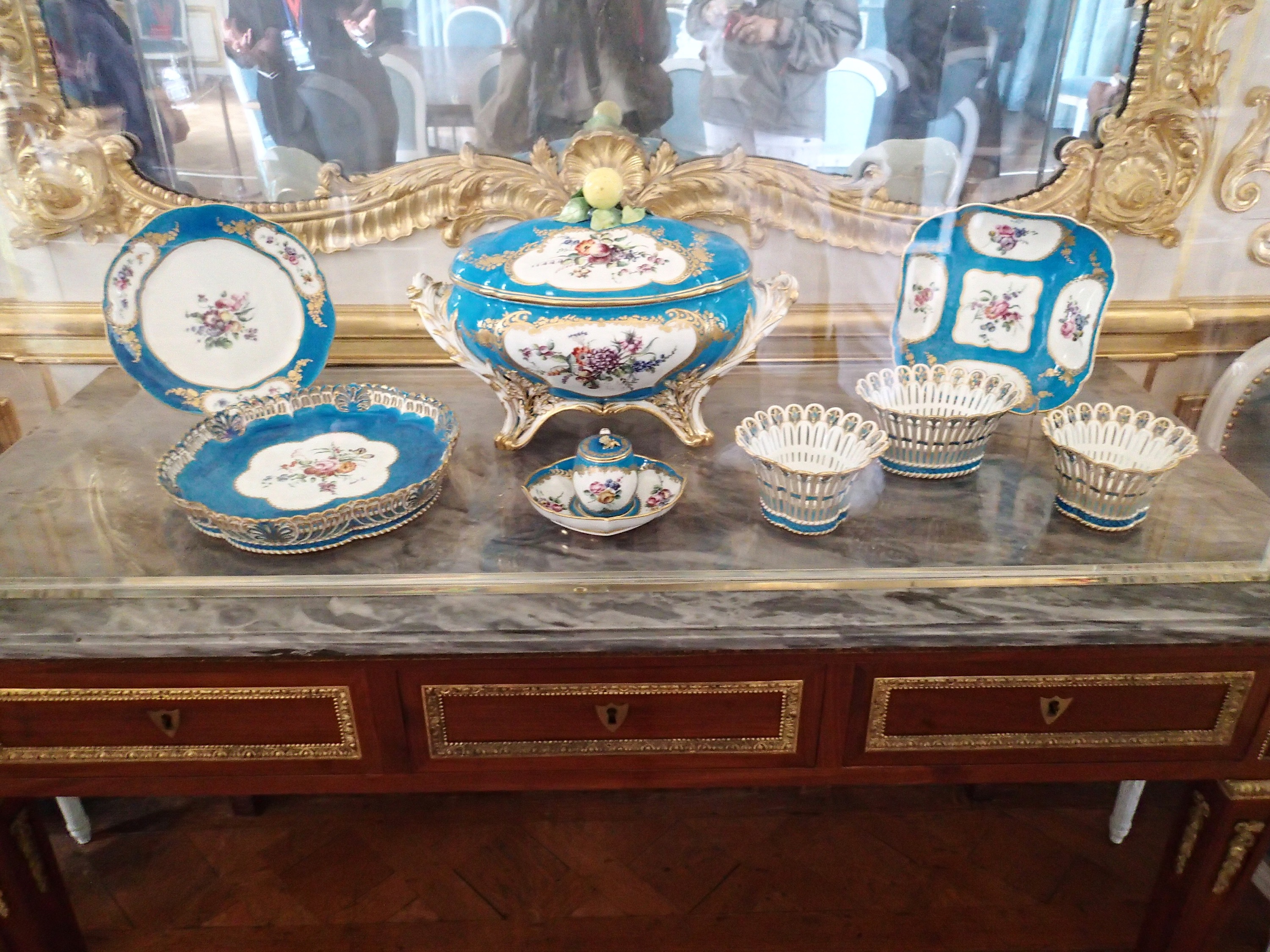
One of MANY royal china sets … they have lost the formula for this blue colour so it can never be recreated


a dining room


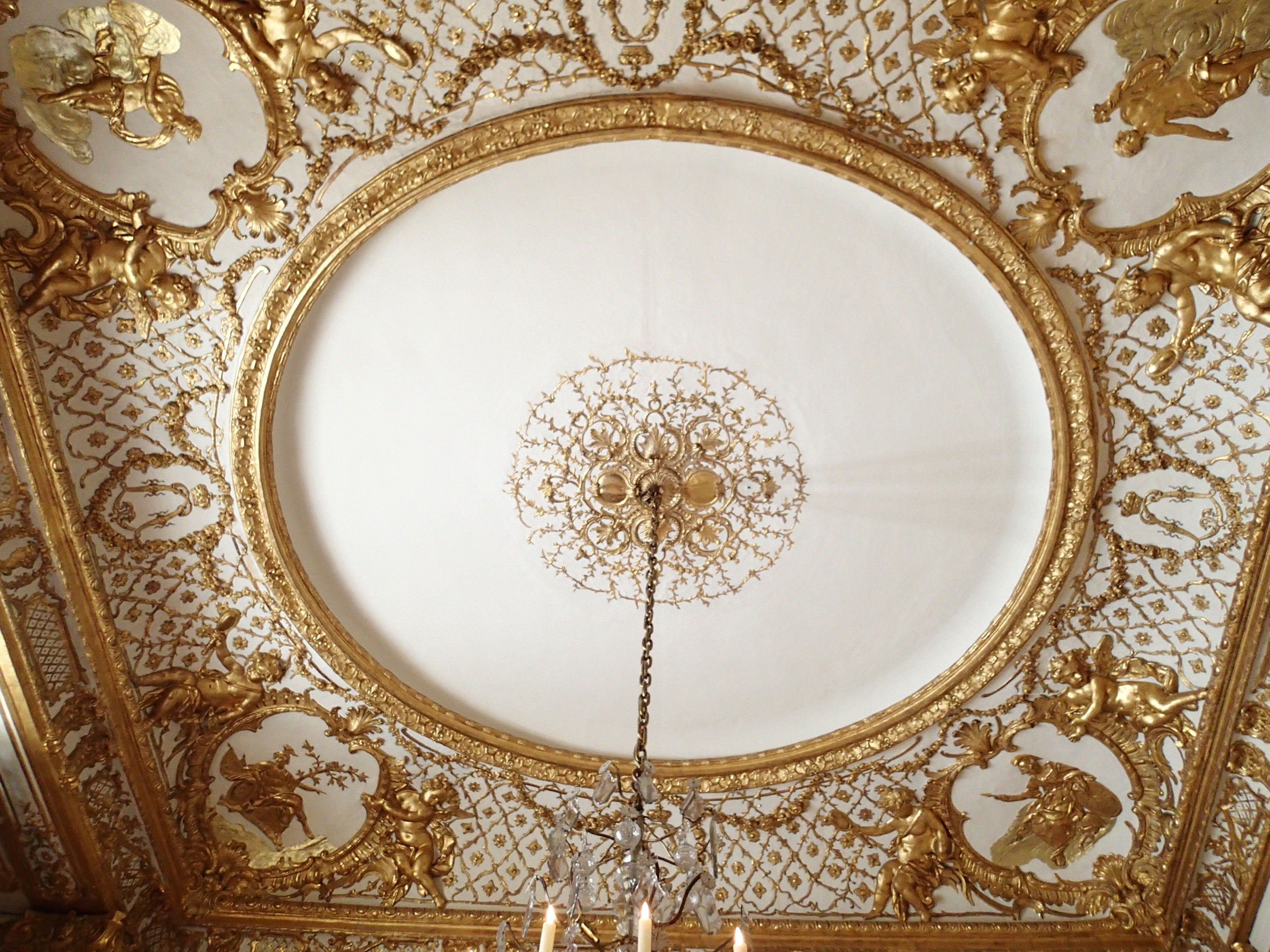
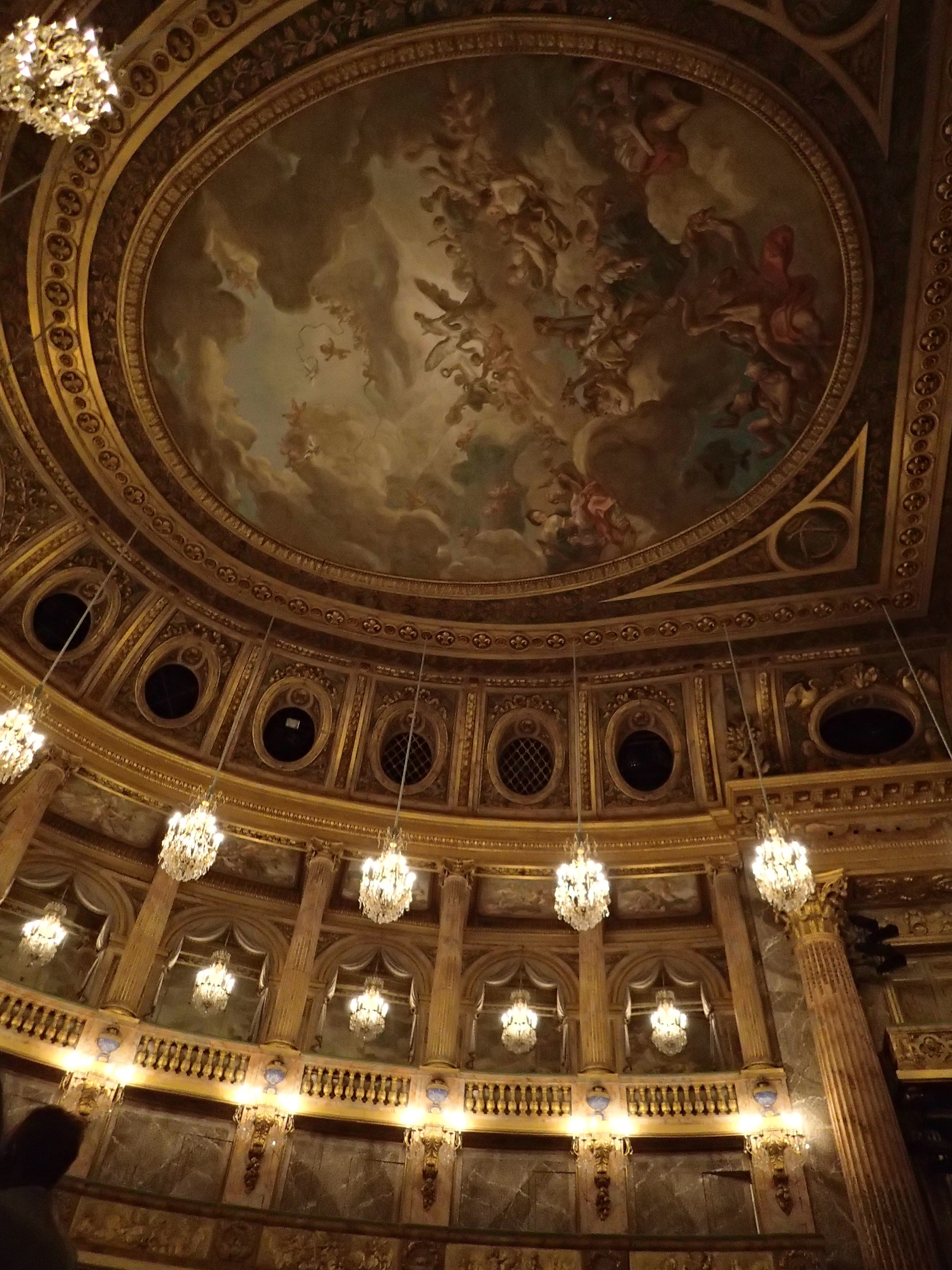
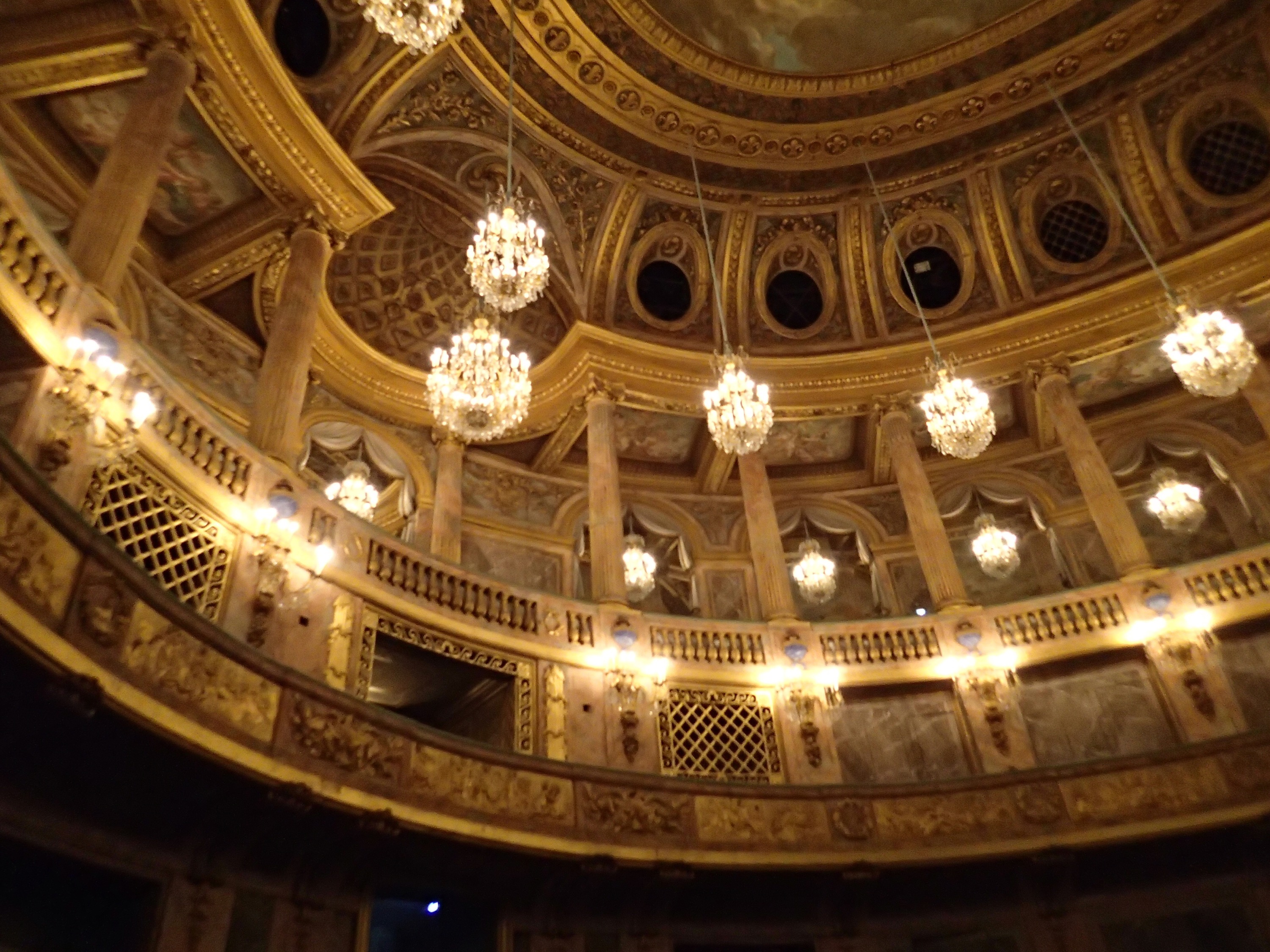
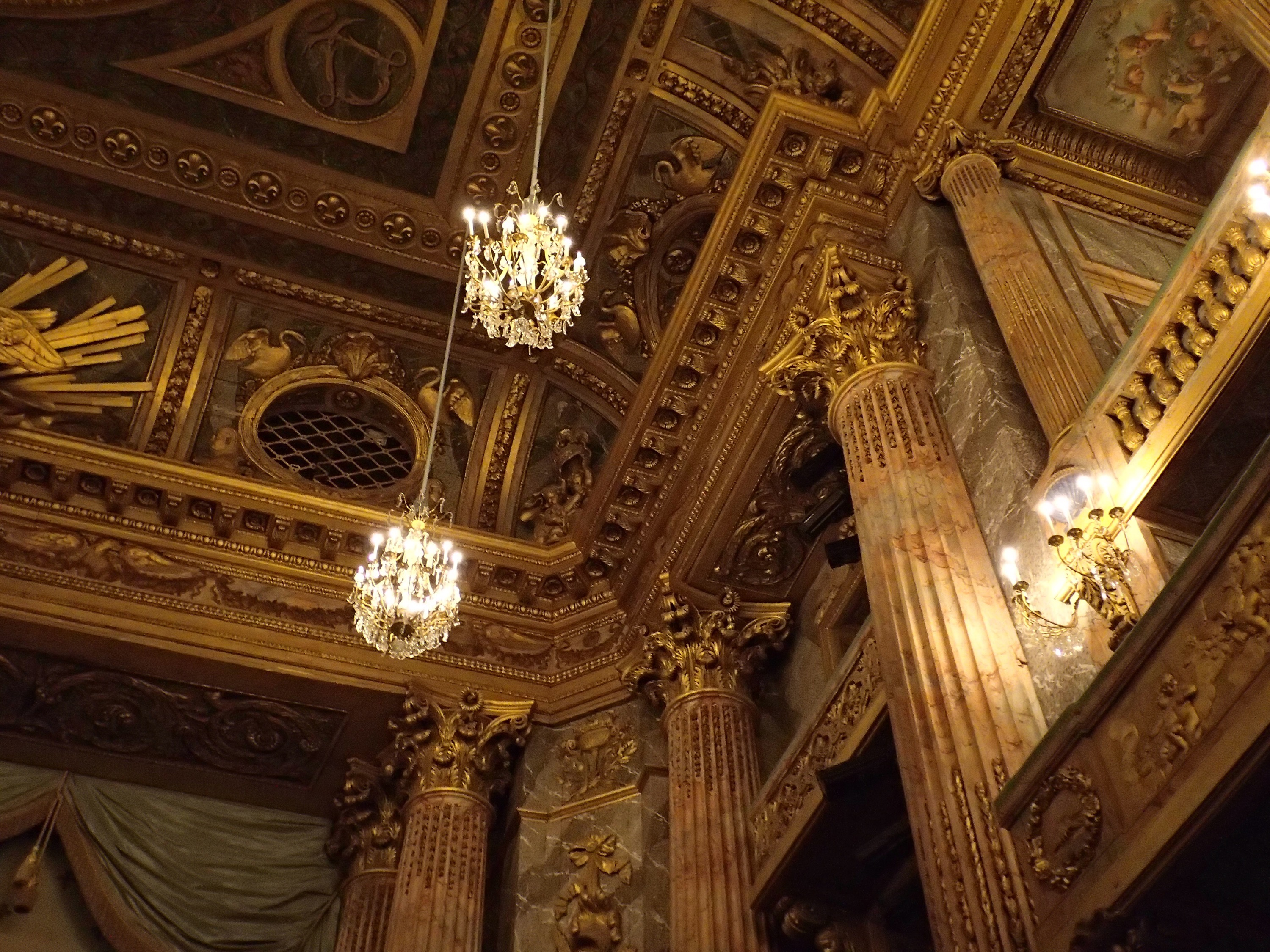
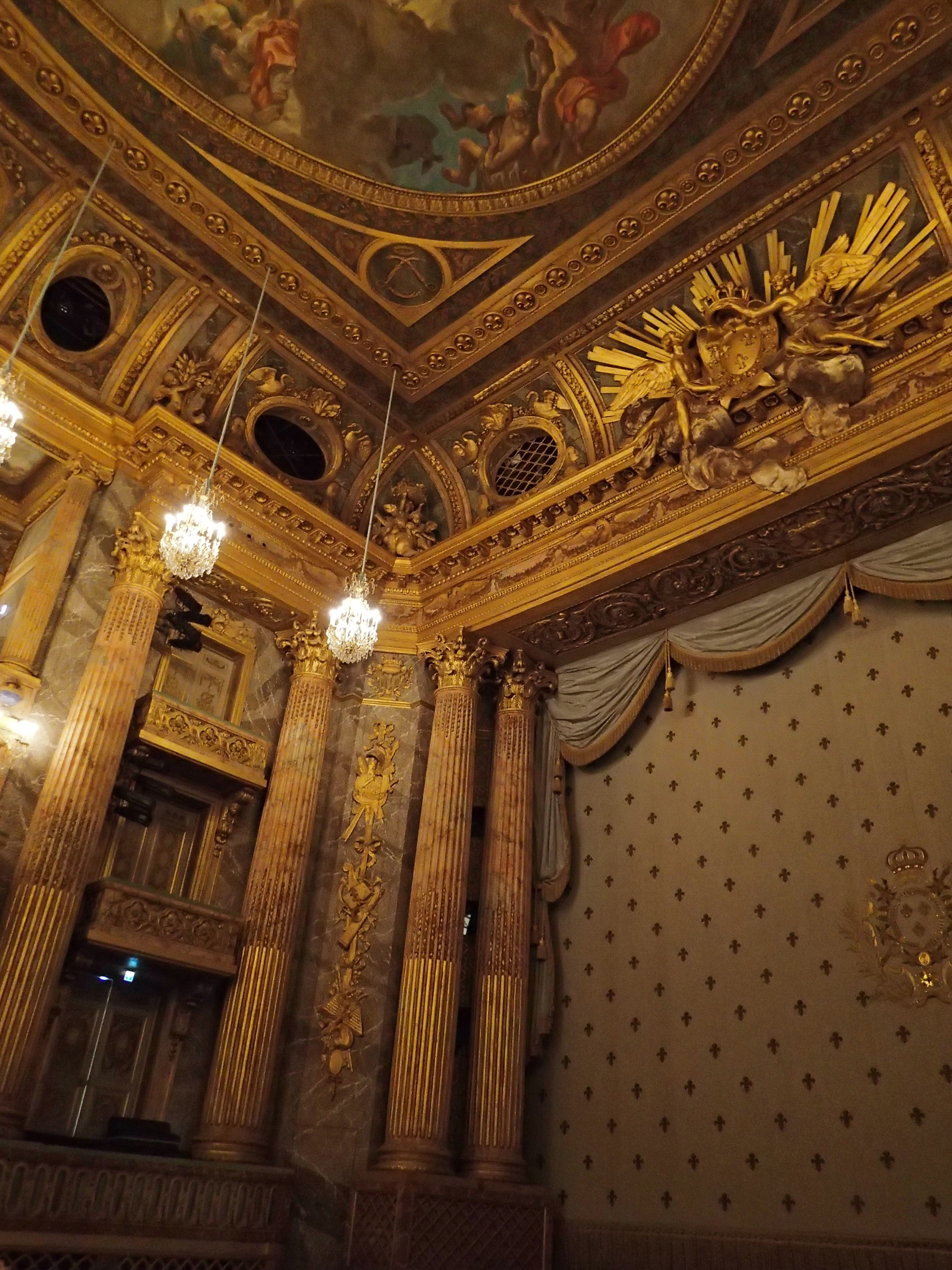
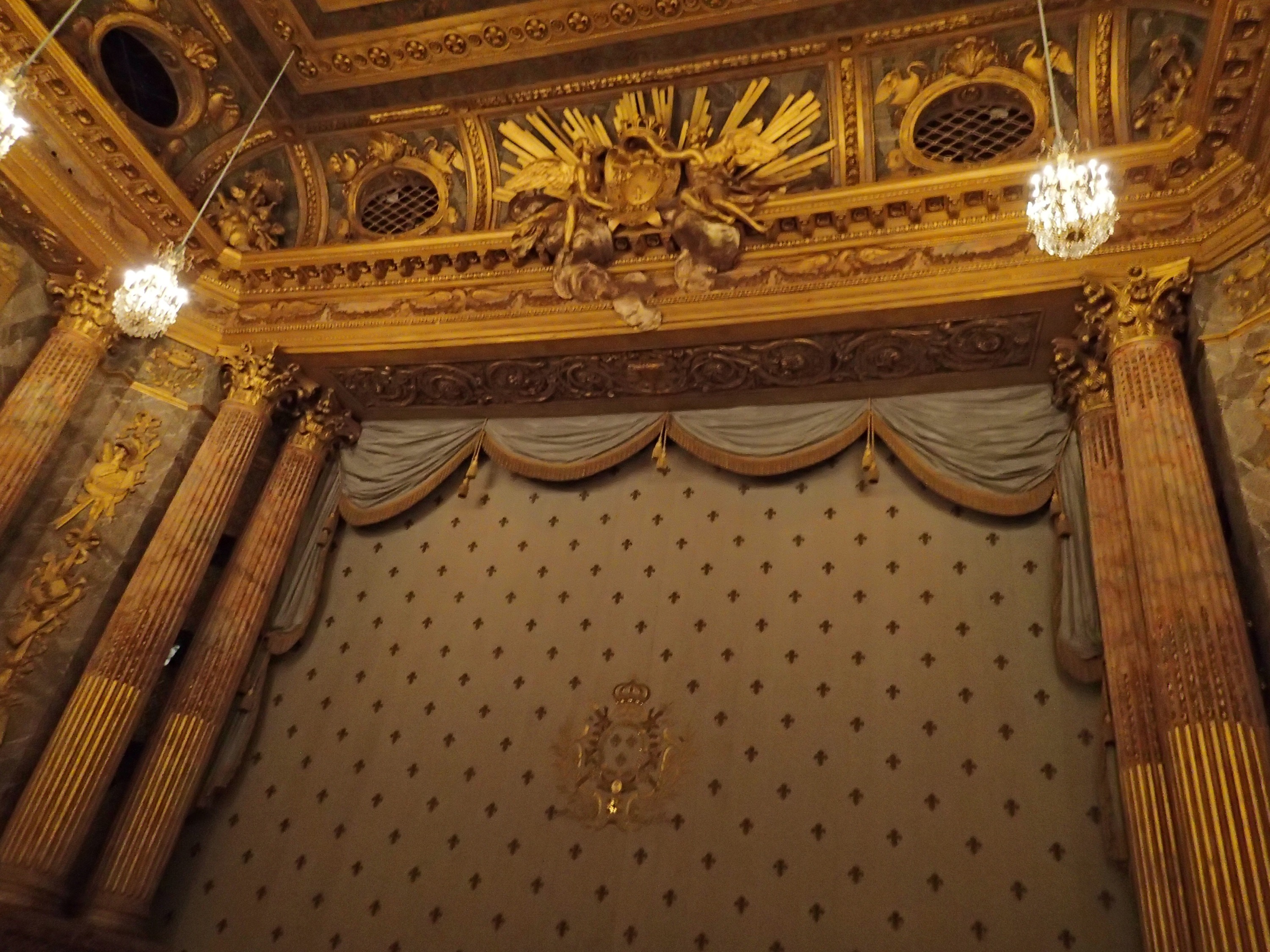
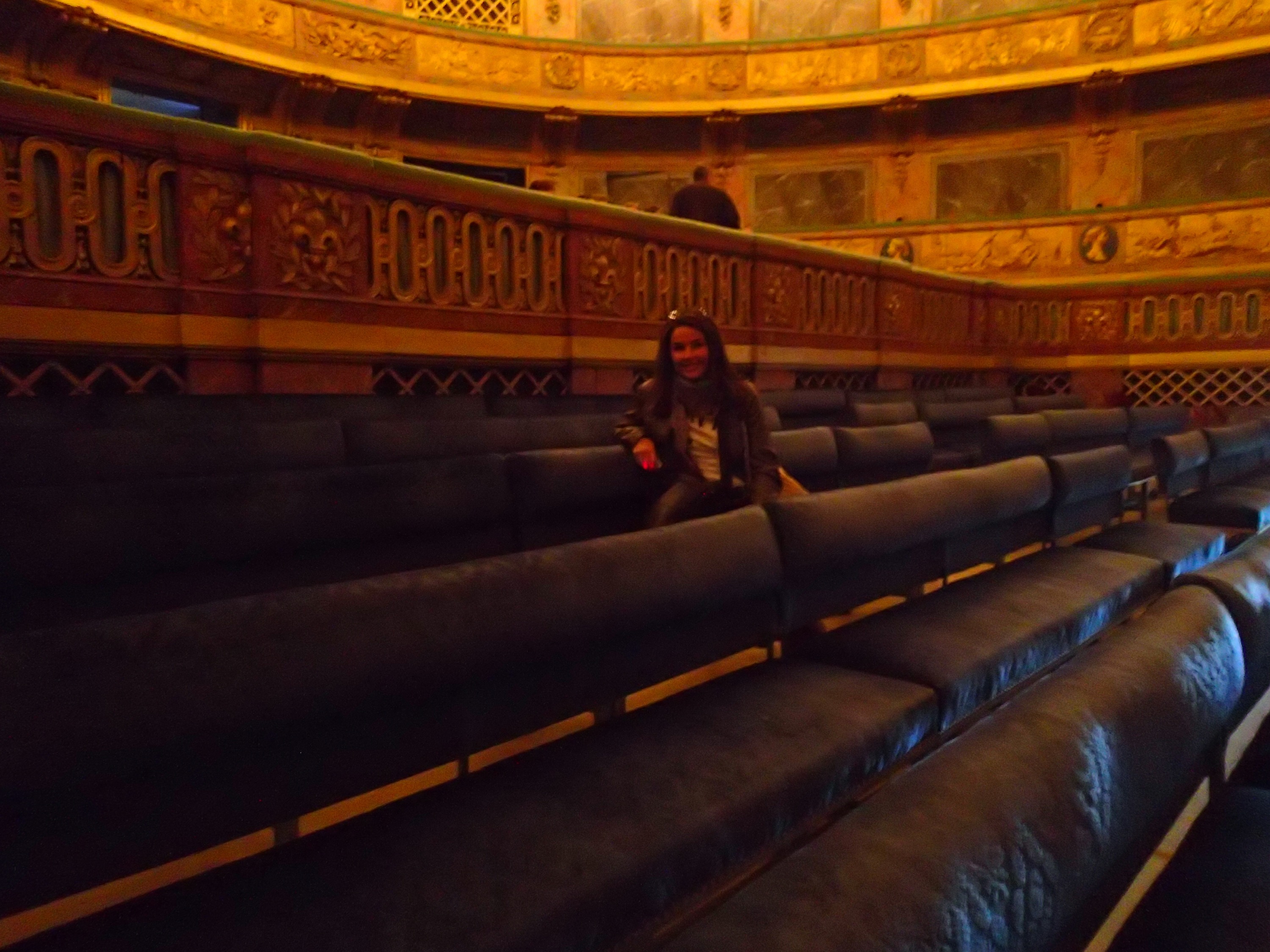
The Opera house was worth the cost of the tour all on its own. This was one of those places that is truly jaw dropping. The tour is the only way you can actually visit it’s unless you can afford a ticket to the Opera.  

The opera was commissioned by Louis XV but not completed and inaugurated until 1770 for the celebration of the marriage of Louis XVI to Marie Antoinette.

The Opera

Not only is the Opera amazing for its decoration, it is also amazing in how cleverly it is lit. Those chandeliers you see – there is actually only 1 set/row and the back row amonst the curtains aren’t actually there! They are reflections in mirrors, even standing in the room we would never have known – just blows you away! The most expensive part of running the Opera in the beginning was the candles for all the chandeliers, now it is heating!


We found keeping track of the Louis’ very confusing until we heard a great way to remember … The 14th built it all, the 15th enjoyed it all and the 16th paid for it all (with his head)!  From our tour we went on to the public areas. Much of the palace has been restored.  Much of the furniture was taken/sold off during the French Revolution so some of the decoration/furniture is original while others are restorations that are true to what would have been there.

The Public Areas 

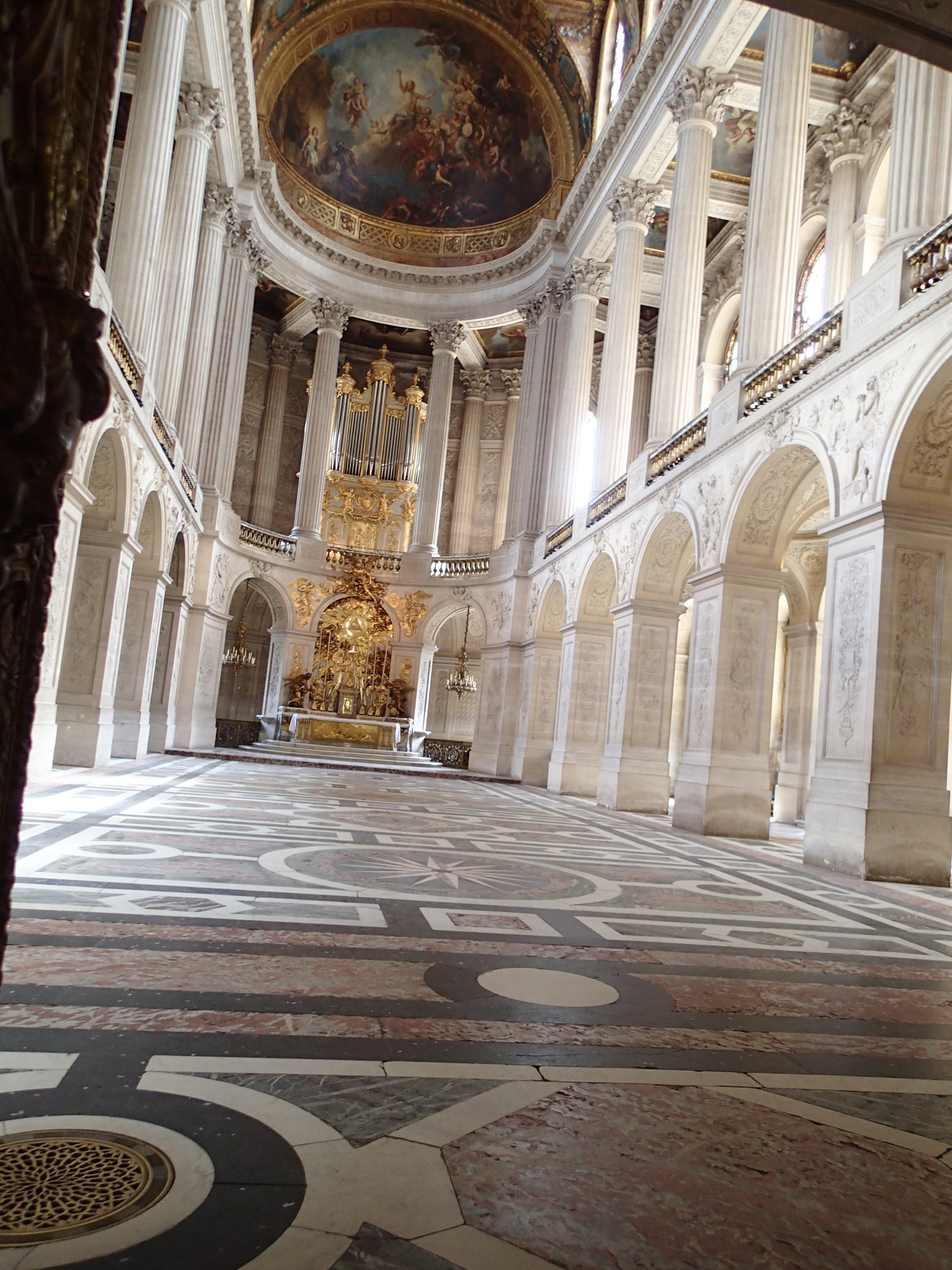
Chapel


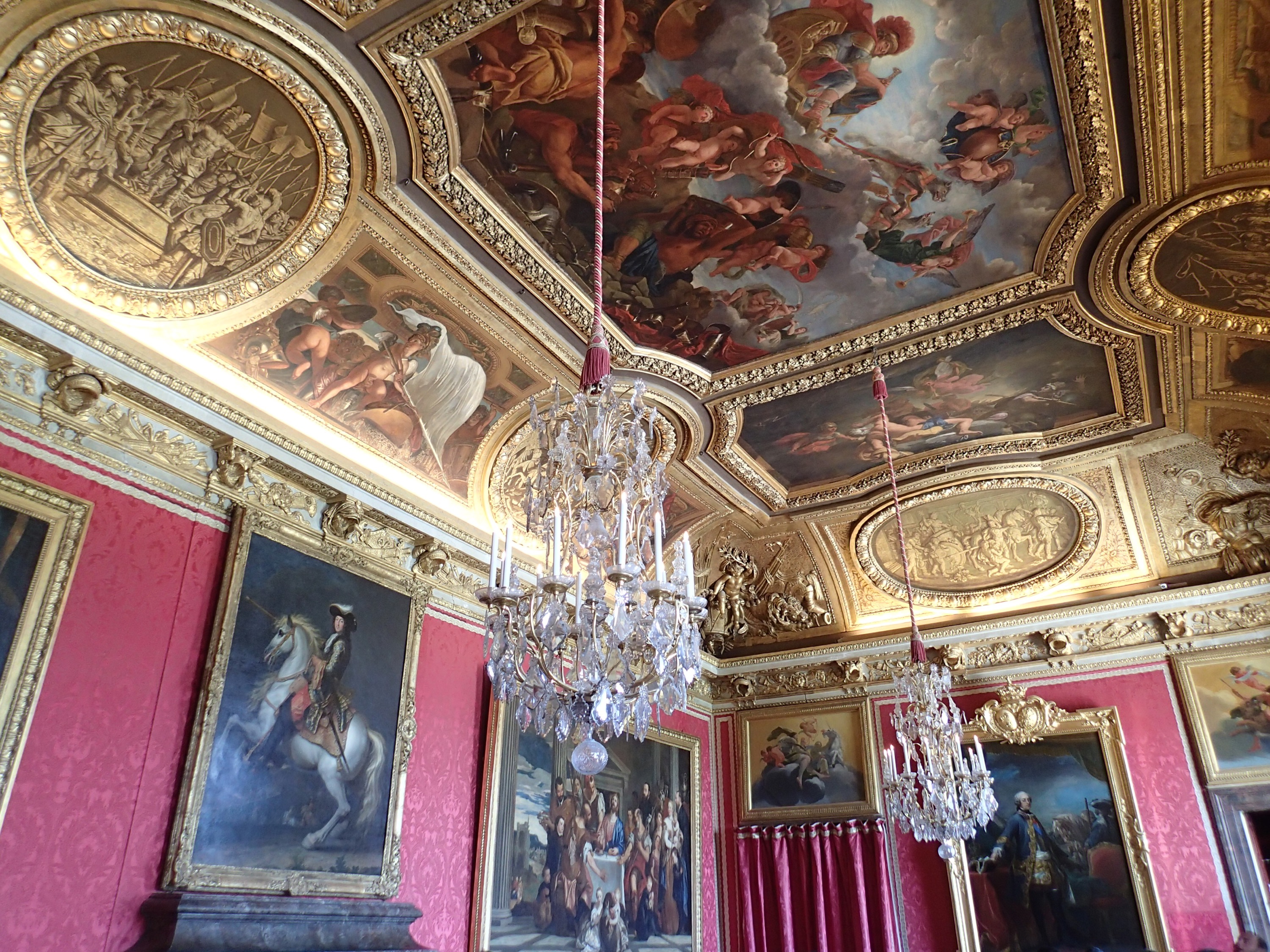
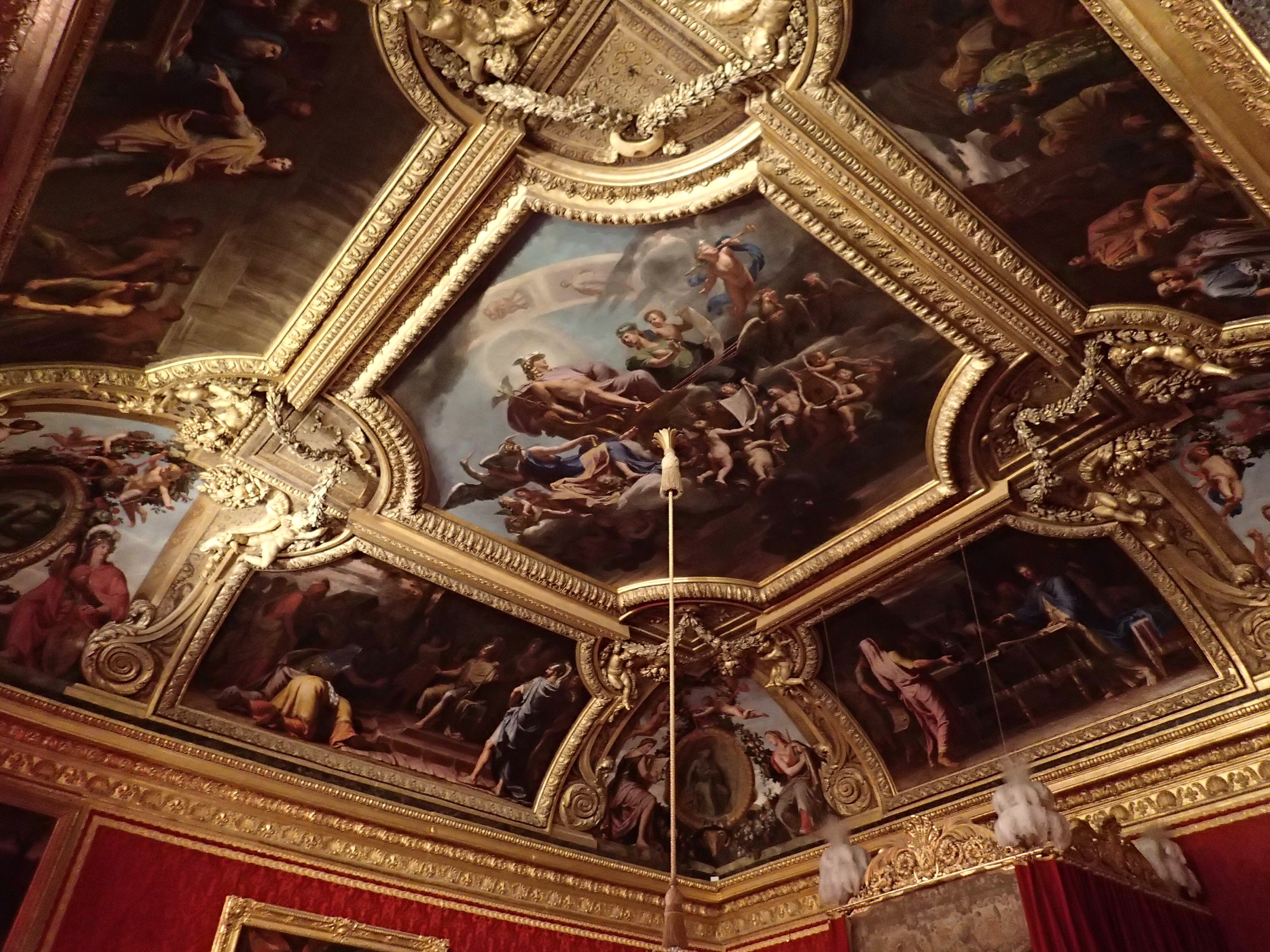
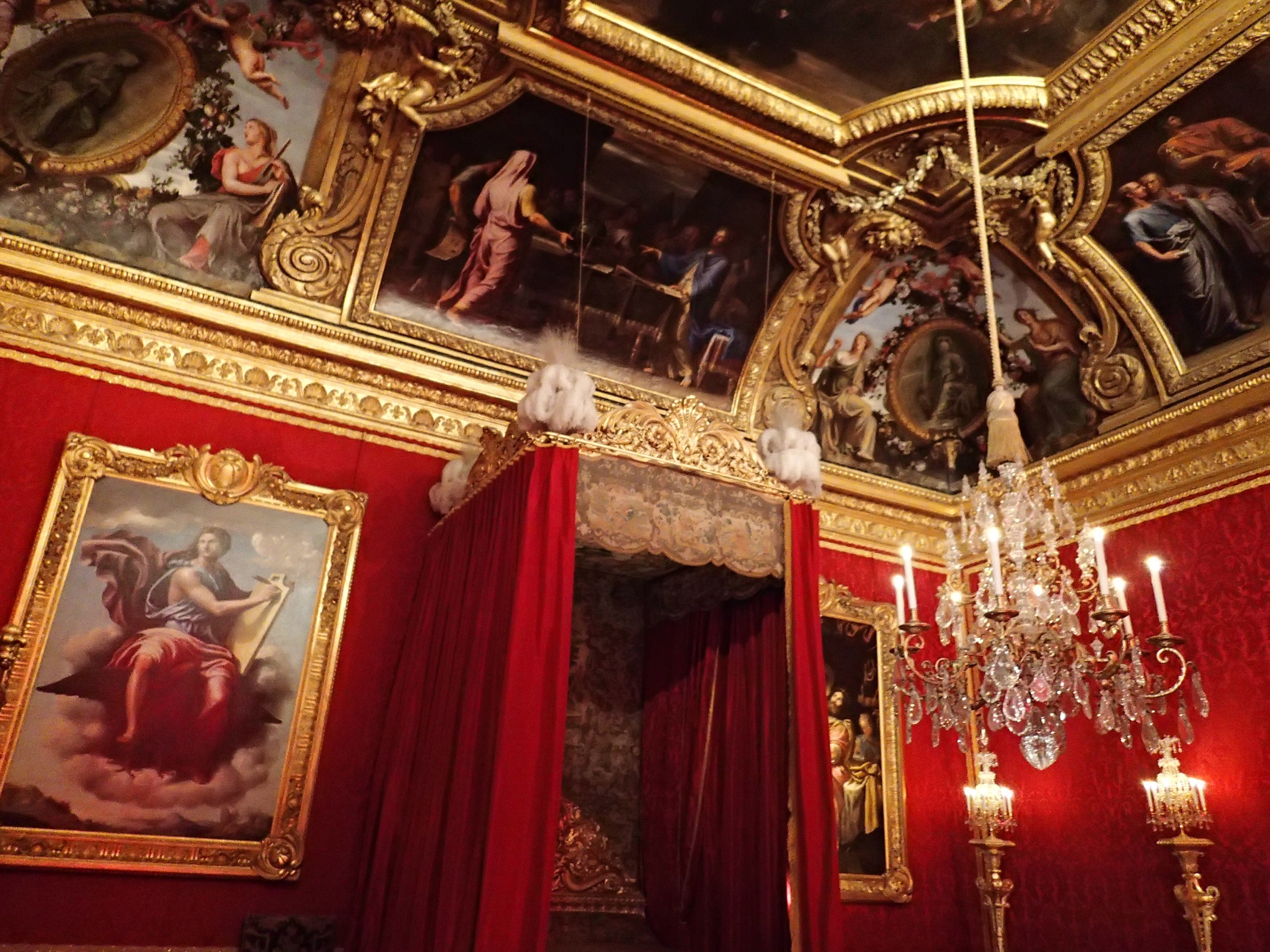
Queen’s Bedchamber


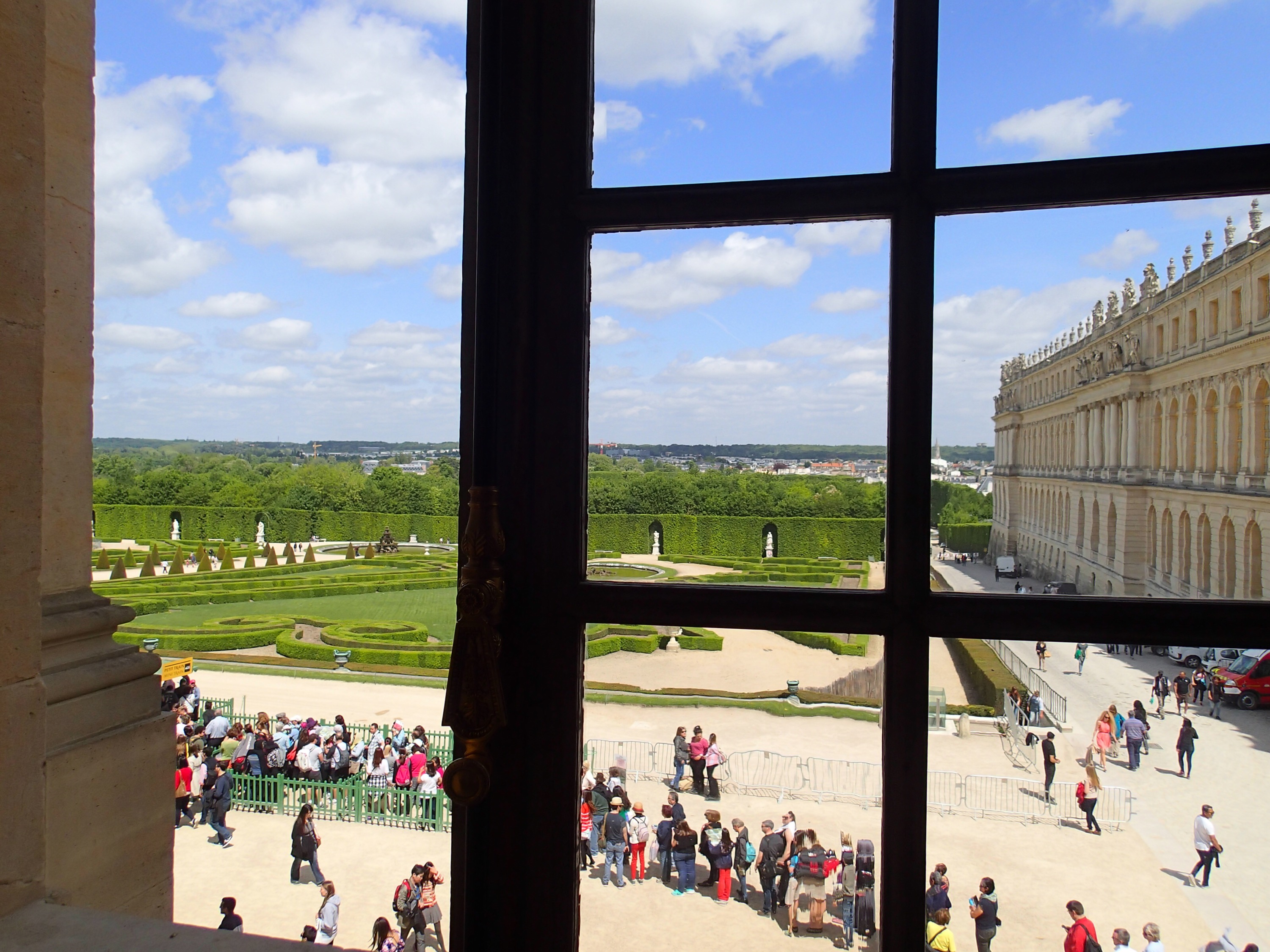
A view to the gardens


The throne


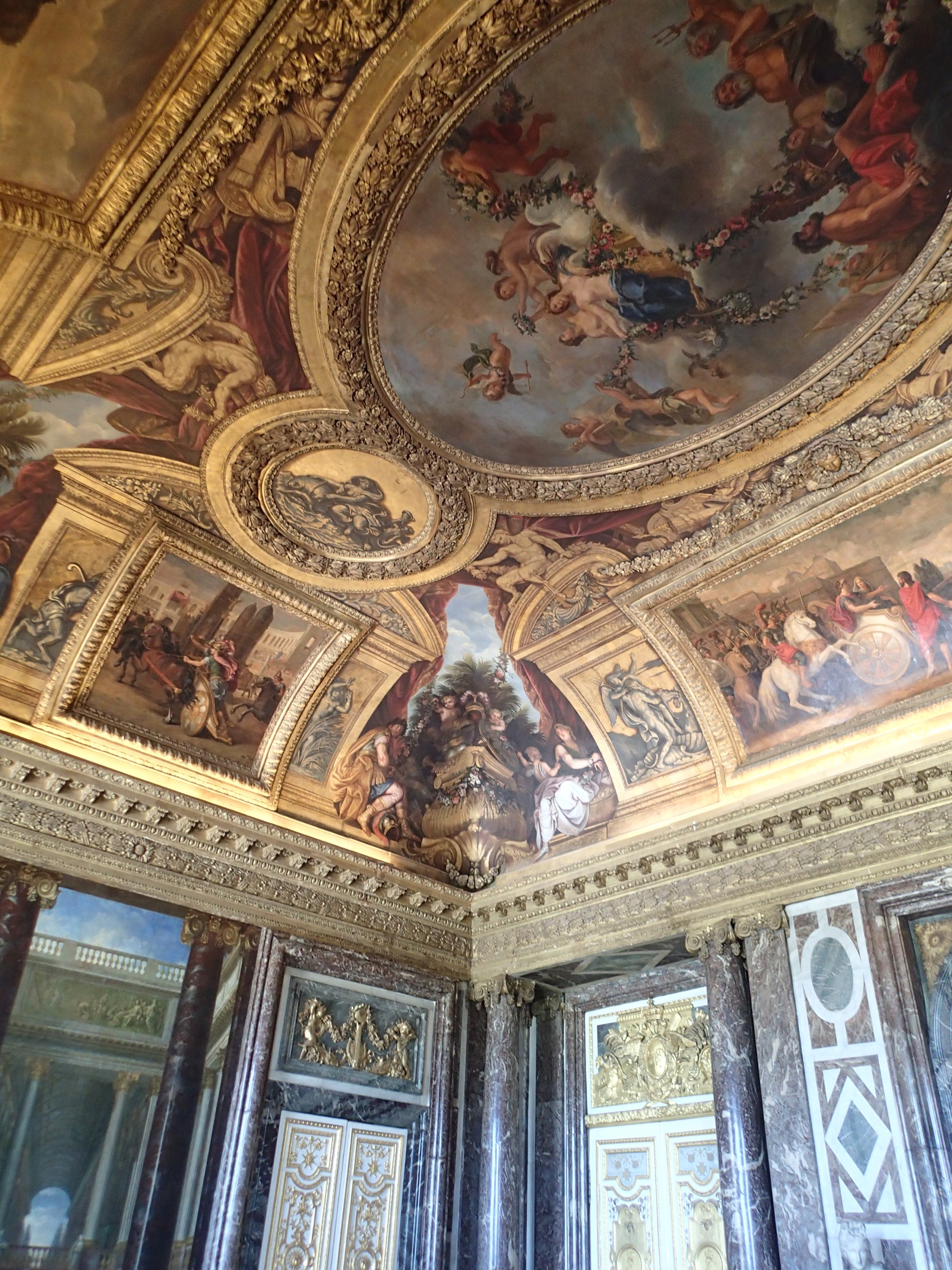
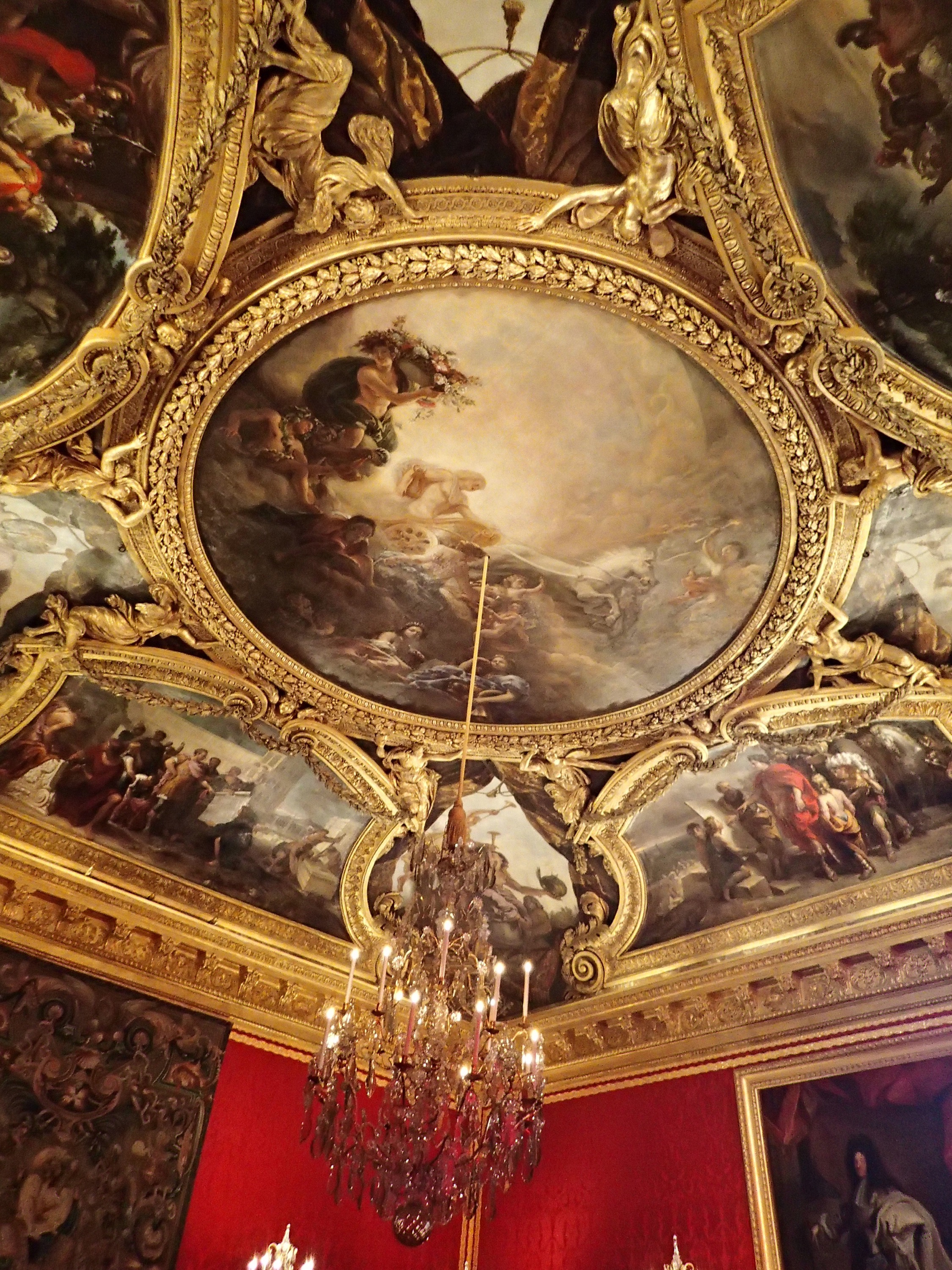
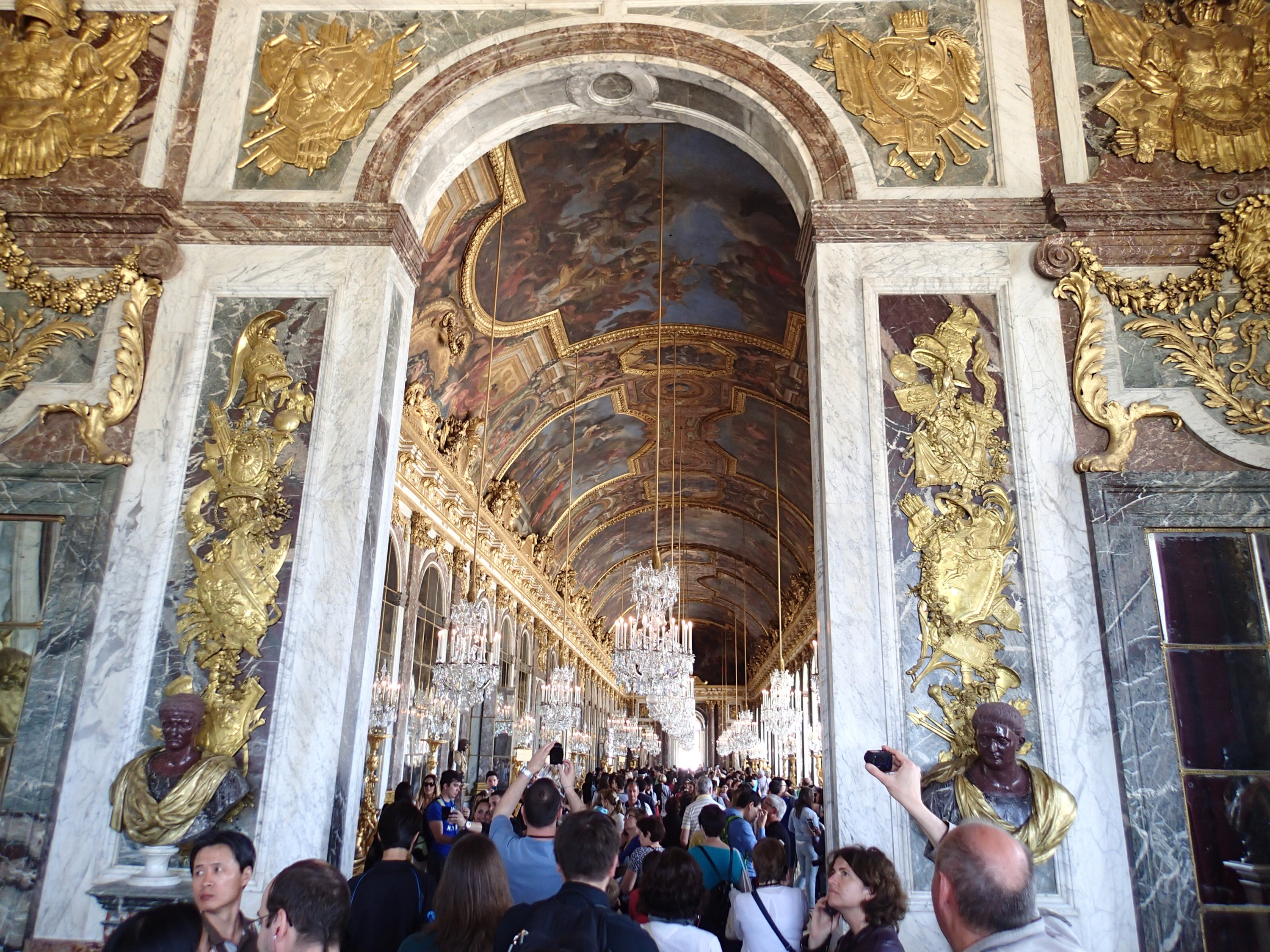
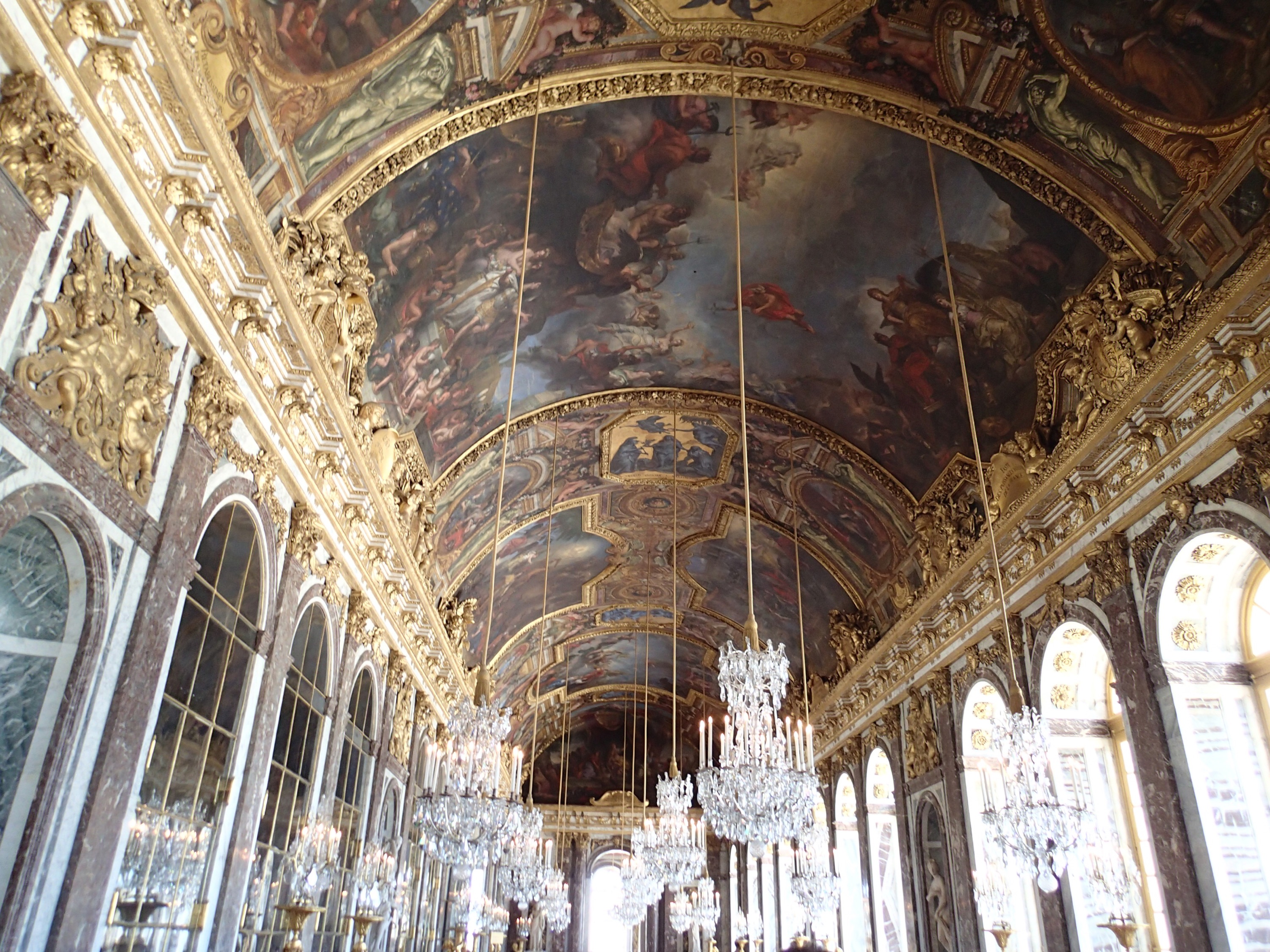
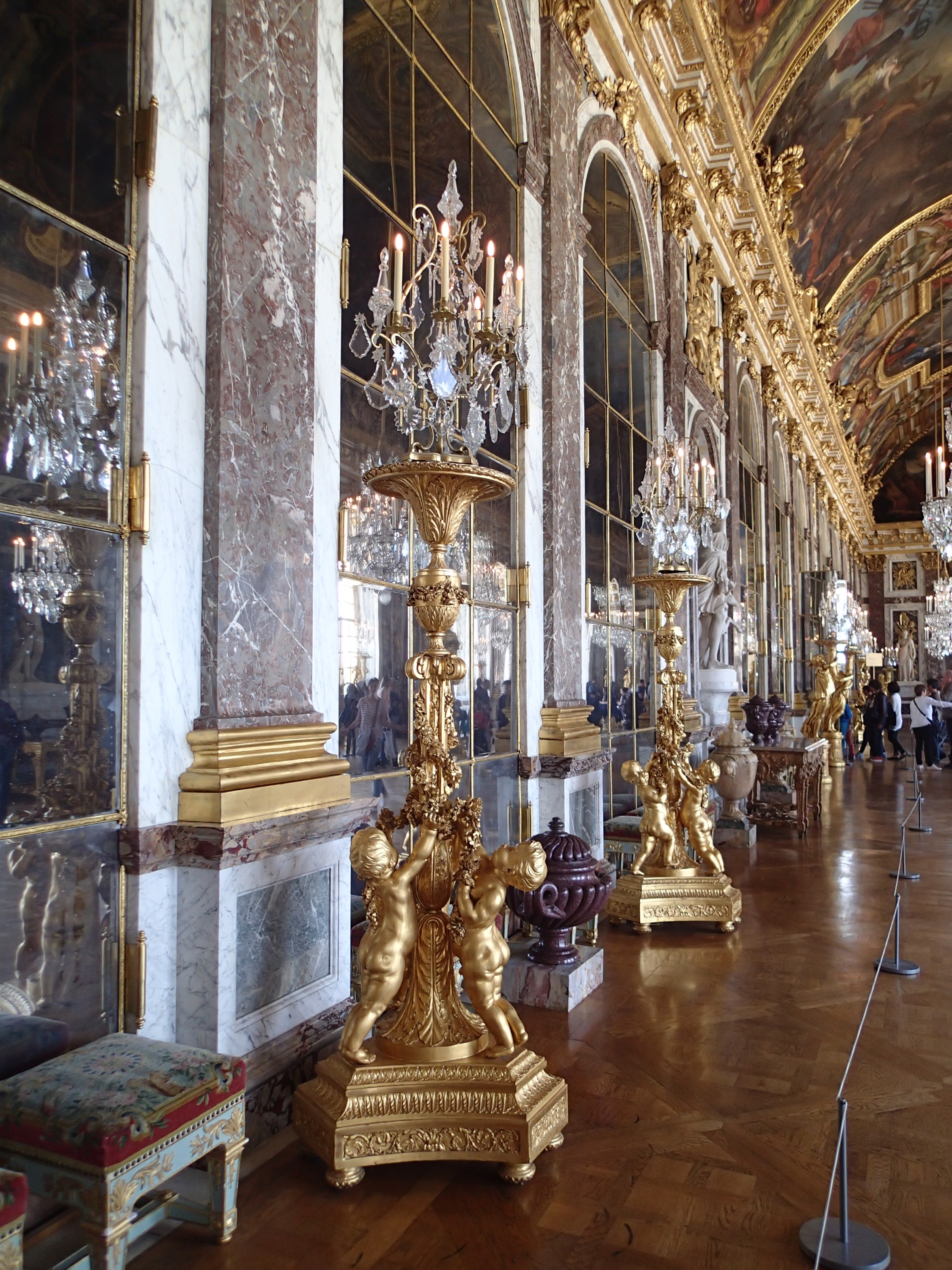
The Hall of Mirrors … definitely a place where the indulgent lifestyle of the king was blatantly obvious. In the 1700’s mirrors were some of the most expensive things to possess . So naturally, Louis XIV should have a room with over 300 hundred of them.


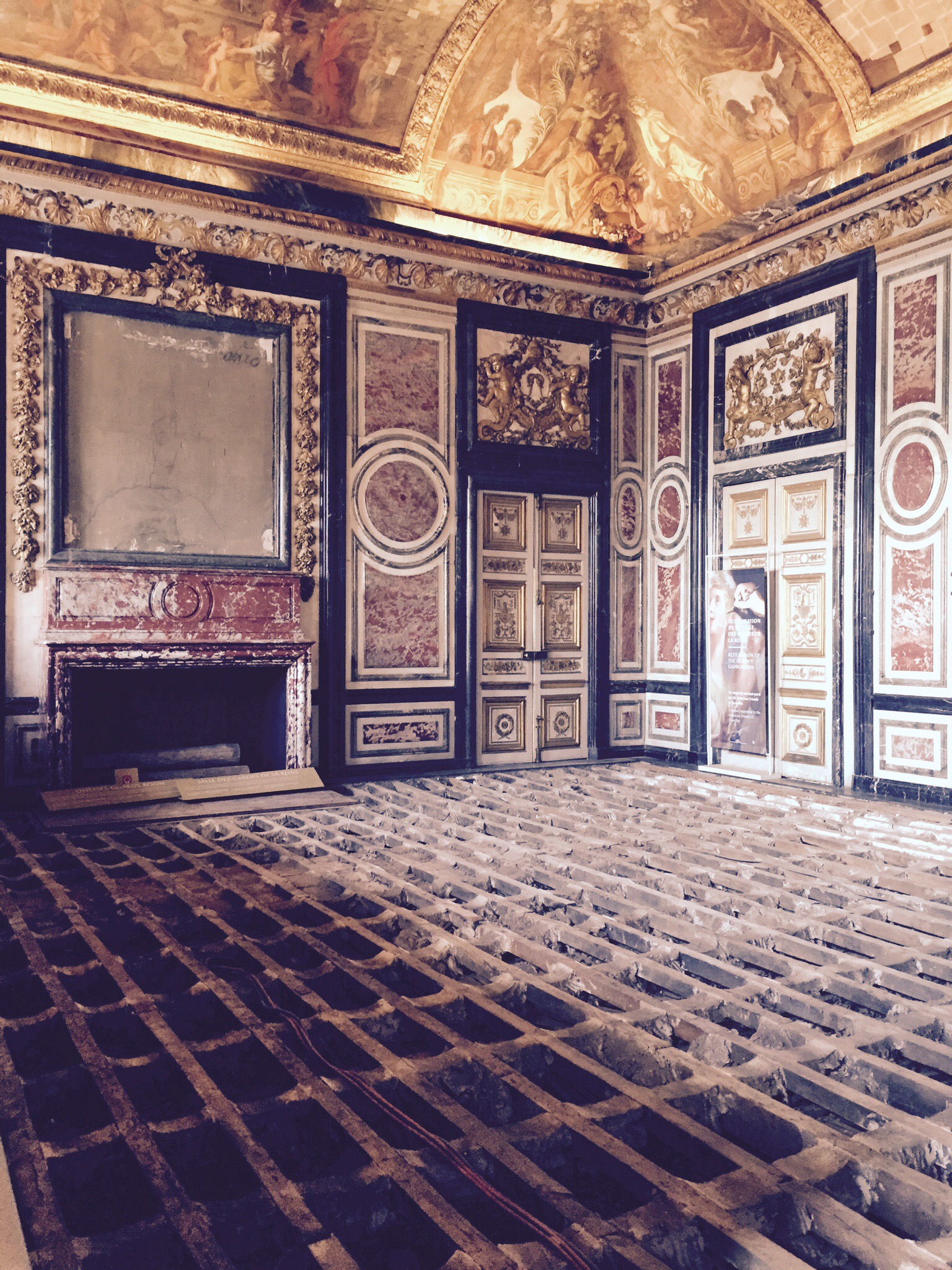
Parts of the Palace are under repair, so you sometimes get an inside view on how they restore artand 18th century. building techniques!


This opulent palace was made a UNESCO World Heritage Site in 1979.


Leave a comment

We Took The Midnight Train Going Anywhere…

Well, that headline is not exactly true, but I do enjoy a good Journey lyric when I can slip one in. In fact, this blog is about our travels by train from Paris to Chamonix. Yes, we are a bit behind in our story telling (and perhaps even a bit out of sequence) but please stay with us.

Travel into Chamonix is not all that simply. Yes, you can drive, but we are traveling as warriors of the rails so we spent time trying to sort out the various train routes, rail stations under construction and transfer points to find the best way there that had an element of fun to it.

Finally, we discovered something that seemed like a fun little adventure – an overnight sleeper train that left at 11 pm and arrived in St. Gervais at around 8:45 am the next day. From St. Gervais, we were to take a local train that brought us into Chamonix a little before 10 am.  

So, we booked two bunks in a berth that slept six for a value price of forty euros per person, quite a bargain compared to our Paris hotel rate that we had just paid up.

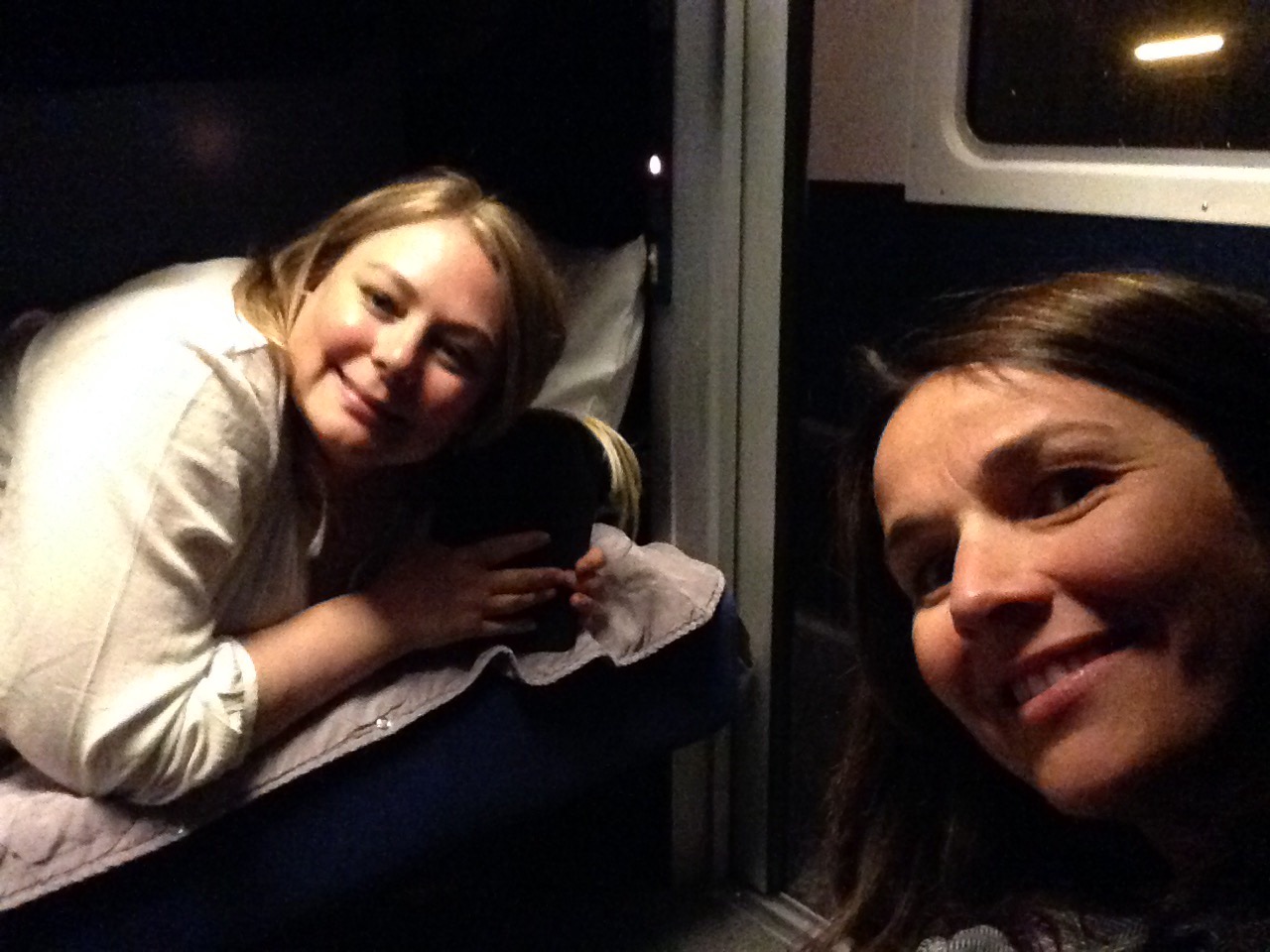
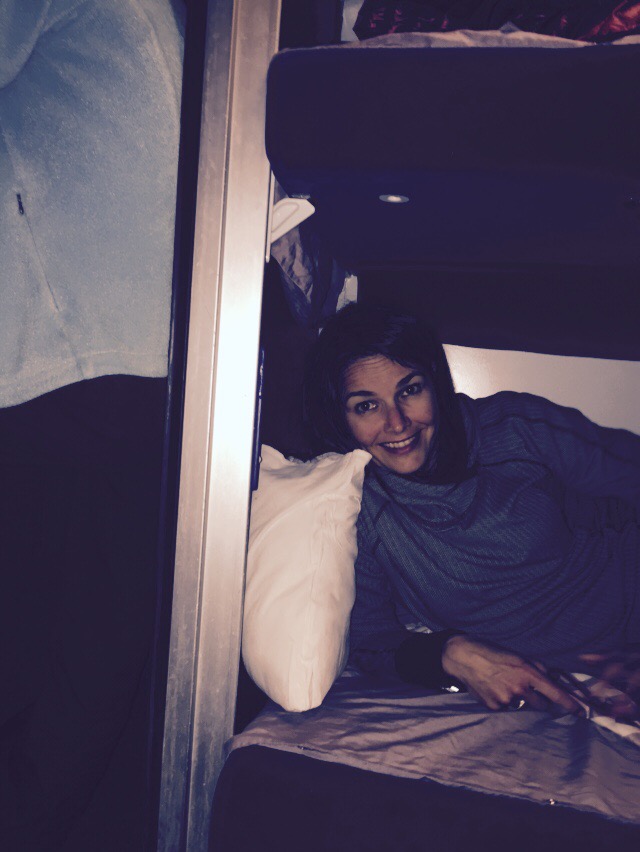
We piled into our bottom bunks, settled our backpacks at the foot of our beds and within minutes the berth door was closed, the blinds we pulled and it was “lights out”, clearly sleeper car etiquette is no joke.  

We slept well through the night, the train winding along its route and occasionally I heard the wheels screeching against the tracks.  It stopped about three times before St. Gervais – first in Annecy where we lost two bunk-mates and then again in two unremarkable towns along the countryside.

While we later learned from friends – who didn’t even know this train route existed – that there is a train that goes via Geneva, with a bus transfer into Chamonix that takes about 3 hrs (versus the 11 hours we treked) . They were a bit bemused by our preferred travel path, but we agreed that half the fun was the adventure of riding the rails and a restless sleep on the tiny little bunks. Well worth it and certainly an adventure we would do again. 

Tucked into our tiny bunks

Cecily all tucked into her bottom bunk


Astrid stretching out on the bunk before lights out


astrid checking out the sights between St. Gervais and Chamonix. Our connecting train was a “local”.


And we have arrived! A little tuckered, but ready for mountain air and sunshine.


Leave a comment

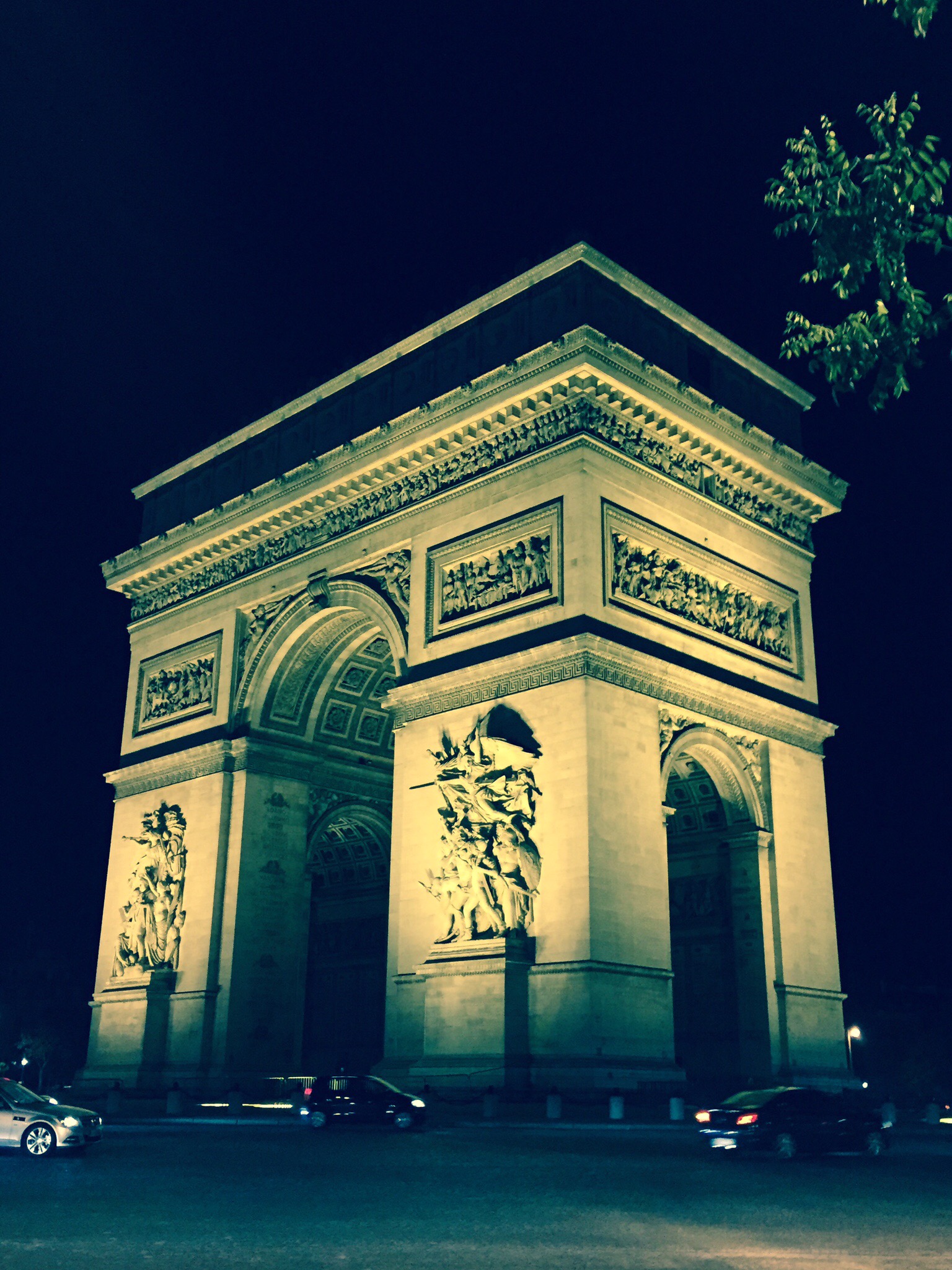
Arc de Triomphe

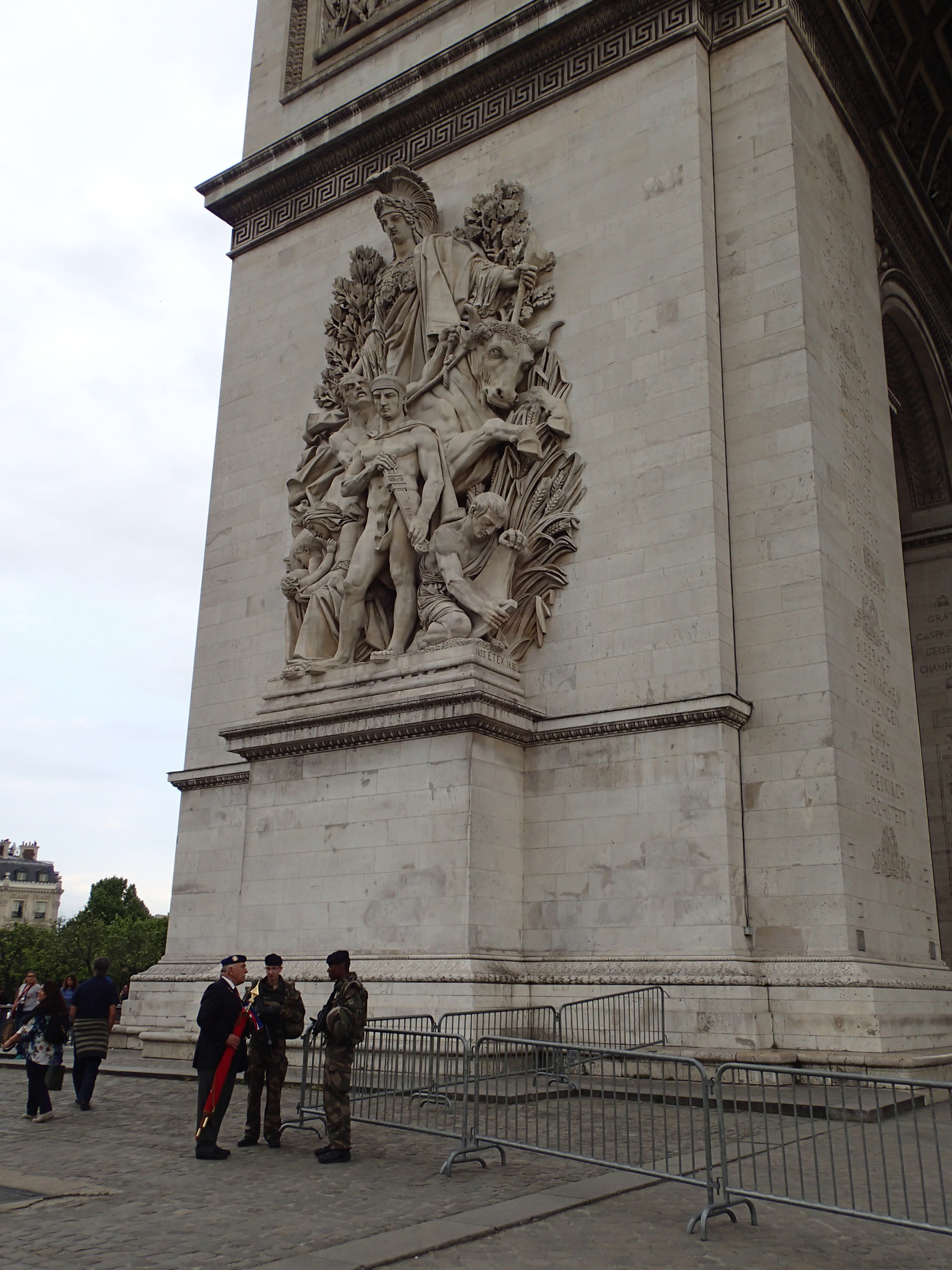
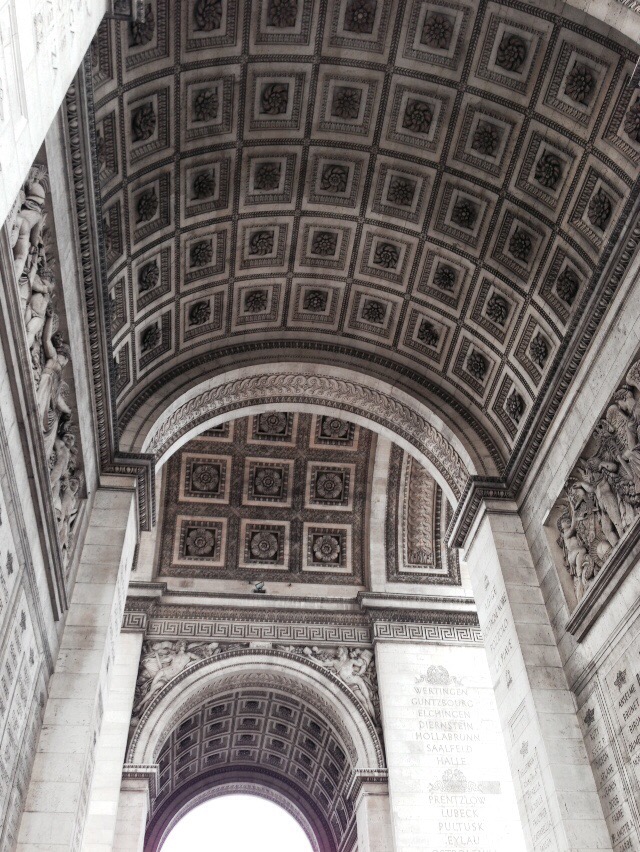
When you think of Paris landmarks – you think of the Eiffel Tower, the Louvre and the Arc de Triomphe.  Napoleon commissioned the Arch to commemorate his victory at the battle of Austerlitz in 1806. Sadly, it was not completed until 1836 (at which point Napoleon in was imprisoned on a remote island in the Pacific) and so he never did see his Arch completed. When Napolean’s remains were returned to France from Saint Helena, they passed below the Arch on a parade to their final resting place at Invalides.

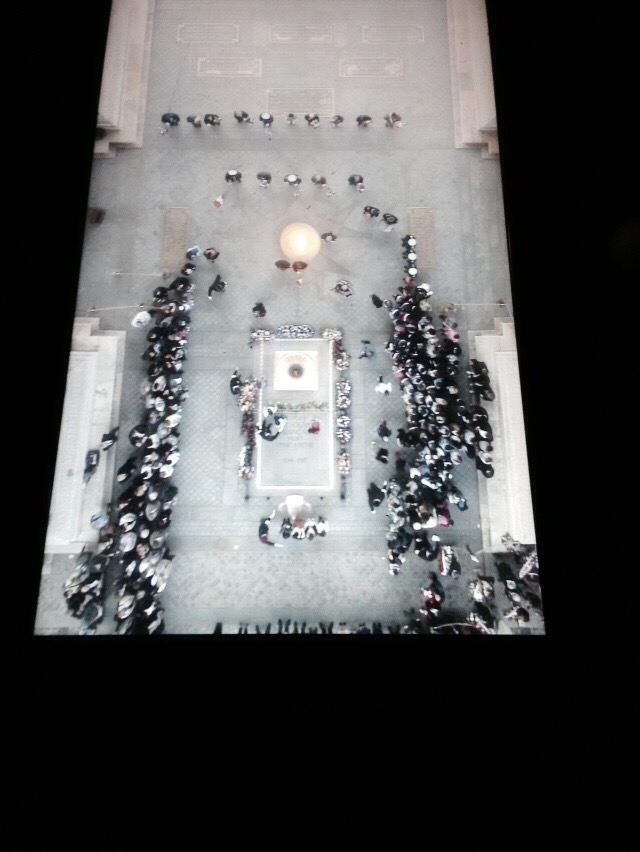
The Arc de Triomphe now honours those who fought and died for France.  Beneath the Arch lies the Tomb of the Unknown Soldier from WWI.  There is an eternal flame and every day at 6:30 pm the flame is relit and fresh flowers are placed by school children.  No one parades under the Arch anymore.  Even in WWII when the Nazis took over France, Hitler respected the grave of the unknown soldier and his troops walked around the arch instead. 


A statue of Napolean overlooking some old and new soldiers


from the top there is a camera on what is happening below … you can see the daily ceremony of the relighting of the eternal flame and placing of fresh flowers


View down the Champs-Elyeees


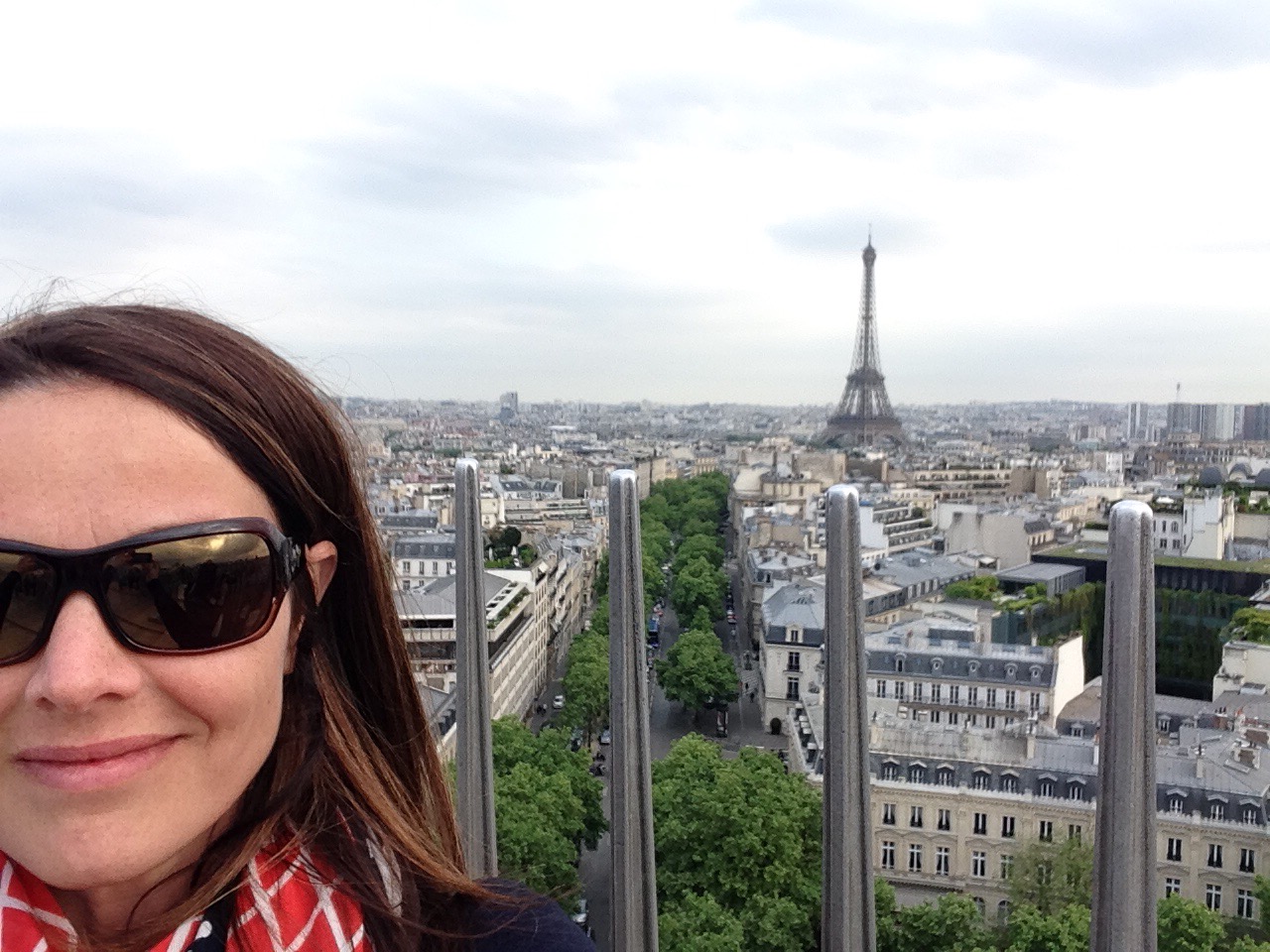
The Iron lady from the top


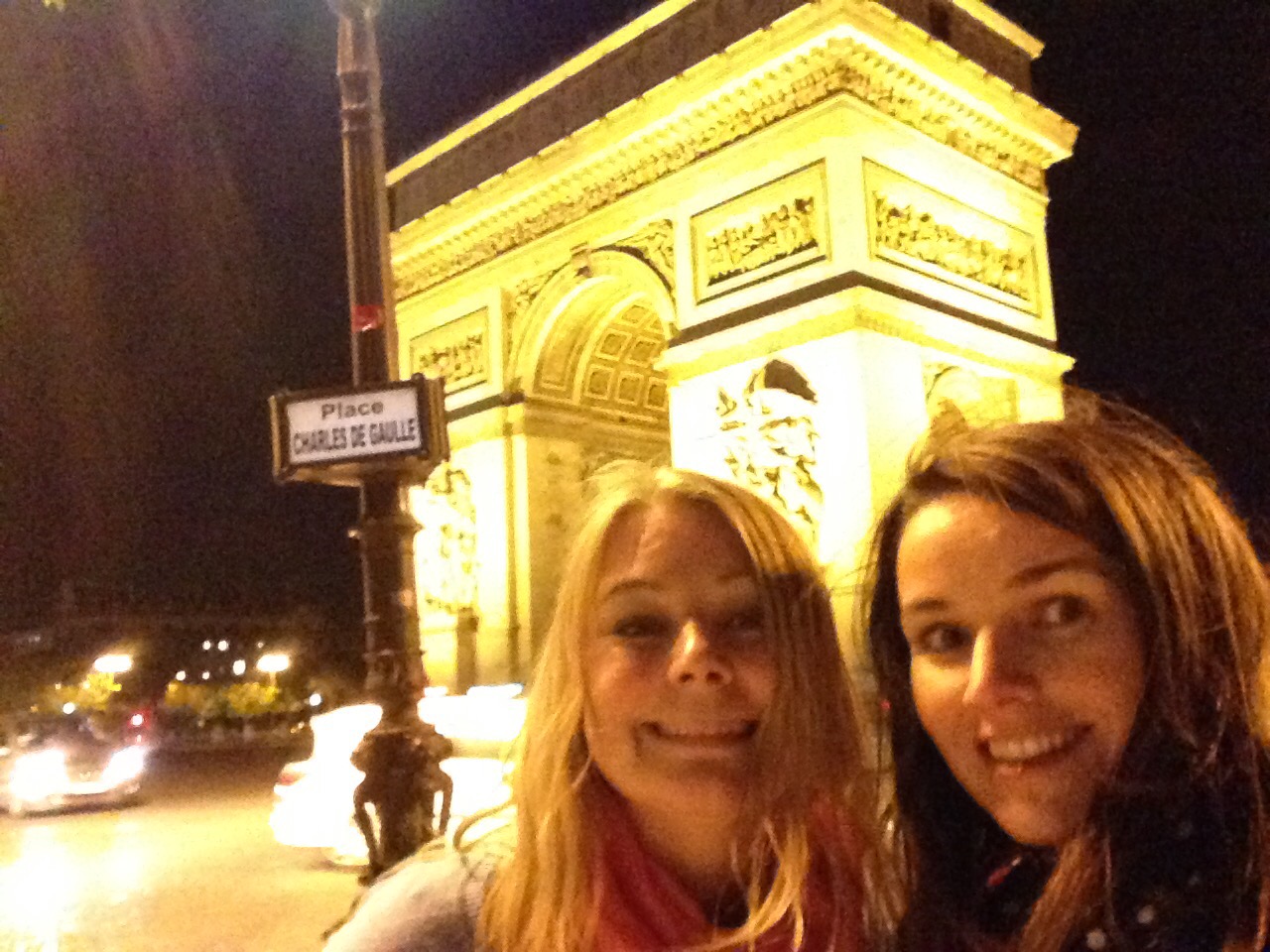
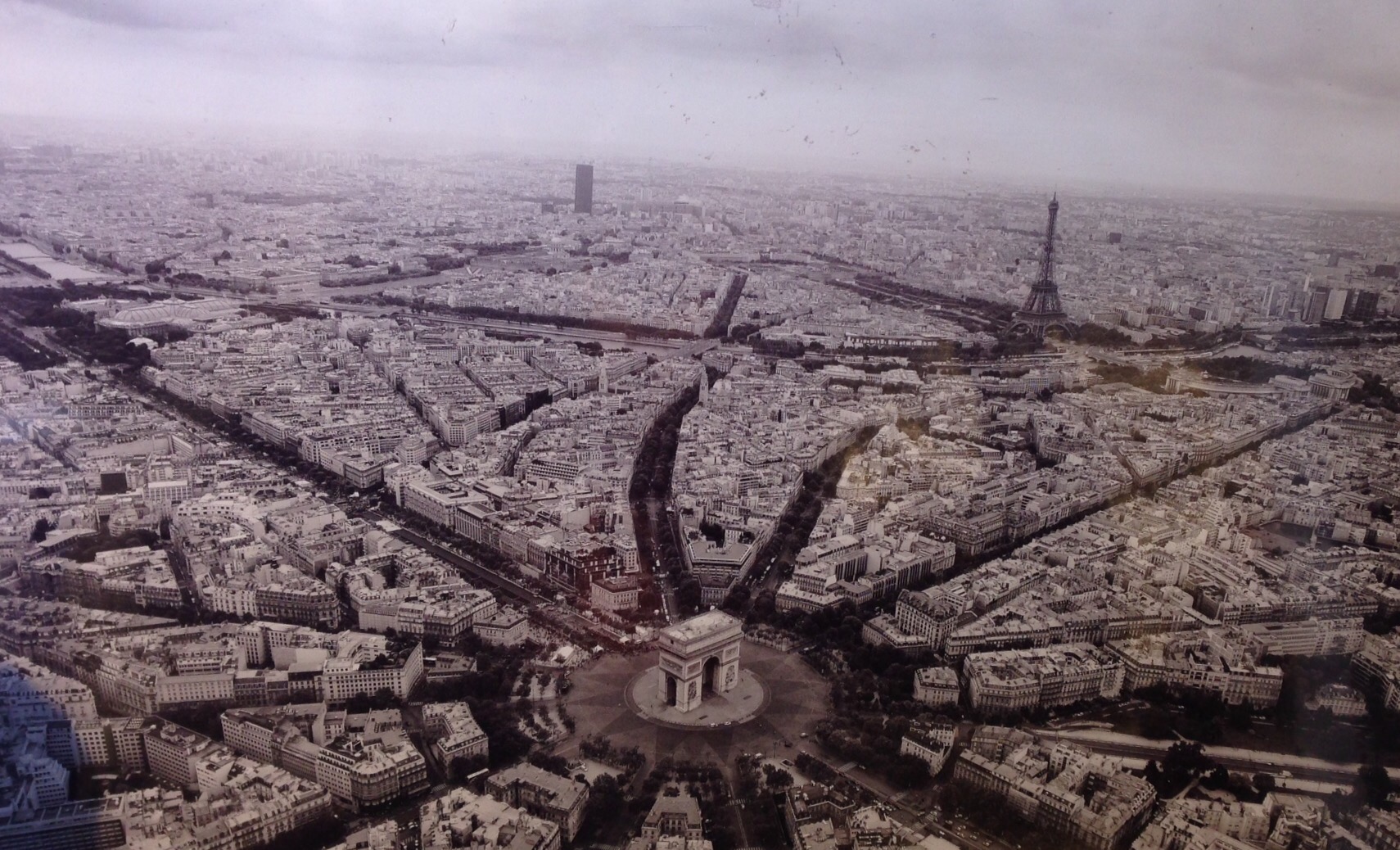
A view of the Etoile (now Place Charles de Gaulle) … 12 roads converge on the Arc de Triomphe

A view of traffic on the Etoile … There are no lanes and the only rule is people entering have the right of way. Somehow it seems to work.


2 Comments

Girls Who Live by the Mountains Visit Other Mountains

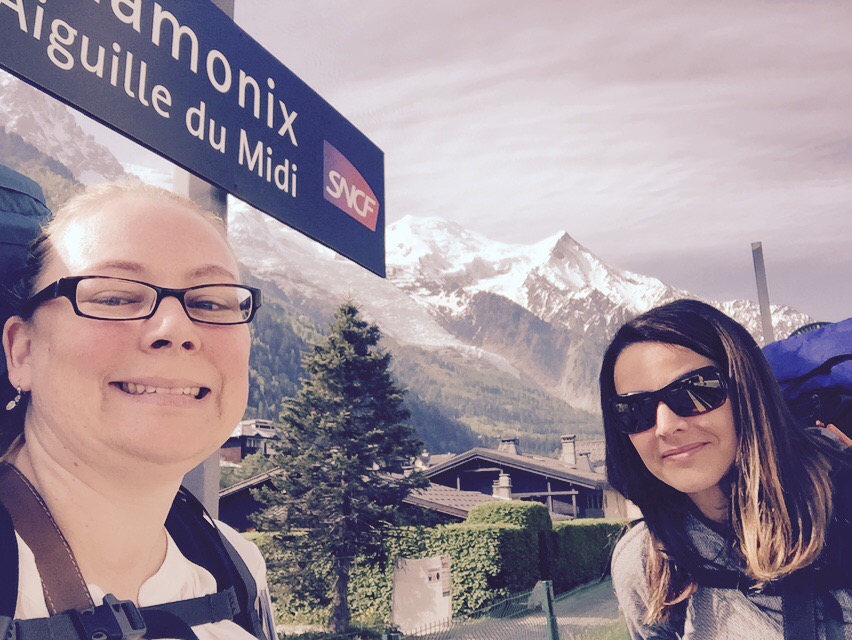
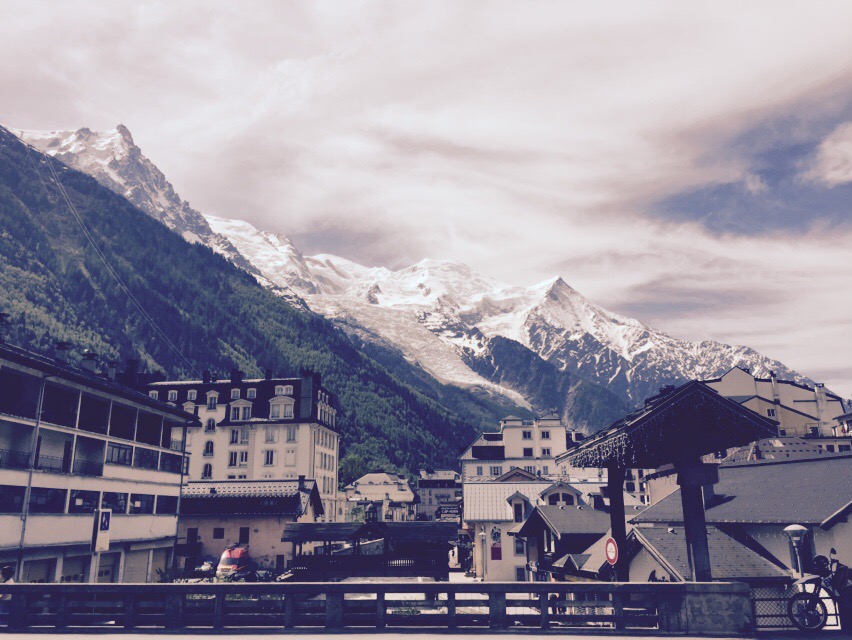
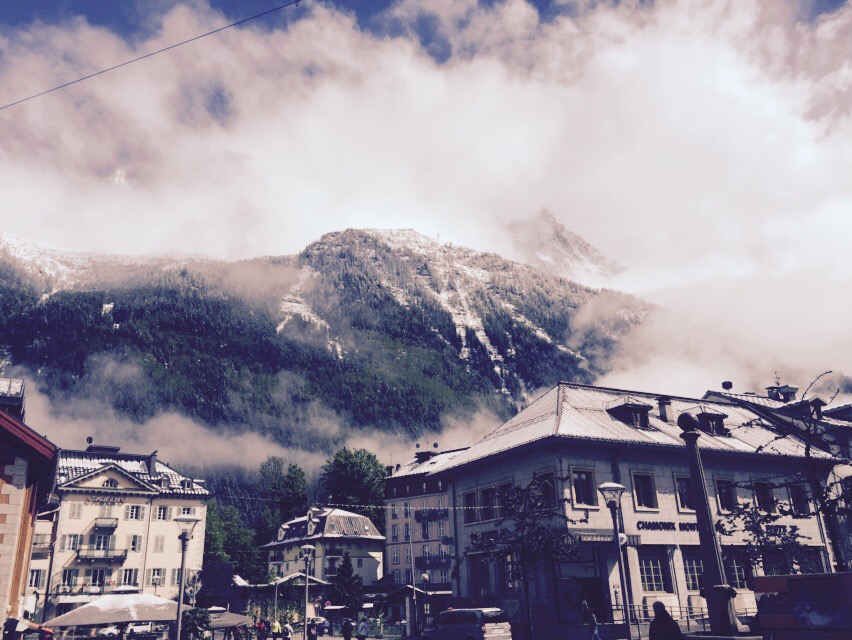
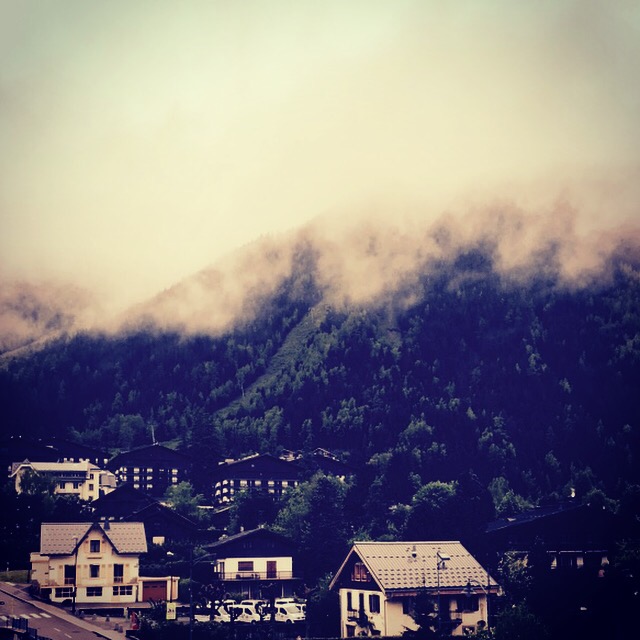
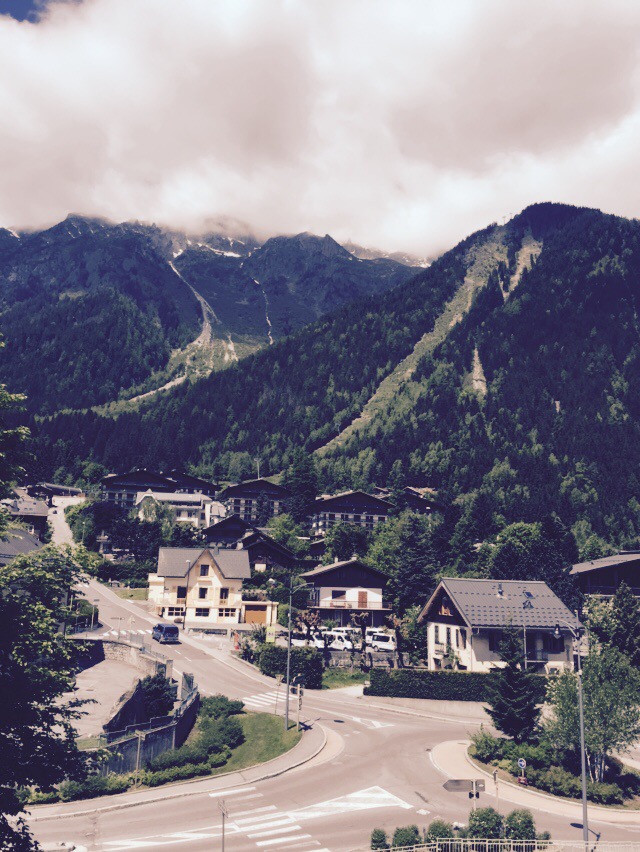
When we decided to go to Chamonix, a lot of thought was put into our route. For those who don’t know, Chamonix is a small valley town in the French Alps well populated by extreme skiers, accomplished mountaineers and a wide variety of other outdoor enthusiasts. In early May, it is awash in spring-like blue and green colours that reminded me of the west coast of Vancouver Island.  While we did enjoy rain and snow during our visit, the day we arrived the sun beamed down from a flawless blue sky and the temperature had risen to a balmy 22 degrees celcius. And, being inter-season, we pretty much had full run of the place as everyone has fled town.

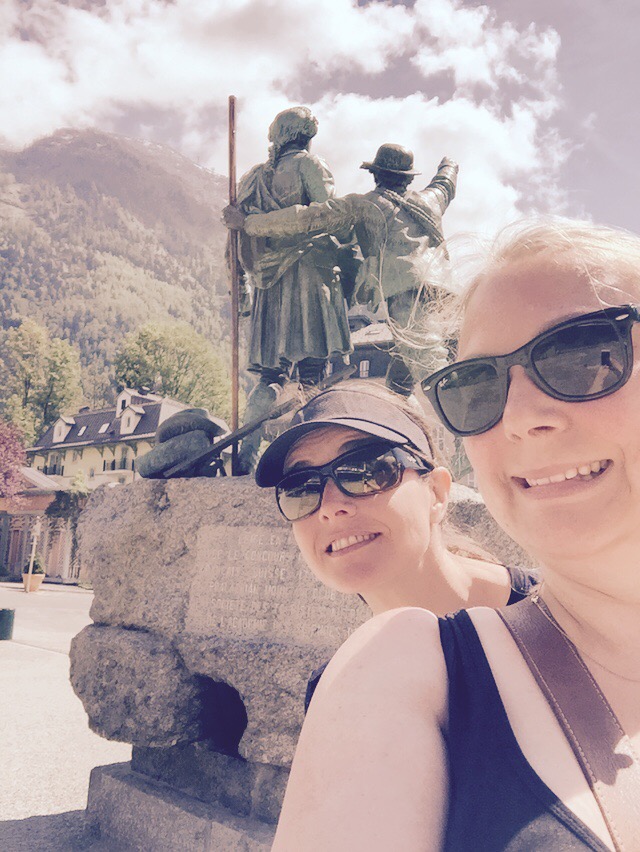
First, a little history … it was first visited by a couple of young English aristocrats – a guy named William Windham and another dude named Richard Pocock in 1741. News spread across Europe and suddenly like a high school party in a small town on a Friday night, a whole whack of rich British tourists were flocking to see the mysterious Mer de Glacé (of which Astrid will provide a full geological run-down on shortly).

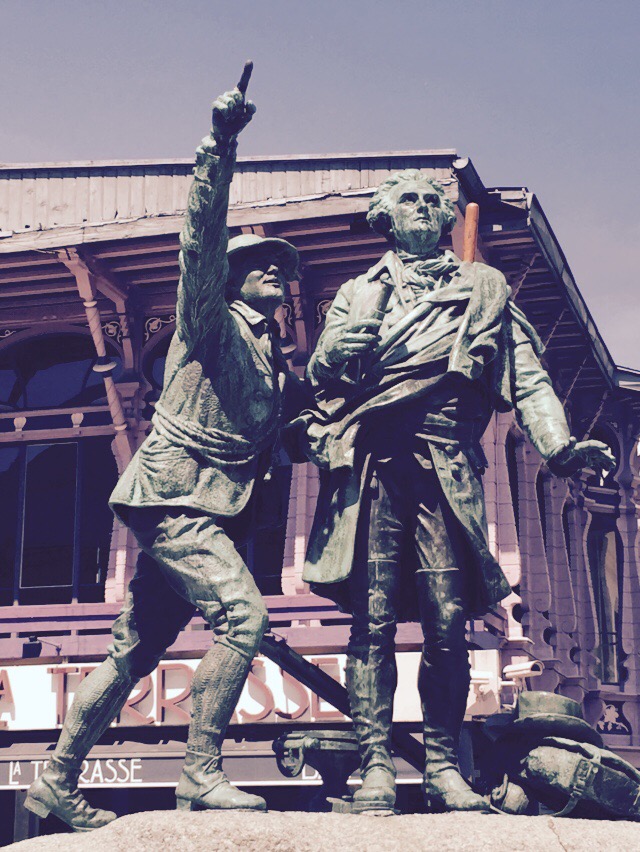
In the 1770’s it seems hotels cropped up and folks began to climb the massif. The conquest of Mont Blanc by Jacques Balmat and Michel Gabriel Paccard demystified the peaks and that was it for the lovely small mountain town – it had arrived. 

A first luxury hotel was built in 1816, followed by the construction of the little Montenvers train in 1908. Of course, once roads and rail infrastructure were established things really got rolling, literally. Apparently, a carriage road between Chamonix and Geneva was built during the reign of Napoleon III and the railway in 1901. 

The first Winter Olympics were held in Chamonix in 1924. This led to massive construction of ski lifts and cable cars all through the valley region including Glacier and Planpraz, Brevent, Flegere and the epic Aiguille du Midi, visiting which was a trip highlight for us and is pretty much indescribable (though Astrid will take a run at it geologically as well) in its sheer scale and natural beauty. It’s amazing to think I have friends who simply “pop up” there with their skis on weekends or careful trek the Mount Blanc side for a mountaineering adventure.  I am constantly in awe of those who blend themselves so seemlessly into this raw and exhilarating natural environment. Simple spectacular.

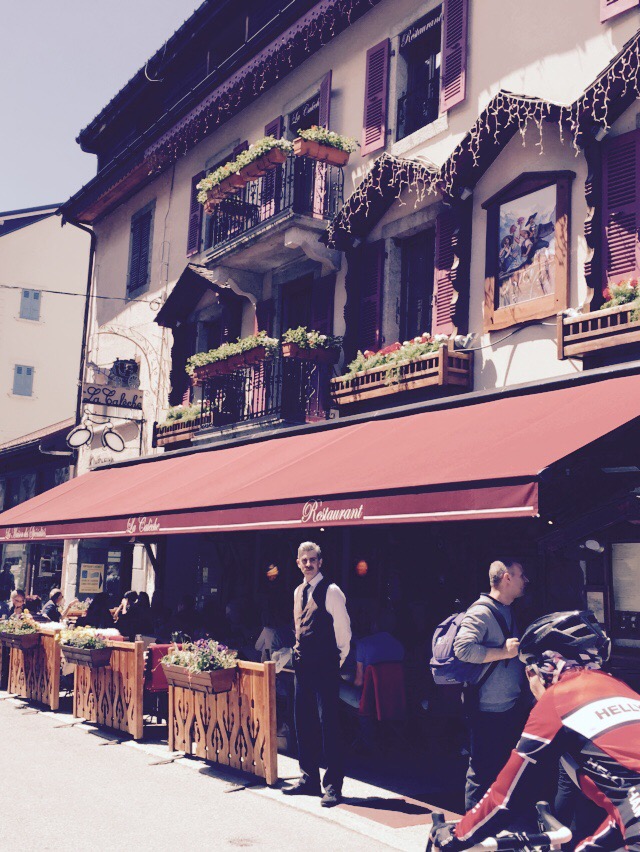
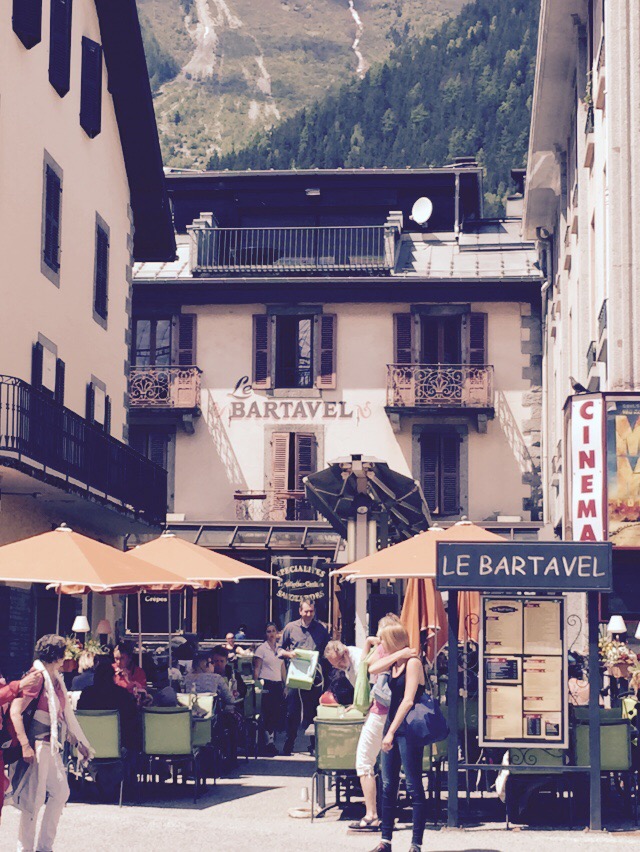
Back down in the village itself, Chamonix has an interesting array of building architectural styles which for building geeks sort of bounce between Art Deco, farmhouses, chalets and more modern structures. We stayed at a hotel that was a 100 year old mansion, that had been renovated in recent years. I was hopeful for a resident ghost, alas no one has appeared during our time here. The hotel itself has all the wonderful creature comforts of home – spectacular mountain views, world class dining, a pool, spa and hot tub to soak in while we stare up at the massive peaks and the pink sky fading into darkness.  It has been a great place to relax and recharge after a very hectic schedule in Paris.

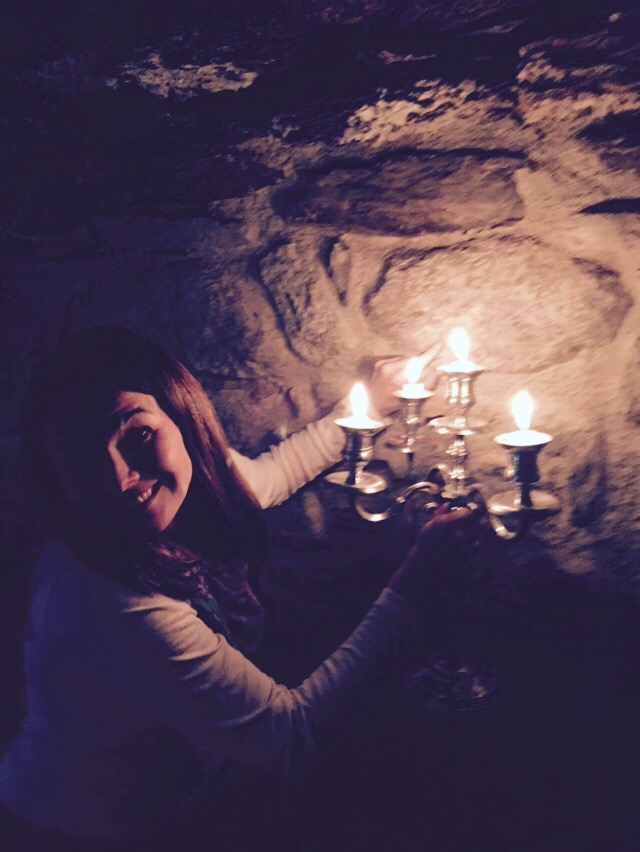
Some of our followers may know that I have a good friend who lives in Geneva, though his job requires him to spend much of his time travelling the world and he spends his time playing in the mountains of Chamonix. We figured we had a fifty-fifty shot we would be able to cross paths and happily we were able to do so.  Our evenings in Chamonix were a wonderful time to catch up over good food and conversation and we are very appreciative of his exceptional hospitality! The first night we hit a local spot for a good, light wine and a wonderful fondue. Unfortunately, our excitement and loud North American voices resulted in an annoyed woman at the next table basically asking us in French to “shush” us as she “couldn’t hear herself think.” While he was gracious to the cranky old lady,  he and I both wondered – in retrospect – if the screaming child two tables over was also given the same lecture.  Following dinner we enjoyed a few cocktails by the light of a candelabra in le Cave, a cool stone hideaway inside a local bar down the street. No, nothing caught on fire while we were there.

The second night, we were fortunate to be included in dinner with a collection of his local friends, who were all so very gracious and welcoming to us over pizza and a suspiciously frothy red table wine. We learned a lot more about local life in Chamonix and the history of the British in the region, as many were Brits themselves. I, having seemingly lived a sheltered life suddenly, was also was introduced to a couple of delicious after dinner delights – a Grappa, which is made from the fleshy pulp of the grapes which are extracted during the wine making process and then fermented and Genepi, which is basically like absinthe and both were quite delicious. Mind you, if you Google “Genepi” (or Genepy in French), you might also learn that this word is also used to refer to alpine plants of the genus Artemisia (otherwise known as wormwood) that provides the liquer’s flavour, colour and effect.

Our days were spent exploring the hotel and “town”. In fact, while leaving the hotel on our second day I found a set of car keys to a Mercedes and a passport. We turned these into the front desk without a second thought. While relaxing before dinner we were greeted by a knock at our hotel room door and a bellman arrived with a bottle of champagne and some treats “compliments of hotel mangement”. Did I mention how much we love the hotel? One day heavy rain turned to snow so we enjoyed a much needed lazy morning at the hotel before venturing out to wander the downtown streets, do a little shopping and hit up another “geological hotspot” – the museum of minerals, which no surprise to me, our local friends had never heard of. Astrid was giddy!

The only downside to our timing with visiting in inter season is that many hiking trails and some of the most beautiful gorges in France  were not yet open and a few things like the glacier cave and some other lifts were not open for us to explore. What this leg of the trip has done, has opened our eyes to one of the most beautiful places and now we have a starter list for our next visit. Hopefully our friends will keep the Genepy ready for our return. 

C

Astrid and Seth pouring over the Vertical Kilometre

Cecily and Seth on the quiet evening streets of CHX

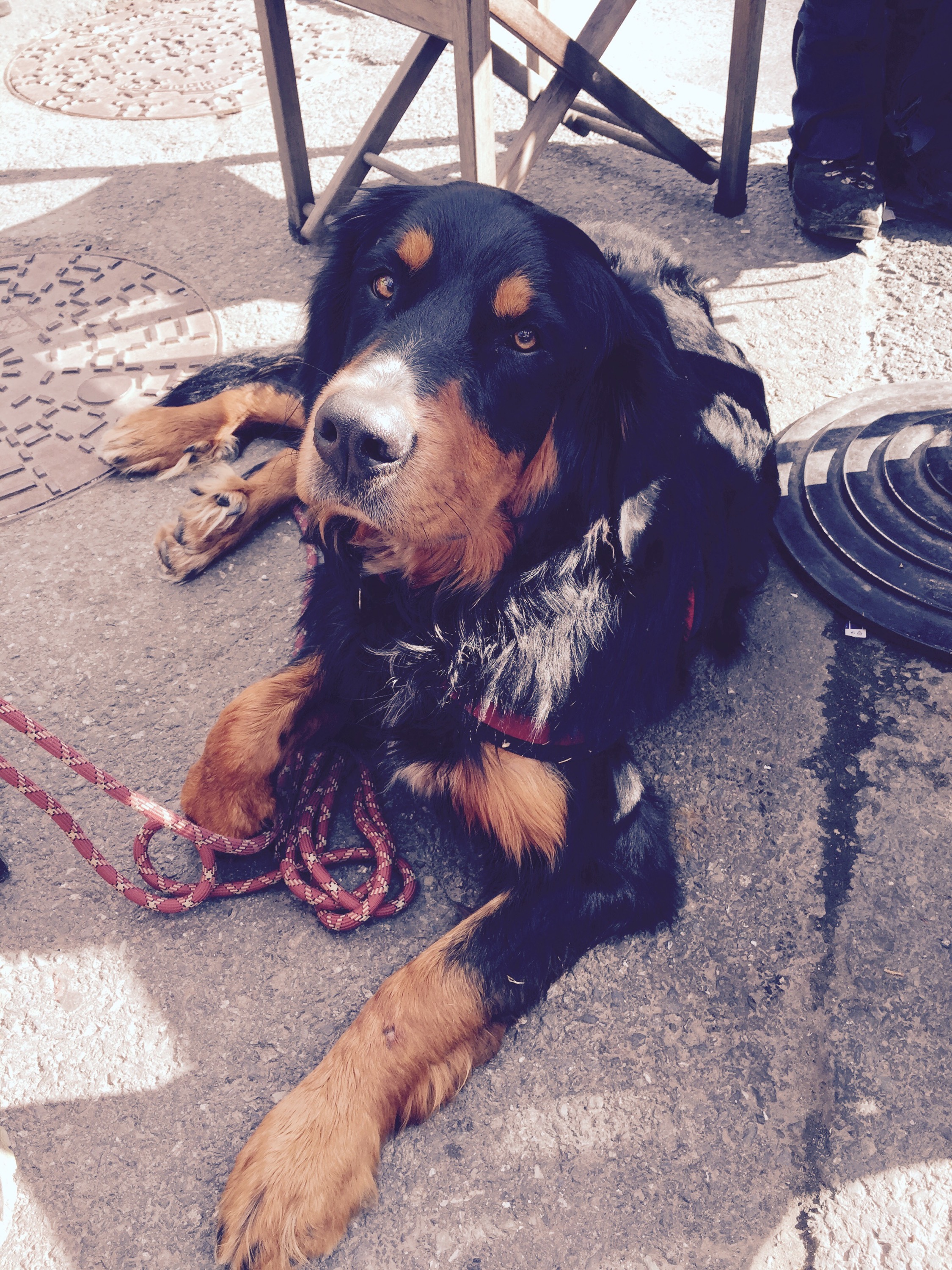
My new bestie Samson post his 23km run

Imagine back to the early days

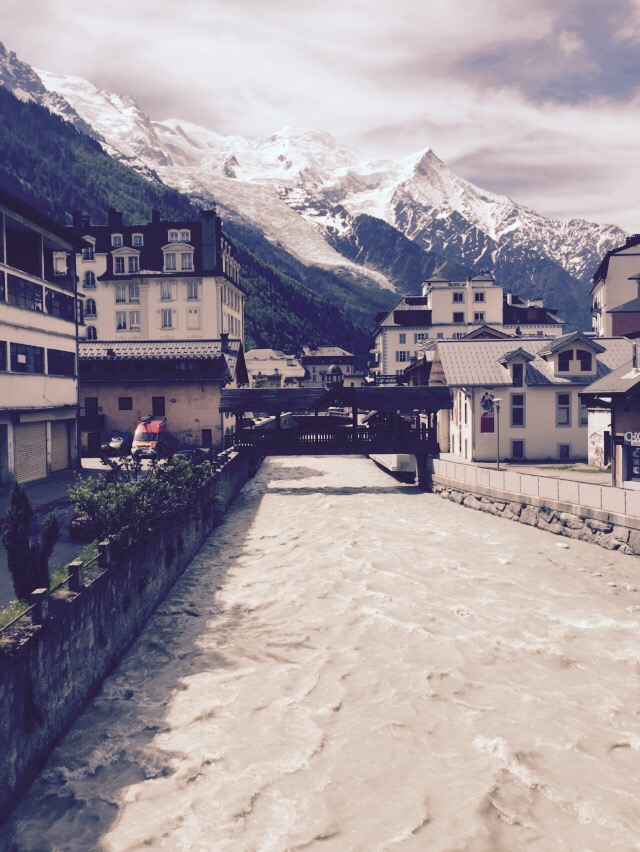
Rivers are running as spring sets in

le dru

le dru

mer de glace

historic shot of mer de glace (see shot above). Imagine that!

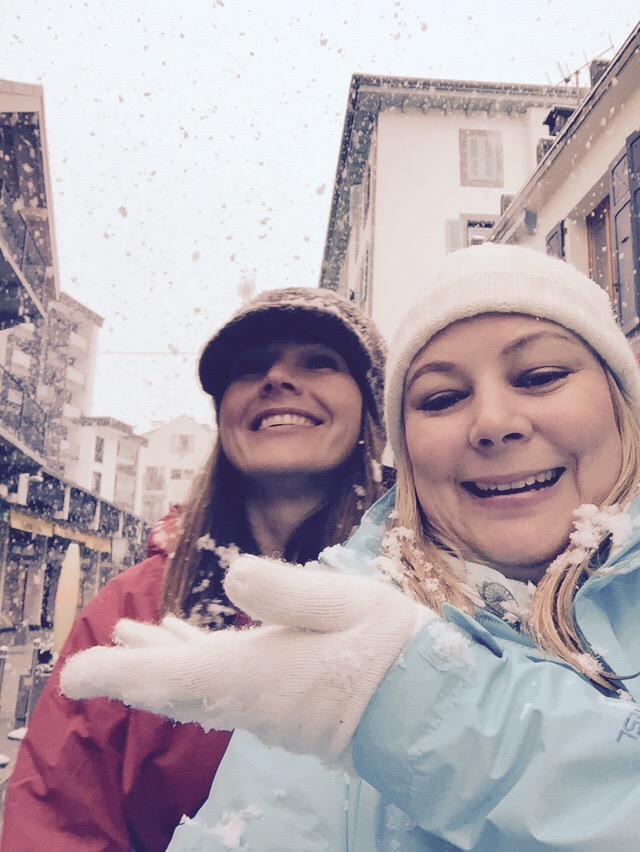
Catching snowflakes on a May afternoon

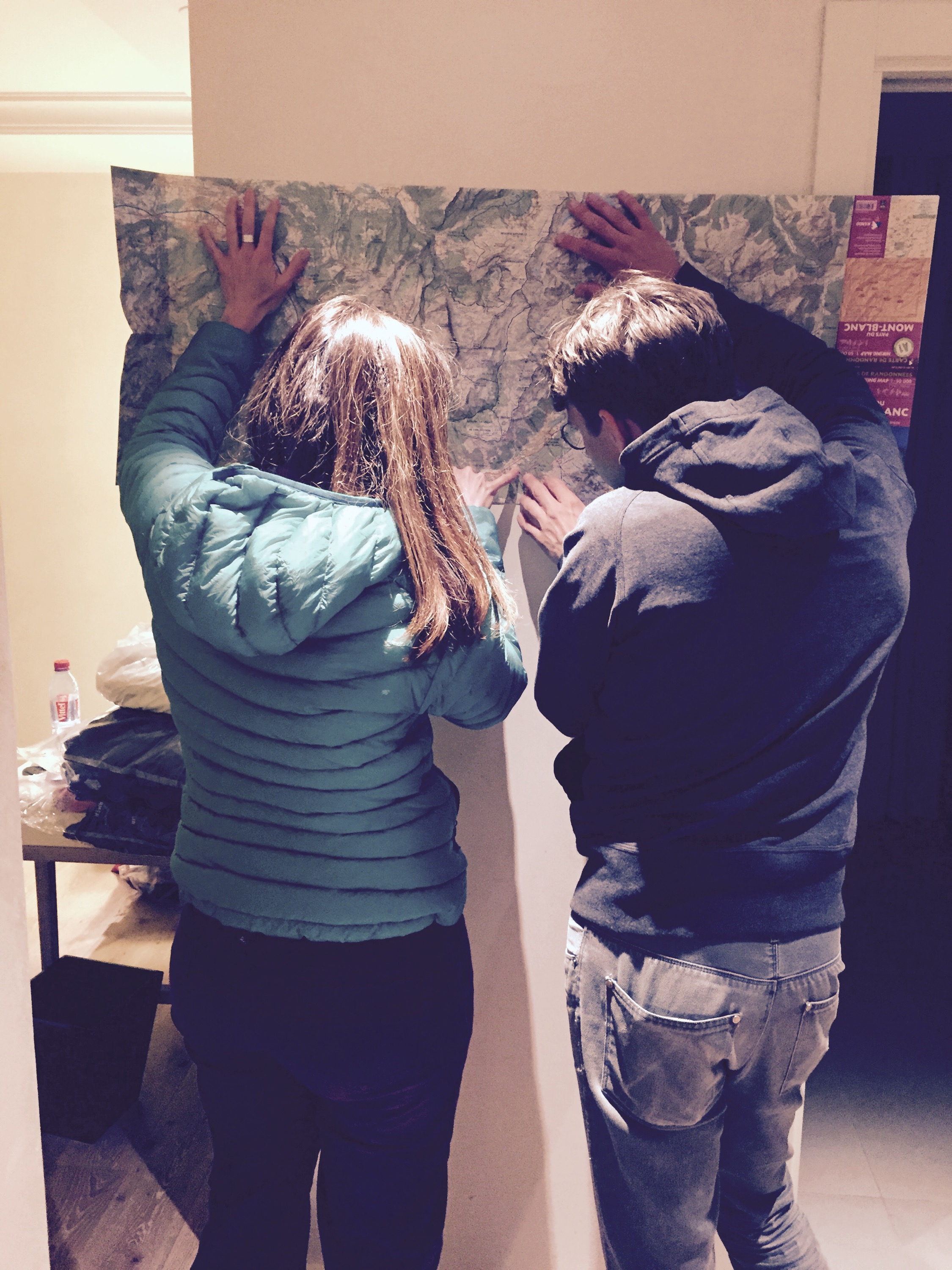
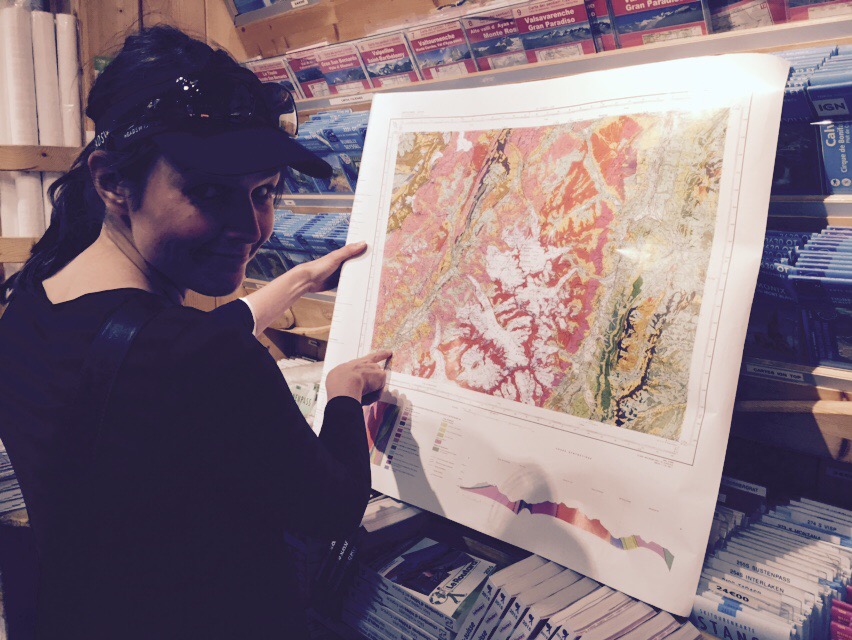
Of course we went to the map store

What to do when it snows? Museumn of Minerals!

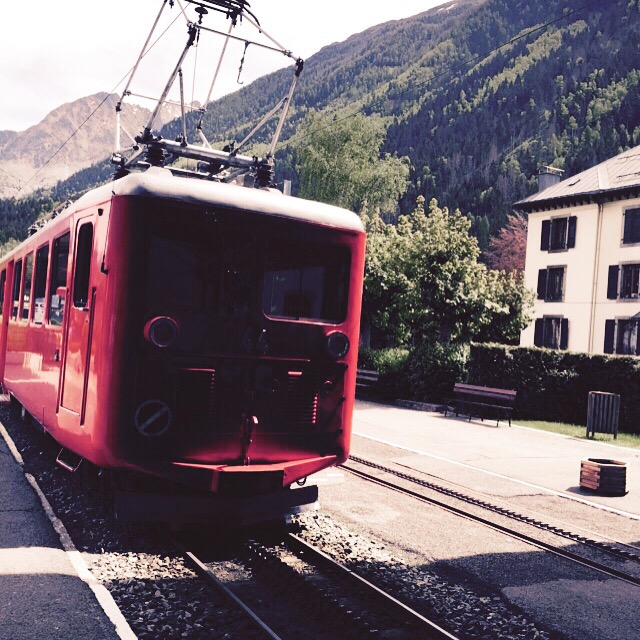
Train the took us up to mer de glace

Astrid trying desperately to look at a mineral in the wall at le cave.


On the top of aiguille de midi

Mont Blanc

Where boys eat cheeseburgers after a casual 23km run

Where the mushroom fondue is excellent and Canadians are “shushed”

Venue of our lovely dinner with our new local friends


Chamonix train station


Sardines in the gondola up to the midi


Leave a comment

Notre Dame … You know – where the hunchback lives

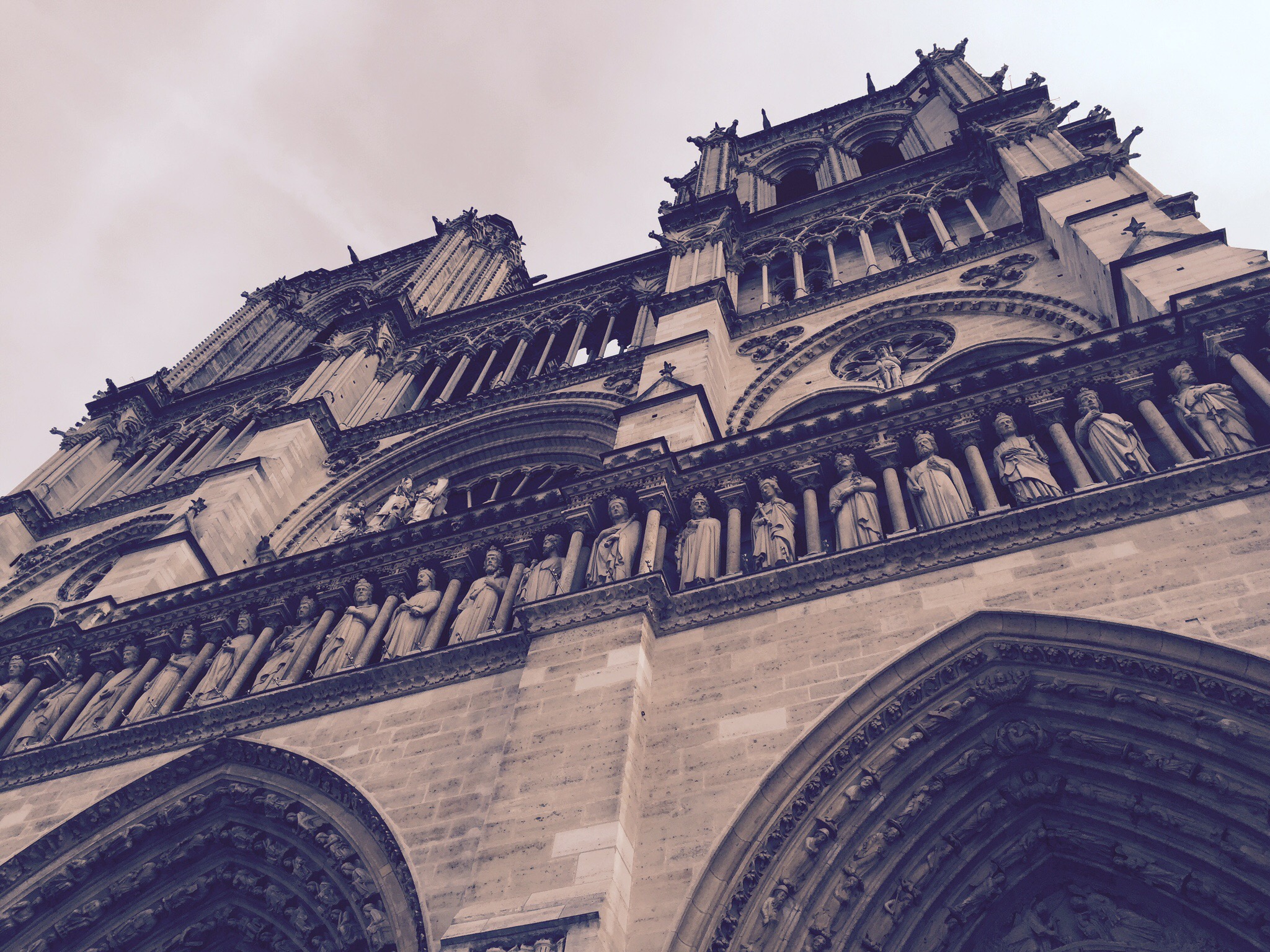
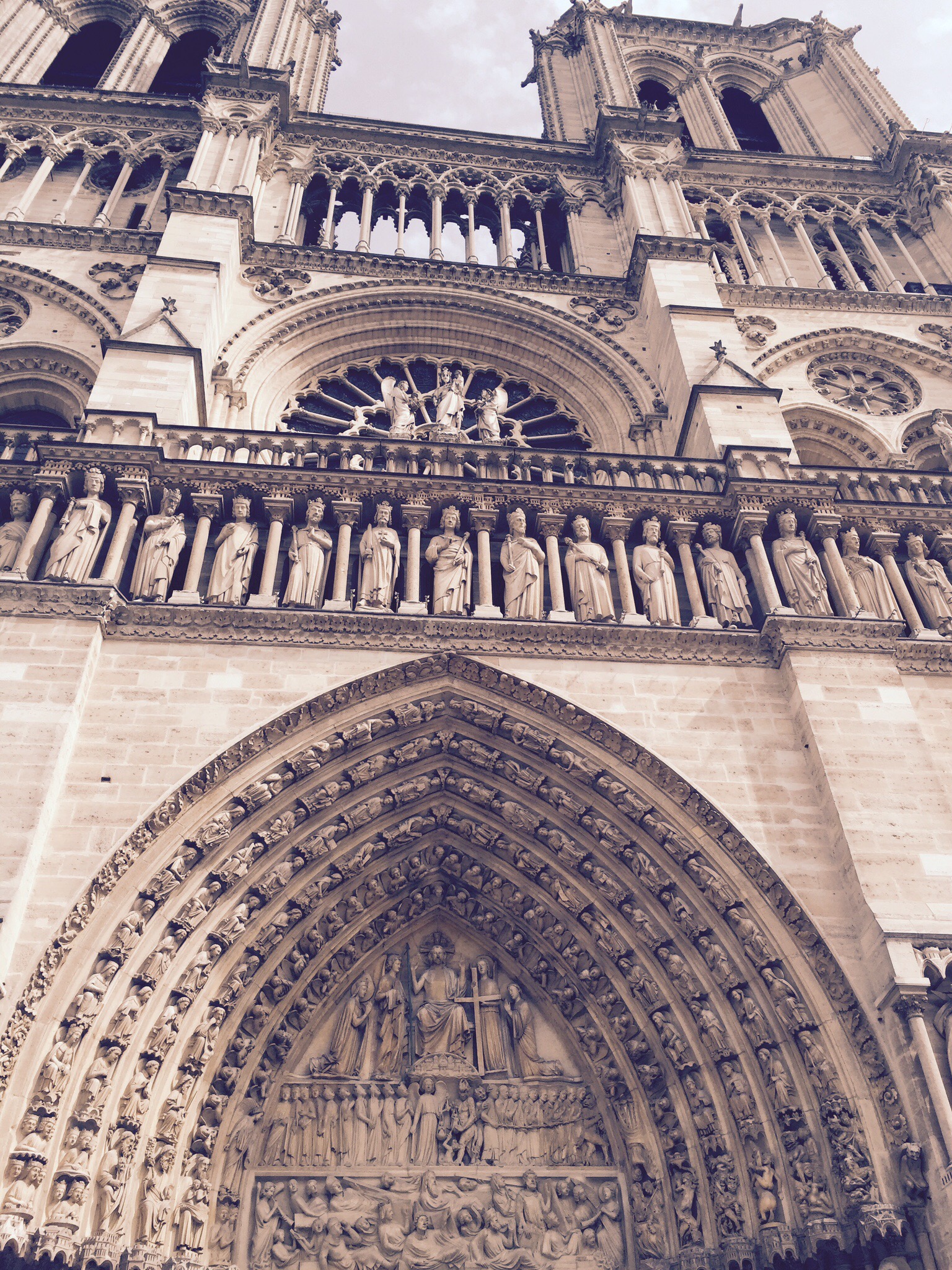
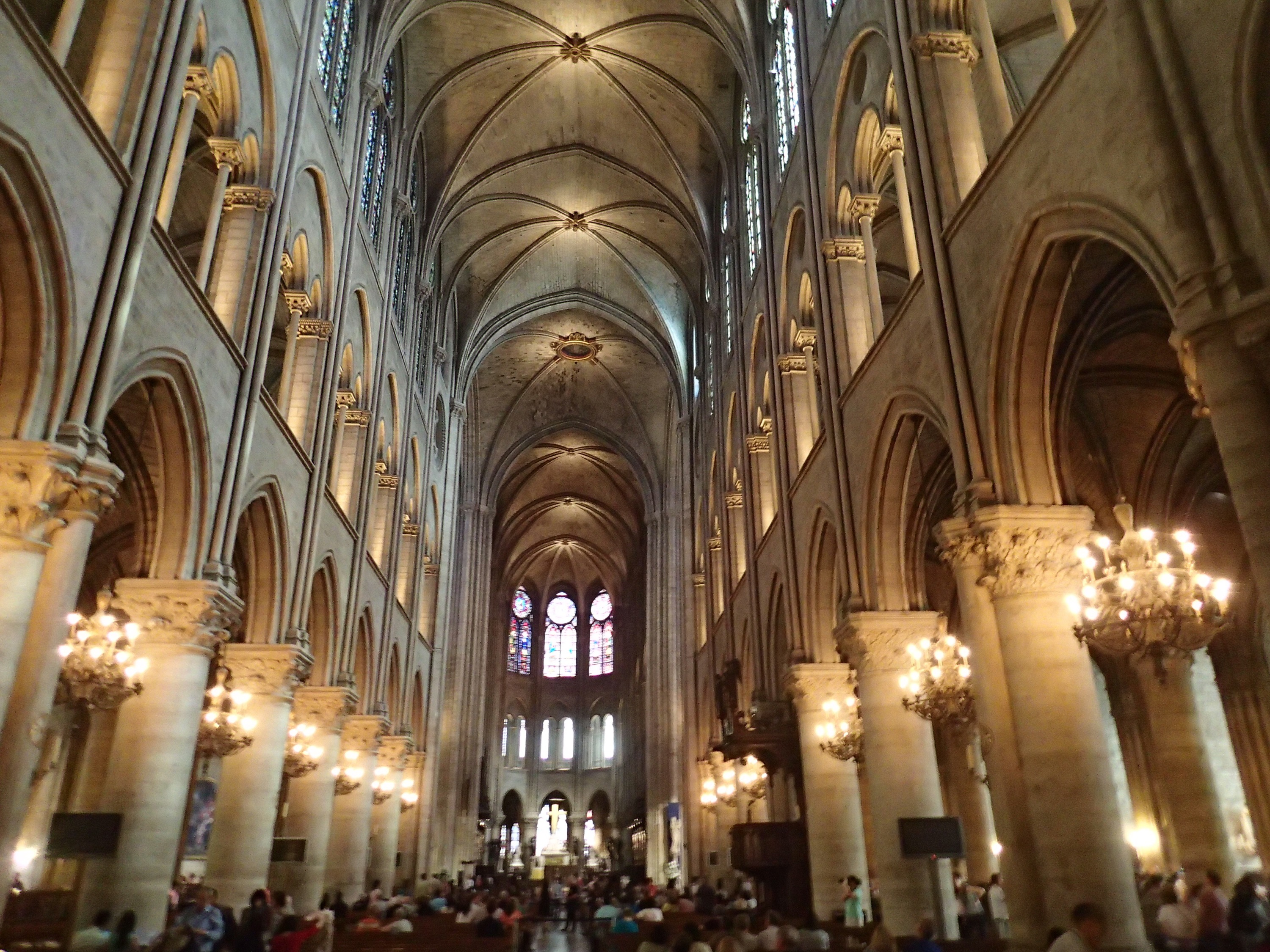
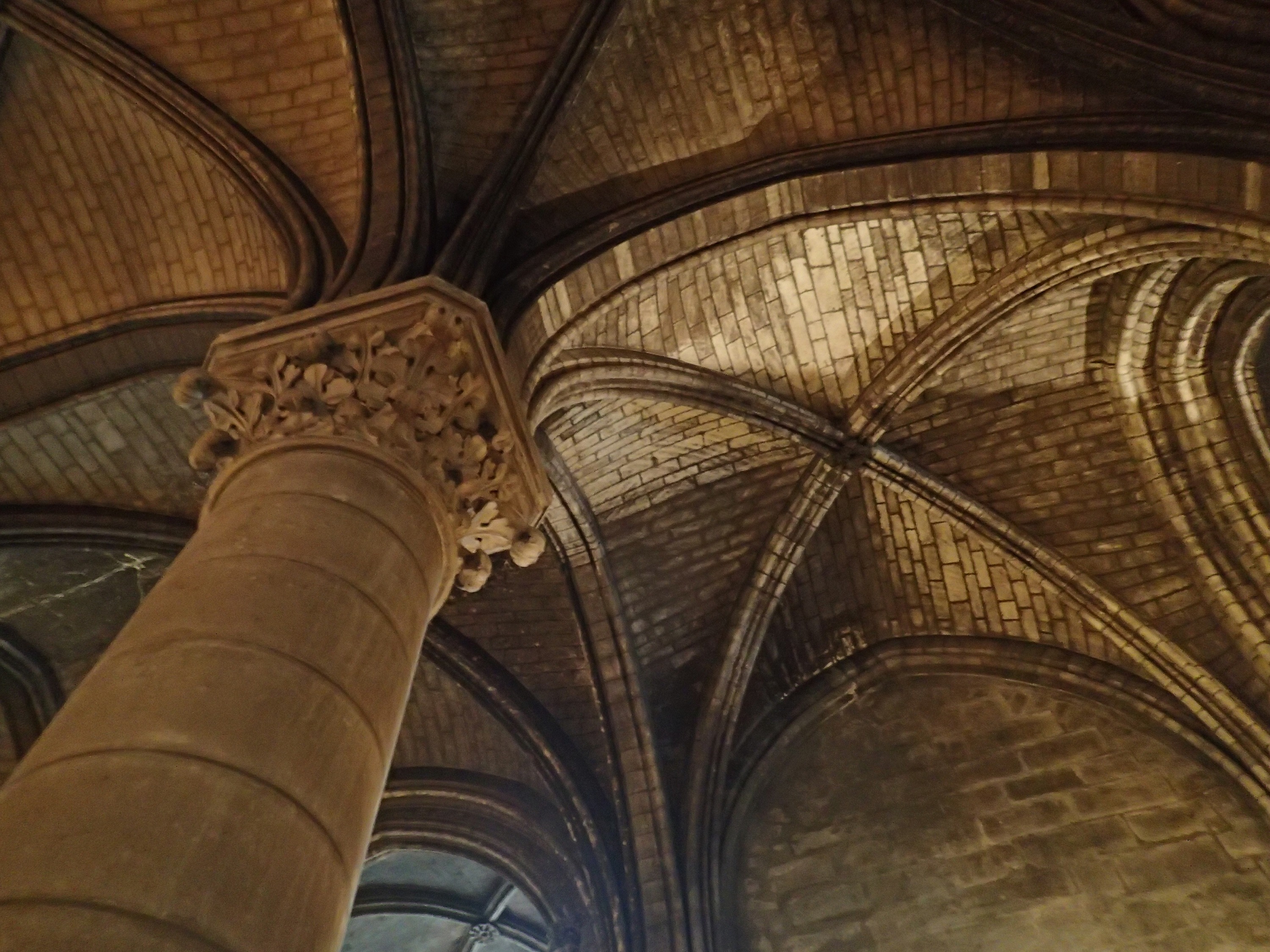
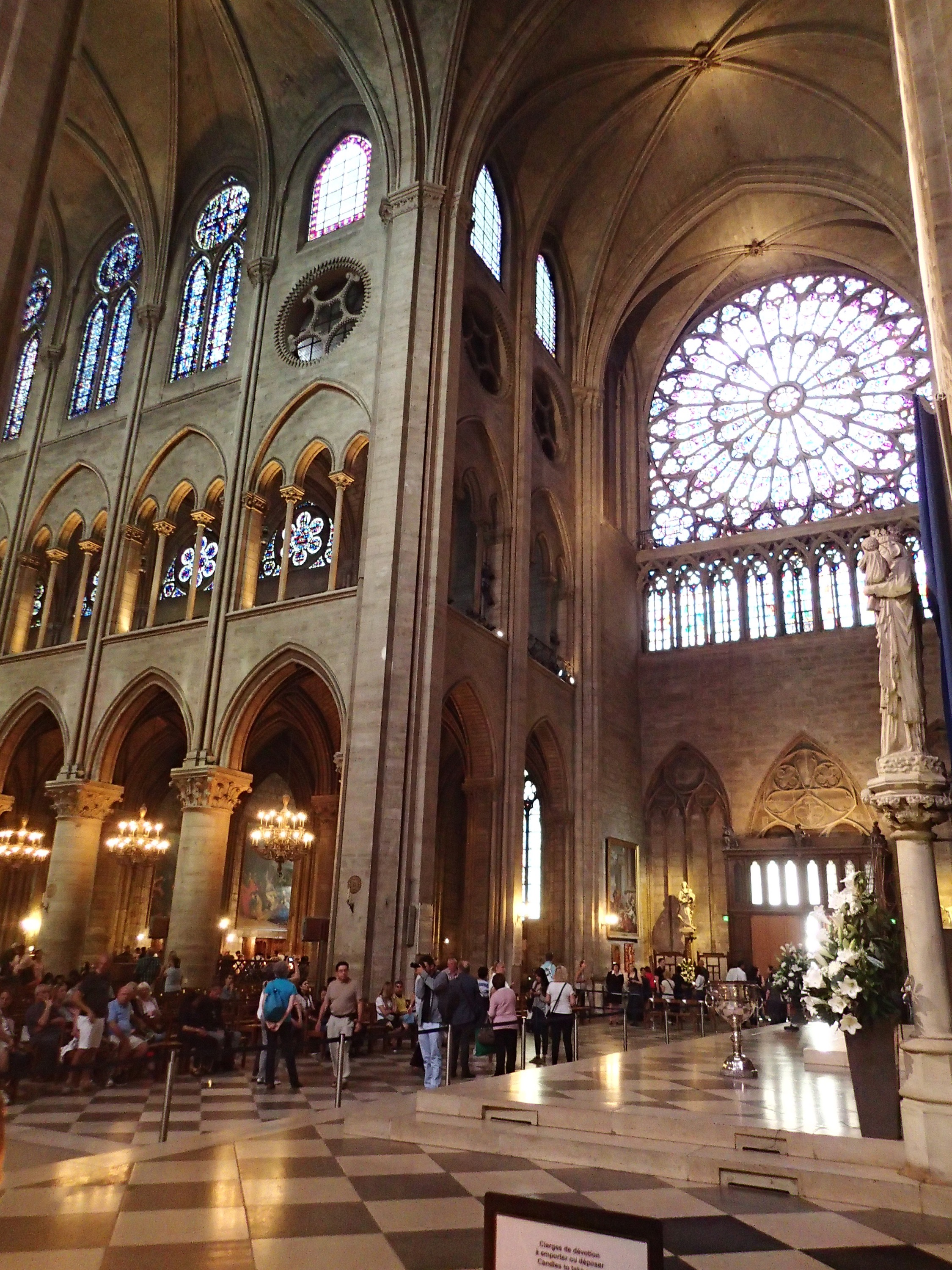
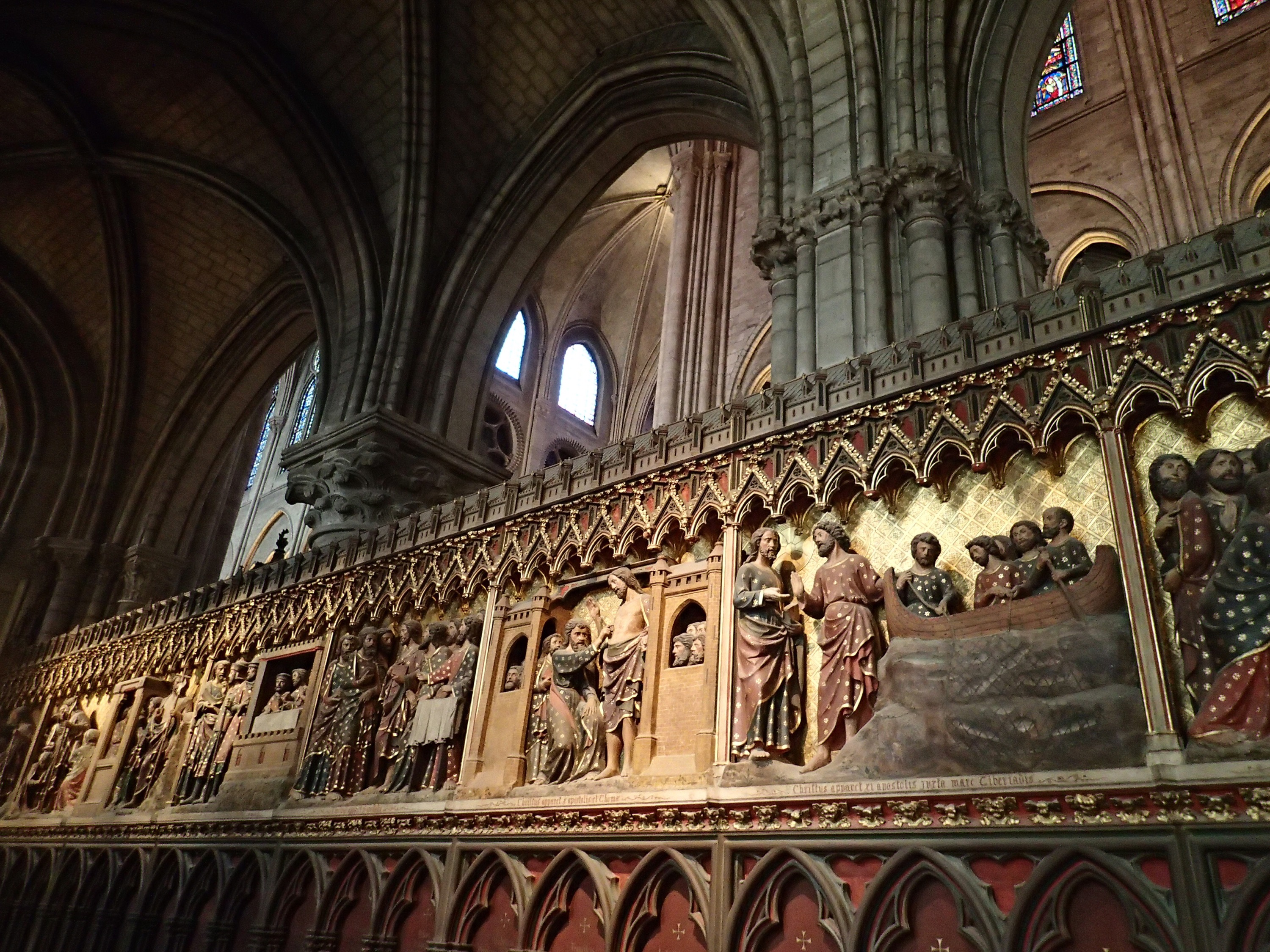
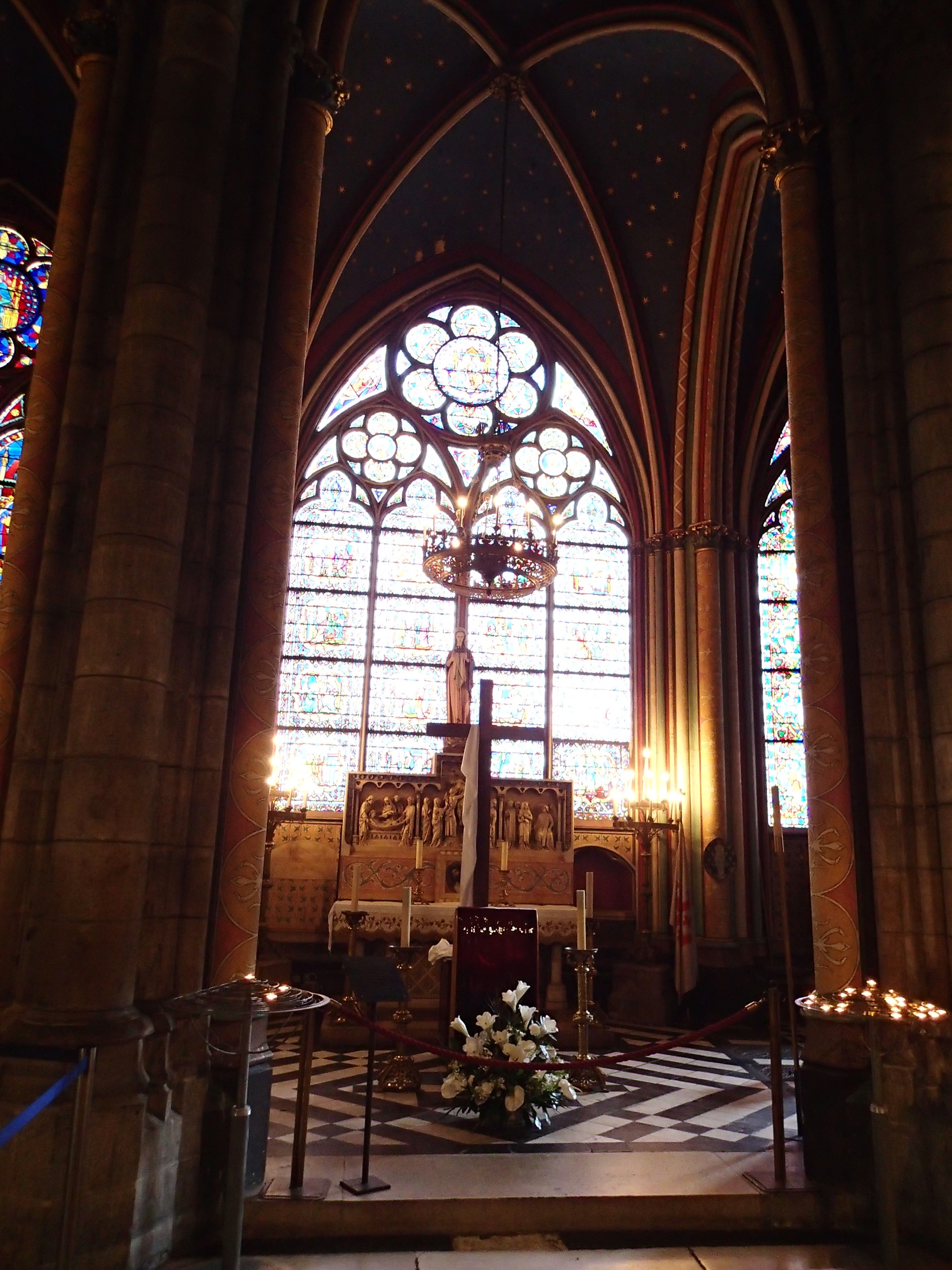
Cathedrale Notre-Dame or Notre Dame de Paris (Our lady of Paris) is widely considered to be the worlds finest example of French Gothic Architecture.  Construction started in 1163 (see Paris Stone for more info on the building stone) and it was completed in 1345. There have been numerous additions, modifications and restorations over the centuries and so in reality they have been working on this Cathedral for over 850 years.  It should therefore be no surprise the detail and craftmenship take your breath away. 

This Roman Catholic Cathedral was made famous with Victor Hugo’s book ‘The Hunchback of Notre Dame’ in 1831.  The Cathedral was the main character of the book as Hugo wanted to bring attention to the disrepair the church had fallen into after being desecrated during the French Revolution in the 1790s.  The popularity of the book pushed to have the Cathedral restored and in 1845 work began.

Some stained glass windows were destroyed by stray bullets during WWII but for the most part, Paris remained intact.  The story goes that Hitler had one of his best generals in charge of destroying Paris … but, the general had fallen in love with the city.  All the monuments and historic buildings had explosives attached (including the Eiffel Tower which was set to fall across the Seine and block the river) but when the time came to destroy them – he just couldn’t do it.


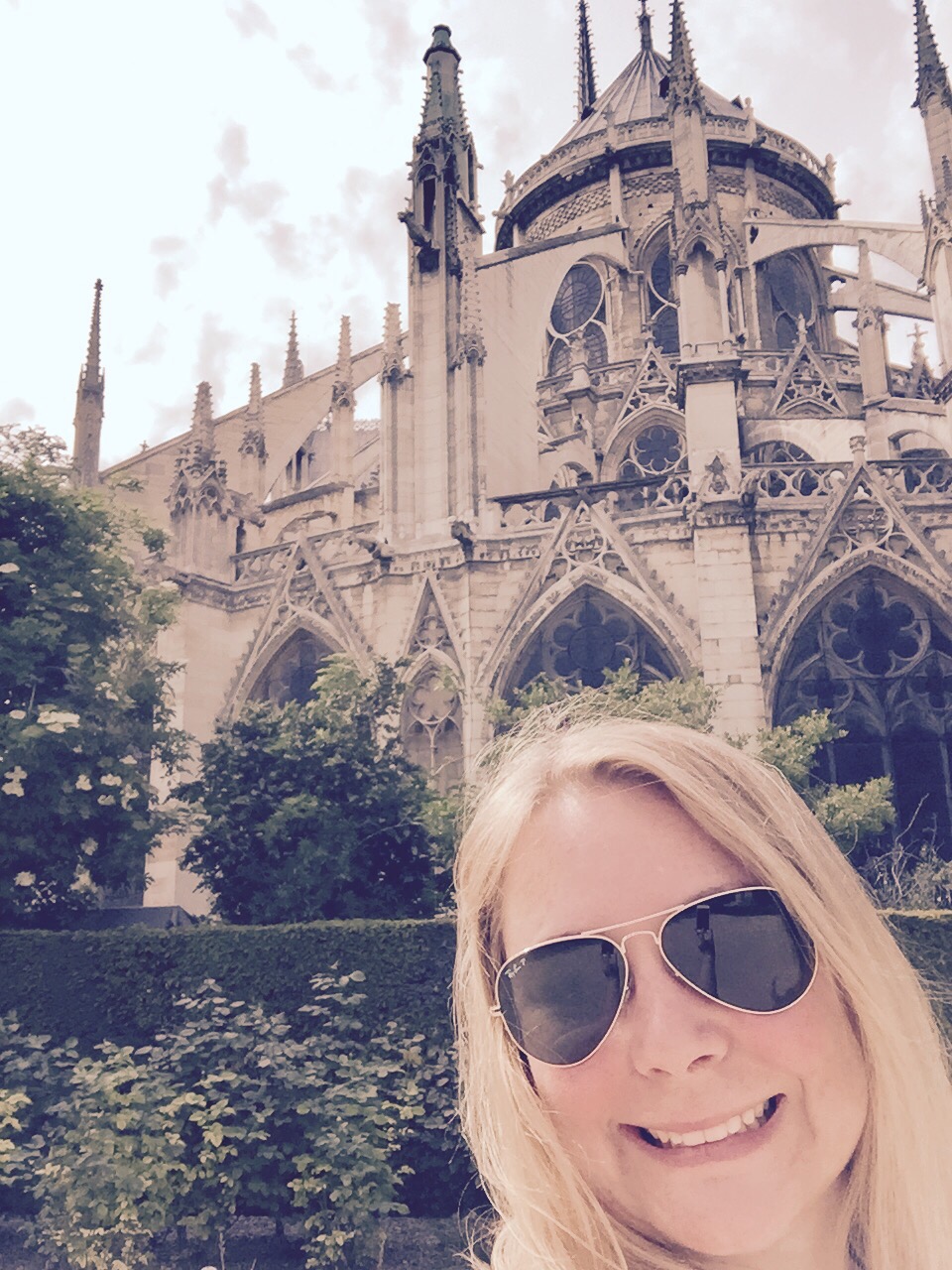
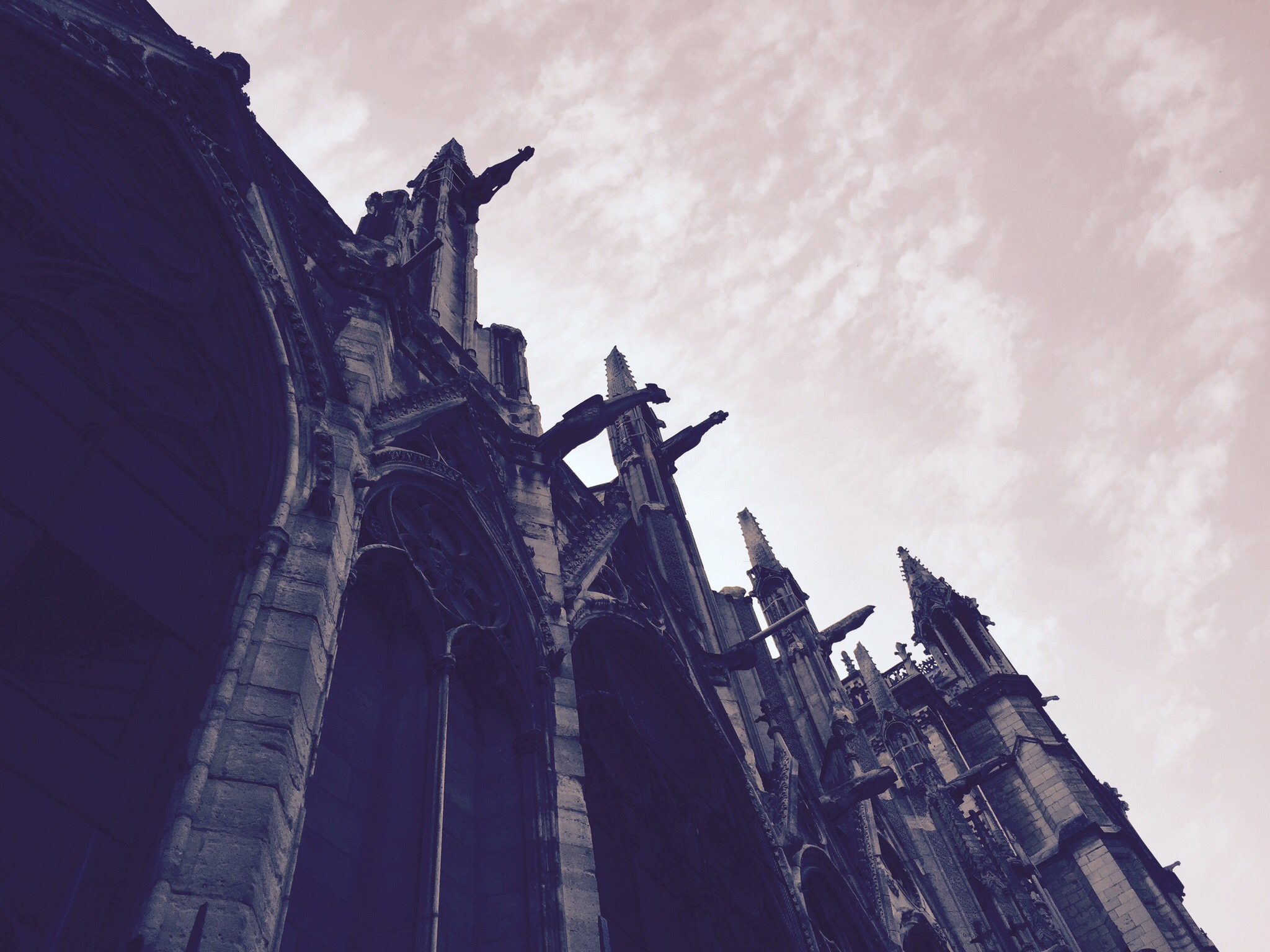
When you think of Gothic Architecture, you think of the flying buttresses ( which supported the structure from the outside allowing for vaulted ceilings and high windows in the inside)


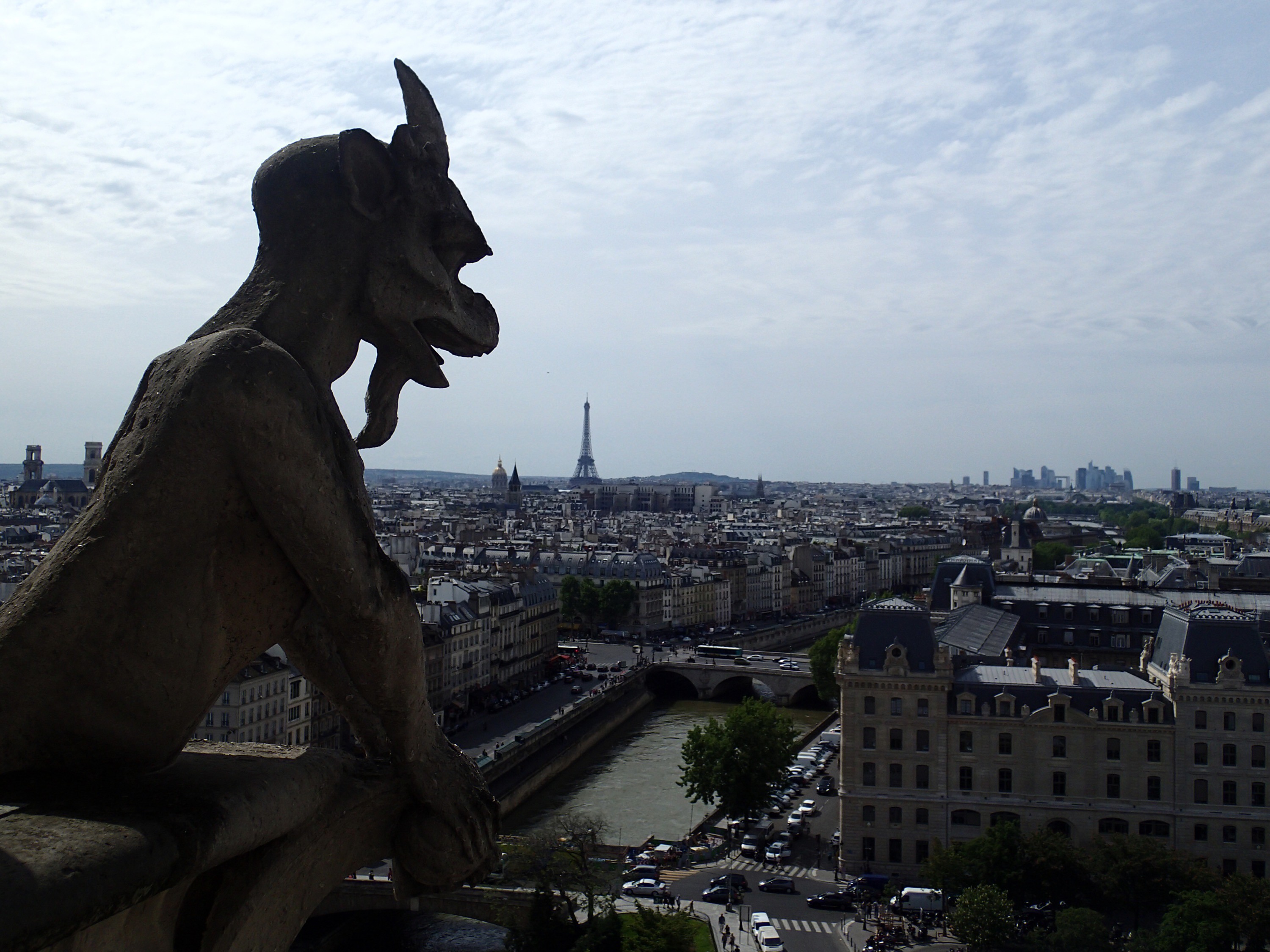
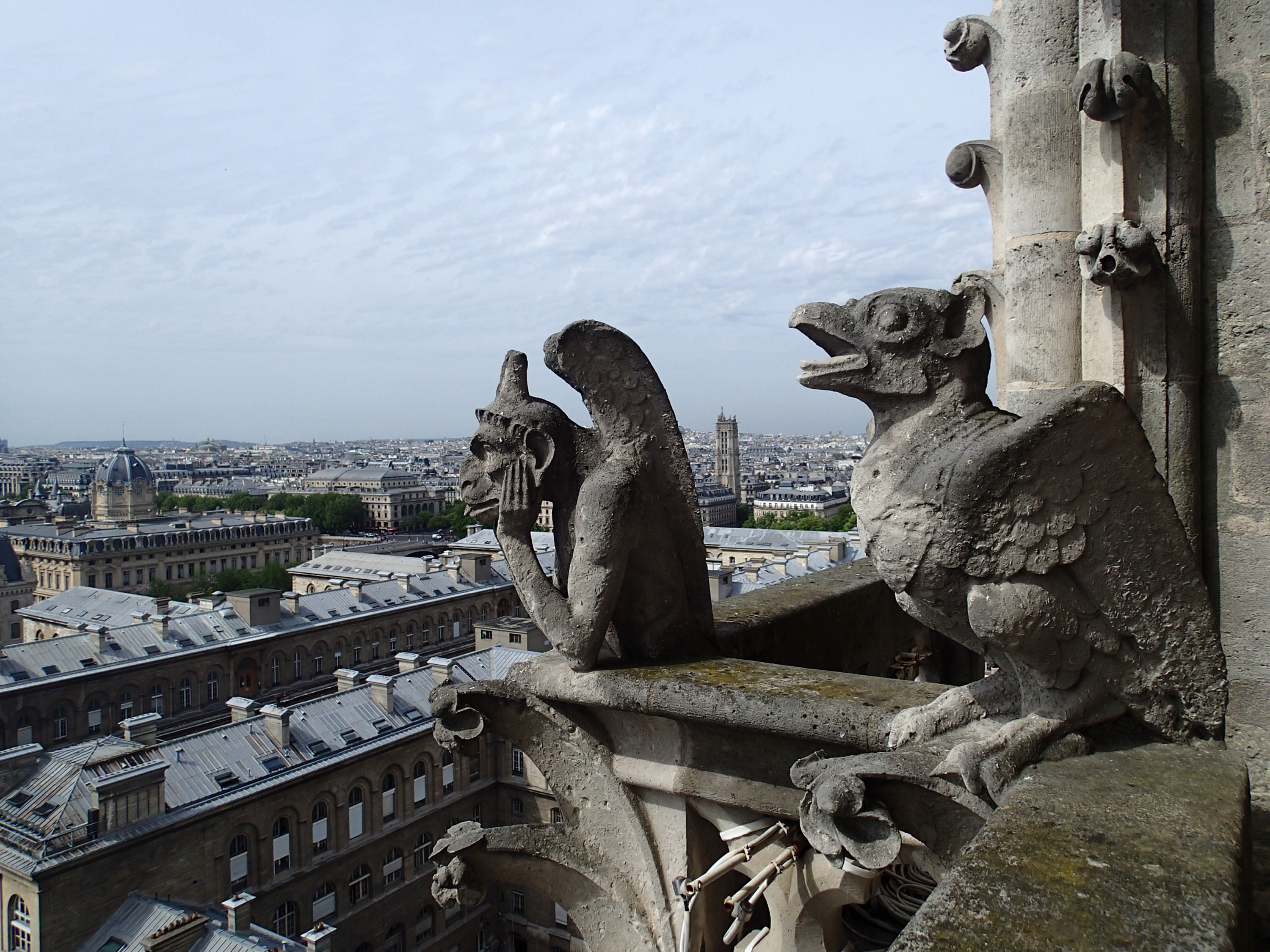
Some of the Gargoyles , which are really just fancy water spouts


You can get up close and personal with the chimeras when you clumb the tower


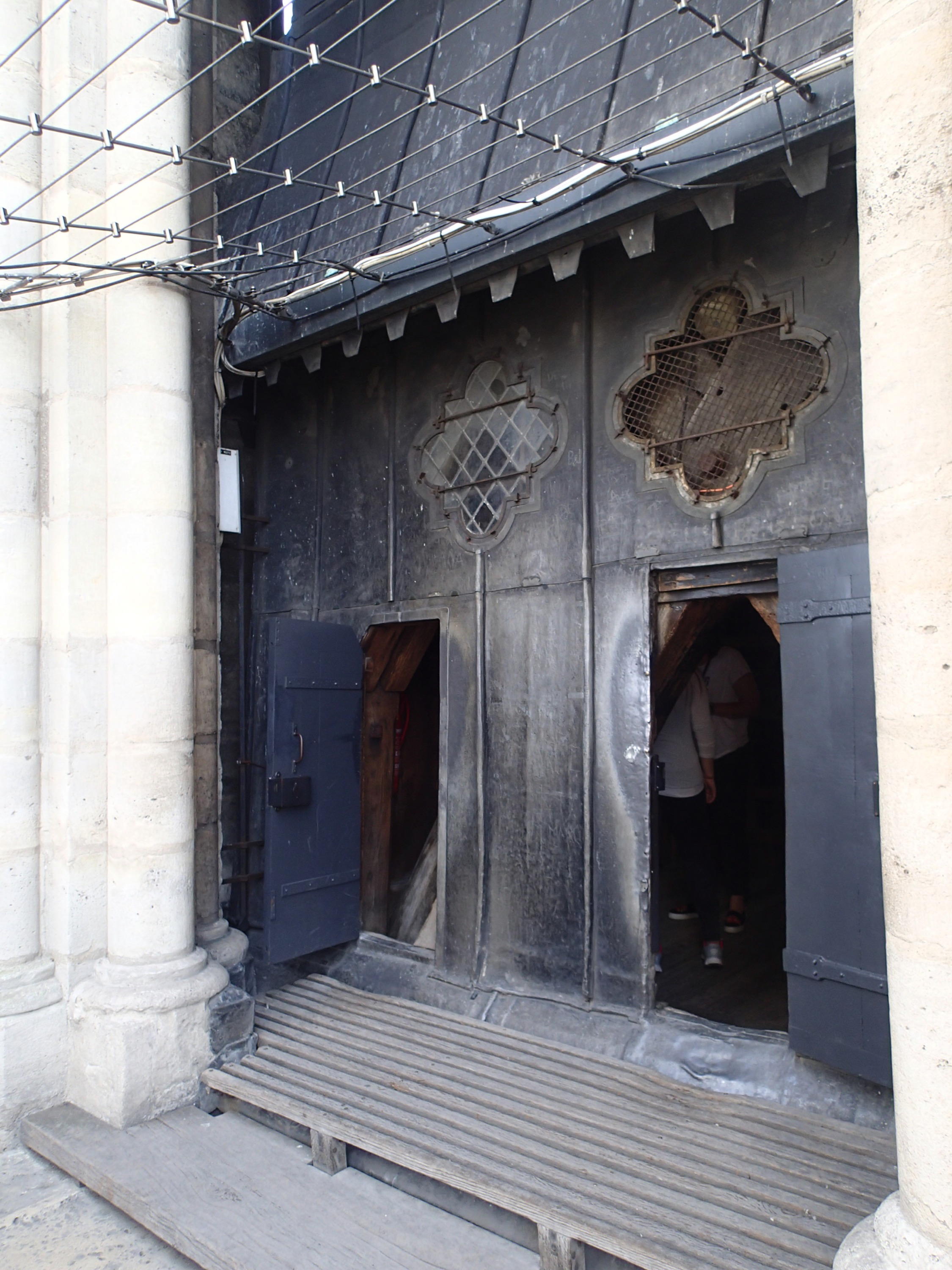
The entrance to the Bell Tower


No shortage of people posing as Quasimodo with the bell


Huge Gothic arches over the nave


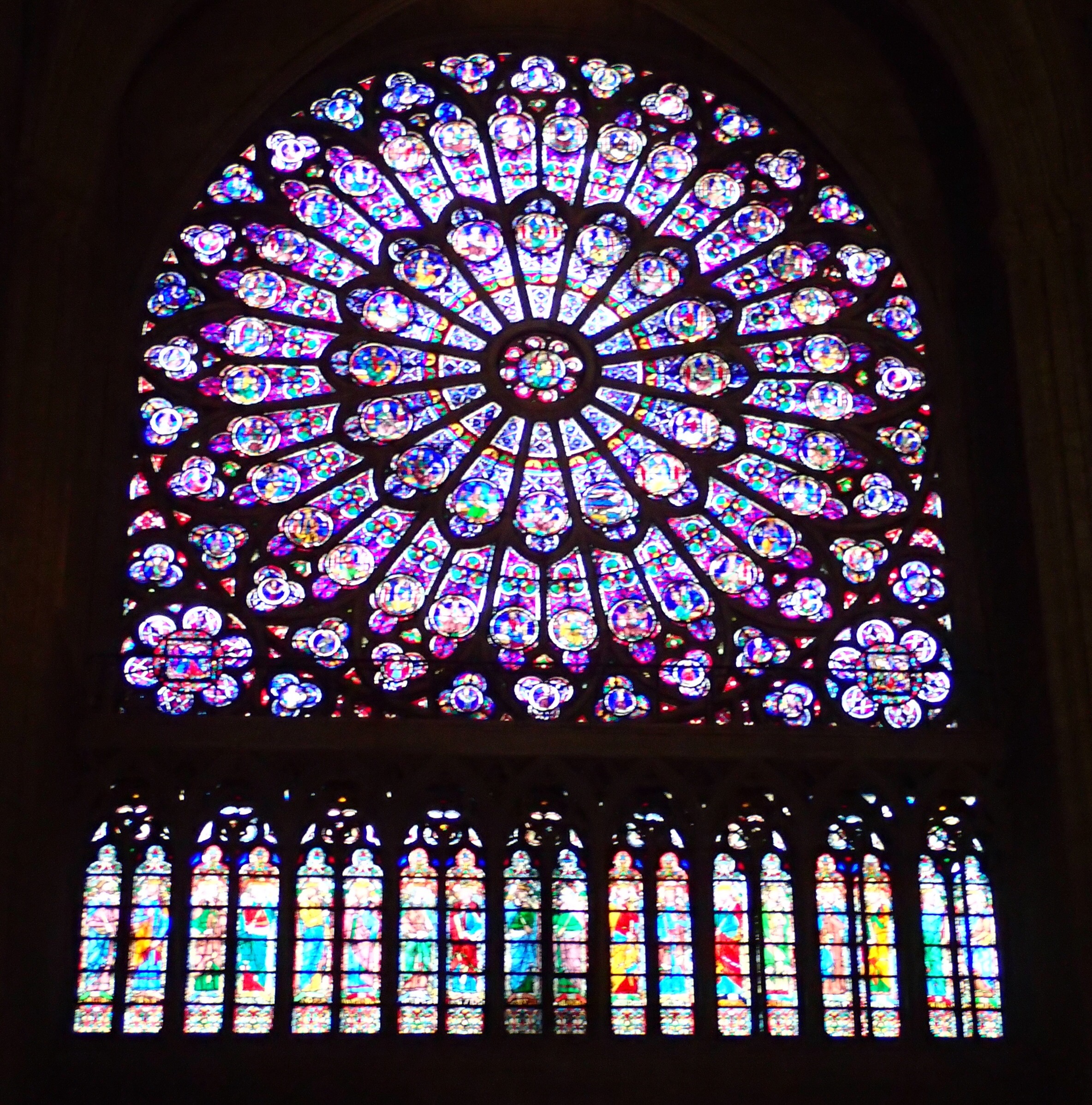
An original Rose window with it’s medeval stained glass. Some of the stained glass windows were enlarged during the 1845 restoration and the original glass was replaced.


The stained glass in the top left has a geometric pattern – this was the glass replaced after WWII


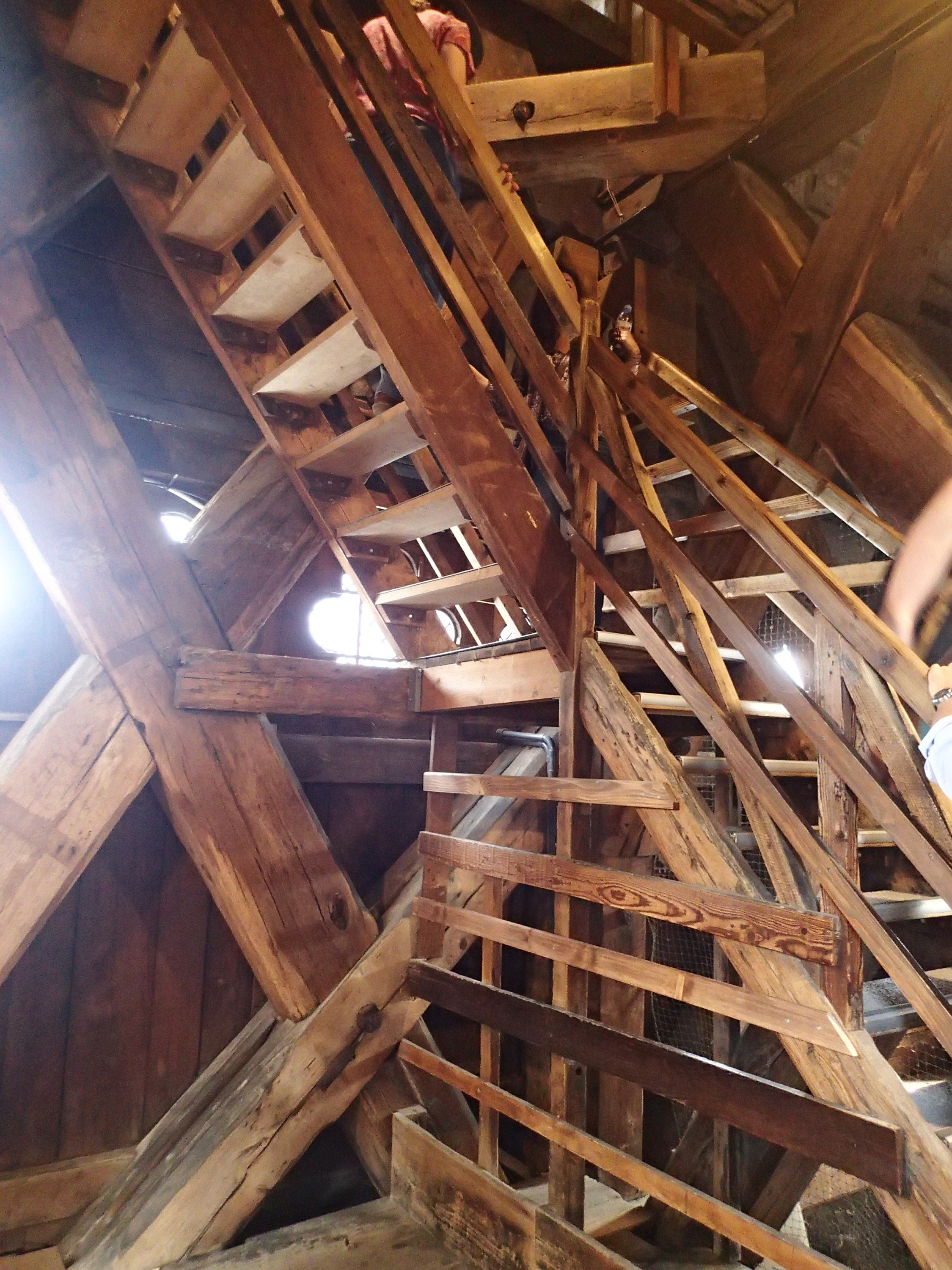
The steps coming down from the tower