We had some trouble with wifi during our time in Florence so we fell behind on our blogging. Shockingly a 500 year old building – next to what once was a women’s prison (more on that later) had spotty coverage.
Tourism took over and we are now back to “real life” in Calgary. Not wanting to leave our audience mid-story, the rest of our trip will be blogged as quickly as we can get to it. Clearly, touring 3 countries in 23 days plus running a real-time blog was a bit ambitious.
Now, that we are back online, I am taking you back to Paris…
As you might imagine, there are endless museum choices throughout Paris and the Paris Museum Pass, while pricey, is your best friend for line hopping. Before we left, lots of advice and suggestions were made about which museums were a “must see”. For Cecily, Musee d”Orsay and the Musee Rodin were top of this list. For Astrid, time spend in this historic Musee du Louvre was important. We also searched out Napoleon’s Tomb to begin the “I see dead people” Instagram series that tracked the various graves and tombs of significant people in European history who crossed our paths.
It would take hours to talk about each of these museums and this blog post – with lots of photos – is far too long as it is. Each museum offered amazing exhibits, and each had some “key works” that we wanted to see – like all the other tourists did – up close and personal. Here is a summary of those four- Musee du Louvre, Musee d’Orsay, Musee Rodin and Eglise du Dome Church at the Hotel des Invalides where Napolean’s tomb rests.
Musee de Louvre:
The Musee du Louvre apparently has one of the largest – and some might argue – most important art collections in the world. Its been around for centuries and it is fricken huge! There are more than 35,000 works of art displayed in this museum. Its history is long and complicated but the short version is that through the centuries kings and emperors all wanted to build upon and enlarge the space.
It seems it was Francois I that built the Renaissance style building and is also thought to have started the Louvre’s collection with 12 stolen italian works, including the Mona Lisa. Its glory days were in the 17th century (Louis XIV) who loved the arts and this is when works by Leonardo da Vinci, Raphael and Titian were added. Even Napoleon – known for the worst eye for art of any French leader in history – also added to the collection that was looted during his years of victory. In recent years a glass pyramid structure was built to serve as the entrance to the museum (photos below), which apparently and unsurprising became quite controversial.
For us, knowing it was more than we could ever see in one trip – and knowing about 30,000 visit the galleries each day – we make a napkin list of highlights and set forth.
The Portrait of the Mona Lisa – the word on the street is that it is tiny and, yes, that is true, but it was larger than I expected. You always hear it is the size of a postage stamp. I’d say its more like the size of a small poster. What is truly unfortunate about seeing her is the crowd. There are so many people crowded around that the routine is basically politely (we are Canadian after all) shove your way through the hoards of people until you are close enough to the exhibit, take your selfie and then quickly admire this classic painting before someone shoves you out-of-the-way. Photographs of such well-known works of art are also problematic because the art is often encased in a plexiglass because the general public cannot be trusted not to touch or otherwise attempt to destroy them. But, on the artistic bucket list, this one now has a check mark.
Venus de Milo – was found in 1820 on the Greek island of Milo and named on this island where it was discovered. According to our friends at Wikipedia – it is an ancient Greek statue and one of the most famous works of ancient Greek sculpture. Created sometime between 130 and 100 BC, it is believed to depict Aphrodite, the Greek goddess of love and beauty (Venus to the Romans). It is a marble sculpture, slightly larger than life-size at 203 cm (6 ft 8 in) high. The arms and original plinth were lost following its discovery. From an inscription that was on its plinth, it is thought to be the work of Alexandros of Antioch; earlier, it was mistakenly attributed to the master sculptor Praxiteles. It is currently on permanent display at the Louvre Museum in Paris.
Winged Victory of Samothrace – Likely my favourite of the three, perched atop a staircase and flooded in daylight, it is also called the Nike of Samothrace. It as described as a 2nd-century BC marble sculpture of the Greek goddess NIke (Victory). Since 1884, it has been prominently displayed at the Louvre and is one of the most celebrated sculptures in the world. As a side note, how many of you knew that Nike translated into “Victory” (other than Amy Tam-Naulty)….hands please? I thought so…
Wikipedia also tells us that The Winged Victory of Samothrace, discovered in 1863, is estimated to have been created around 200–190 BC. It is 8 feet (2.44 metres) high. It was created to not only honor the goddess, Nike, but to honor a sea battle. It conveys a sense of action and triumph as well as portraying artful flowing drapery, as though the goddess was descending to alight upon the prow of a ship. Modern excavations suggest that the Victory occupied a niche above a theater and also suggest it accompanied an altar that was within view of the ship monument of Demetrius I Poliorcetes (337–283 BC).
Rendered in grey and white Thasian and Parian marble, the figure originally formed part of the Samothrace temple complex dedicated to the Great gods, Megaloi Theoi. It stood on a rostral pedestal of gray marble from Lartos representing the prow of a ship (most likely a trihemiolia), and represents the goddess as she descends from the skies to the triumphant fleet. Before she lost her arms, which have never been recovered, Nike’s right arm is believed to have been raised, cupped round her mouth to deliver the shout of Victory. The work is notable for its convincing rendering of a pose where violent motion and sudden stillness meet, for its graceful balance and for the rendering of the figure’s draped garments, compellingly depicted as if rippling in a strong sea breeze. The statue’s outstretched right-wing is a symmetric plaster version of the original left one.
As with the arms, the figure’s head has never been found, but various other fragments have since been found: in 1950, a team led by Karl Lehmann unearthed the missing right hand of the Louvre’s Winged Victory. The fingerless hand had slid out of sight under a large rock, near where the statue had originally stood; on the return trip home, Dr Phyllis Williams Lehmann identified the tip of the Goddess’s ring finger and her thumb in a storage drawer at the Kunsthistorisches Museum, Vienna, where the second Winged Victory is displayed; the fragments have been reunited with the hand,[6] which is now in a glass case in theLouvre next to the podium on which the statue stands.
For more on the Louvre Museum, visit: http://www.louvre.fr/en

The interior courtyard of Musee du Louvre including the controversial pyramid
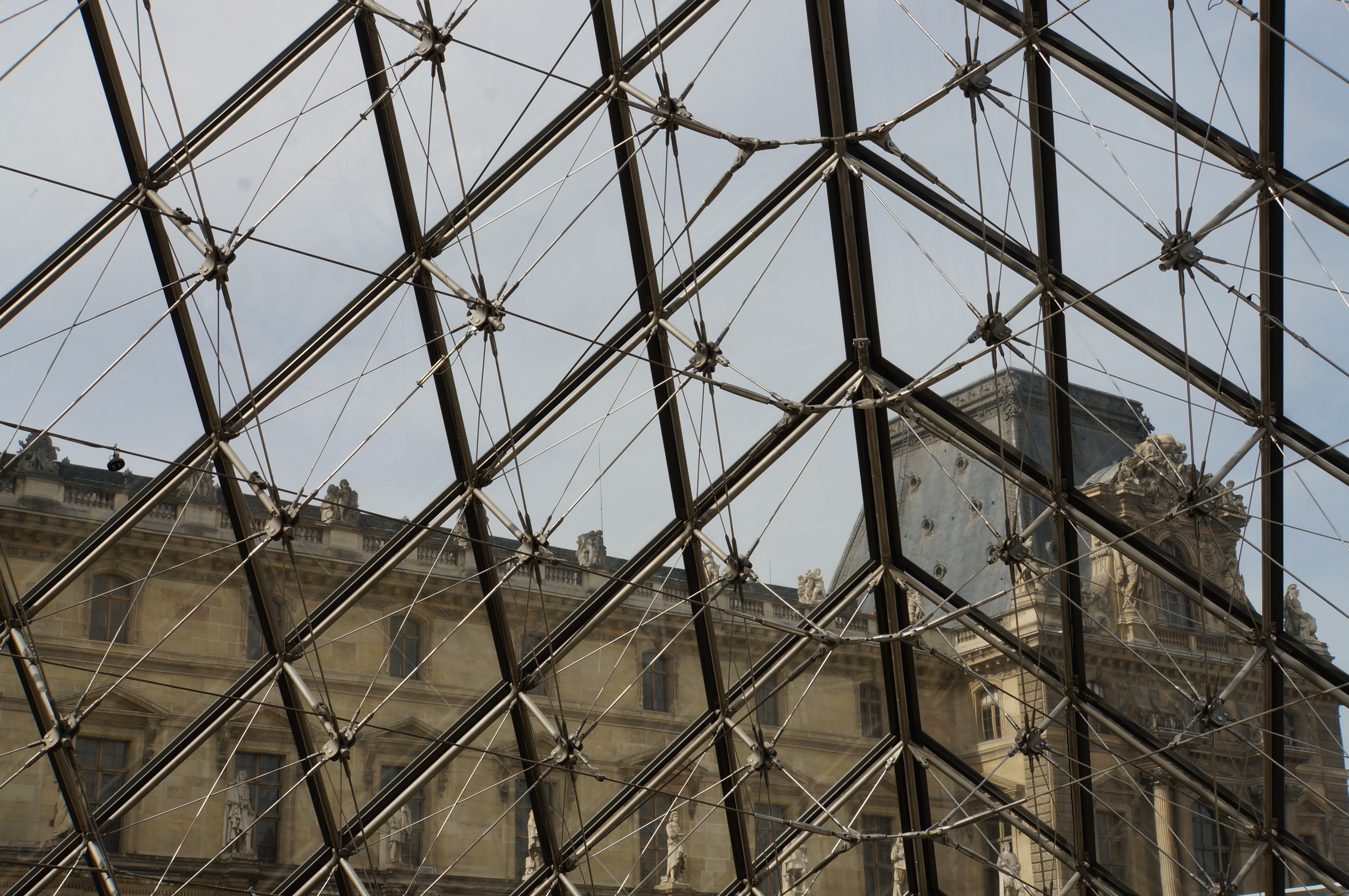
Inside looking out at Musee du Louvre
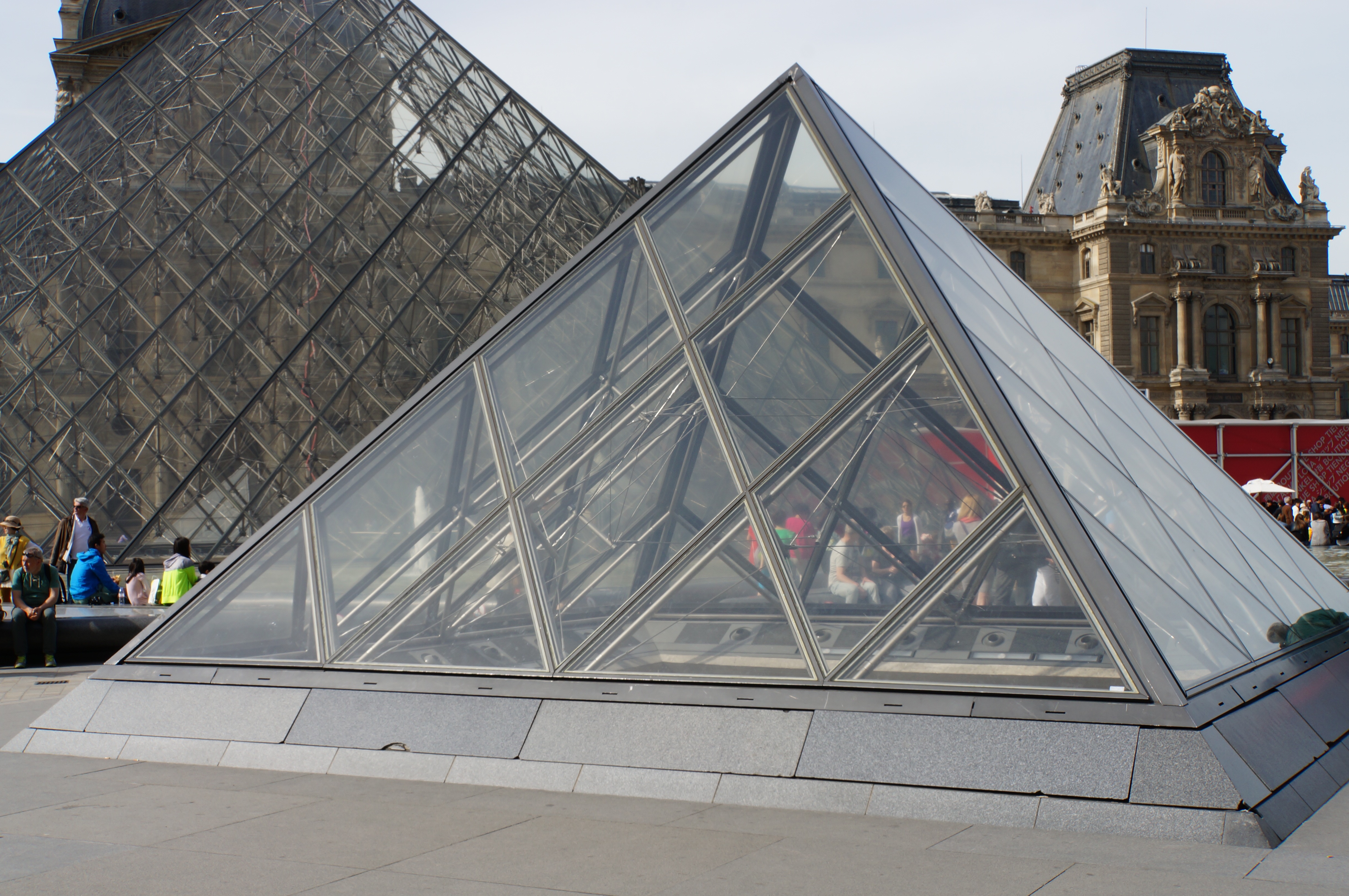
Up close – the controversial pyramid that is used as the entrance to the Louvre.

The controversial pyramid entrance at the Louvre – excited and ready to tackle the crowds
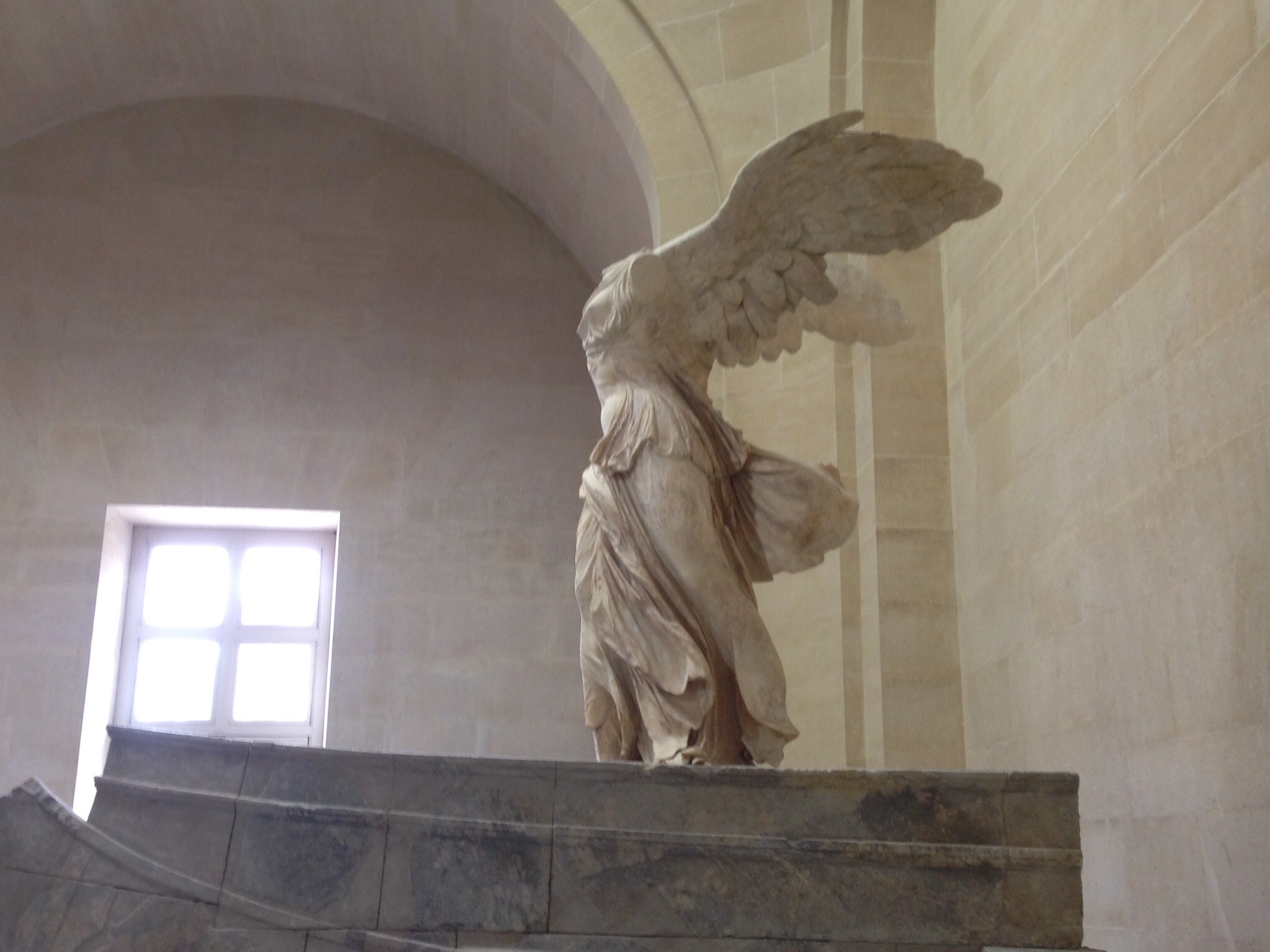 The Winged Victory of Samothrace
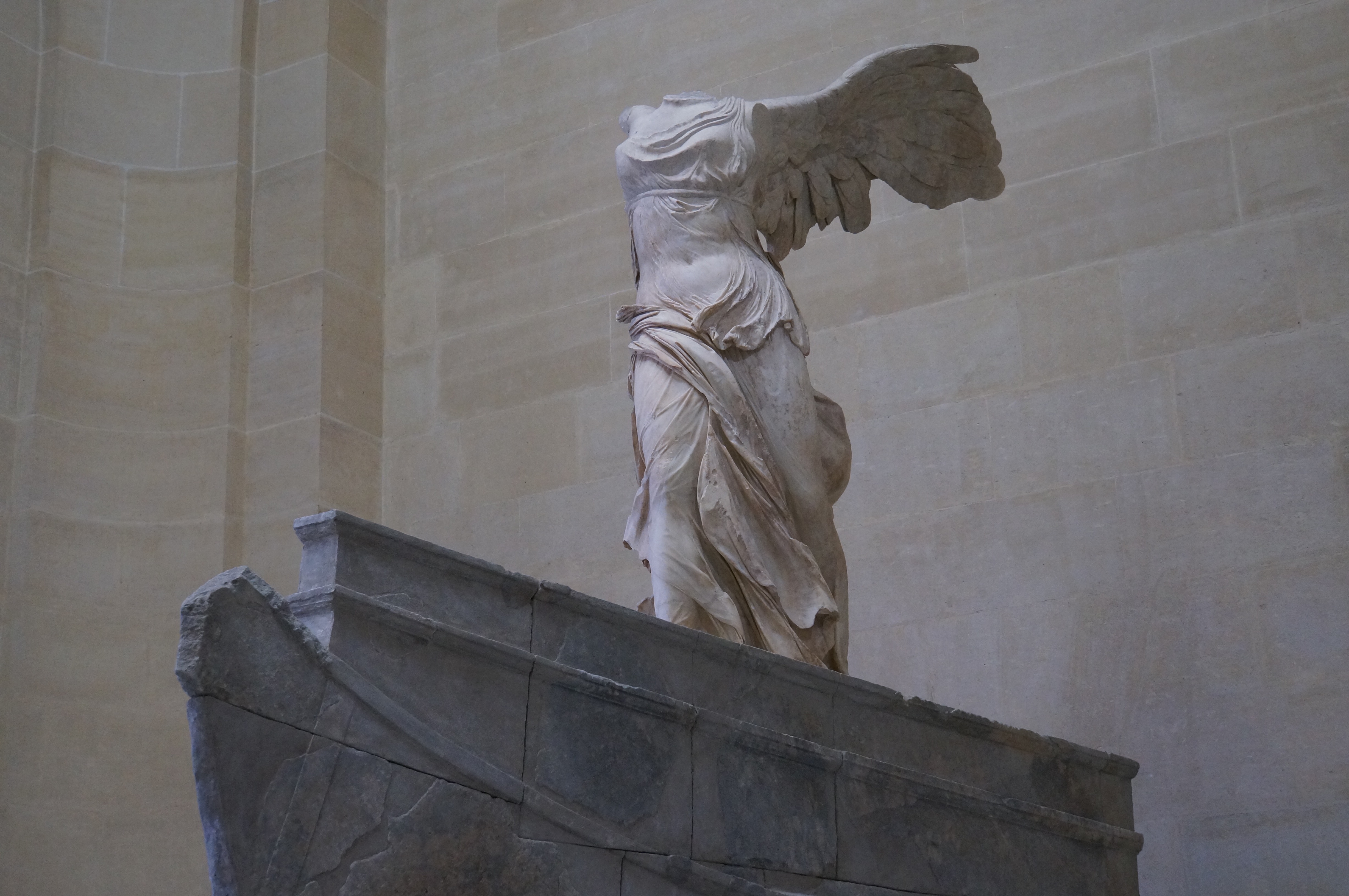
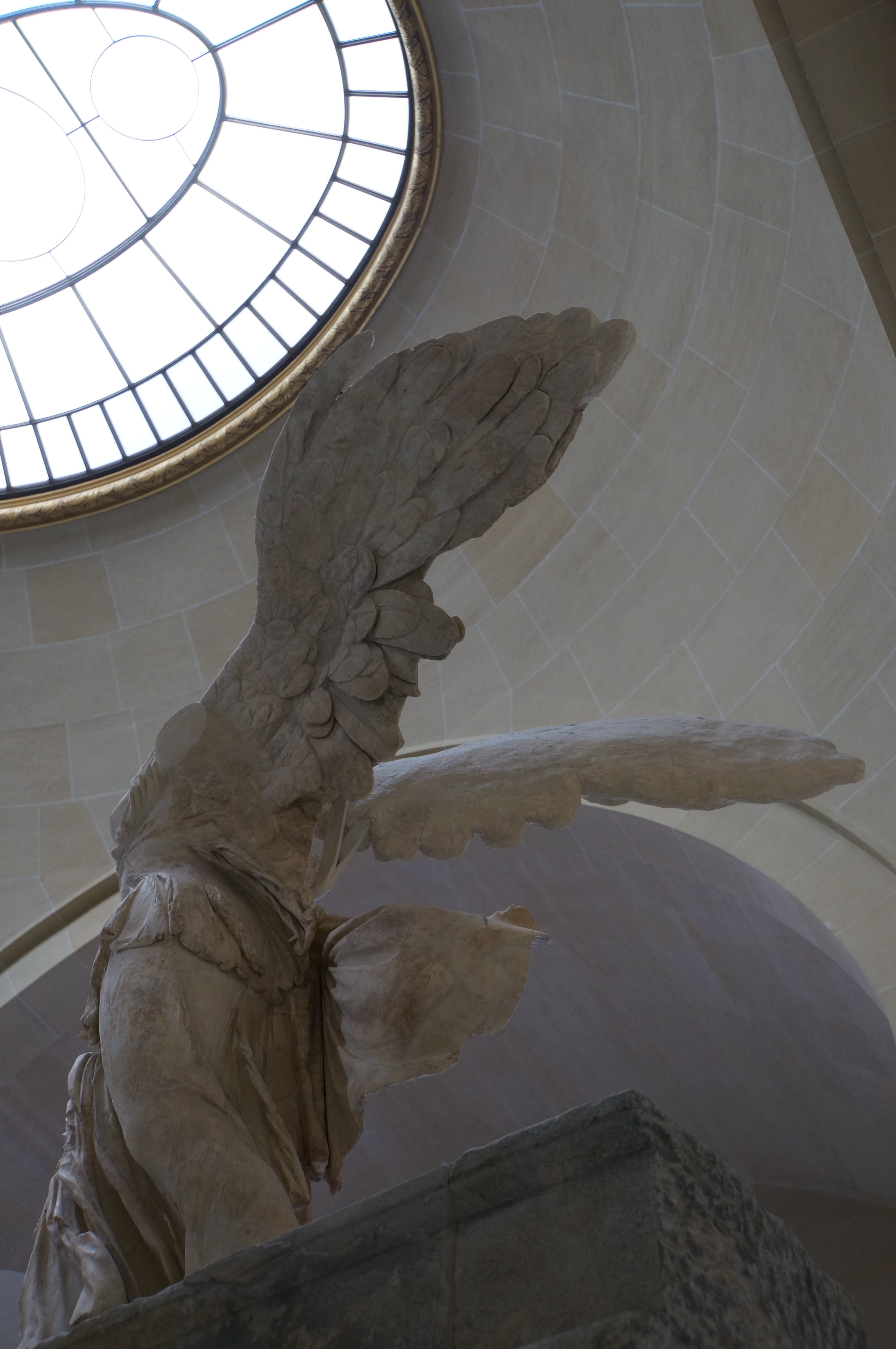
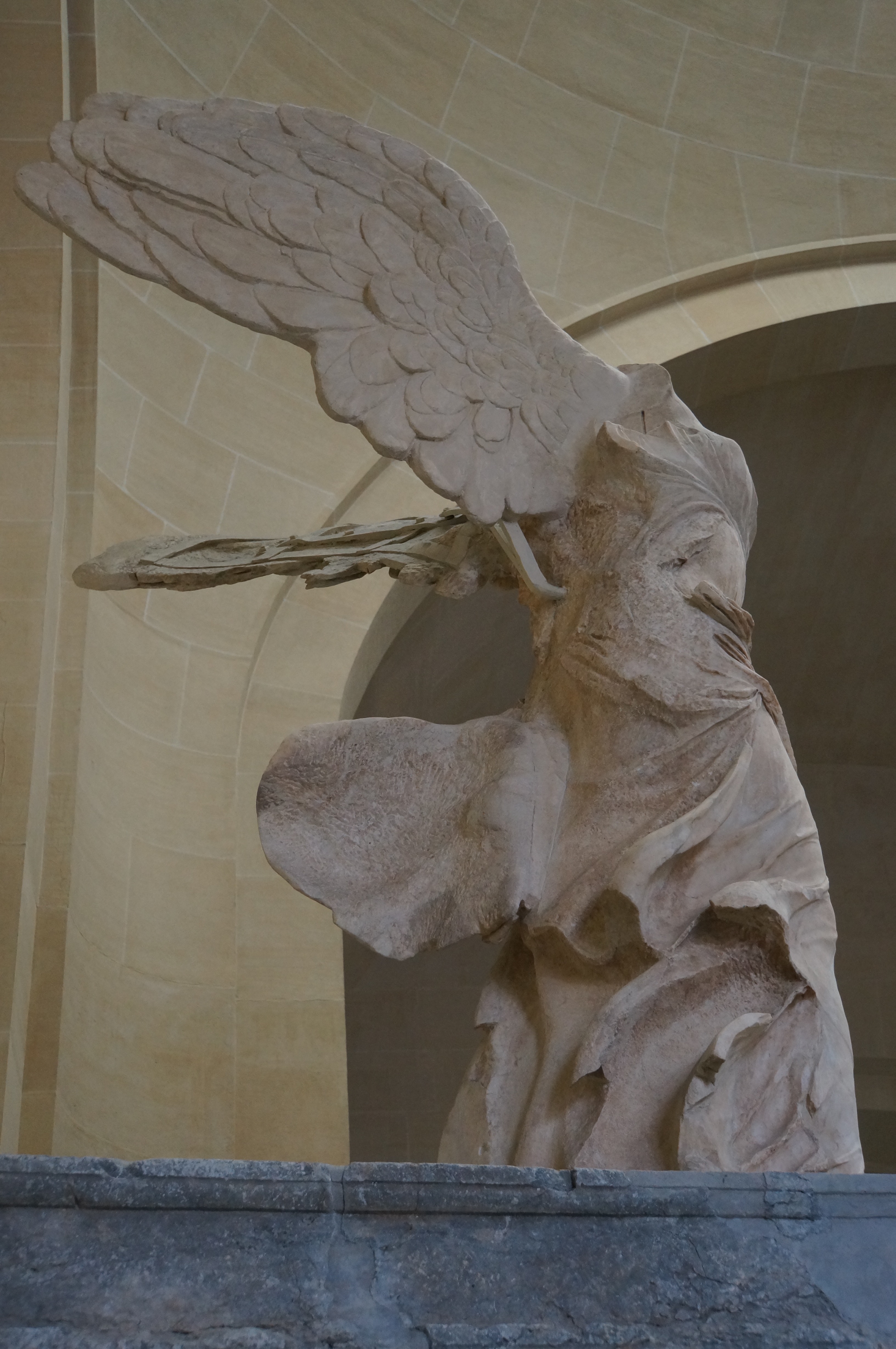
Winged Victory – up close you can see the detail.
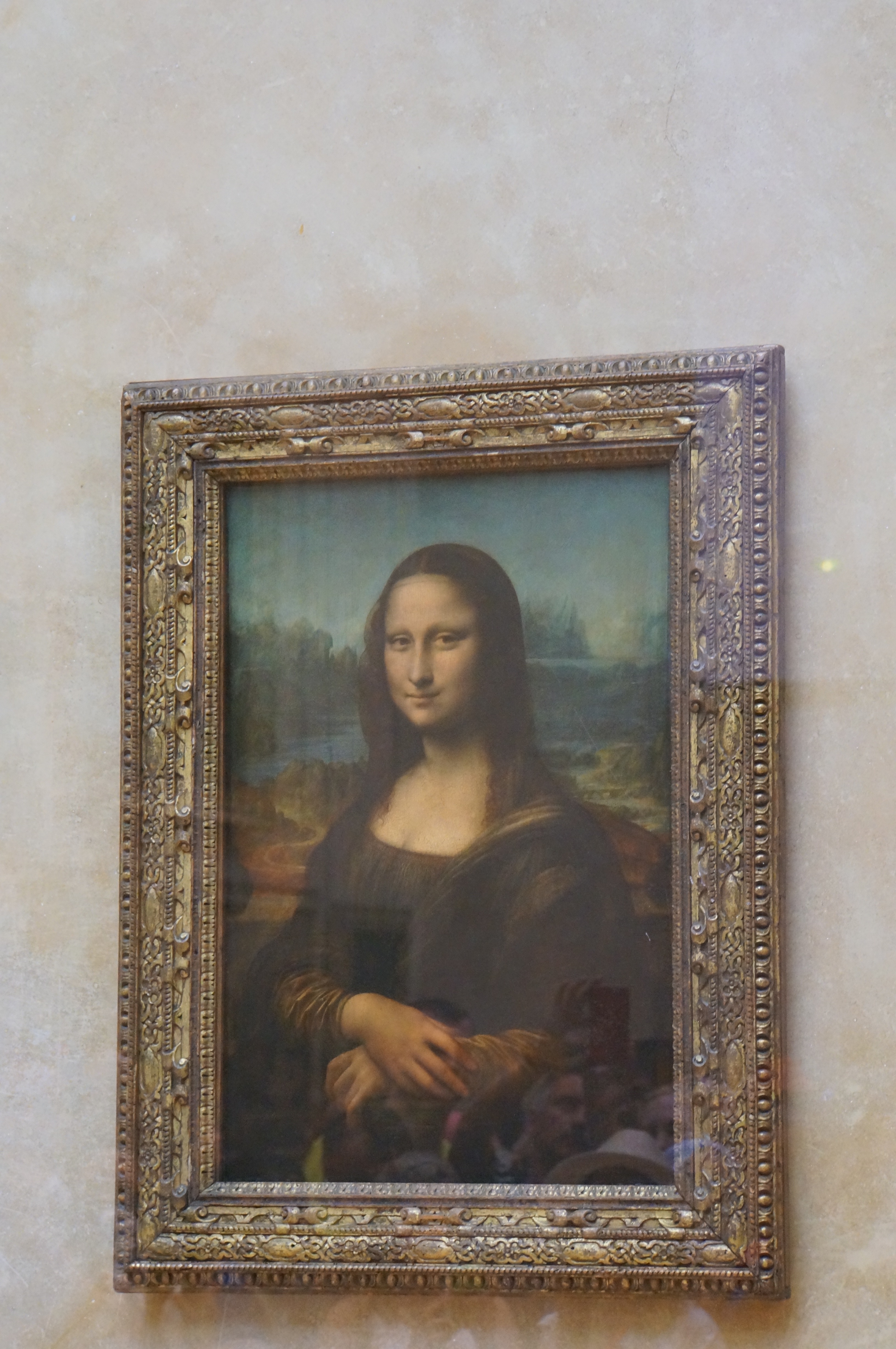
The best tourist free shot I could manage of the Portrait of the Mona Lisa.
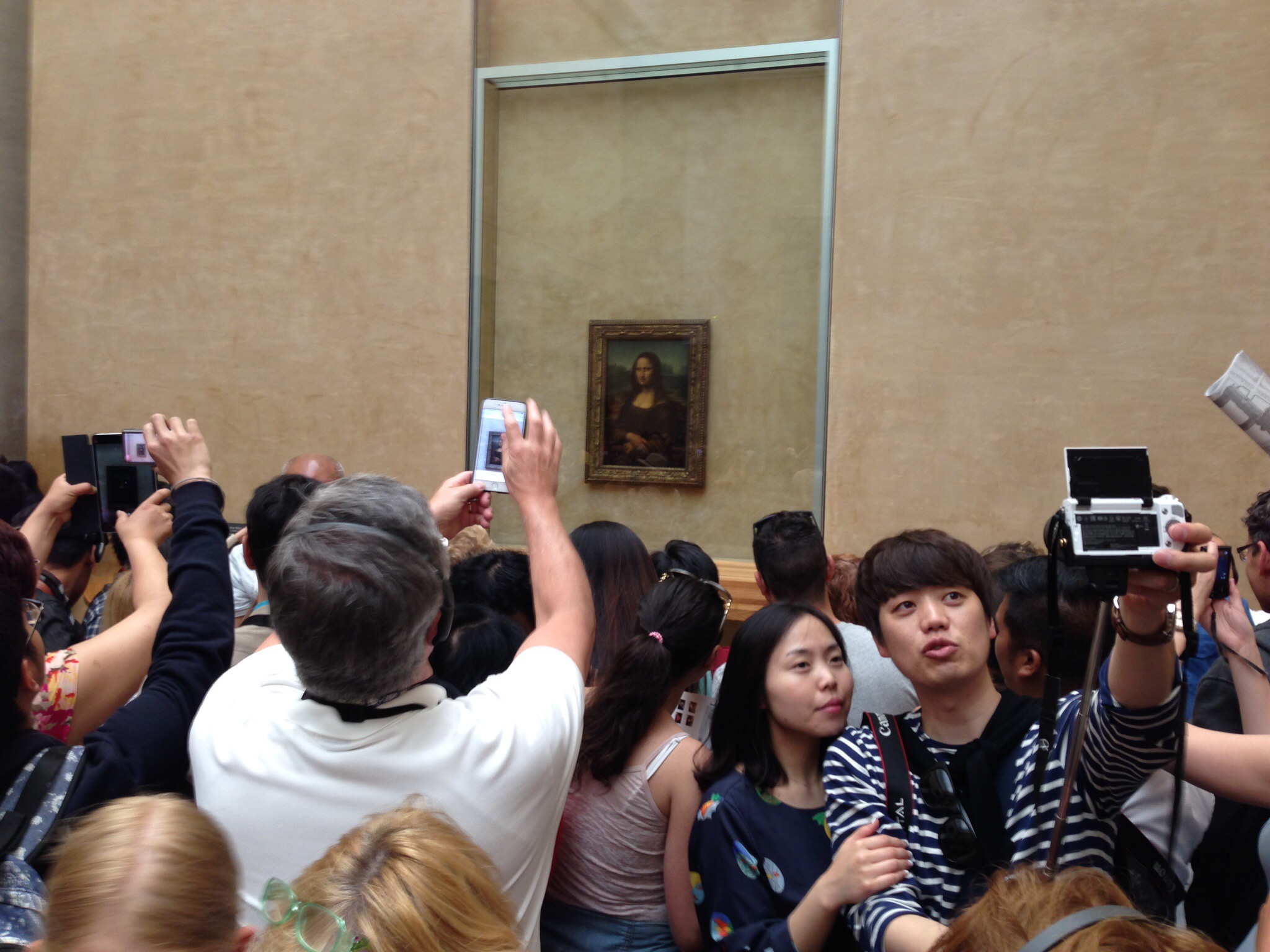
The swarms of tourists trying to get a shot of the Portrait of the Mona Lisa. Smart phones, SLRs and Selfie’s abound. #donttouchme
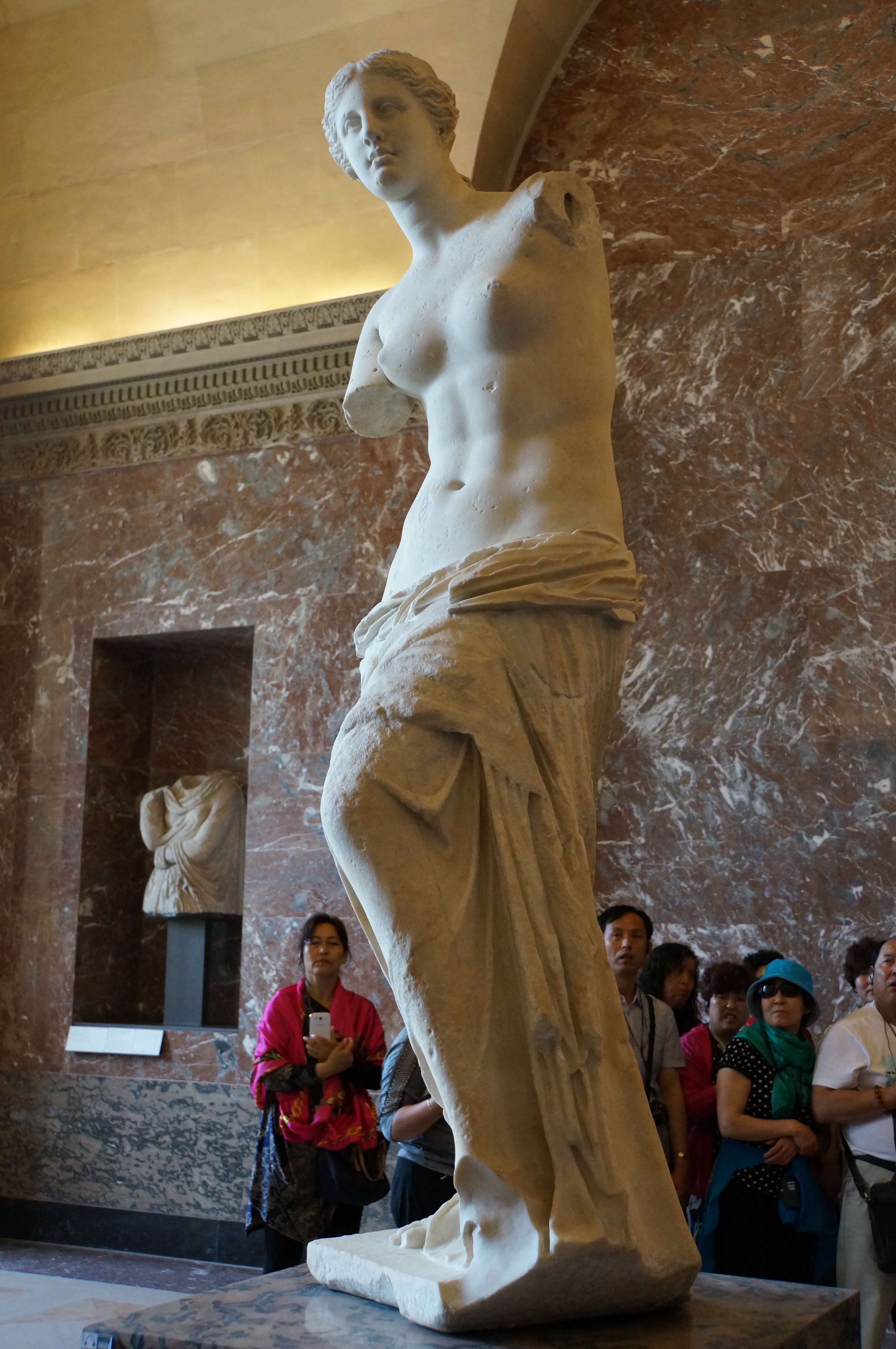
Venus de Milo, from the front.
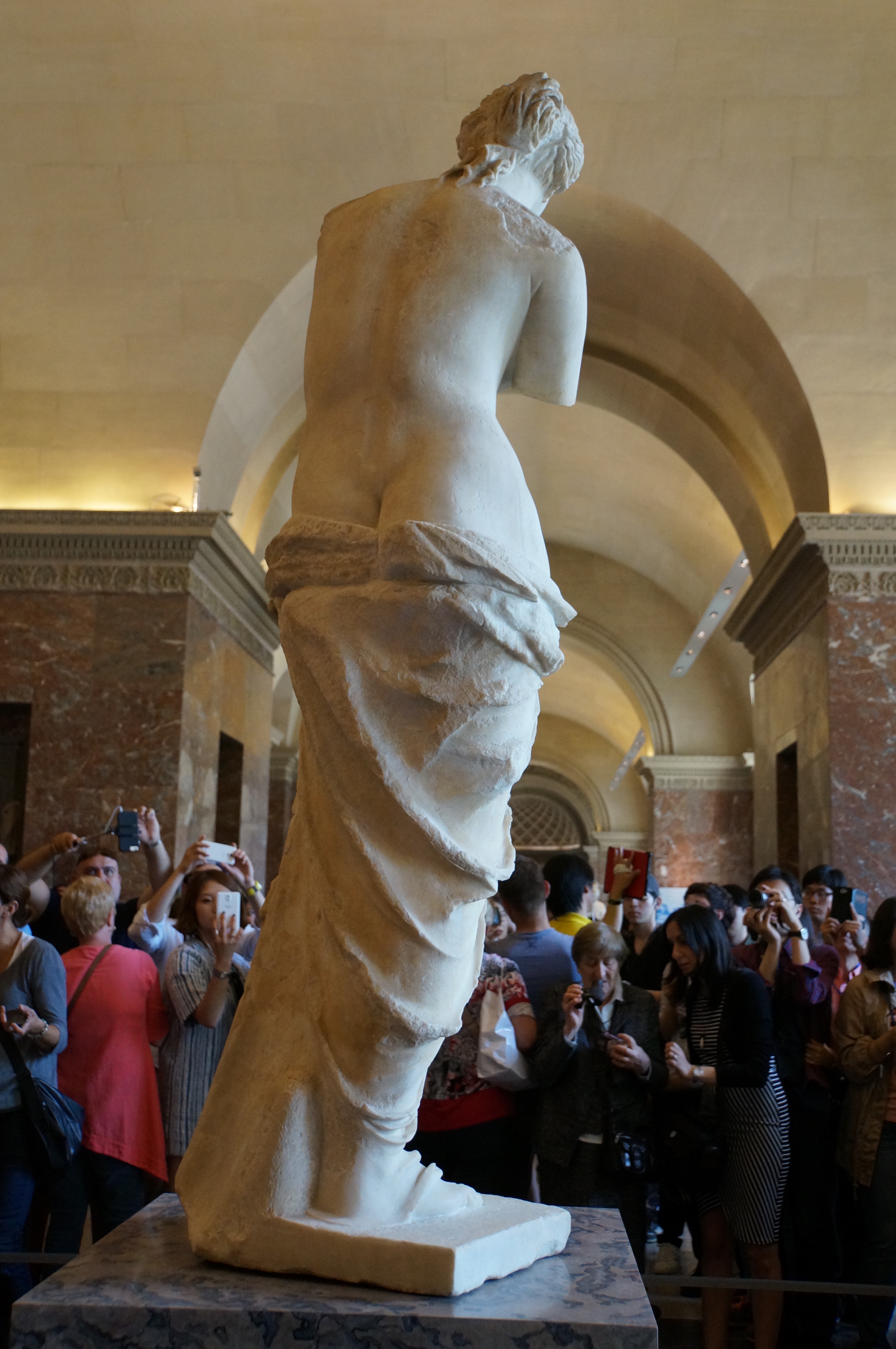
Venus de Milo, from behind.

C’est Moi!
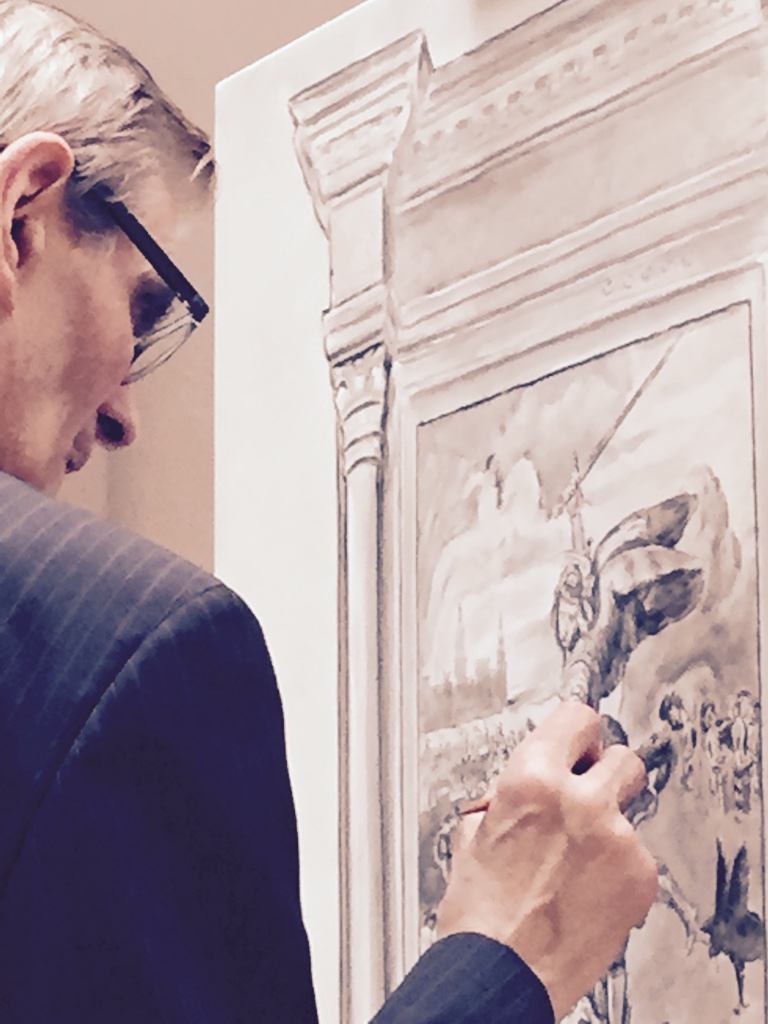
We took a moment to sit in the hallway outside the area where the Mona Lisa was hung, partly to brace ourselves for the crowds. We also wanted to sit quietly and watch this artist at work!

Astrid is a big fan of Egyptian history so we also spent time in that wing of the museum. Here she is trying to replicate a statue’s pose. Not unlike how we all at some point in our lives have tried to “Vogue…”
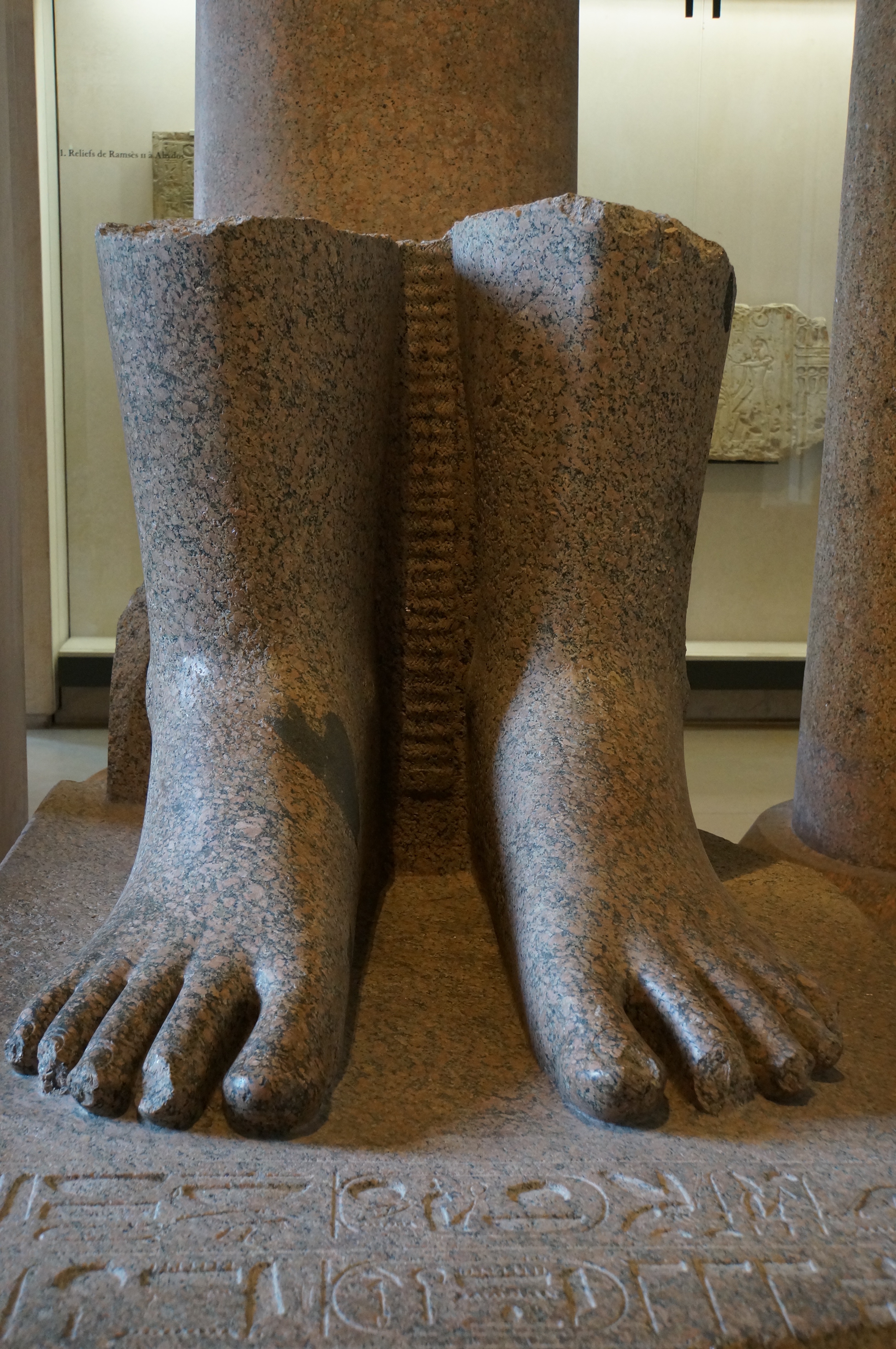
Feet! In the Egyptian Exhibit at the Musee de Louvre.
Musee D’Orsay:
By far, this was the museum – across the entire trip – I was most exited to see, well, other than the Catacombs of Paris (more on that to come). Several people told me that if there was only one museum we visited in Paris, this should be the one. The building was originally a train station and has a huge clock tower right in its centre. There are apparently also bee hives on the roof (which we did not happen to see). It is well-known for its amazing collection on Impressionists works. Also, a welcome surprise was a fourth floor exhibit of works for furniture. We are both amidst some home renovations & decorating so it was a fun space to imagine how each of intriguing and unusual pieces of furniture might fit into our respective decor schemes.
According to the museum’s website “the museum building was originally a railway station, Gare d’Orsay, constructed for theChemin de Fer de Paris à Orléans and finished in time for the 1900 Exposition Universelle to the design of three architects: Lucien Magne, Émile Bénard and Victor Laloux. It was the terminus for the railways of southwestern France until 1939. The national museum of the Musée d’Orsay opened to the public on 9 December 1986 to show the great diversity of artistic creation in the western world between 1848 and 1914. It was formed with the national collections coming mainly from three establishments:”
- from the Louvre museum, for the works of artists born after 1820 or coming to the fore during the Second Republic;
- from the Musée du Jeu de Paume, which since 1947 had been devoted to Impressionism;
- and lastly from the National Museum of Modern Art, which, when it moved in 1976 to the Centre Georges Pompidou, only kept works of artists born after 1870.
But each artistic discipline represented in the Musée d’Orsay collections has its own history, which you can dig into on their website at: http://www.musee-orsay.fr/en/collections/history-of-the-collections/home.html
Major sculptors includes François Rude, Jules Cavelier, Jean-Baptiste Carpeaux, Auguste Rodin, Paul Gauguin, Camille Claudel,Sarah Bernhardt and Honoré Daumier.
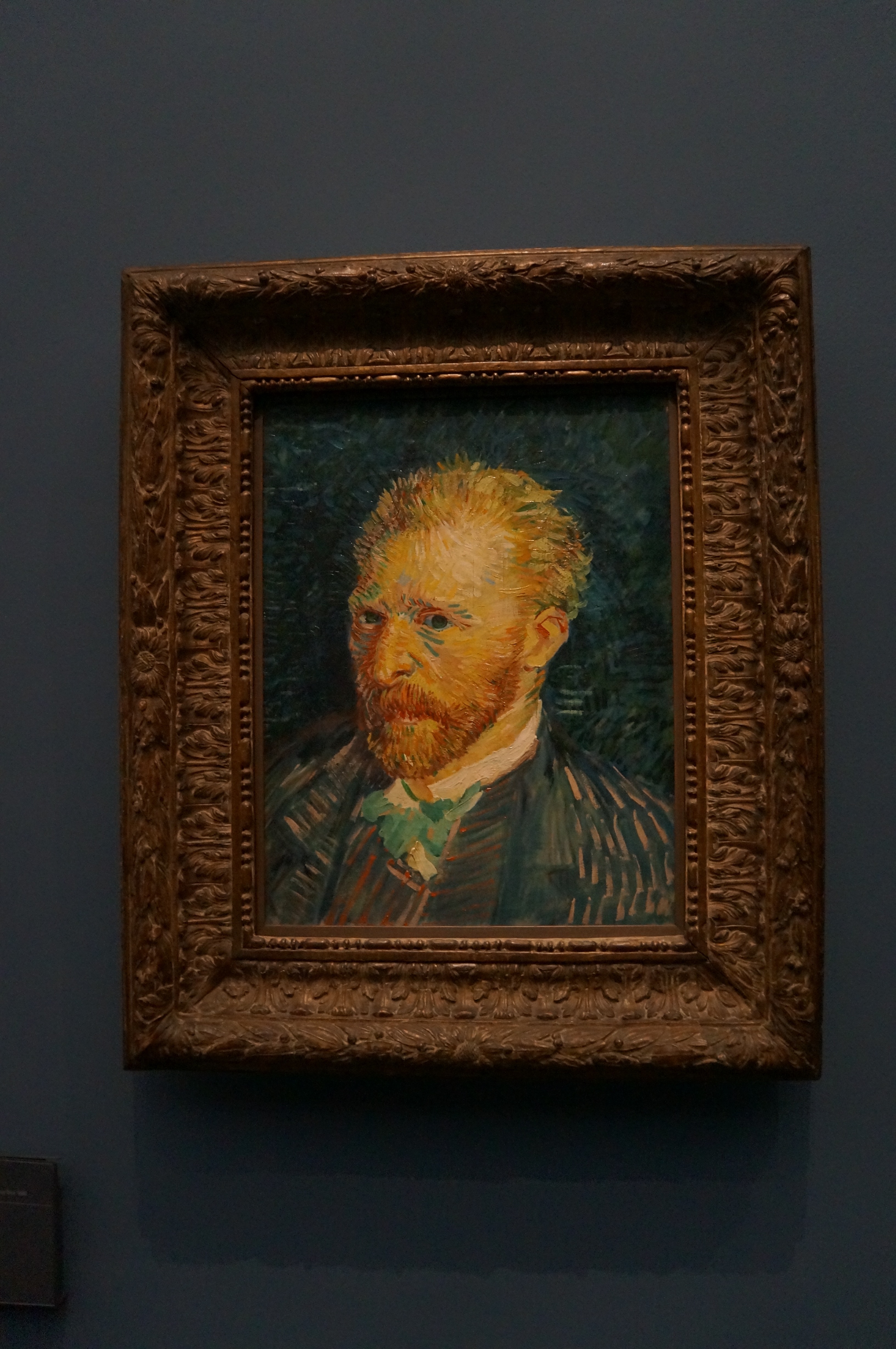
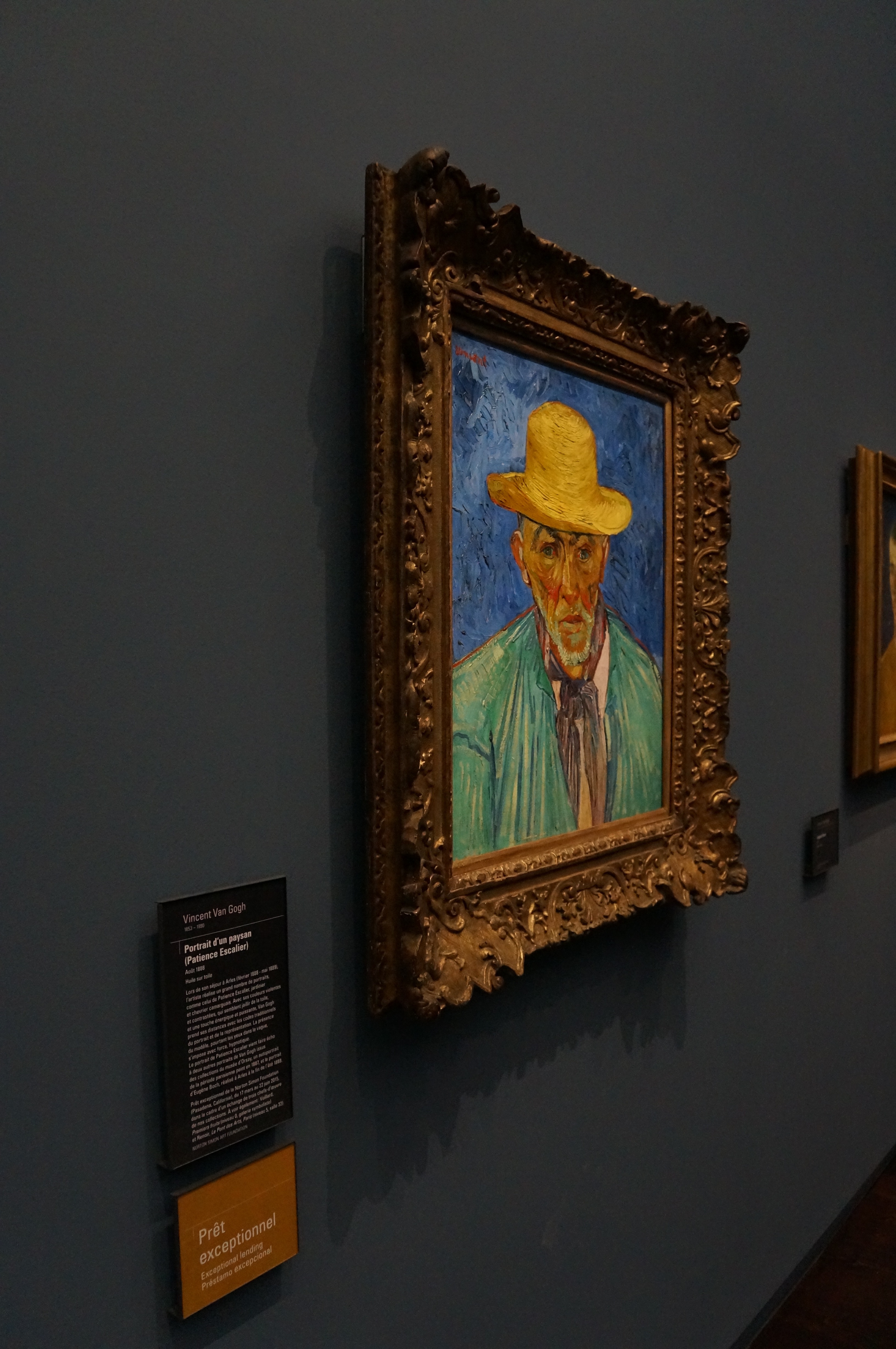
There are far too many amazing sculptures, paintings and artists to mention them all but some well know pieces – The Birth of Venus, Blue Water Lilies, Starry Night over the Rhone, Apples and Oranges as well as The Card Players (Cezanne), a self-portrait by Vincent Van Gogh, The Circus, (Sevrat), The painting family, The sick child (Carriere) and the Luncheon on the Grass.
As luck would have it for us, a small exhibit of Picasso’s work is also on display until June 2015 – (citing http://www.musee-orsay.fr/en/collections/overview/actualites/the-museum-in-motion.html#c84991).
The Femme en vert (Dora) [Woman in Green, Dora]painting by Pablo Picasso

This exceptional loan from the Fondation Beyeler provides a dramatic conclusion, in contrast with the works presented in the Impressionist gallery. Fifty years elapsed between this portrait produced by Pablo Picasso in February 1944, representing in all likelihood his companion Dora Maar, and La femme à la cafetière [Woman with a Coffeepot] by Cézanne.
Nevertheless, many aspects of this canvas are reminiscent of Cézanne’s artwork: the portrait, based on the aspect ratio of volumes, is treated as a still life, recalling his predecessor’s desire to “treat nature through cylinders, spheres and cones”. Towards the end of the war, Picasso turned once again to Cézanne, whom he declared to be his role model for his Cubist years.

On the ground floor, visitors can admire Picasso’s works thanks to a long-term loan granted by a private collector.
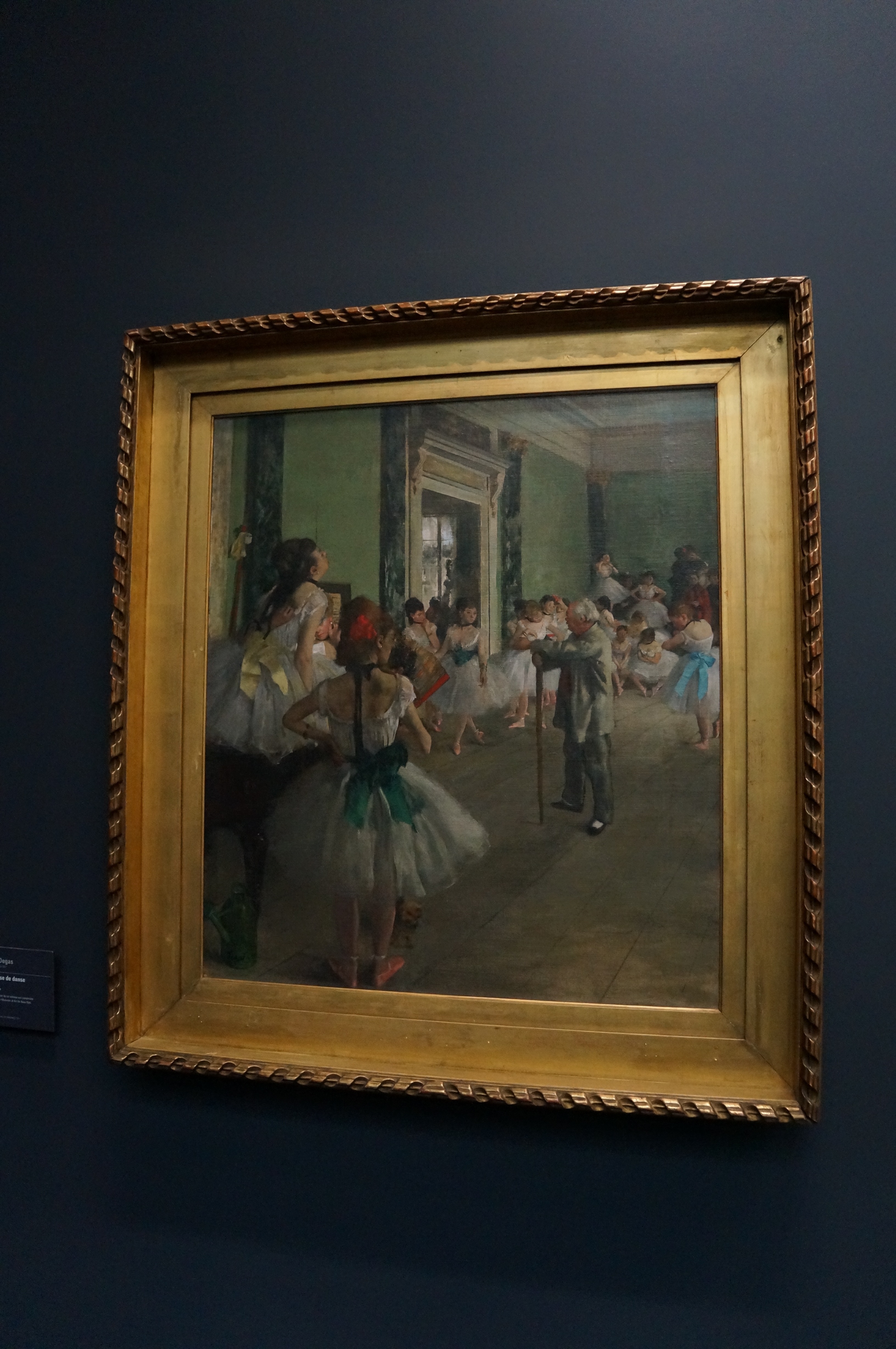
Displayed in the room devoted to Parisian lifestyle (ground floor, room 10), The Absinthe Drinker (1901) hangs alongside scenes of entertainment, dance halls, brothels, portraits by Toulouse-Lautrec, Boldini and Anquetin, and once again reveals the fascination that bohemian Paris held for so many painters at the end of the 19th century. It is also a unique opportunity for visitors to compare this absinthe drinker by Picasso with that of Degas displayed in the Impressionist gallery.
For more: http://www.aviewoncities.com/paris/garedorsay.htm
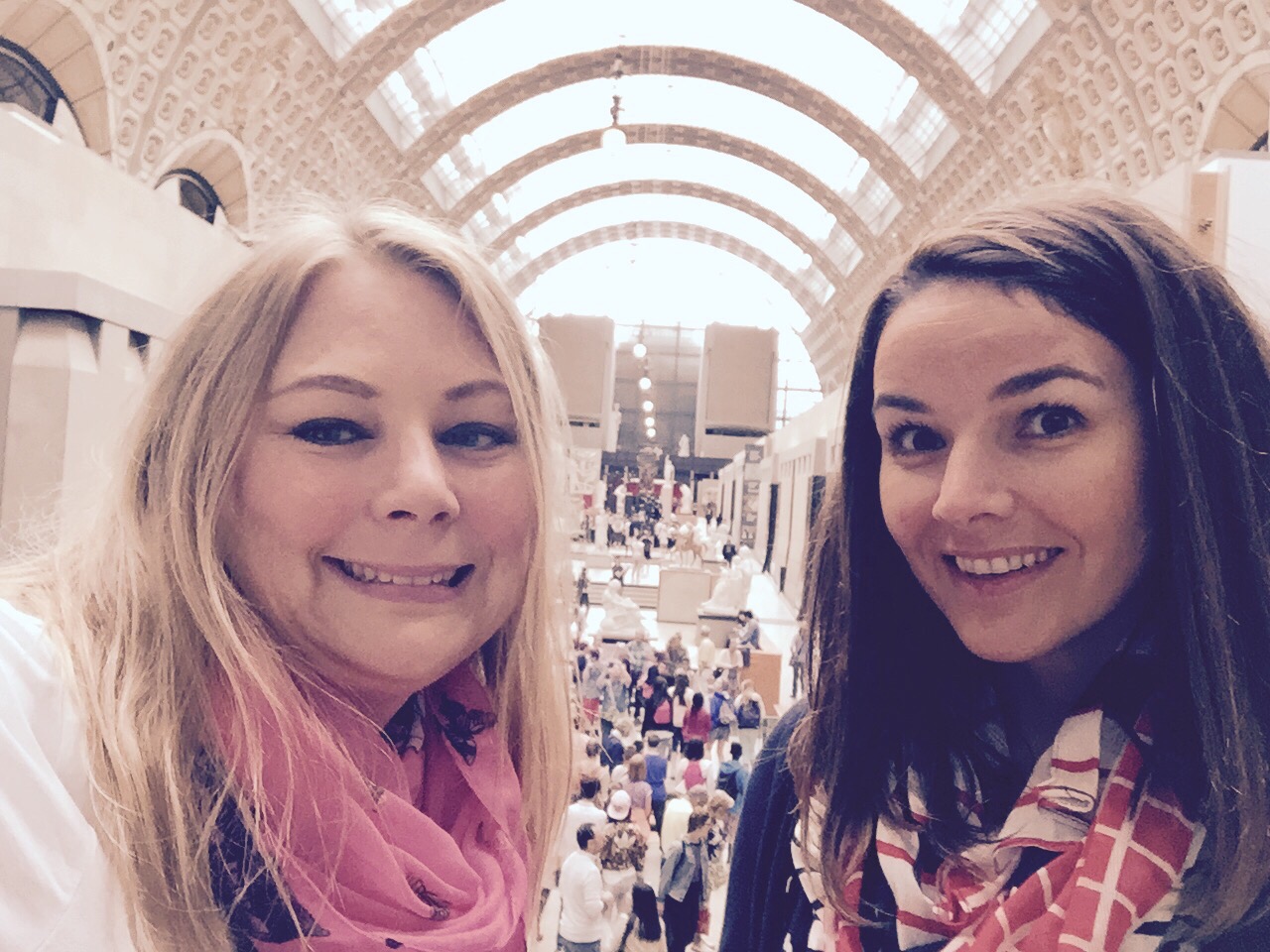
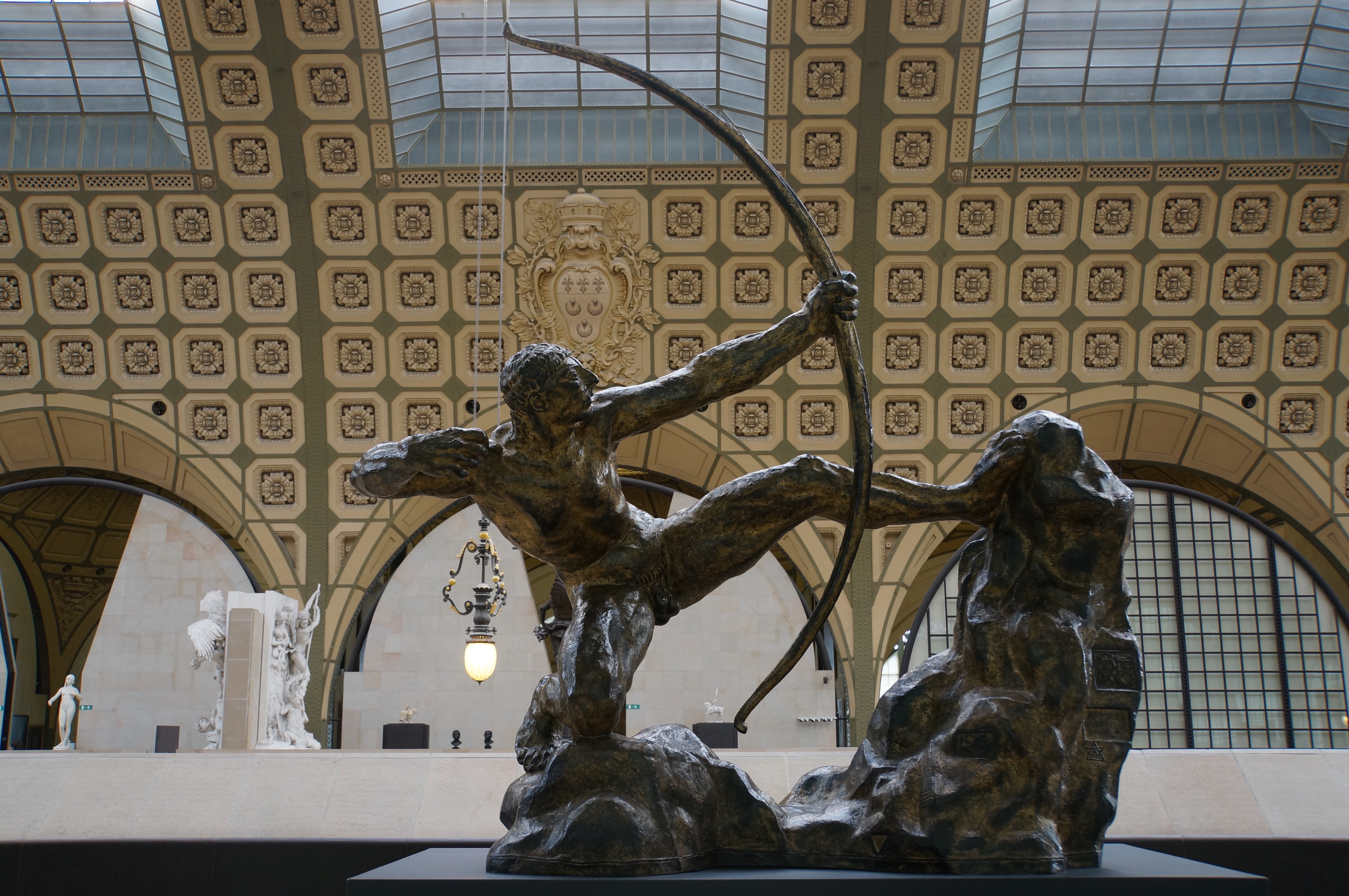
The main hall of Musee D’Orsay
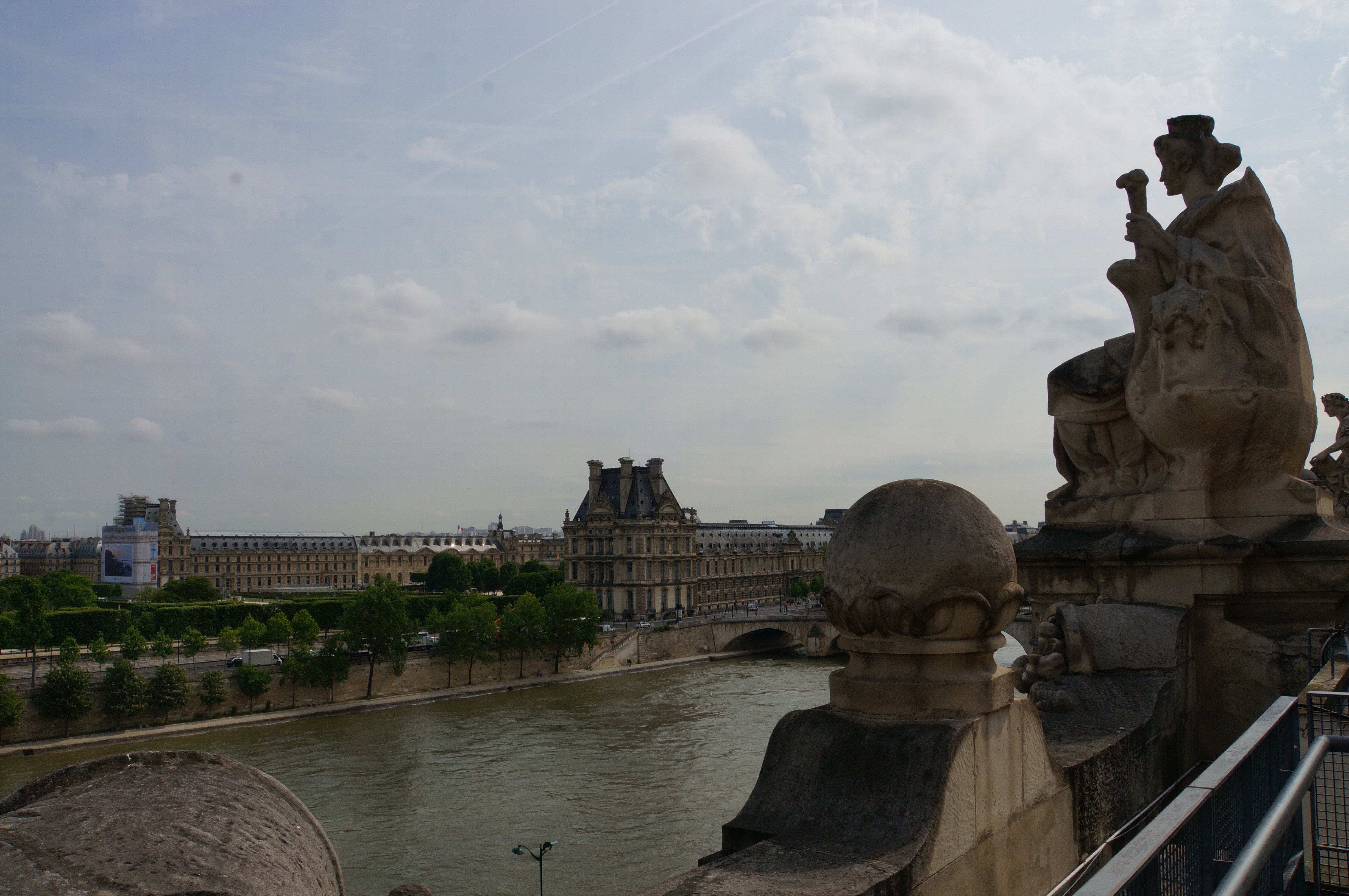
Views of Paris and the Seine from the rooftop of Musee D’Orsay
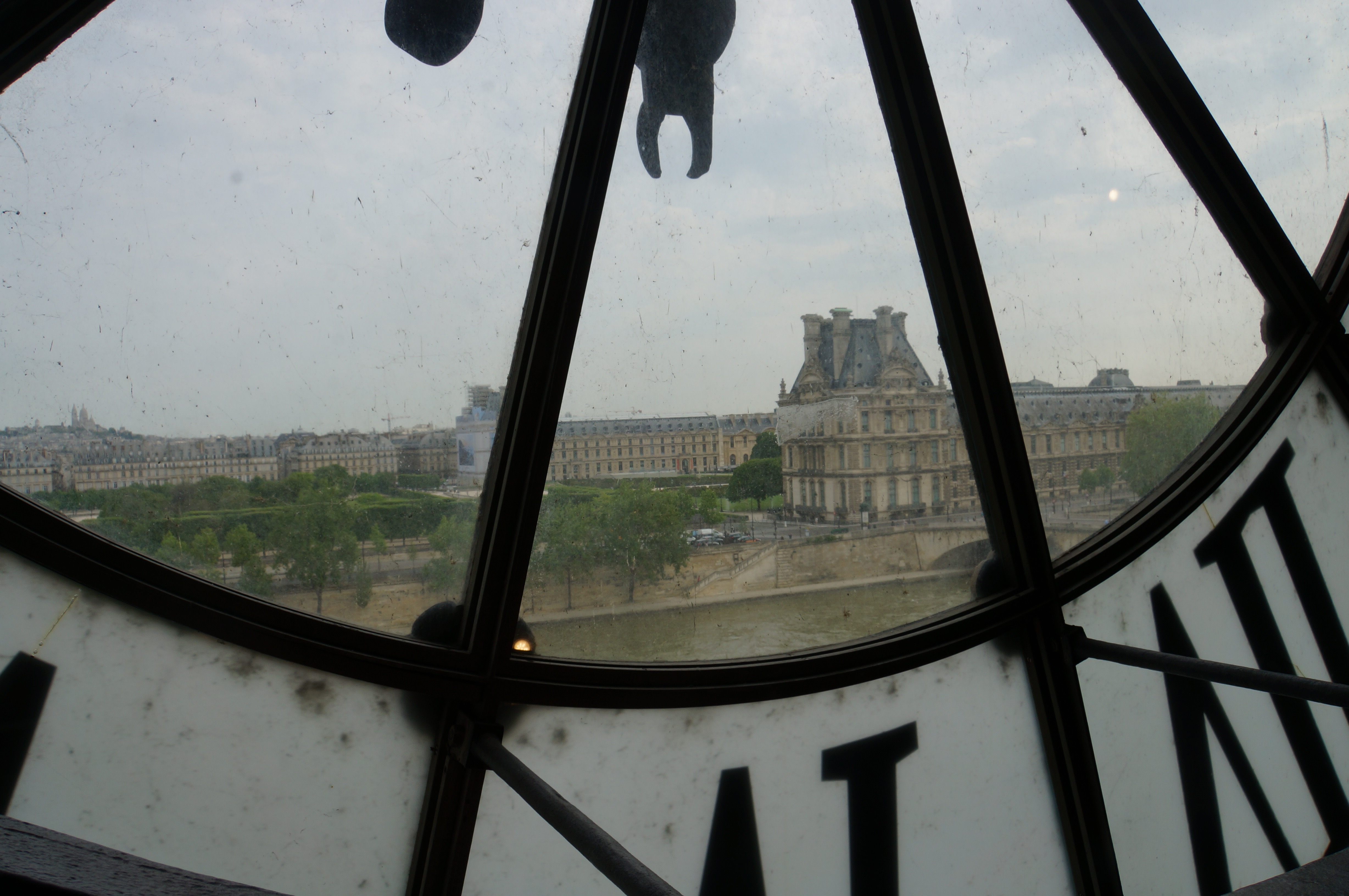
Train station clock in the shadows. With the city of Paris, Musee de Louvre, and the Seine in view.
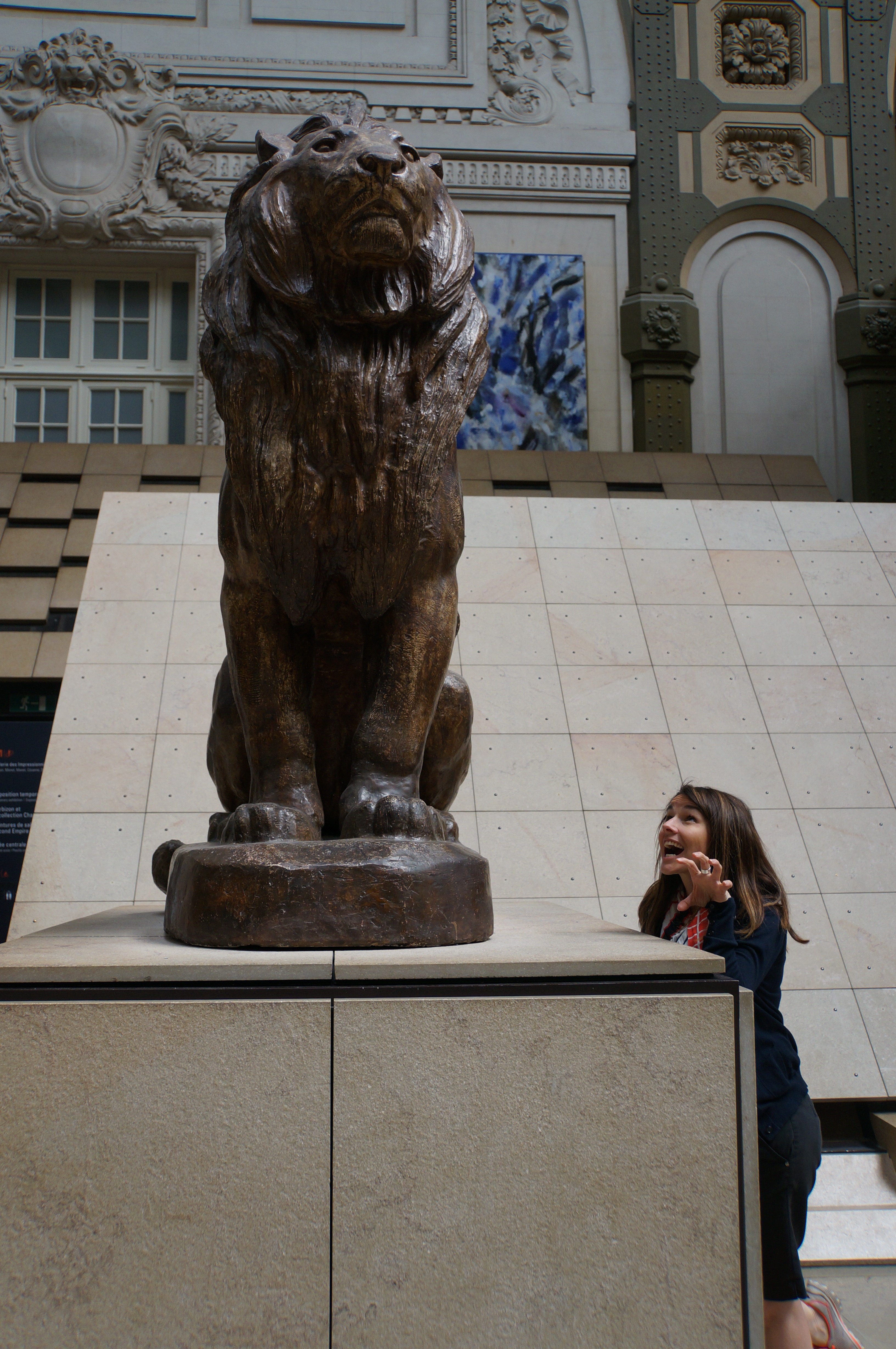
Roar….
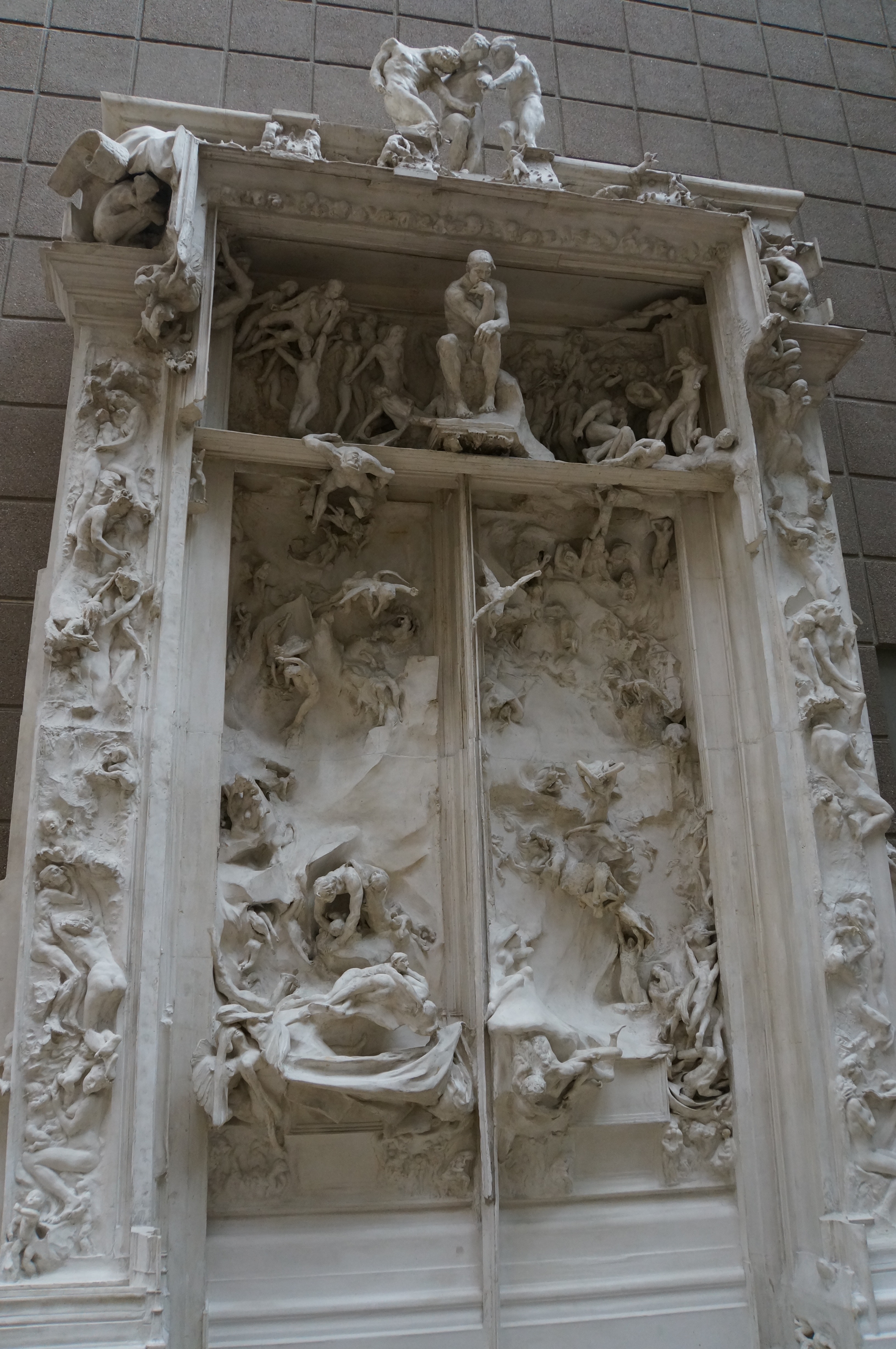
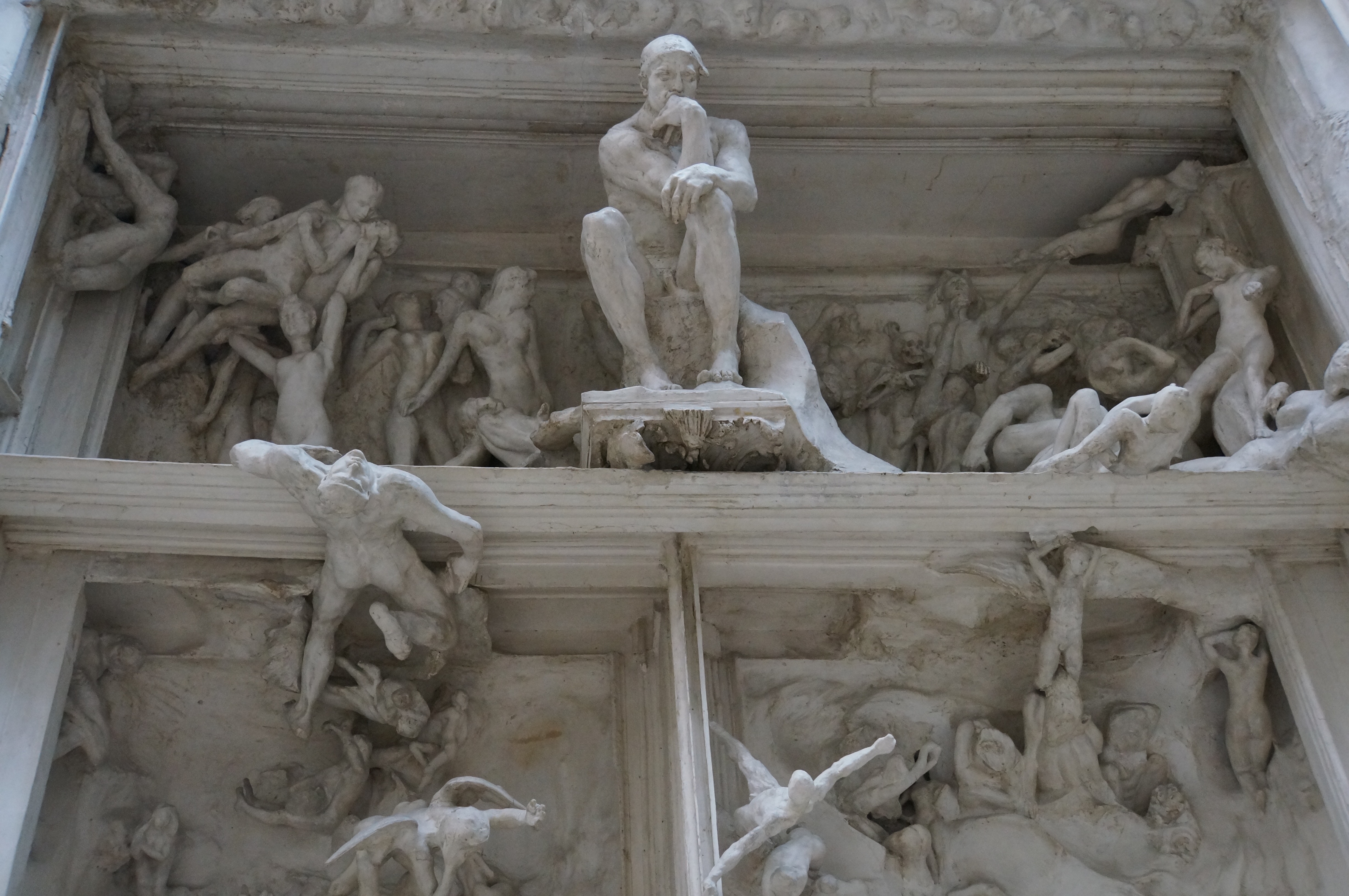
The Gates of Hell sculpture by Rodin at the Musee D’Orsay
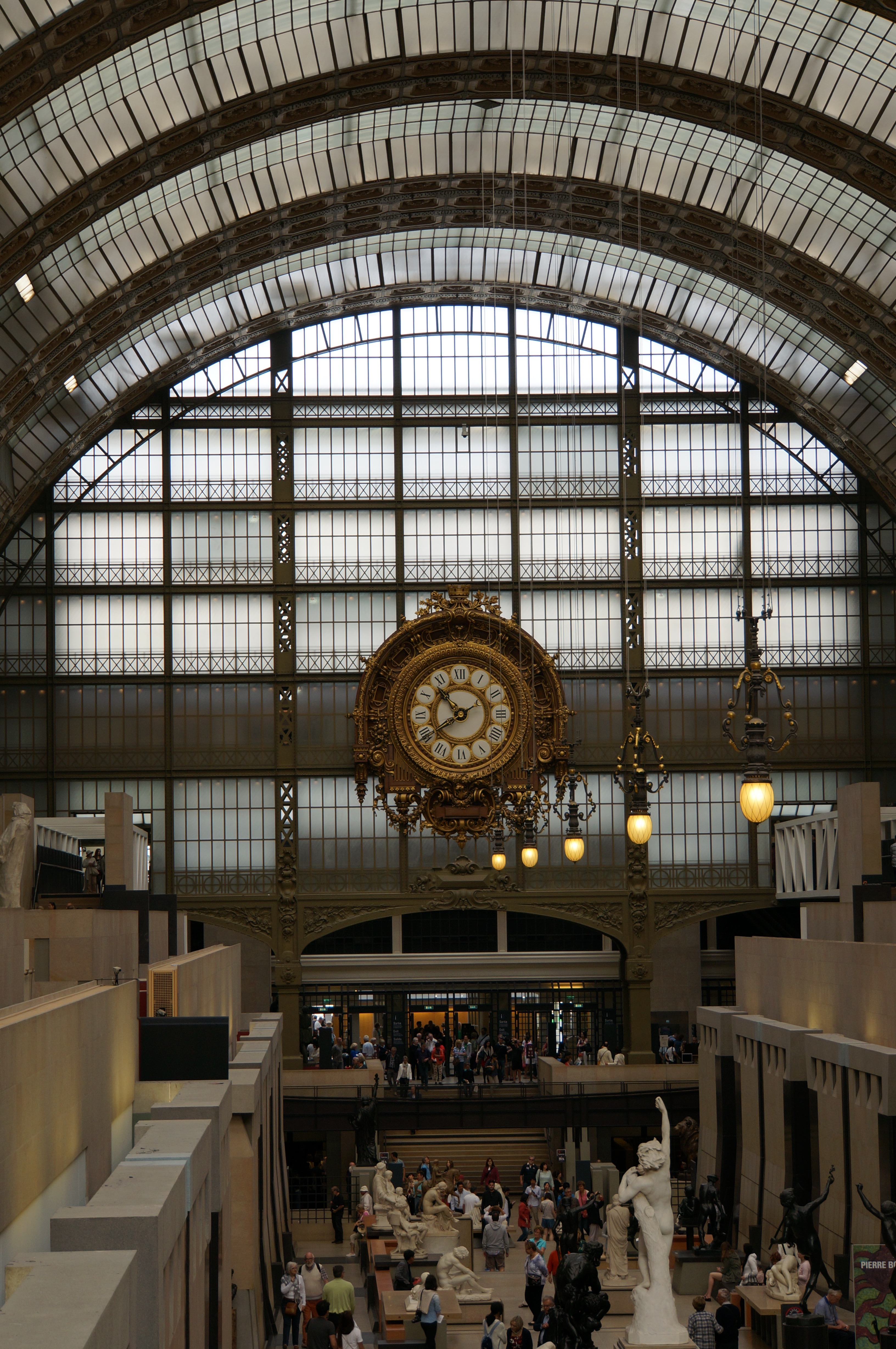
Main gallery hallway at Musee D’Orsay
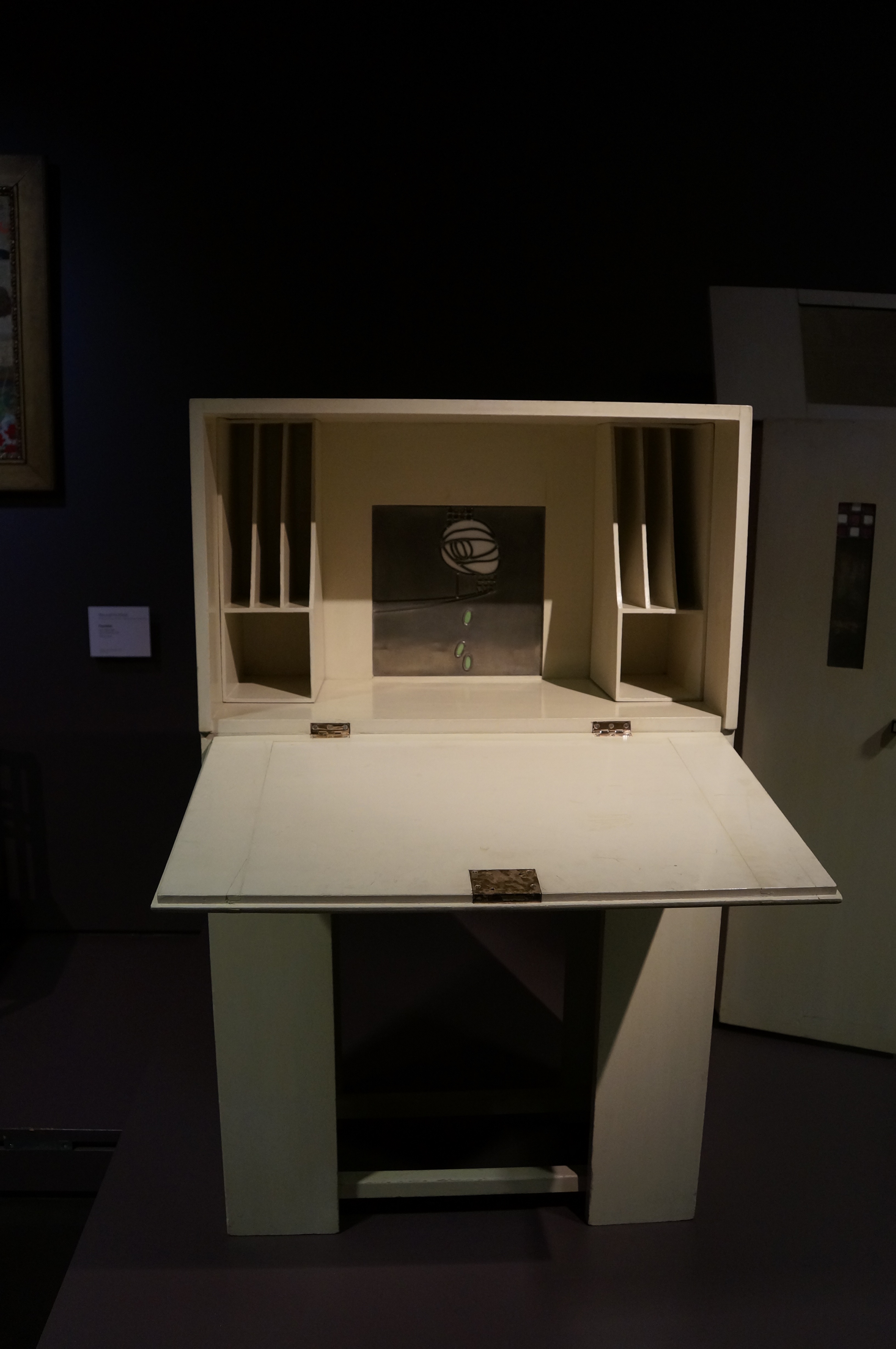
Furniture can also be art!

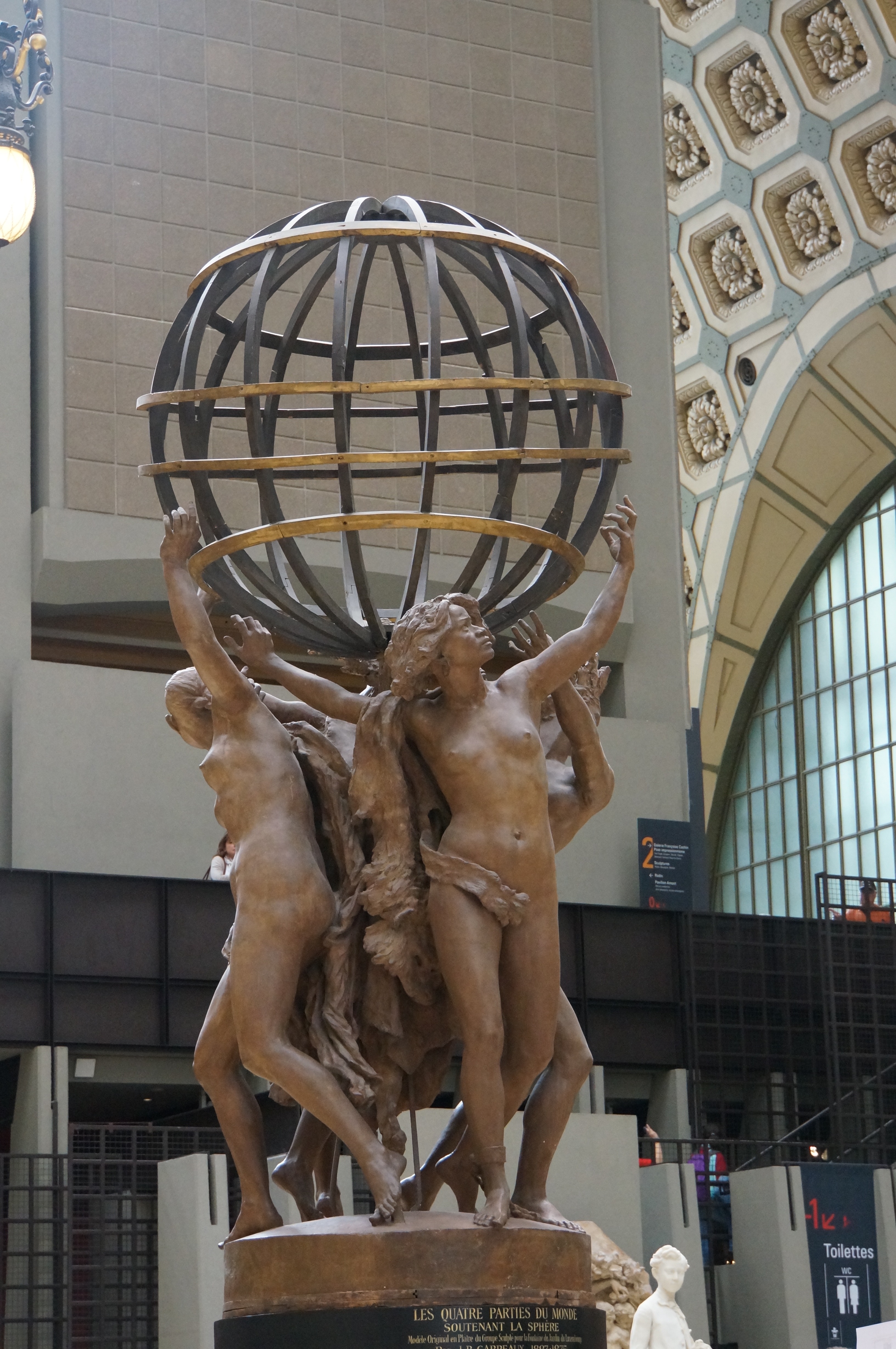
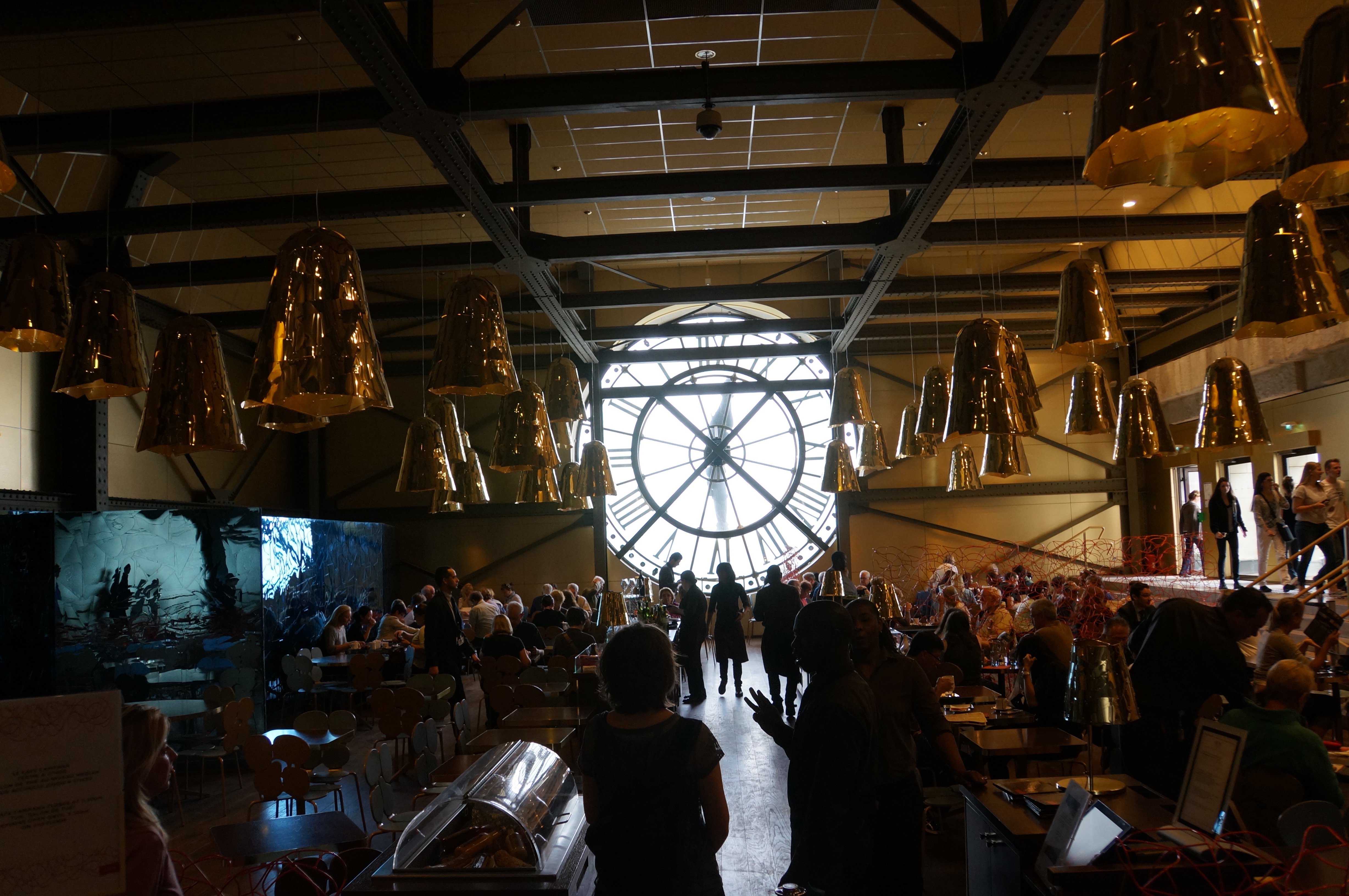
Delicious cafe – wonderful decor.
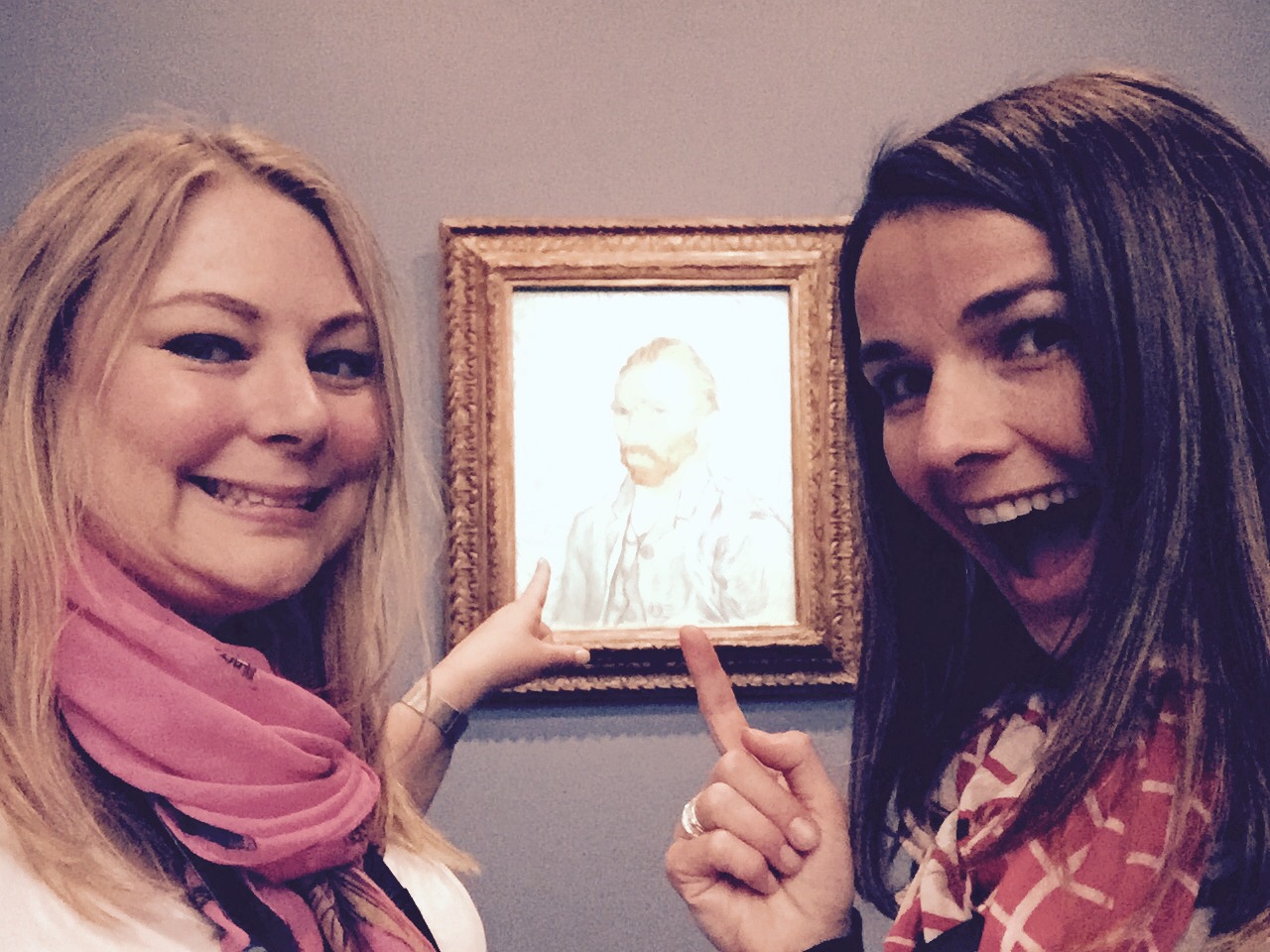
Our Selfie with the Self-portrait (1889) by Vincent van Gogh
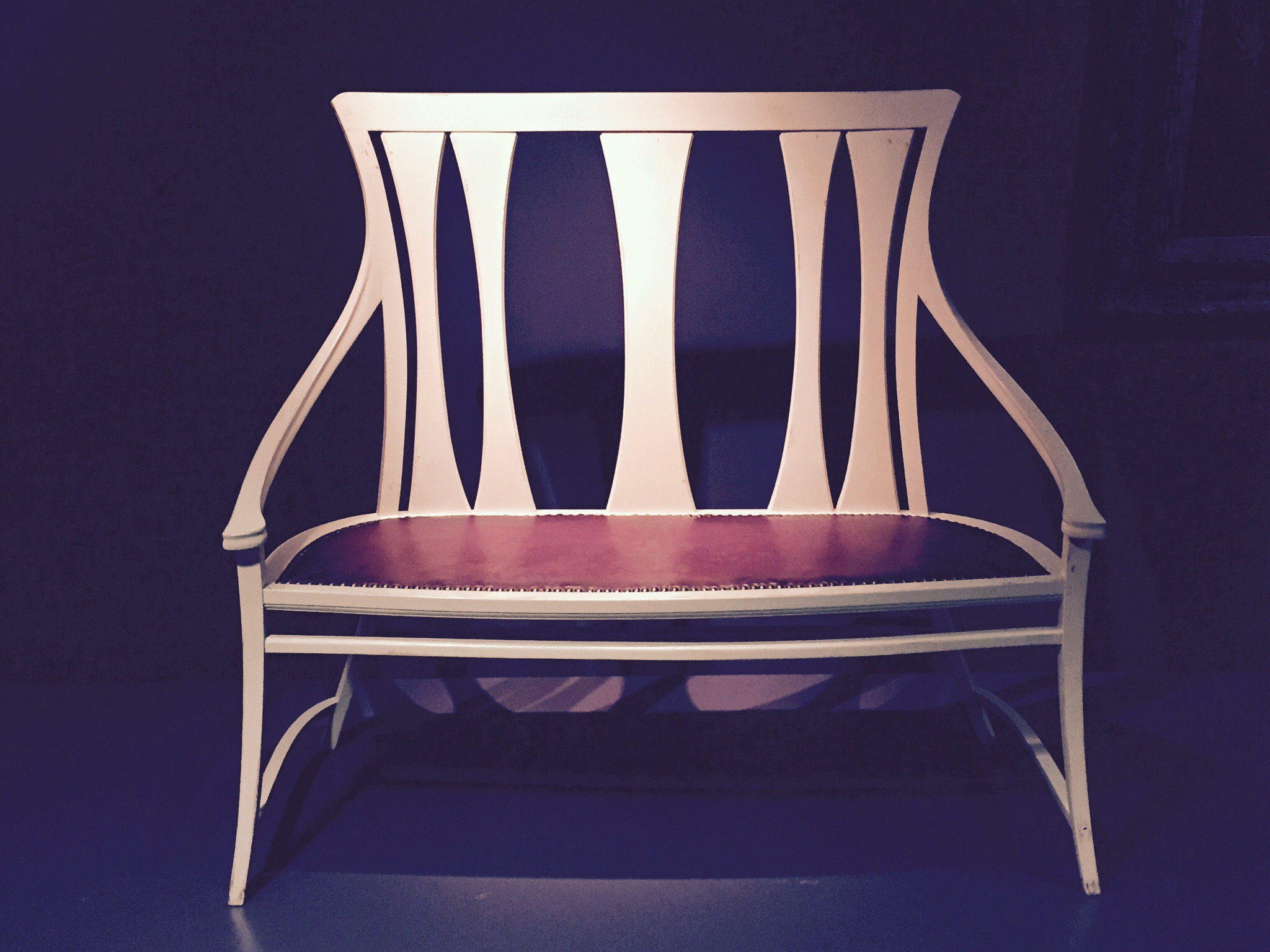
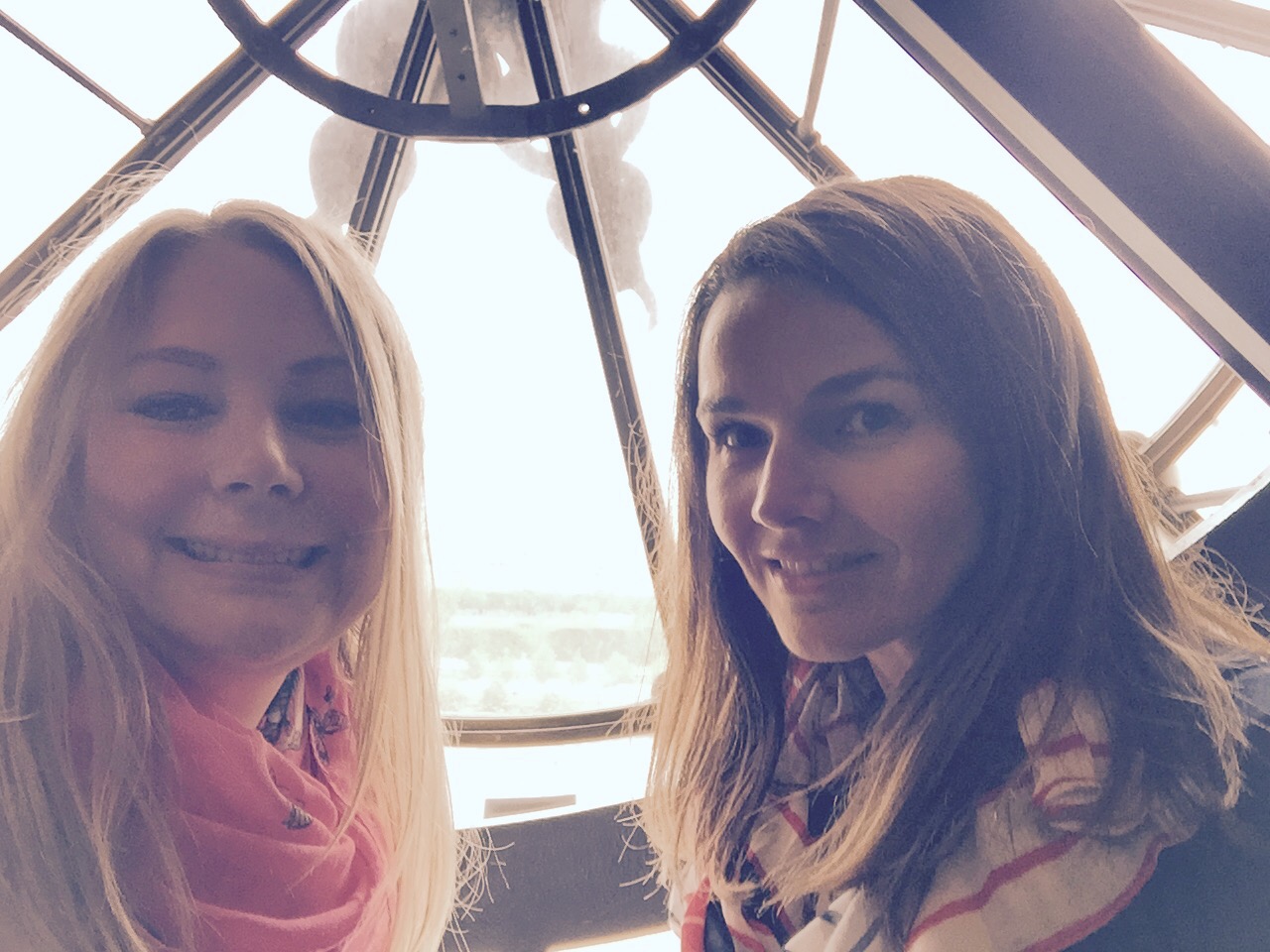
Behind the clock tower of the former train station that houses Musee D’Orsay
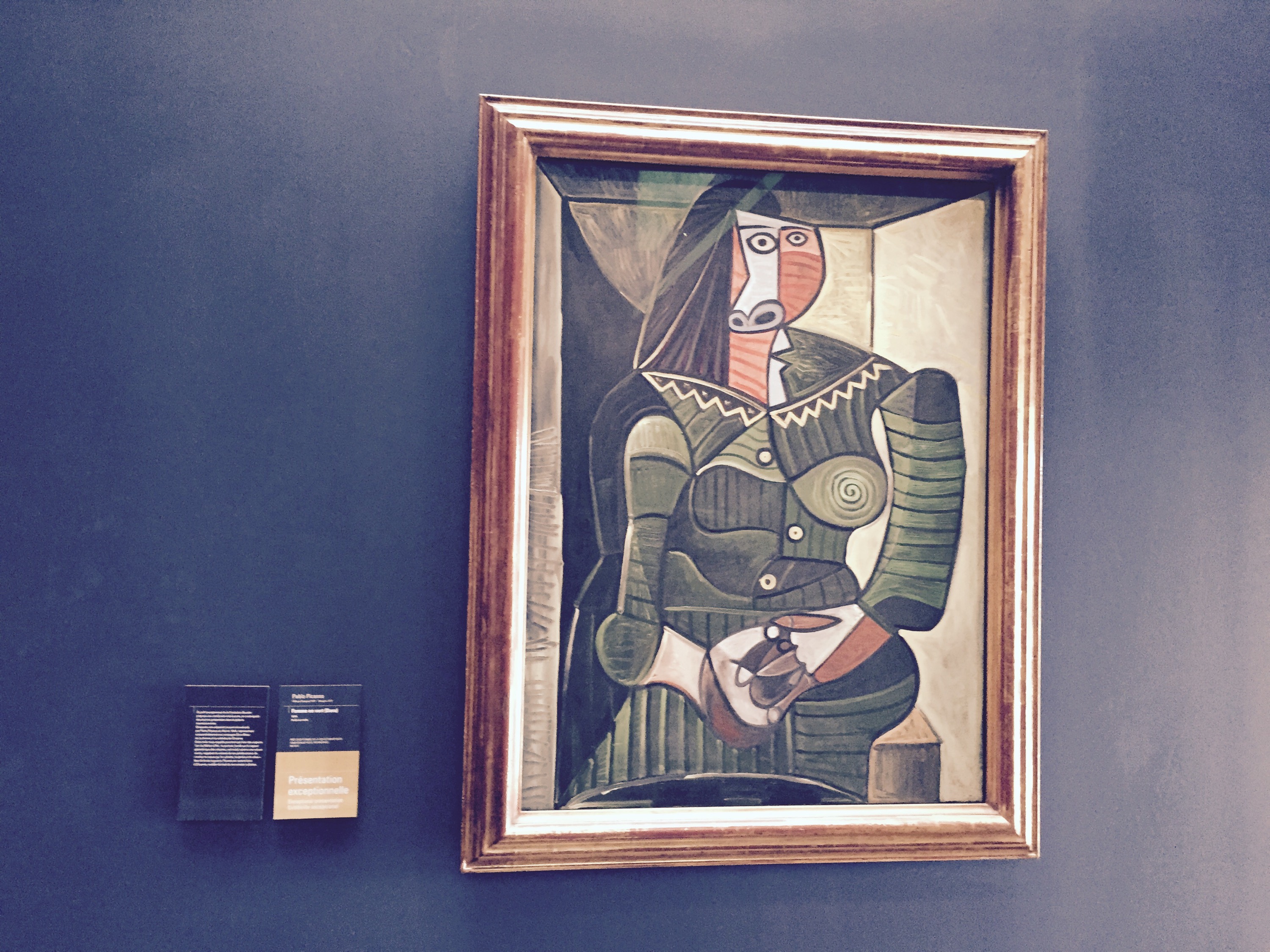 Pablo Picasso Femme en vert (Dora)
 Light and dark – the Musee D’Orsay clock

Realizing we’ve just spend hours in this museum, decided it was time to book it to our next museum.
Musee Rodin:
By comparison to Versaille, Musee de Louvre and even Musee D’Orsay, the Musee Rodin is quite small. But, it was also on my list of things to see in Paris. There are three main highlights of this visit – the gardens of the Rodin, where sculptures are nestled amongst the trees, flowers and grassy sections, hotel within which the museum is situated and the chapel.
The Hôtel Biron is in the style of rocaille architecture and the entire space (gardens included) is nearly three hectares. Hosts about 700,000 visitors every year. It opened to the public in August 1919 housed in a mansion, formerly called the Hôtel Peyrenc de Moras, now called Hôtel Biron, built between 1727 and 1732 and houses about 300 works.
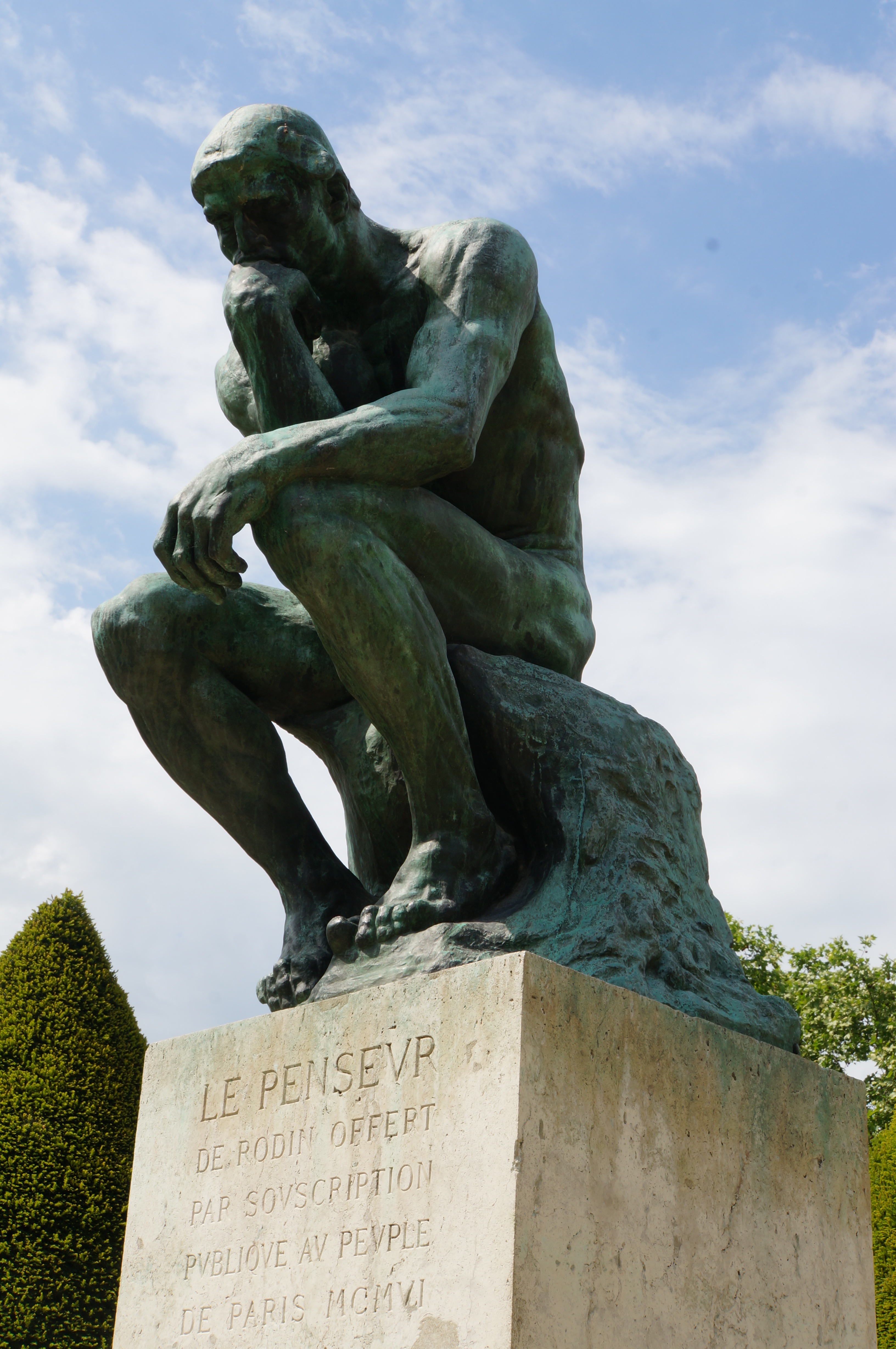
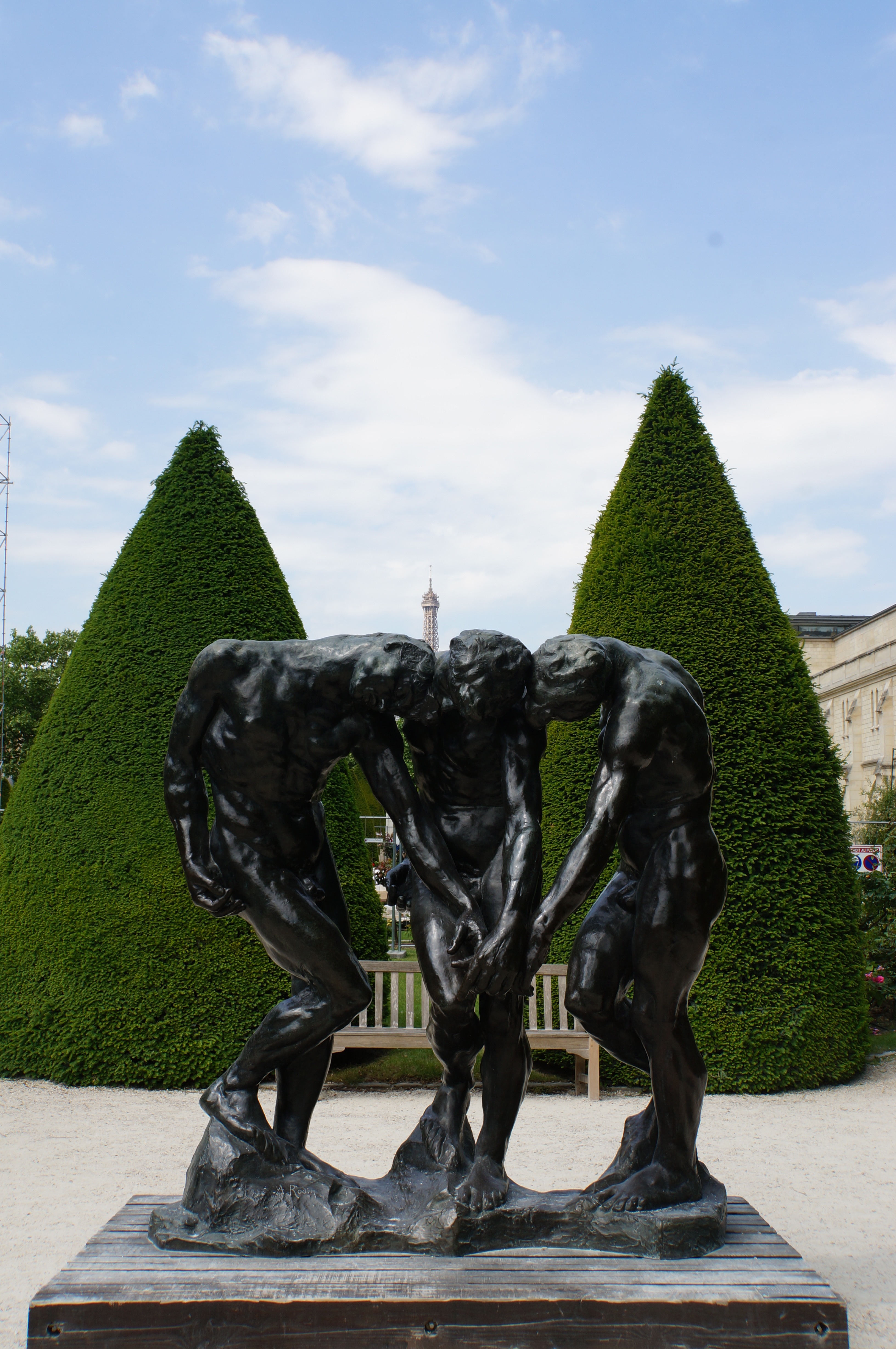
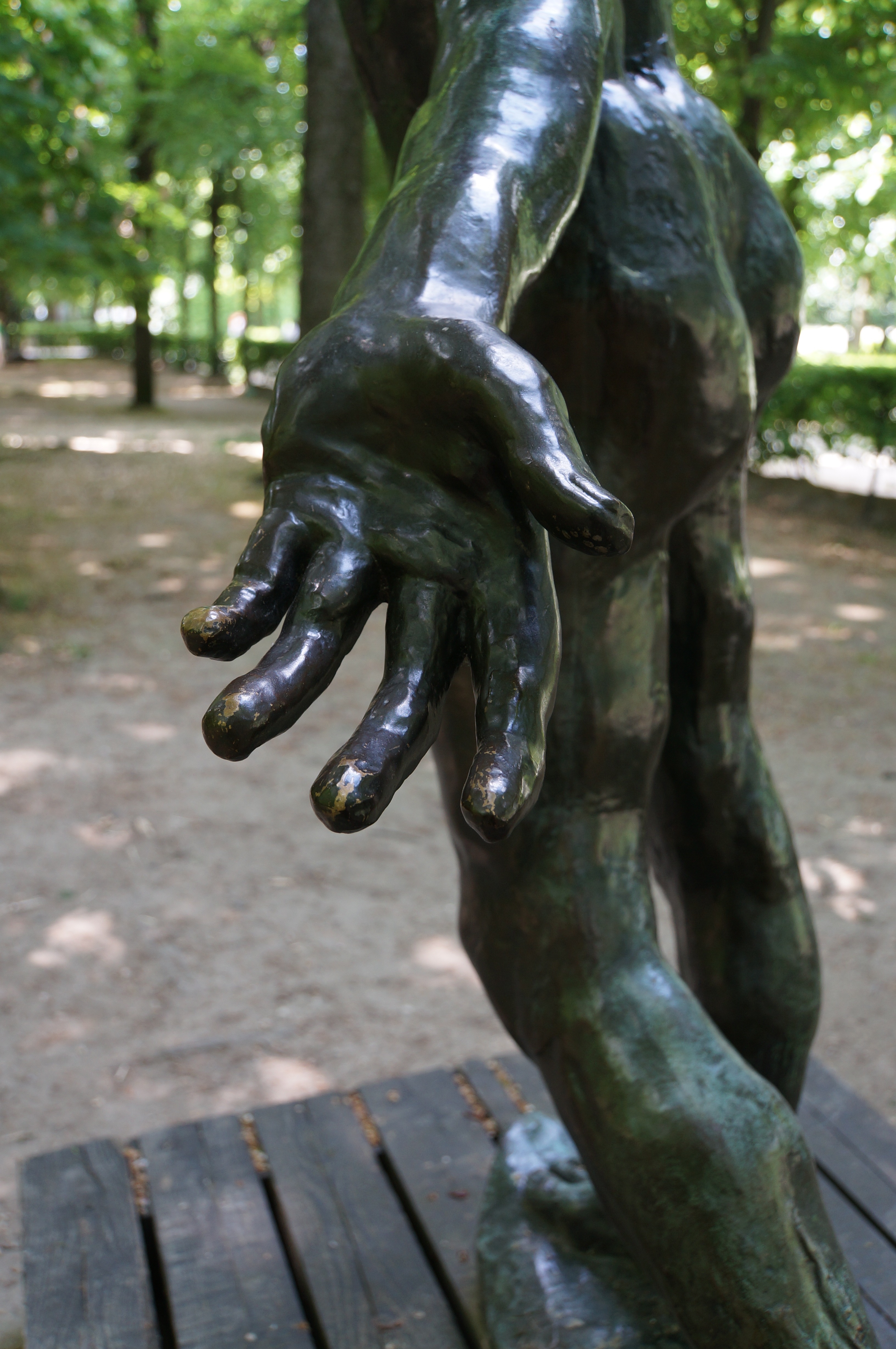
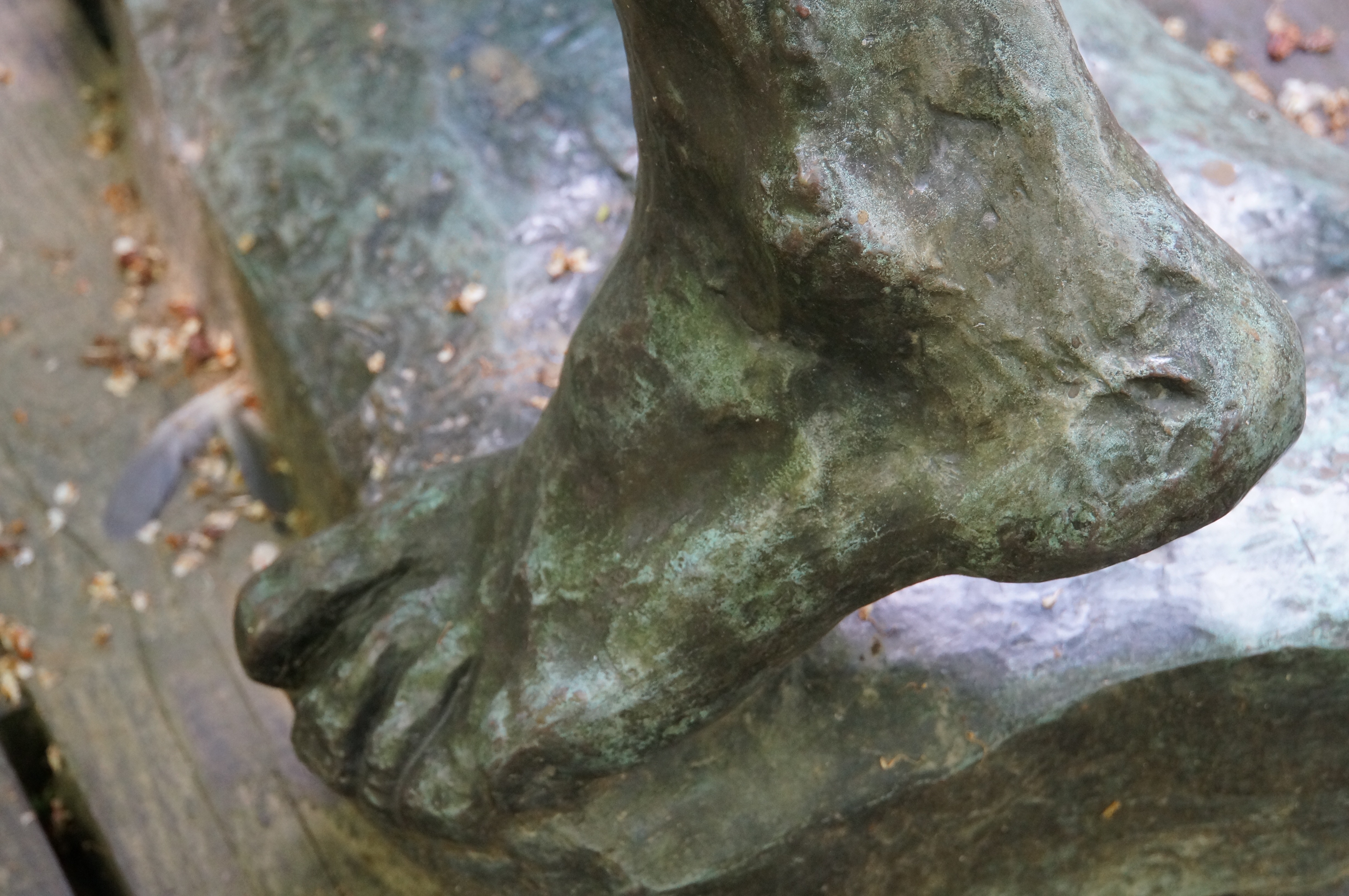
There are 8 key pieces of Rodin’s work in the Garden, many such as The Thinker and The Gates of Hell are well-known – and have stood in place since 1929 when the museum opened. Adam and The Shade, The Age of Bronze and Eve surround the reflecting pool and in another section, The Three Shades is displayed.
The gallery inside the former hotel hold many famous works and I was overwhelmed to see many “in person”. According to the museum’s website, “for Auguste Rodin, working with a living, breathing model was essential—it enabled him to study the anatomy, facial expressions, and personality of his subject. When he hired models to pose for him, he asked them to move freely in the studio and was most inspired by their unguarded, unrestrained movements. In his portraits of political figures, writers, and artists, Rodin took measurements of their heads and studied their neck and shoulders. Some individuals were uncomfortable with this scrutiny, but Rodin’s aim was to understand and know his subjects intimately so that he could convey their character.Rodin’s portraits were prized in his lifetime for their vitality and honesty, and they continue to offer fascinating insights into his working practice. The works on view include such renowned subjects as Honoré de Balzac and Victor Hugo, the women in Rodin’s life including Rose Beuret and Camille Claudel, and several works that haven’t been exhibited for many years.”
Key works on display are the larger than life bronze doors inspired by Dante’s Divine Comedy, The Kiss, and a smaller version of sculpture “The Thinker” found outside in the garden.
For more on Rodin, visit: http://www.musee-rodin.fr/en/museum/musee-rodin-paris
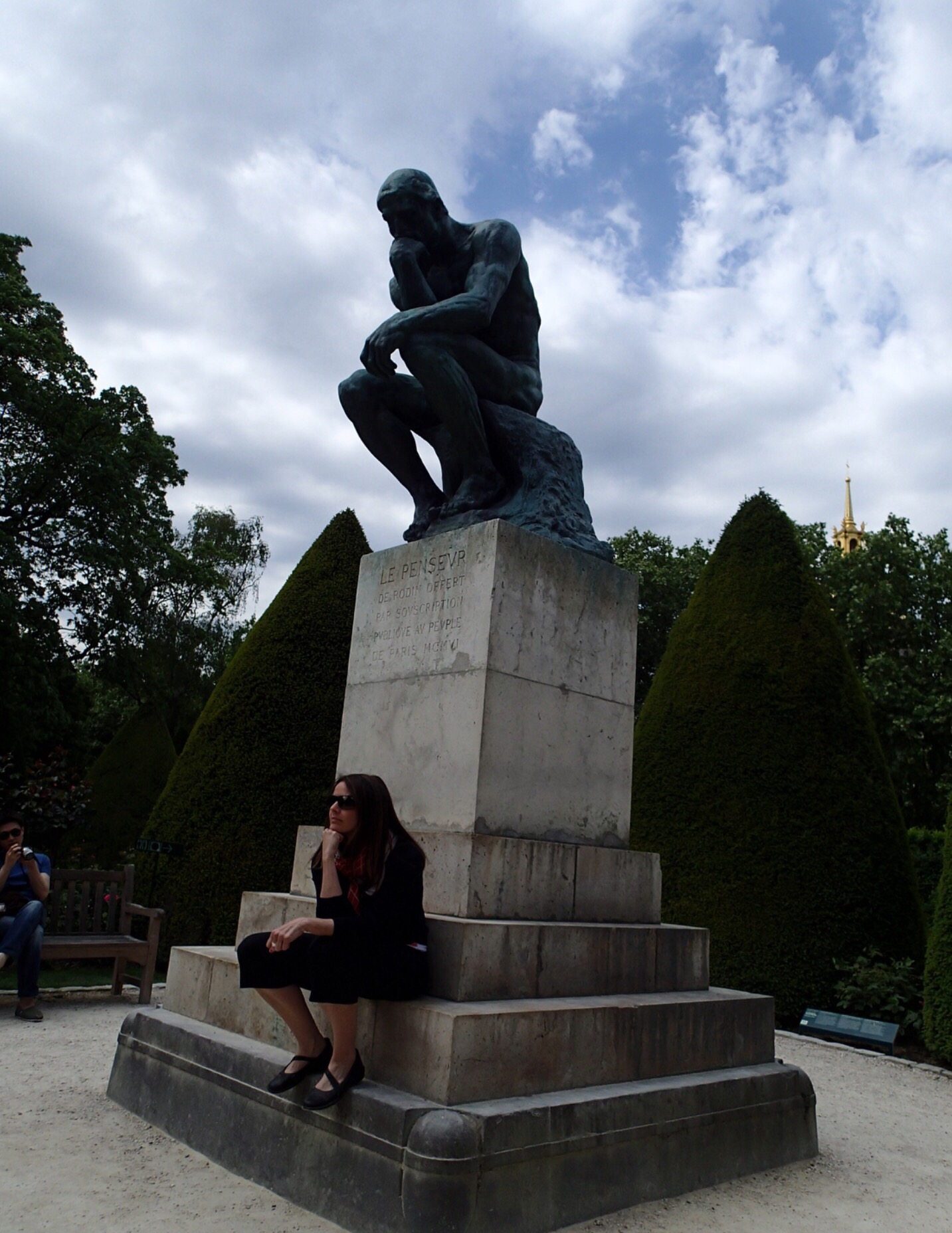
Recreating the pose – “The Thinker” and “The Geologist”
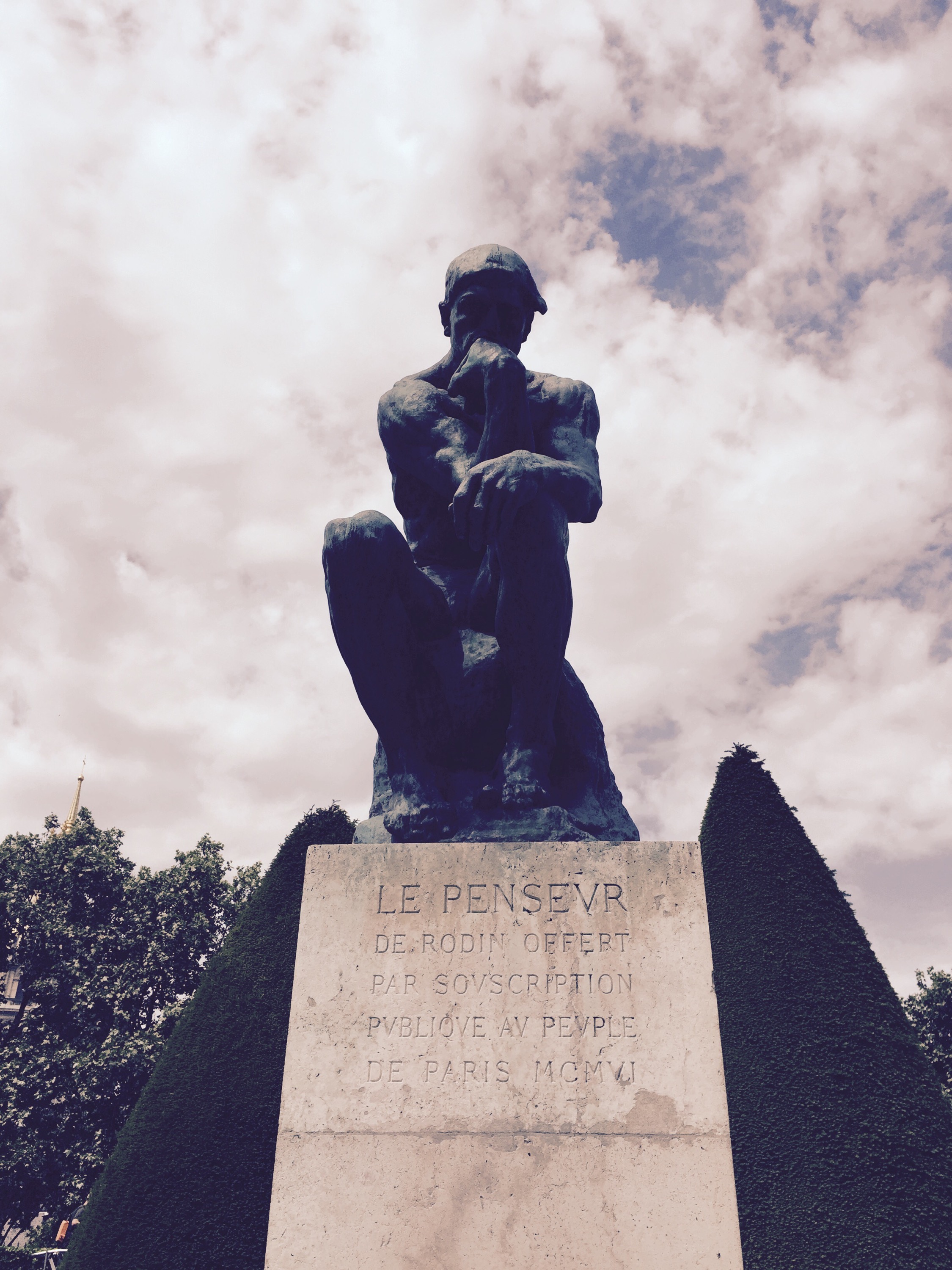
Le Penseur 1903
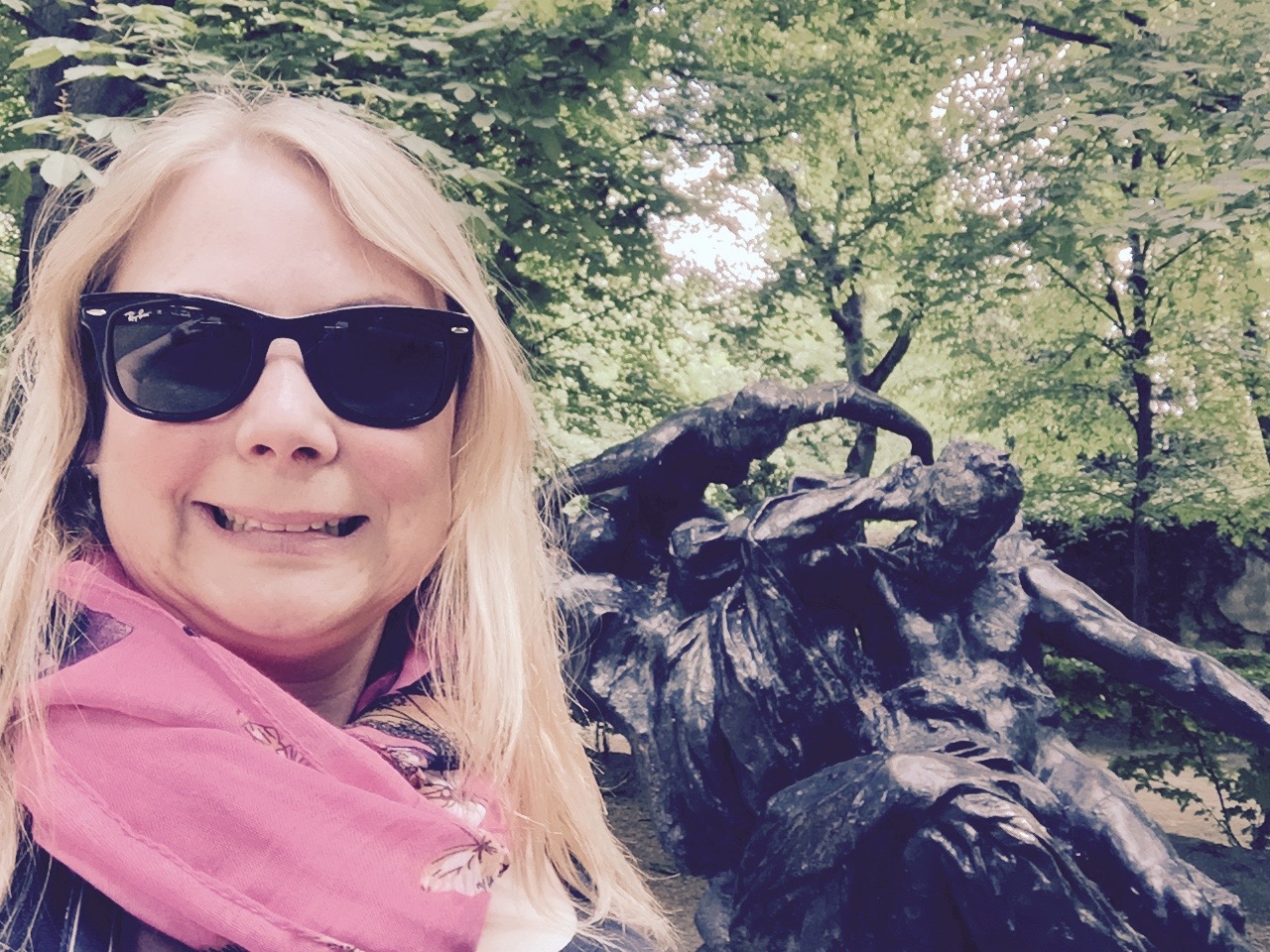
Monument a Victor Hugo (dit du Palis Royal)
Overthinking?
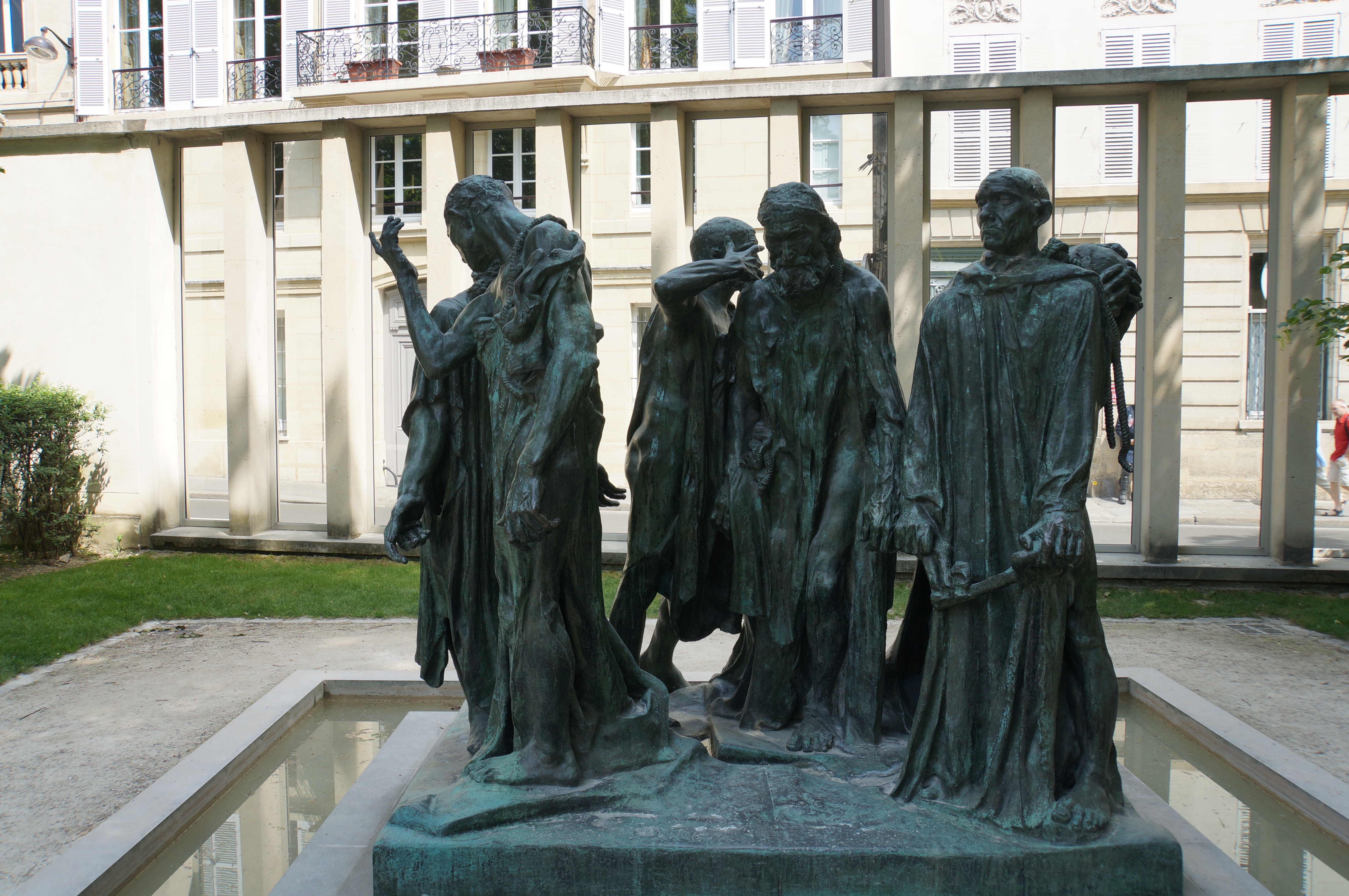
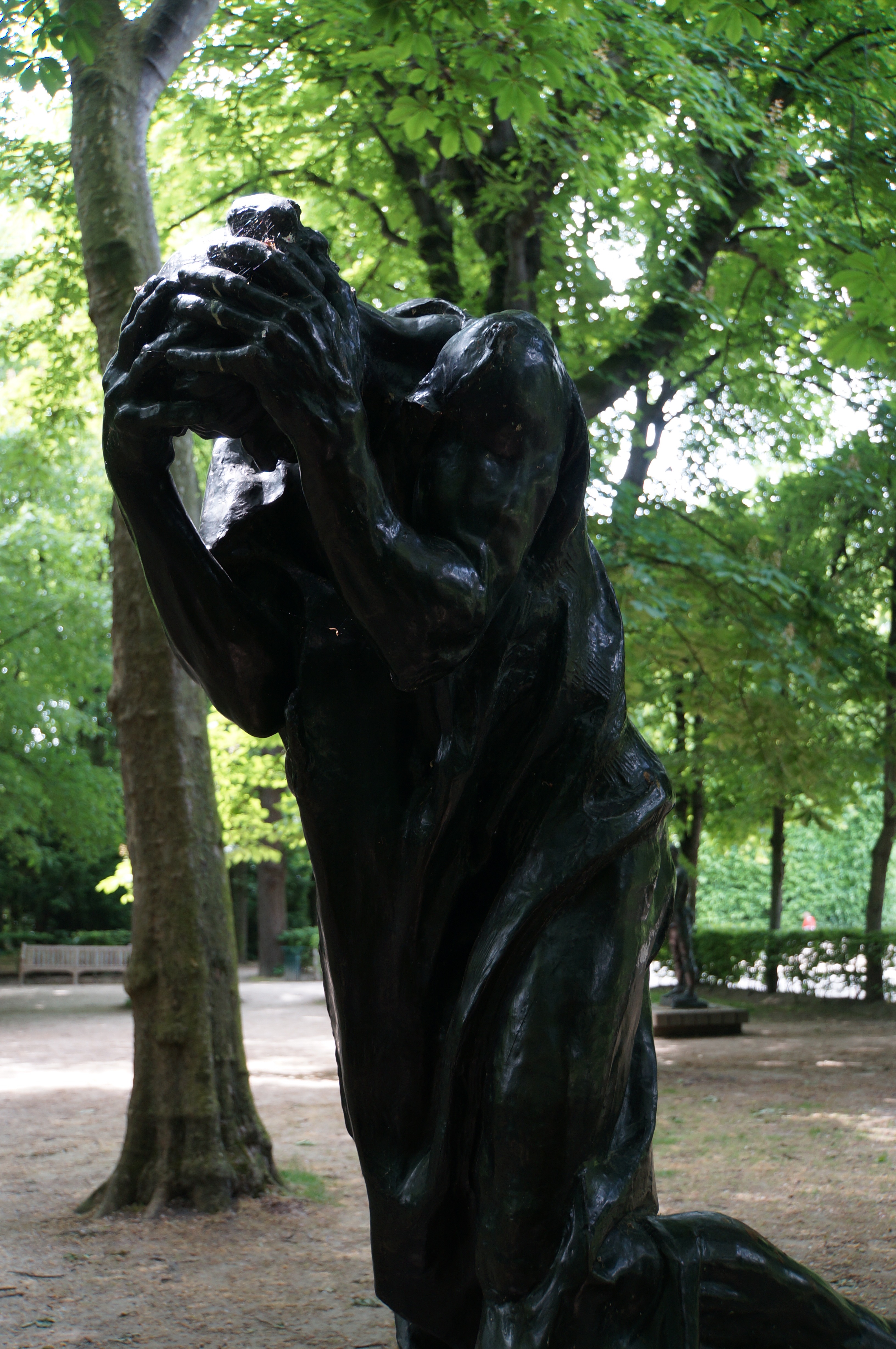

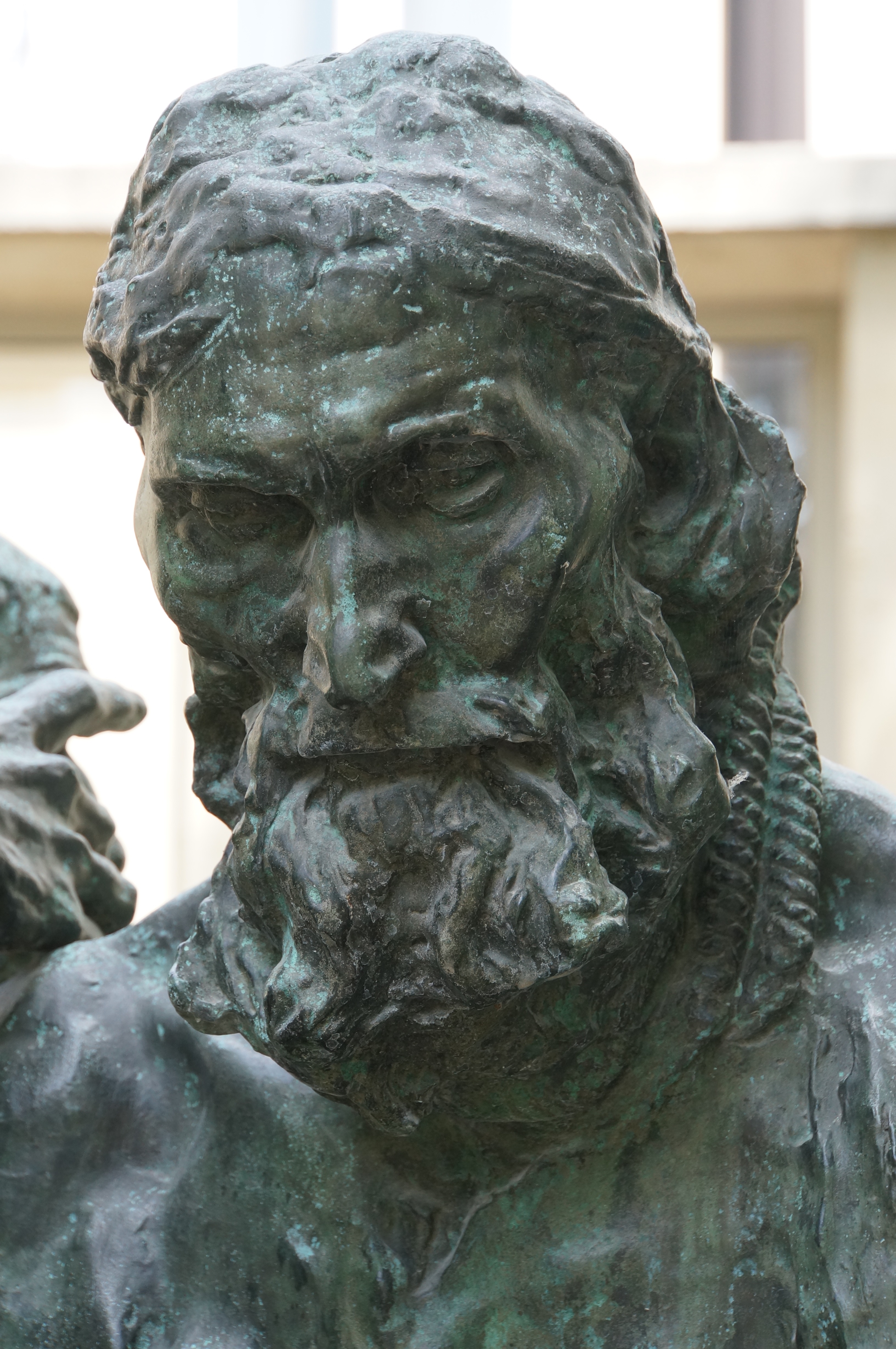

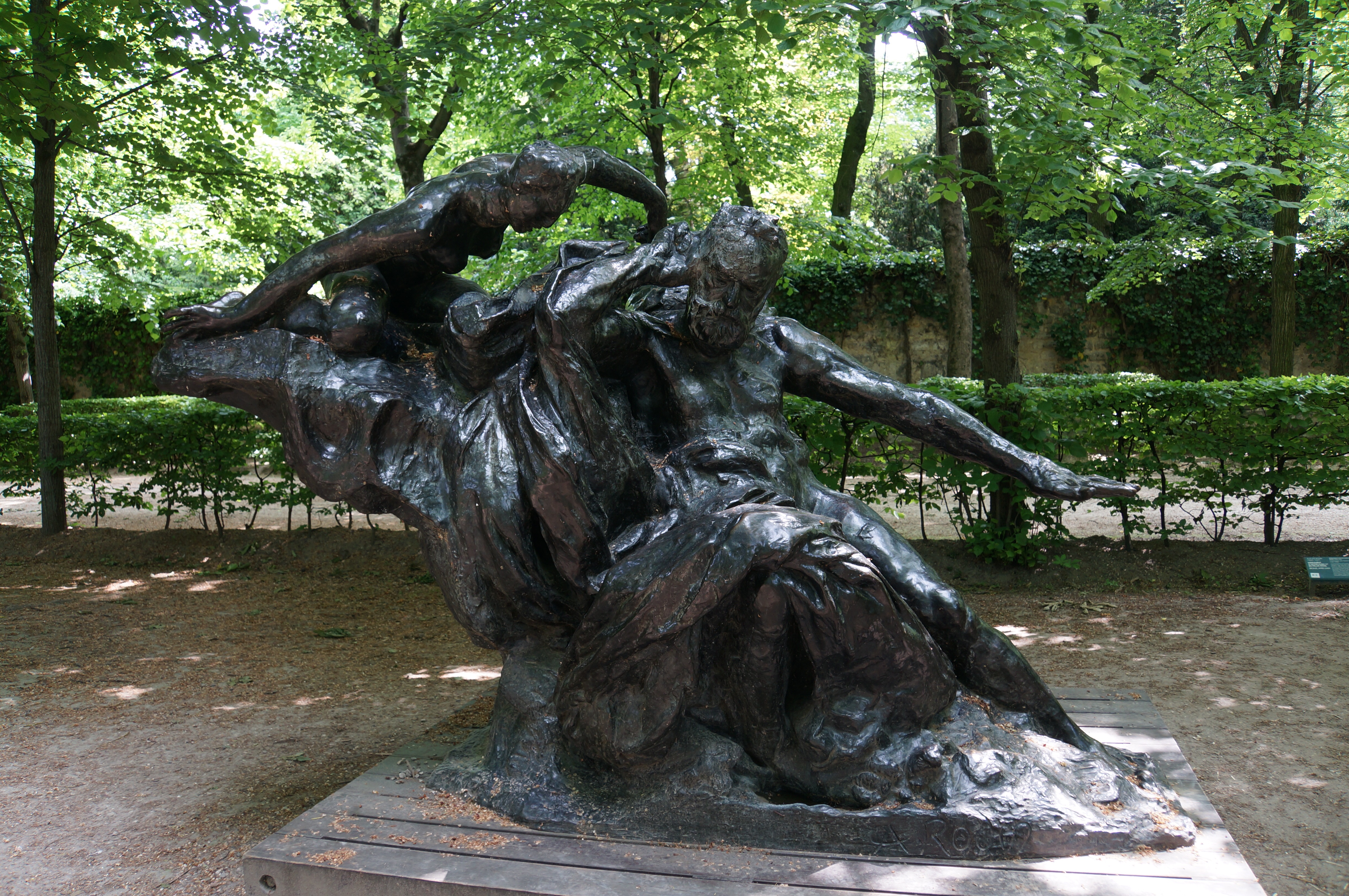
Monument a Victor Hugo (did du Palais Royal)
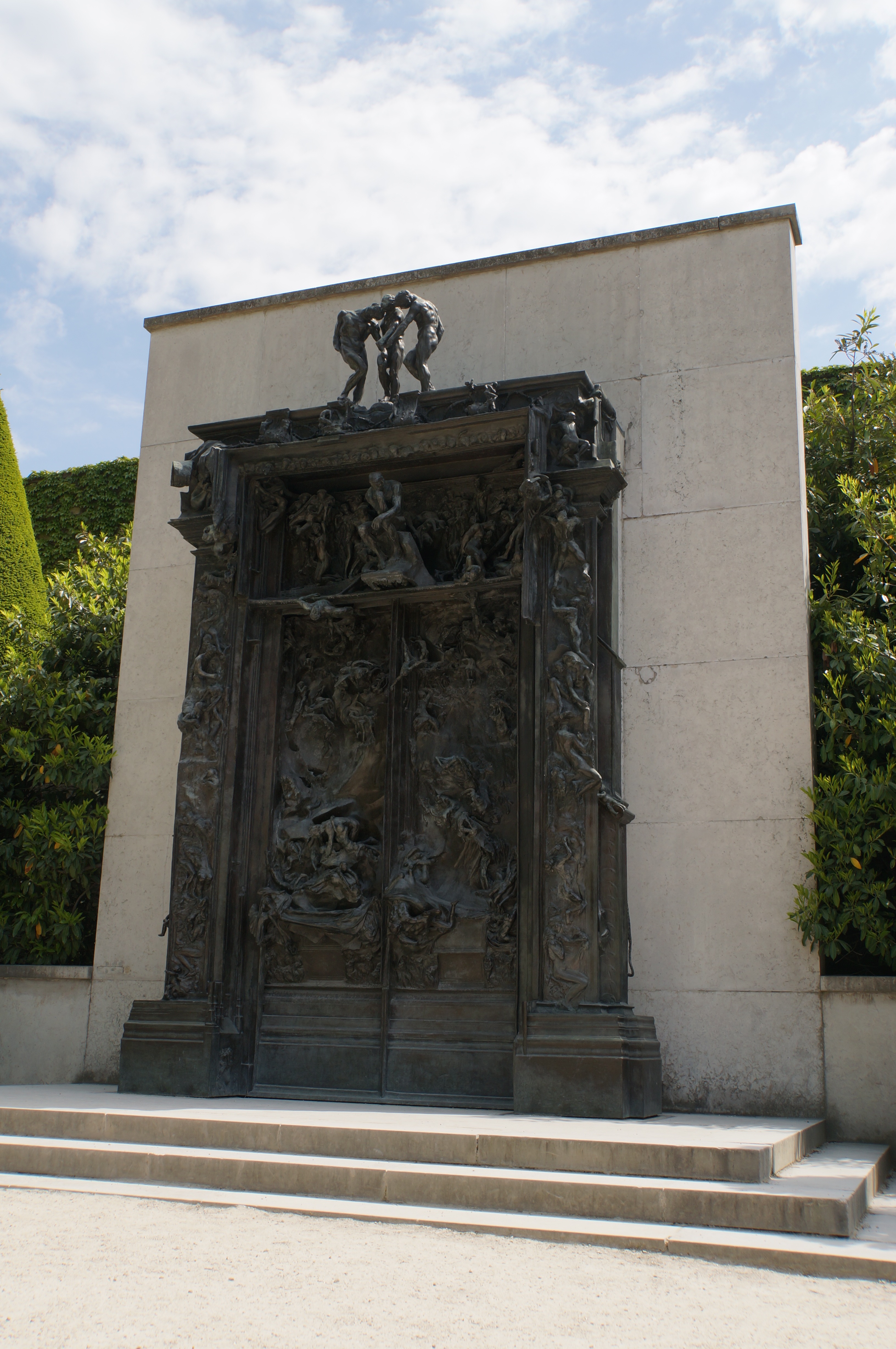
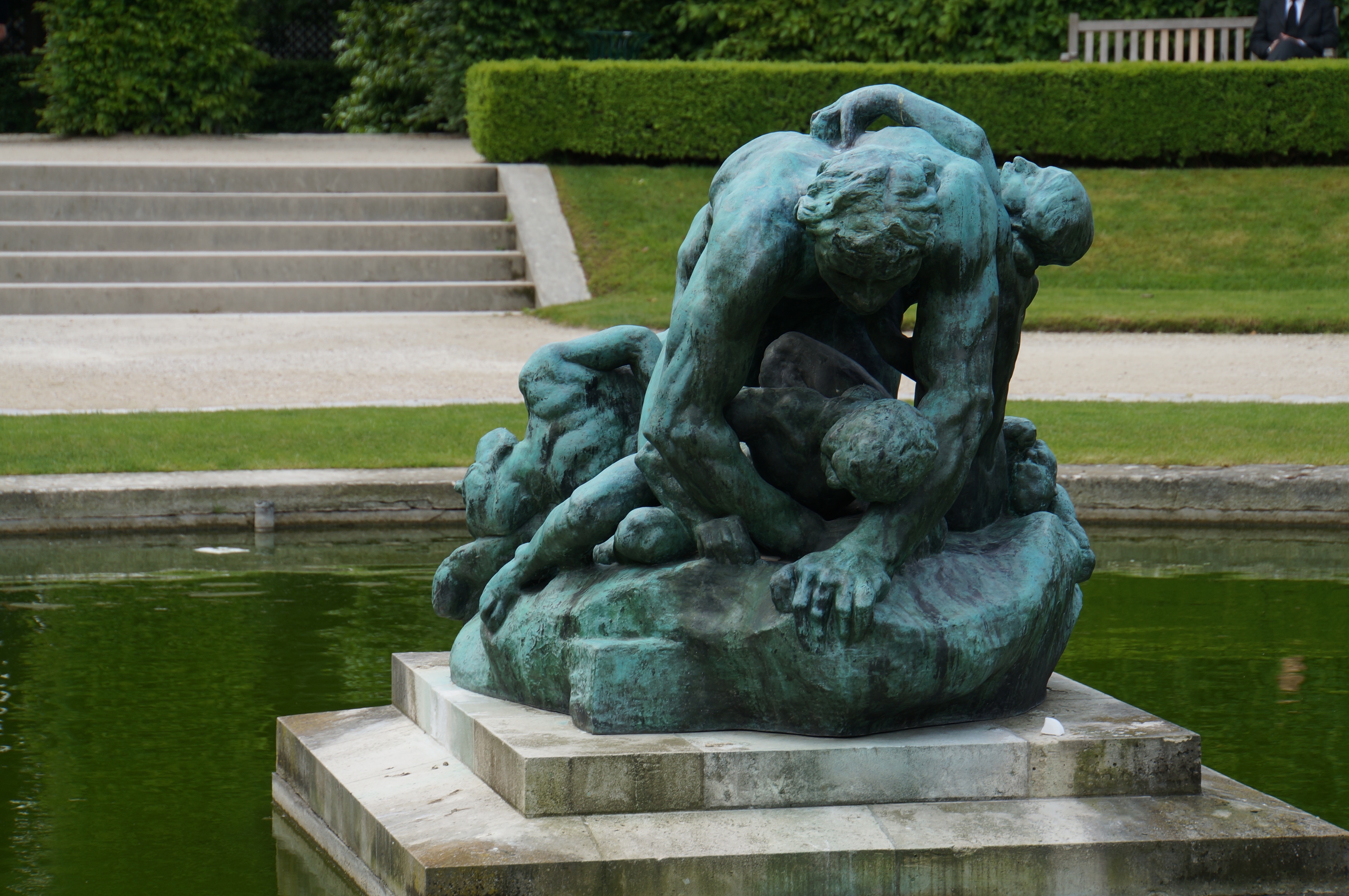

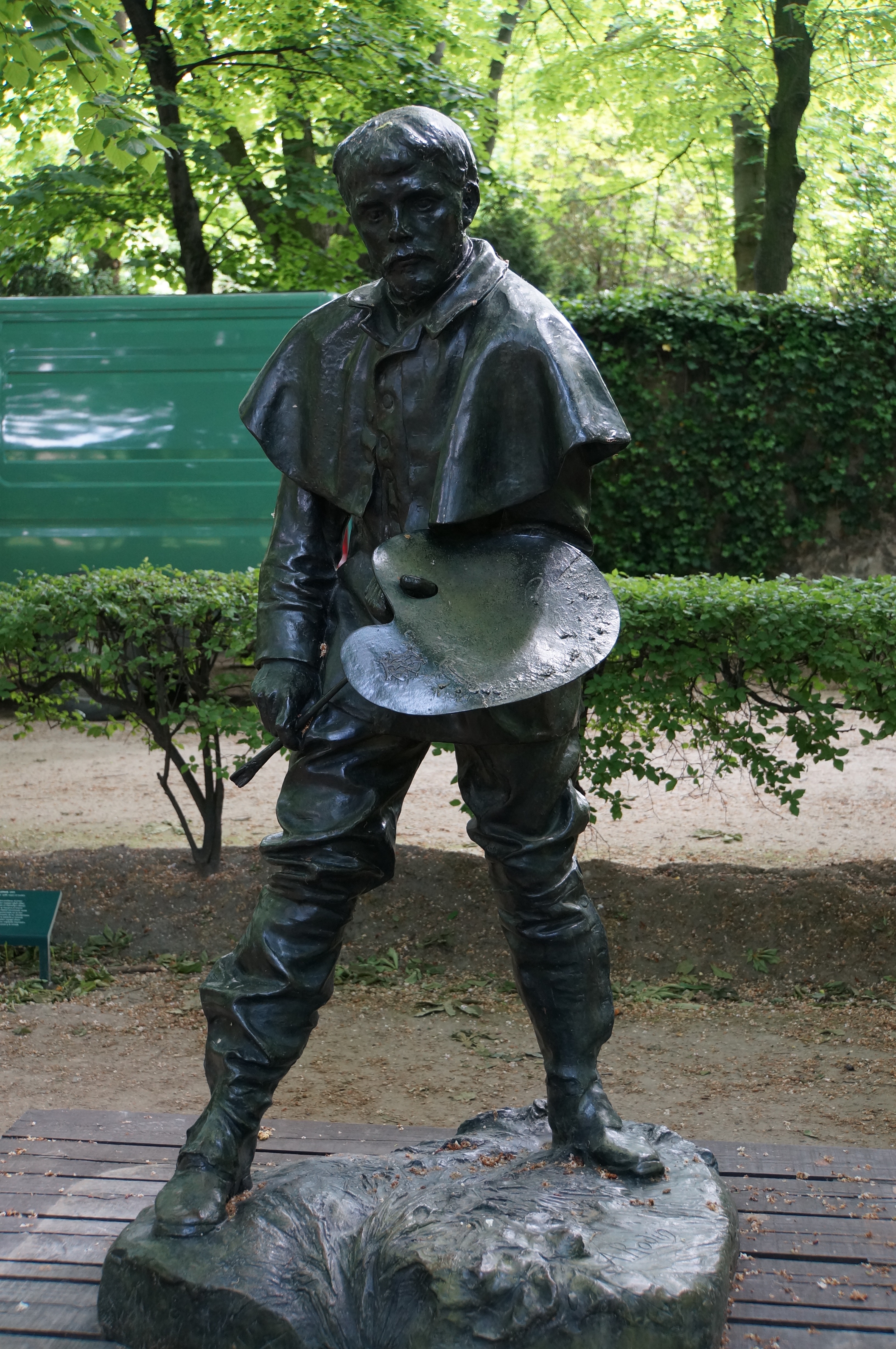
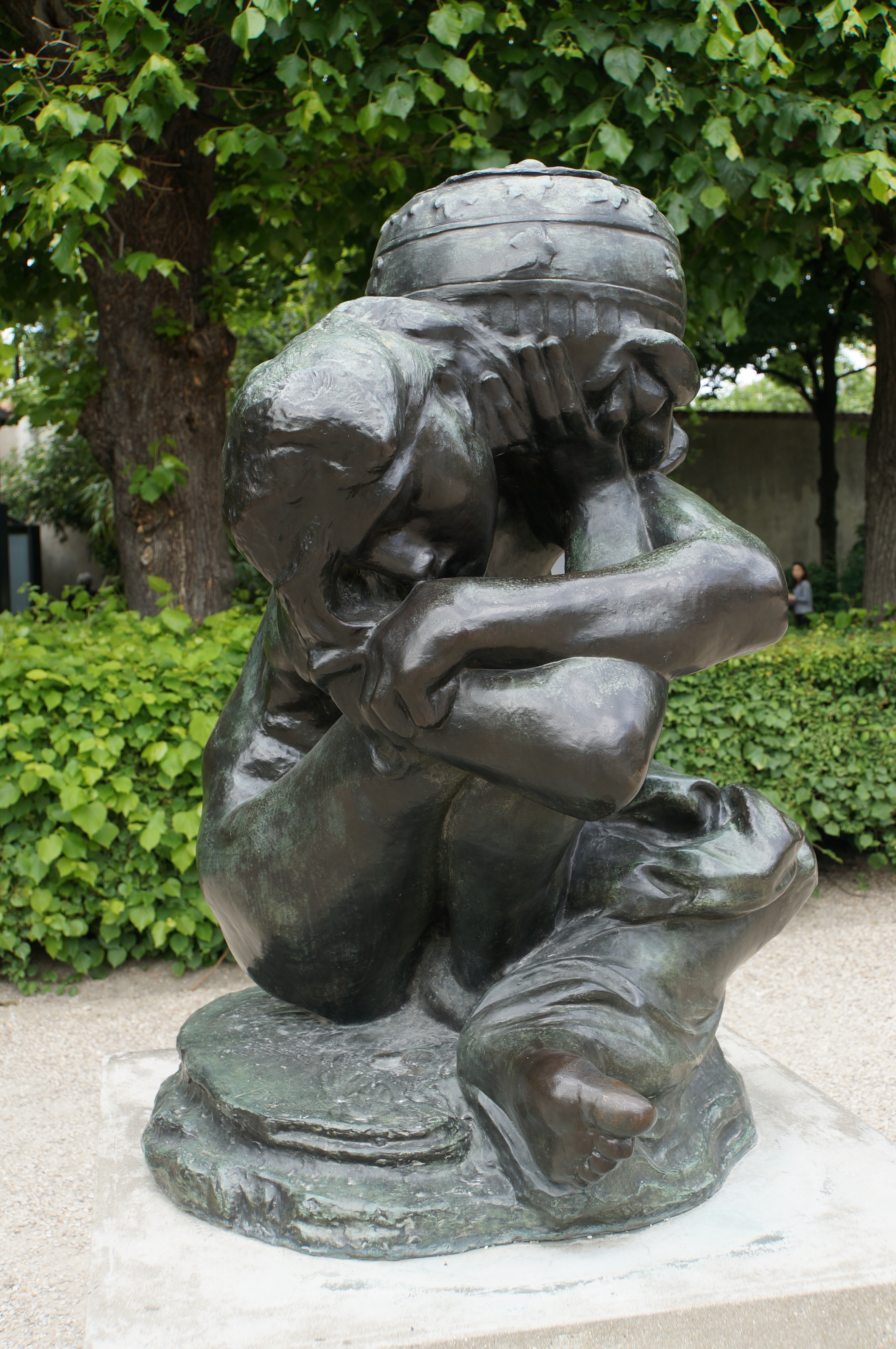
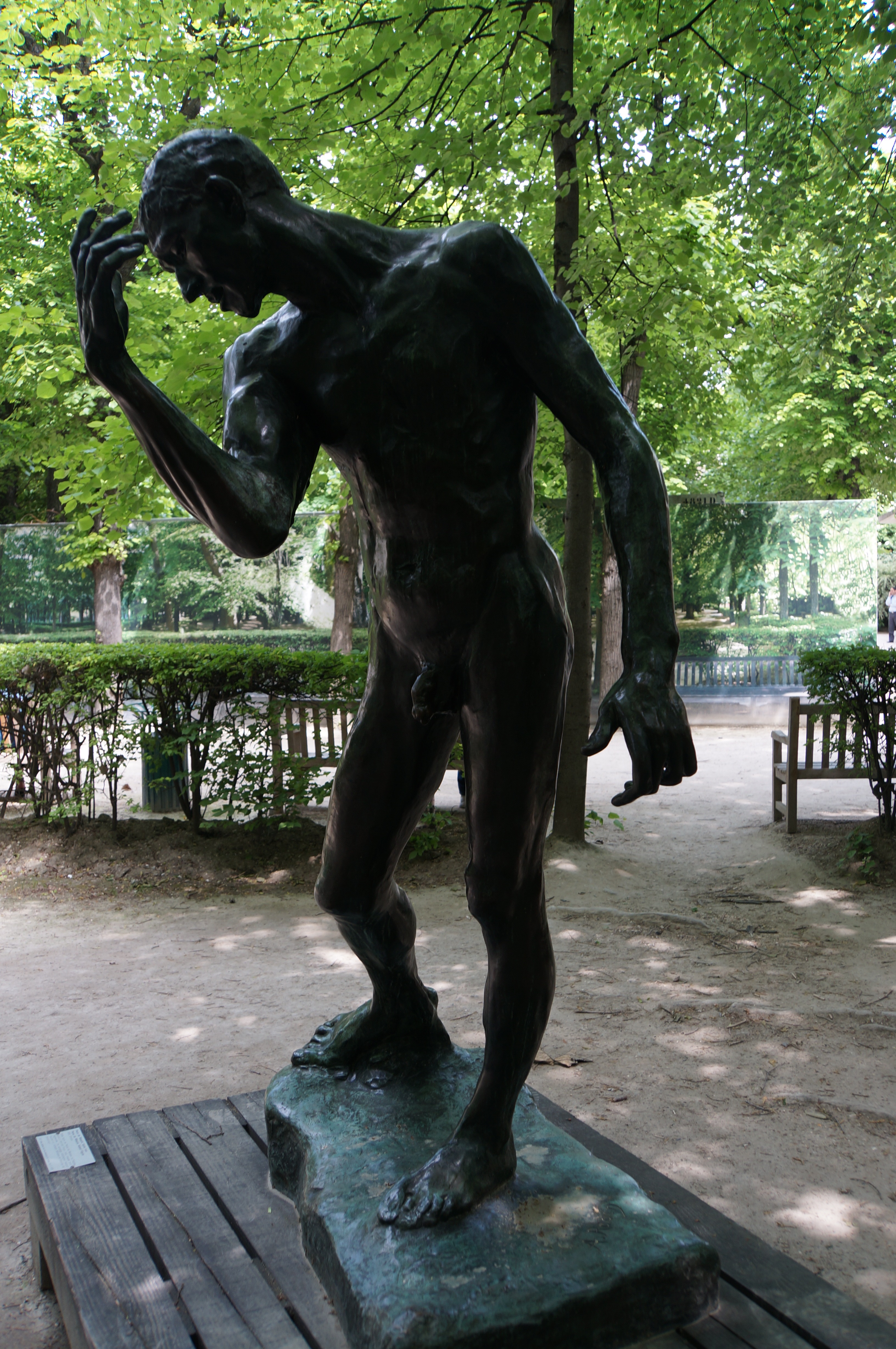
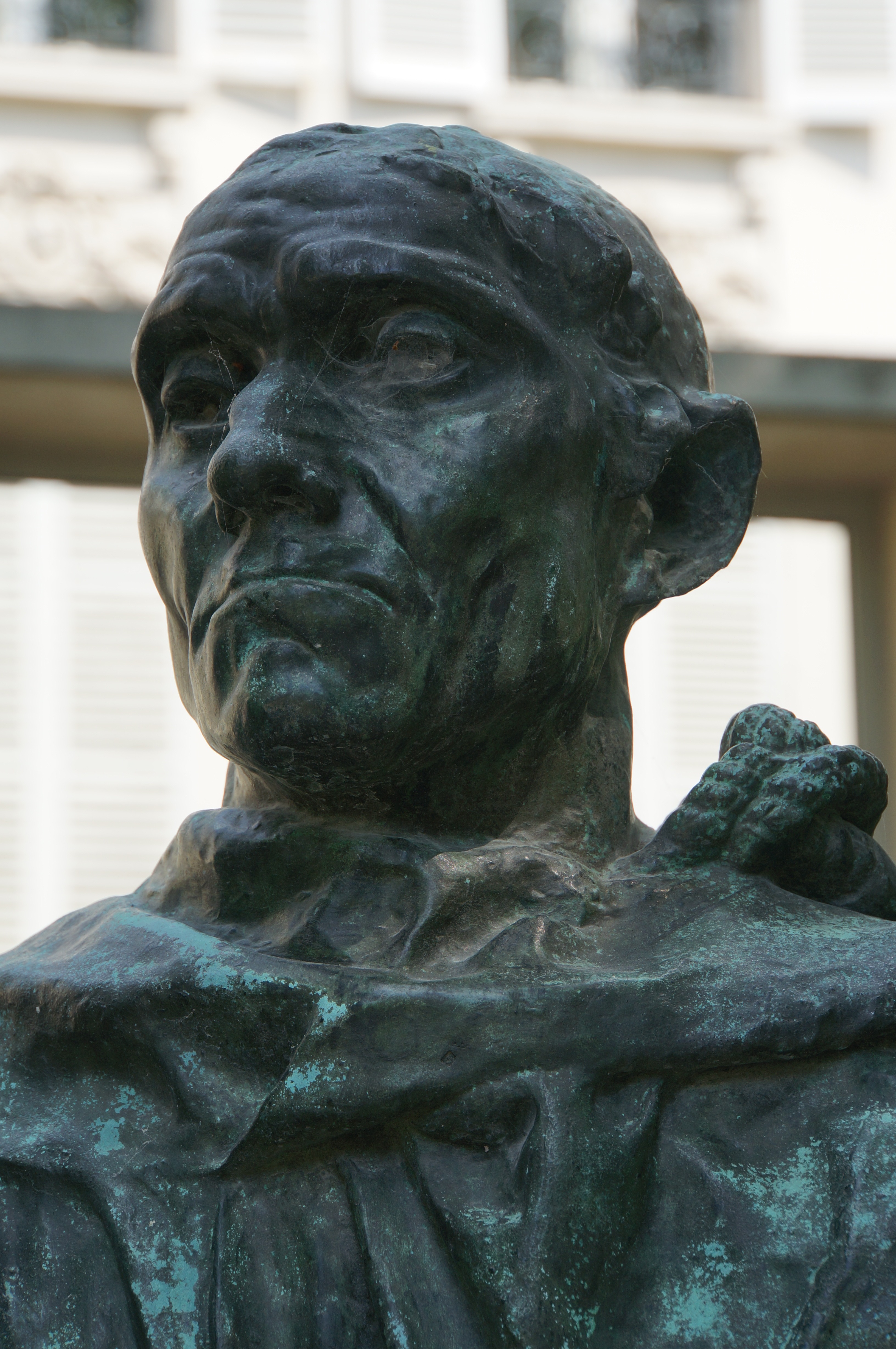
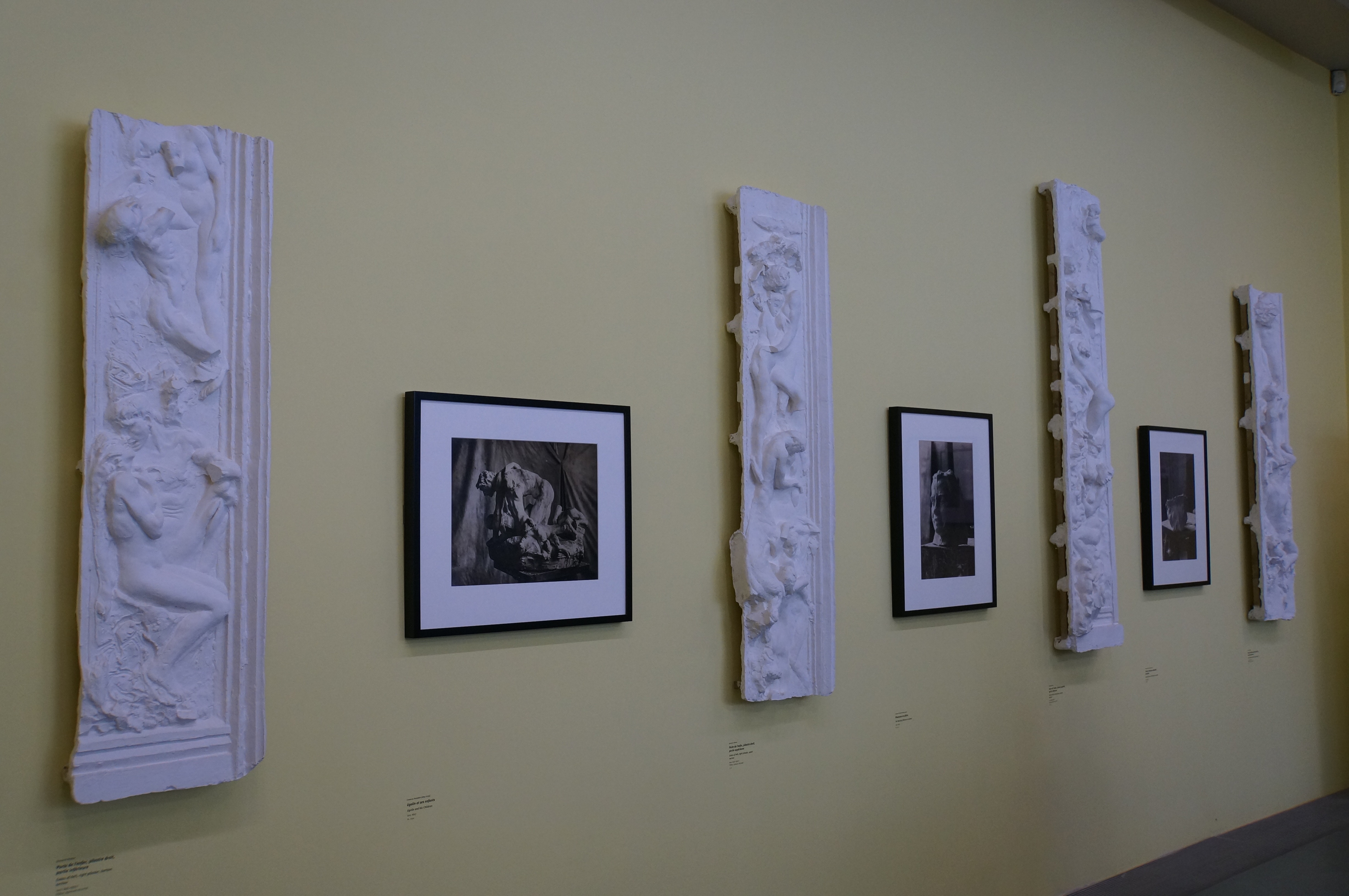
The plasters from the Gates of Hell
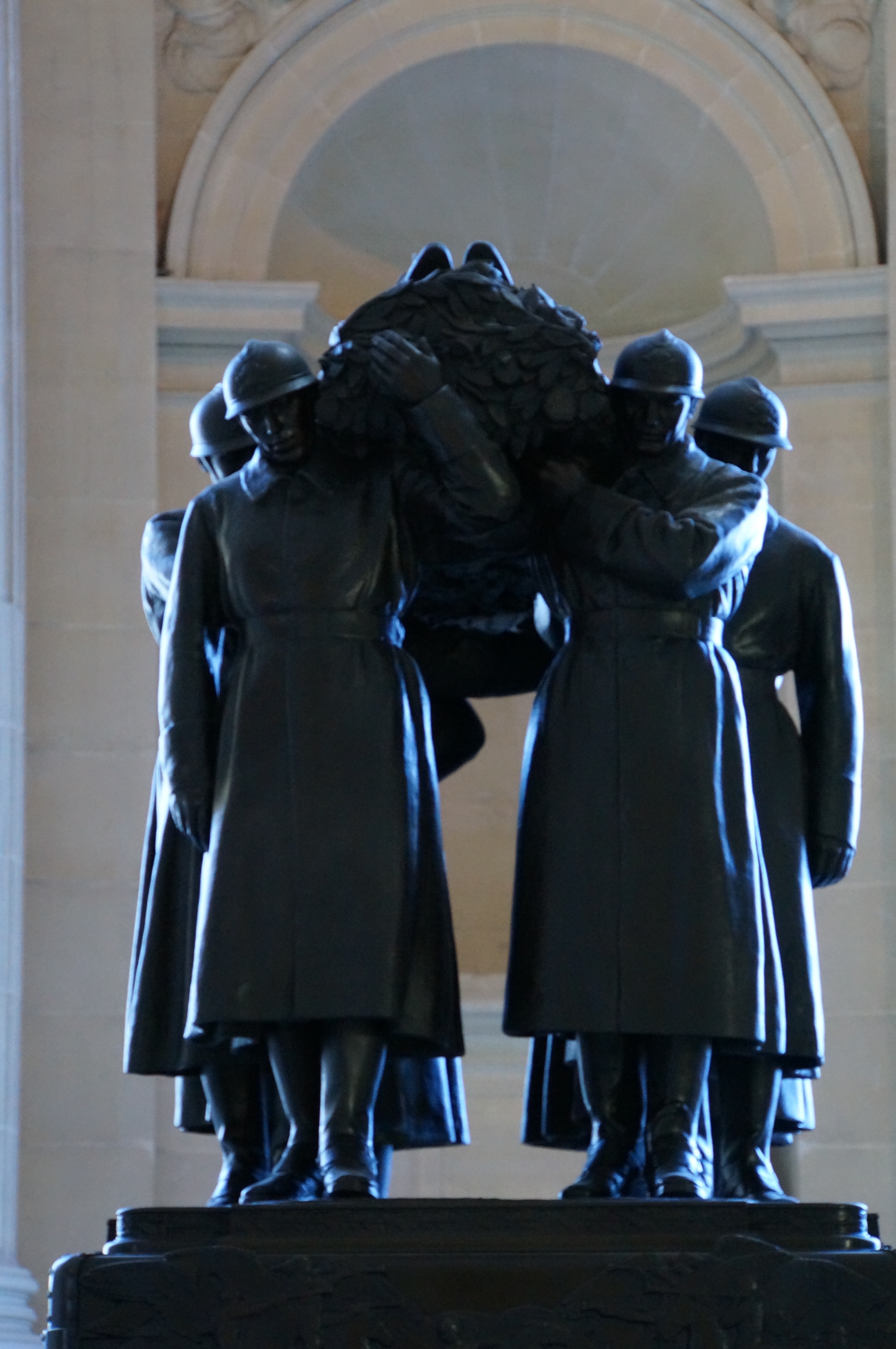
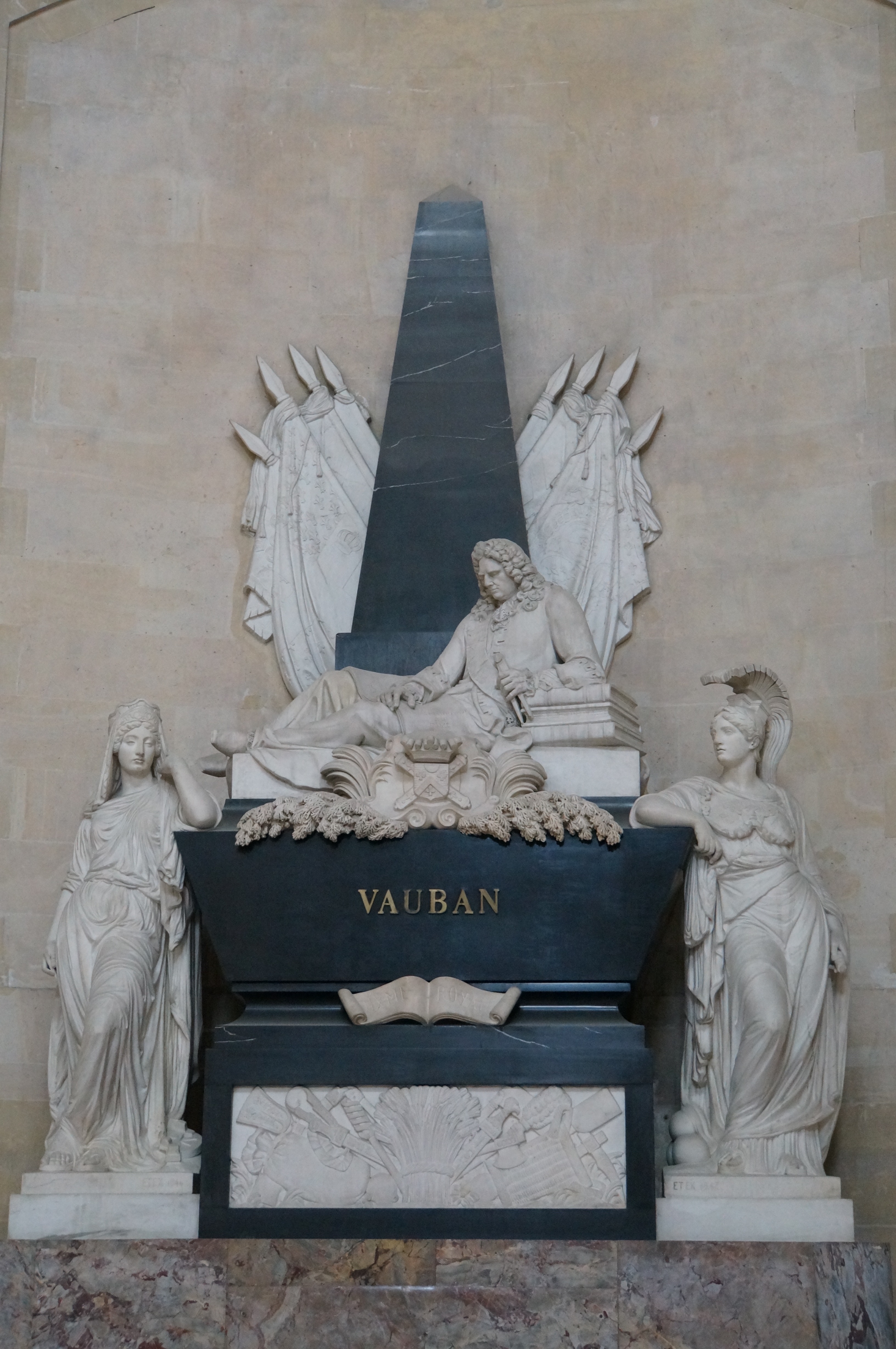
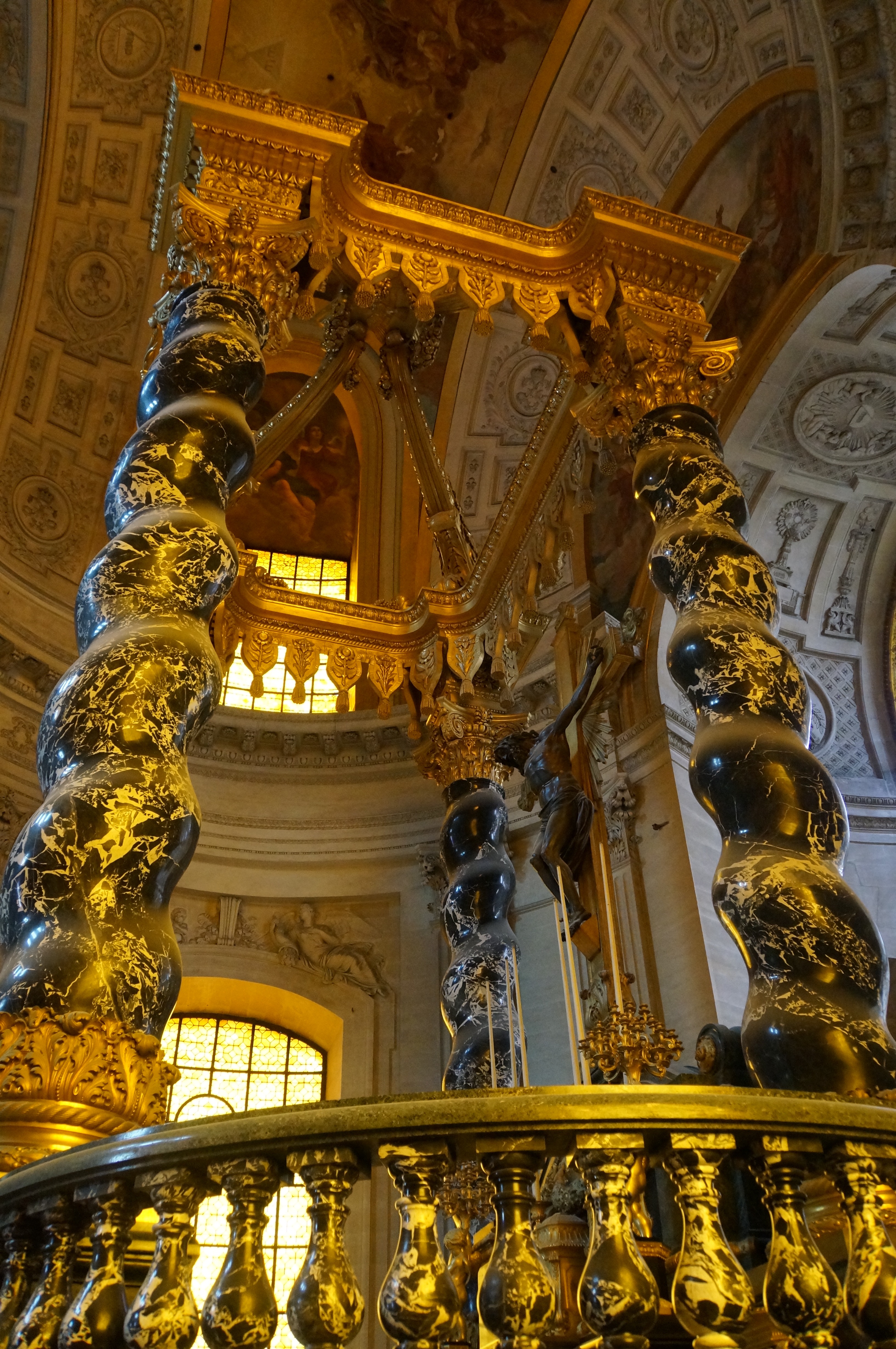
Eglise du Dome Church at the Hotel des Invalides:
We end this phase of museum hopping at Napoleon’s tomb. I’ll be honest, retaining all this history on this is a challenge so I’m dipping into the Google.
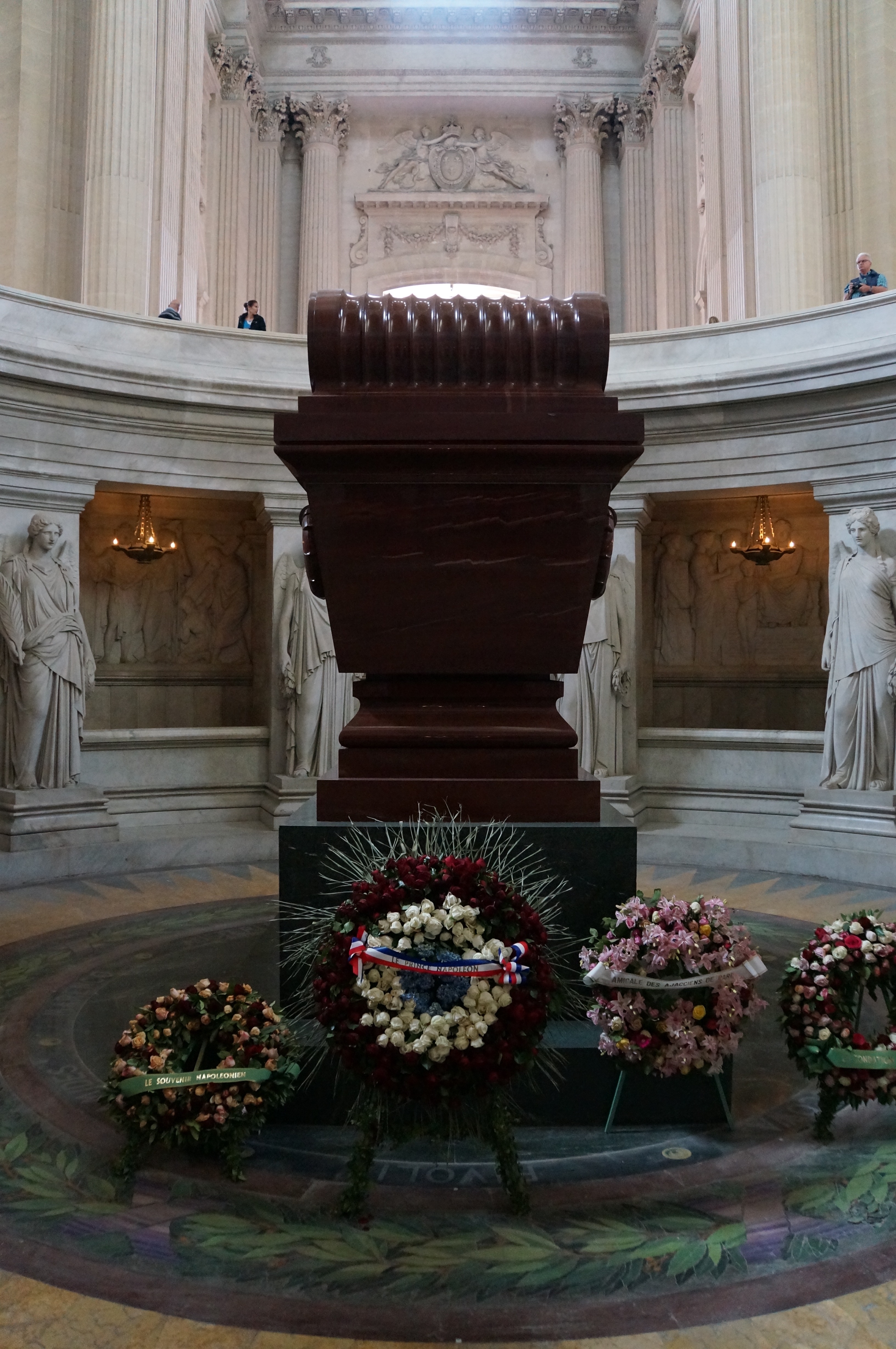
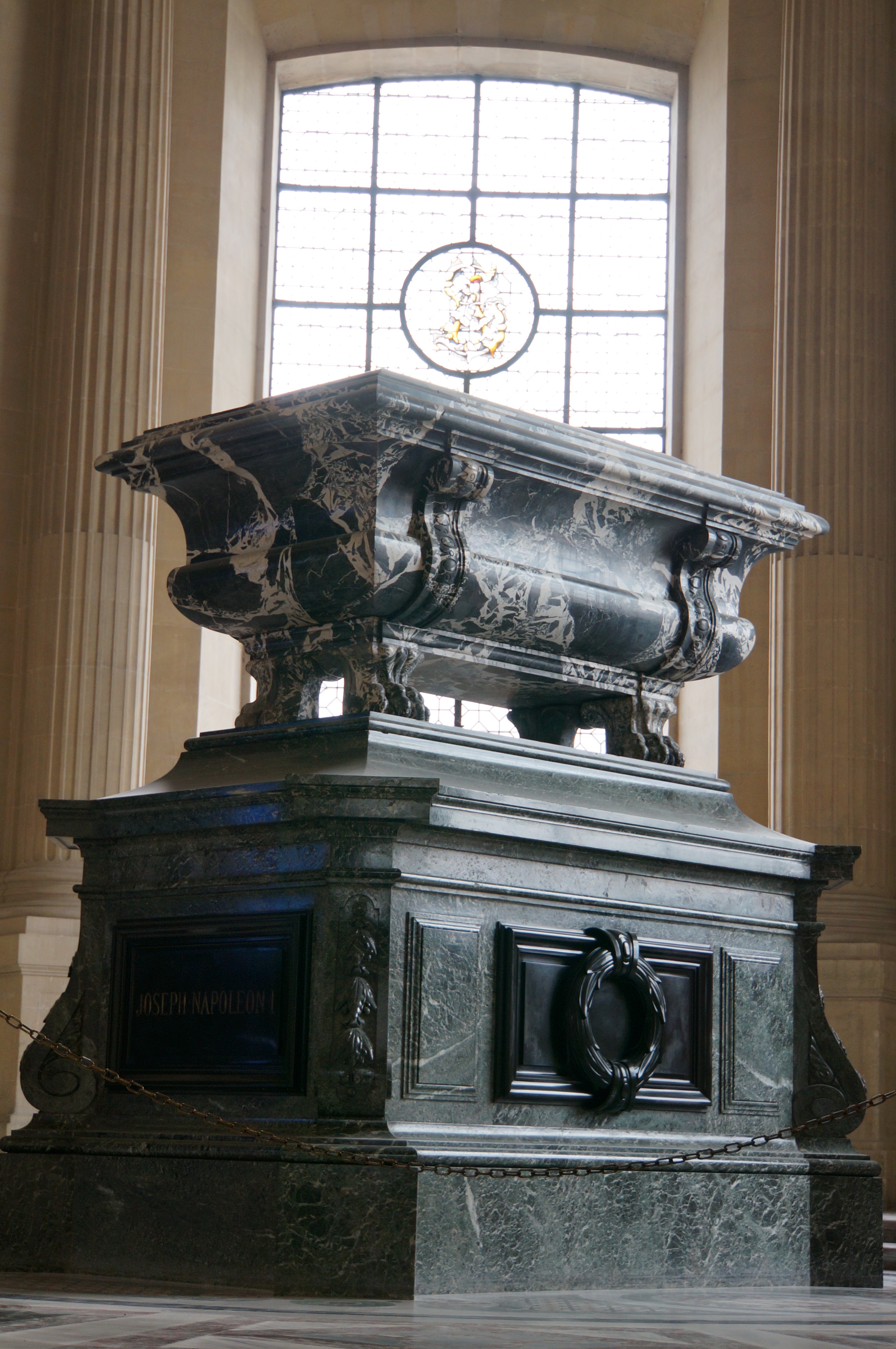
According to http://www.paris-france.me.uk/napoleon’s_tomb.htm Napoleon’s Tomb is located in the central crypt of the Eglise du Dome Church at the Hotel des Invalides, which is situated on the Esplanade des Invalides, within the 7th Arrondissement, in the city of Paris. The remains of the emperor, inside the sarcophagus, are protected by six concentric coffins, built from different materials, including mahogany, ebony, and oak, all one inside the other. It was also the start of our “I see dead people” instagram photo series. Started by accident, but a highlight of our goofy online documentation.
On May 5th 1821, Napoleon died on the island of St Helena, where he had been in exile since 1815. He was buried in the Geranium valley. His remains rested there until October 15th 1840. In 1840 his remains were exhumed and brought to Paris, under the instructions of Louis-Philippe, who demanded that the English return the emperor to French soil. A state funeral was held, and the remains laid to rest in St Jerome’s Chapel. The remains were moved in 1861 when the tomb was completed.
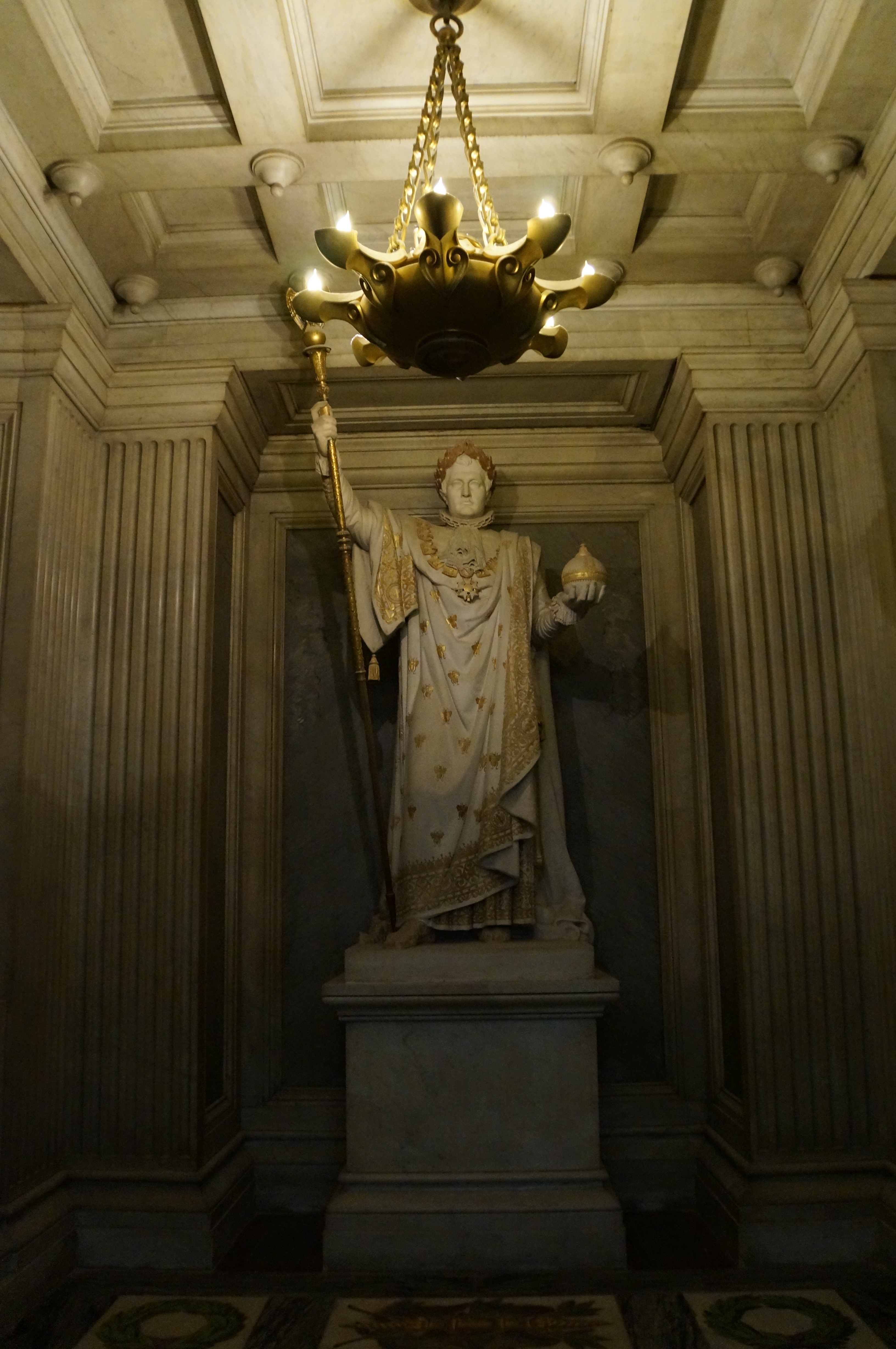
The tomb is crafted in red porphyry, and placed on a green granite base (GEOLOGY ALERT!), it is circled by a crown of laurels with inscriptions, which act as reminders of the empires great victories. In the round gallery is a series of low relief, sculptures by Simart. A statue of the emperor, bearing the imperial emblems, is located at the back of the crypt.
As a spoiler alert – we trudged through many more museums in the Alps and Italy so – wait for it – that excitement is still to come!
Writers footnote: some facts used in this blog were taken from and are credited to: Paris: AMA Spiral Guides, Wikipedia and any websites cited within our blog.
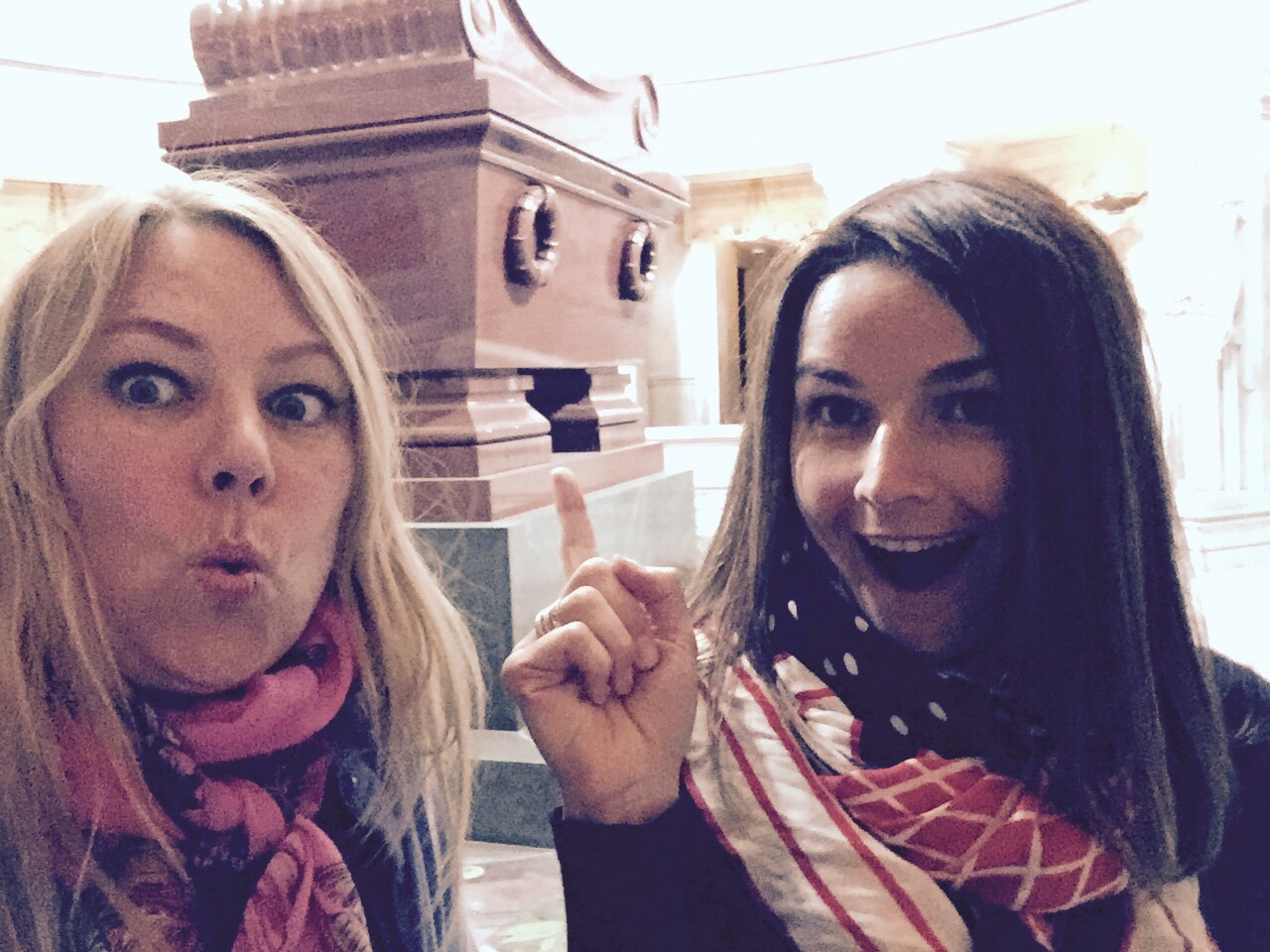
I See Dead People – Napleon’s Tomb.
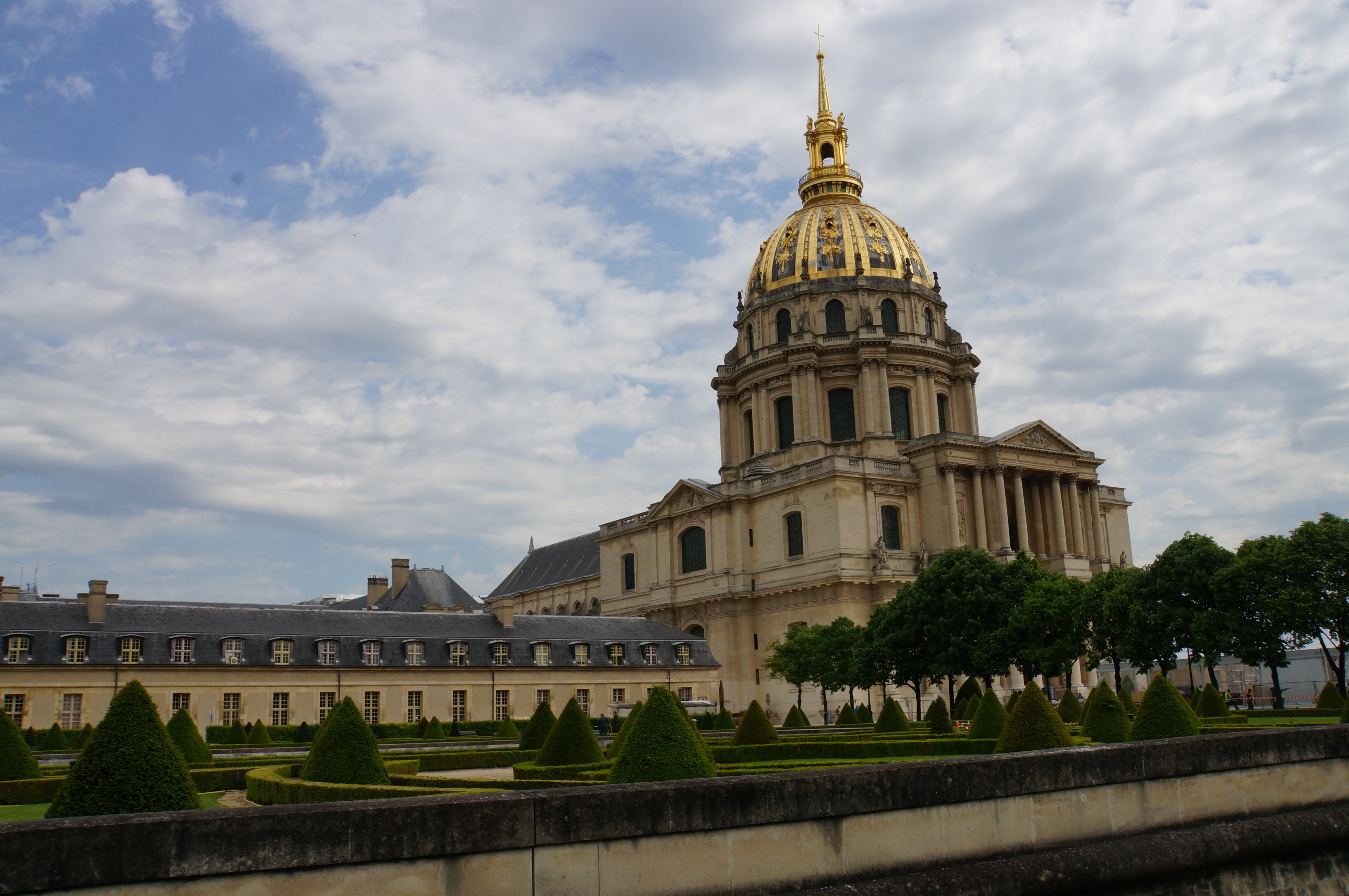
The view from the street
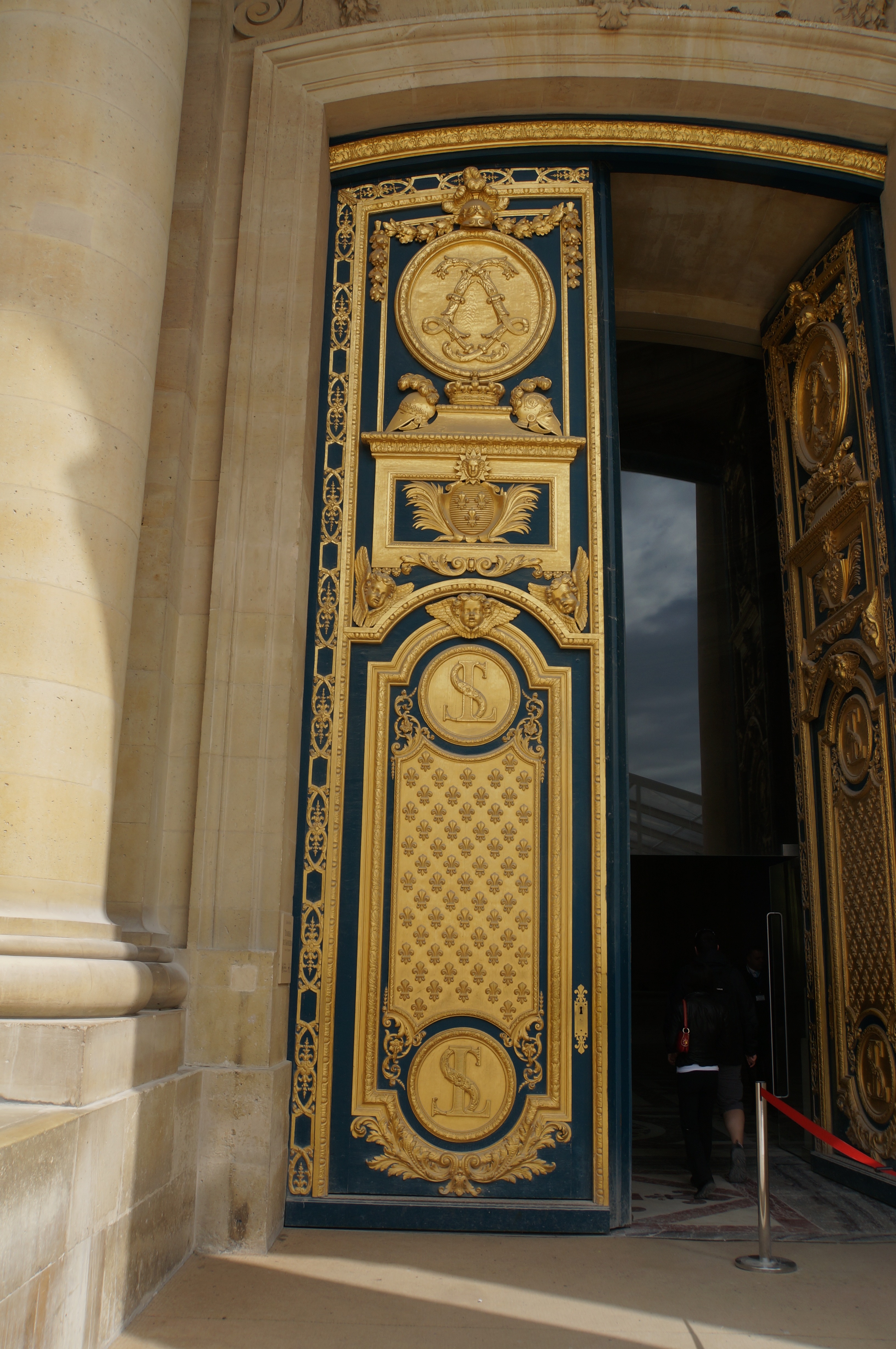
Opulent doorway as you enter the museum
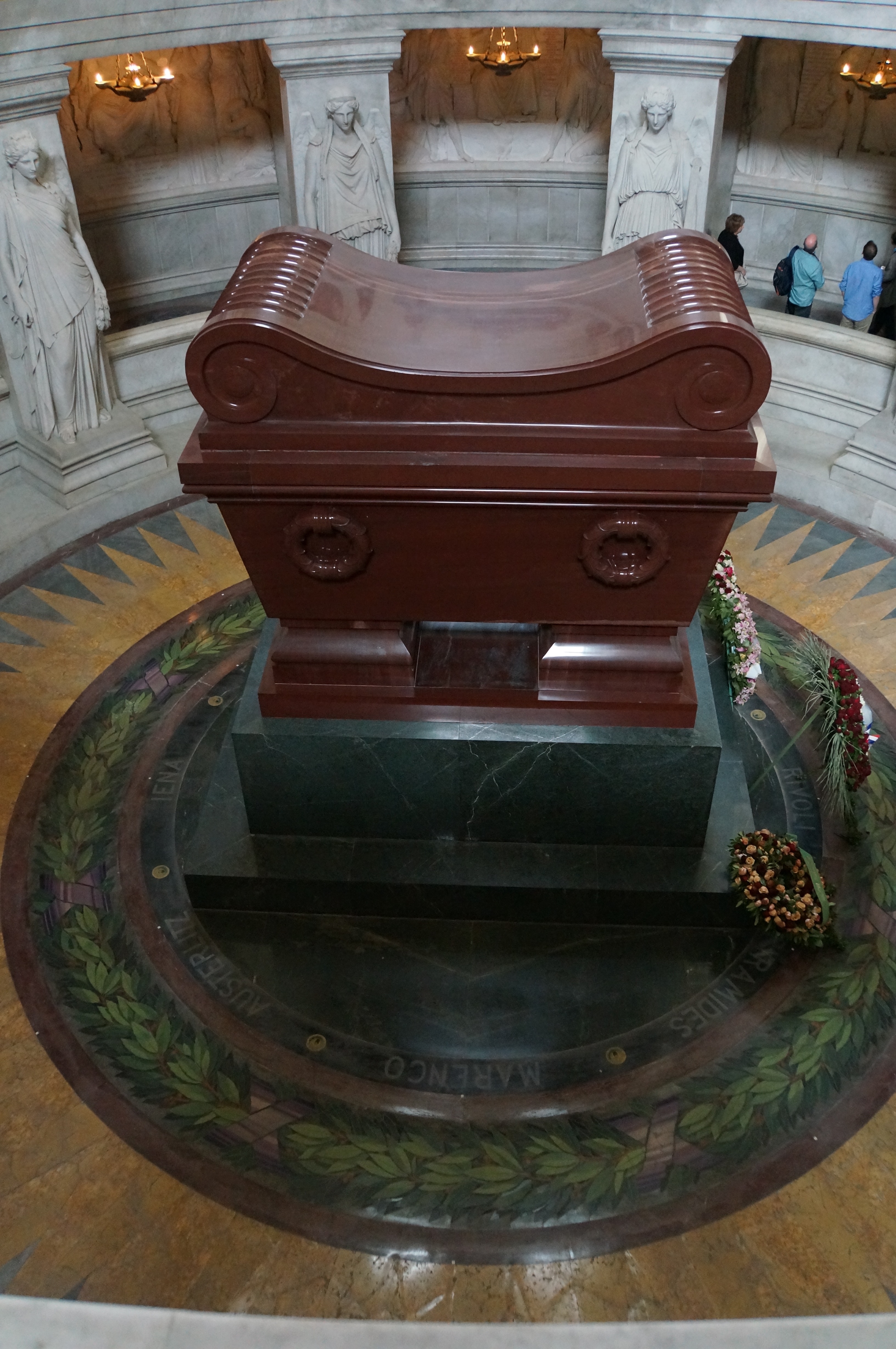
Napoleon’s tomb from above
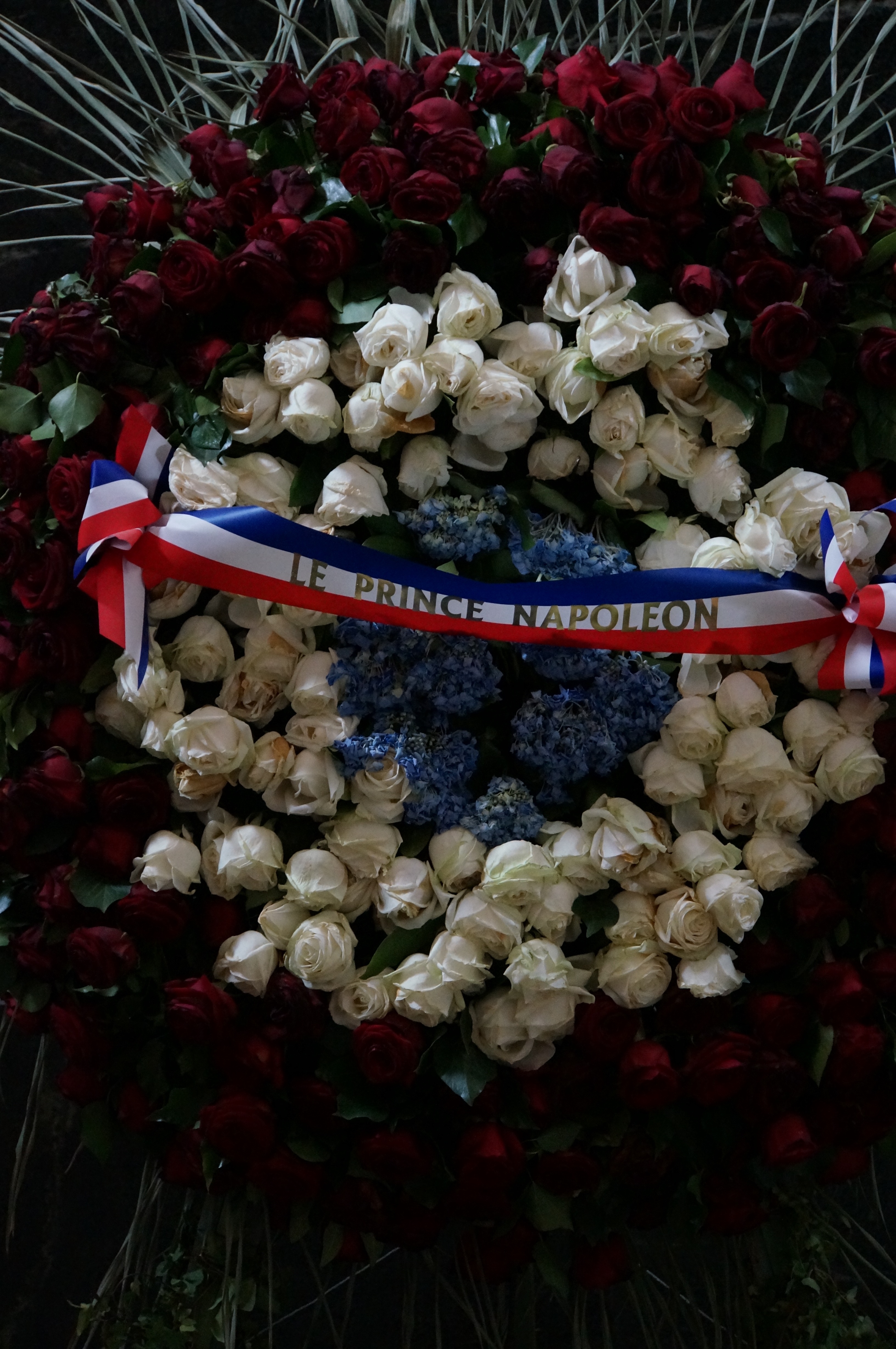
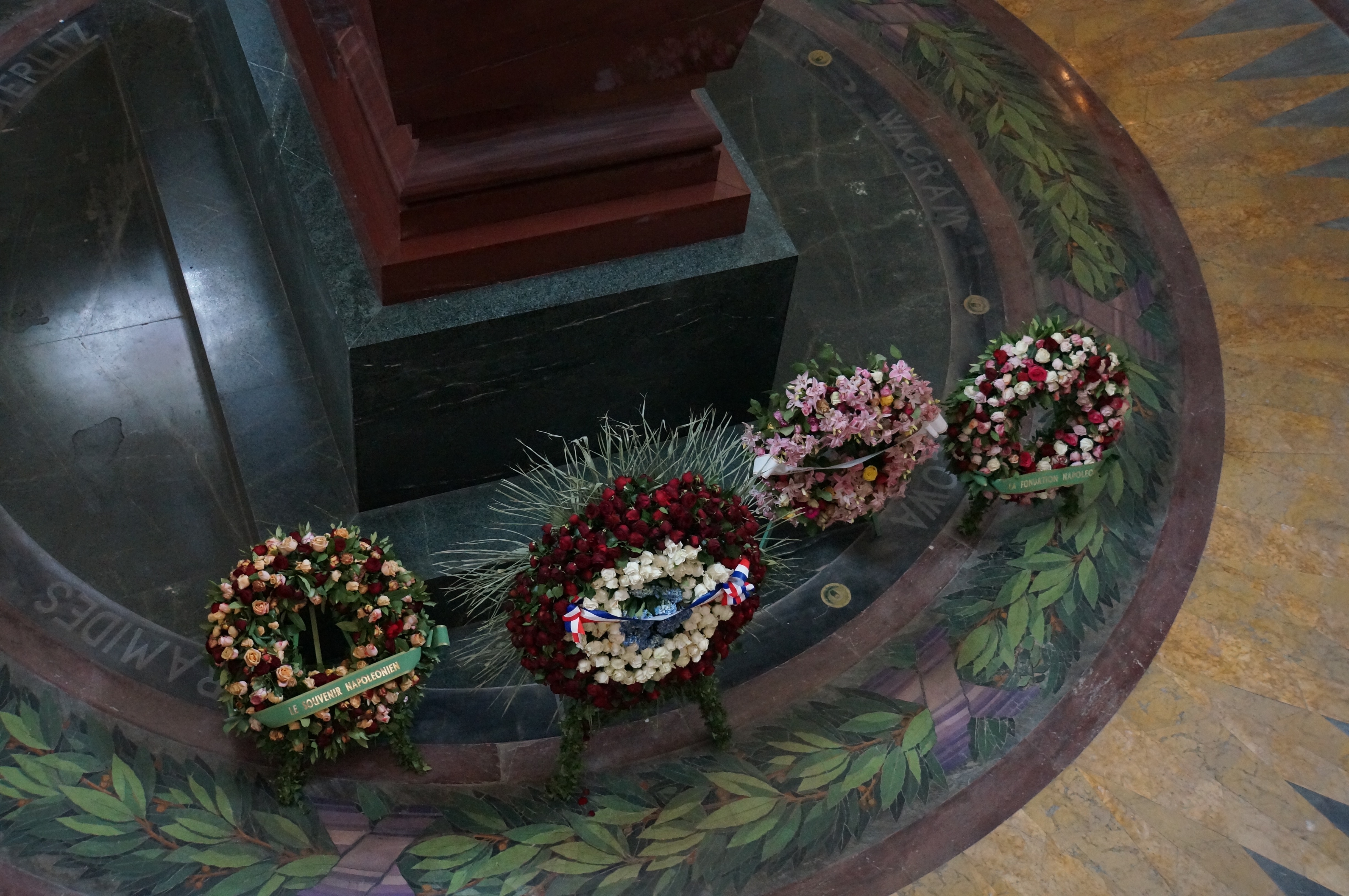
Fresh floral wreaths are present at his tomb































 Maps & Flip Flops