Bloggers Note: The summer in Calgary has been pretty spectacular so Maps & I have been busy spending time outdoors & have neglected our blog a bit. Trying to get back at it today.
When I visited Italy in 2013, I ended up having a couple of spare days before I flew out of Rome back to Canada. After doing a Facebook poll – as you do – the overwhelming advice was to high-speed train it up to Florence for the day. So, I was on the first train out, did some speed-sightseeing, overdid it on leather goods shopping, and took the train back to Rome in the early evening. It was a great day, but I knew that I had not done the beautiful and historic city justice. Thus, Astrid & I put Florence on the list for our Euro-Adventures.
When we last met, I had described how we had arrived in a monsoon-like rainstorm and found ourselves standing in a much nicer hotel than we thought, dripping rainwater on a marble lobby floor from our big backpacks. Well, as luck would have it, the hotel was oversold and the room we’d booked online the night prior was not available. While you wouldn’t think that was good news, turns out the front desk agent (who was Dutch and immediately bonded with Astrid) had a trick up his sleeve – and off he marched us to what we thought was the attic of the hotel. Turns out, they were “upgrading” us to a 1-bedroom suite with a direct view overlooking the city of Florence and a spectacular view of The Duomo. Add in the walk-in closet for pack storage, an espresso machine, a pair of super comfy twin beds and a waiting complimentary bottle of champy and, well, I am not sure in that moment we ever planned on leaving! When you travel with friends, a huge part of doing that successfully is space and downtime. This hotel allowed for both. But, it was not without its failing – it was, by far, the worst wi-fi we had during the entire trip. Apparently, 500-year-old structures were not designed for me to watch True Detective on my iPad after a long day of sightseeing. This is also why we lost a bit of momentum on our blog mid-trip. Part of the hotel was formerly a women’s prison so that added an extra little bit of excitement to our stay. While certainly not a hotel we would have normally chosen if we had planned further out (slim pickings the night before on the travel sites), with the upgrade we certainly got far more for our dollar than we had expected. Check it out here:
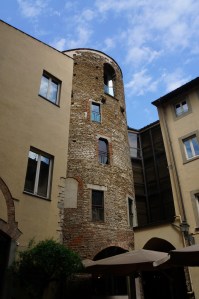
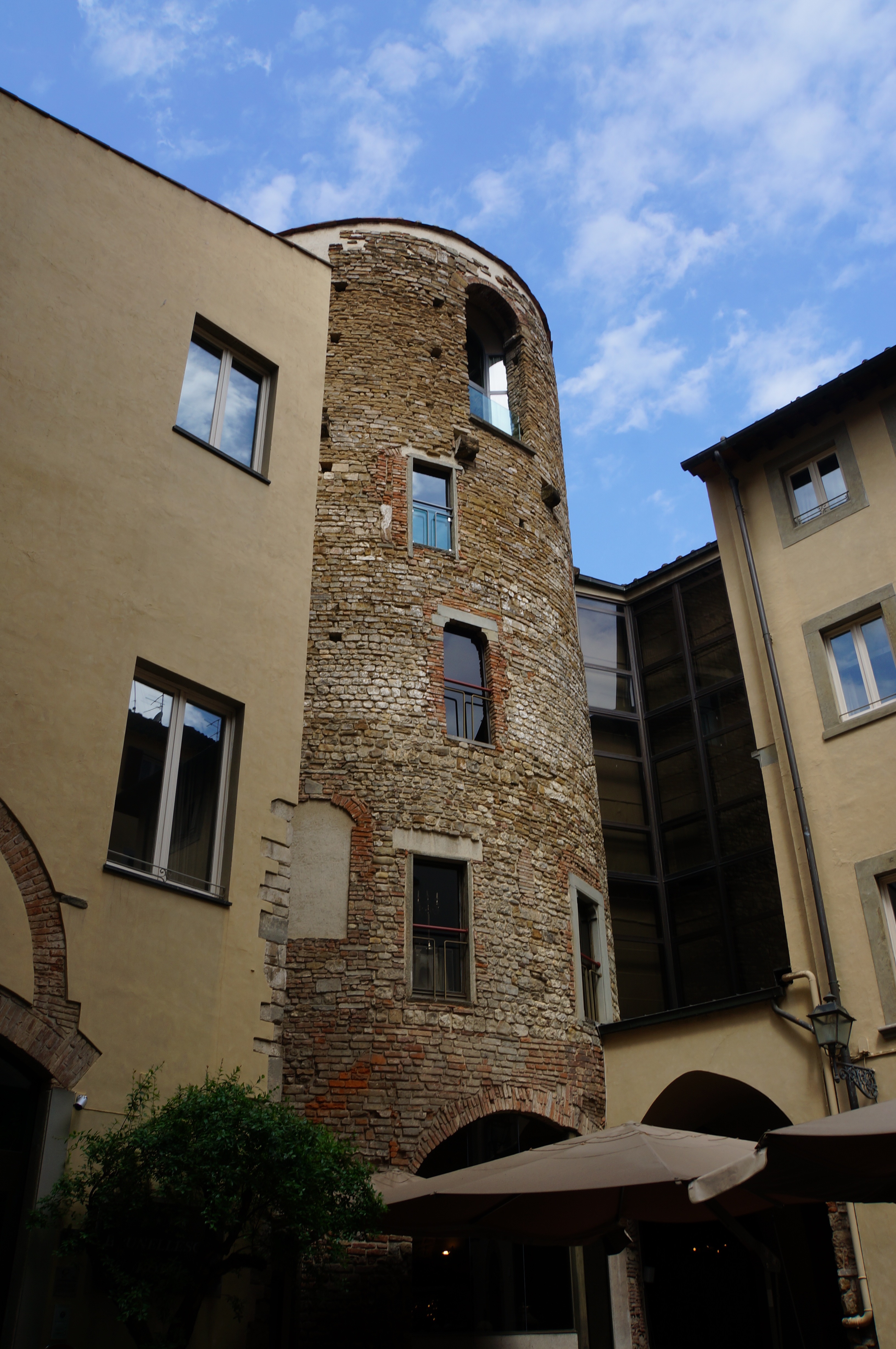
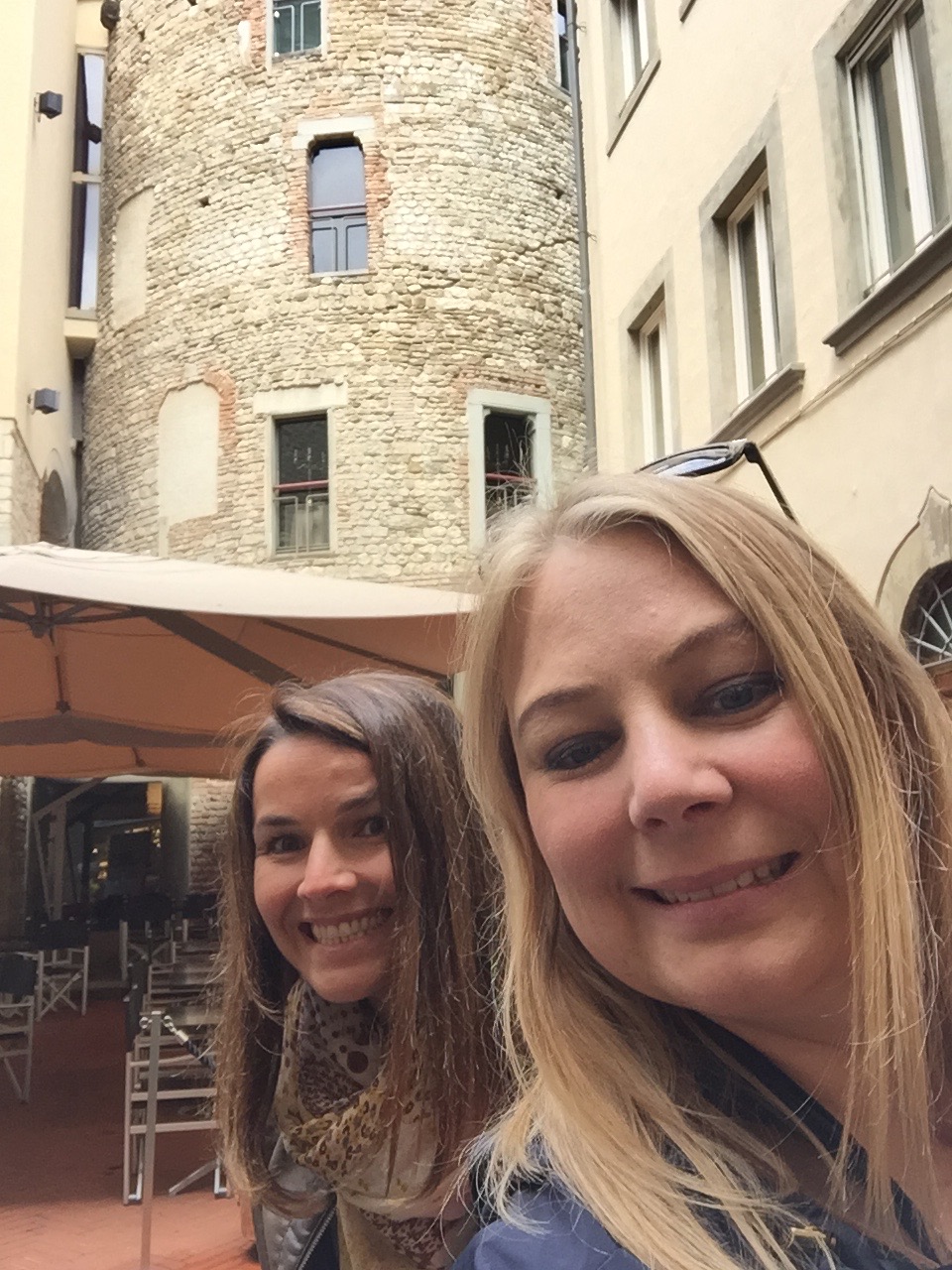
The tower which housed female prisoners – a history landmark within our hotel
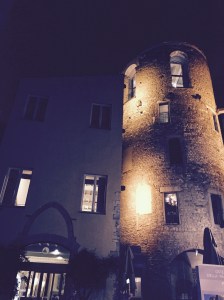
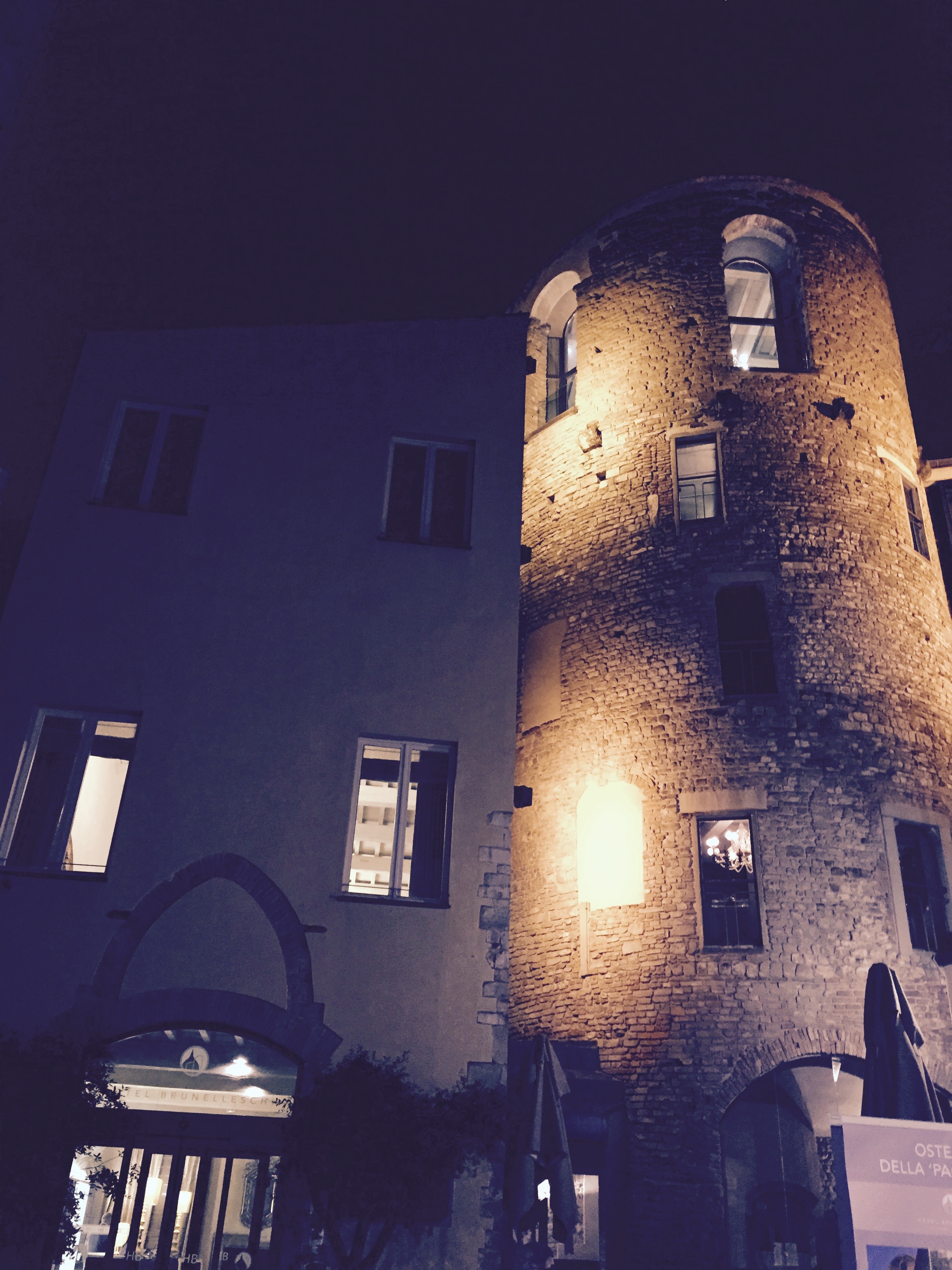
Our hotel, lit at night.
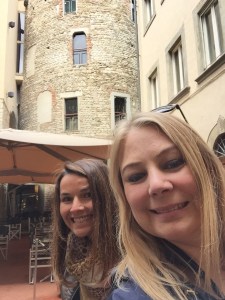
Astrid and Cecily about to head out on an excursion.
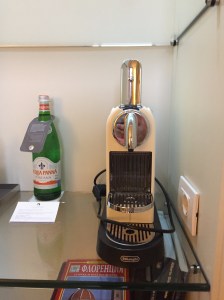
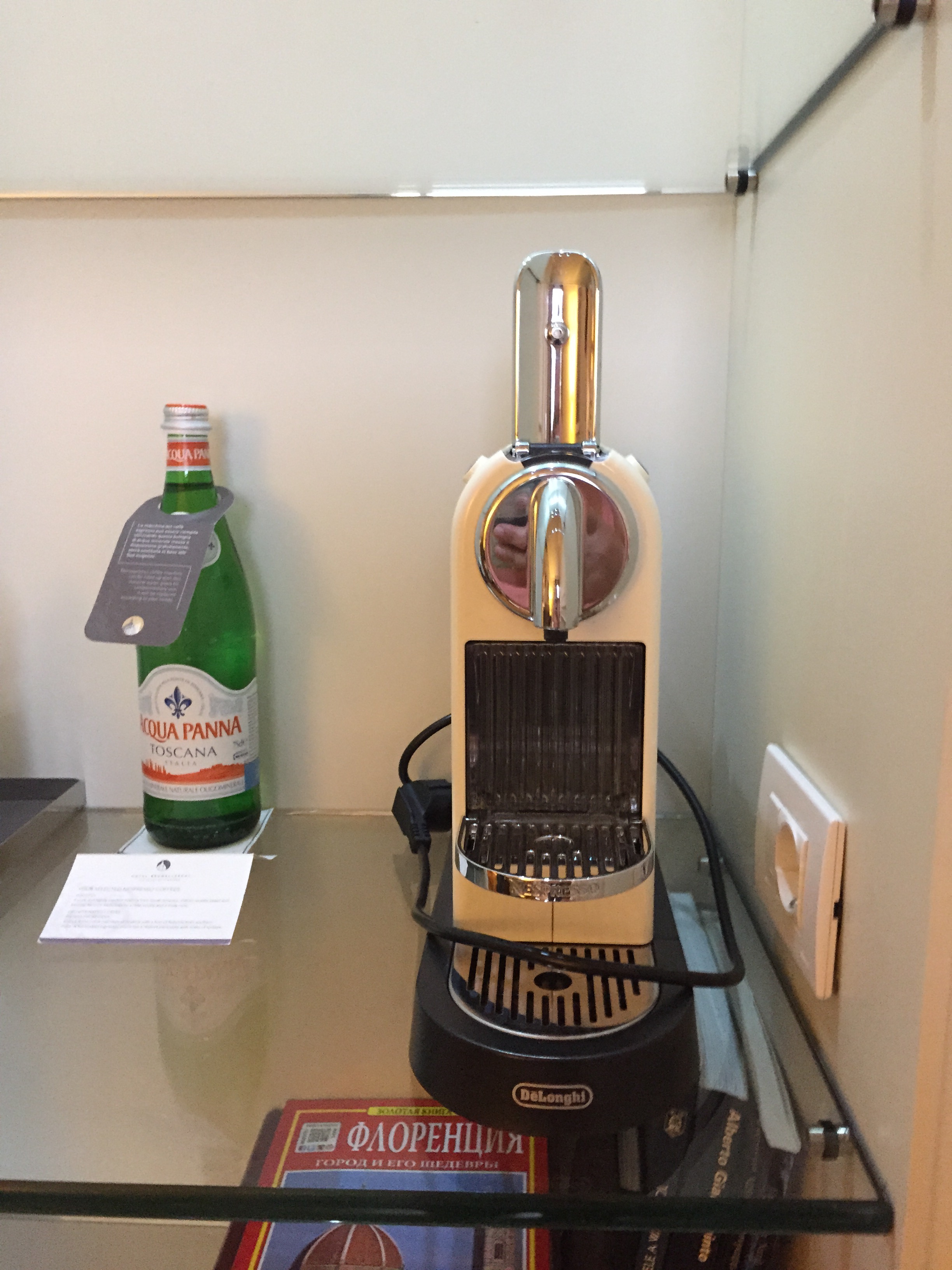
The espresso maker in our amazing hotel room.

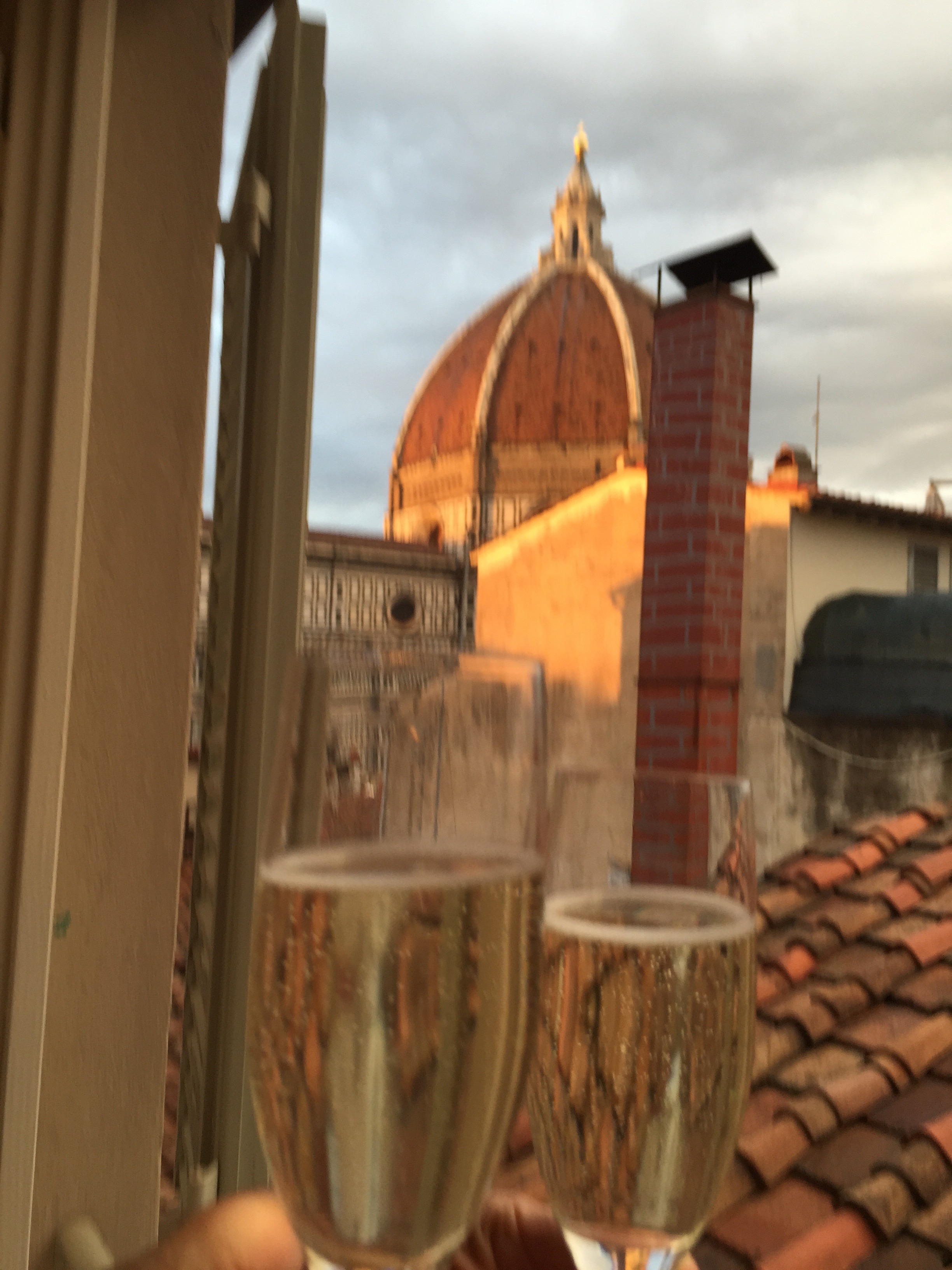
Toasting our amazing view with the complimentary (yet again) bottle of champy – the Duomo in the evening light in the background.
Florence (or Firenze) itself is a wonderful city – with 382,000 residents and more than 1,520,000 in the metro area it is the most populous city in Tuscany. It is the capital city of Tuscany and the province of Florence. Politically, economically and culturally it was likely one of the more important cities in Europe for about 250 years from about the 1300’s to the mid 1500’s.
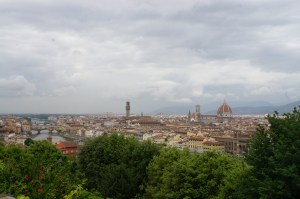
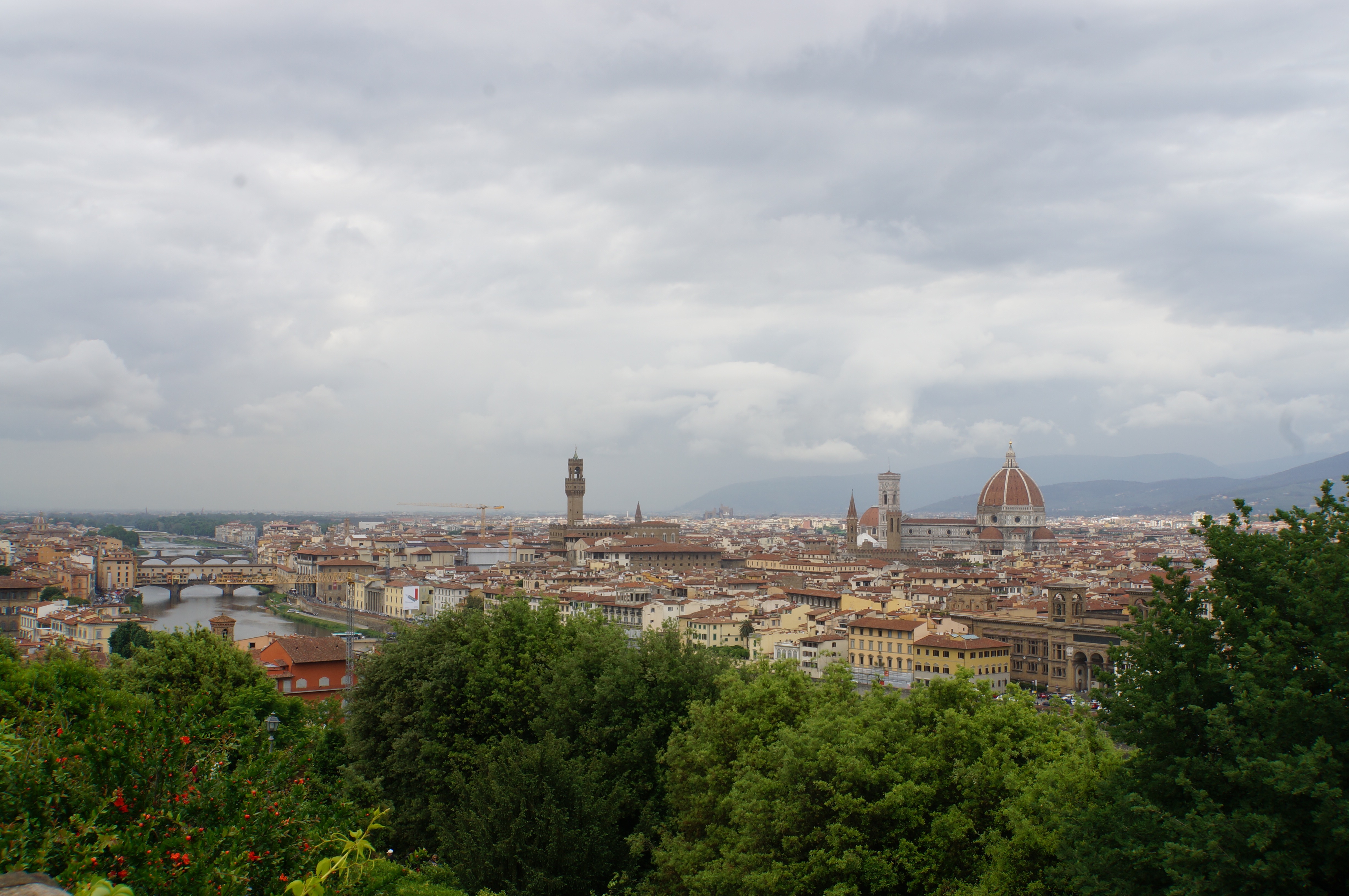
A bird’s eye view of the city
According to wiki travel “Florentines reinvented money in the form of the gold florin. This currency was the engine that drove Europe out of the “Dark Ages” a term invented by Petrarch, a Florentine whose family had been exiled to Arezzo. They financed the development of industry all over Europe, from Britain to Bruges, to Lyon, to Hungary. They financed the English kings during the Hundred Years War. They financed the papacy, including the construction of the papal palace in Avignon and the reconstruction of St. Peters and the Vatican when the papacy returned to Rome from the “Babylonian captivity”.

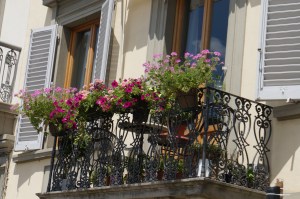
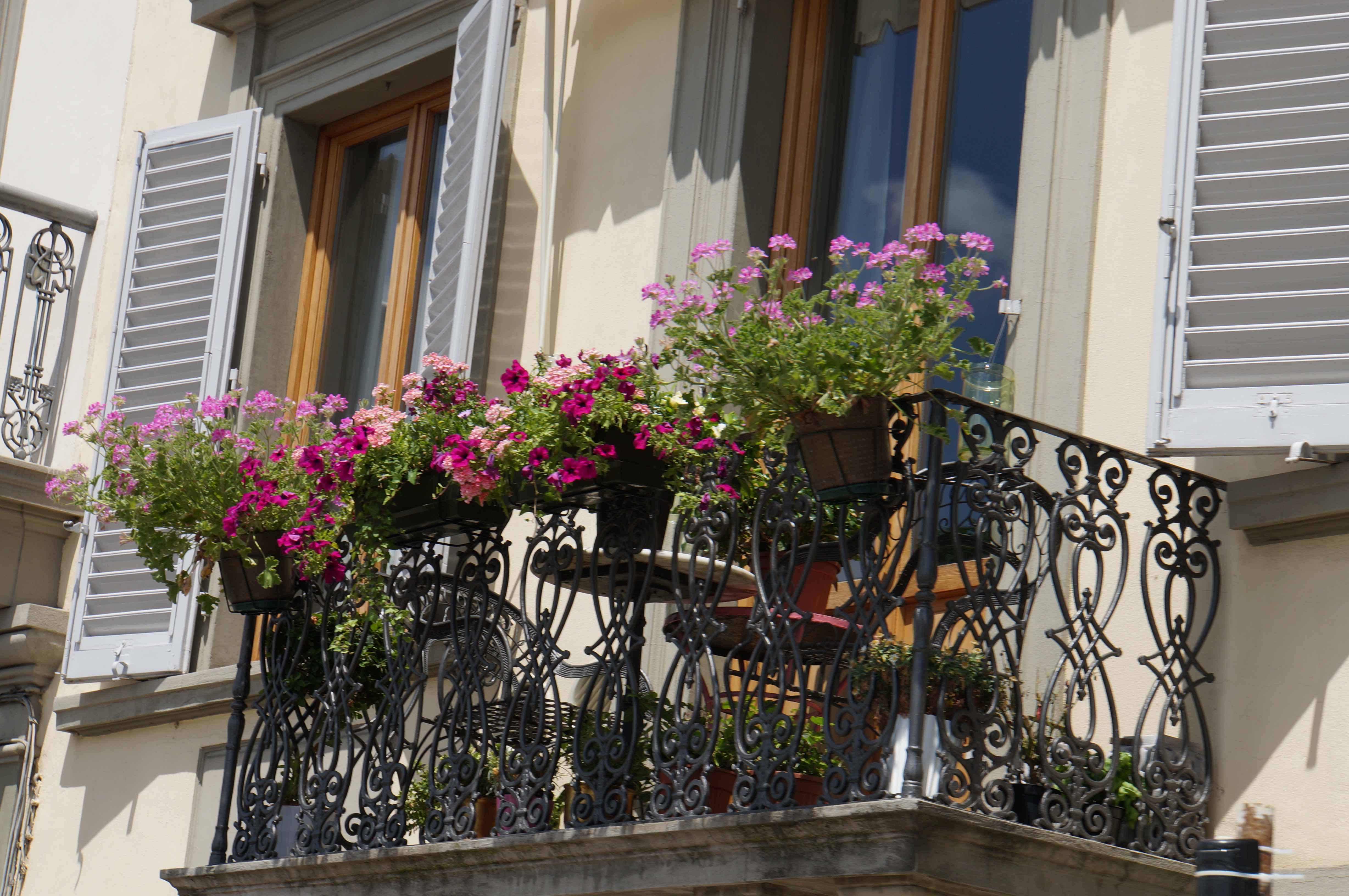
Colourful window boxes adorn the apartments around the city. Signs of spring
The Florentines, perhaps most notably Filippo Brunelleschi (1377-1466) and Leon Batist’Alberti (1404-1472) invented both Renaissance and neoclassical architecture. These architectural styles revolutionised the way Rome, London, Paris and every other major city in Europe from Barcelona to St. Petersburg were built.
Florentines were the driving force behind the Age of Discovery. Florentine bankers financed Henry the Navigator and the Portuguese explorers who pioneered the route around Africa to India and the Far East. It was a map drawn by the Florentine Paulo del Pozzo Toscanelli, a student of Brunelleschi, that Columbus used to sell his “enterprise” to the Spanish monarchs, and which he then used on his first voyage. Mercator’s famous “Projection” is a refined version of Toscanelli’s map, taking into account the Americas, of which the Florentine was obviously ignorant. The western hemisphere itself is named after a Florentine writer who claimed to be an explorer and mapmaker, Amerigo Vespucci.
Gallileo and other scientists pioneered the study of optics, ballistics, astronomy, anatomy, and so on. Pico della Mirandola, Leonardo Bruni, Machiavelli, and many others laid the groundwork for our understanding of political science.”
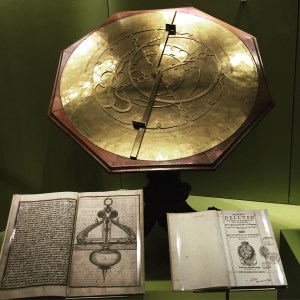
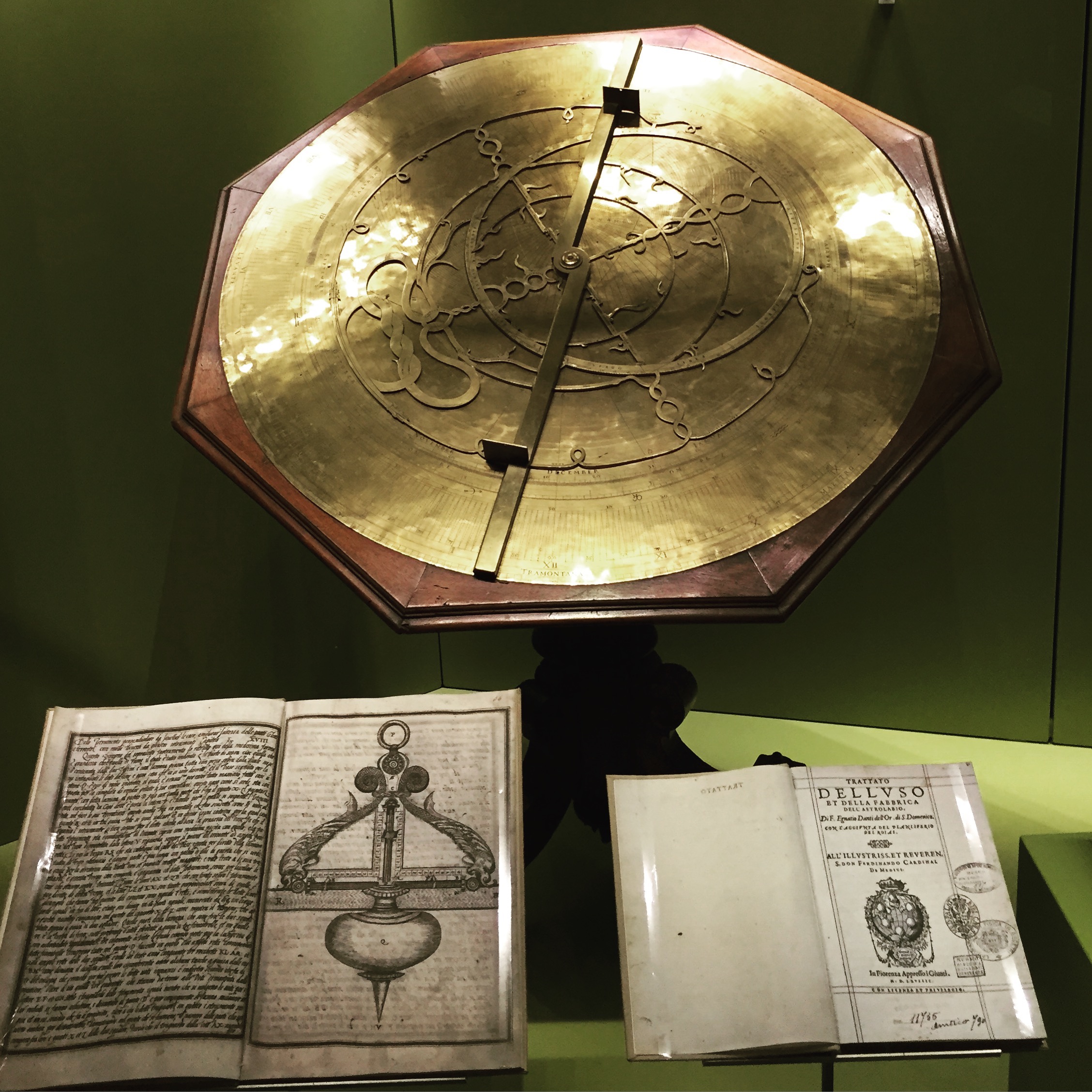
An Astrolabe…
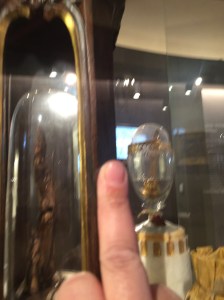
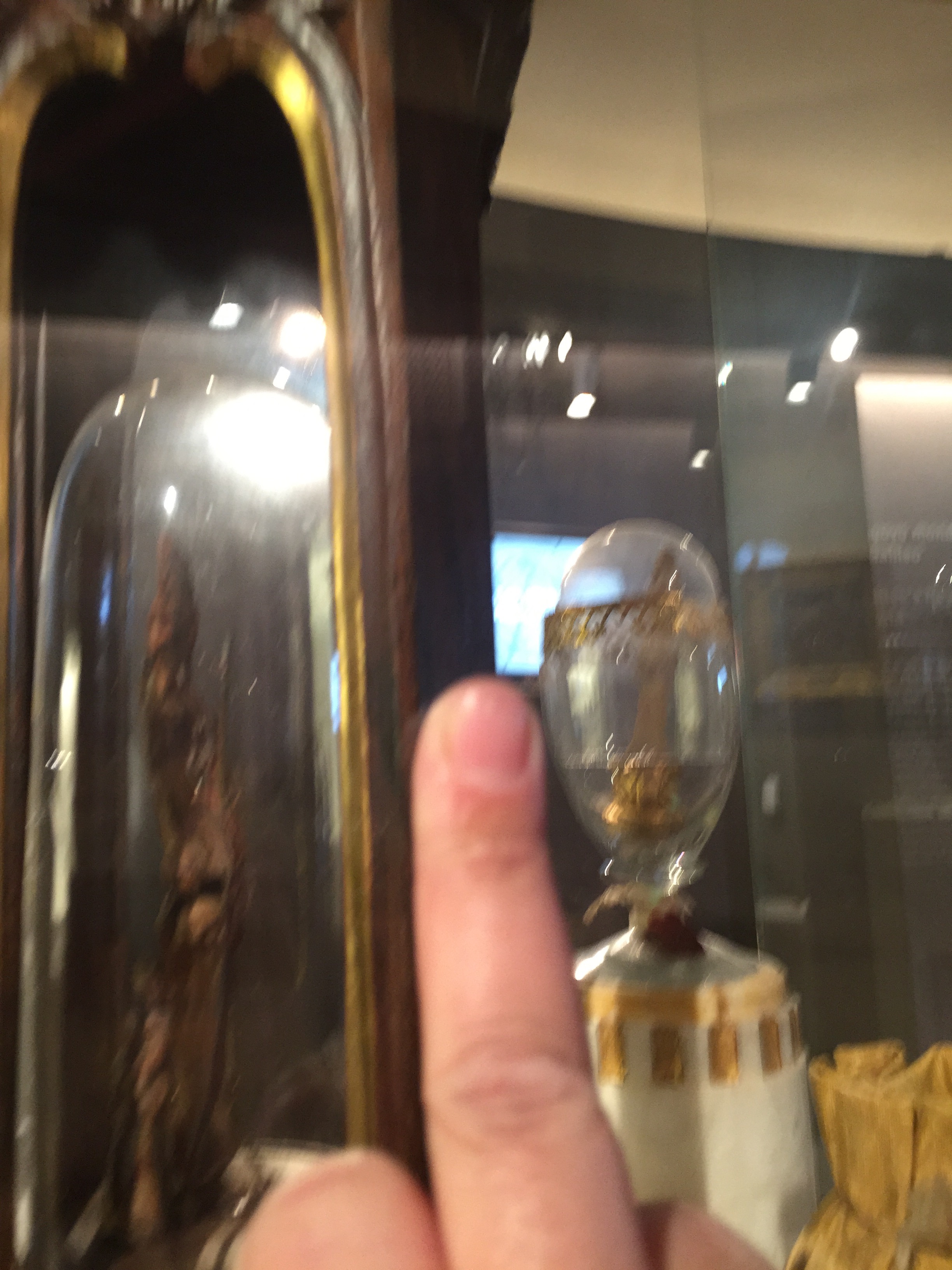
Gallileo’s middle finger…with mine.
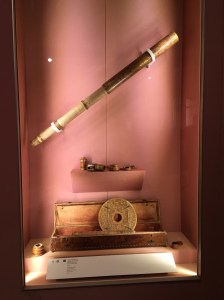
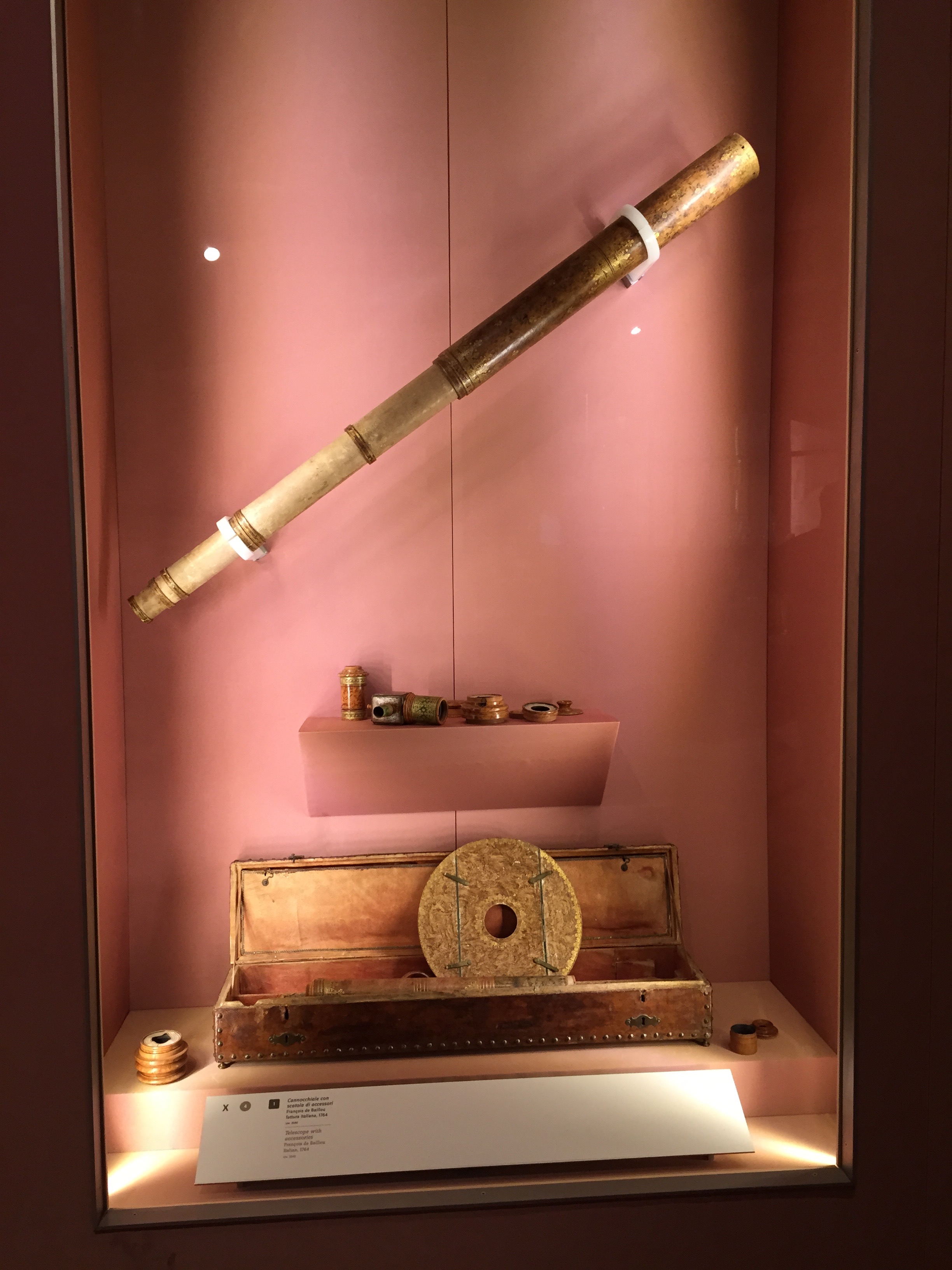
Gallileo’s telescope
Tour guide after tour guide called it the birthplace of the Renaissance and it seemed as though there was much rebel rousing of political figures throughout its history such as a period of rule by the powerful Medici family and a number of revolutions – religious and republican. It was declared a World Heritage Site by UNESCO in 1982. And, if that all wasn’t enough to get this city of your bucket-list, opera was invented in Florence.
Wiki travel will also tell us all about the Medici family – our taxi drivers and tour guides often saying comparing to what we would know today as ‘mafia’ (allegedly). The site says “And there were the Medici, perhaps the most important family that ever lived. The Medici’s changed the world more than any other family. Forget all the art for which they paid. They taught first the other Italians how to conduct state-craft, and then they taught the rest of the Europeans. Just to cite one example: Catherine de Medici (1519-1589), married Henry II of France (reigned 1547-1559). After he died, Catherine ruled France as regent for her young sons and was instrumental in turning France into Europe’s first nation-state. She brought the Renaissance into France, introducing everything from the châteaux of the Loire to the fork. She also was to 16th and 17th century European royalty what Queen Victoria was to the 19th and 20th centuries – everybody’s grandmamma. Her children included three kings of France, Francis II (ruled 1559-1560), Charles IX (ruled 1560-1574) and Henry III (ruled 1574-1589). Her children-in-law included a fourth king of France, Henry IV (ruled 1589-1610), plus Elizabeth of Hapsburg, Philip II of Spain (of Armada fame), and Mary Queen of Scots.”

Sightseeing …
Florence is well known for Italian fashion and has a massive number of museums and art galleries. It would be impossible to remember it all, so for more depth ont the artists who called Firenze home, the wide array of museums available to explore and the famous works of art to be found in the city, visit our friends at Wikipedia to learn more.
Because we had done an itinerary adjustment whilst in Zermatt, we ended up being in Florence much longer than originally planned. Despite that, once we started making a list of the things we wanted to do, there wasn’t nearly enough time. We used Florence as our base for a number of ‘day trips’ outside the city, but also took advantage of the extra time to explore, eat well and – now that we only had one major stop left – a little bit of shopping for some leather goods.
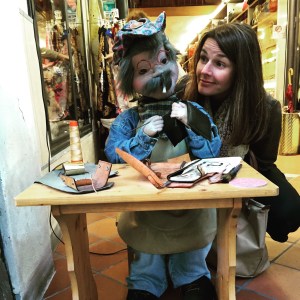
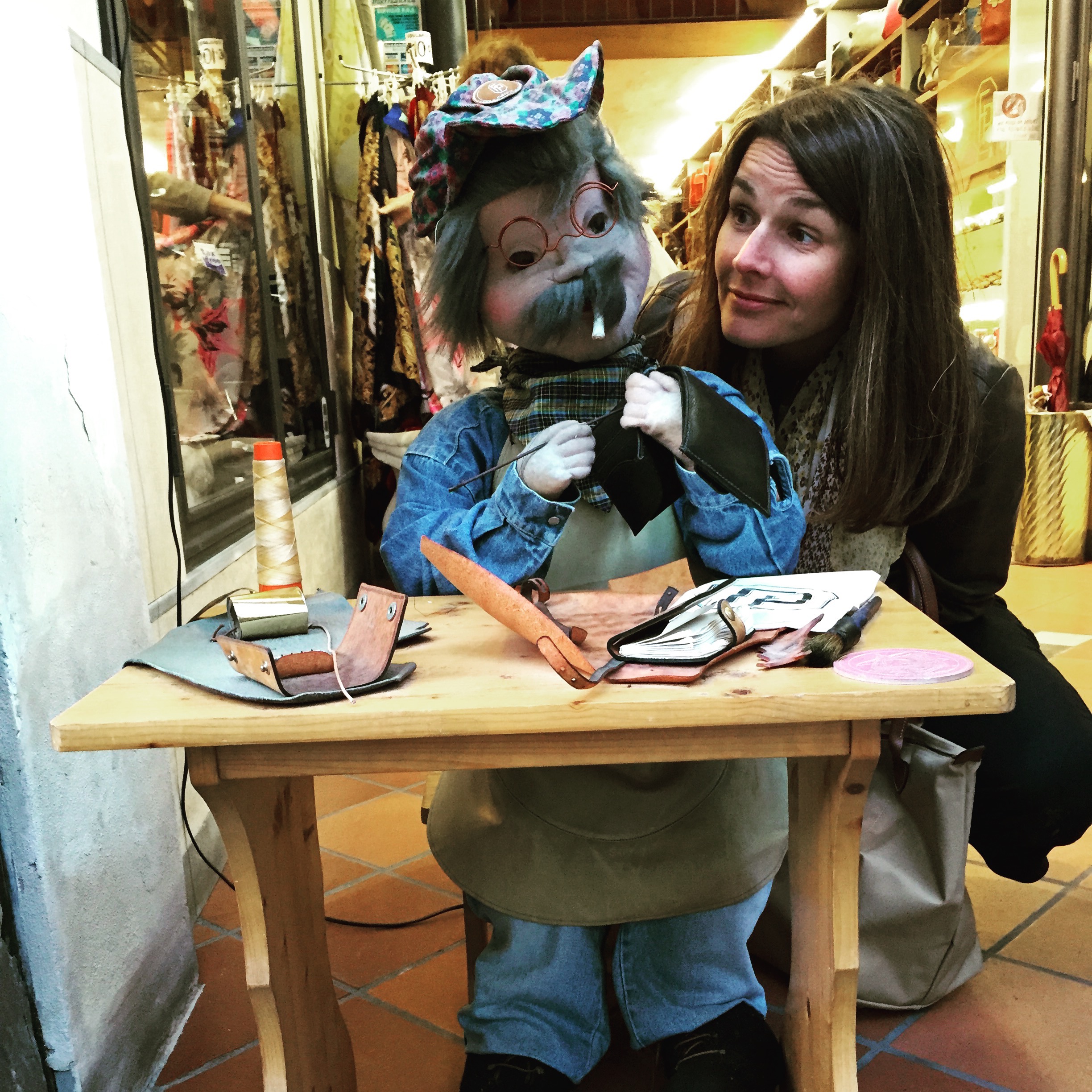
Astrid watching a local leather craftsman work.
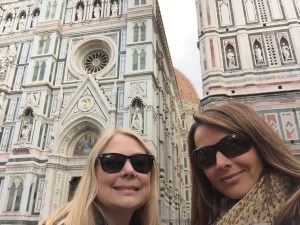
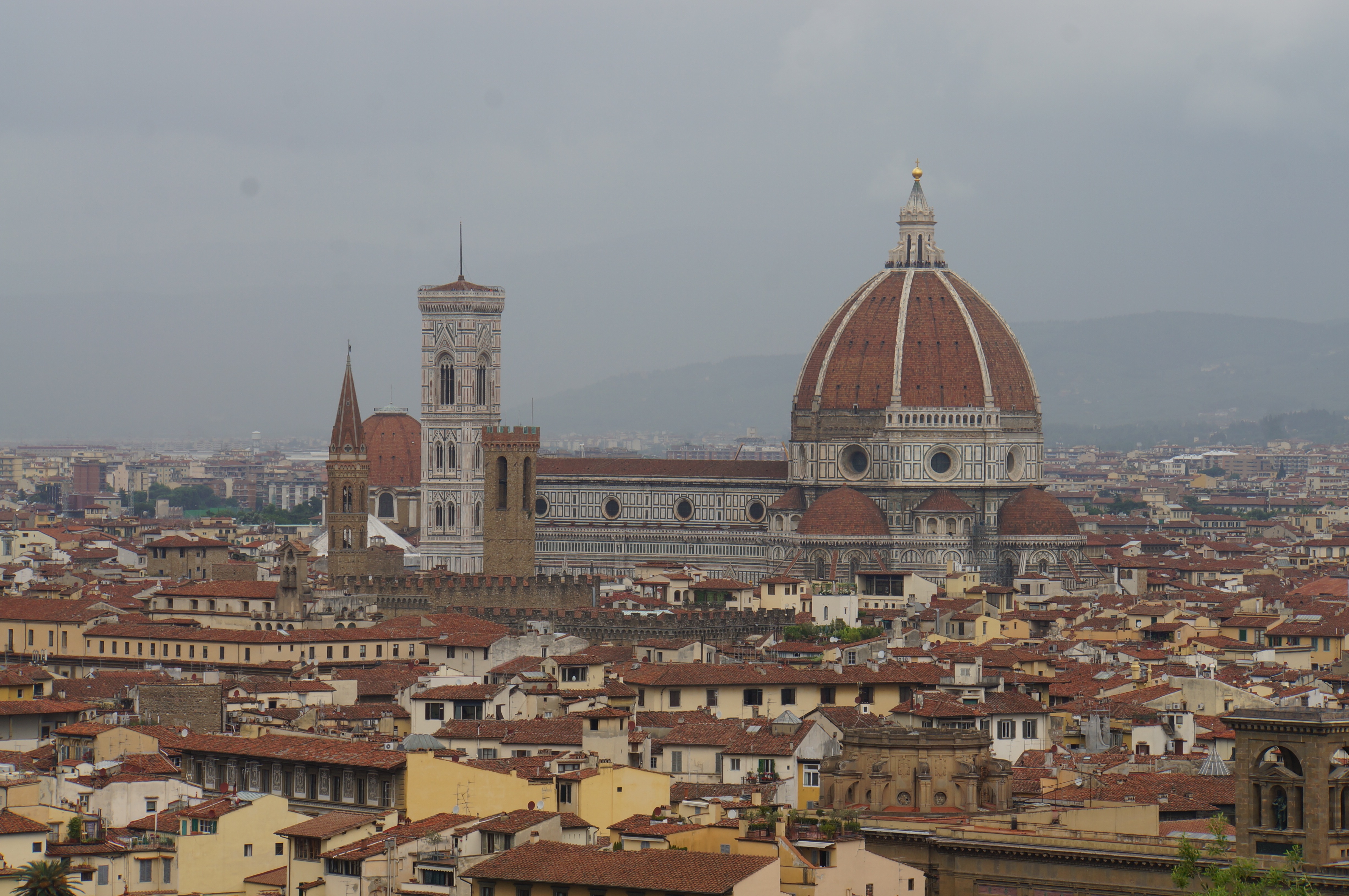
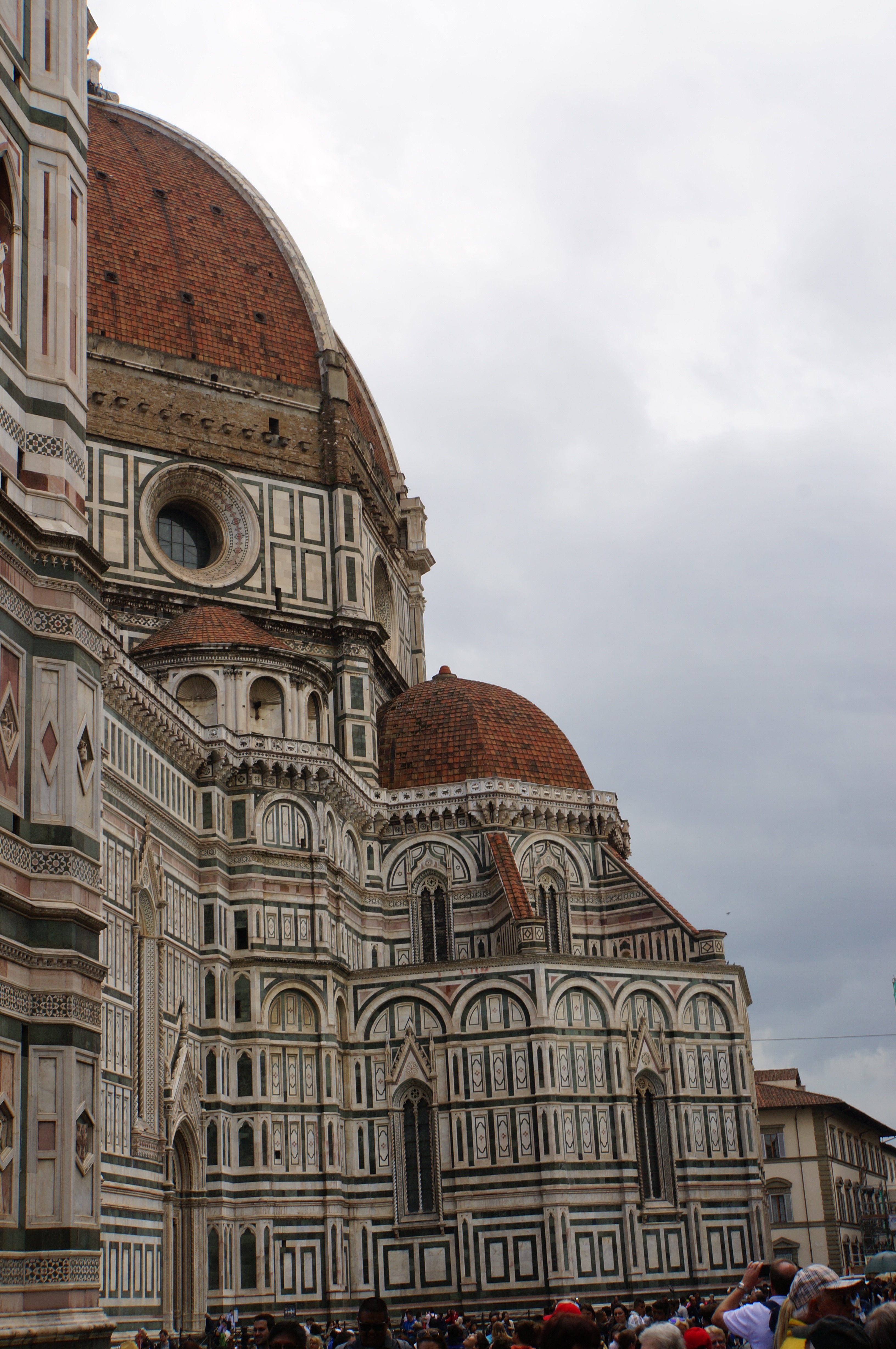
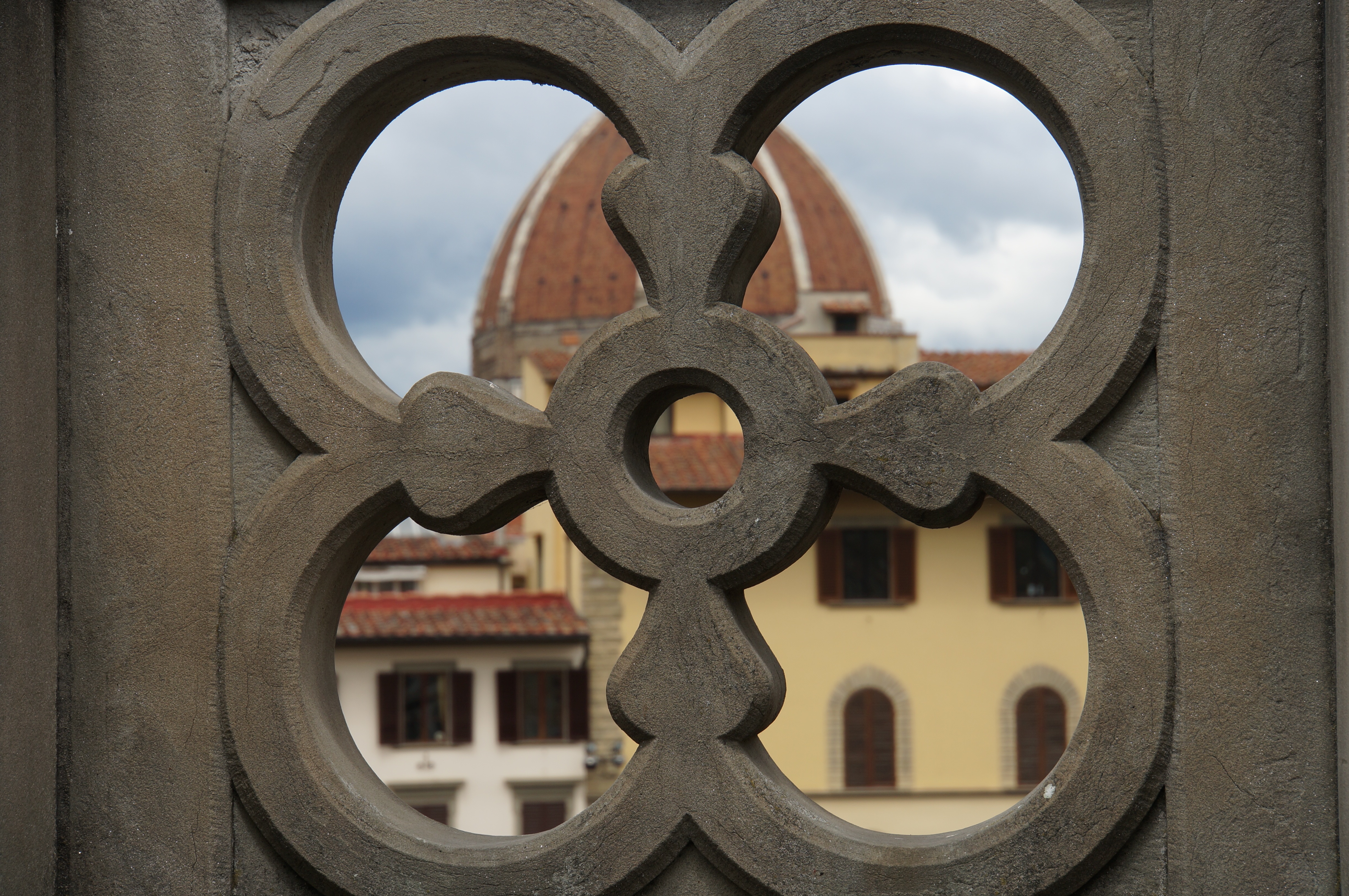
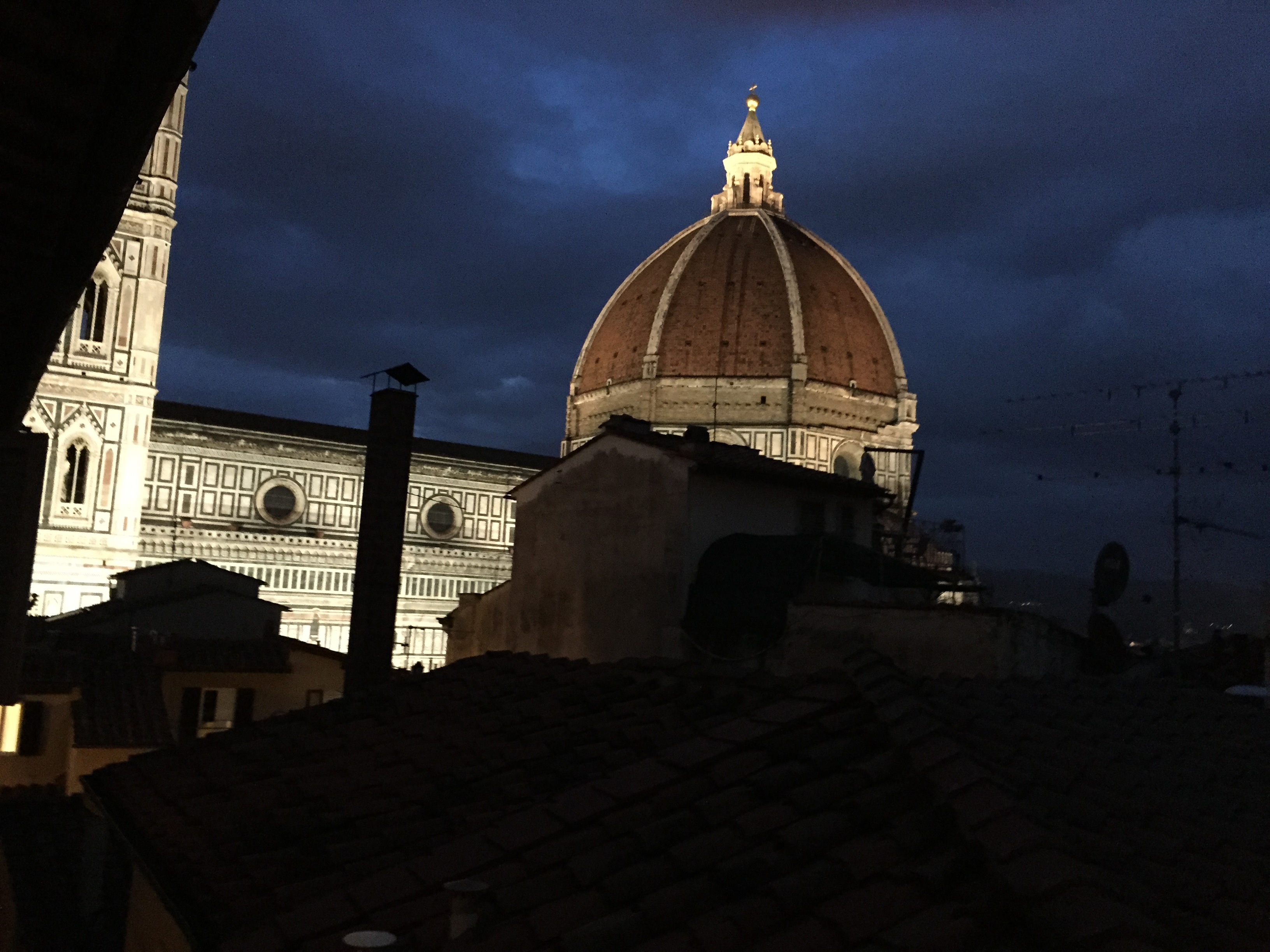
Visible from our amazing hotel room, one of the most recognizable sites is the domed cathedral of the city, commonly known as The Duomo, and that dome was built by Filippo Brunelleschi. The dome, 600 years after its completion, is still the largest dome built in brick and mortar in the world. Wiki travel would add this: “The cathedral topped by Brunelleschi’s dome is the third largest Christian church and dominates the skyline. The Florentines decided to start building it in the 1200s. At the outset they were unsure how they were going to do it. It was “technology forcing”, like the American Kennedy Administration’s decision to put a man on the moon. The dome was the largest ever built at the time, and the first major dome built in Europe since the two great domes of Roman times: the Pantheon in Rome and the Hagia Sophia in Constantinople. In front of it is the medieval Baptistery, where every Florentine was baptized until modern times. The two buildings incorporate the transition from the Middle Ages to the Renaissance in their decoration. In recent years, most of the important works of art from those two buildings and from the wonderful Bell Tower, designed by Giotto, have been removed and replaced by copies. The originals are now housed in the spectacular Museum of the Works of the Duomo, just to the east of the Cathedral.”
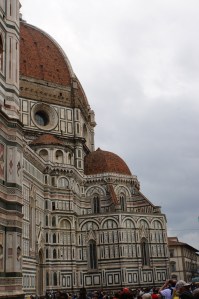
The Duomo could be seen from all points of the city and it was impossible to capture its grandness in one image.
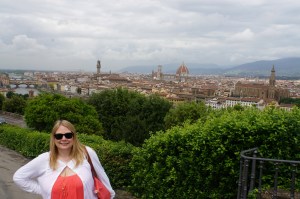
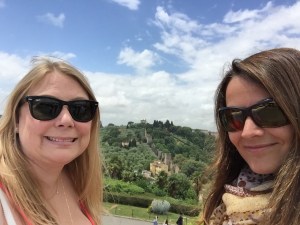
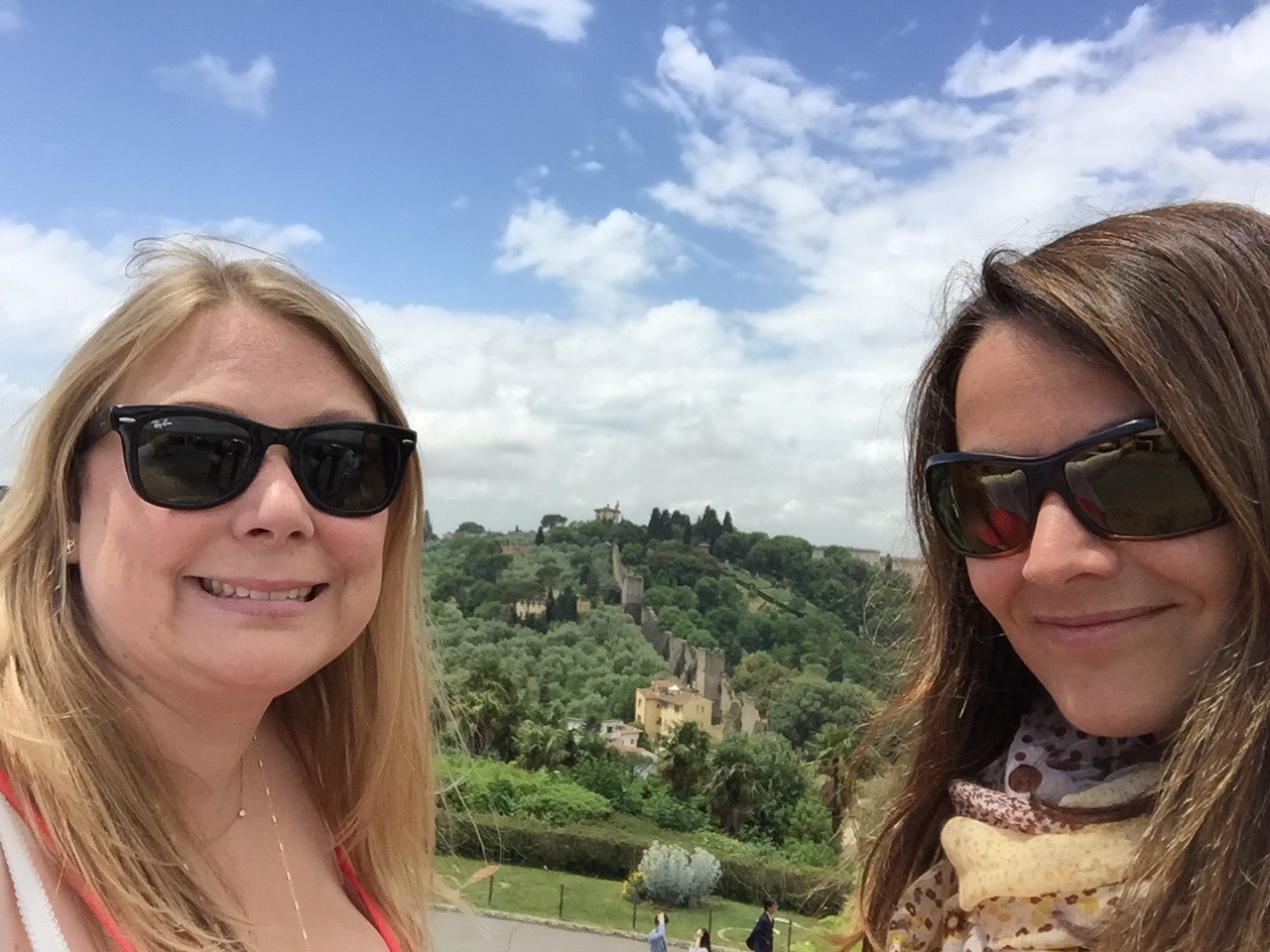
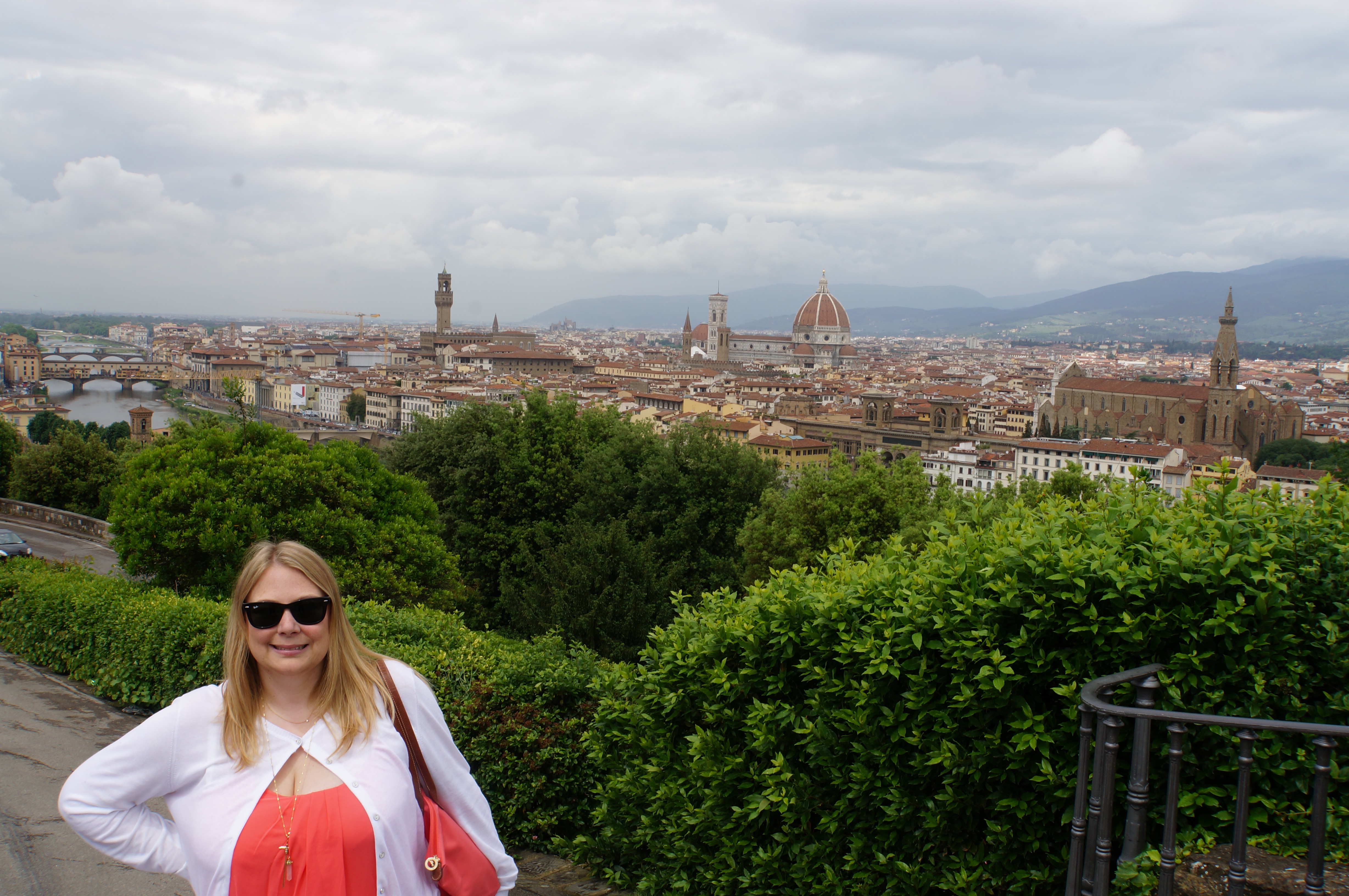
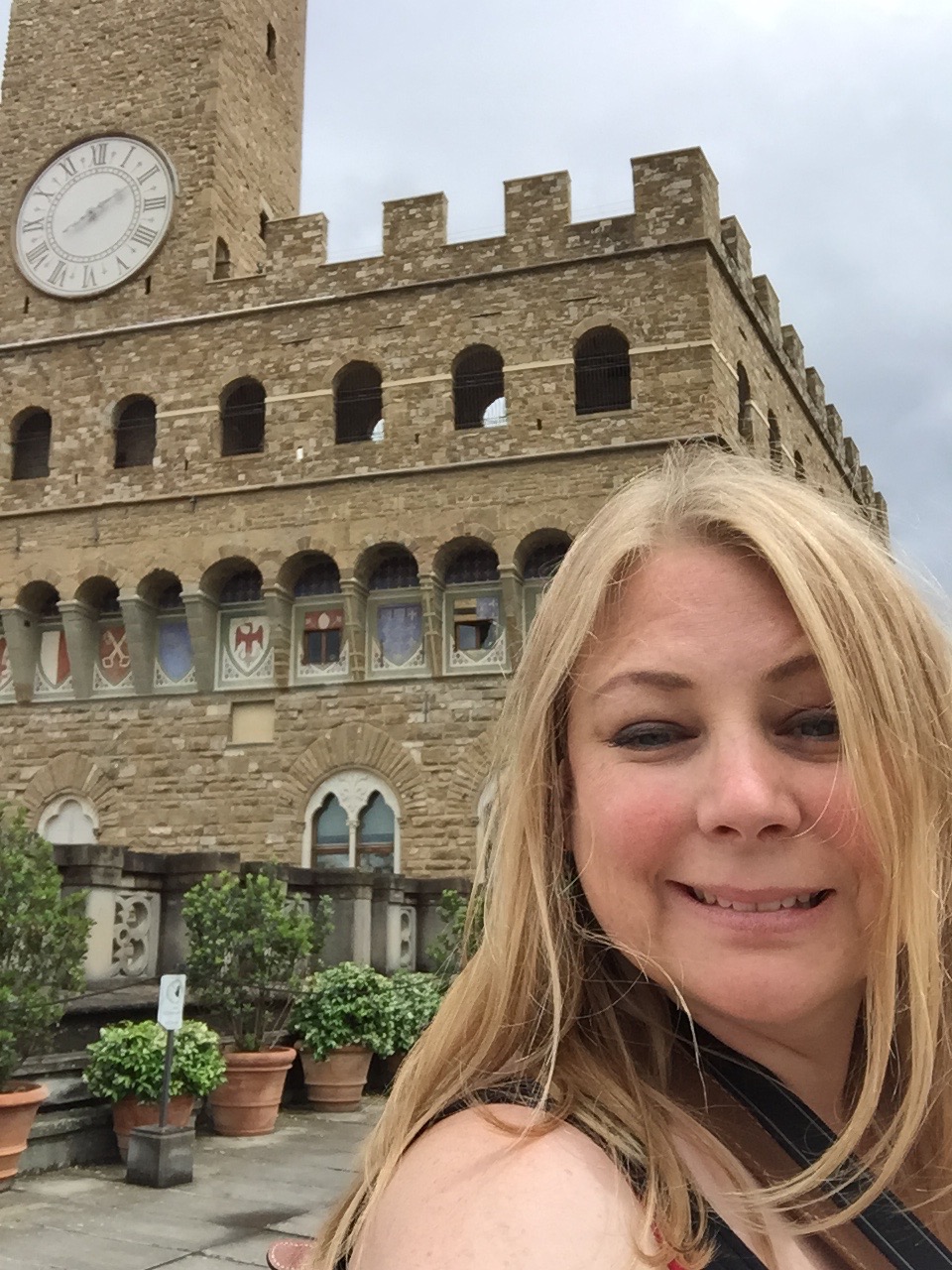
Cecily standing over the skyline of Florence, taking in the green of spring, the turbulent skies and curious about how monotone the architecture was – in colour at least.
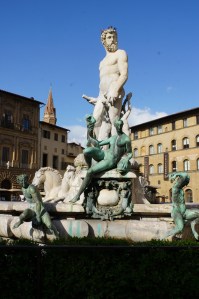
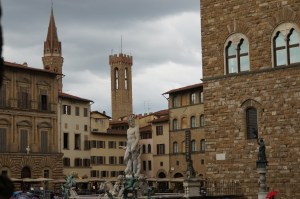
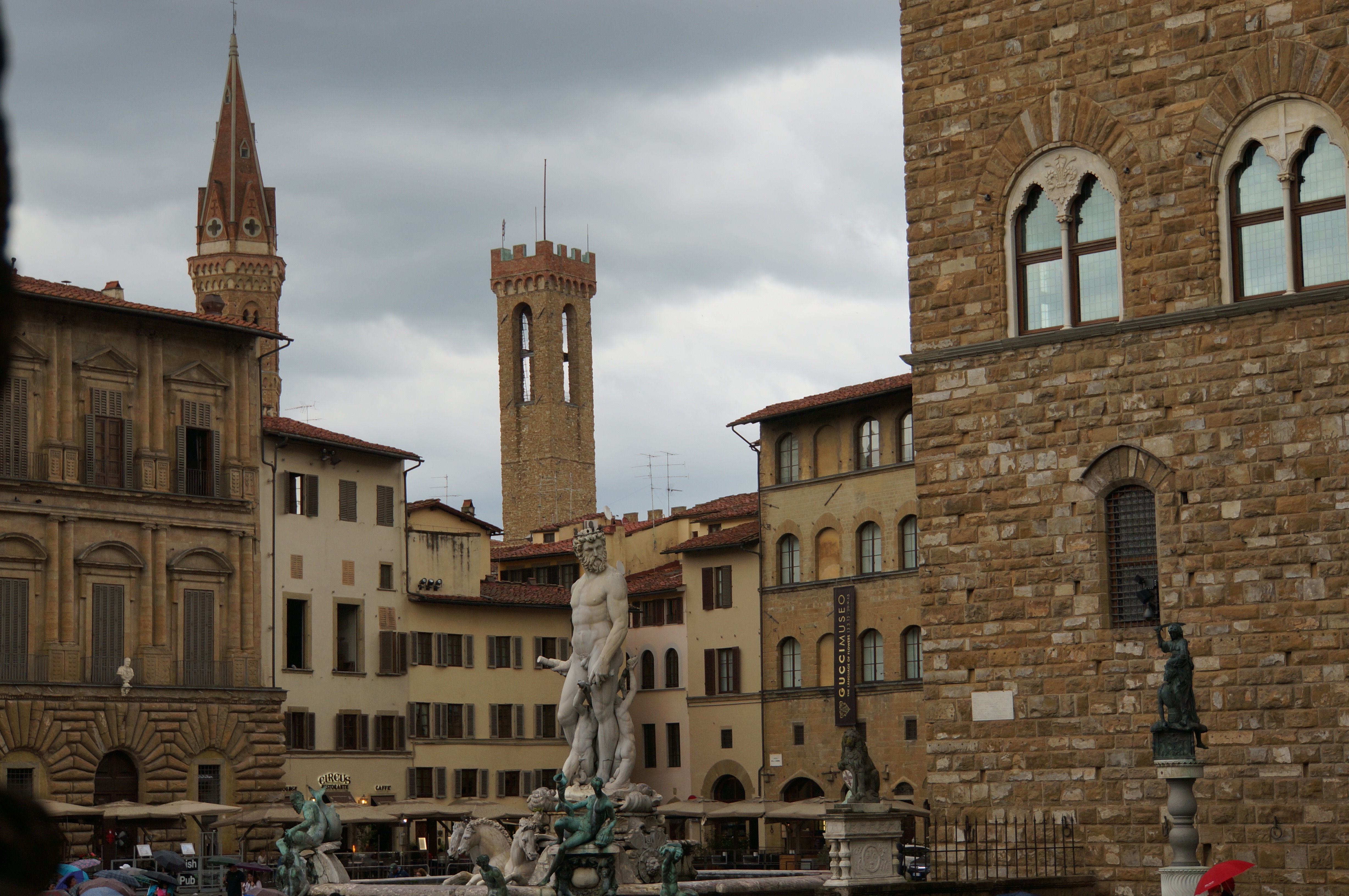
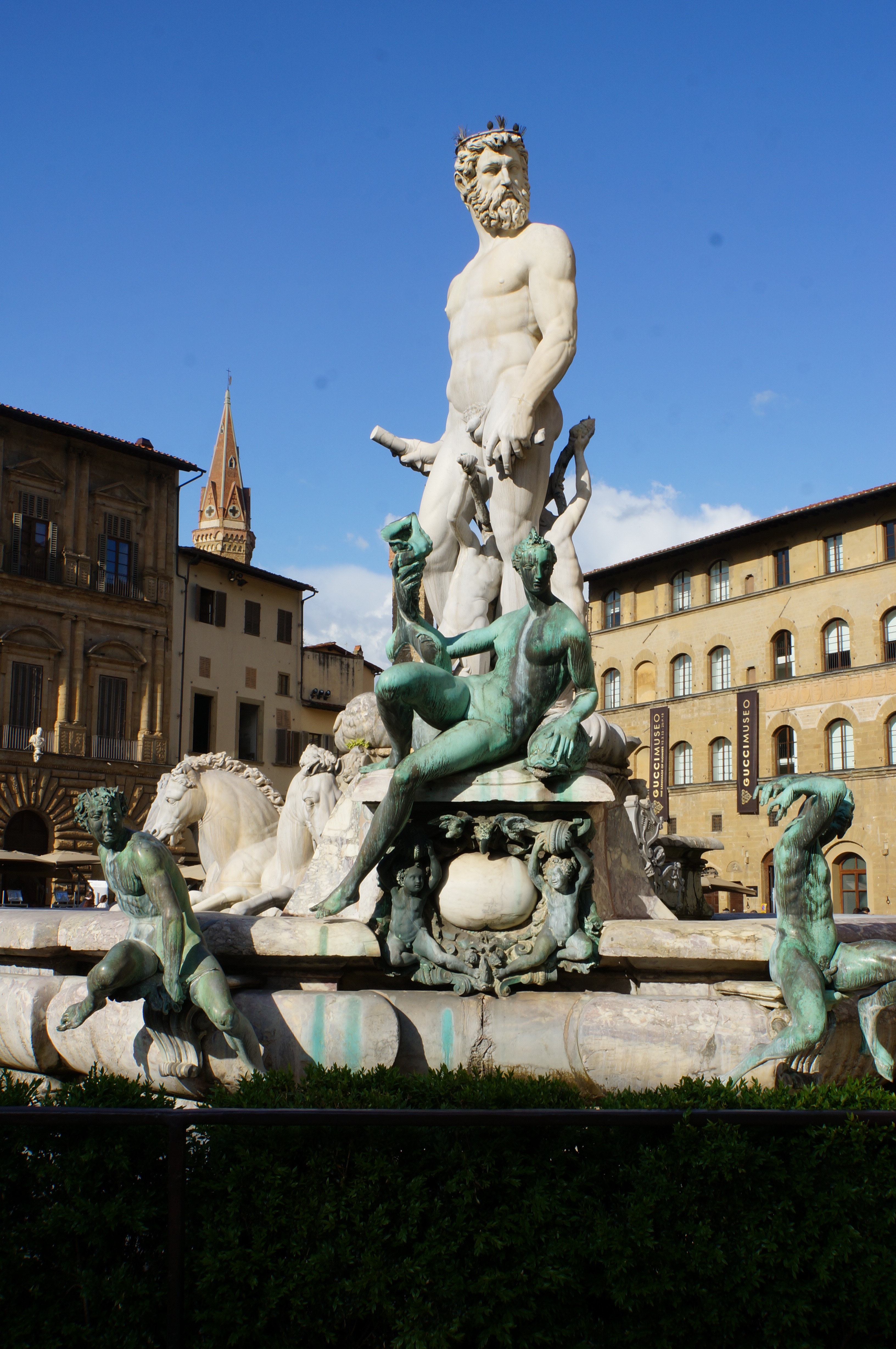
Sun shines over the square, the Gucci Museum in the background. By the time we reached the end of our visit in Florence, we were sort of “amazing fountain-ed” out.
Oh, and the art galleries….they are everywhere. The Uffizi and the Pitti Palace are two of the most famous picture galleries in the world. But wiki travel would argue “the heart and soul of Florence are in the two superb collections of sculpture, the Bargello and the Museum of the Works of the Duomo. They are filled with the brilliant, revolutionary creations of Donatello, Verrochio, Desiderio da Settignano, Michelangelo, and so many other masterpieces that create a body of work unique in the world. And, of course, there is the Accademia, with Michelangelo’s David, perhaps the most well-known work of art anywhere, plus the superb, unfinished prisoners and slaves Michelangelo worked on for the tomb of Pope Julius II.”
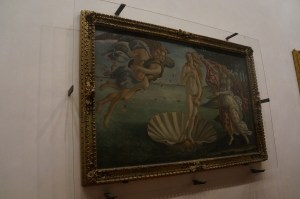
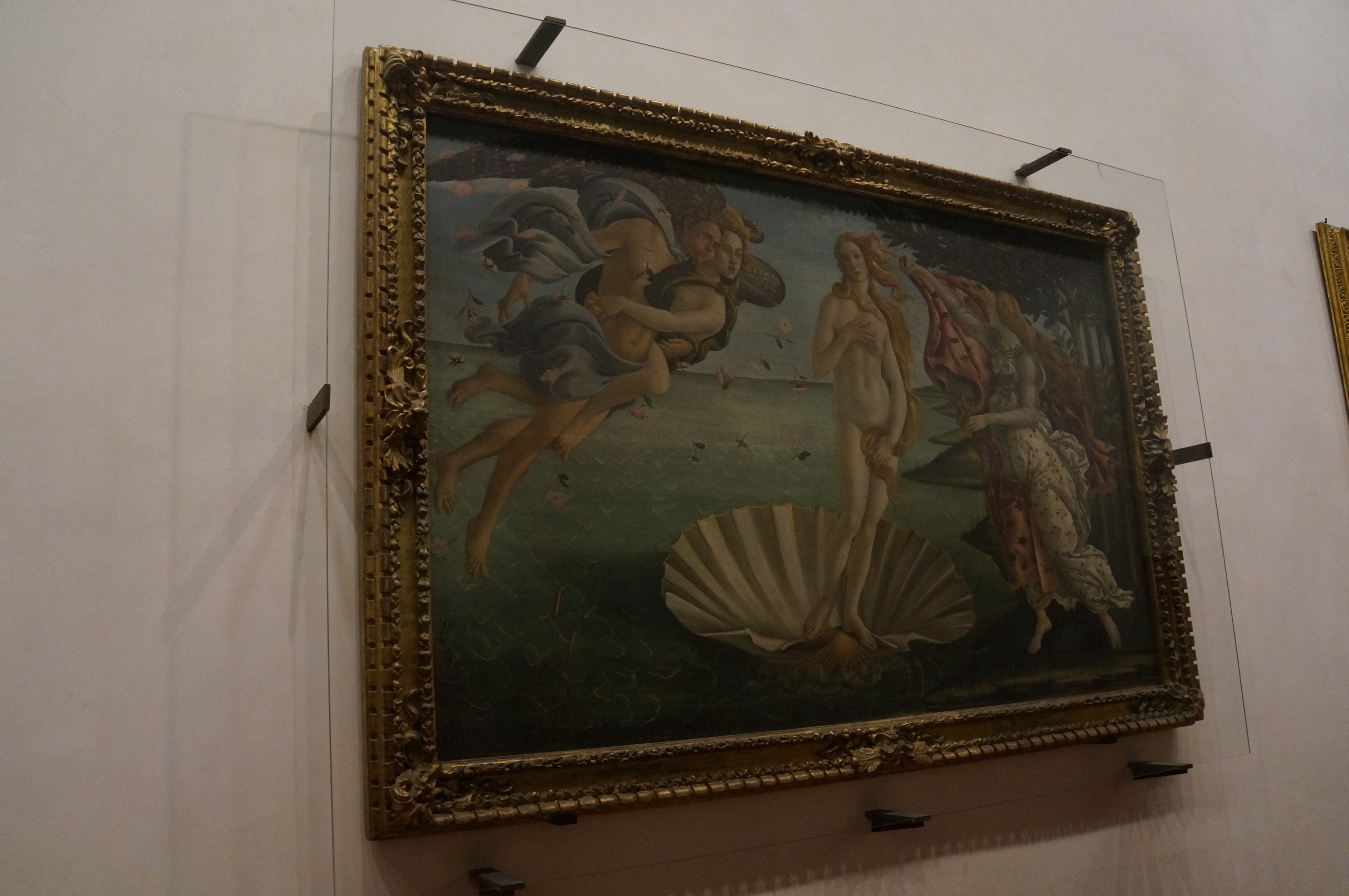
The Birth of Venus was a highlight.

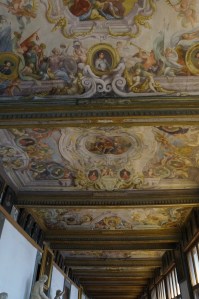
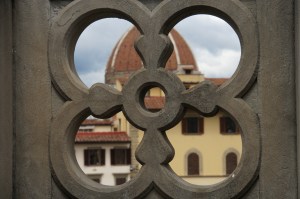
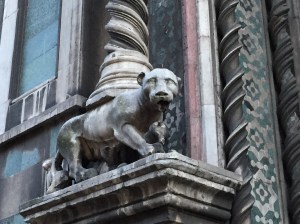
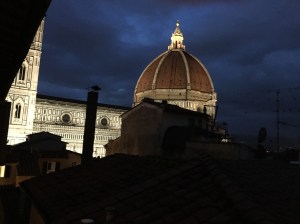
The Duomo at night
There is something like 80 museums in Florence, more in a 5km radius than anywhere else in the world a local told us. We made quick work of just a handful during our time in Florence – Galleria degli Uffizi was a must stop to admire the Birth of Venus and Primavera by Sandro Boticelli, as well as Titian’s Venus of Urbino; Accademia Gallery for Michelangelo’s David and the unfinished Slaves; Institute and Museum of the History of Science (where we encountered a school field trip creating my worst museum experience of all time) was a showcase of the evolution of the instruments used in various scientific fields such as mathematics, physics, biology, chemistry, astronomy and homage to Galileo. Including the middle finger of Galileo’s right hand on display; and of course, Gucci Museum which was recently developed to showcase the history of the fashion house from luggage and cars to handbags and amazing fashion.
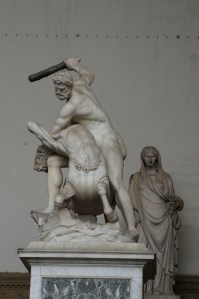
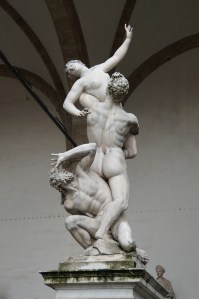
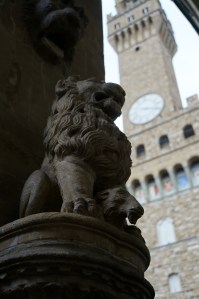
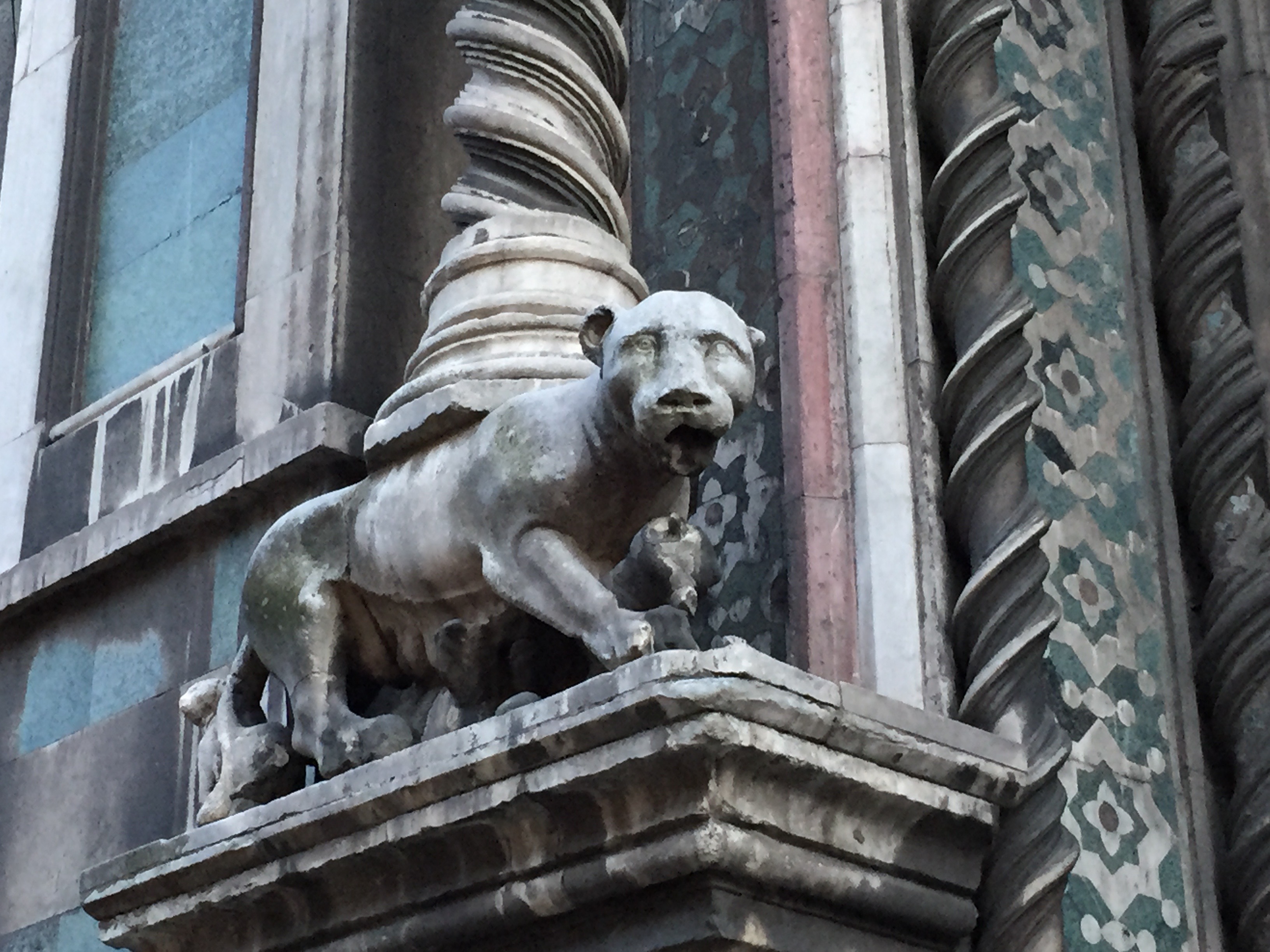
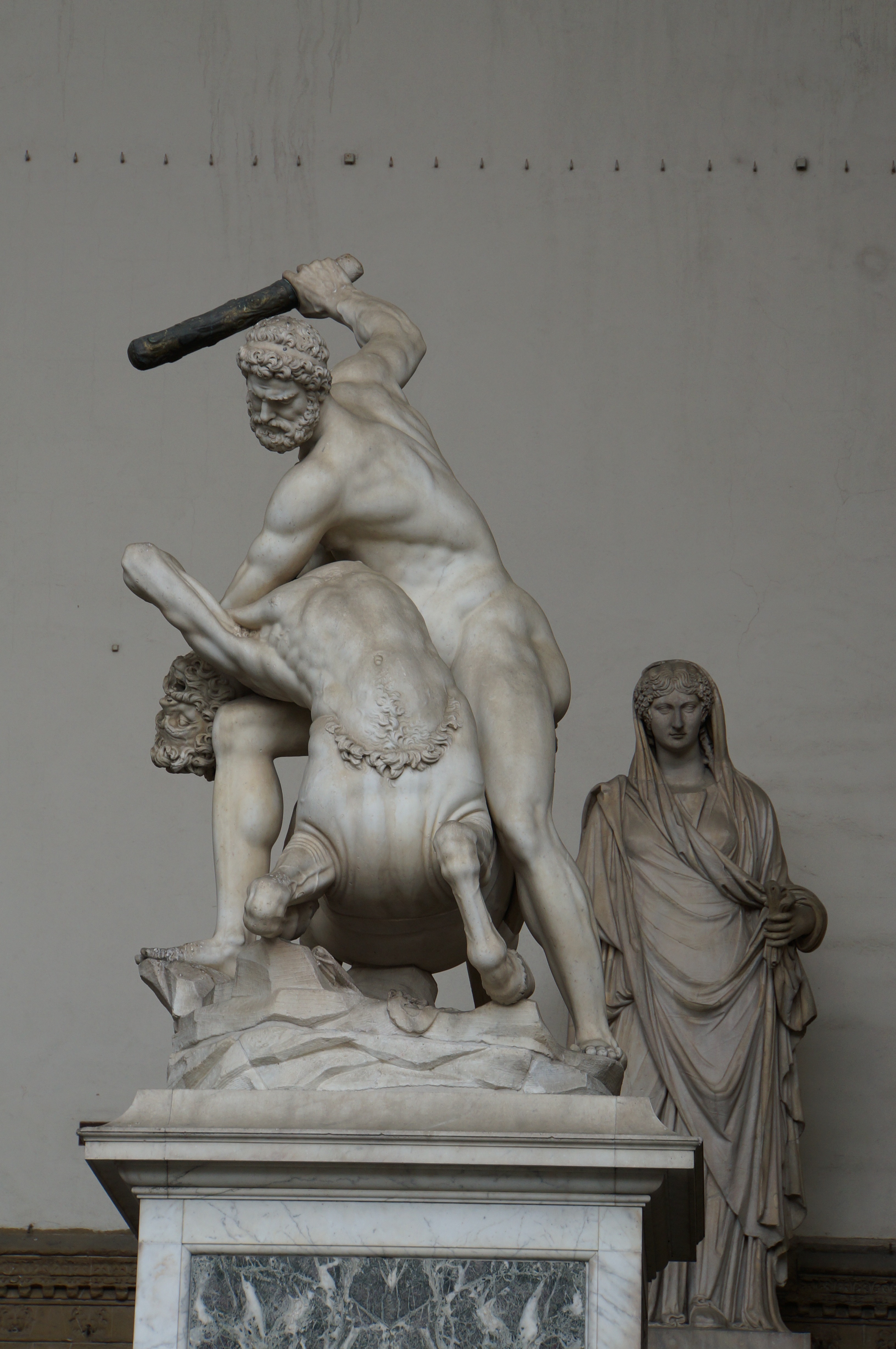
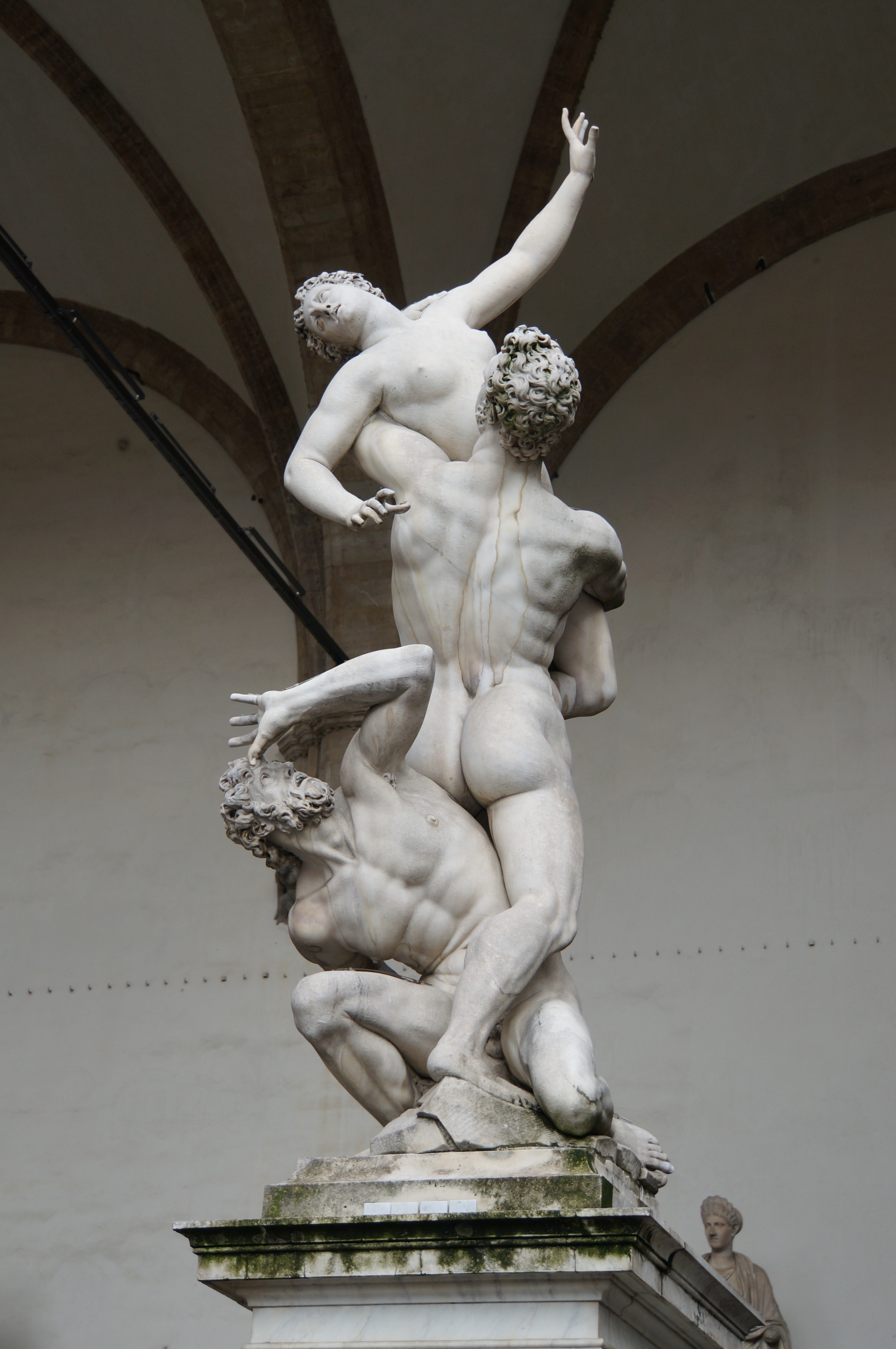
The sculptures across the city were spectacular – each with its own unique story. The efforts in their carving impossible to articulate
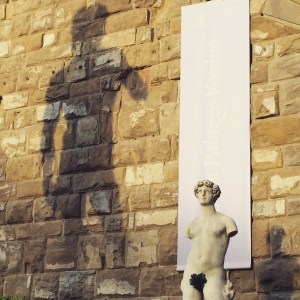
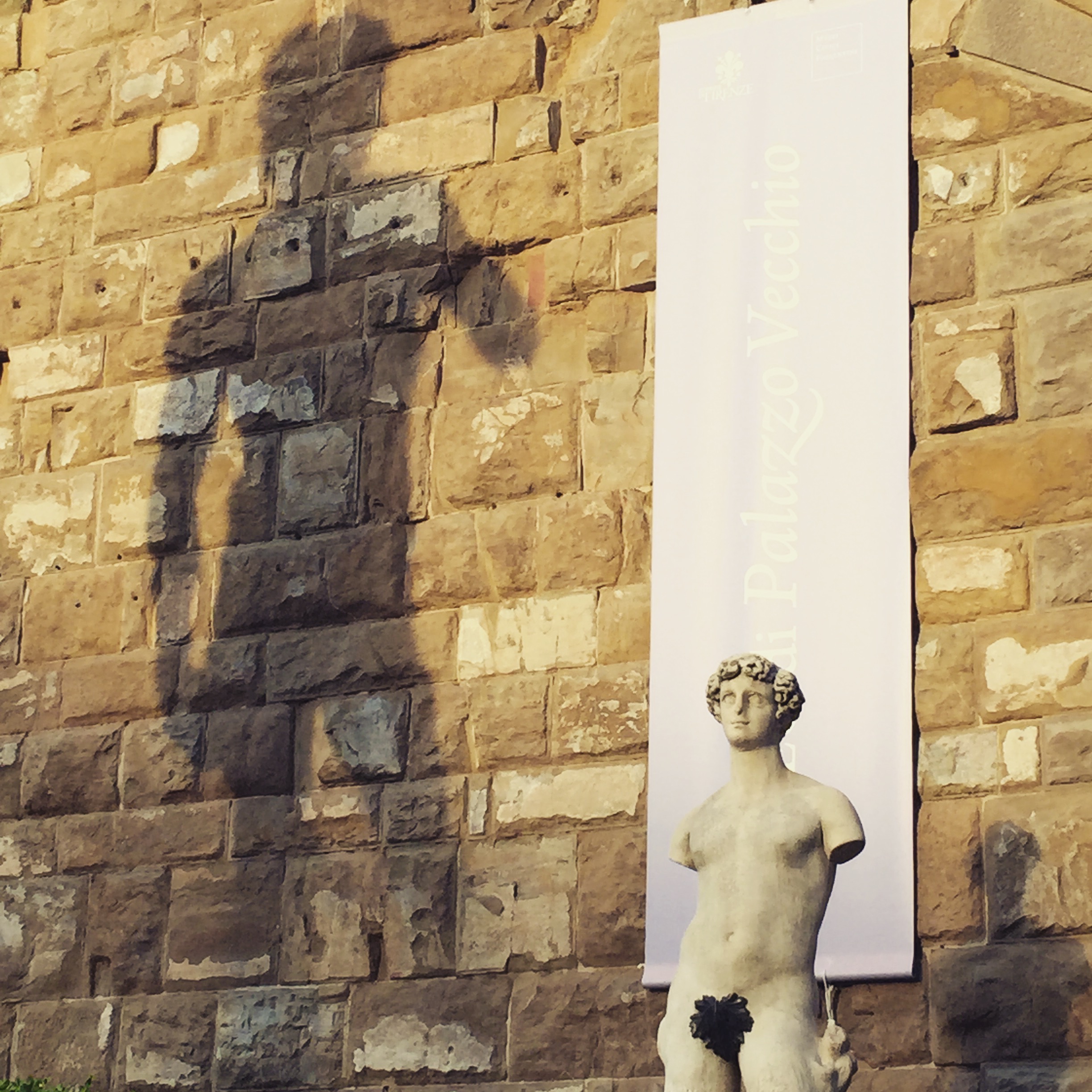
A shadow of himself…
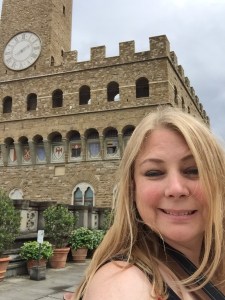
Seeing the sights…
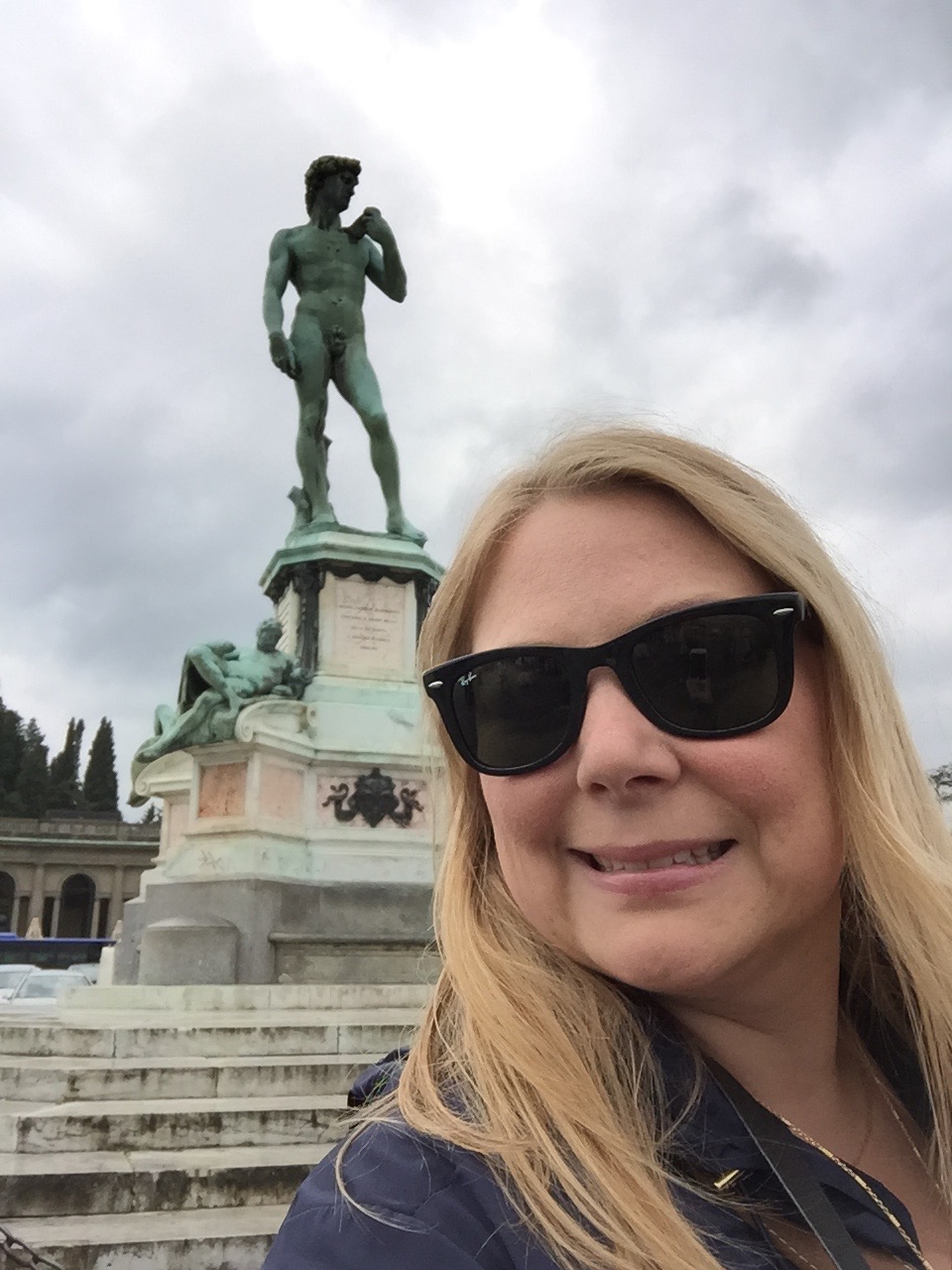
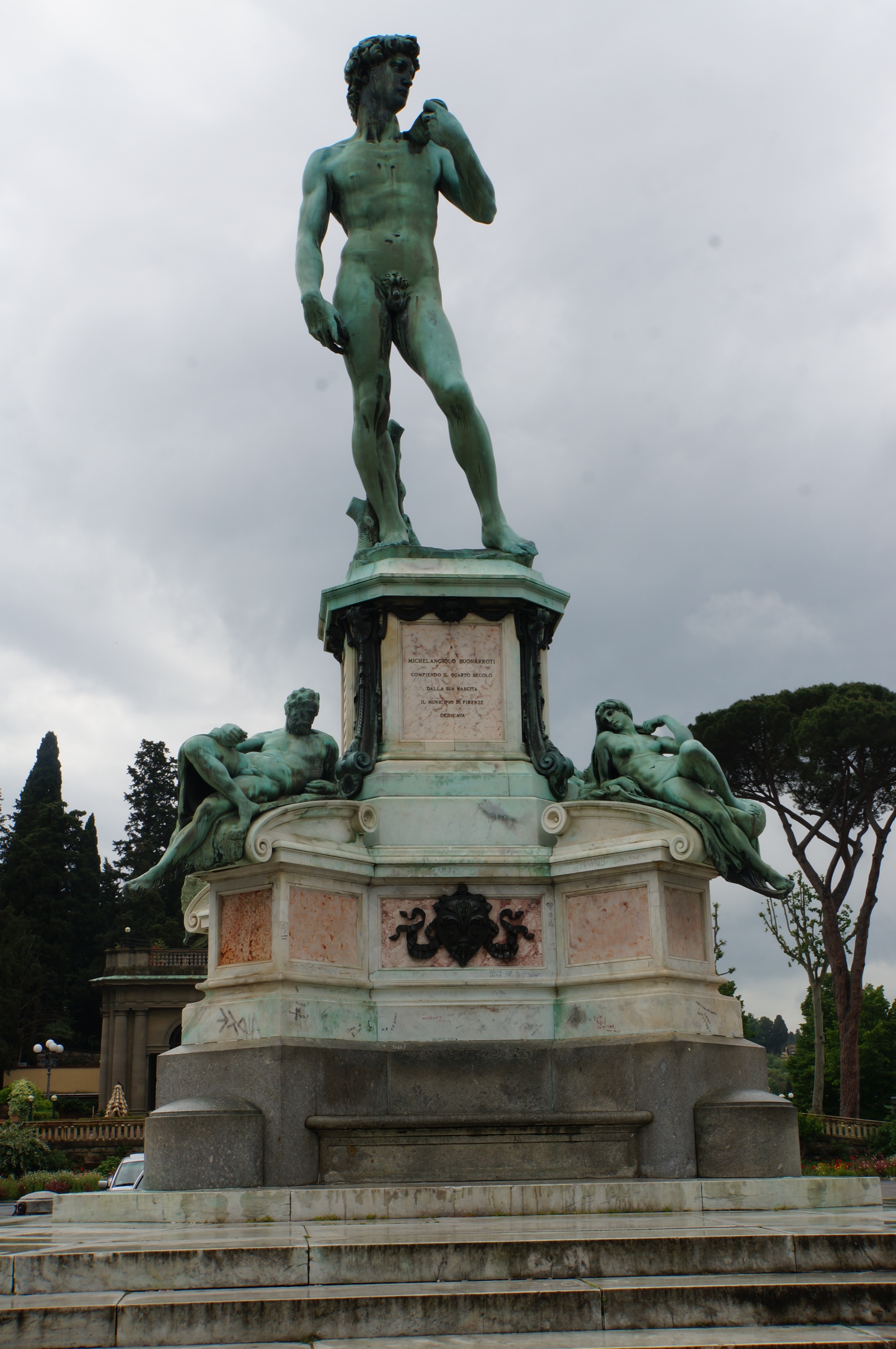
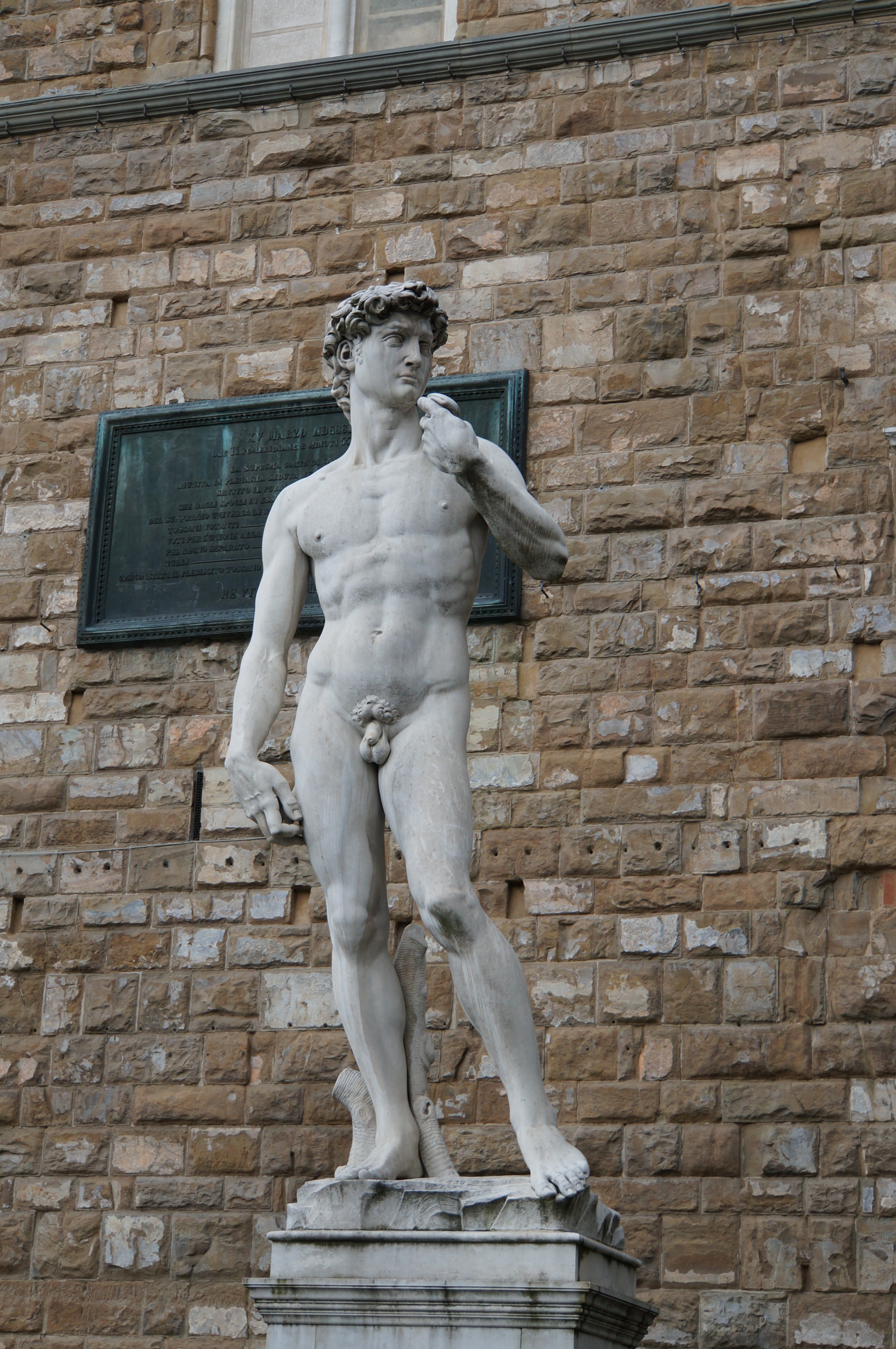
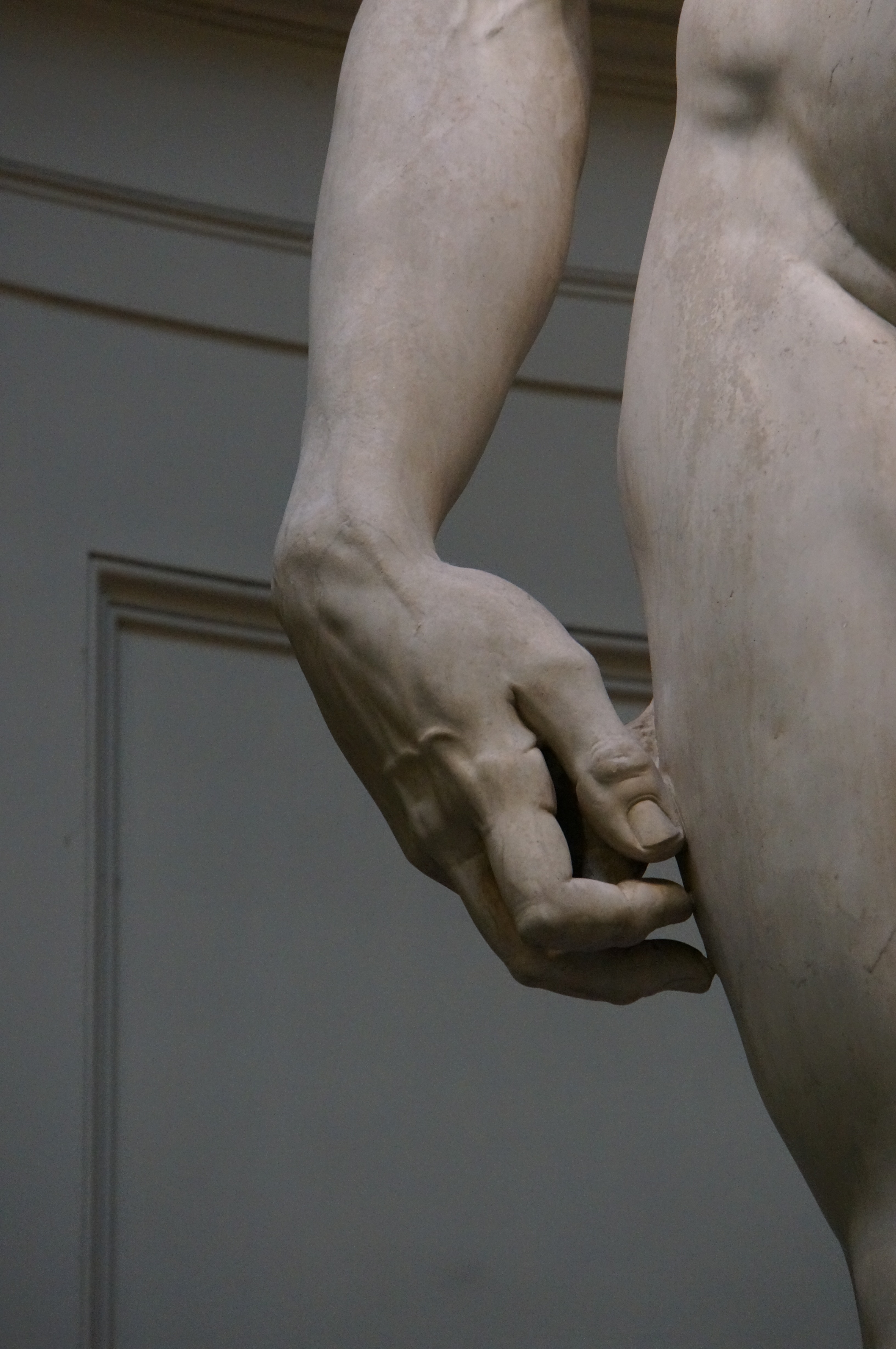
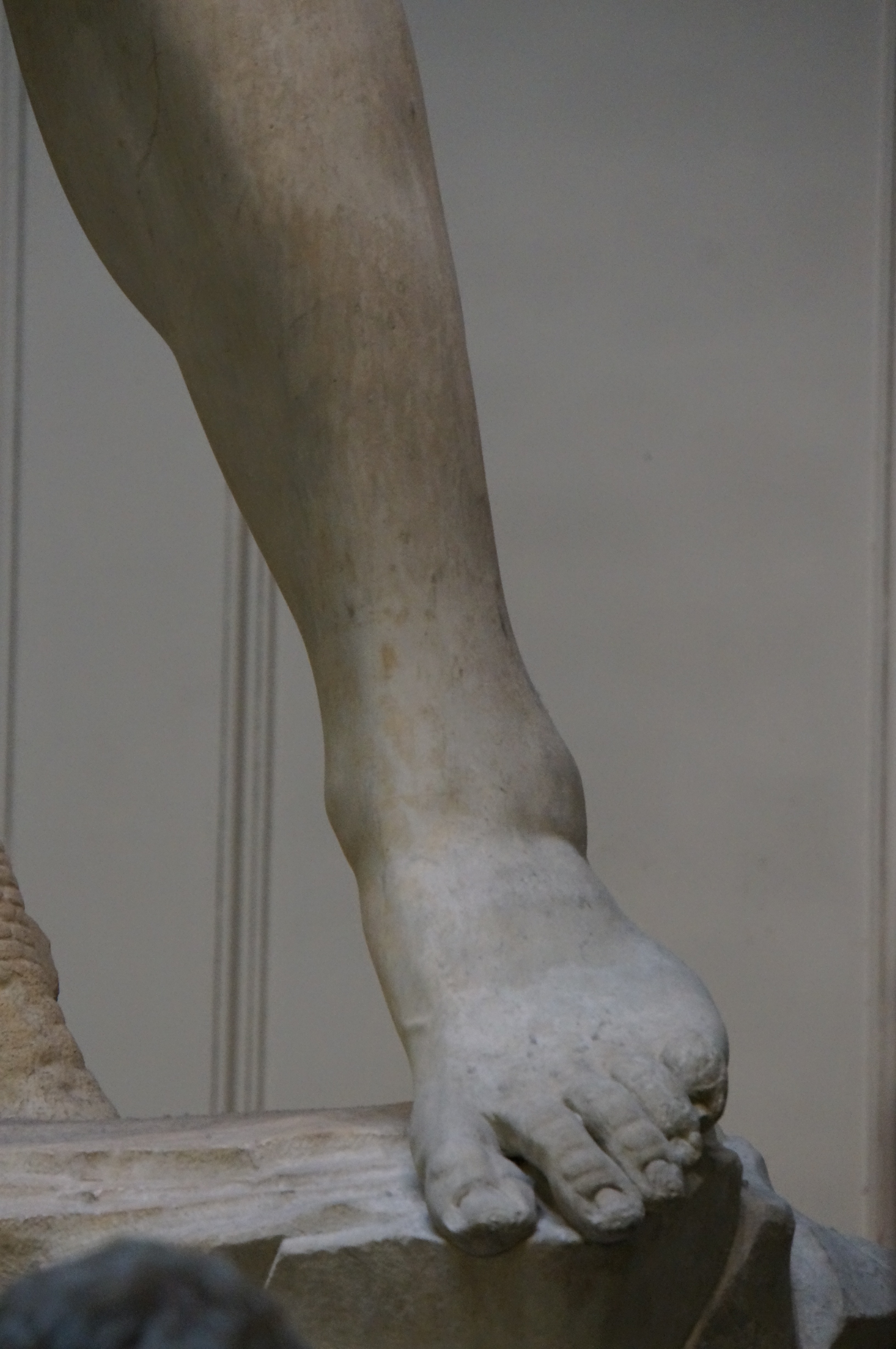
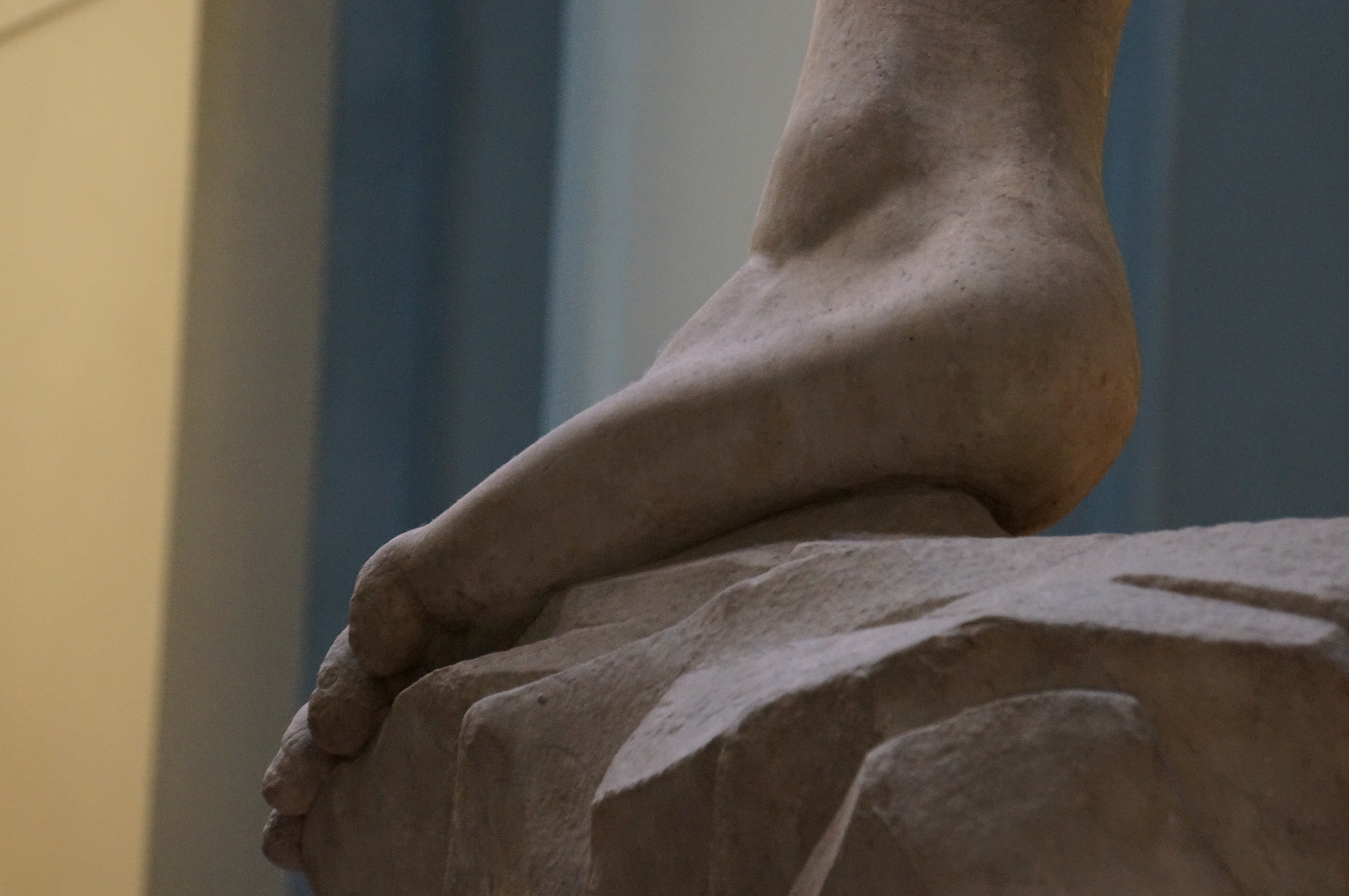
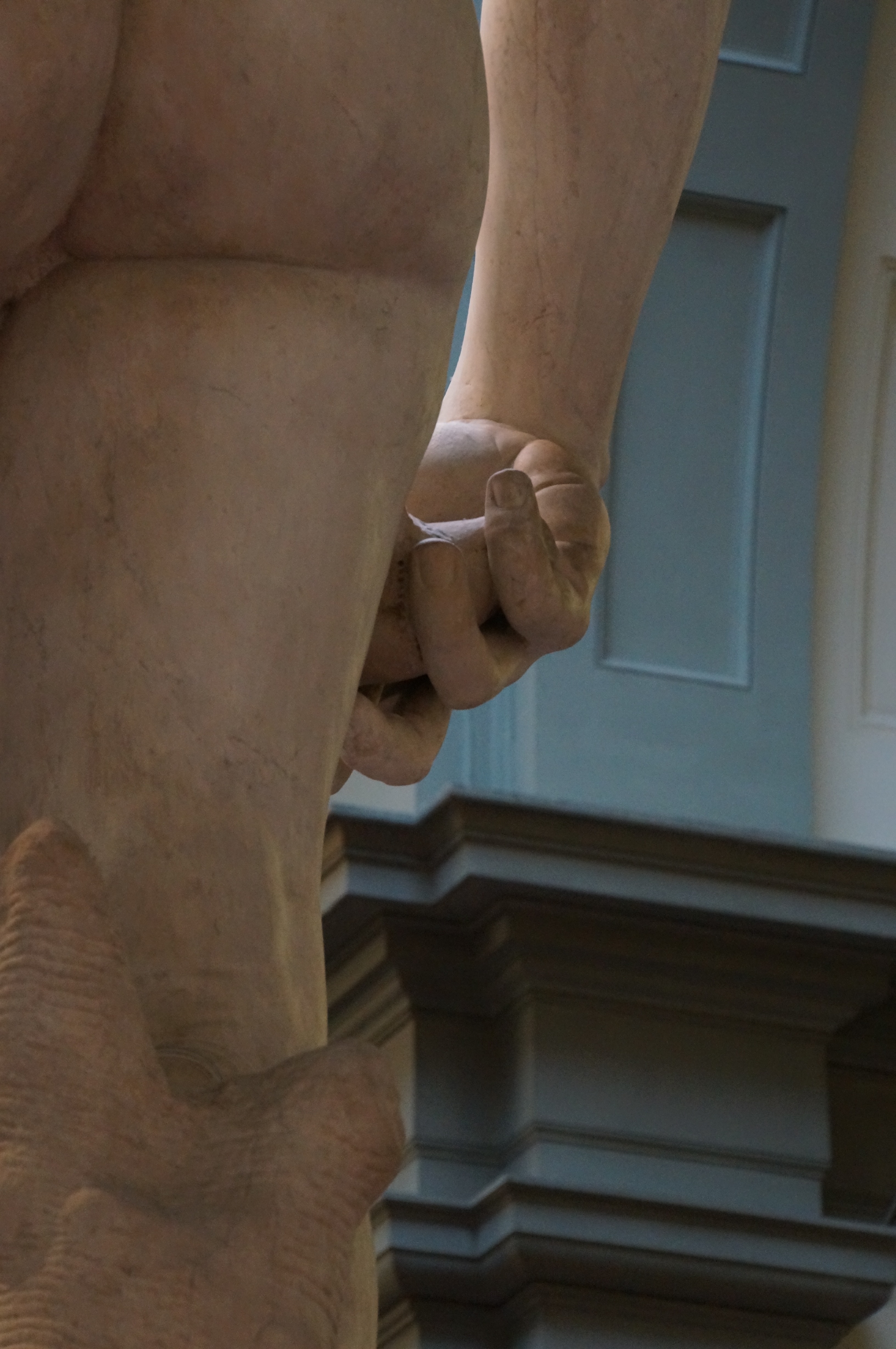
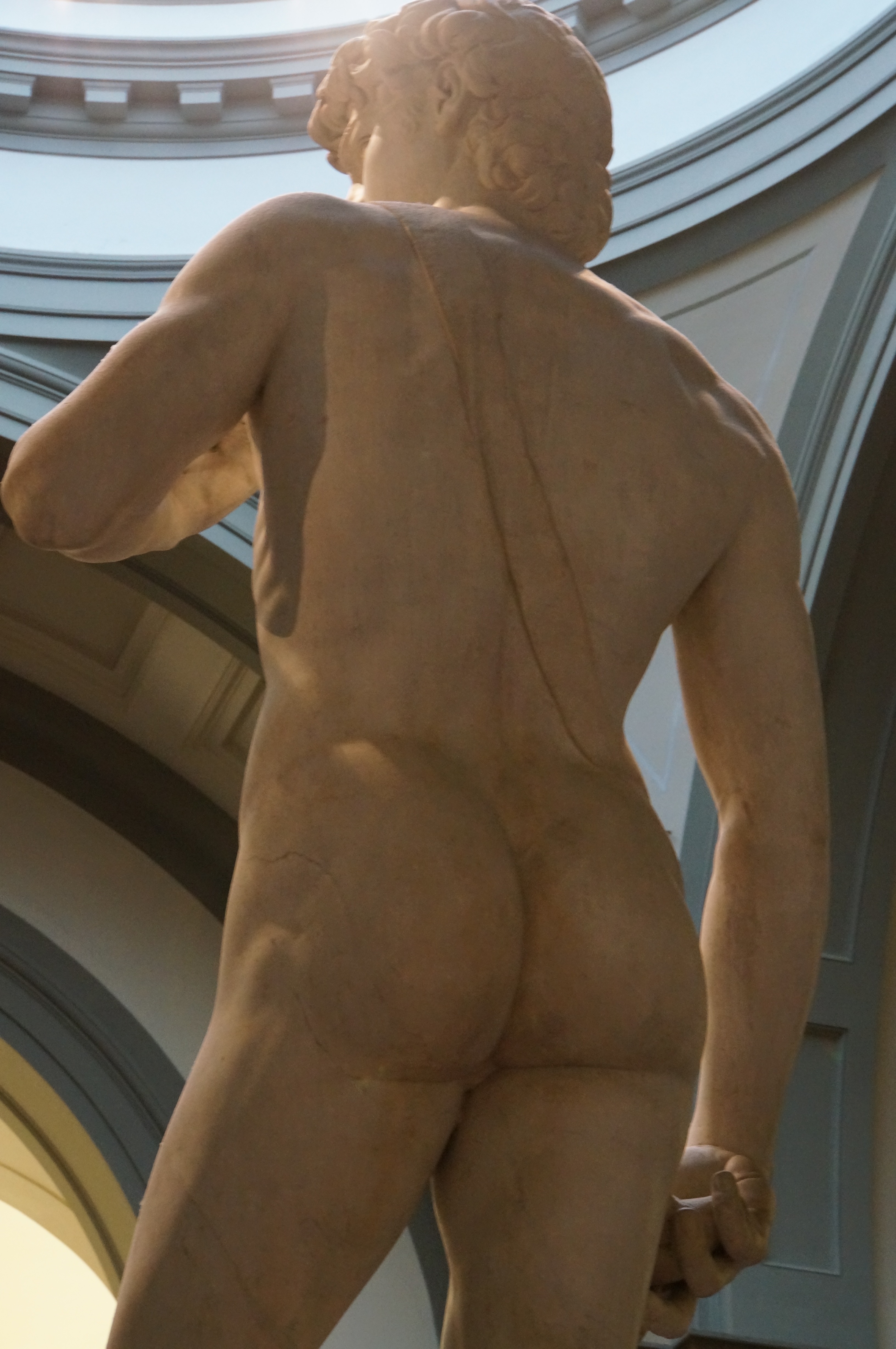
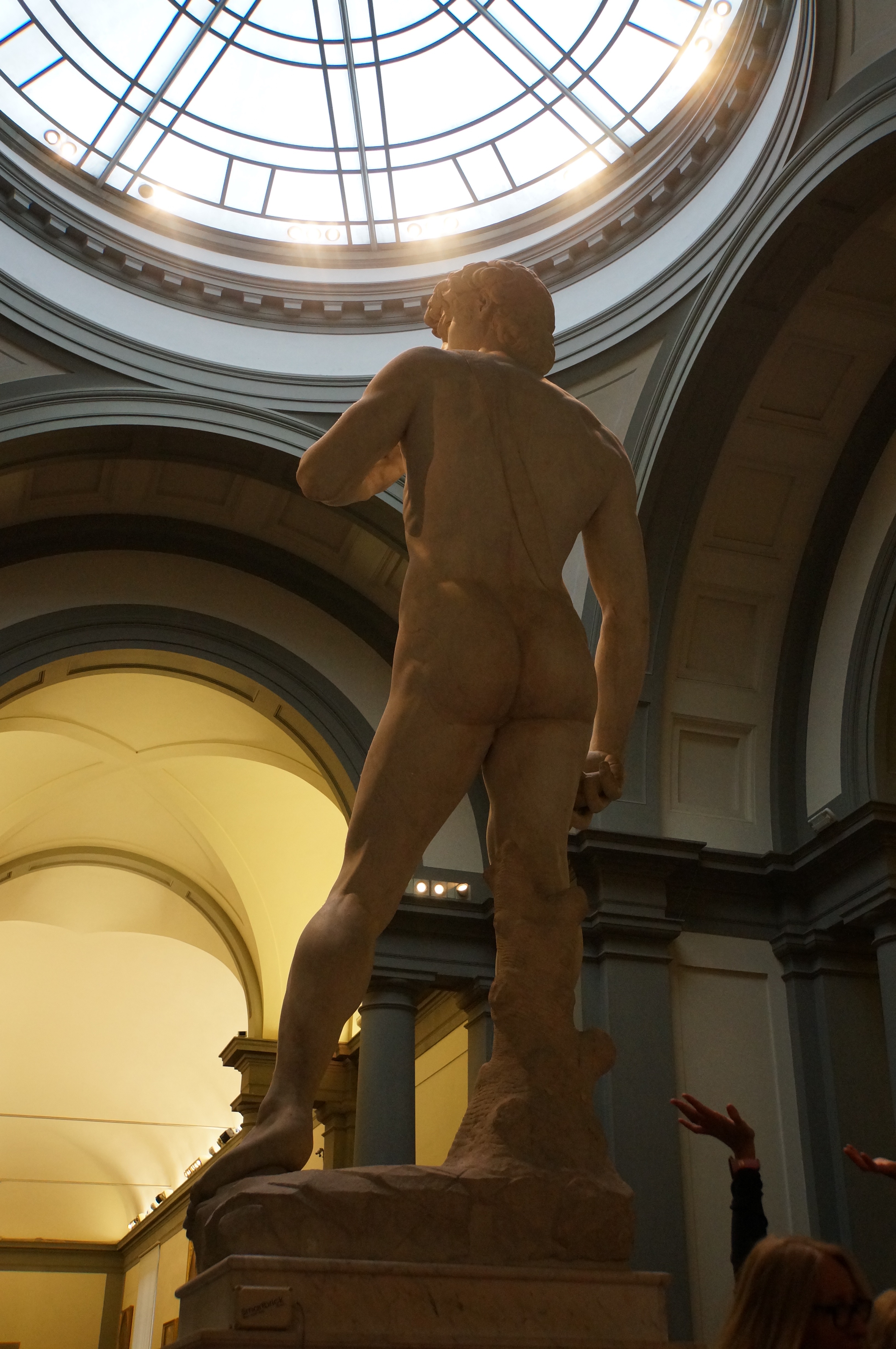
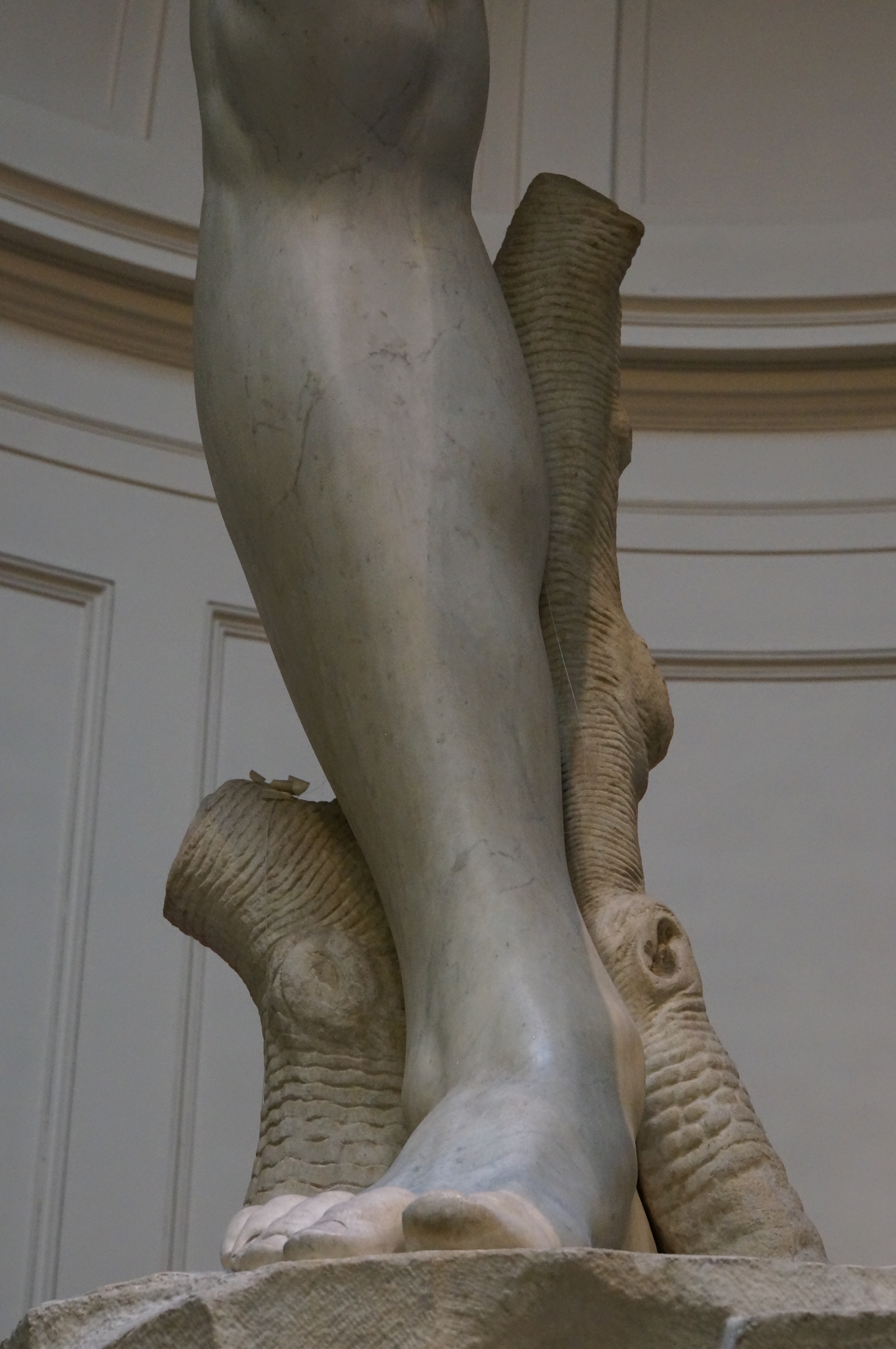
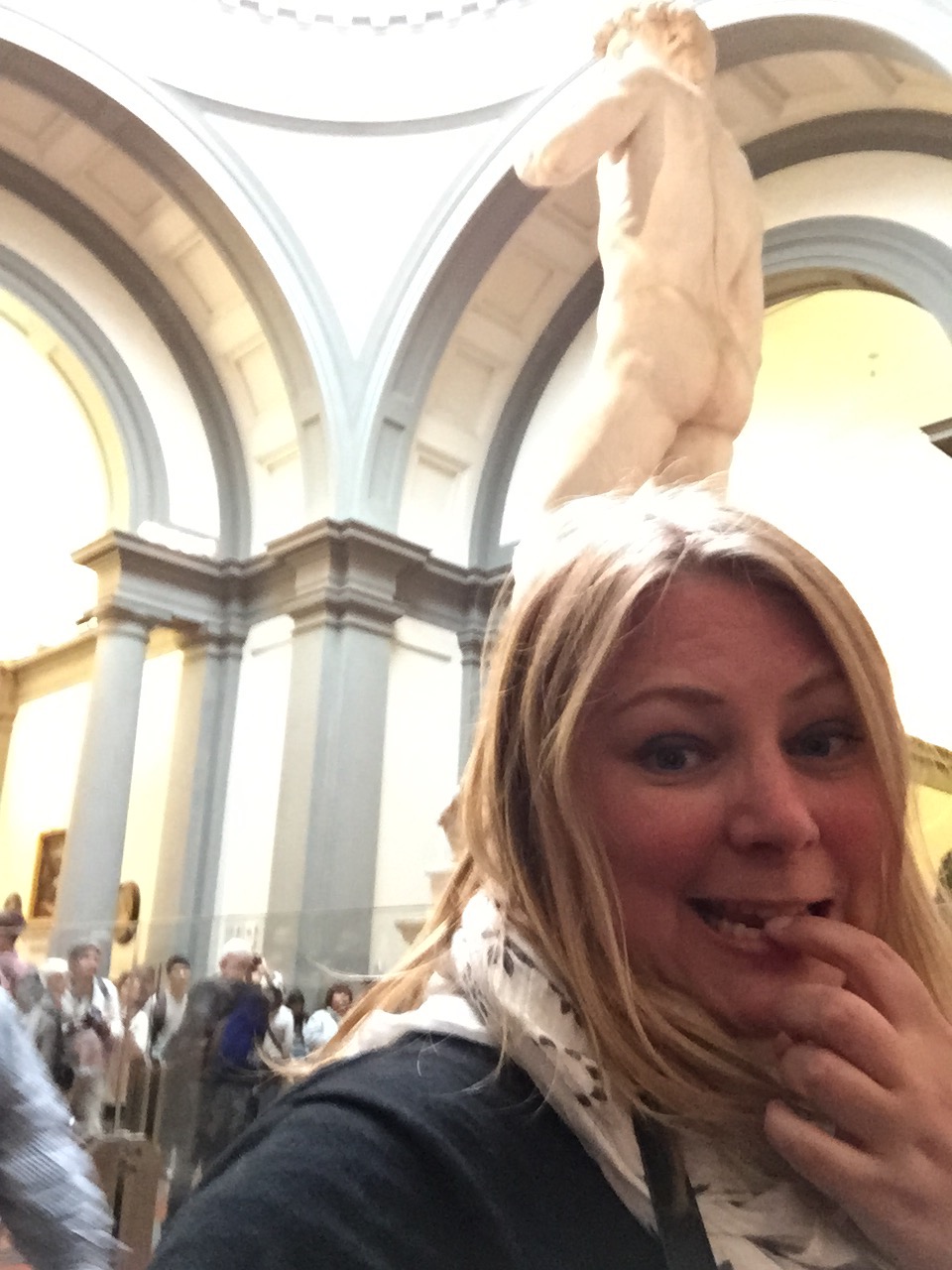
Seeing The David in person was a personal highlight for me. For those who aren’t in the know, there are actually three statues around the city. One in Copper, overlooking the city, a second replicate situated outside the municipal building and the third – the original marble carving – within the Accadamia. We happened upon the first two as part of our wandering and sightseeing so when it came time for our tour of Accadamia, it is indescribable to explain how The David takes your breath away. In the fading late day light, as it streamed from the domed skylight above, the intricate detail was amazing. We sat on the benches that circle the statue and quietly took in each angle marvelling at how it was carved, how lifelike it was and how – no matter how hard you tried – the likelihood of a self-consumed tourist walking into a perfect photo angle.
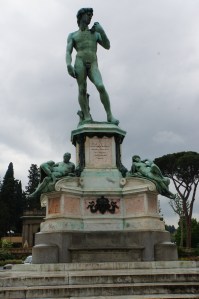
The copper version of The David, keeping watch over the city. Our first sighting!

A replica of The David outside the municipal building

The David – the original statue.
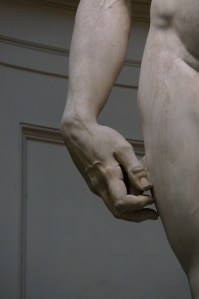

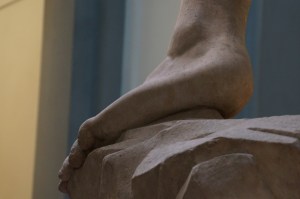
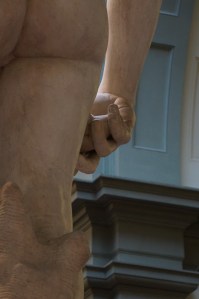
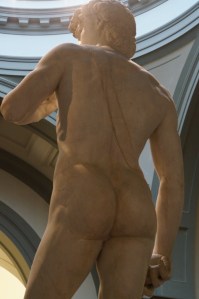
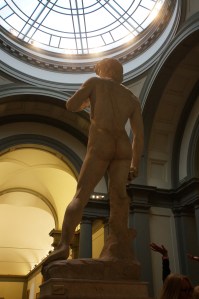
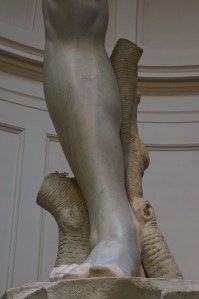
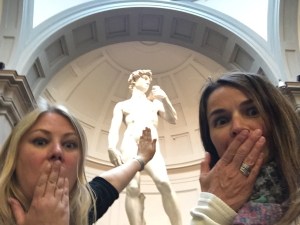
Oh my goodness!

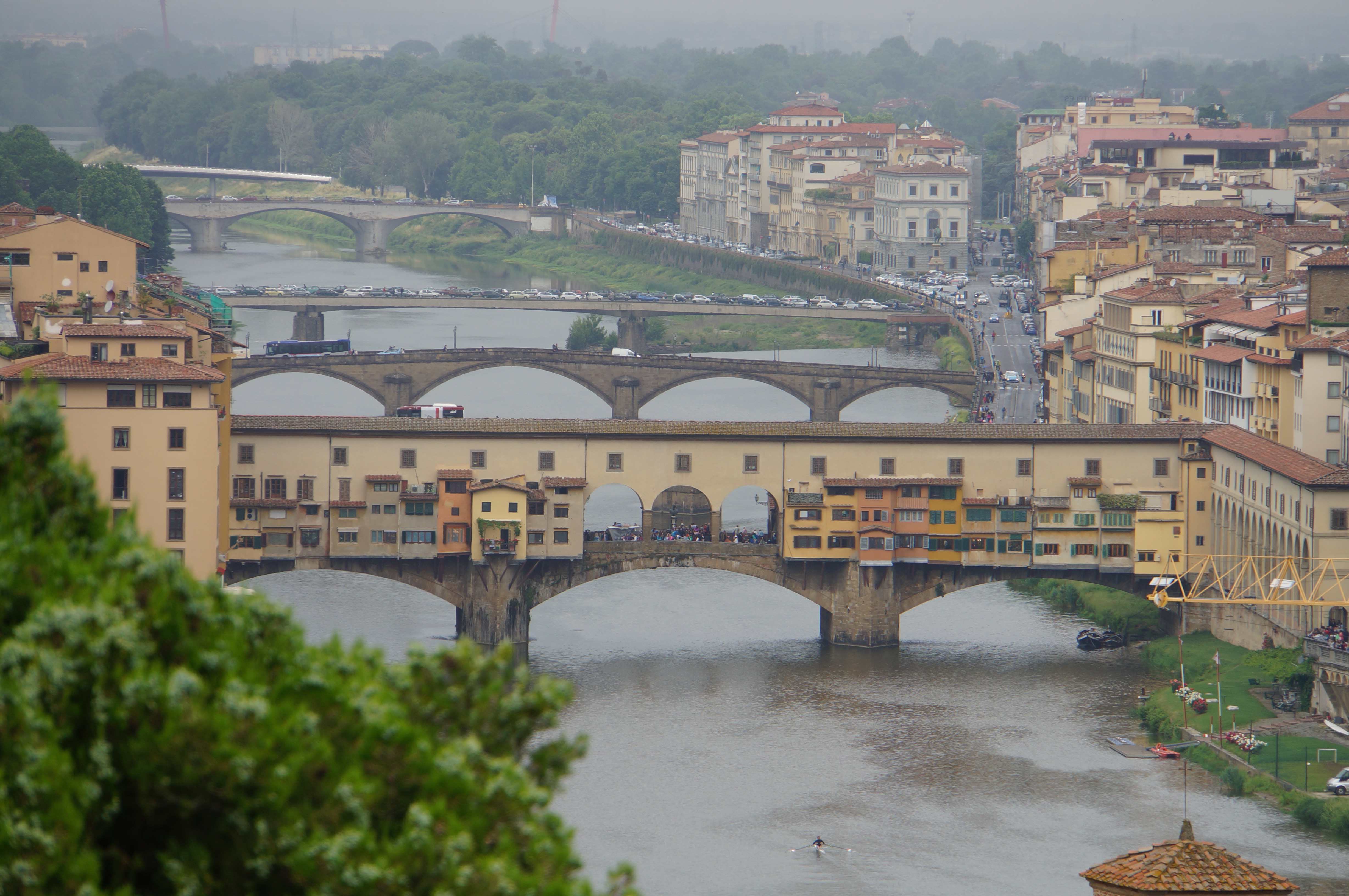
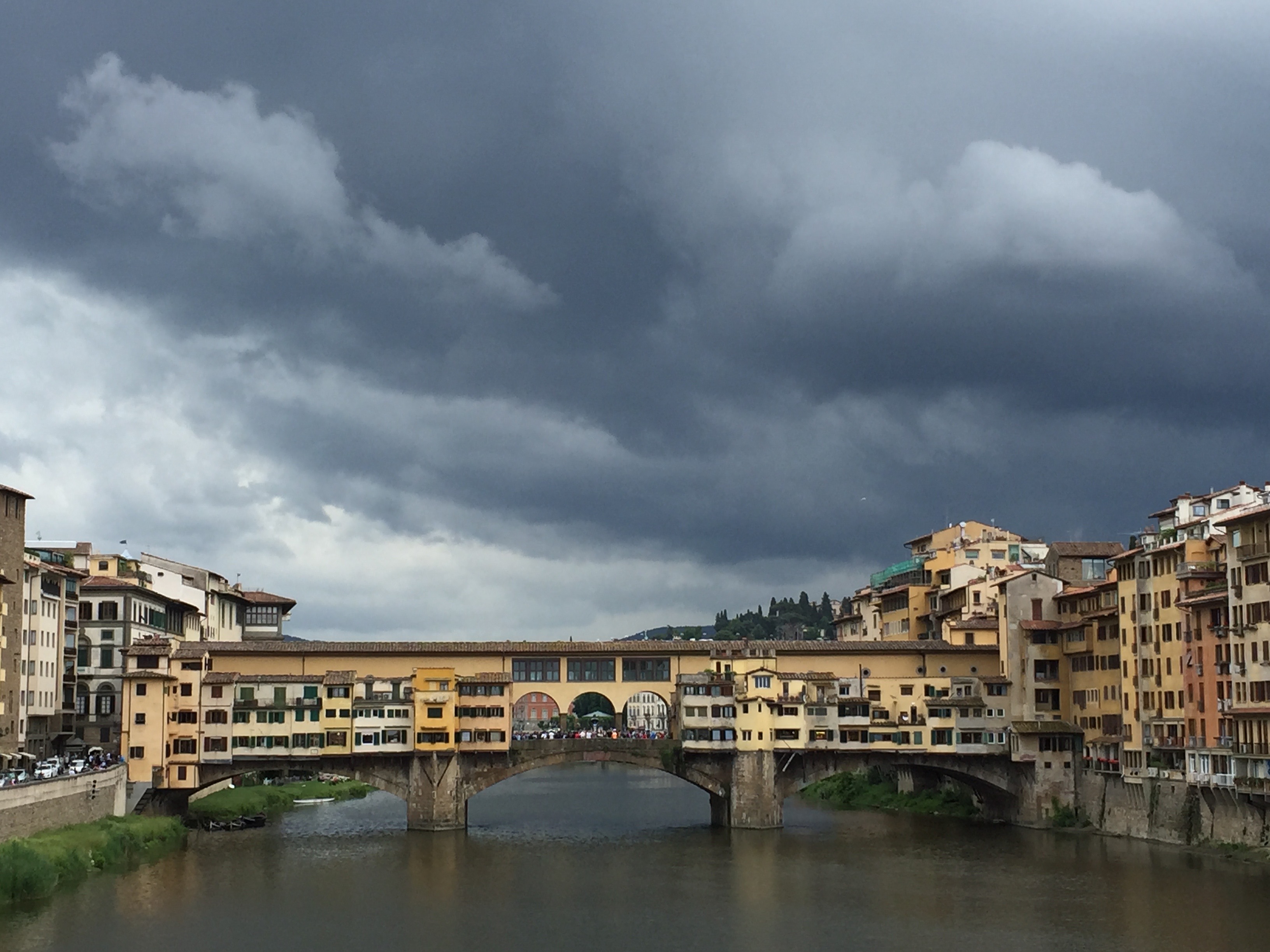
Wiki travel describes the Ponte Vecchio as “the oldest and most famous bridge over the Arno; the only Florentine bridge to survive WW2. The Ponte Vecchio (literally “old bridge”) is lined with shops, traditionally mostly jewellers since the days of the Medici. Vasari’s elevated walkway crosses the Arno over the Ponte Vecchio, connecting the Uffizi to the old Medici palace.
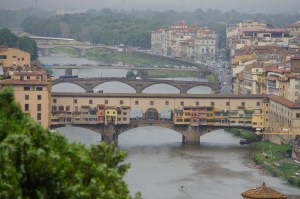
The famous Ponte Vecchio where one can purchase all kinds of jewellery at unreasonable prices!
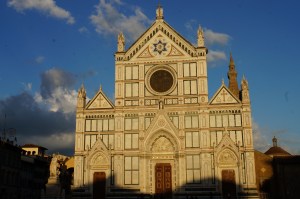
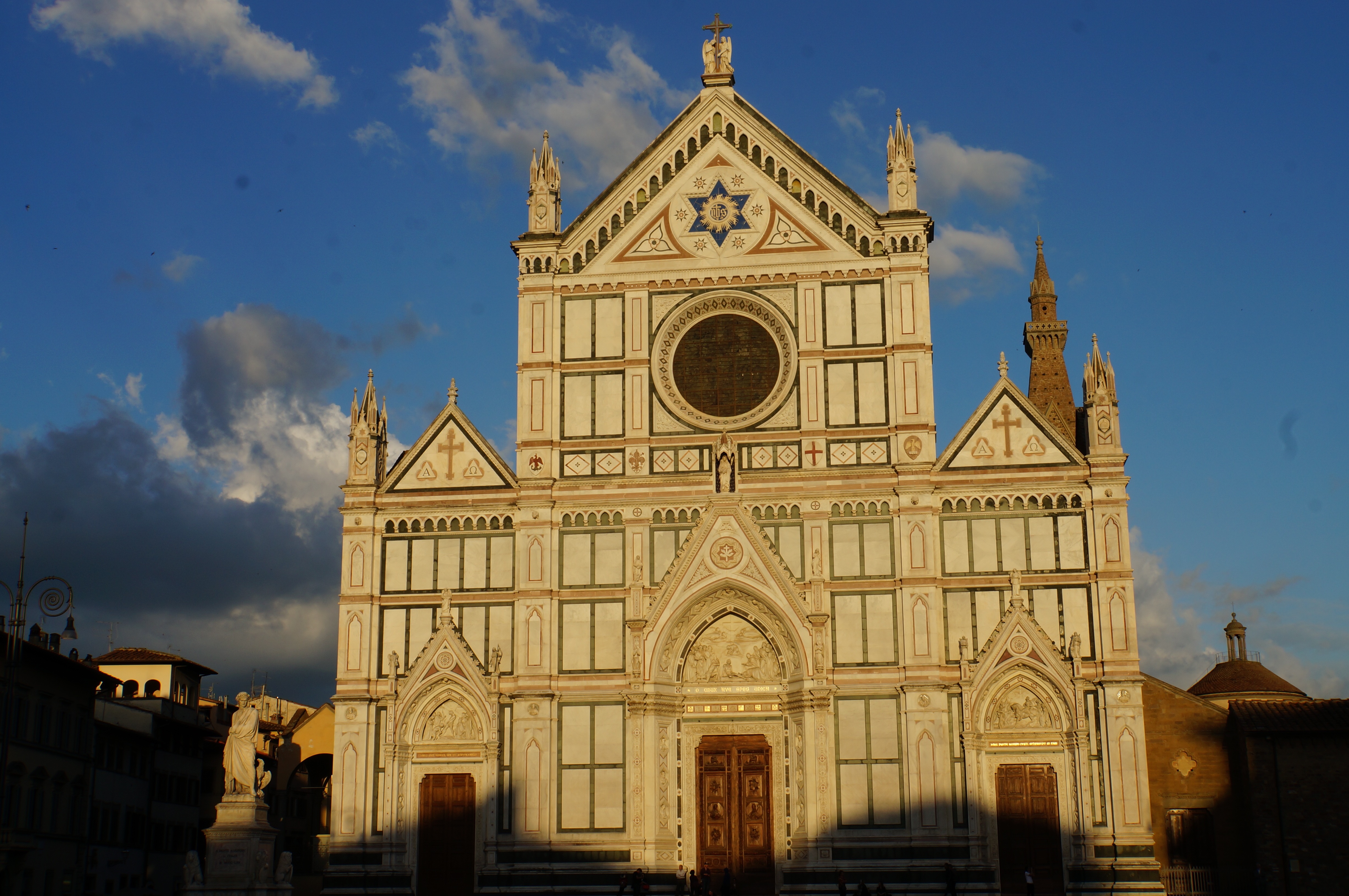
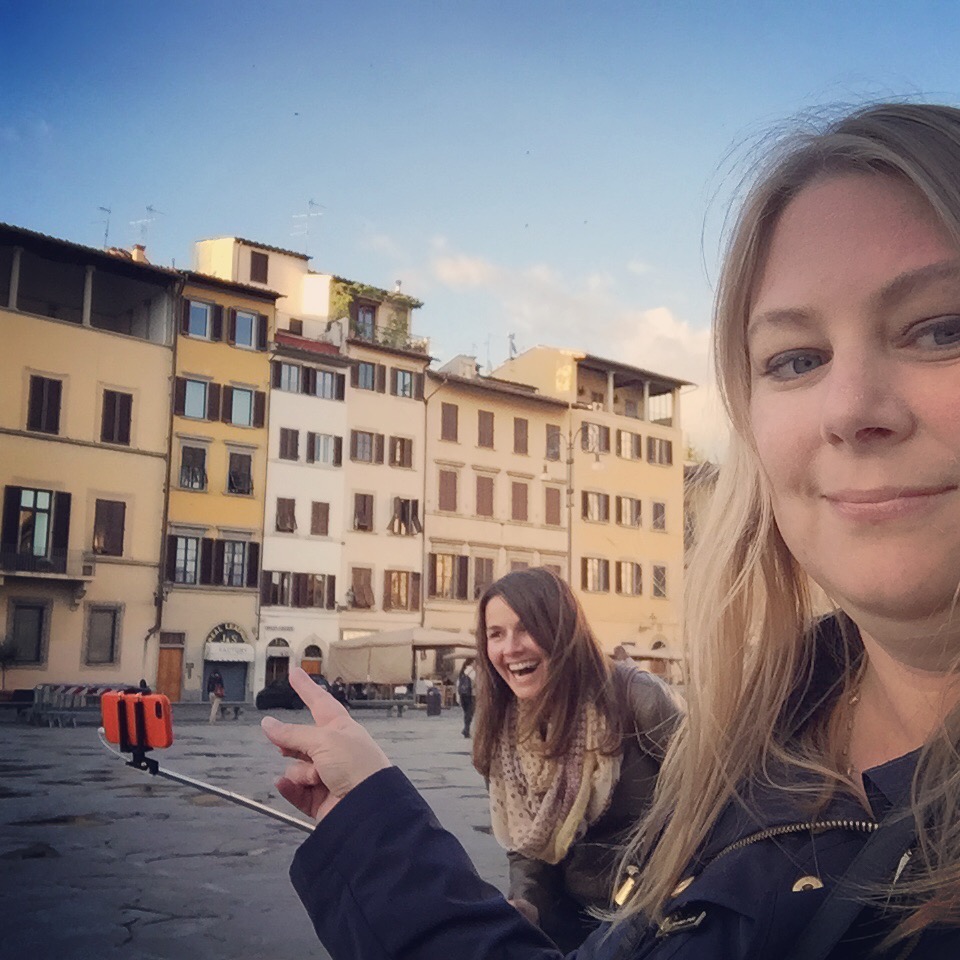
Exterior view of Santa Croce in the early evening light.
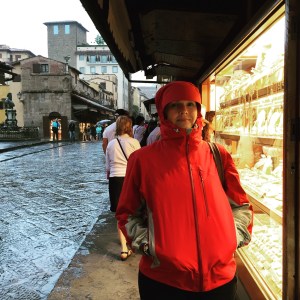
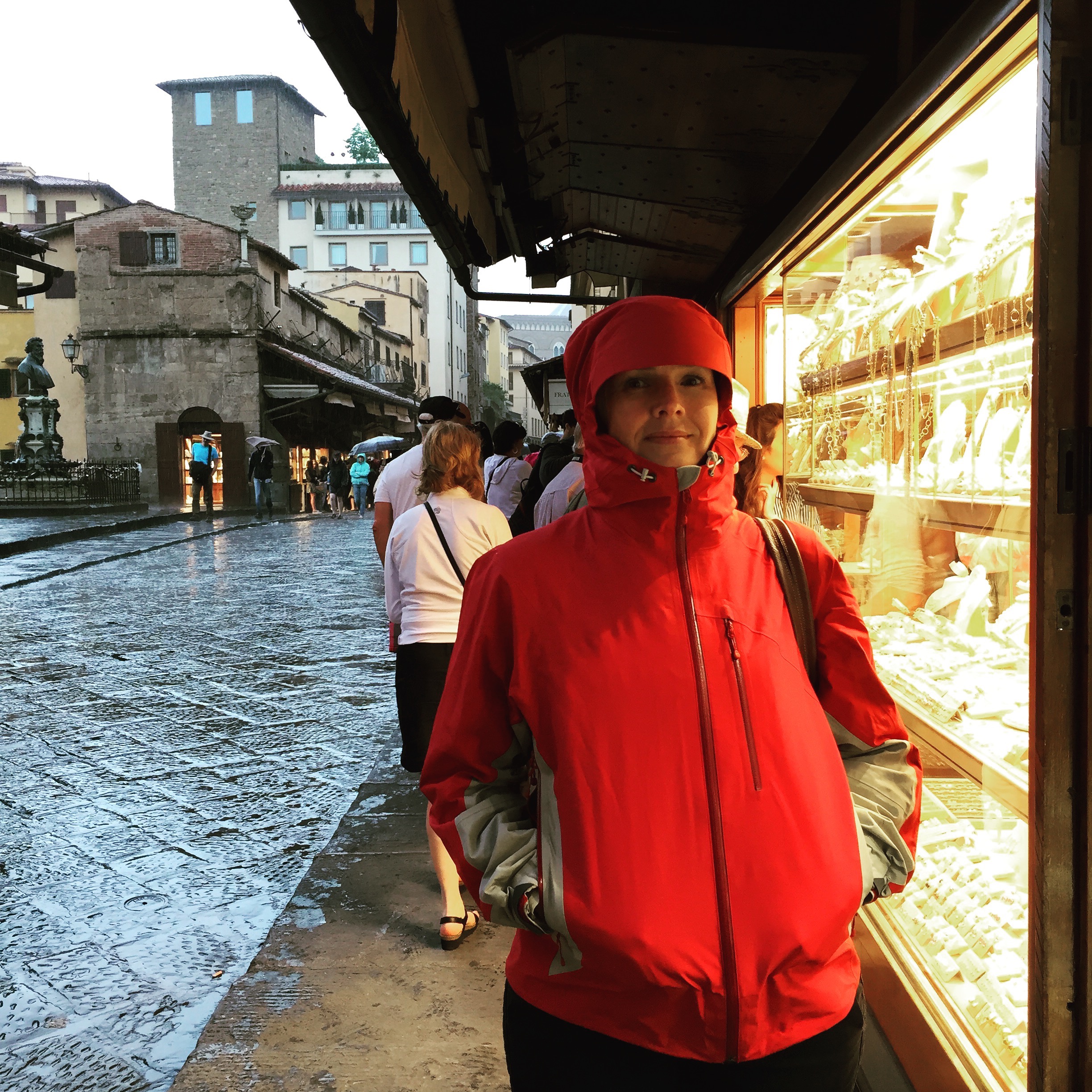
We got caught in a rainstorm…
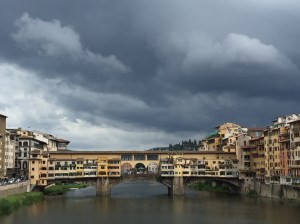
And we saw it coming…
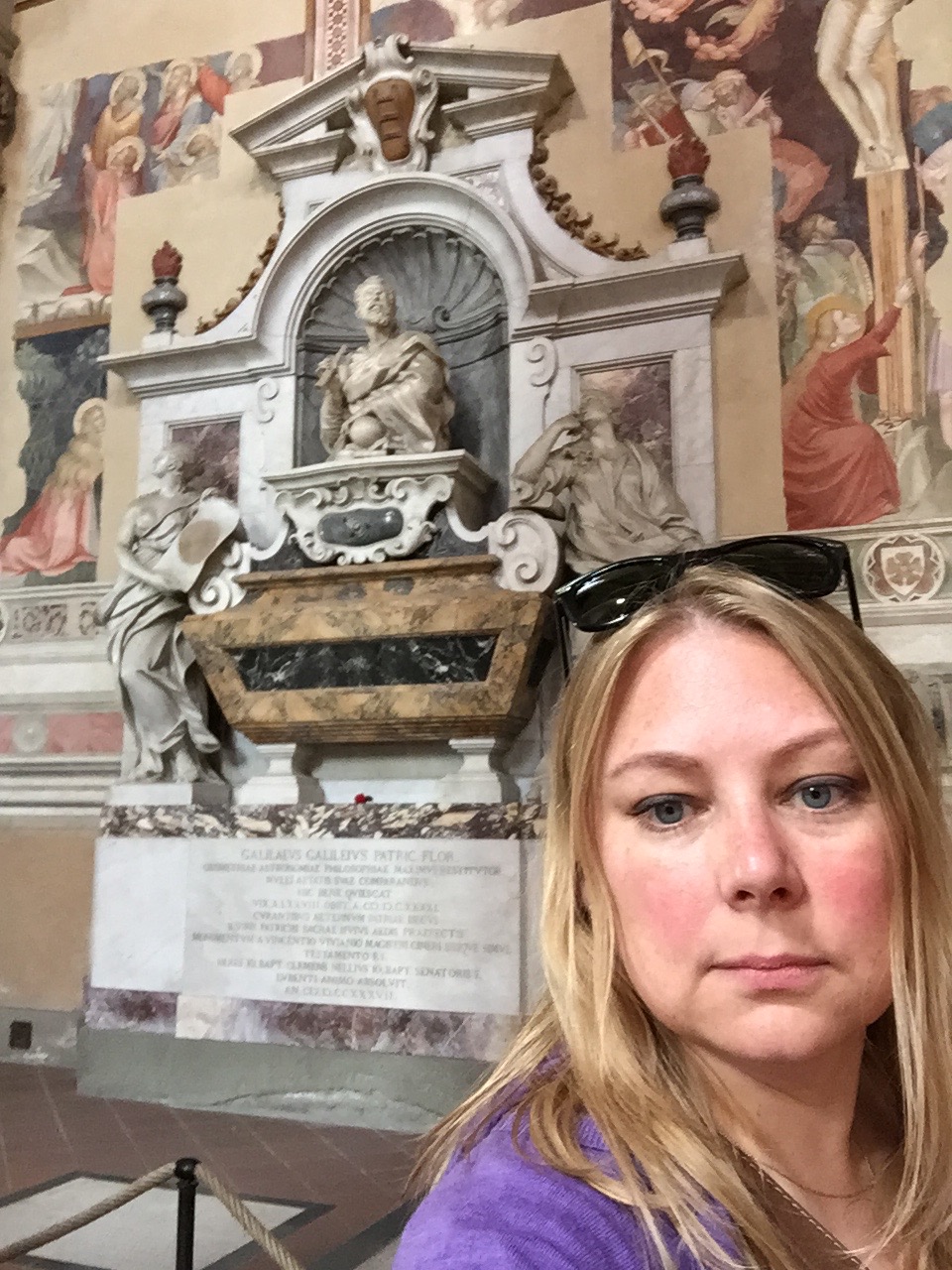
Ensuring that we got in as much as we can, we also spend a morning wandering the Ponte Vecchio in search of fine jewels and ended our last day in Florence with a wander through Santa Croce, which is home to one of the largest collections of crypts of the well-known. The monumental tombs of Machiavelli, Michelangelo, Galileo, Dante and others rest here. 
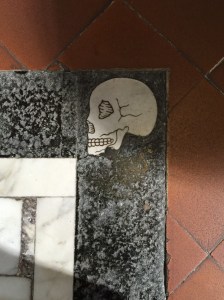
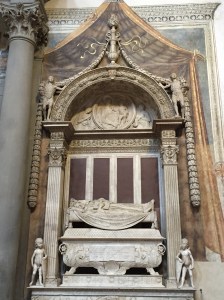
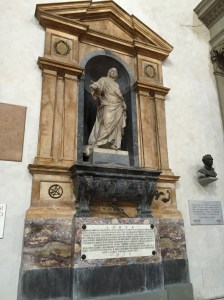
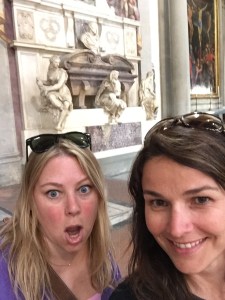
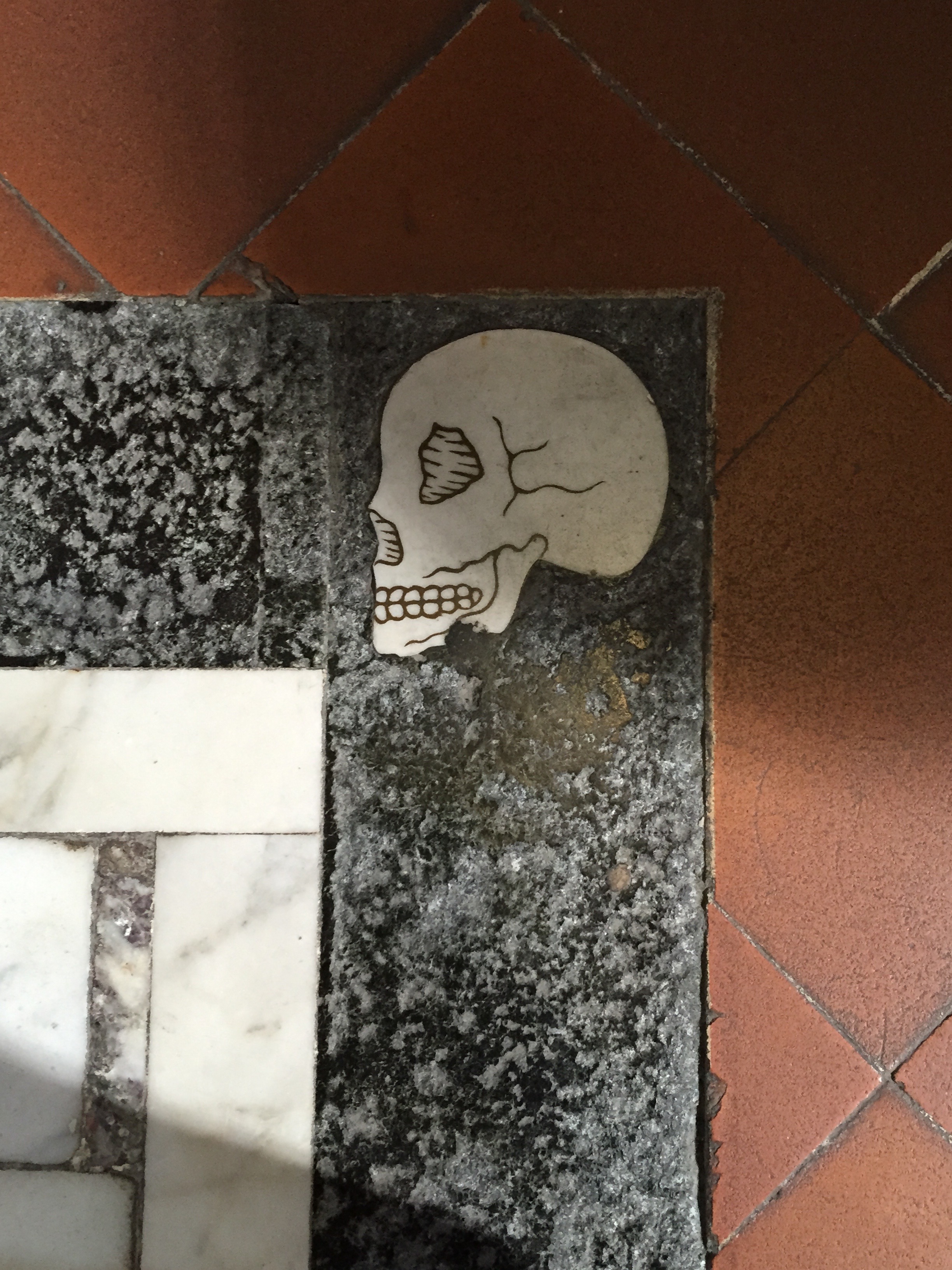
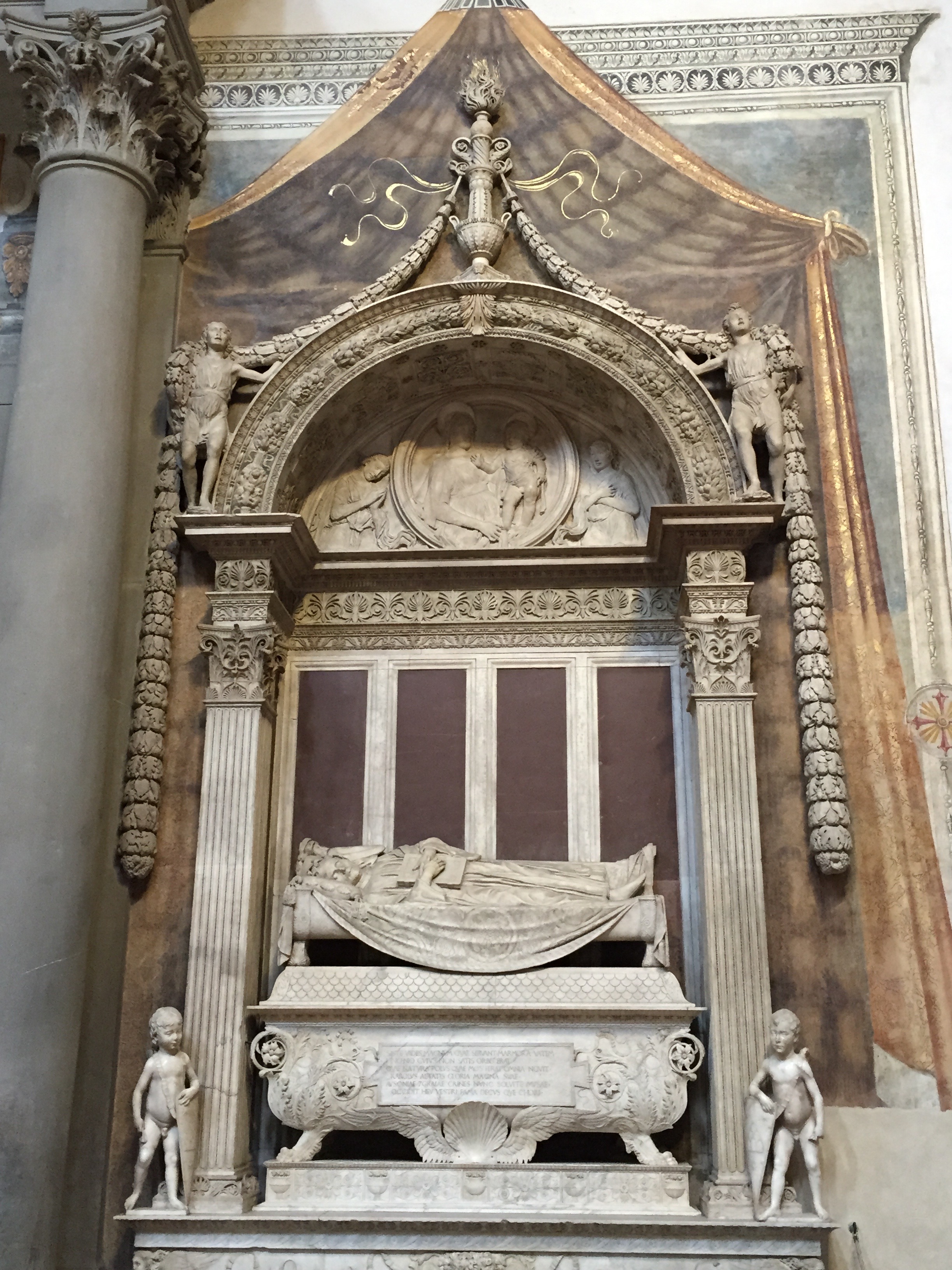
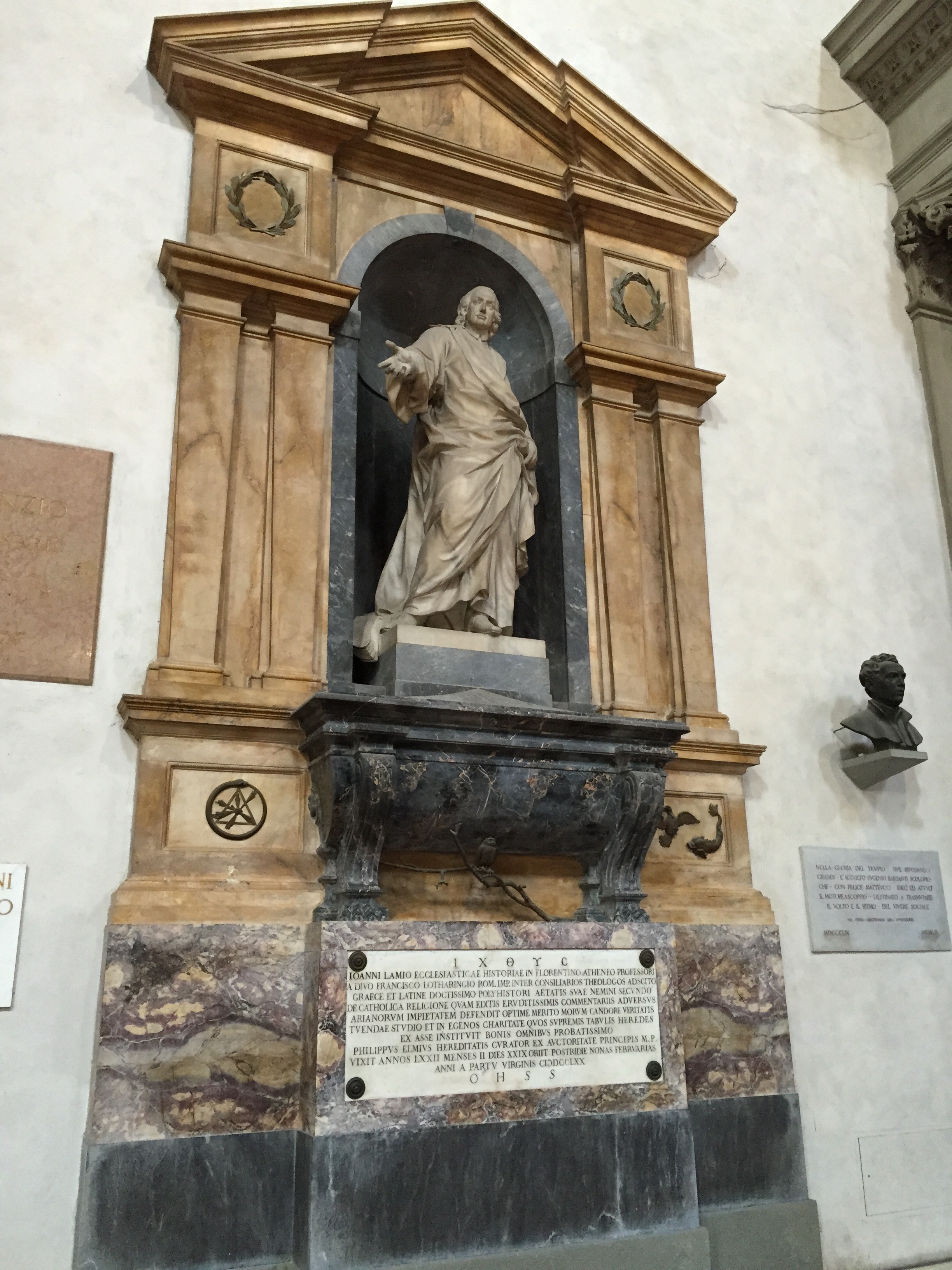
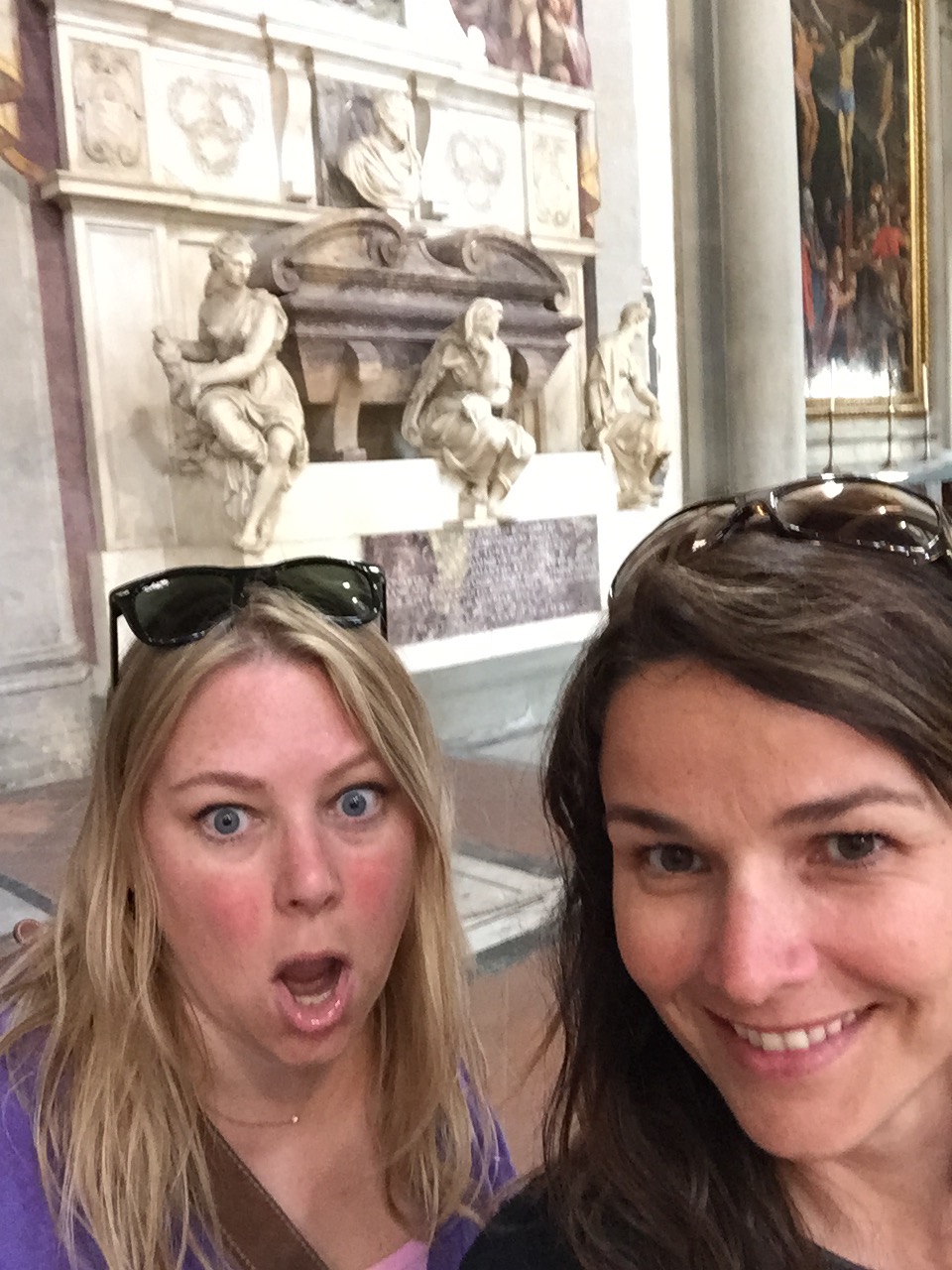
Continuing the “I see dead people” series, as we tour the crypts in Santa Croce
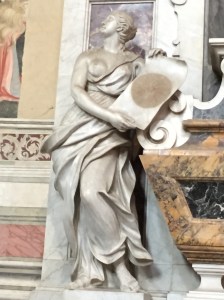
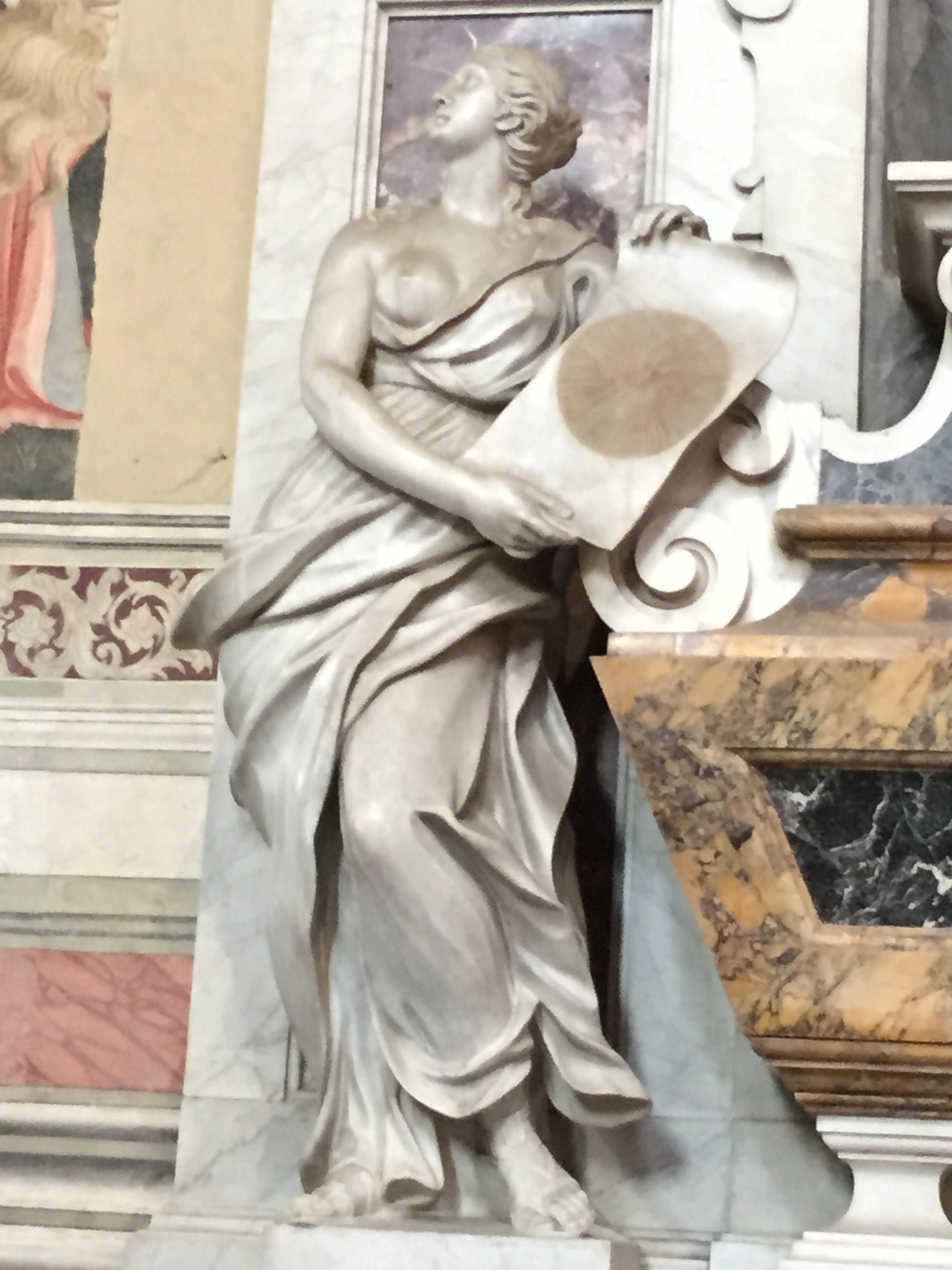
Gallileo’s crpyt was adorned in a number of detailed statues, each depicting a key area of science, math and exploration.
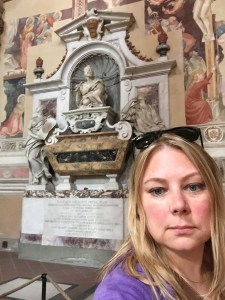
From Florence, we hopped the high-speed train to Rome which would be one of our final cities (and our final two hotel stays) of the trip. More to come on that…stay tuned.
C





 Maps & Flip Flops