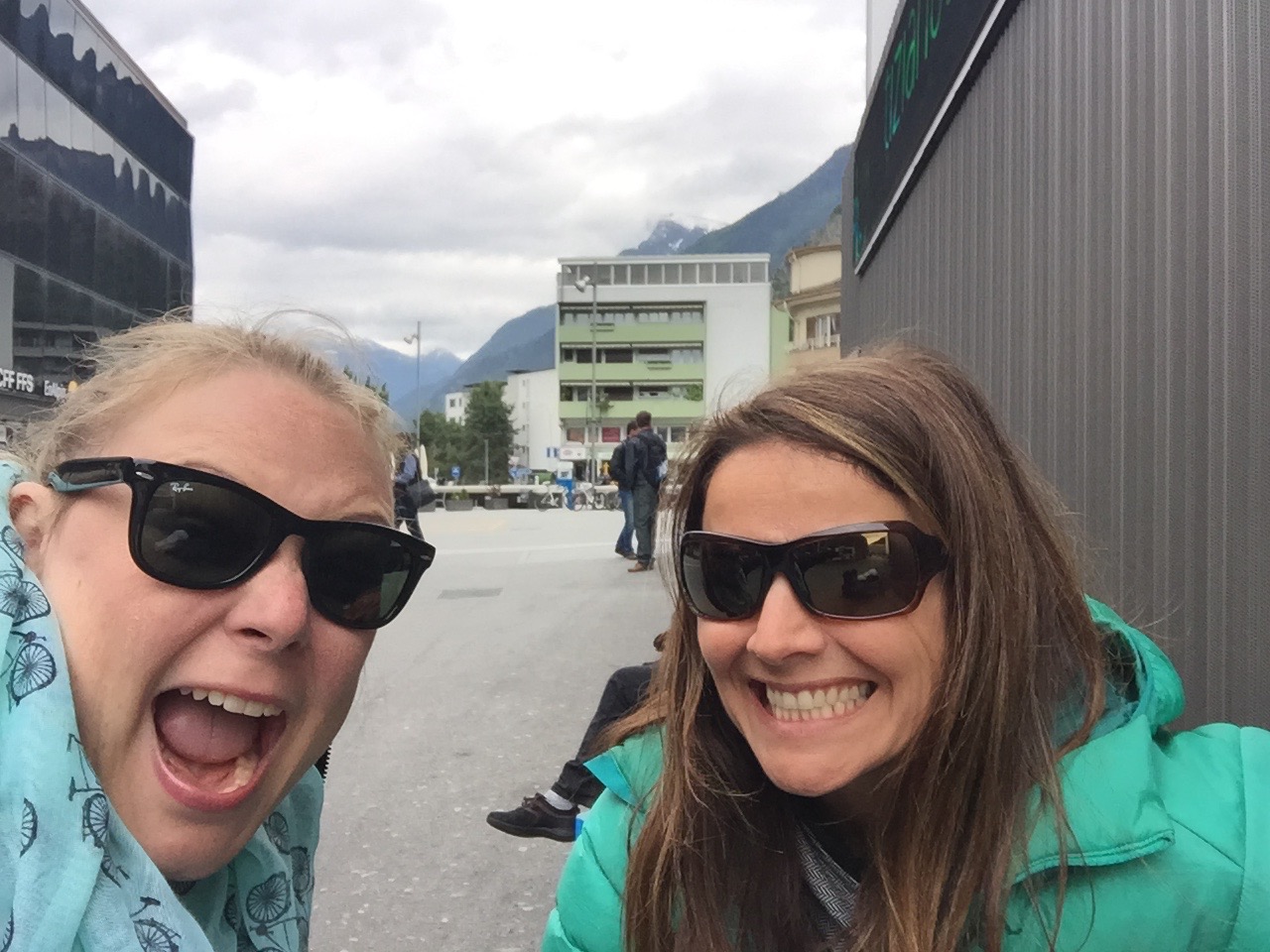
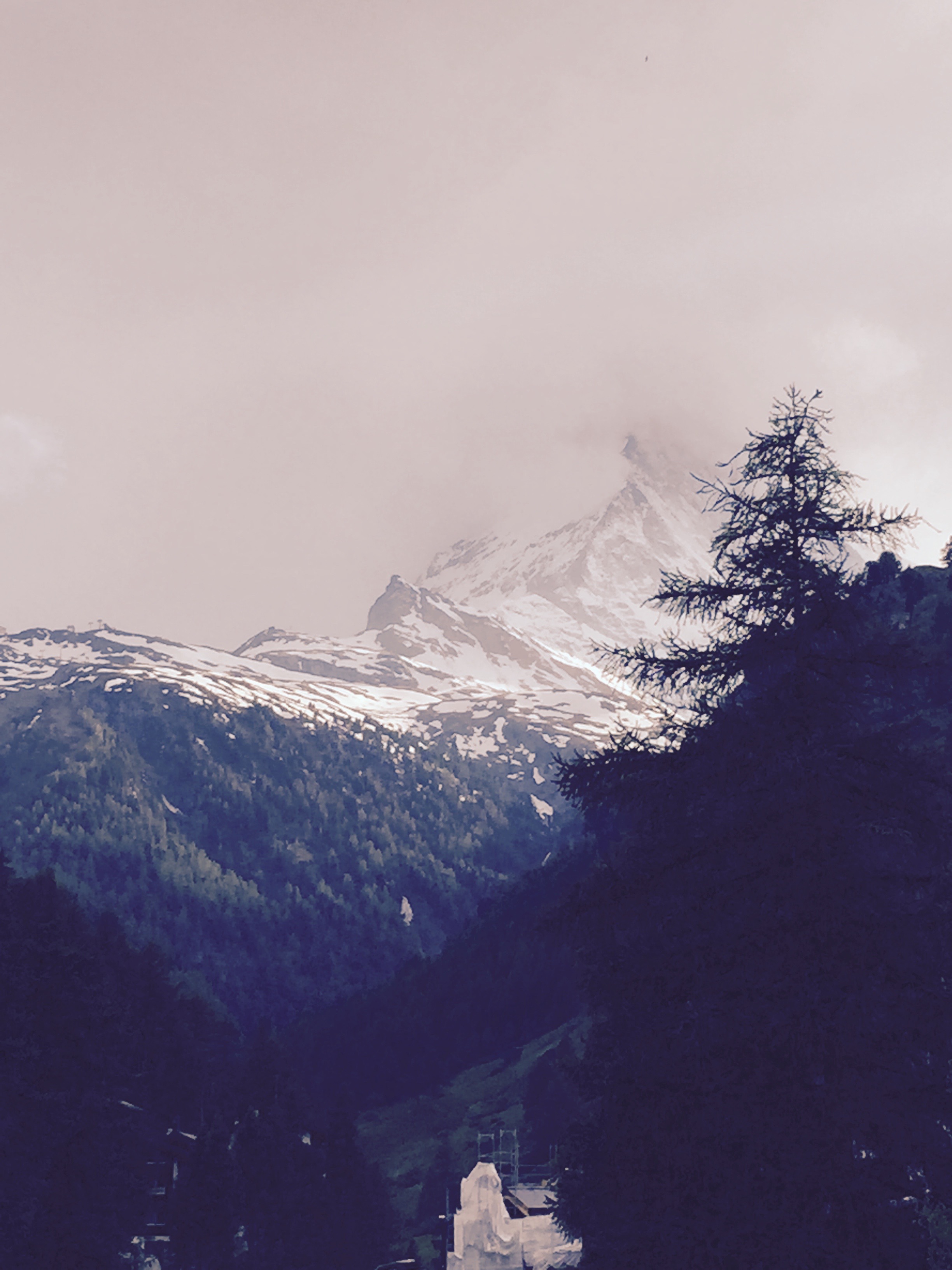
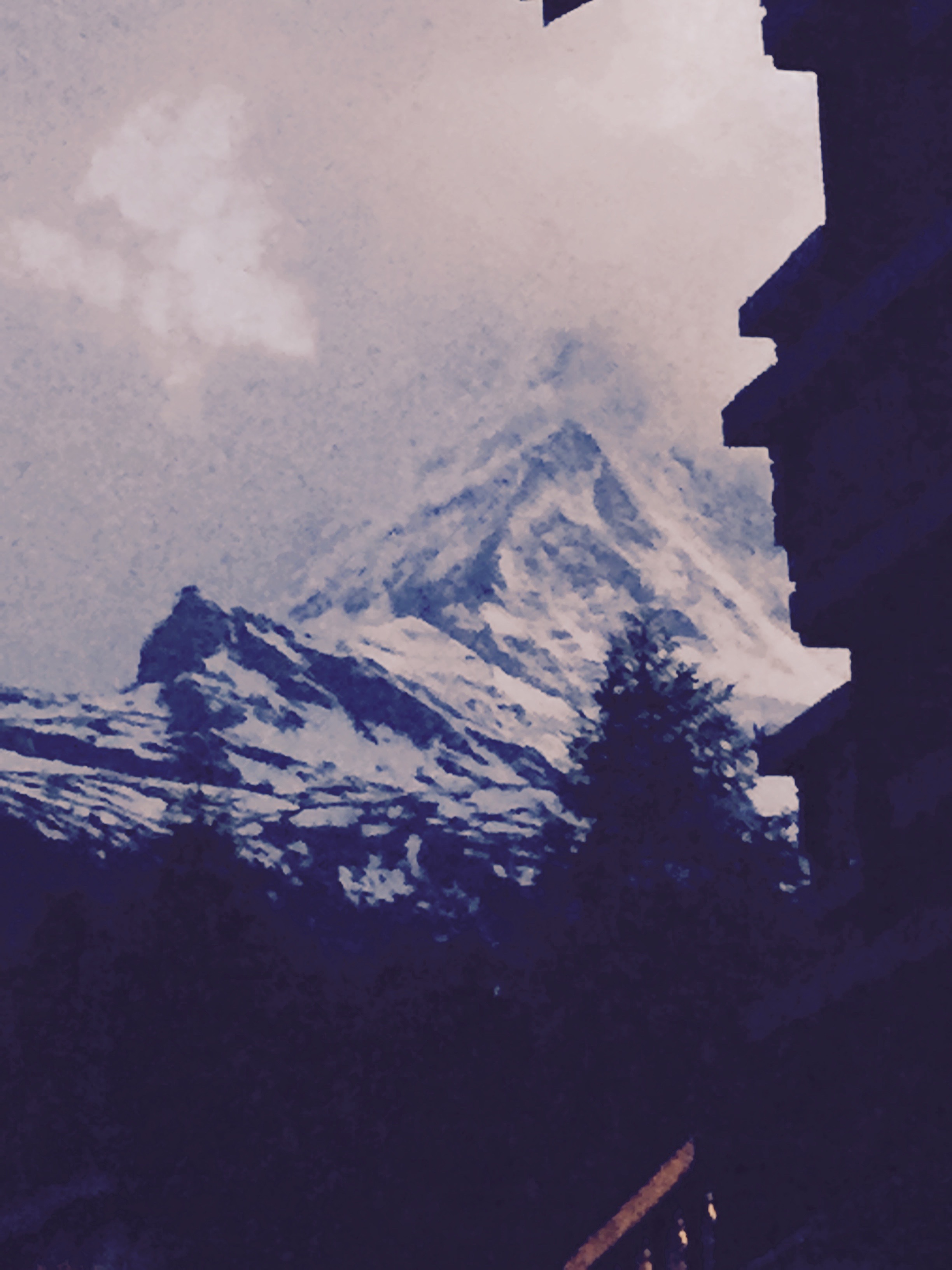
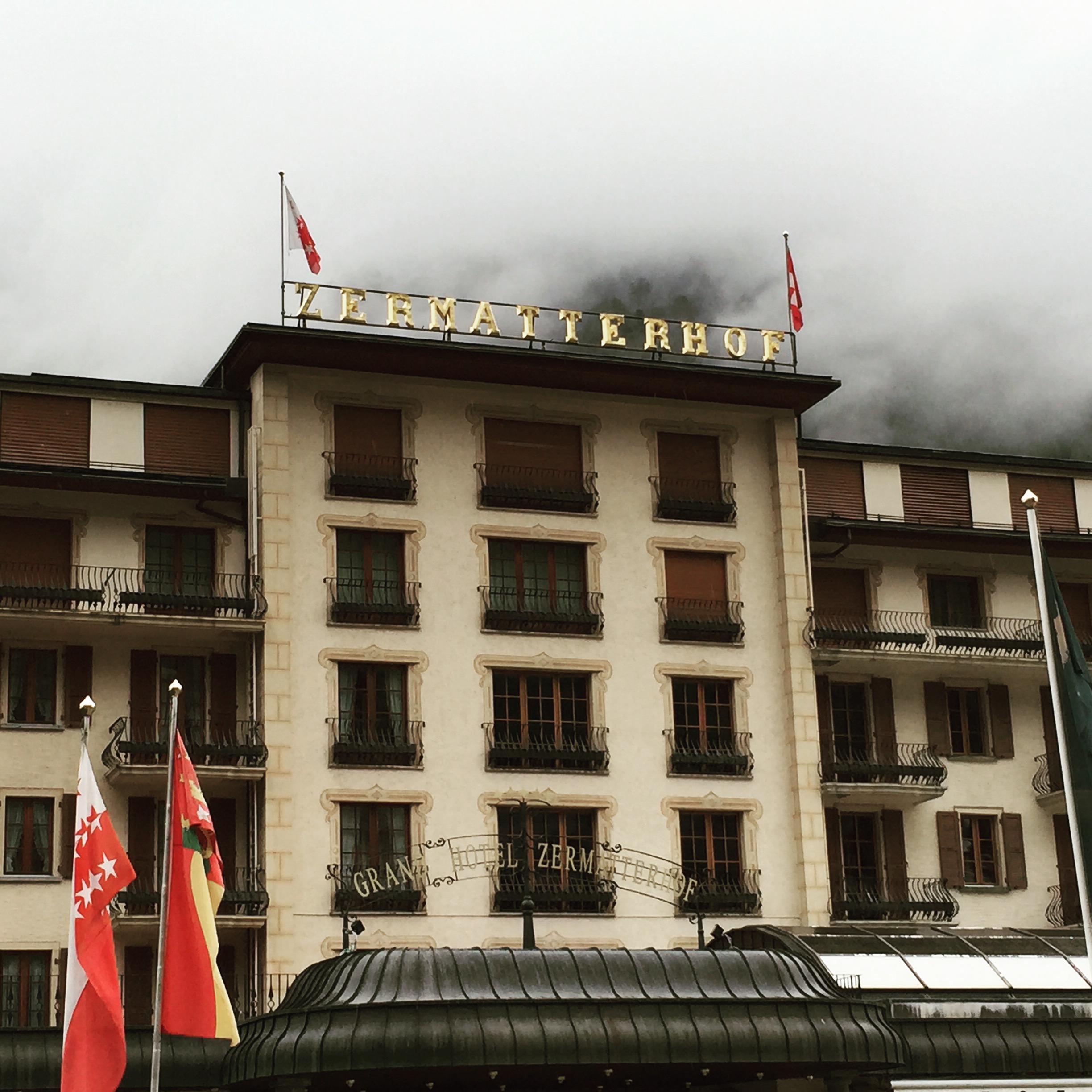
Maps & Flip Flops

The Adventures of Astrid & Cecily


Leave a comment

A Day Riding the Rails from Zermatt to Florence

It took the better part of a day and four different trains to get from Chamonix, France to Zermatt, Switzerland. What a beautiful part of the world and a lovely adventure to get there. Though Astrid frowned on my idea – jumping roof to roof on the train cars. Spoil sport…

When we made the decision to leave Zermatt and skip the rest of Switzerland due to poor weather we were heartbroken. Bernese Overland was going to be a trip highlight but knowing they were calling for rain, ice and snow (and temps below the freezing point), well we knew that meant low cloud, little to no hiking, limited visibility on any cable cars or gondolas and we figured it just wasn’t meant to be. So, we rerouted ourselves, hopping the train back to Visp en route to our connecting high-speed train that would carry us to Florence. It was a full day of travel, but who doesn’t love to ride the rails.

IMG_6309 IMG_6311

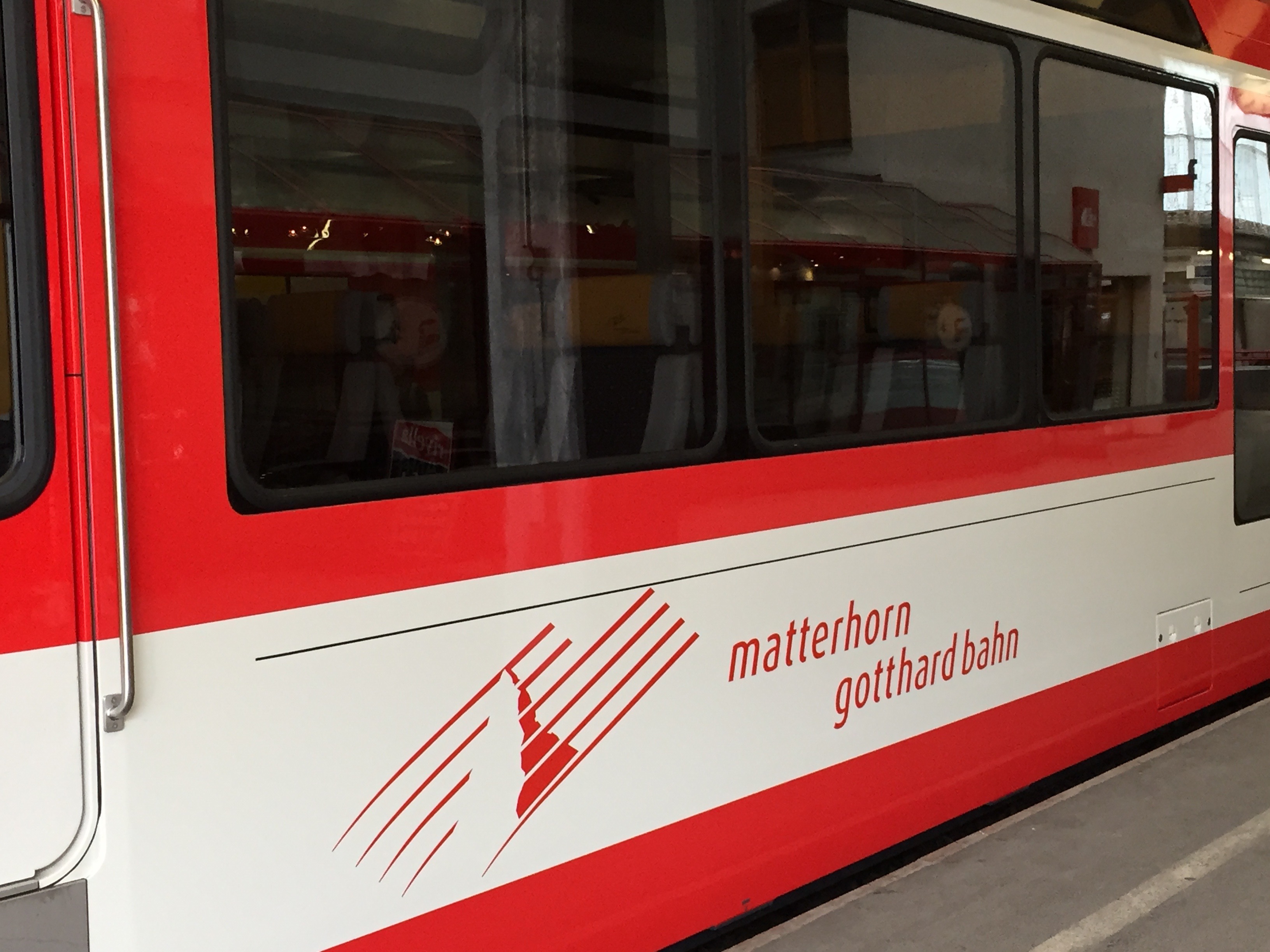
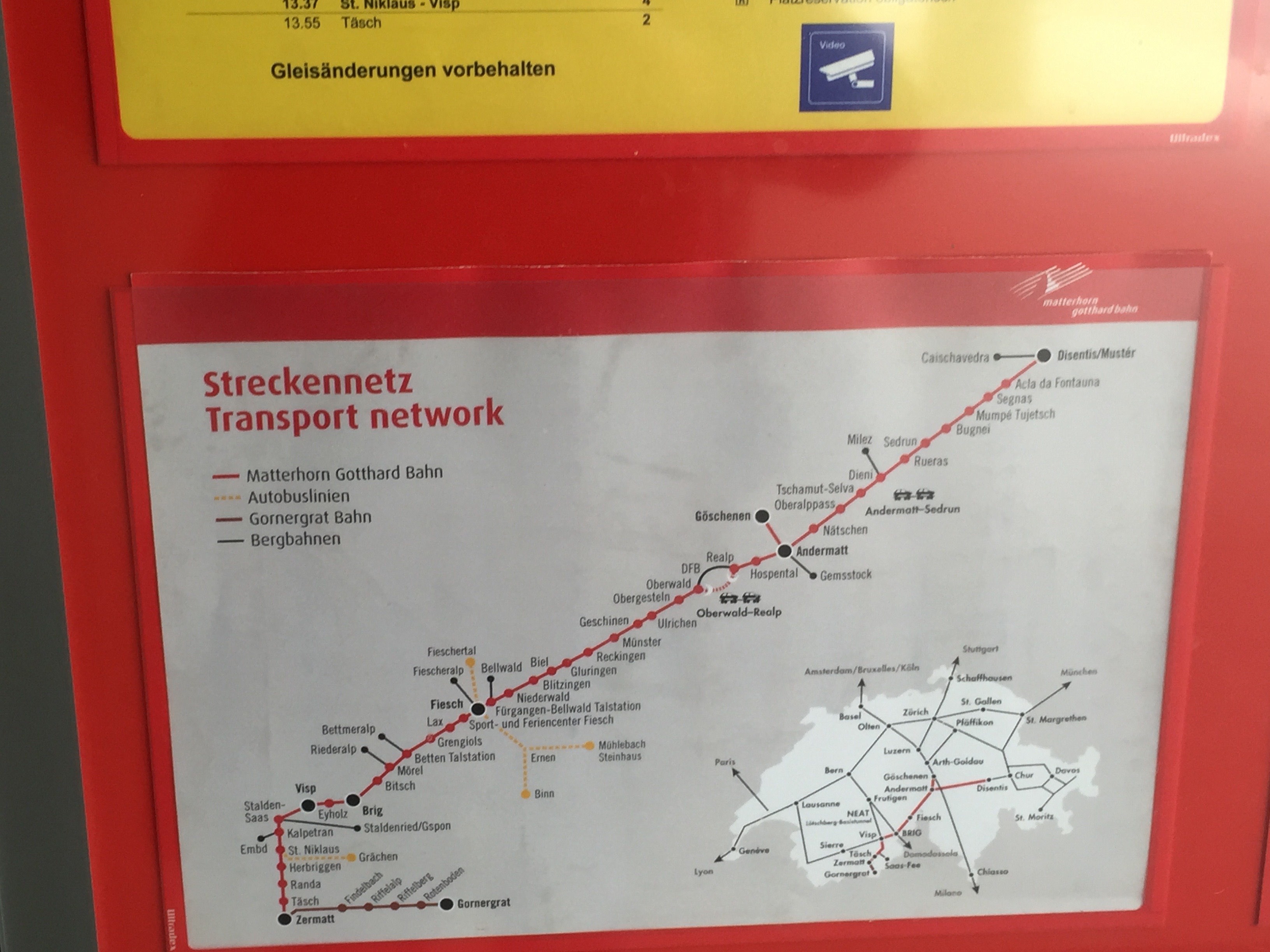
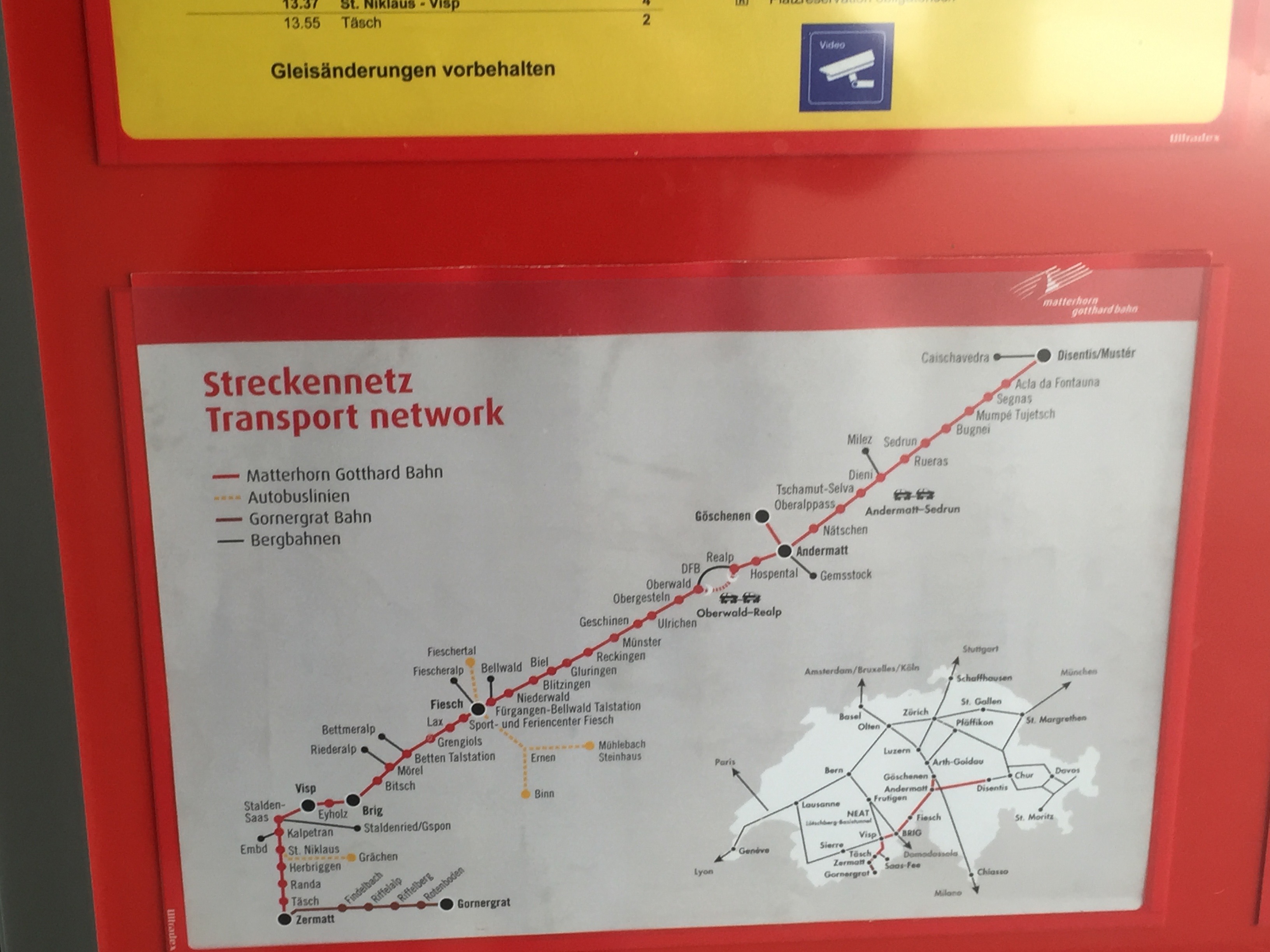
Preparing to ride the rails. Map show parts of our route.

Preparing to ride the rails. Map show parts of our route.


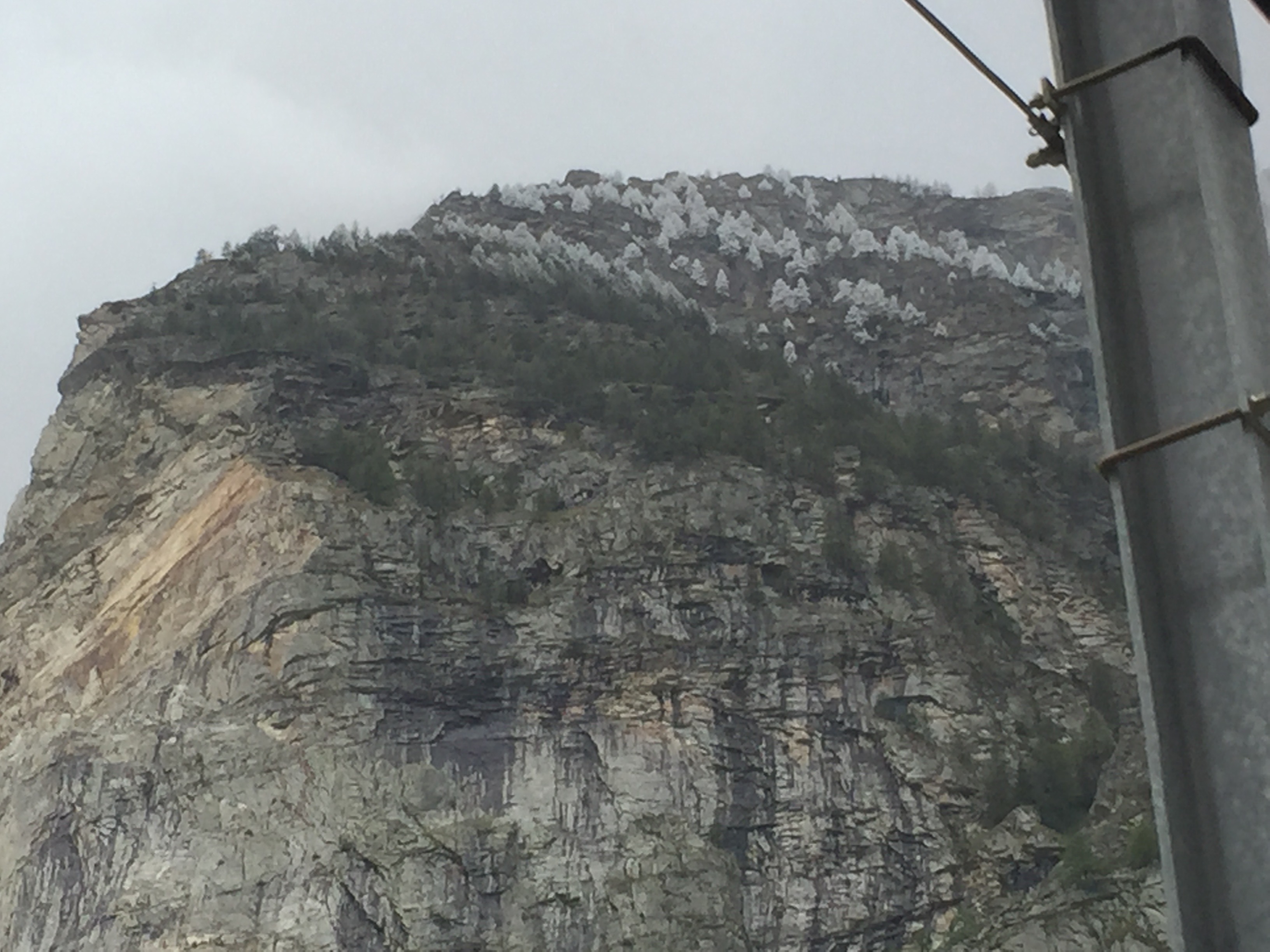
If you look closely you can see the snow dusted evergreen trees. A sign that it was not warm as we left Zermatt that morning.

If you look closely you can see the snow dusted evergreen trees. A sign that it was not warm as we left Zermatt that morning.

IMG_6326IMG_6321

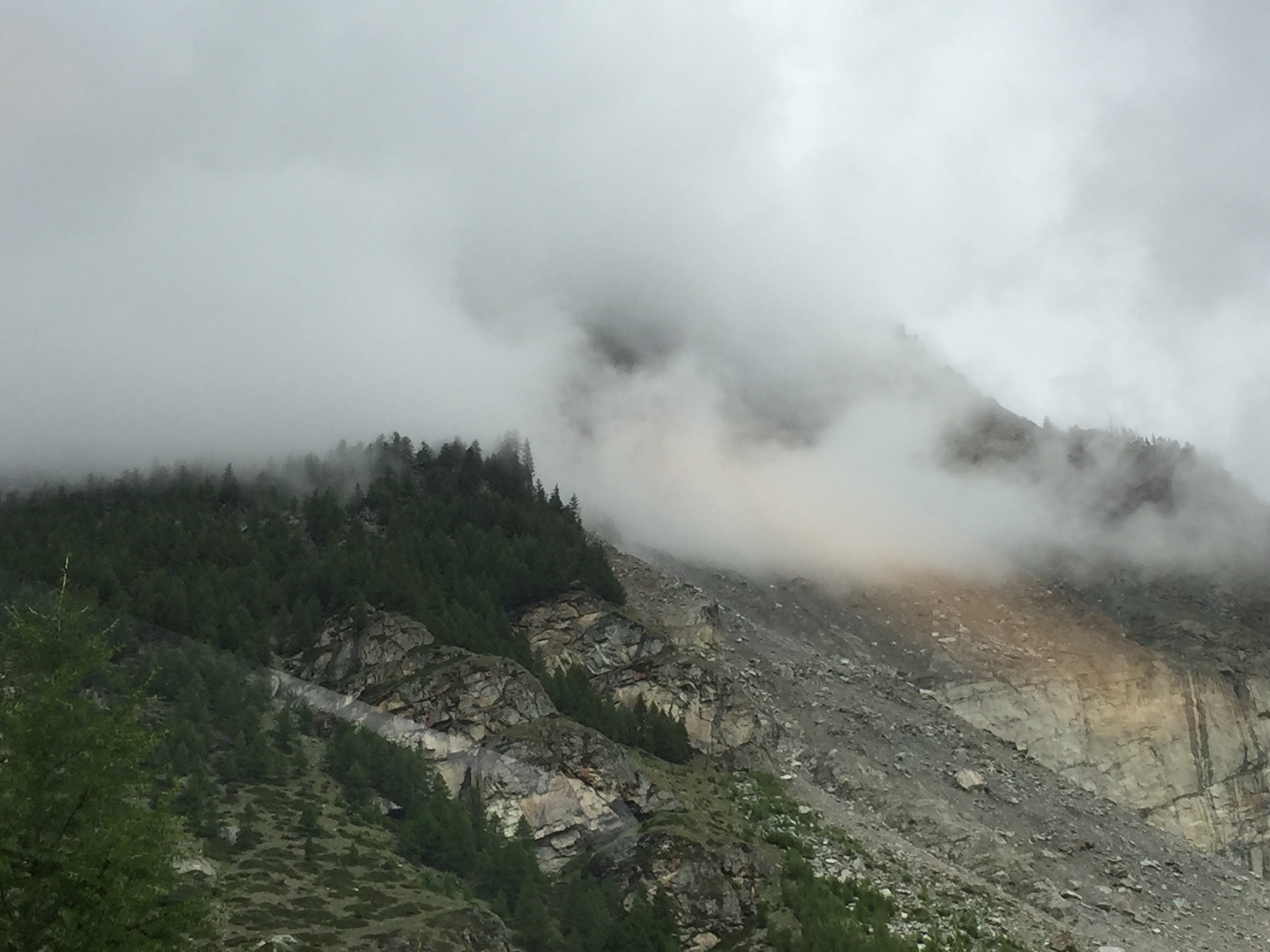
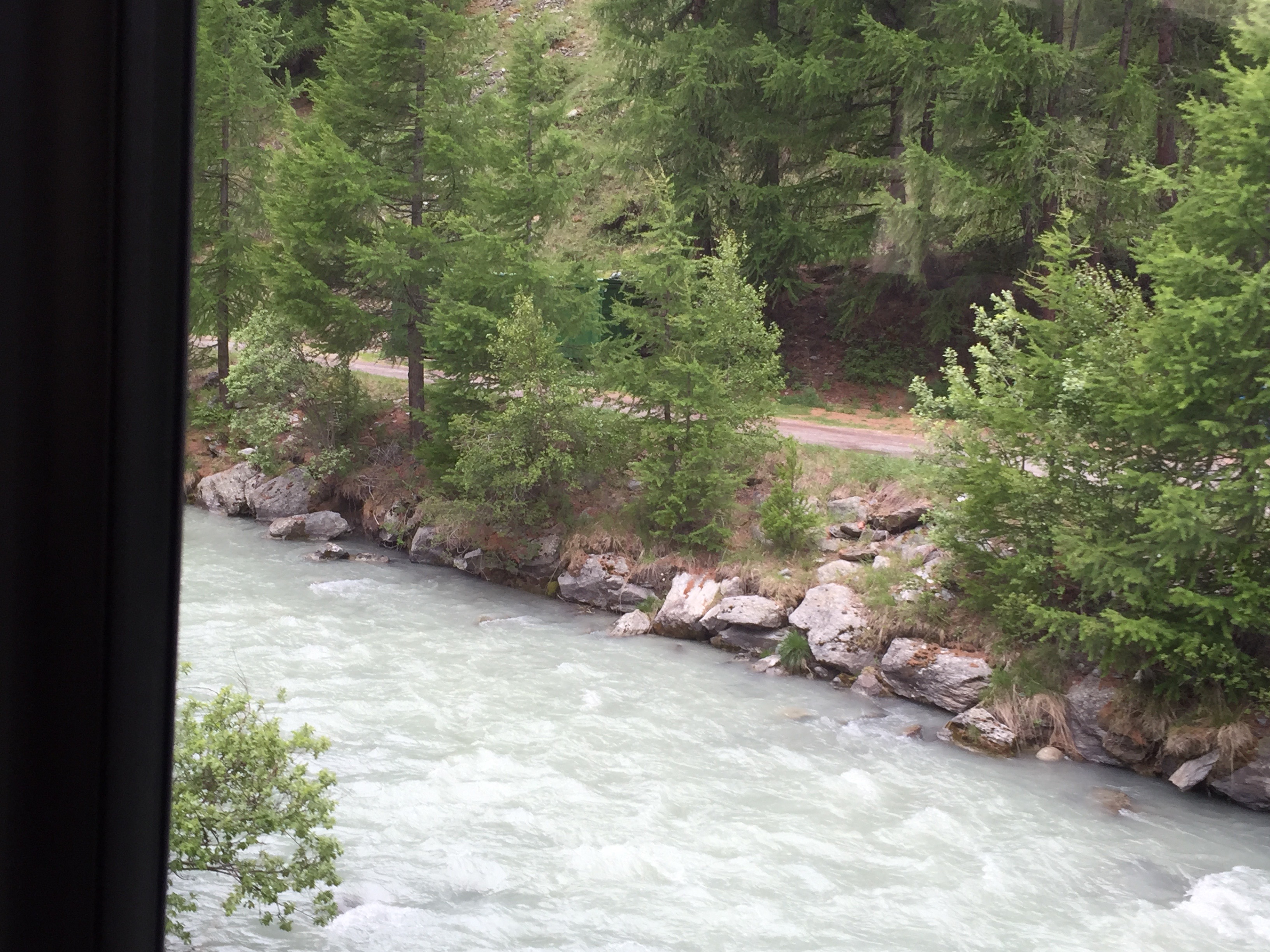
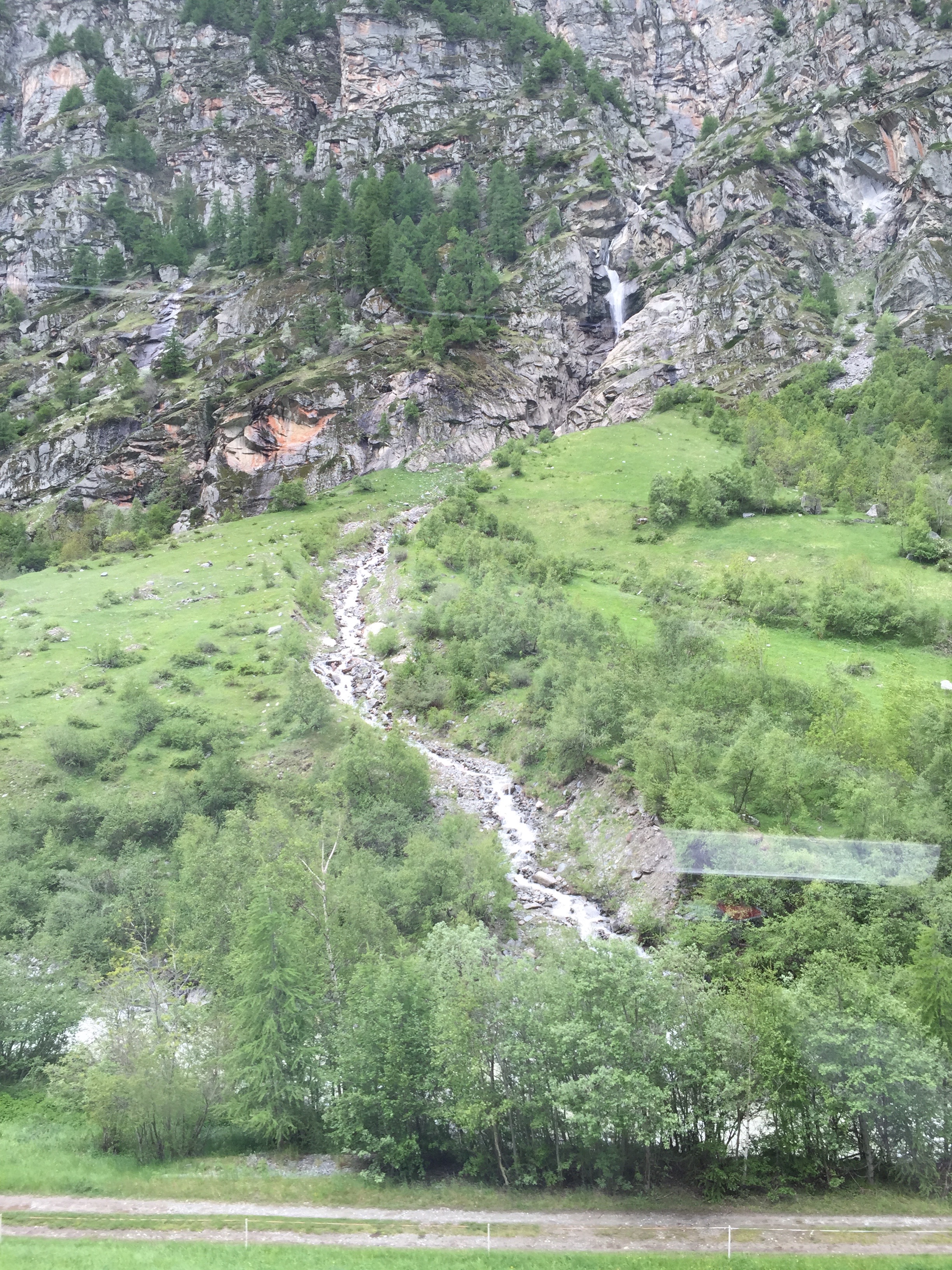
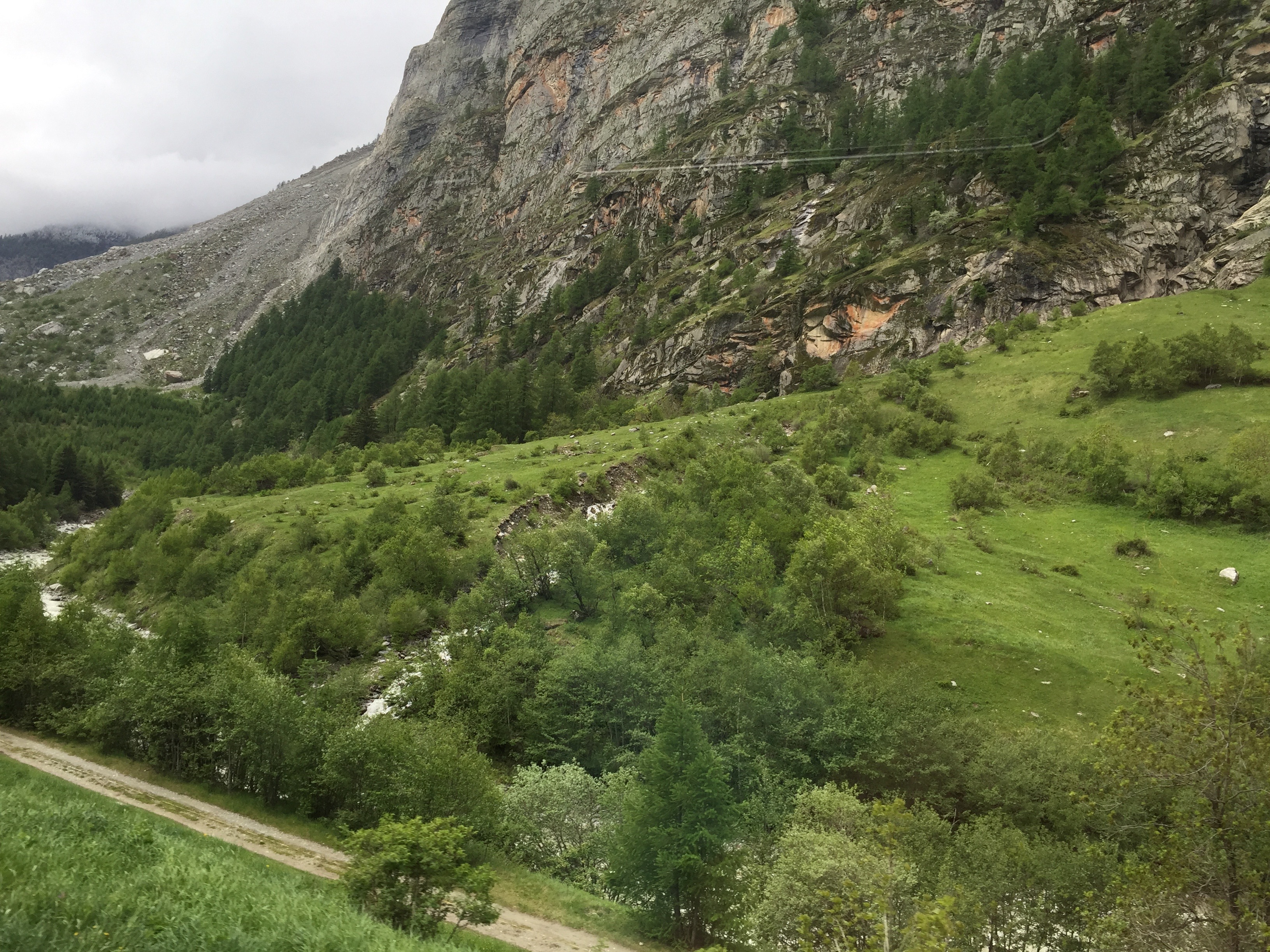
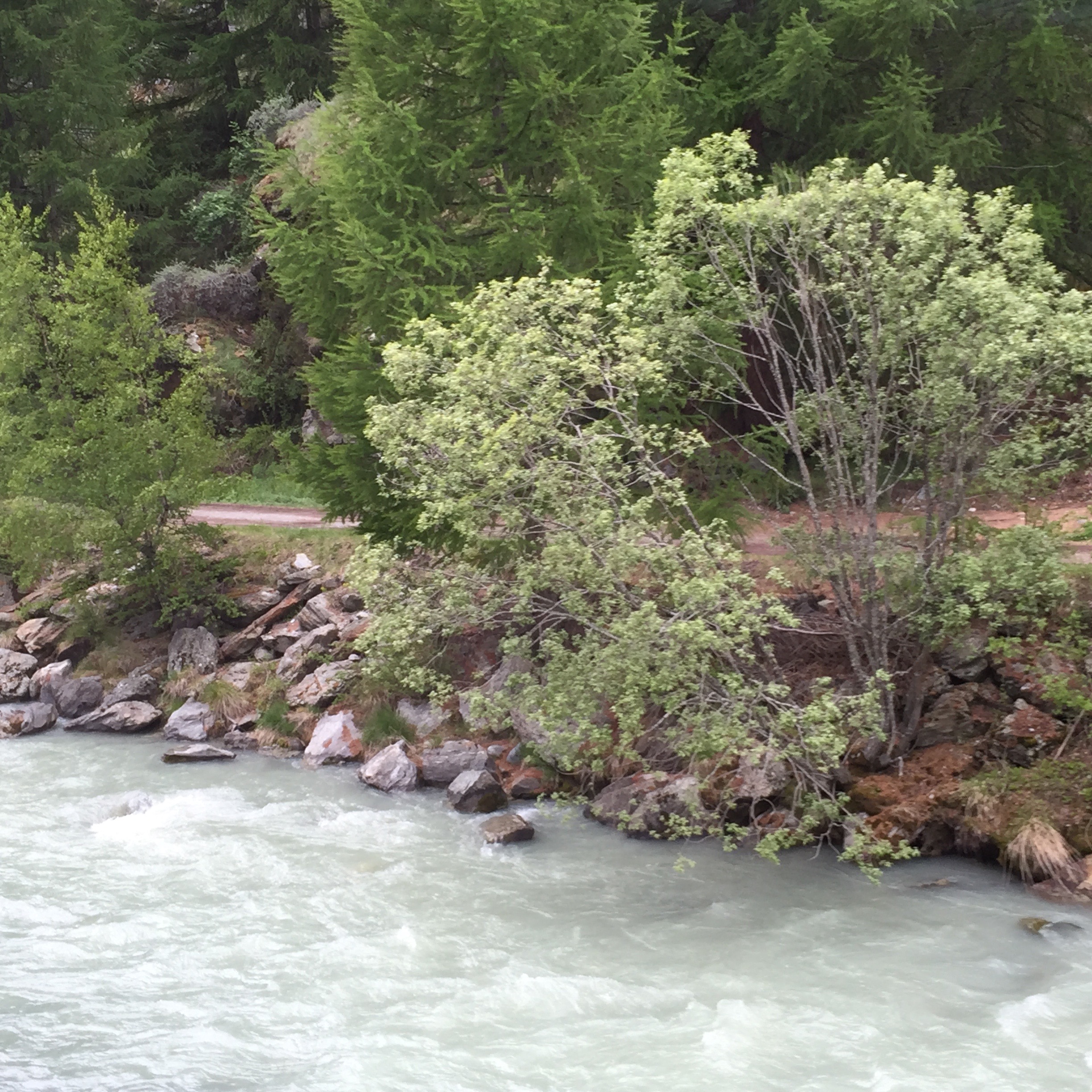
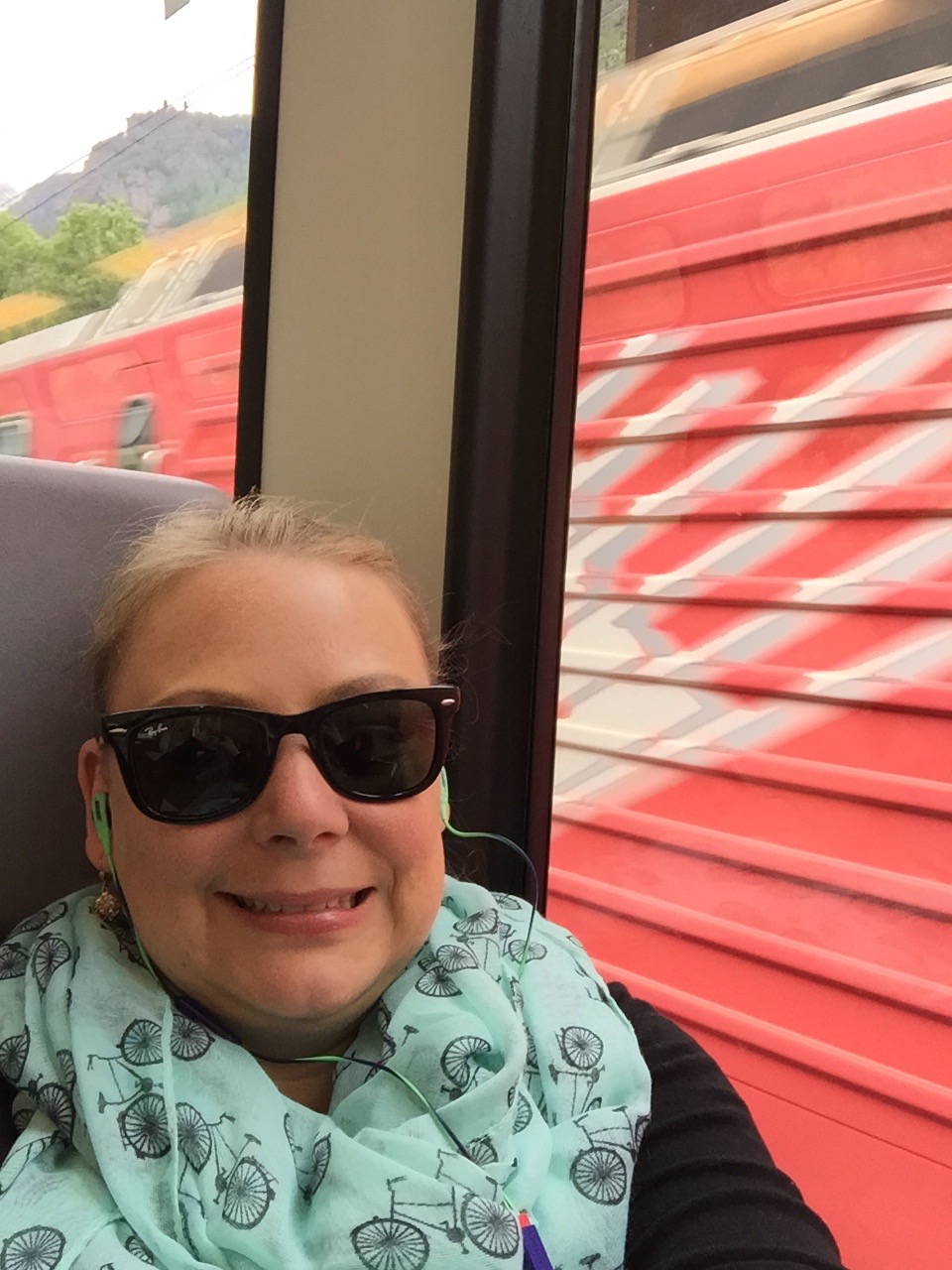
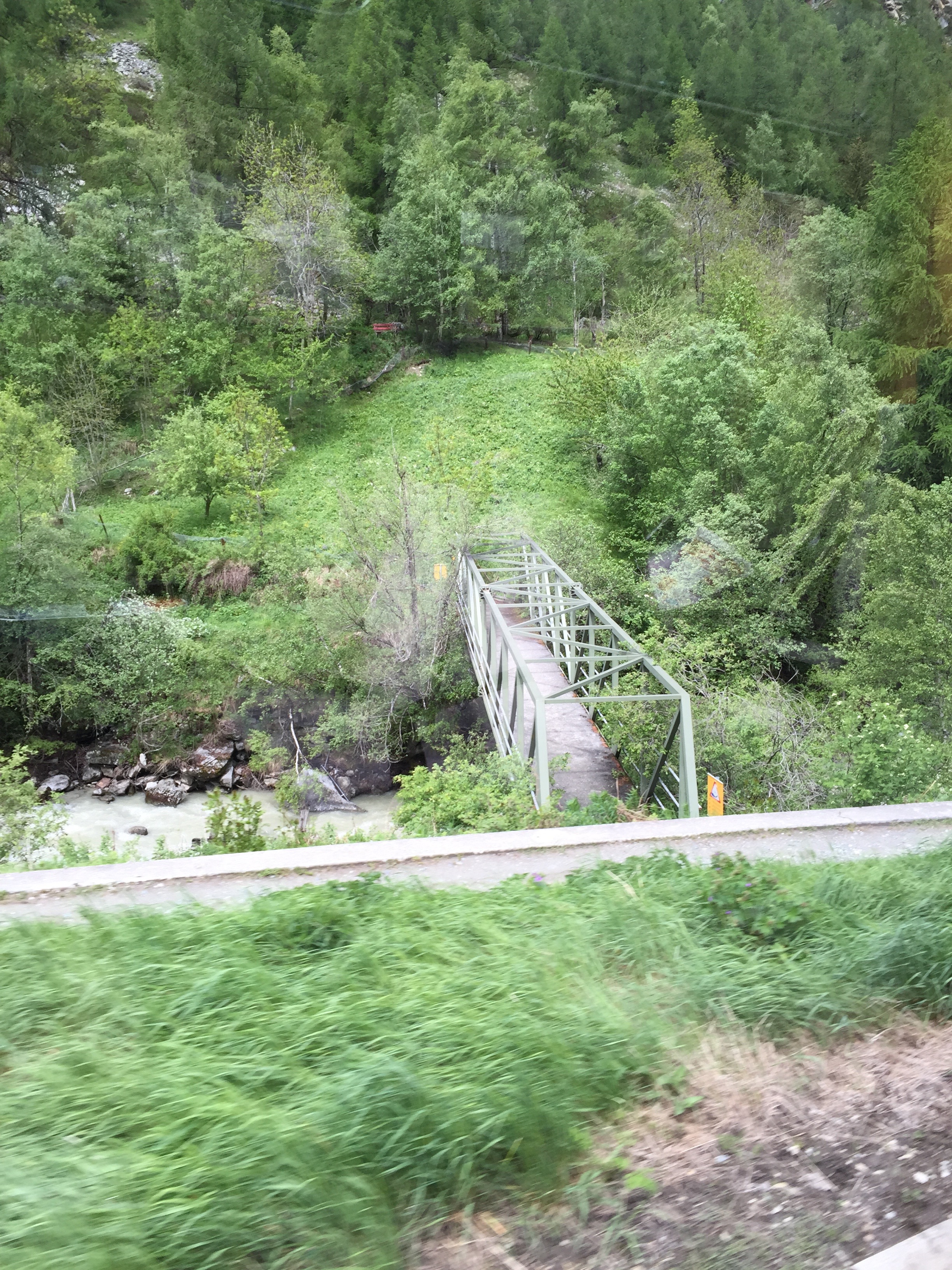
The train ride was general uneventful. Breathtaking scenery, epic mountains, blah blah blah – we had pretty much gotten used to the fact that this is how we roll. Save for a rather undescribedly unhygienic pack of teenage boys on the ride from Zermatt to Visp and some rockin’ music from another group, we quietly enjoyed the scenery and had some downtime on iPad catching up on our HBO – Astrid glued to The Affair, me starting True Detective.

IMG_6334 IMG_6335

Just feels, you know, typical...

Just feels, you know, typical…

IMG_6319

Matthew and Woody are freaking me out..

Matthew and Woody are freaking me out..


Chillin' out on th trail. Watching the world go by.

Chillin’ out on th trail. Watching the world go by.

IMG_6337

Waiting in Visp (I think) for our train connection. This was the only place - the entire trip - where we found take-away coffee. And it was decent. From something like a 7-11 meets Co-op grocery store.

Waiting in Visp (I think) for our train connection. This was the only place – the entire trip – where we found take-away coffee. And it was decent. From something like a 7-11 meets Co-op grocery store.

As I said, it was a full day of travel from Zermatt to Florence, and when we arrived, it was like a monsoon as we marched our way from the train station to our hotel about 10 minutes away. Because we had booked it from Switzerland early, I’d found us a hotel on booking.com. Much nicer than we would have needed, but options were slim at the last-minute and we got a really good rate.

We arrived in the lobby, dripping, like a pair of wet dogs that had run straight from a rainstorm outside into a formal living room. My favourite line from the hotel front desk – as I looked confused as to why the bellman was hovering well into my personal space – “Miss, he’d like to take your backpack”, because it (and I) were causing a massive puddle on their spotless, polished marble floor.

But, that’s a story for another time….stay tuned.

CKD


Leave a comment

Better than Disneyland – Zermatt and the Matterhorn

Probably the country I was most excited to see was Switzerland. Sure we live here in the foothills of the Rockies and I grew up surrounded by the coastal mountains of British Columbia. But as Astrid liked to explain to those who asked “Why the Alps?”, these mountains are different that those mountains.

Our Swiss leg originally was to involve a couple of stops – the first being Zermatt, most famous for being the second location for the Matterhorn. With Disneyland, of course, being the typical North American’s first encounter with this majestic mountain. And I’ve been asked – the one in Zermatt is SO much cooler.

Our second planned stop was to be the Bernese Overland – specifically Lauterbrunnen and Gimmelwald.  Sadly, the weather turned on us on day two in Zermatt so this became our only stop in this beautiful and expensive country, complete with exceptionally efficient and well-run rail service. But, the point of this post isn’t to whine about where we didn’t get to go, rather to tell you all about our adventure in Zermatt.

First – the background…thanks again to our friends at Wikipedia we can tell you that Zermatt in the district of Visp and is primarily in the German-speaking section of the canton of Valais. A canton, we learned, is like a province or state. 

There are about 5,800 residents in Zermatt and during our visit – remember it was inter season – about two dozen tourists. It’s a pretty tiny place, you can probably walk from one end of the other in about half an hour.  From what I can tell, there are 3 main drags, all running along the banks of the river Matter Vispa – which rises at the glaciers at the feet of the highest peaks – Gorner Glacier (east) and Zmutt Glacier (west).  Many of the cross streets cut around the train station and the local church – which seemingly is the centre of ‘town”.

IMG_6087 IMG_6085IMG_6117

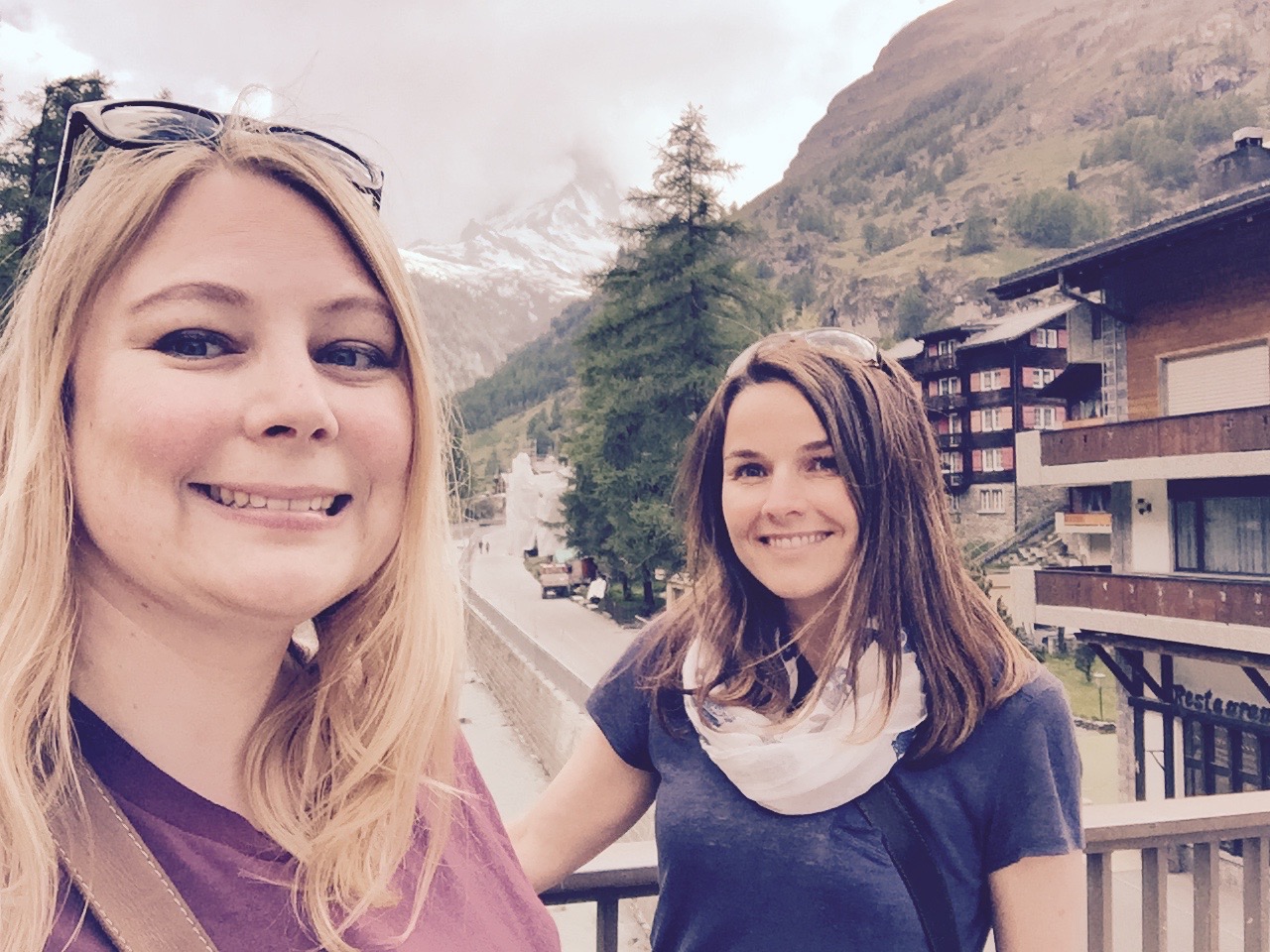
Wes Anderson Fans - its even better in the low cloud! Right?

Wes Anderson Fans – its even better in the low cloud! Right?

IMG_6097

The little village – which could have been taken straight out of a children’s book – was EMPTY during our visit! While we had been warned, I still expected a bit more hustle and bustle, even though it was inter-season. Most things were closed and that which was open seemed to be under some form of construction.

The upside to this – no lines and no need for our #donttouchme hashtag. The downside was the restaurants that had been recommended to us were closed and I feel like, after the lovely vibe of Chamonix, we missed out on truly getting a real feel for Zermatt and why everyone I talked to who has been loves it so much. A return visit during ski or hiking season will be necessary. Perhaps when we finally make it to the Bernese Overland – hopefully soon at that!

Wikipedia tell me – though likely if I had a map with me (as Astrid always does) I could figure this out myself – that the town lies at the upper end of Mattertal at an elevation of 1,620 m (5,310 ft), at the foot of Switzerland’s highest peaks. The town of Zermatt lies at the southern end of the Matter Valley, which is one of the lateral branches of the great Valley of the Rhone.

Until the mid-19th century, it was predominantly an agricultural community; the first and tragic ascent of the Matterhorn in 1865 was followed by a rush on the mountains surrounding the village, leading to the construction of many tourist facilities.

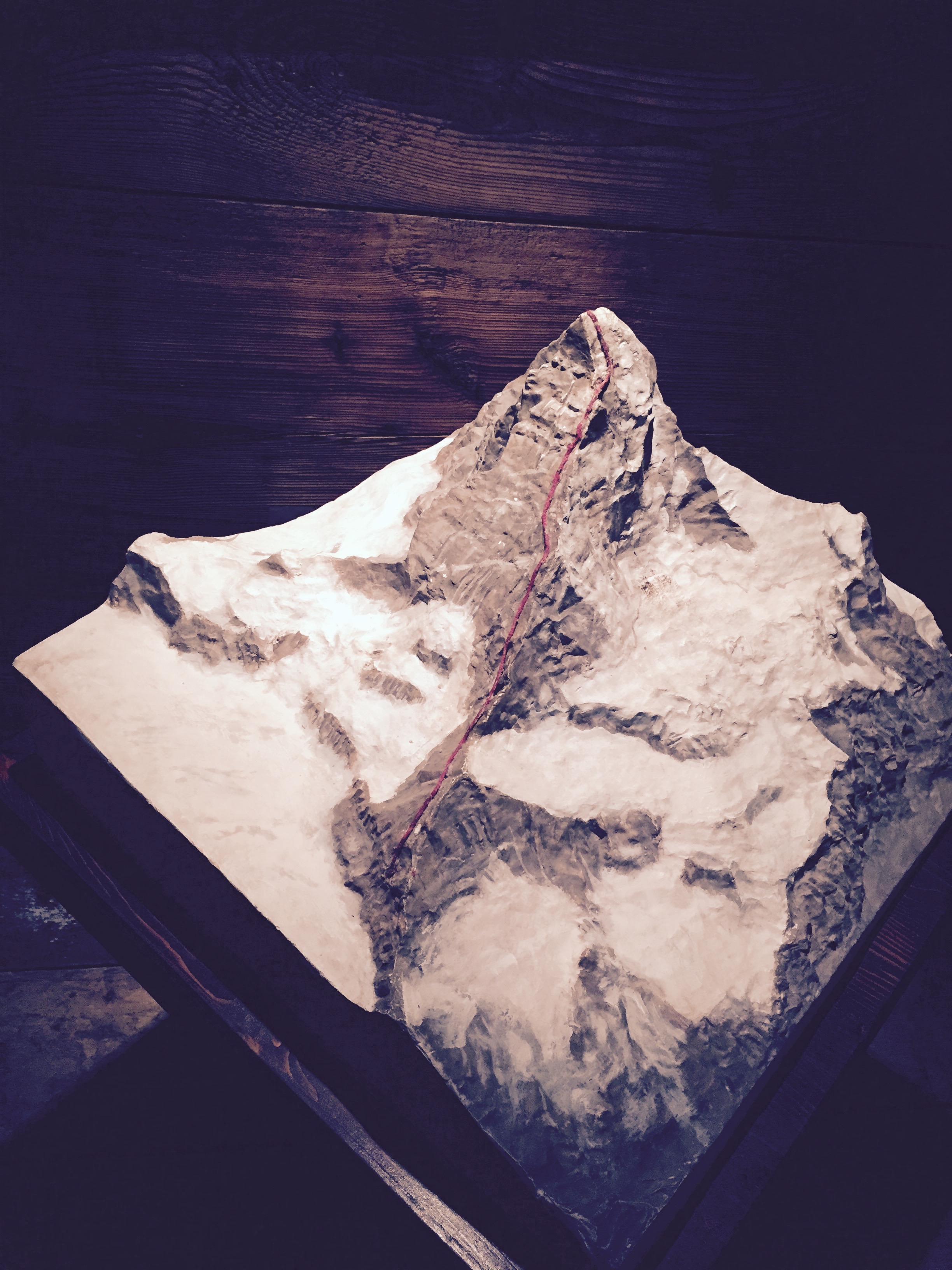
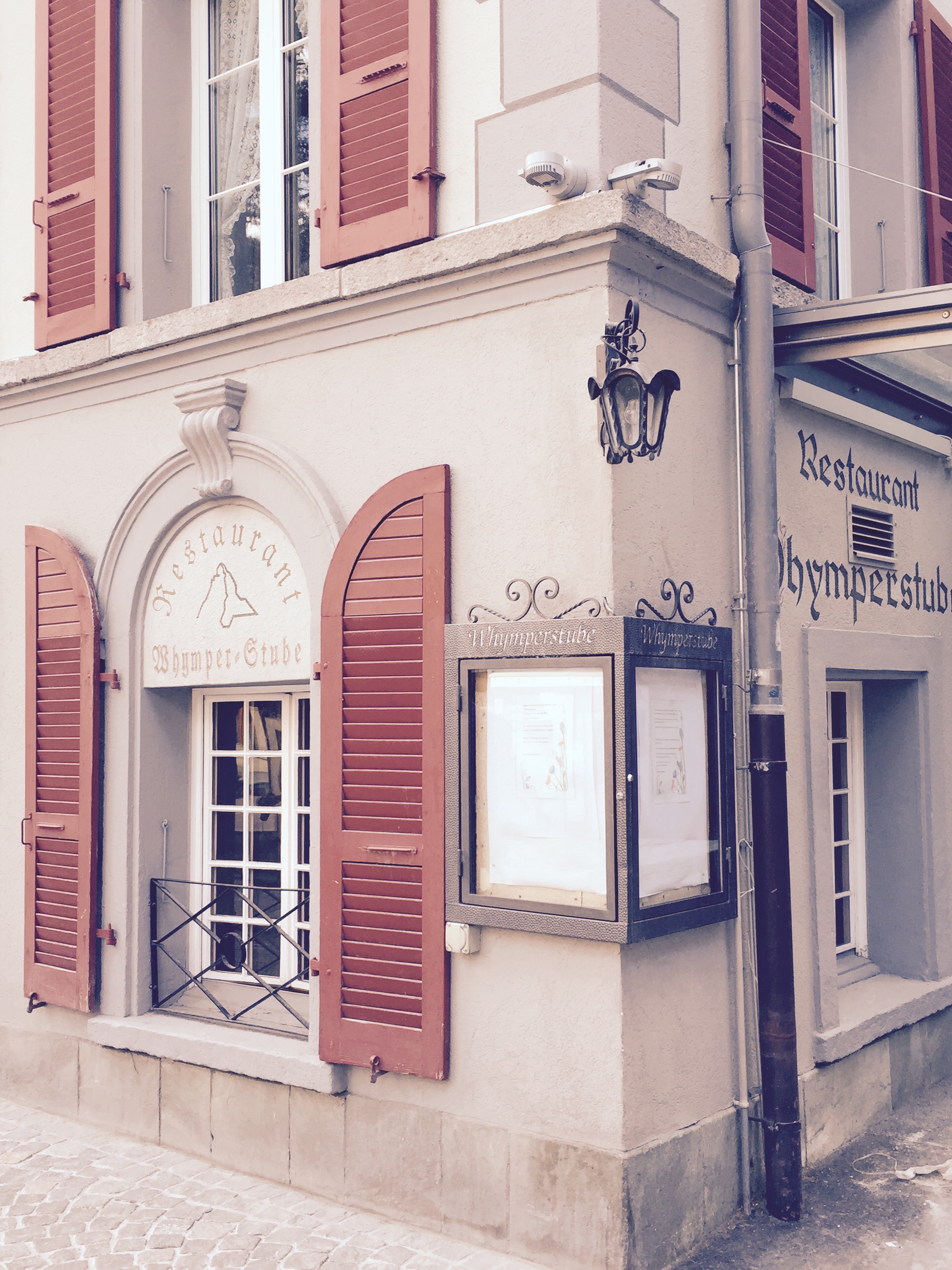
The Whymper Route - named for Edward Whymper - the first mountainer to successfully climb the Matterhorn.

The Whymper Route – named for Edward Whymper – the first mountainer to successfully climb the Matterhorn.

It is well known as a mountaineering destination and of course, ski resort. You can actually ski year-round if you really wanted to. We watched a few seasoned pros climb on and off the gondola as we traveled the gondola to the Glacier Mountain Paradise and on the lower slopes where tourists who likely had just strapped a pair of planks on for the first time, and likely never seen snow before.

Wikipedia says “The name of Zermatt, first as Zur Matte (“at the meadow”) and became later Zermatt. It does not appear until 1495 on a map or 1546 in a text, but may have been employed long before. Praborno or Prato Borno (prato also means meadow) are the older names of Zermatt; they appear in the ancient maps as early as the thirteenth century.

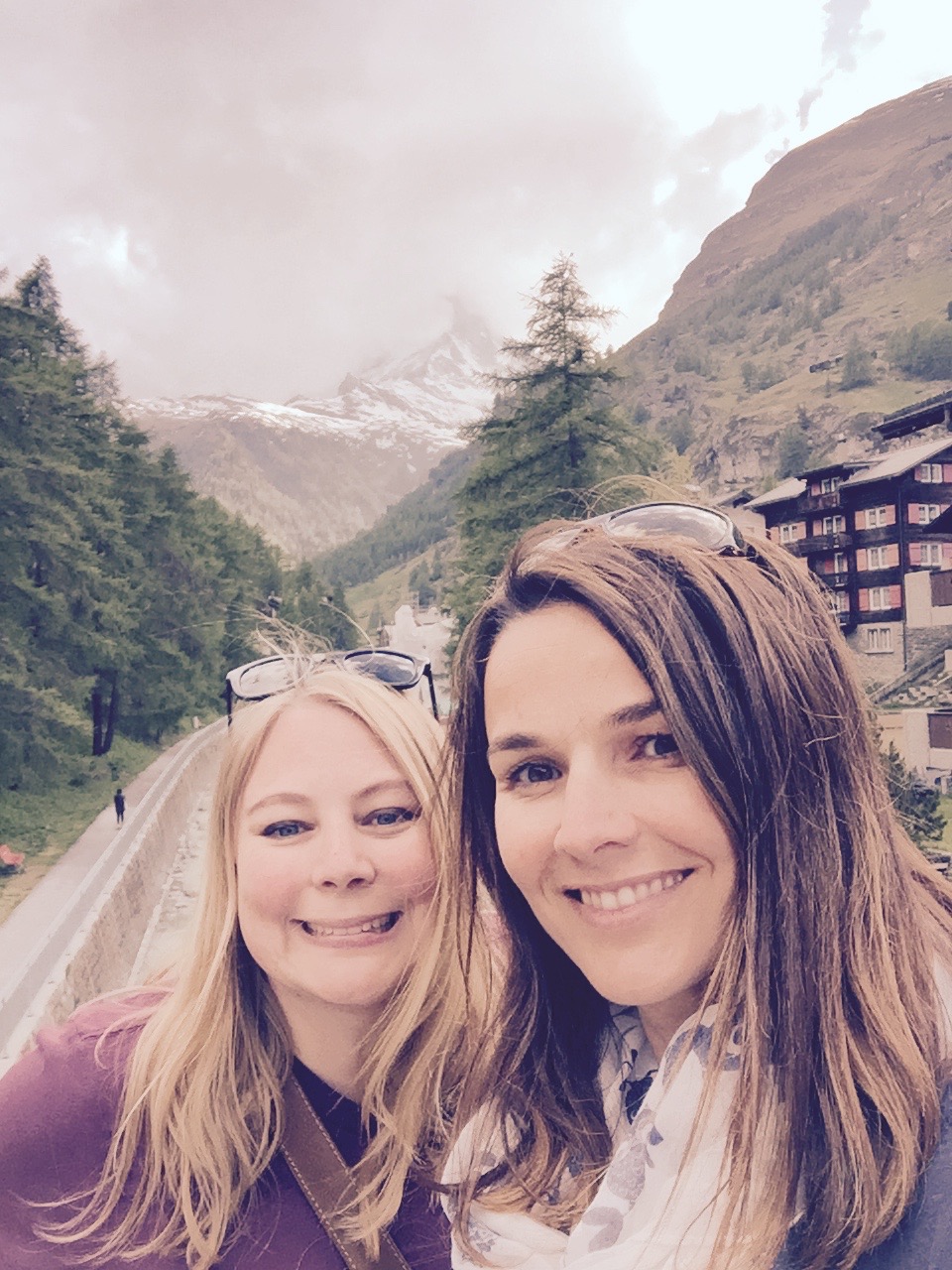
Despite being quiet, we didn’t lack for fun things to do. After checking into the Hotel Bristol, we made quick work of getting our shots with the Matterhorn. One of the things I had read was that she is a bit shy – and if the weather and clouds are not on your side, you can go days (or even an entire visit) without seeing her.

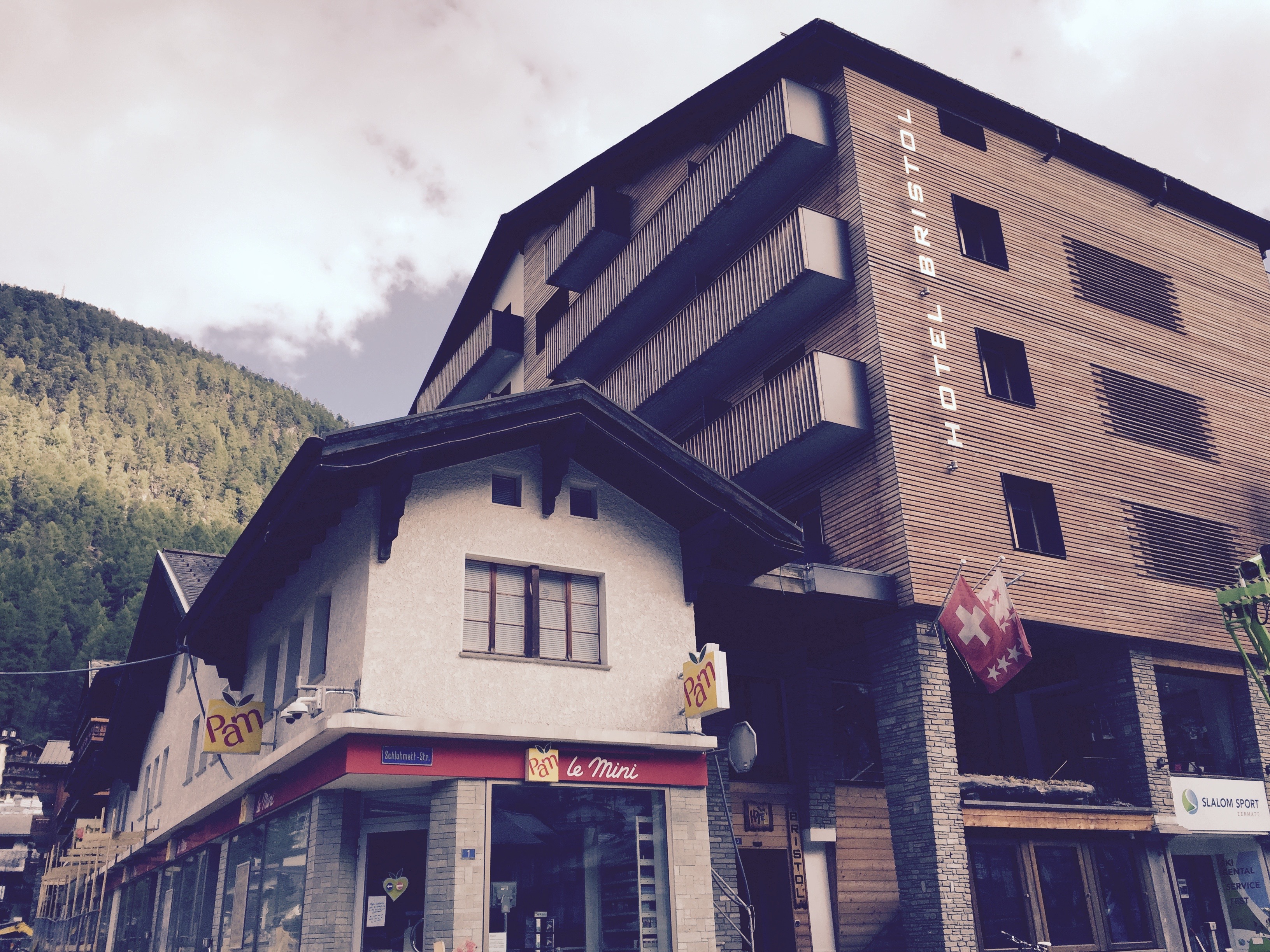
Our Hotel - the Hotel Bristol was on the far end of town but nicely situated between the gondola that rose to the GMP and the river and bridge that walked us into "downtown"

Our Hotel – the Hotel Bristol was on the far end of town but nicely situated between the gondola that rose to the GMP and the river and bridge that walked us into “downtown”

IMG_6080

IMG_6131 IMG_6097IMG_6093

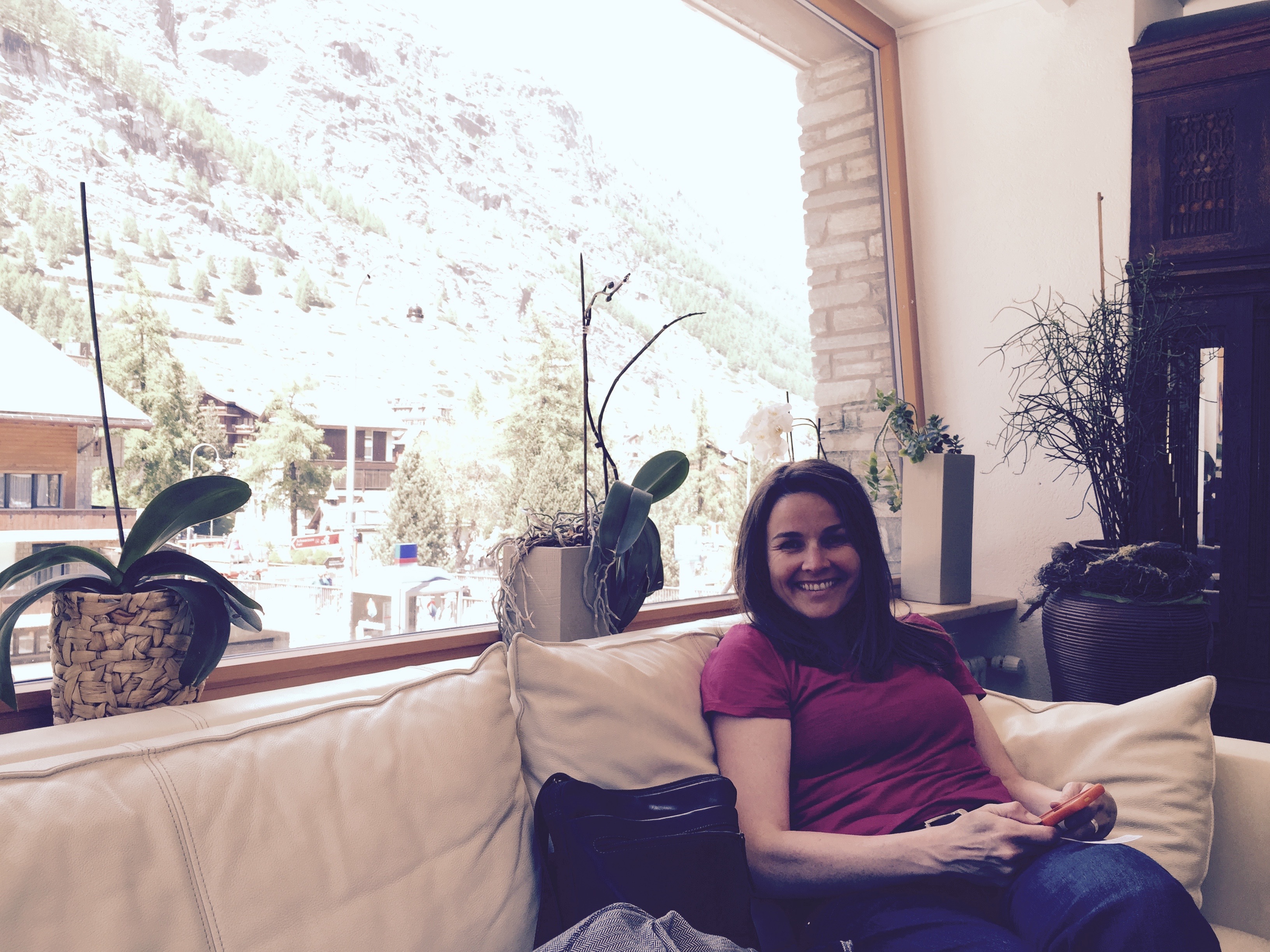
Chilling out in the hotel lobby waiting for our room to be ready.

Chilling out in the hotel lobby waiting for our room to be ready.


Would be a lovely place to curl up in ski season.

Would be a lovely place to curl up in ski season.


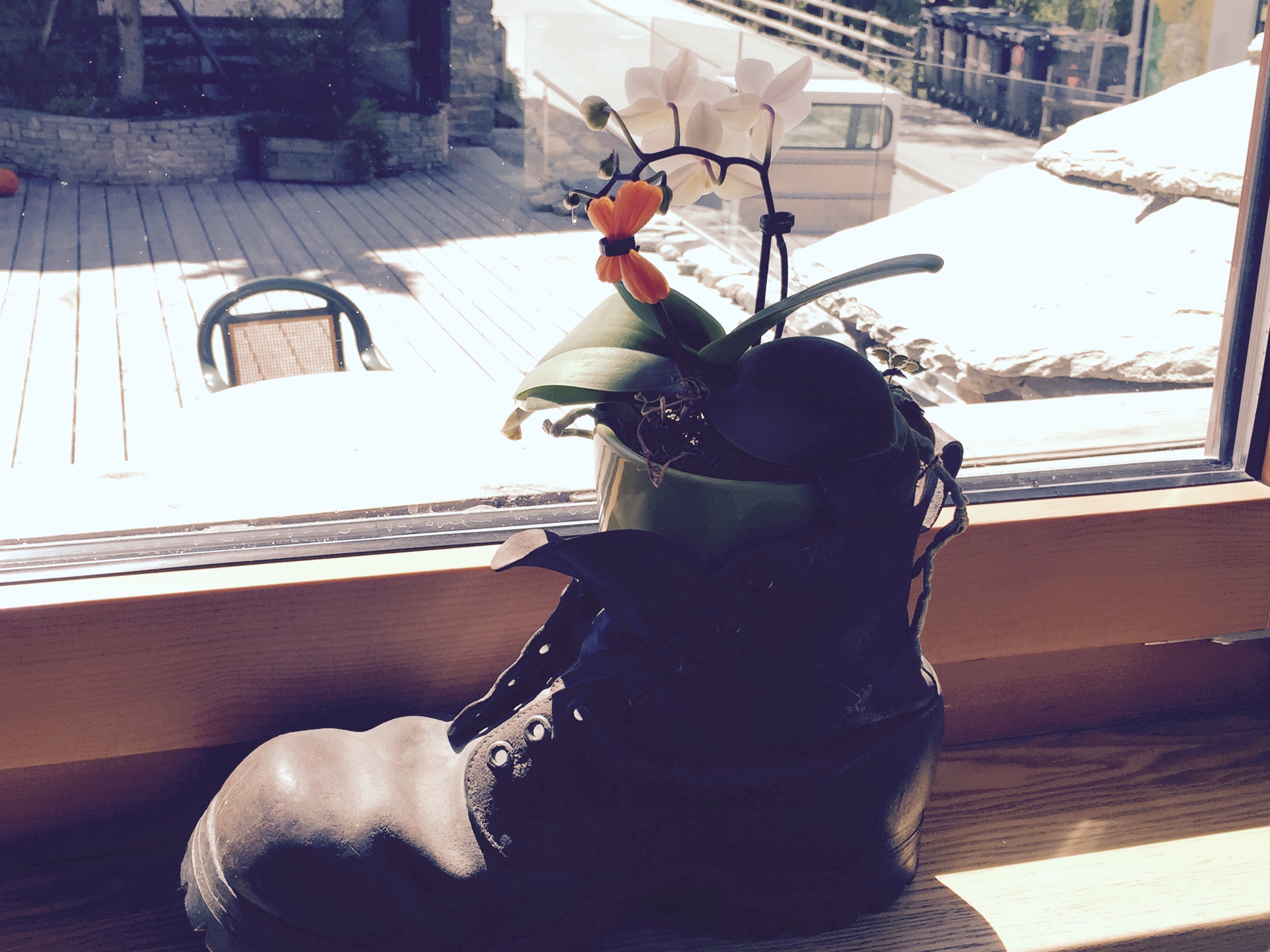
The hiking boot with the orchd growing out of it at our hotel.

The hiking boot with the orchid growing out of it at our hotel.


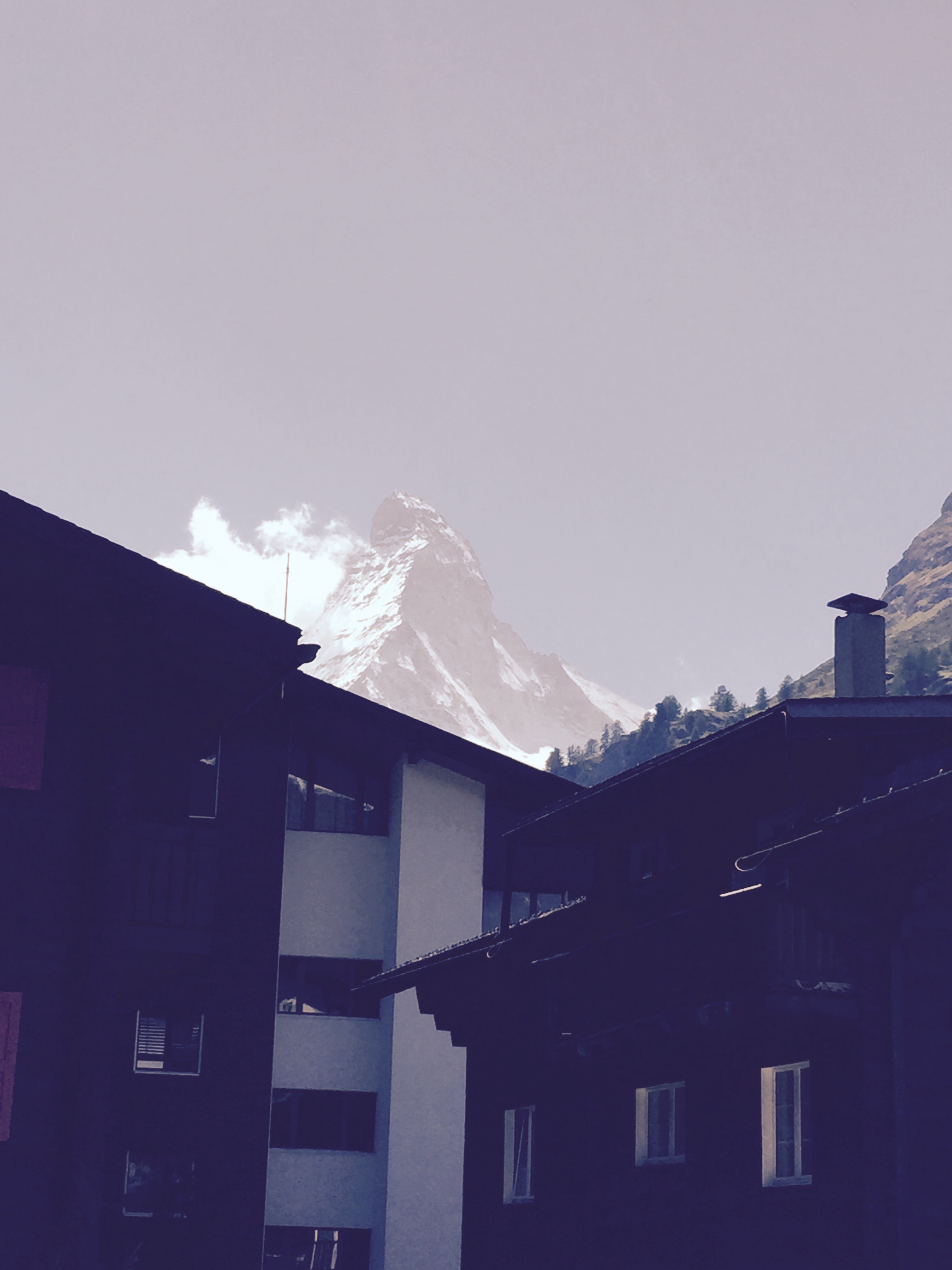
The Matterhorn before she disappeared

The Matterhorn before she disappeared

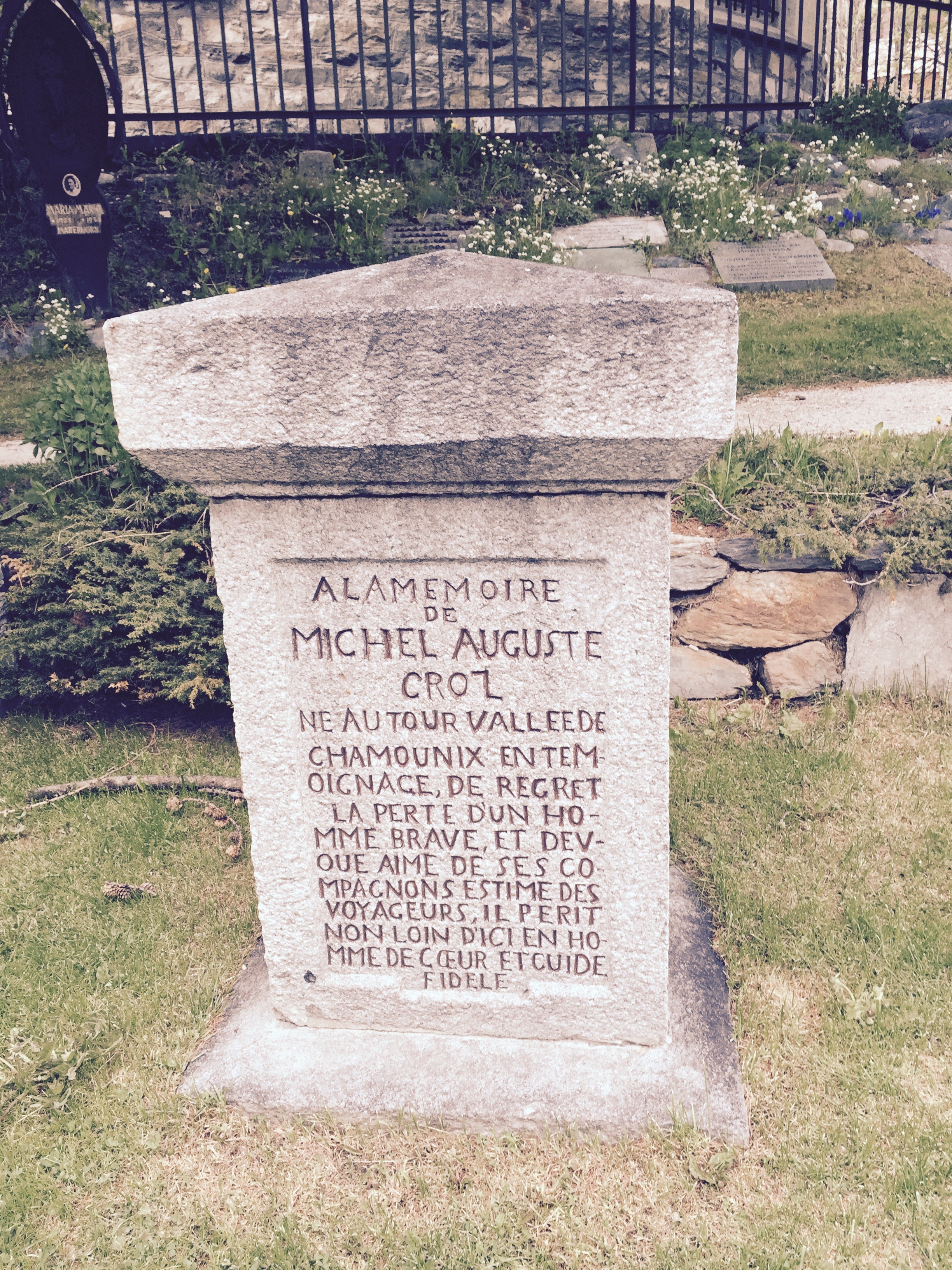
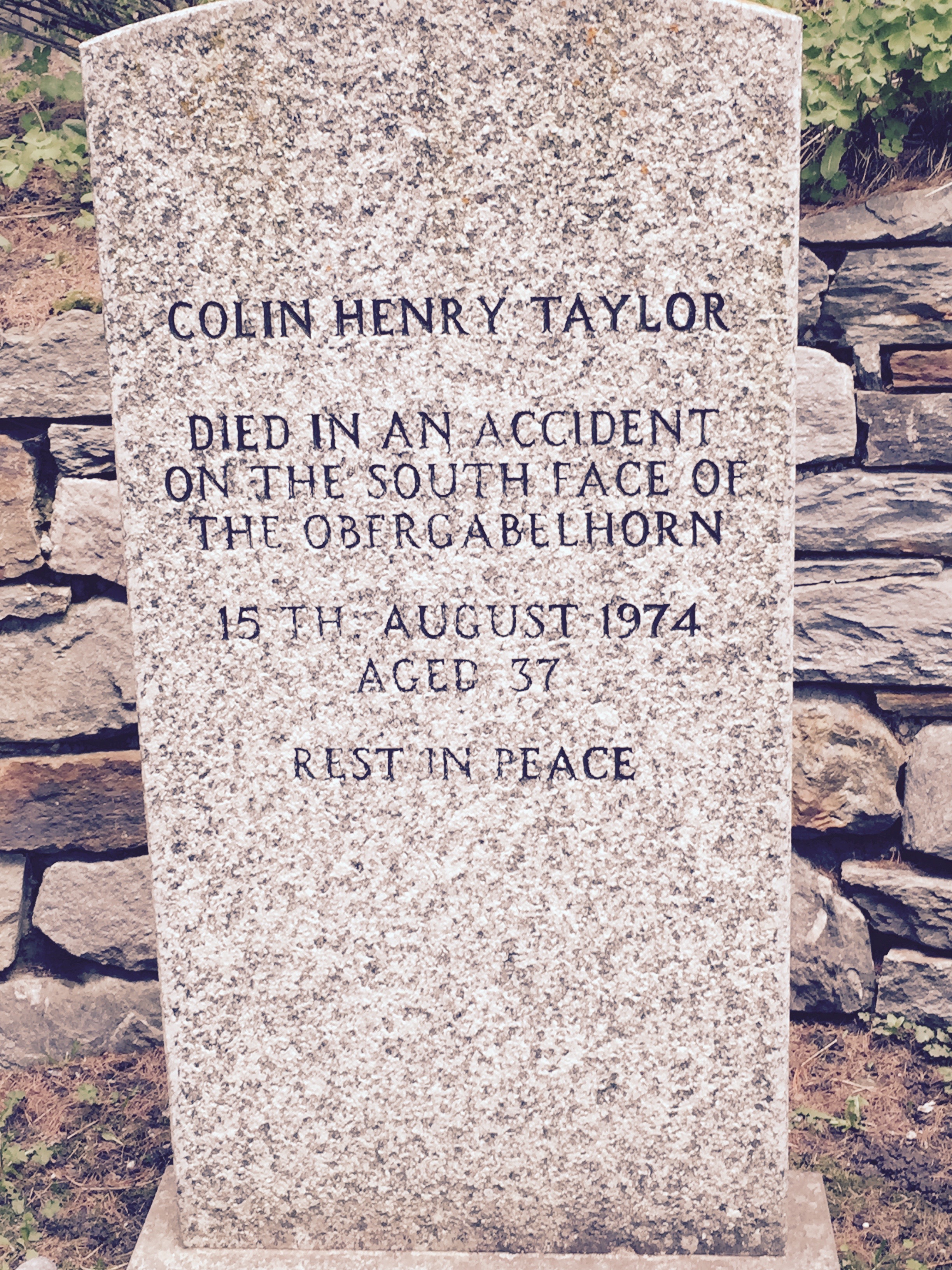
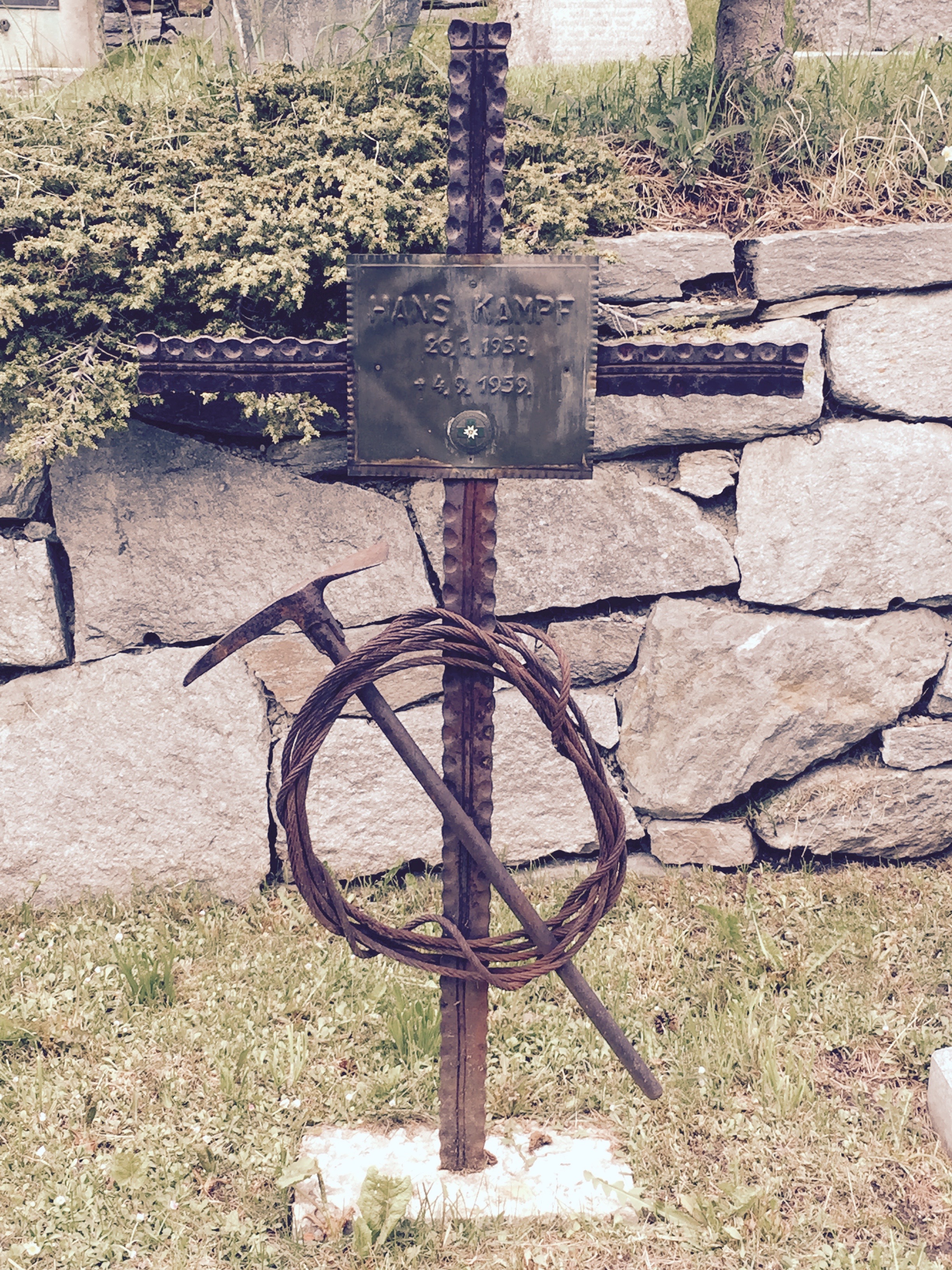
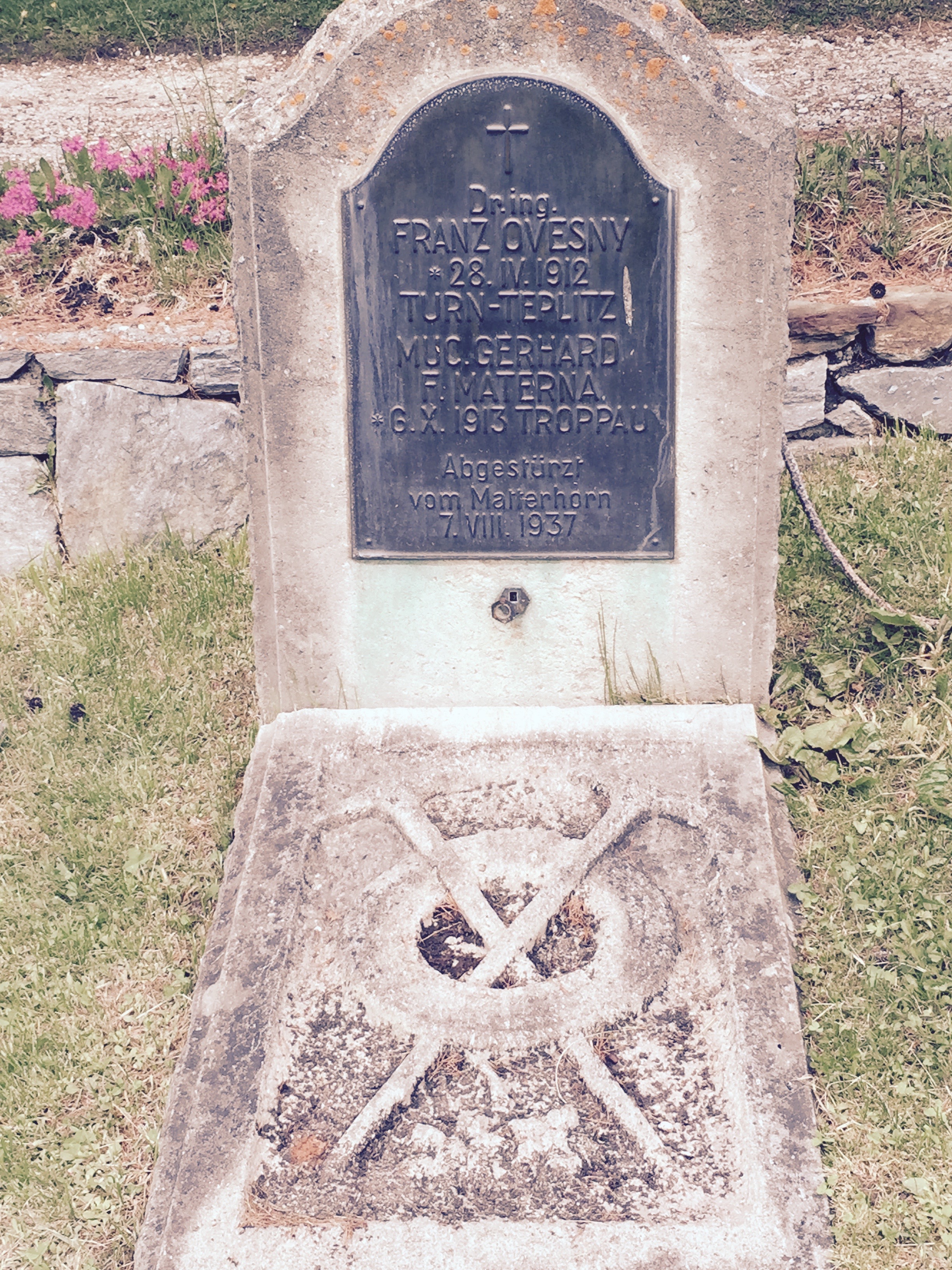
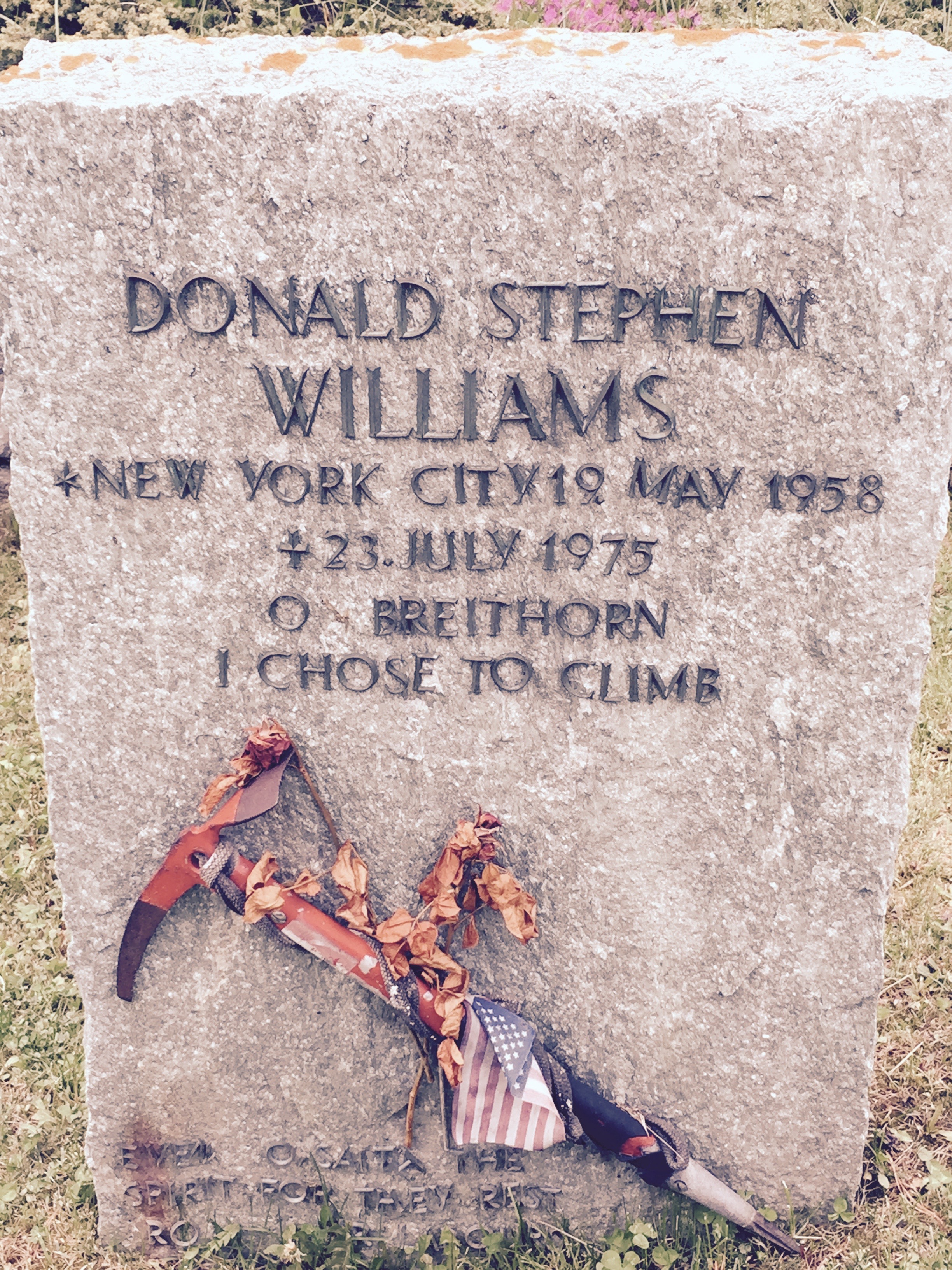
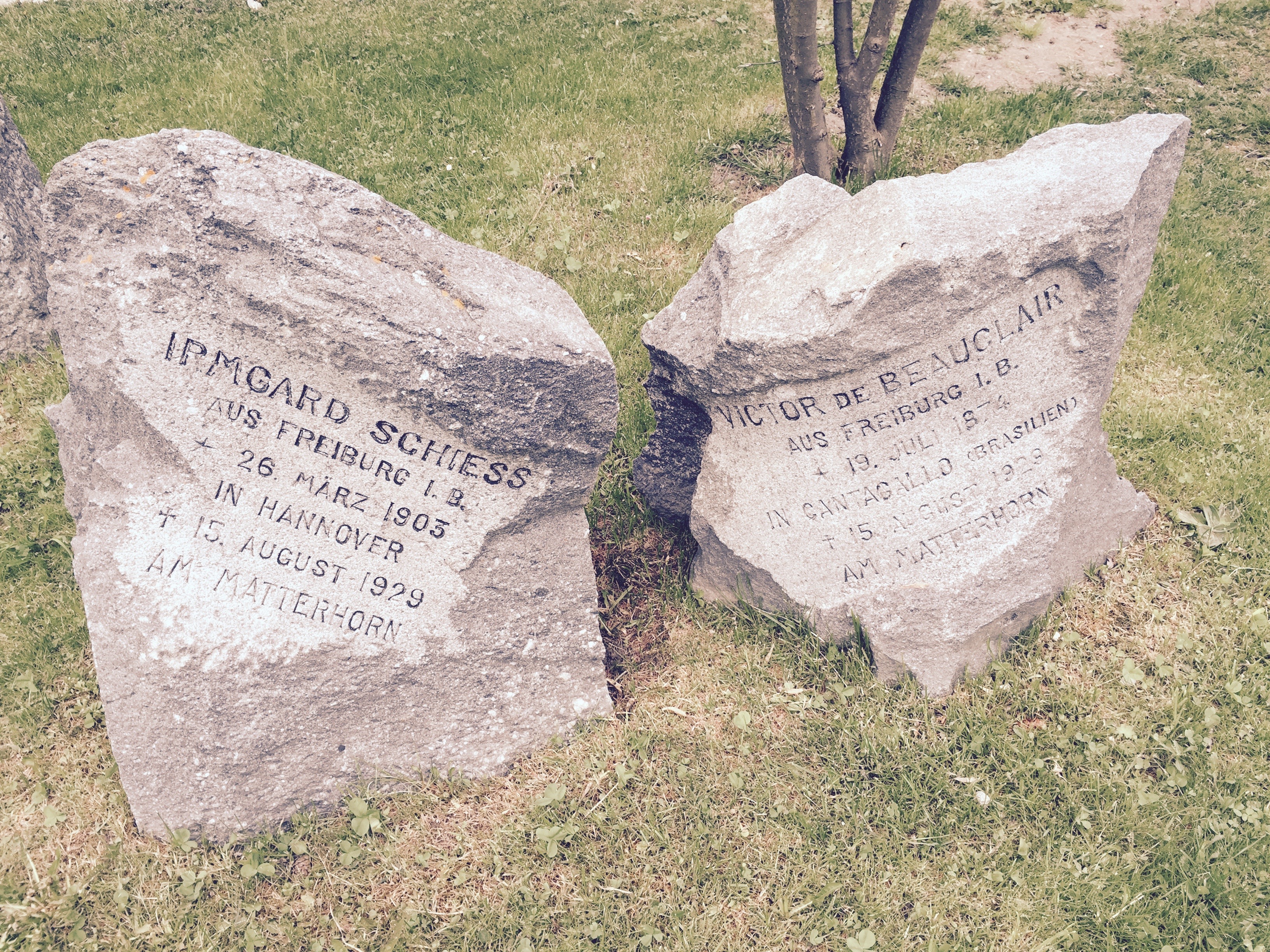
From there, we took some time to reflect on the lives lost – as memorialized in the tiny Mountaineers cemetery next to the church. Here there were gravestones that dated back to the 1800’s and many of families had gone to lengths to ensure the decor (?) of the stones reflected the individuals passion for the mountains and the risky sport. 

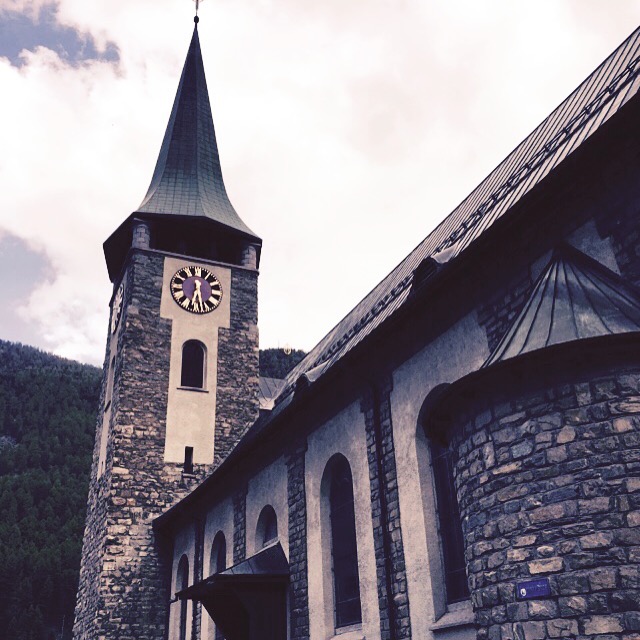
The church in the centre of town.

The church in the centre of town.

IMG_6044 IMG_6041IMG_6036IMG_6074IMG_6033 IMG_6030

We believe these two climbers were buried together - a fitting memorial to these souls.

We believe these two climbers were buried together – a fitting memorial to these souls.

From there, we walked up and down the main streets doing a little shopping for Astrid’s boys and maybe even for ourselves. 

Window shopping

Window shopping


Was told this was a fantastic place for fondue. Closed for inter-season, still feeling the emptiness in my heart and my stomach.

Was told this was a fantastic place for fondue. Closed for inter-season, still feeling the emptiness in my heart and my stomach.

IMG_6111

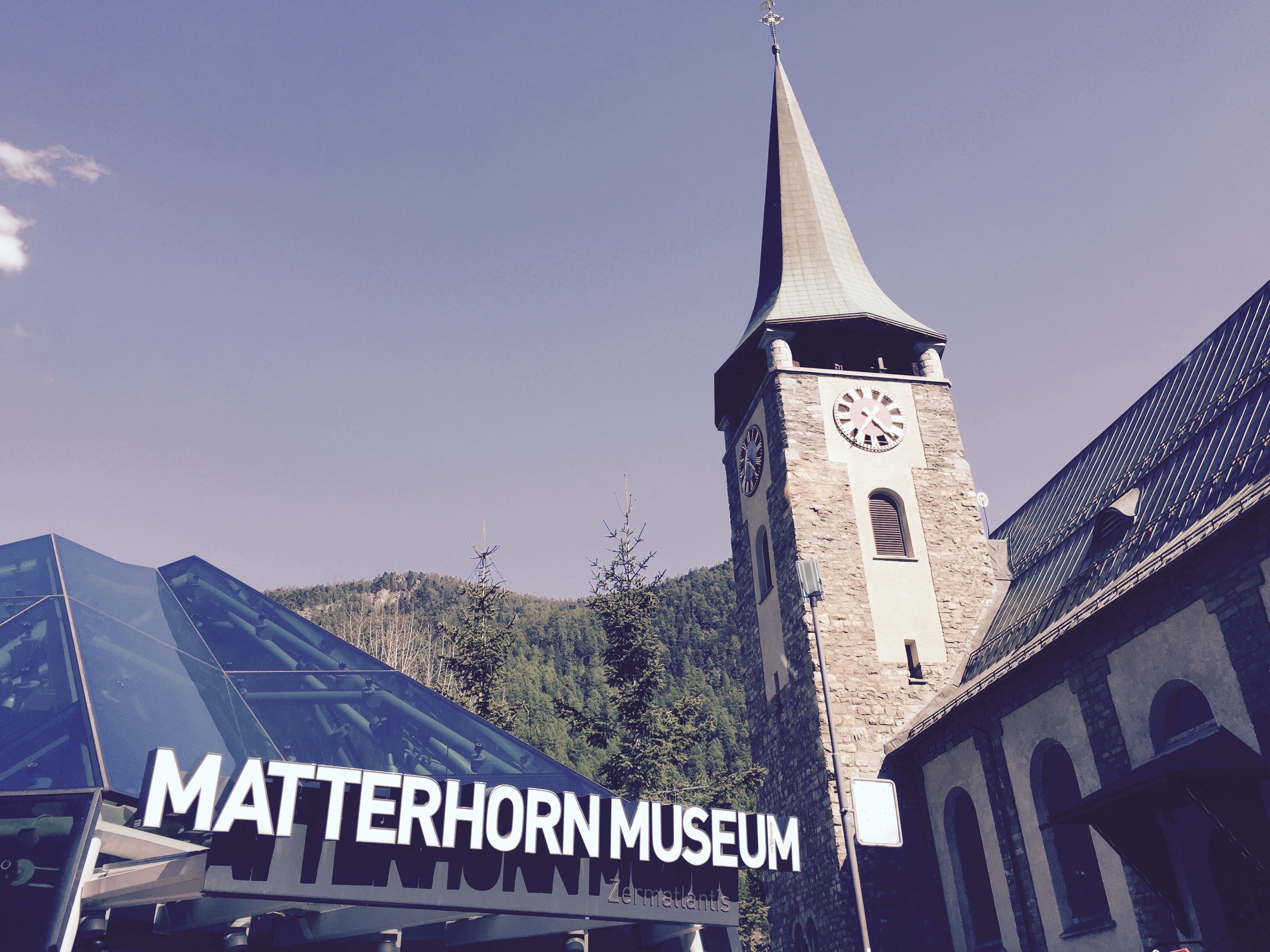
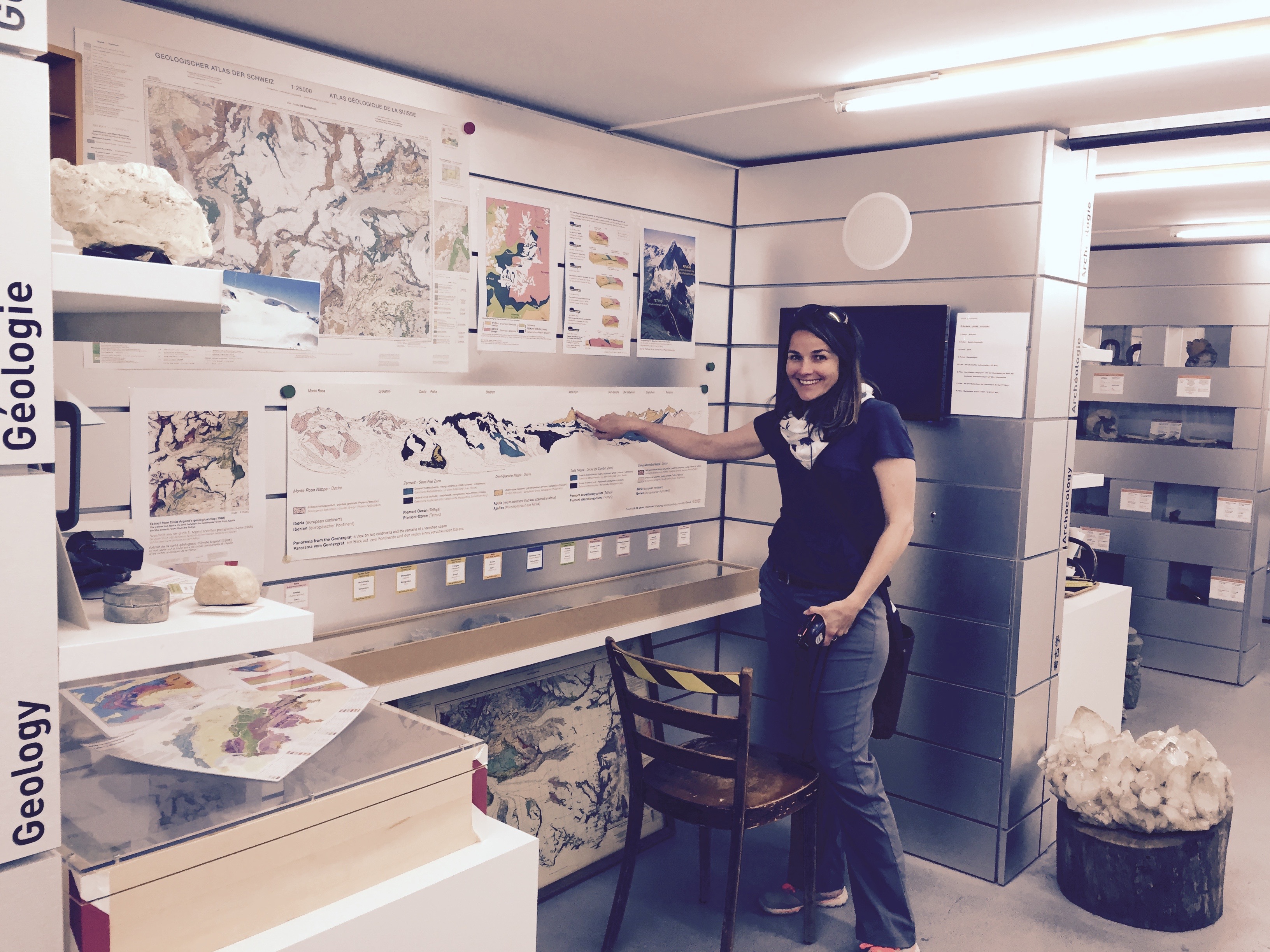
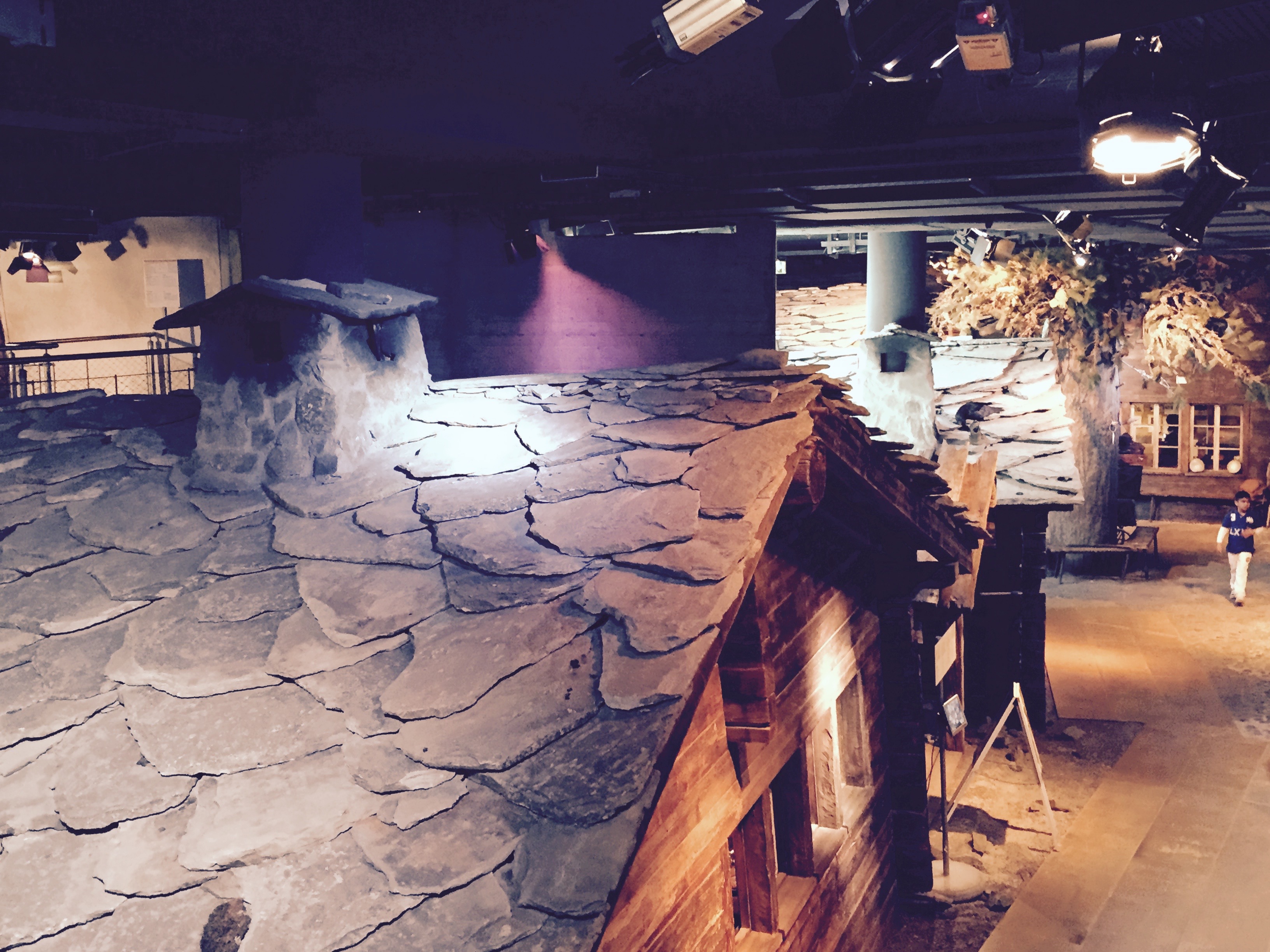
We encountered the Matterhorn Museum – and Astrid, powerless to not increase her educational levels – suggested we drop in. What a cute little place – the audio tour was done by some folksy guy – think he was the founder of the museum and the place was a dorky and kitschy as you’d expect a tiny museum in this tiny little town to be.

IMG_5963

Of course, there is a geology section. With German maps - someone squeals with glee. And it wasn't Cecily...

Of course, there is a geology section. With German maps – someone squeals with glee. And it wasn’t Cecily…


Making friends - you can only spend so much time with one person before you crack.

Making friends – you can only spend so much time with one person before you crack.


The interior of the Matterhorn Museum. Perhaps it was all the opulance of the museums in Paris (and the Museum of Crystals and Minerals in Chamonix). Somehow it didn't feel quite a grand...

The interior of the Matterhorn Museum. Perhaps it was all the opulence of the museums in Paris (and the Museum of Crystals and Minerals in Chamonix). Somehow it didn’t feel quite as grand…


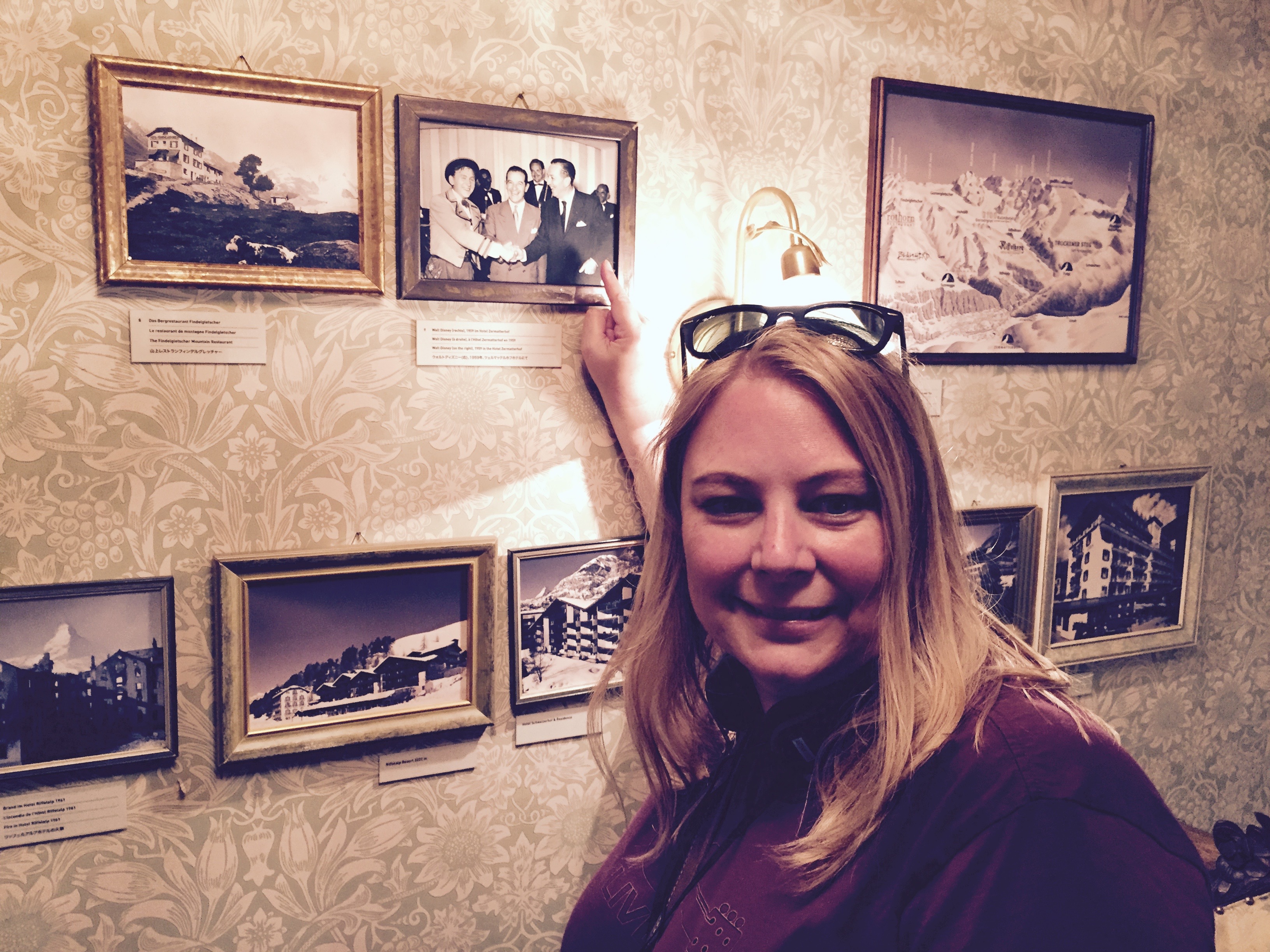
As a former Cast Member, you're always on the look out for a Walt Disney sighting?

As a former Cast Member, you’re always on the look out for a Walt Disney sighting?


Audio guide to the tiny Matterhorn Museum.

Audio guide to the tiny Matterhorn Museum.

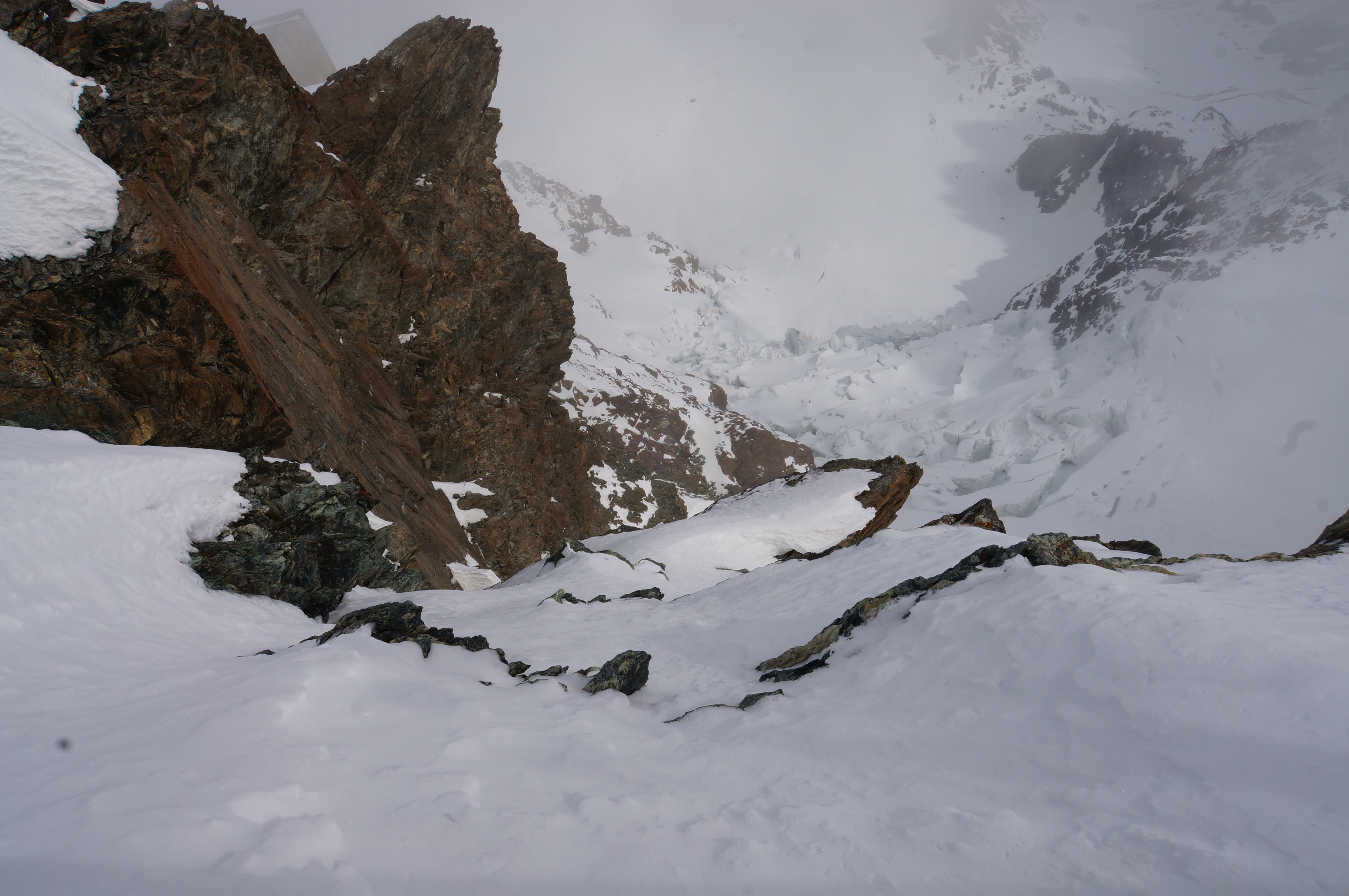
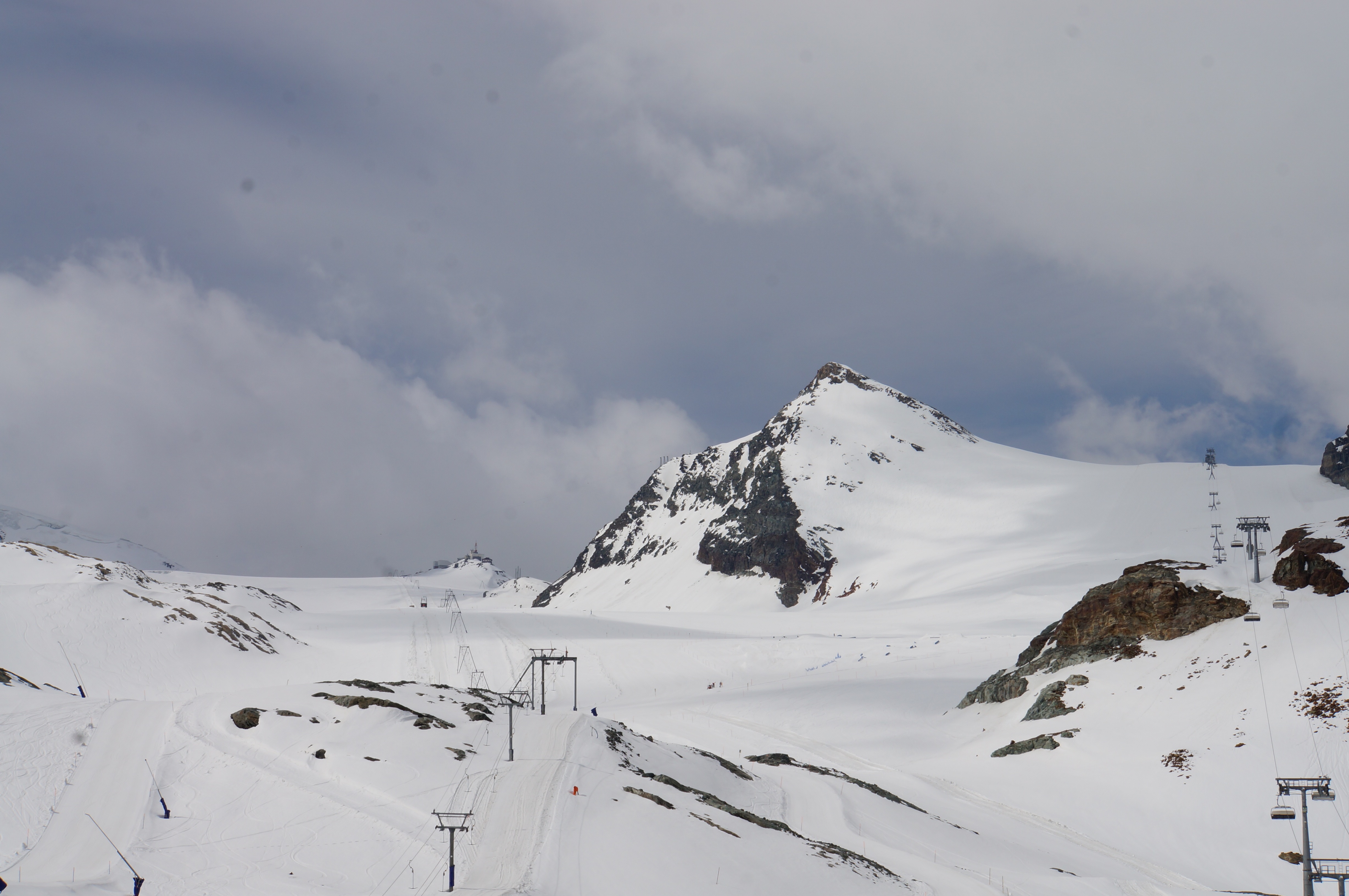
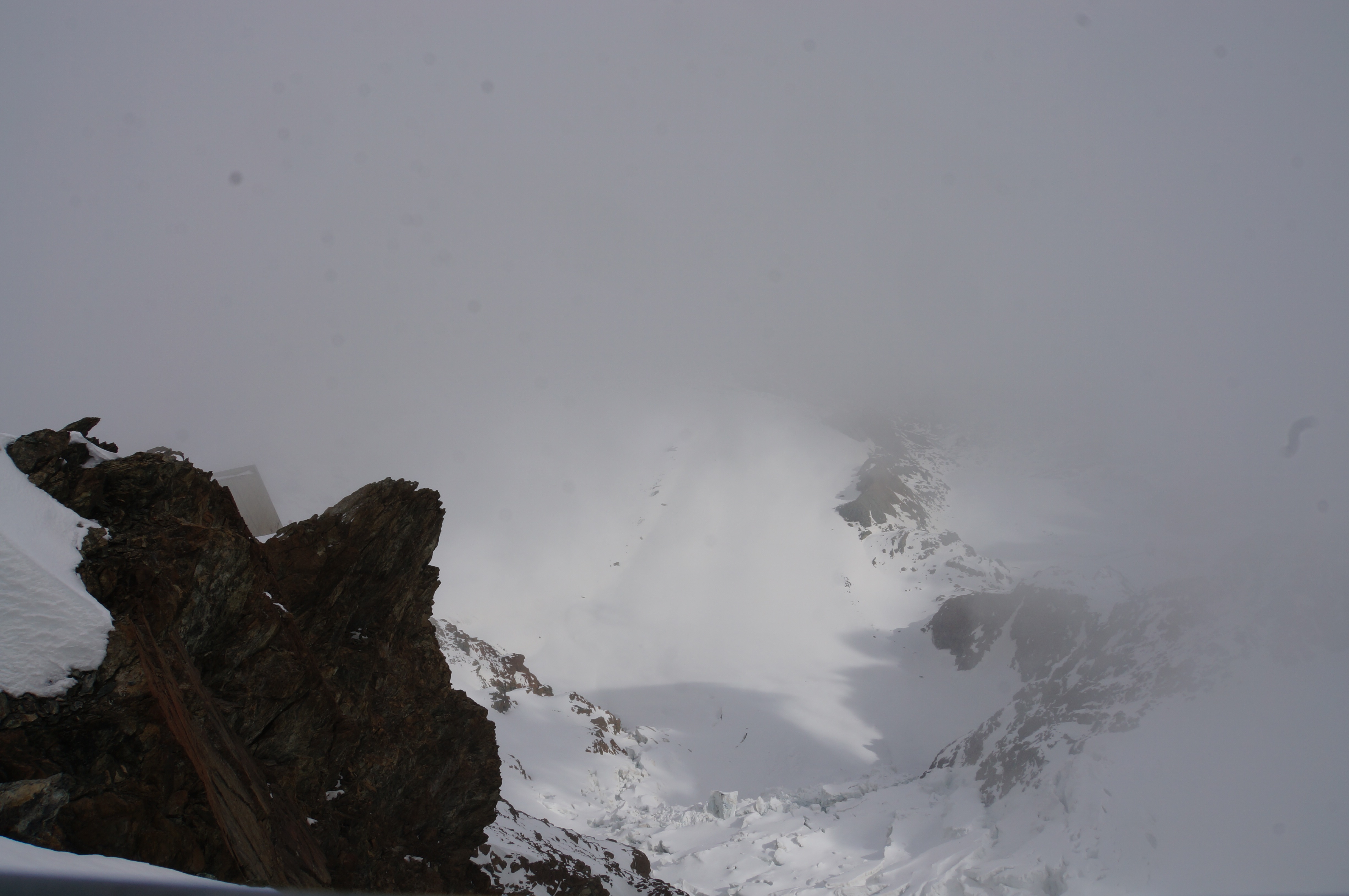
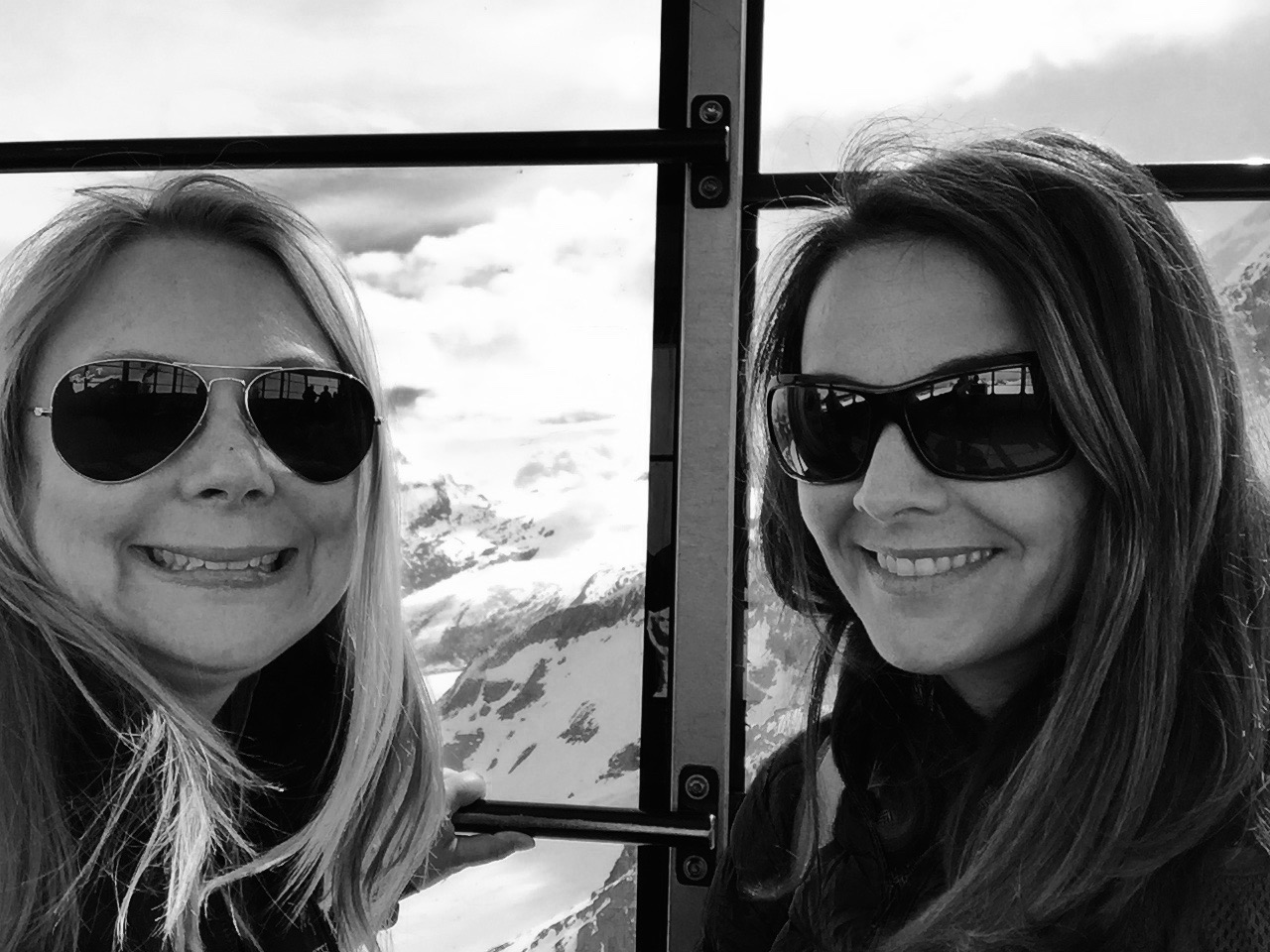
Our second day in Zermatt, we rose to sketchy weather so we booked it up top to the Glacier Mountain Paradise.  Astrid will likely provide a second blog with more geological significance, but for me it was simply a beautiful ride up and another spectacular adventure. We rose in elevation to of over 12,000 feet – and you bet the air was thin! 

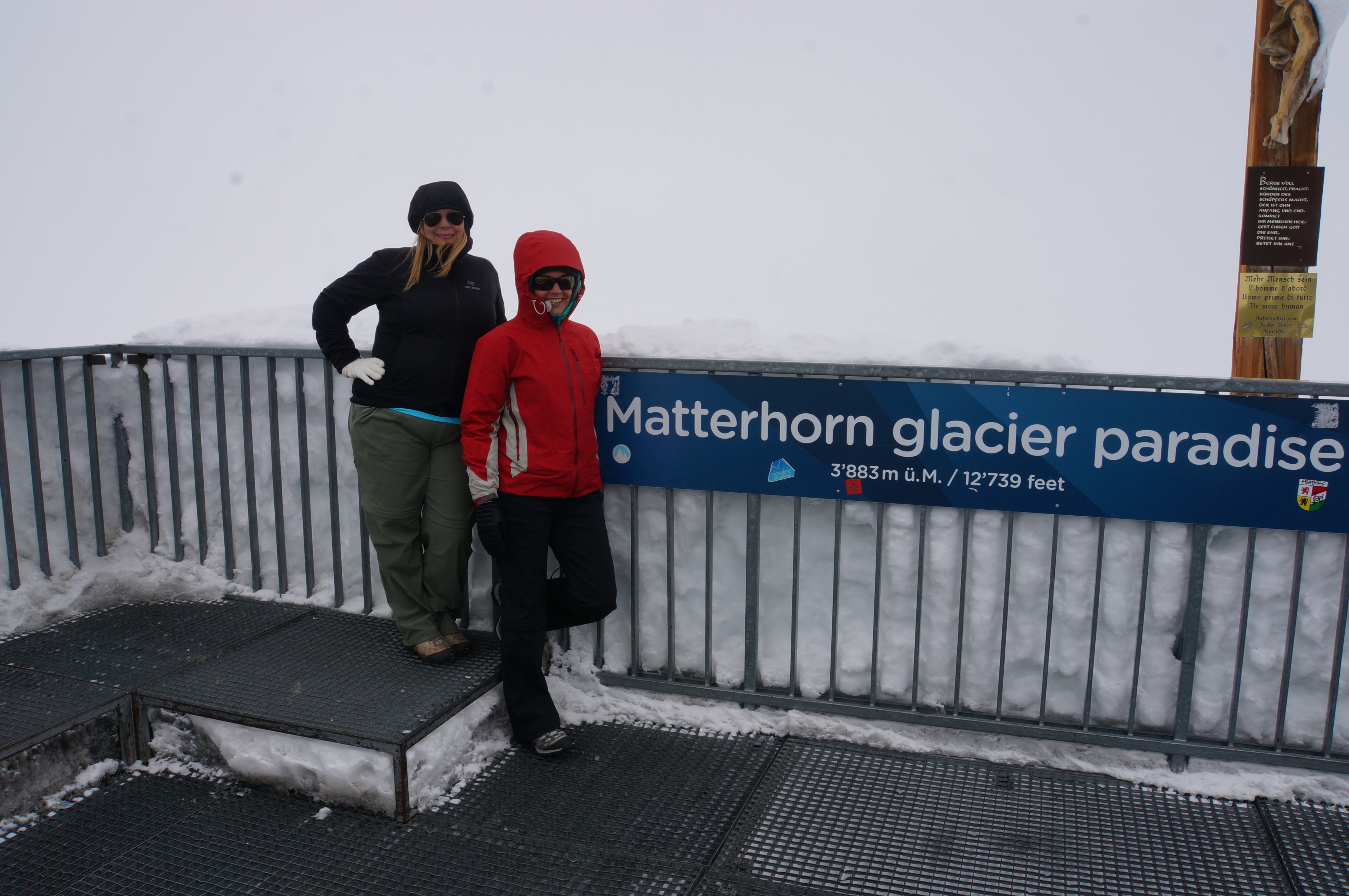
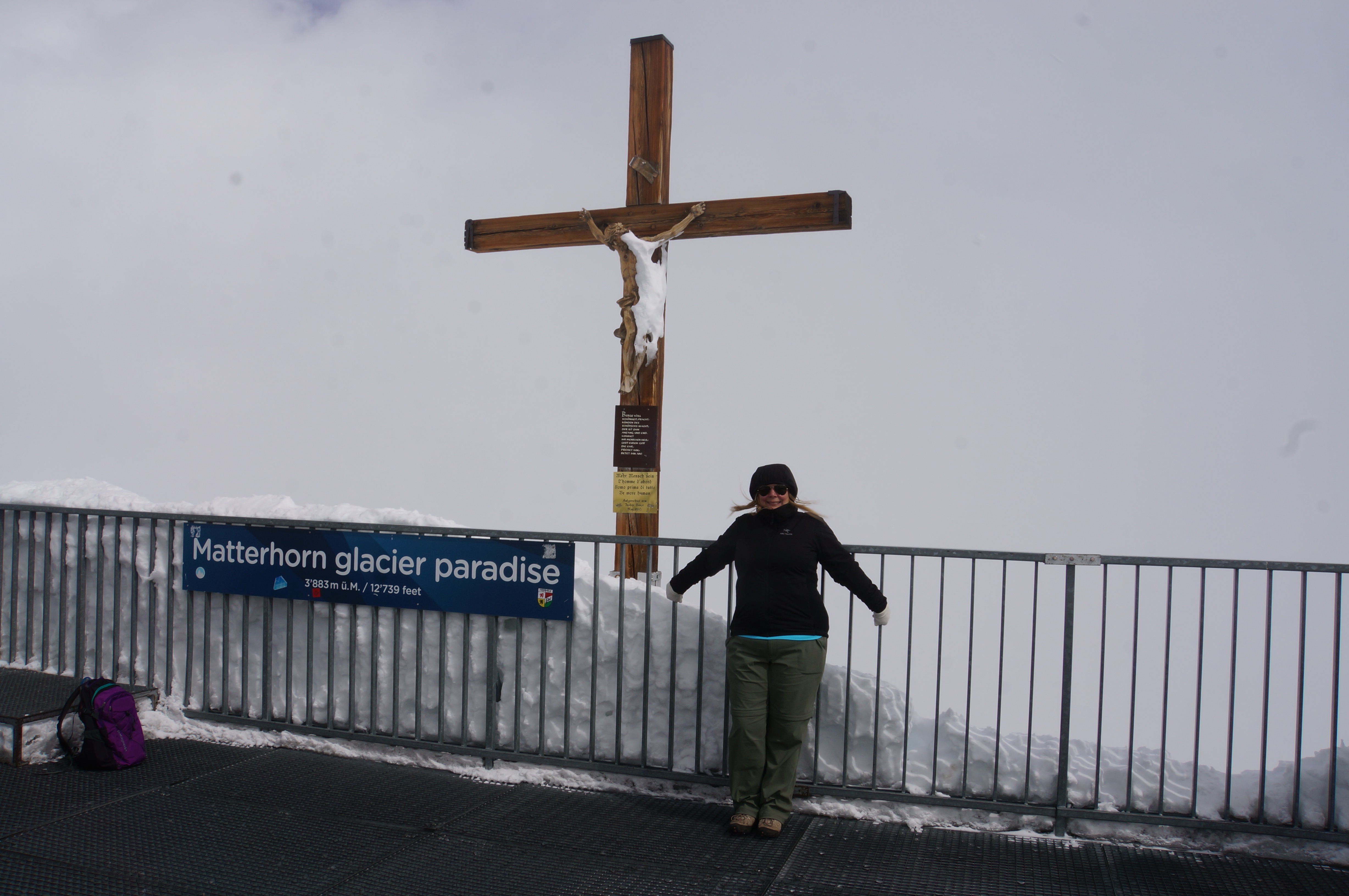
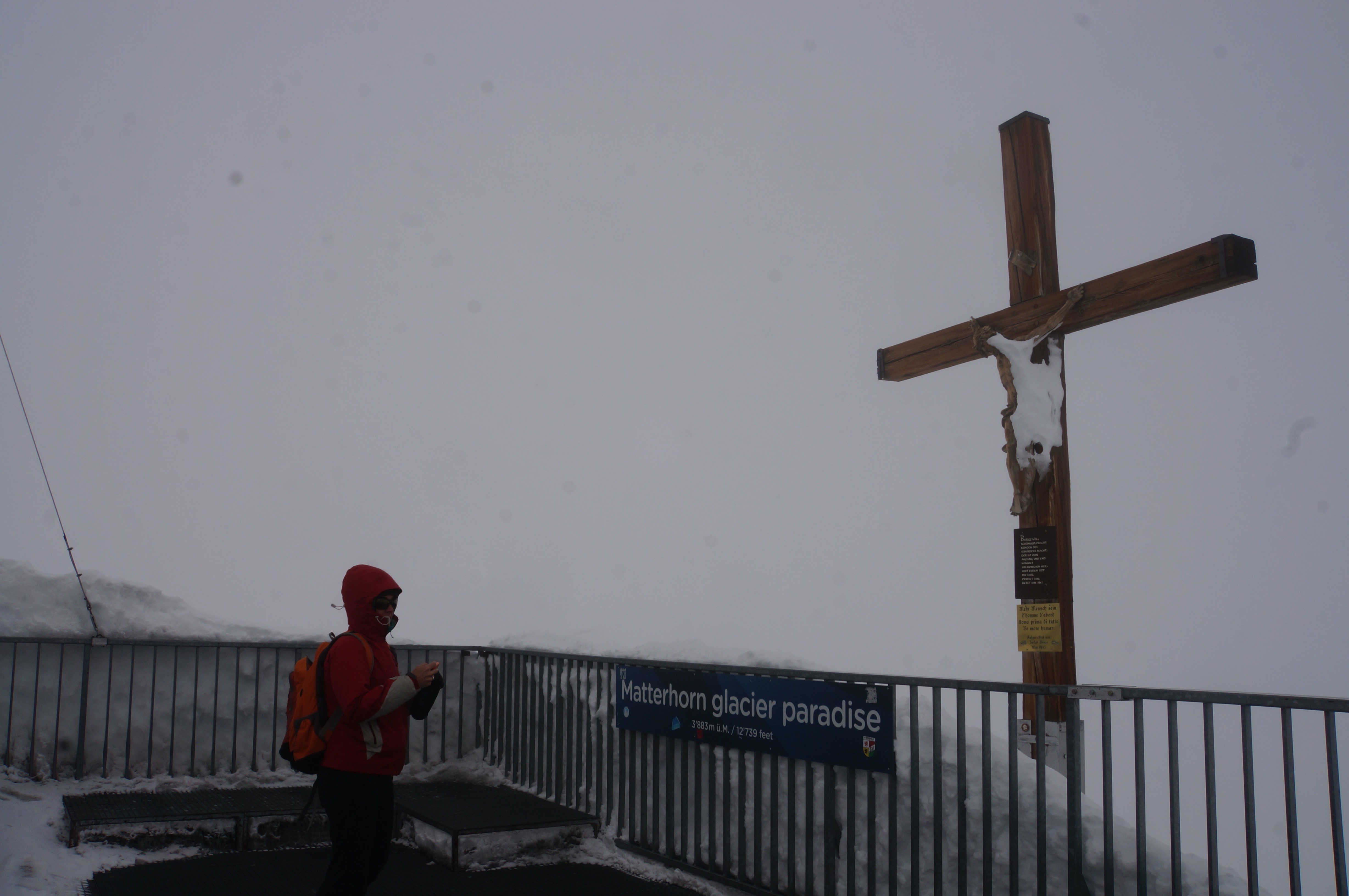
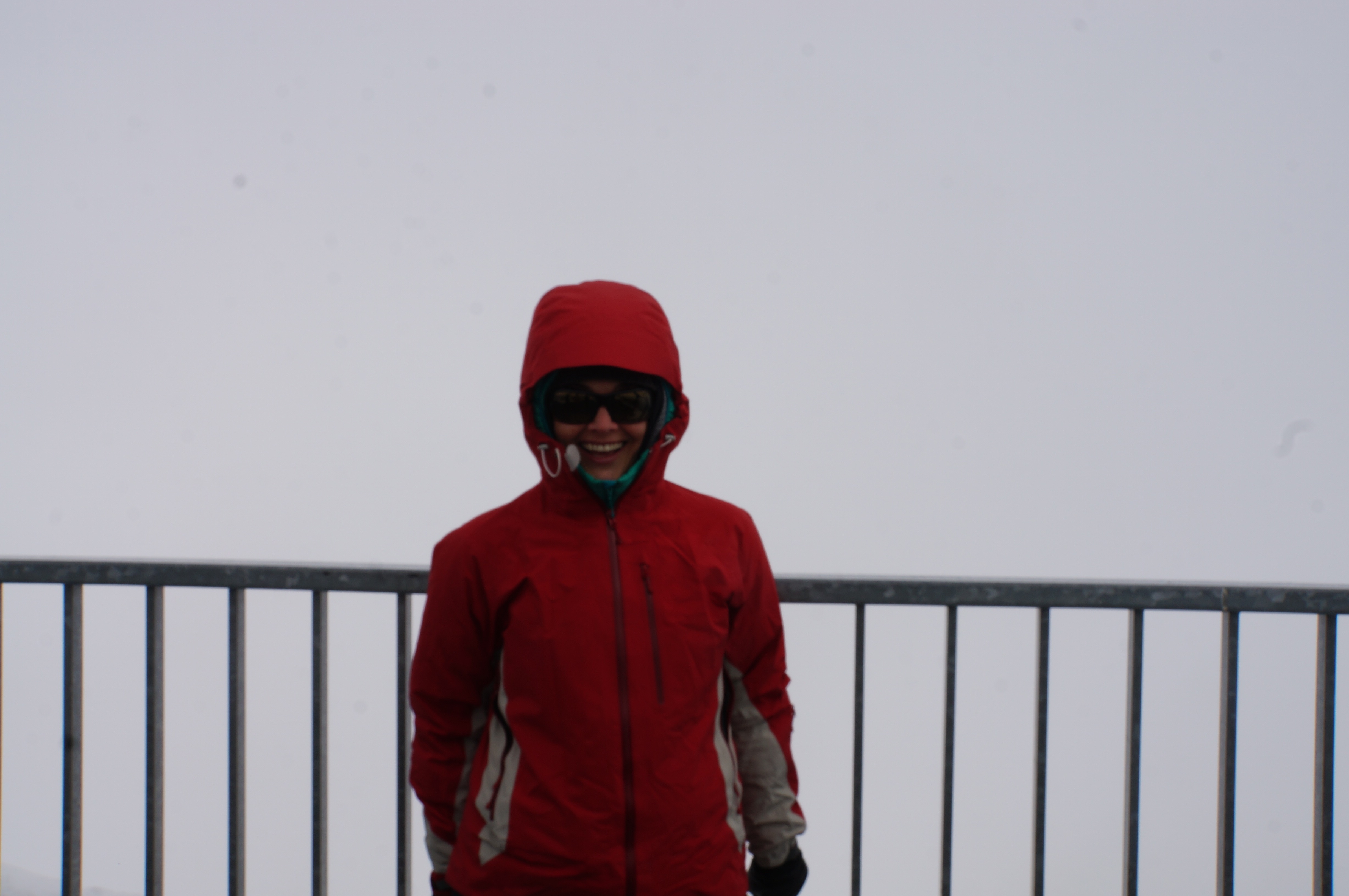
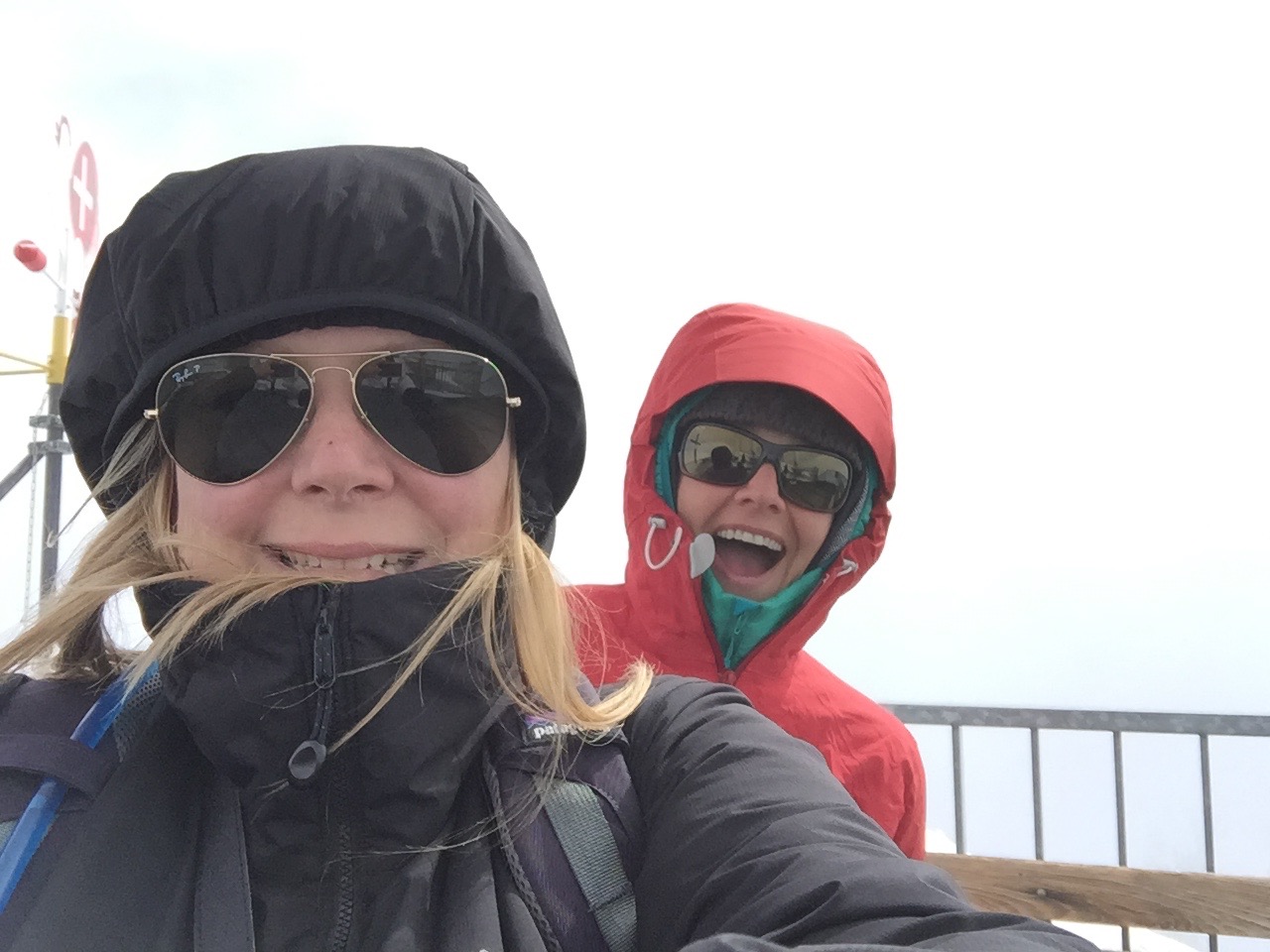
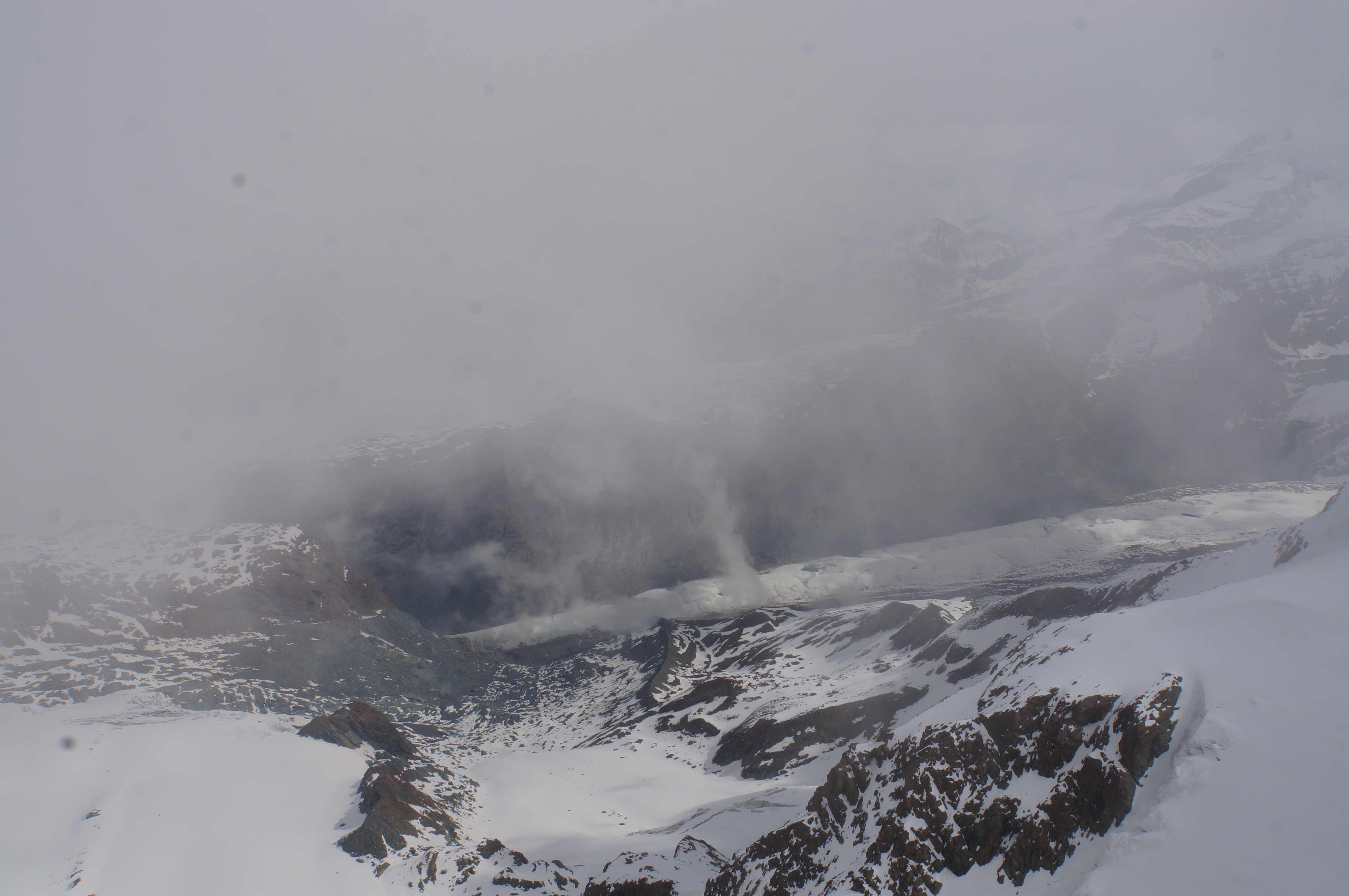
Over 12,000 feet in the air at the Glacier Mountain Paradise. Weather could have been better...

Over 12,000 feet in the air at the Glacier Mountain Paradise. Weather could have been better…

DSC01287

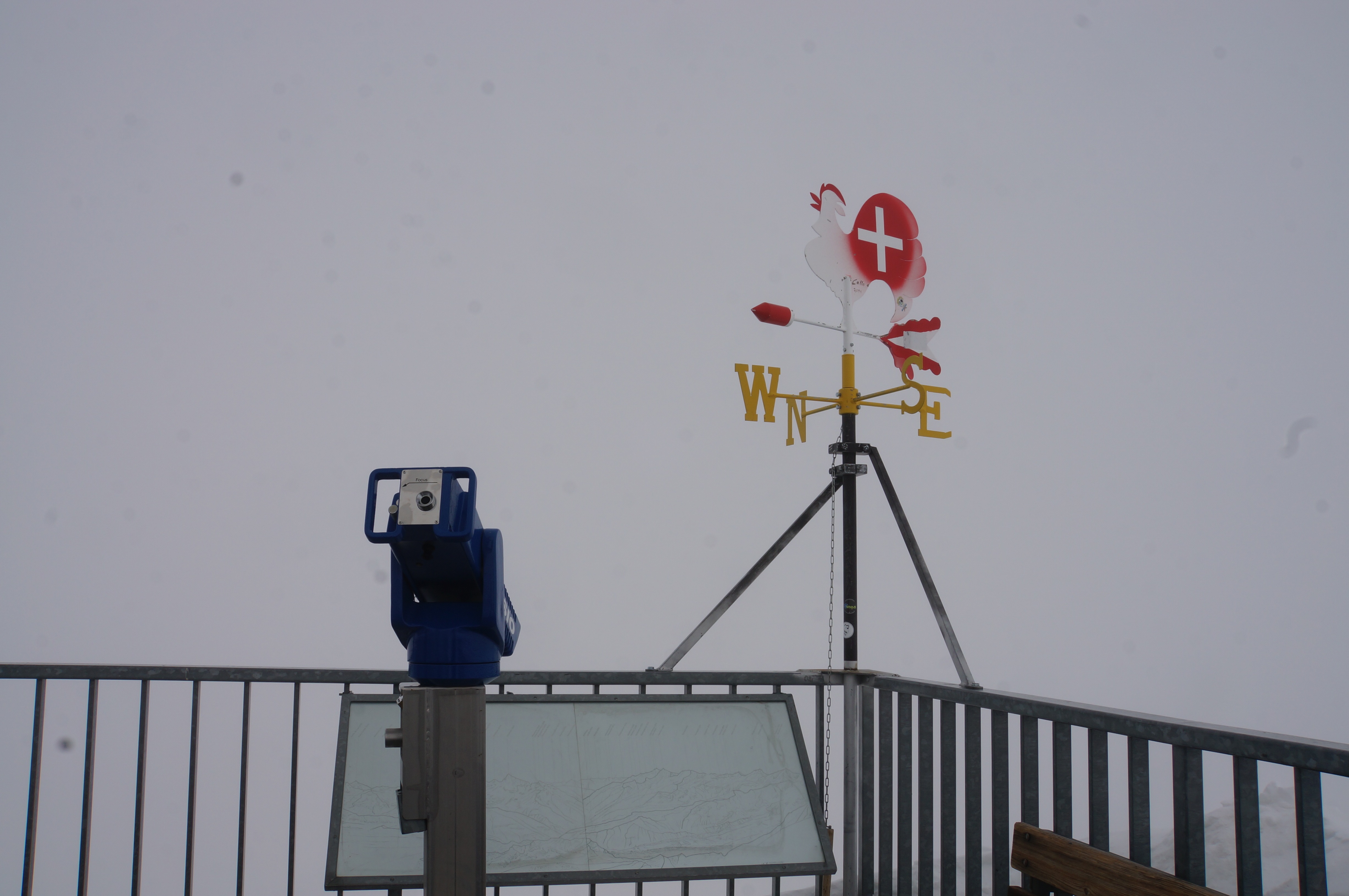
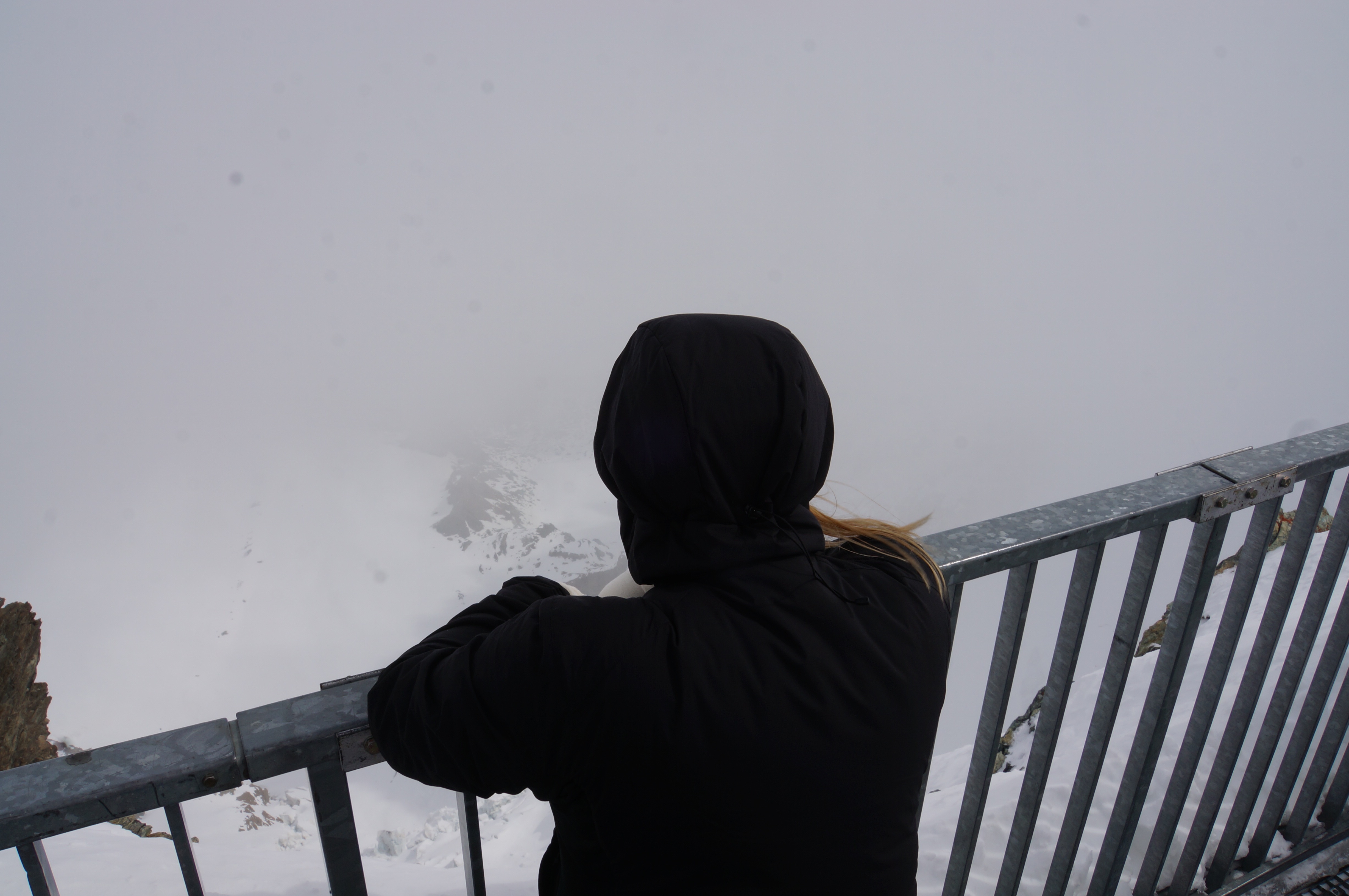
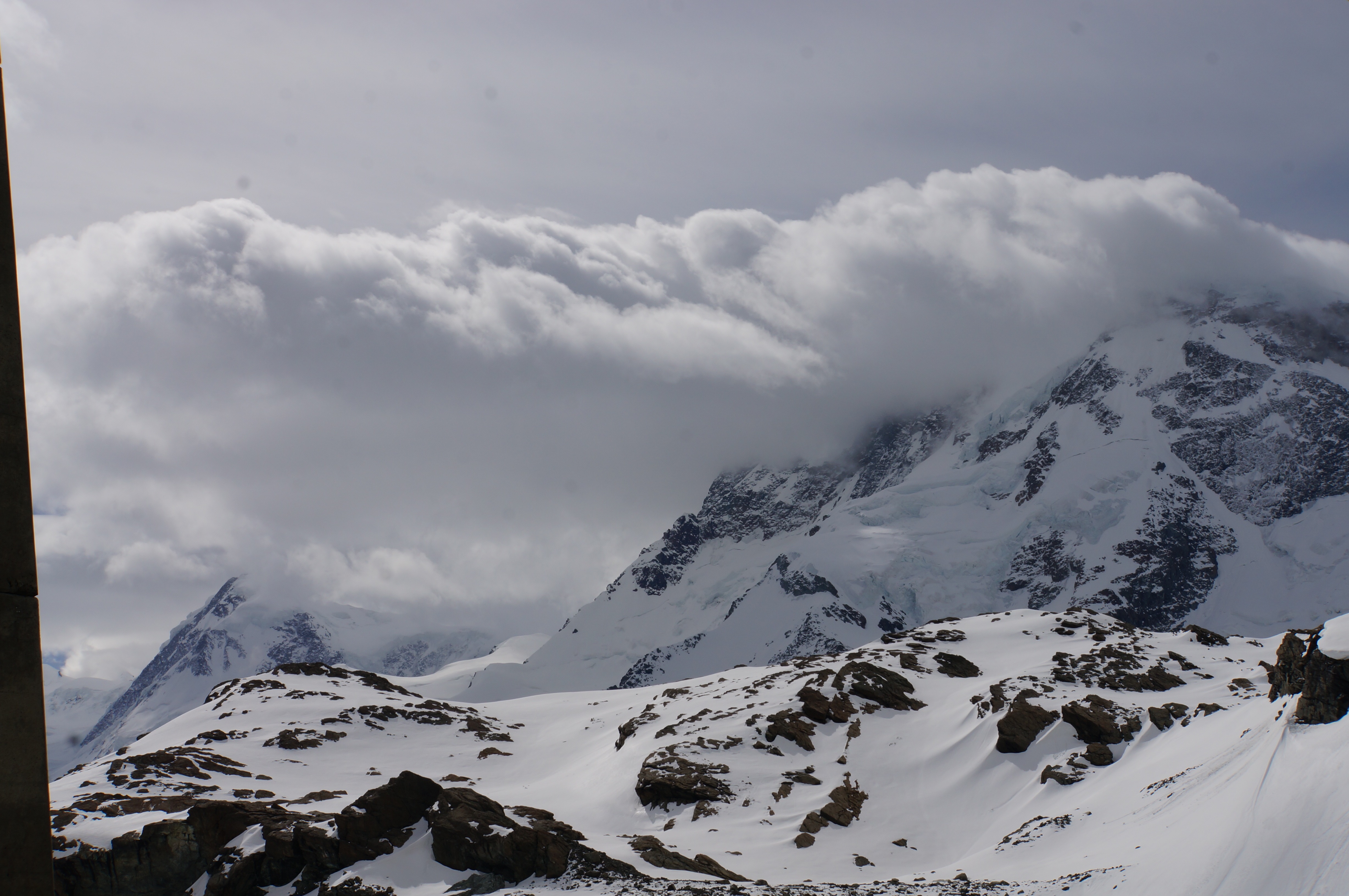
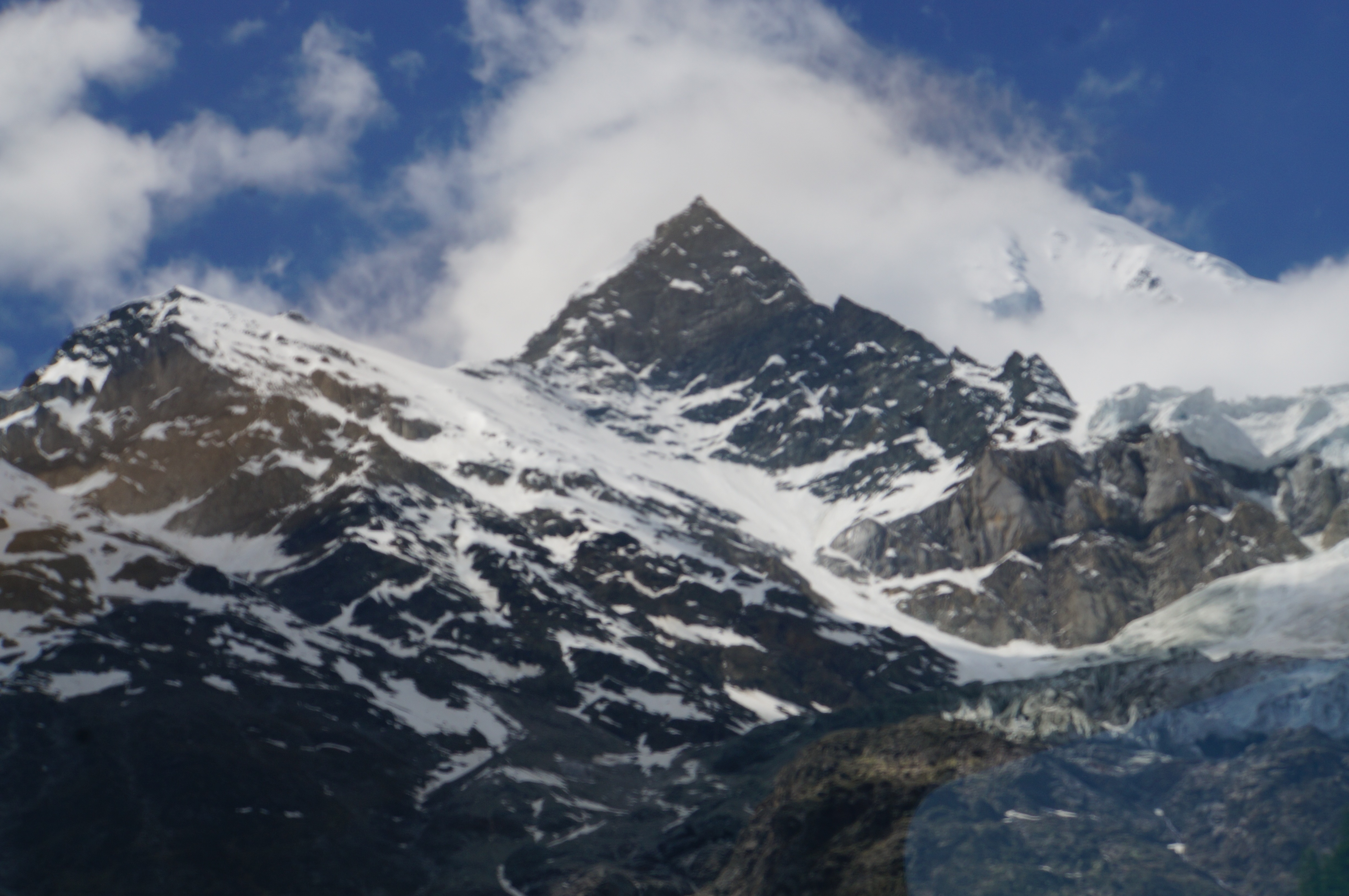
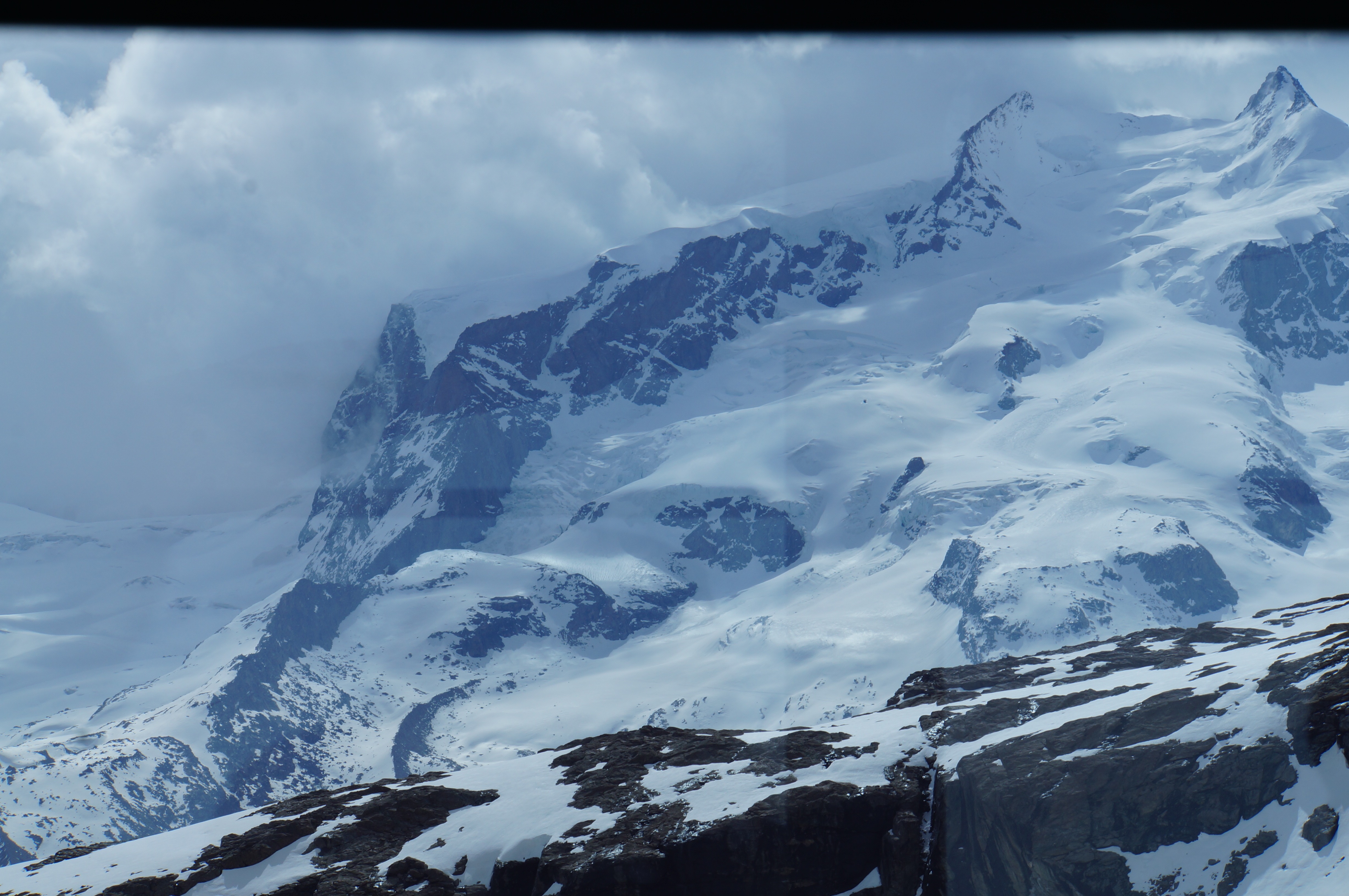
On a clear day – and that was not the case the day we were there – the views from the observation platform include Mount Blanc (4,810 metres) – which is the highest mountains in the Alps (and part of our Chamonix adventures) and the summit of the Grand Paradiso (4,061 metres), which is Italy’s highest mountain. Normally you should also be able to see the Matterhorn. We – sadly – saw none of those, but had a grand old time taking snapshots from the platform in the cold, with crazy gusts of wind blowing us around. Astrid kept squinting into the clouds in hopes of getting a glimpse of Matterhorn but it felt like a lost cause. For true Mountaineers – unlike ourselves – you can scale this 4,164 metre climb in about 2 1/2 hours.

DSC01326 DSC01286

DSC01381DSC01350

DSC01274

DSC01334

DSC01289

DSC01303

Desperately searching the clouds for the Matterhorn

Desperately searching the clouds for the Matterhorn


And maybe, Astrid wasn't the only one who had hope we'd see it!

And maybe, Astrid wasn’t the only one who had hope we’d see it!

DSC01273 DSC01258

DSC01272

We called this trip Muppets Take Europe - in this picture I fear we have begun the transformation.

We called this trip Muppets Take Europe – in this picture I fear we have begun the transformation.

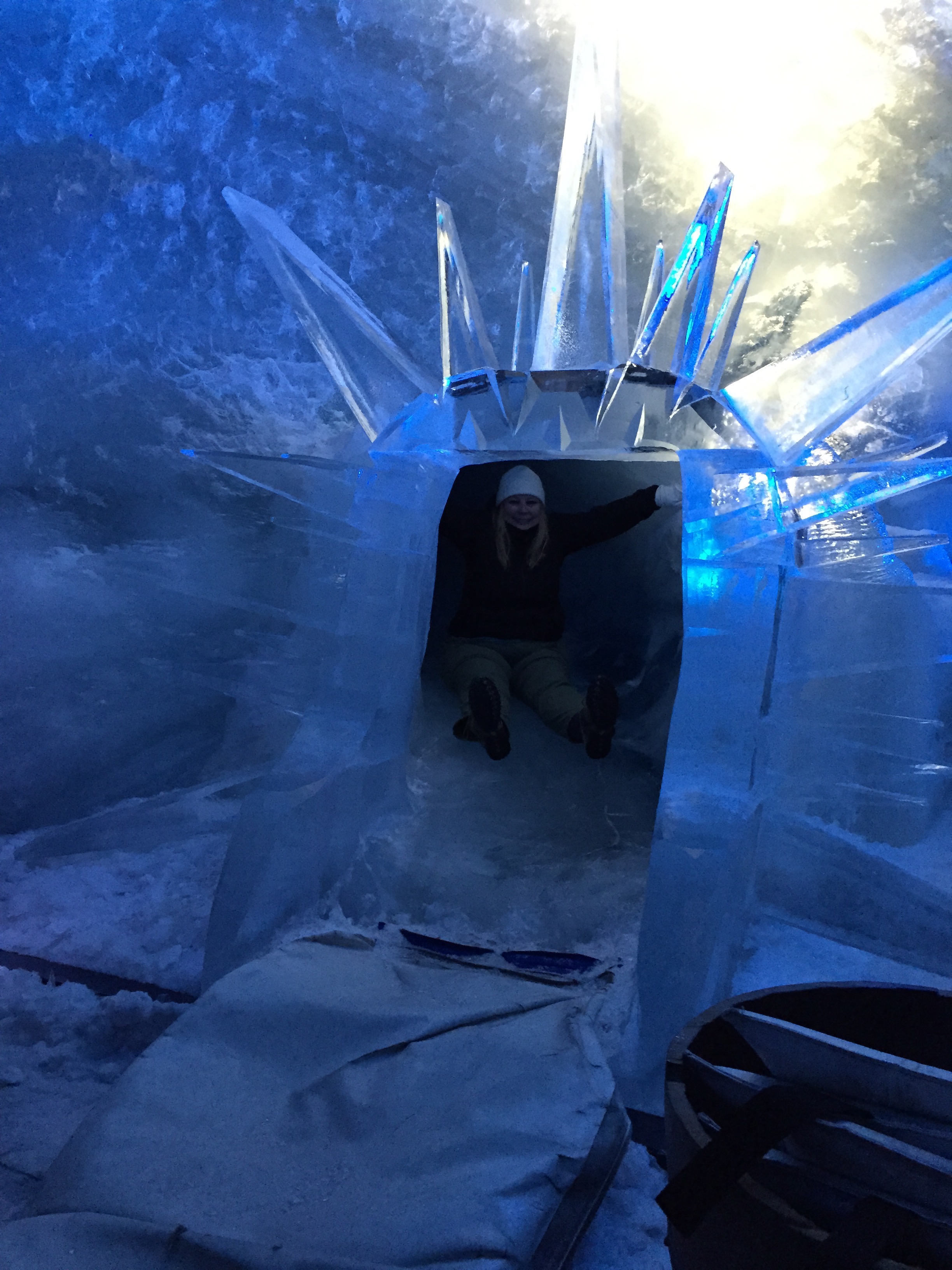
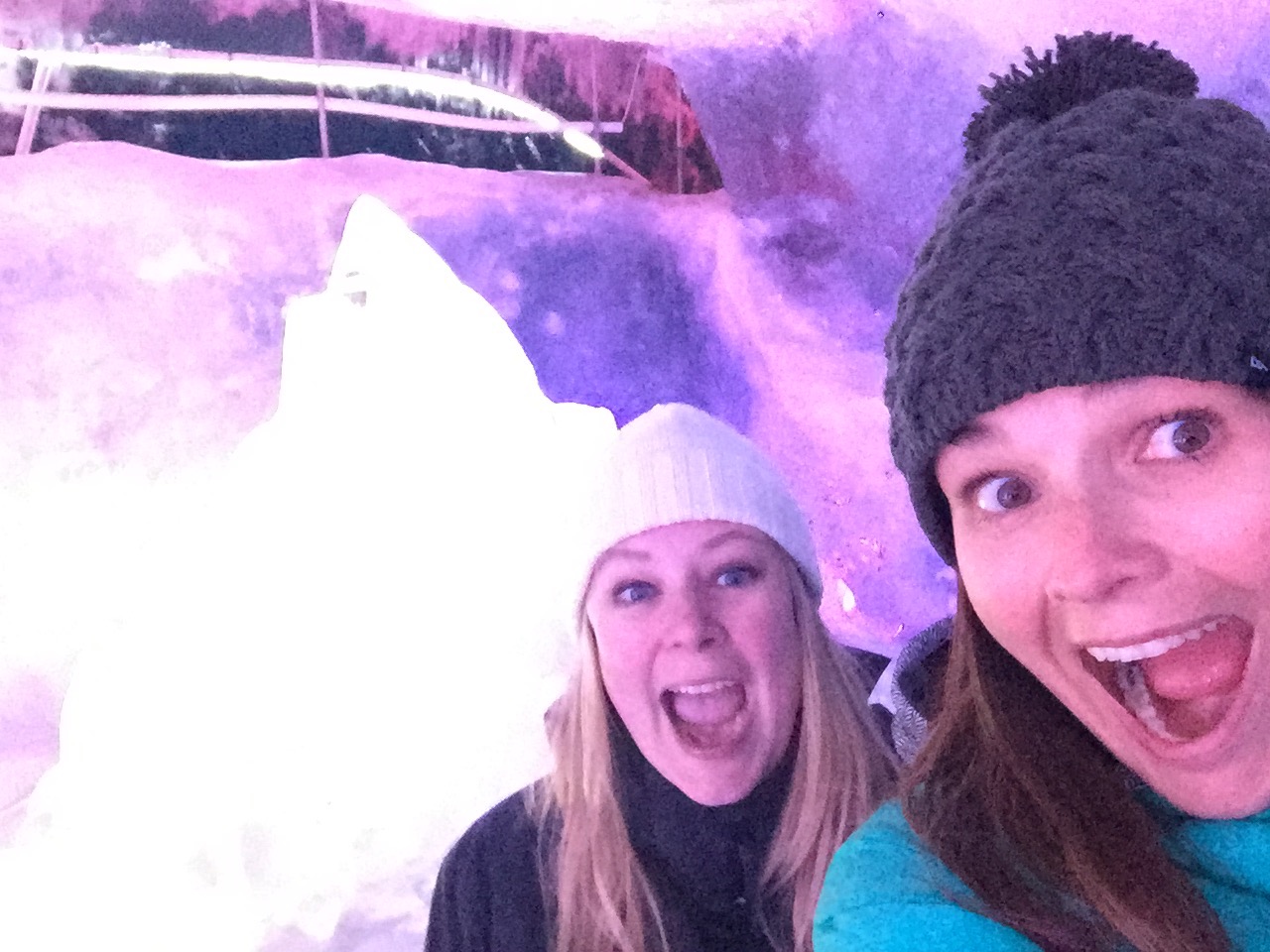
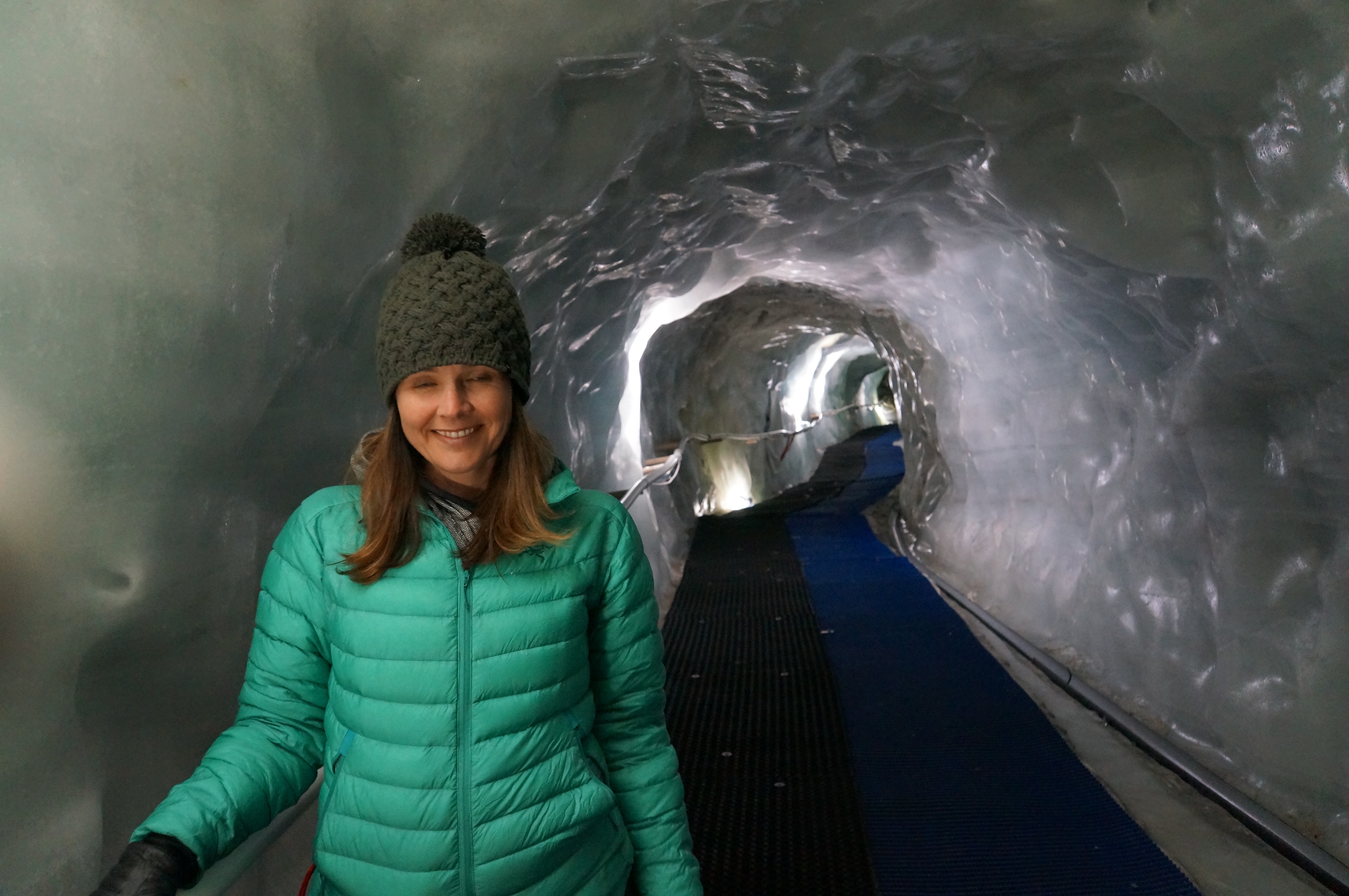
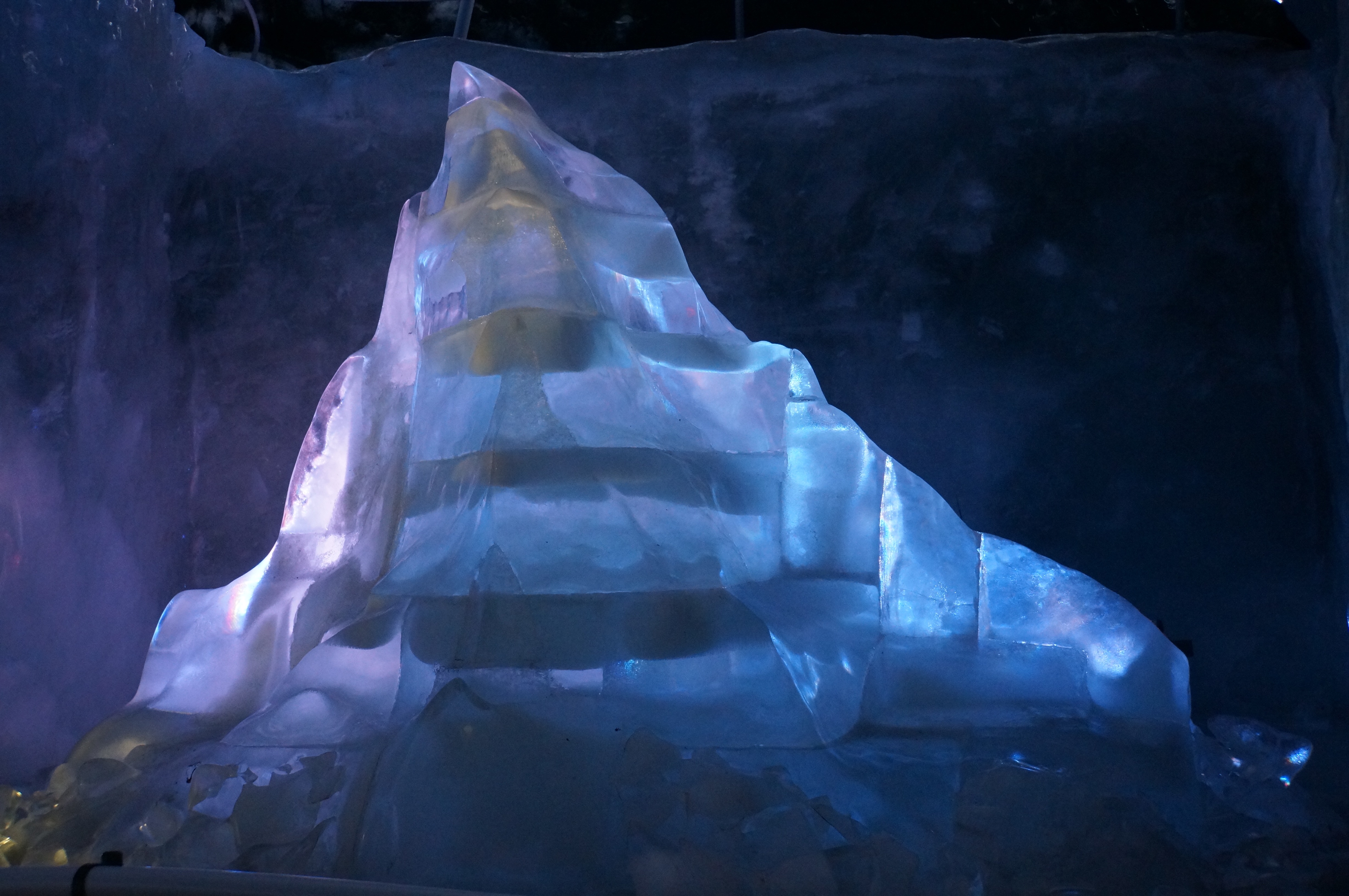
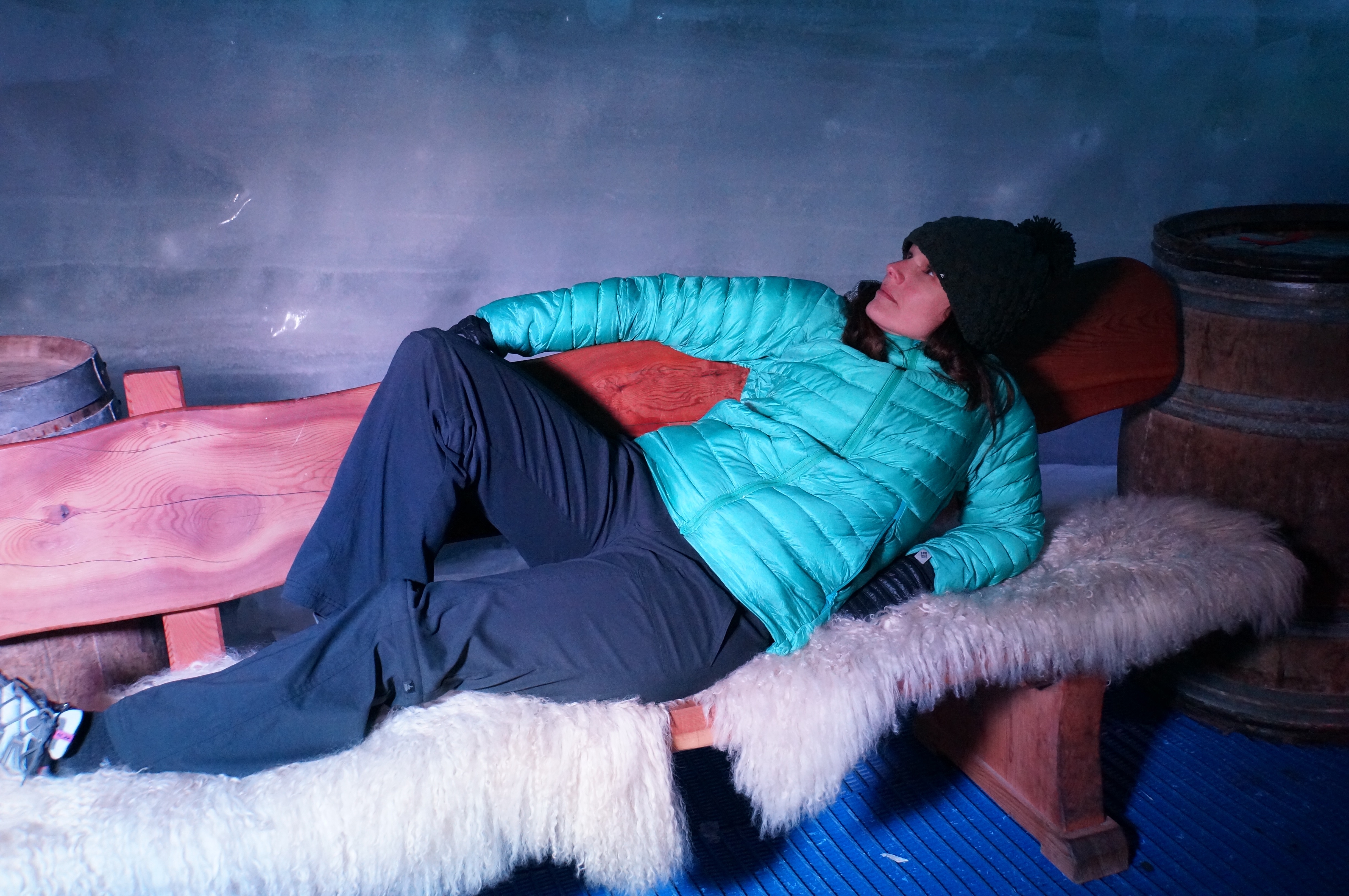
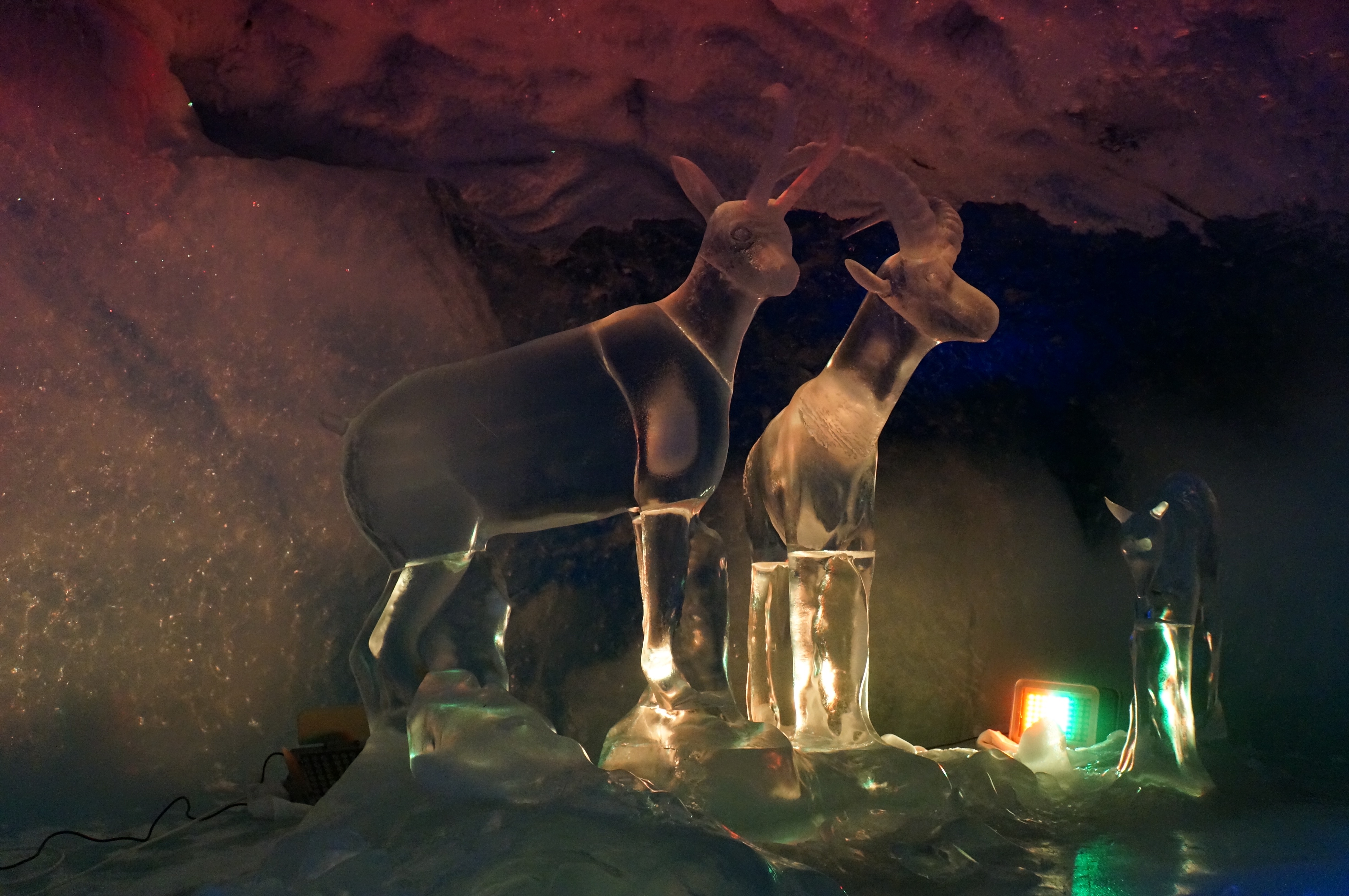
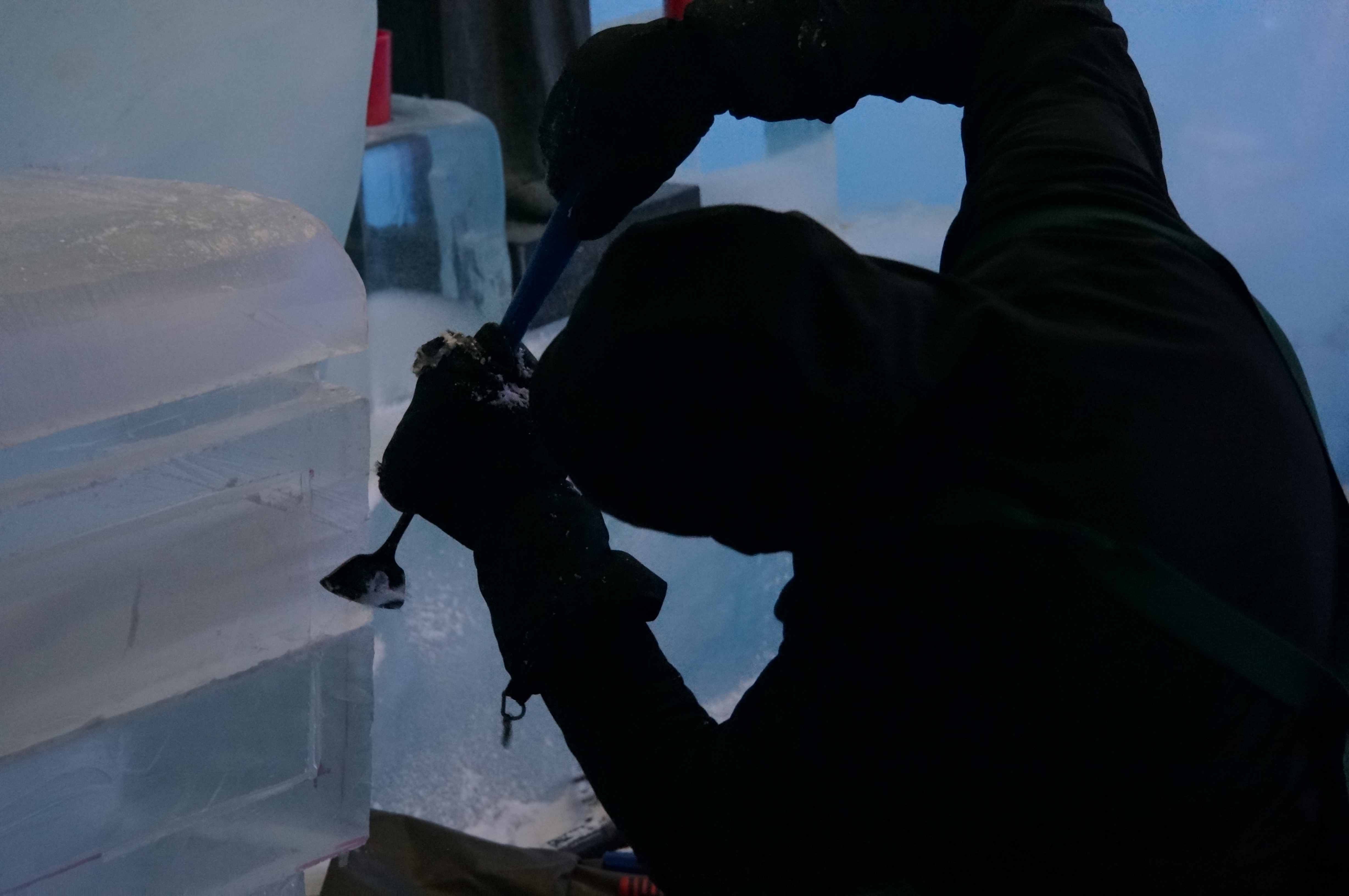
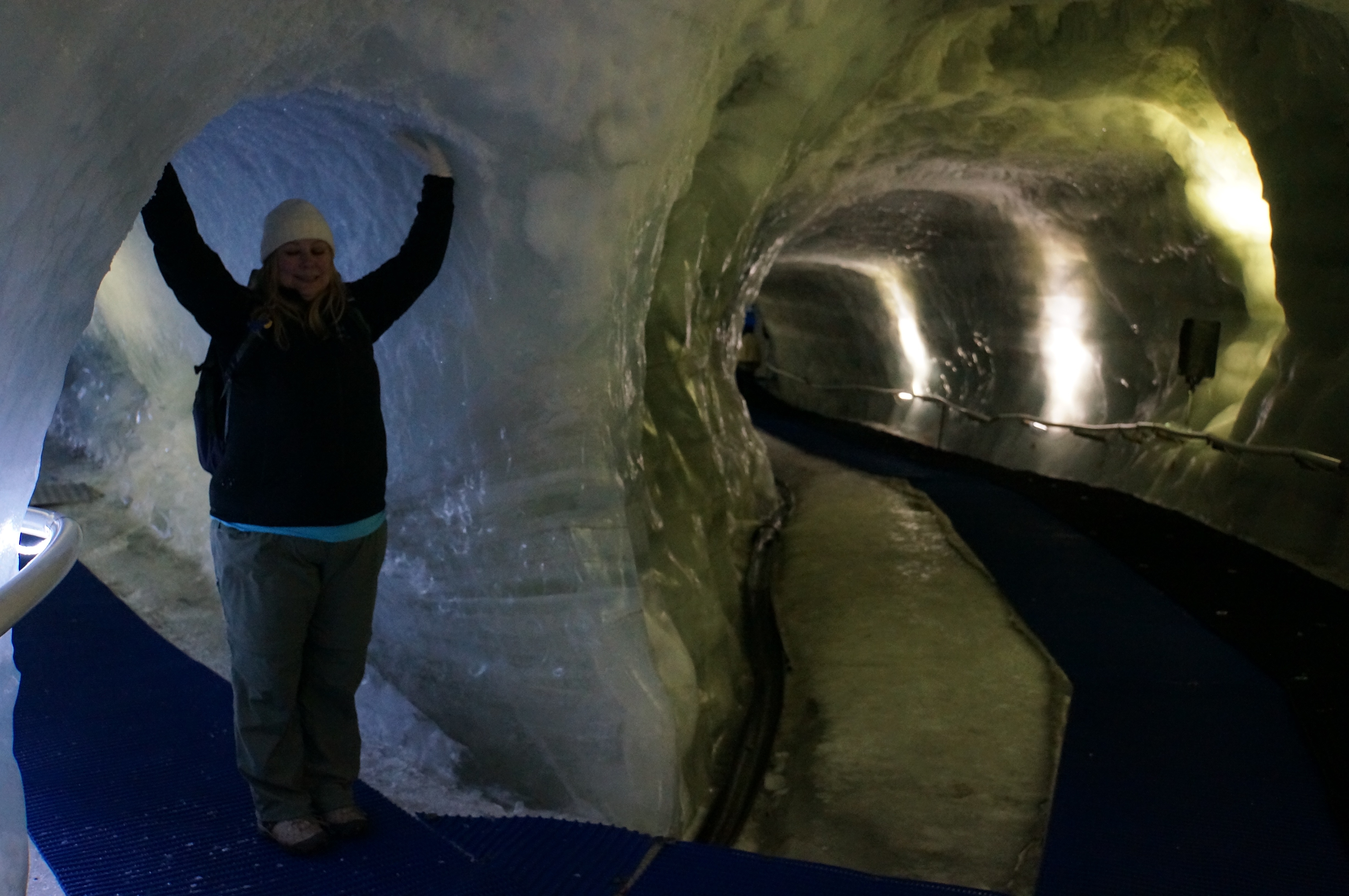
The other highlight from our time at top of Europe was the glacier cave, which provided endless entertainment with ice sculptures, a ice slide and a mini Matterhorn. A visit to a glacier cave would also not be complete without an educational video, which had cute little egg-shaped chairs viewers could sit in, the best part being that they were heated which was sure welcome after that gusty outdoor platform.

Whhhhhheeeeee! The ice slide at Glacier Mountain Paradise - in the glacier cave.  How much fun is that!

Whhhhhheeeeee! The ice slide at Glacier Mountain Paradise – in the glacier cave. How much fun is that!


We are powerless to goofy photo opp. Mini Matterhorn selfie anyone?

We are powerless to goofy photo opp. Mini Matterhorn selfie anyone?

IMG_6256

IMG_6265

Astrid in the glacier cave tunnel

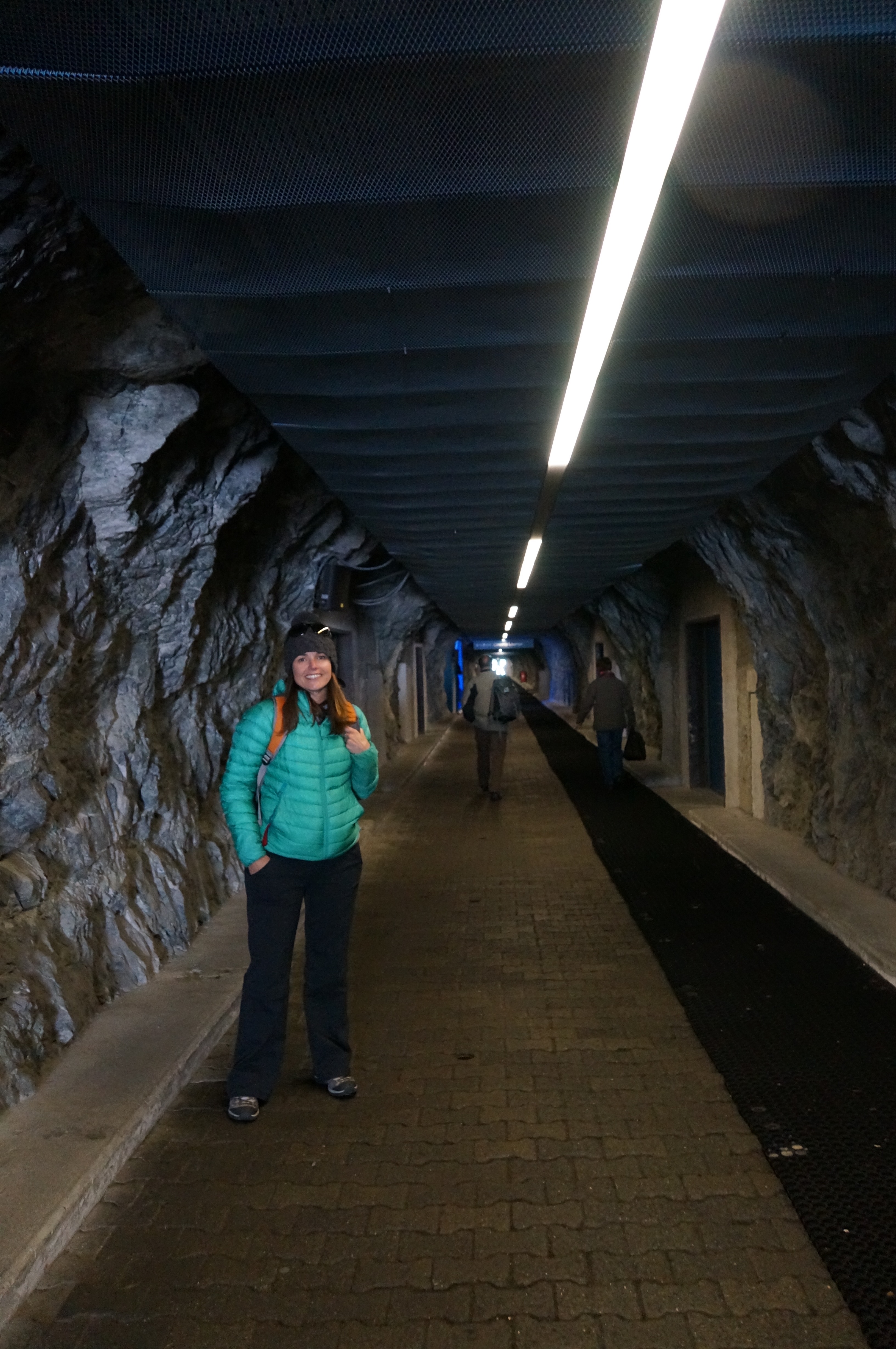
Astrid in the glacier cave tunnel


Mini Matterhorn

Mini Matterhorn

DSC01478DSC01472

DSC01453

DSC01284

DSC01419

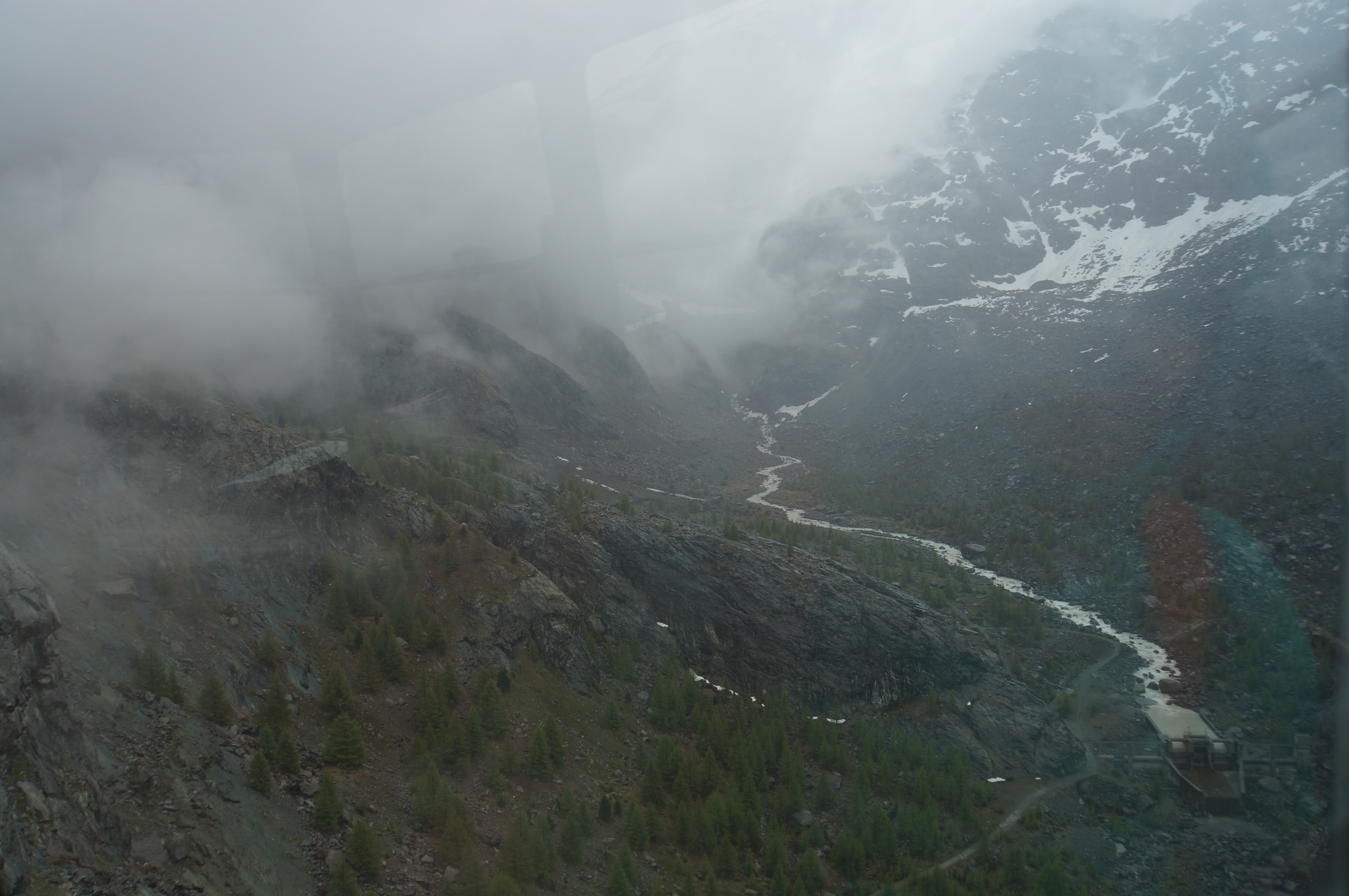
We had originally intended to descend only to the mid-point and then hike out to town in the cool but decent weather we had left on the ground. We quickly realized as we began our ride down through snow and then rain that we would need to abort that plan. As we got closer and closer to town the rain came down heavier and heavier. It was a teaming, wet walk back to our hotel, but we were sure glad we’d started the day as early as we did – I don’t think we would have wanted to miss that for the world.

IMG_6150 IMG_6152

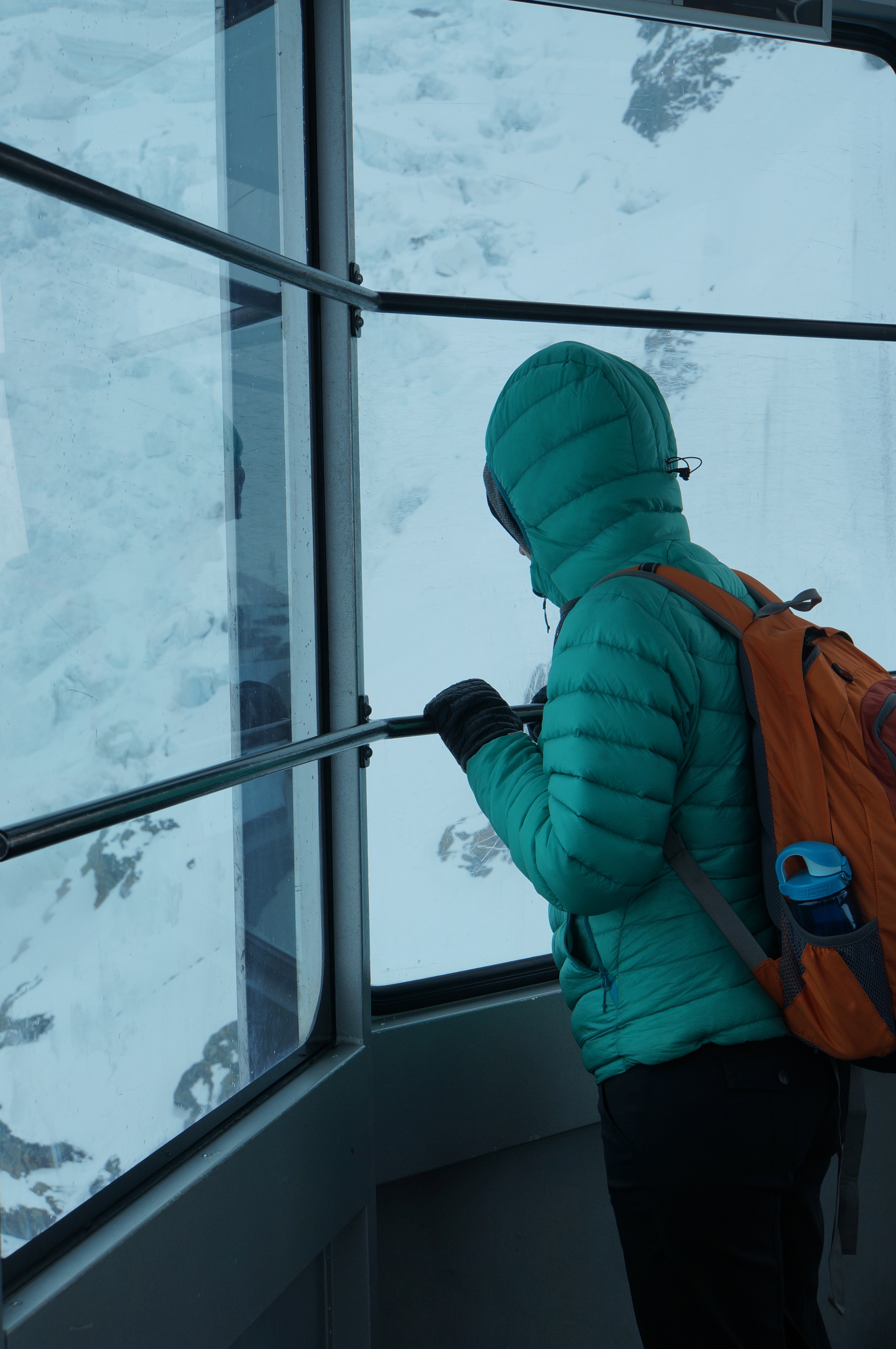
Starring hopelessly out the gondola window at the rain and snow. So much for our hike out.

Starring helplessly out the gondola window at the rain and snow. So much for our hike out.


The low cloud had arrived as we got back to the village and at that point, it was here to stay

The low cloud had arrived as we got back to the village and at that point, it was here to stay

DSC01295

Spring flowers peaking out - ready for the fine weather to return

Spring flowers peaking out – ready for the fine weather to return


Spring in Zermatt

Spring in Zermatt


Typically village-side view

Typically village-side view

IMG_6281

We agreed that night – after checking the forecasts – that going further into Switzerland simply wasn’t a good idea.

The weather called for ice, snow, rain, low cloud and overnight temperatures below the freezing mark. Hell, we can get that in Alberta in May, we thought, and knowing it was 25 and sunny in Italy we made our move.

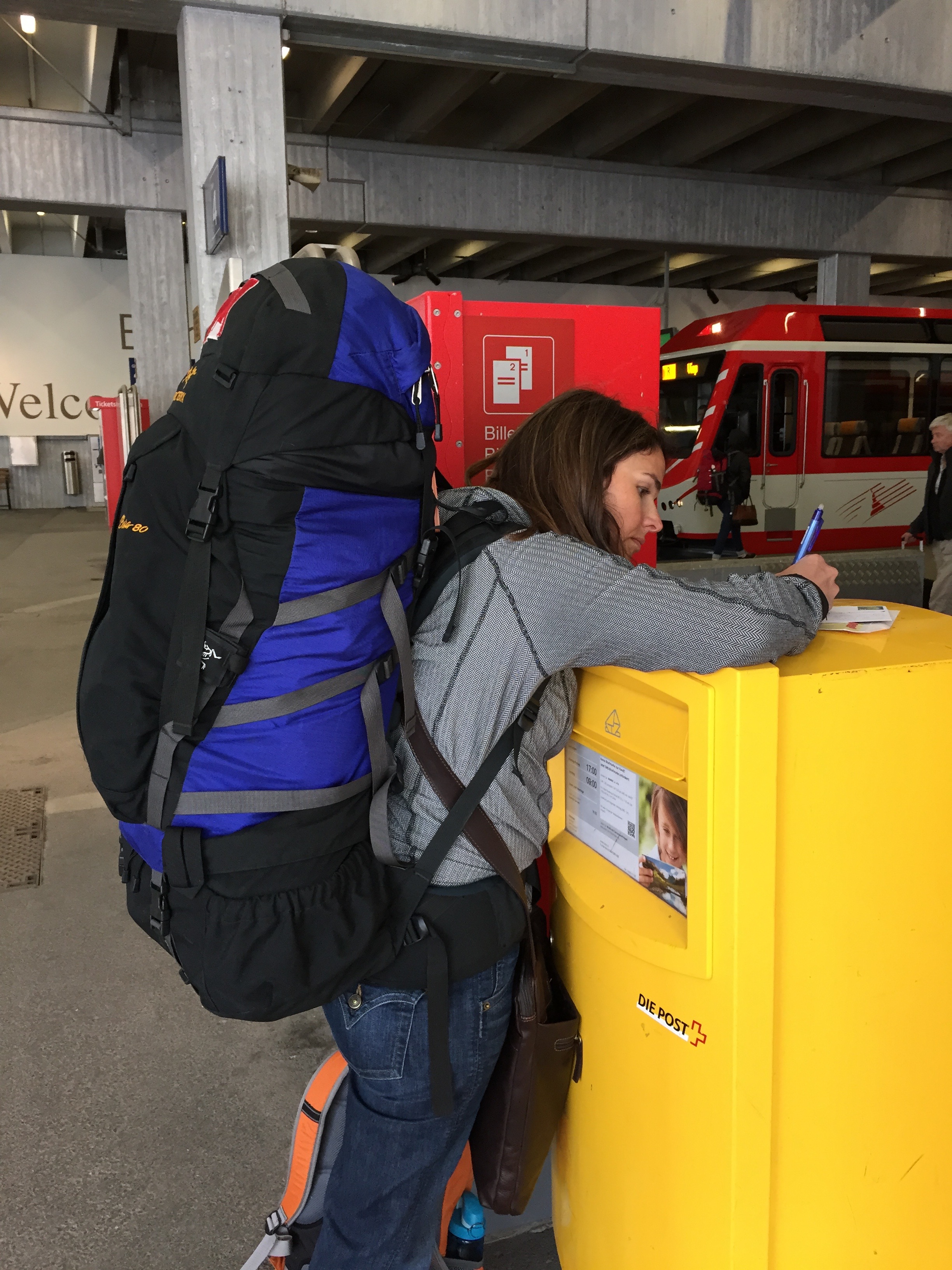
Not that we wrote our postcards AT the mailbox....at the train station in Zermatt.

Not that we wrote our postcards AT the mailbox….at the train station in Zermatt.


The ever so efficient Swiss rail system. Taking us back to Visp en route to Florence.

The ever so efficient Swiss rail system. Taking us back to Visp en route to Florence.

Next up – adventures from Florence. Stay tuned….

CKD

Writers note: Our friends at Wikipedia assisted with facts and history for this post. Writer has cited where referenced as possible, but for more information and a complete look at Zermatt, visit https://en.wikipedia.org/wiki/Zermatt


Leave a comment

Birds Eye View from Chamonix

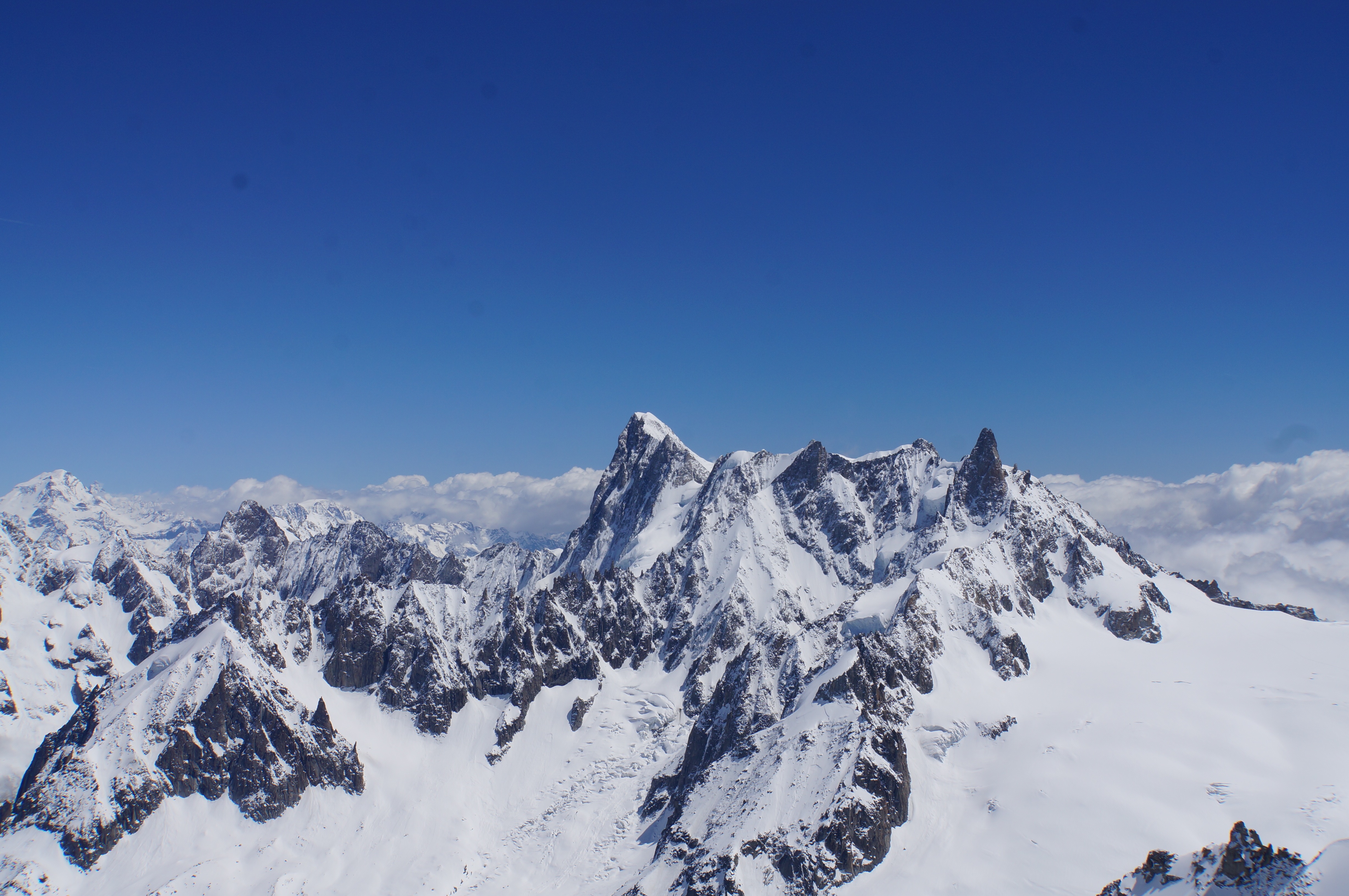
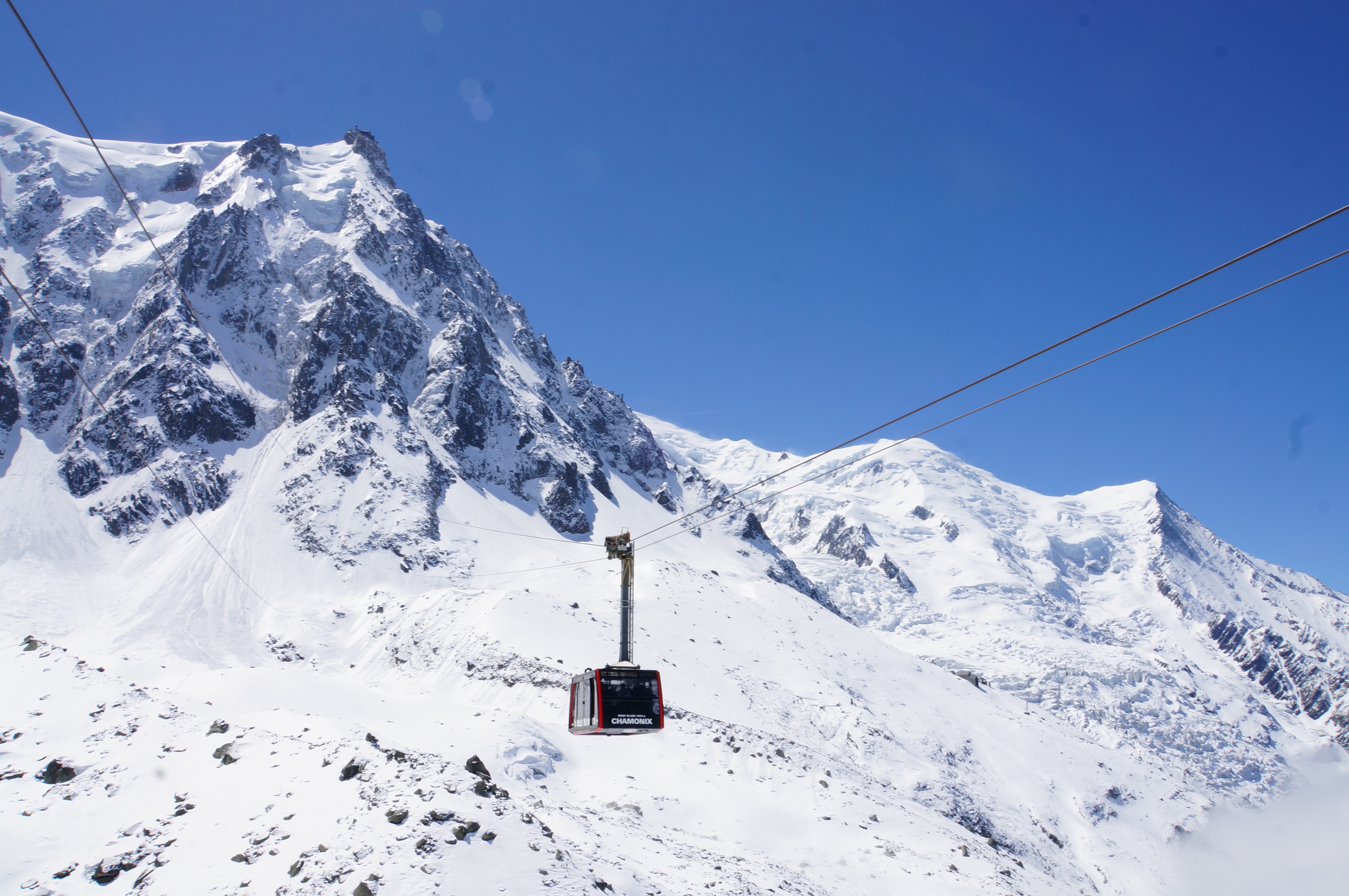
While we covered our time in Chamonix, France fairly extensively while we were on the road. Upon returning to Calgary and uploading my SLR camera files, I found some pretty great shots that I thought were worth sharing with those still following along with our adventure.  The similarities to BC mountains and the spectacular mountain views of Canmore here in Alberta seem to be how I describe our time there. Hope you enjoy these shots – certain brings back the awe and amazement of that portion of our trip. So beautiful.

DSC00583

DSC00491DSC00602

DSC00550 DSC00483

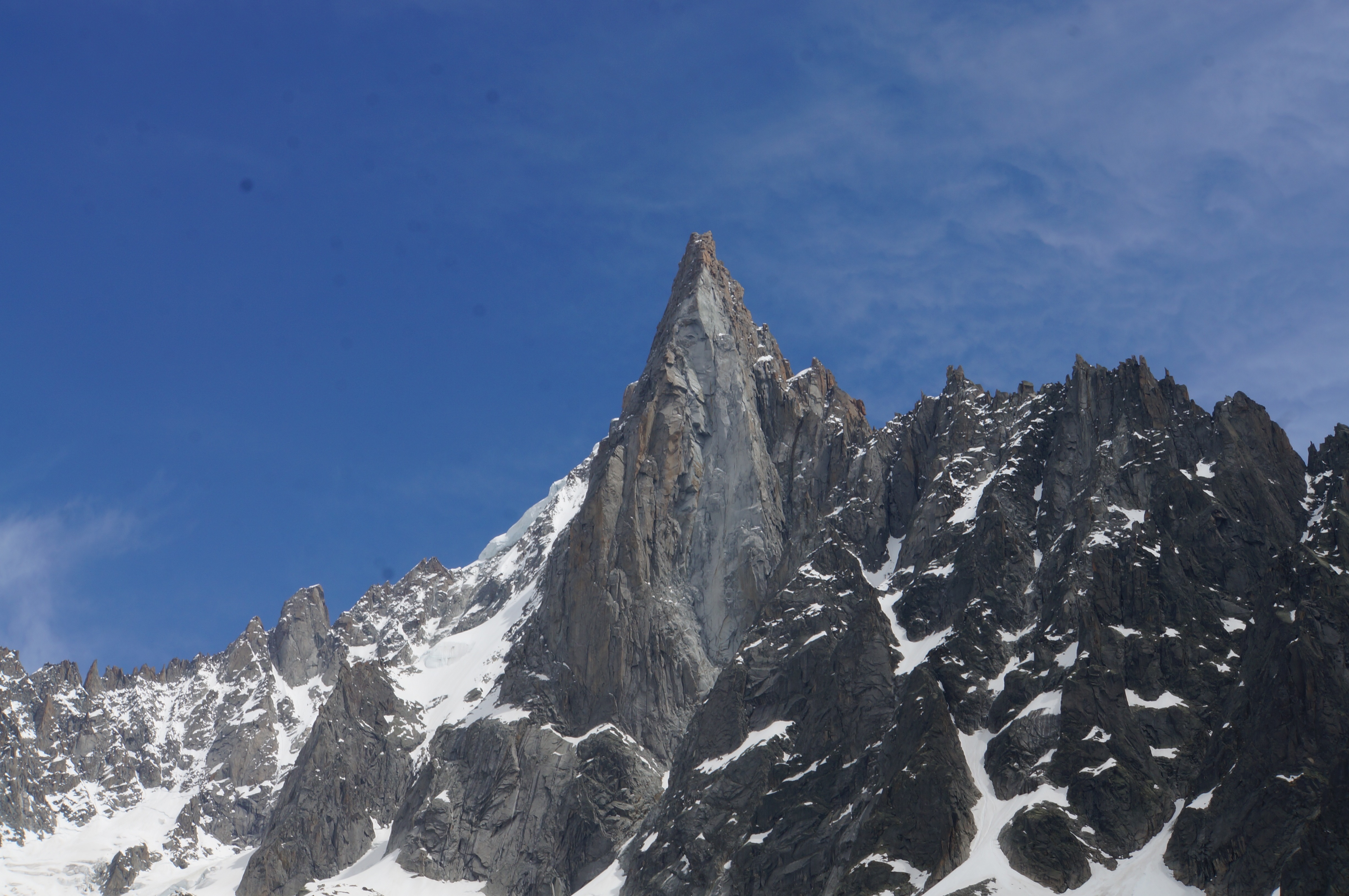
Le Dru

Le Dru

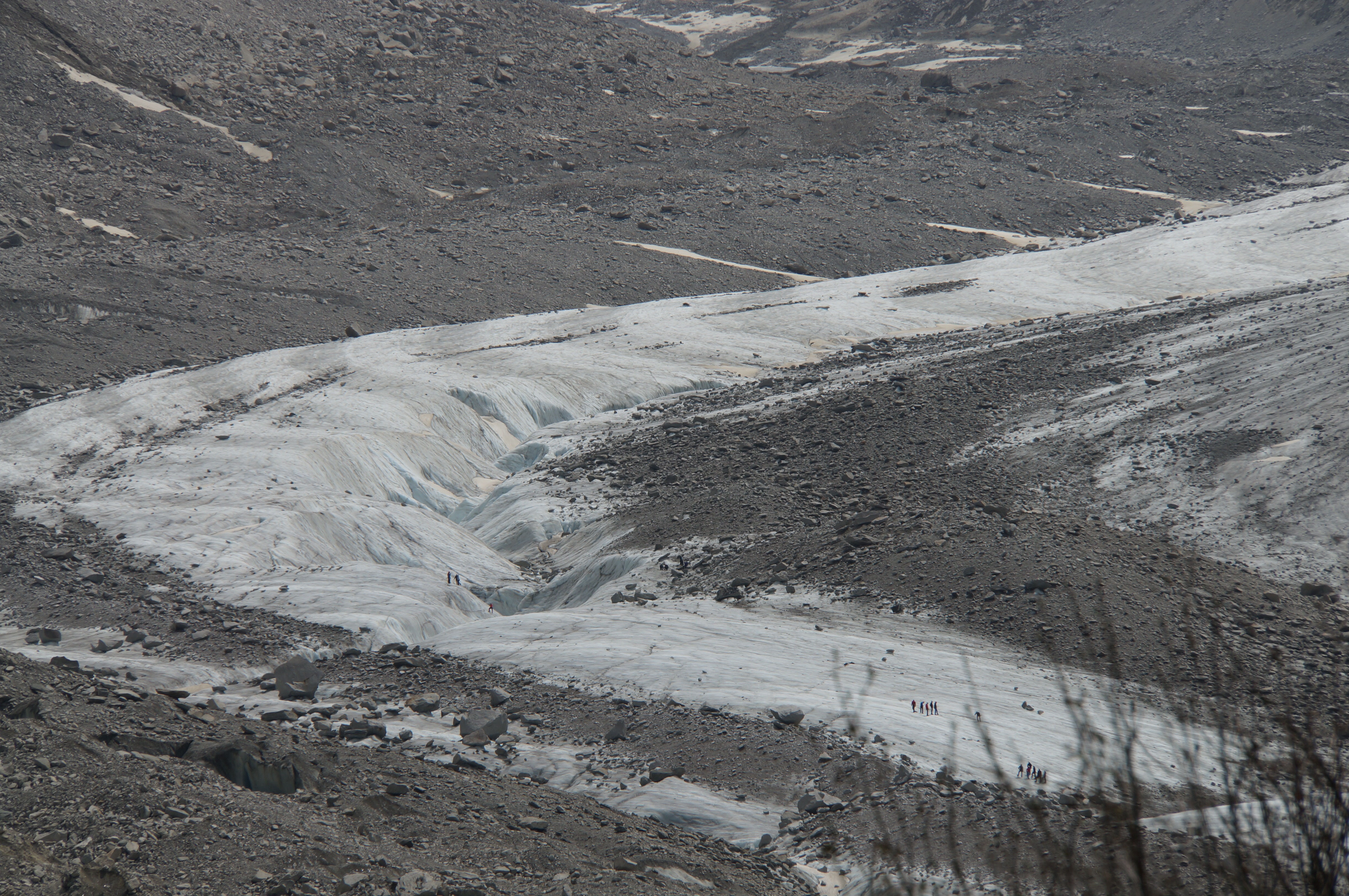
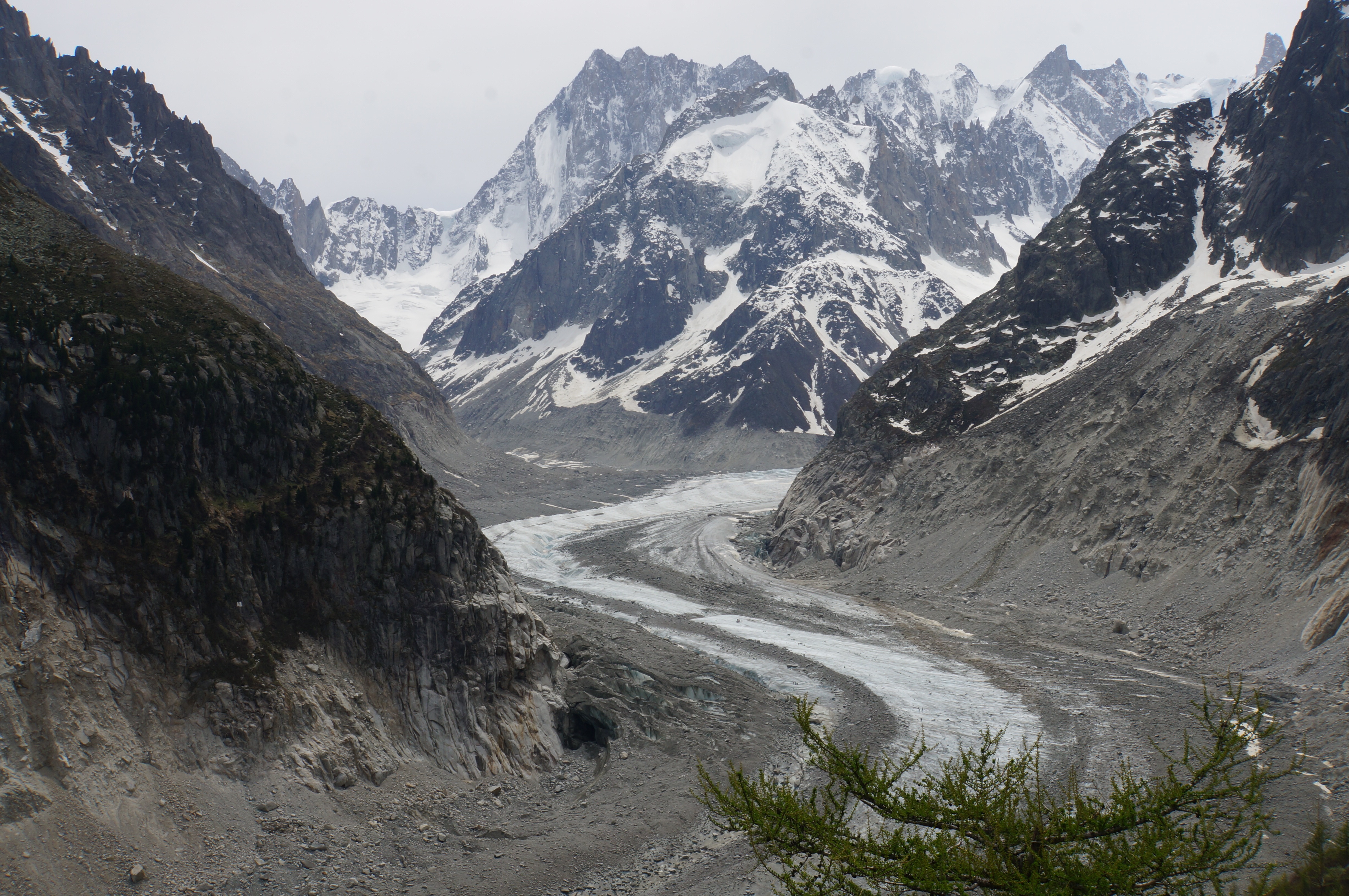
Close up shot of the glacier much further receding than I would have expected.

Close up shot of the glacier much further receding than I would have expected.


DSC00453

Mer de Glace

Mer de Glace

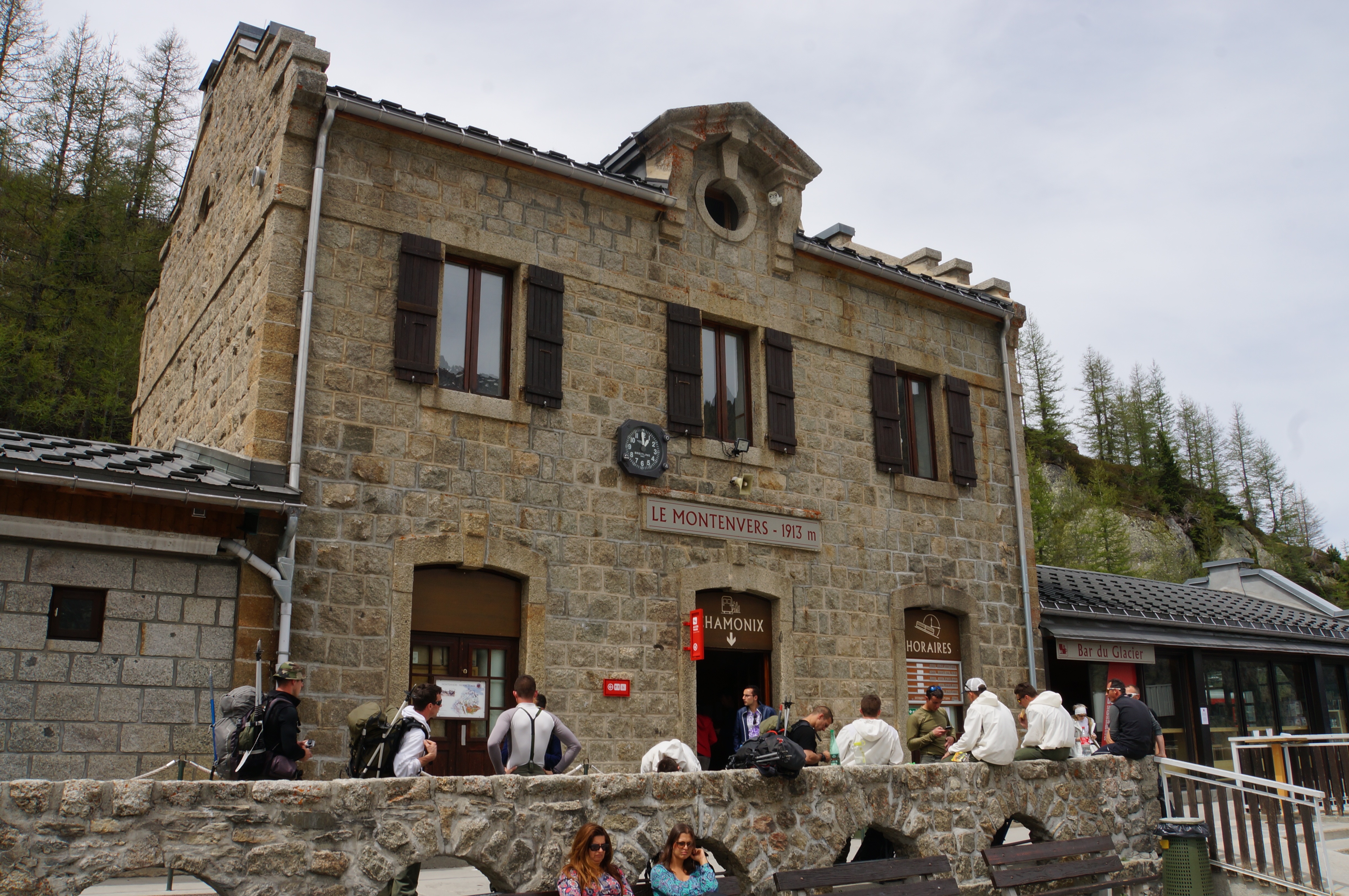
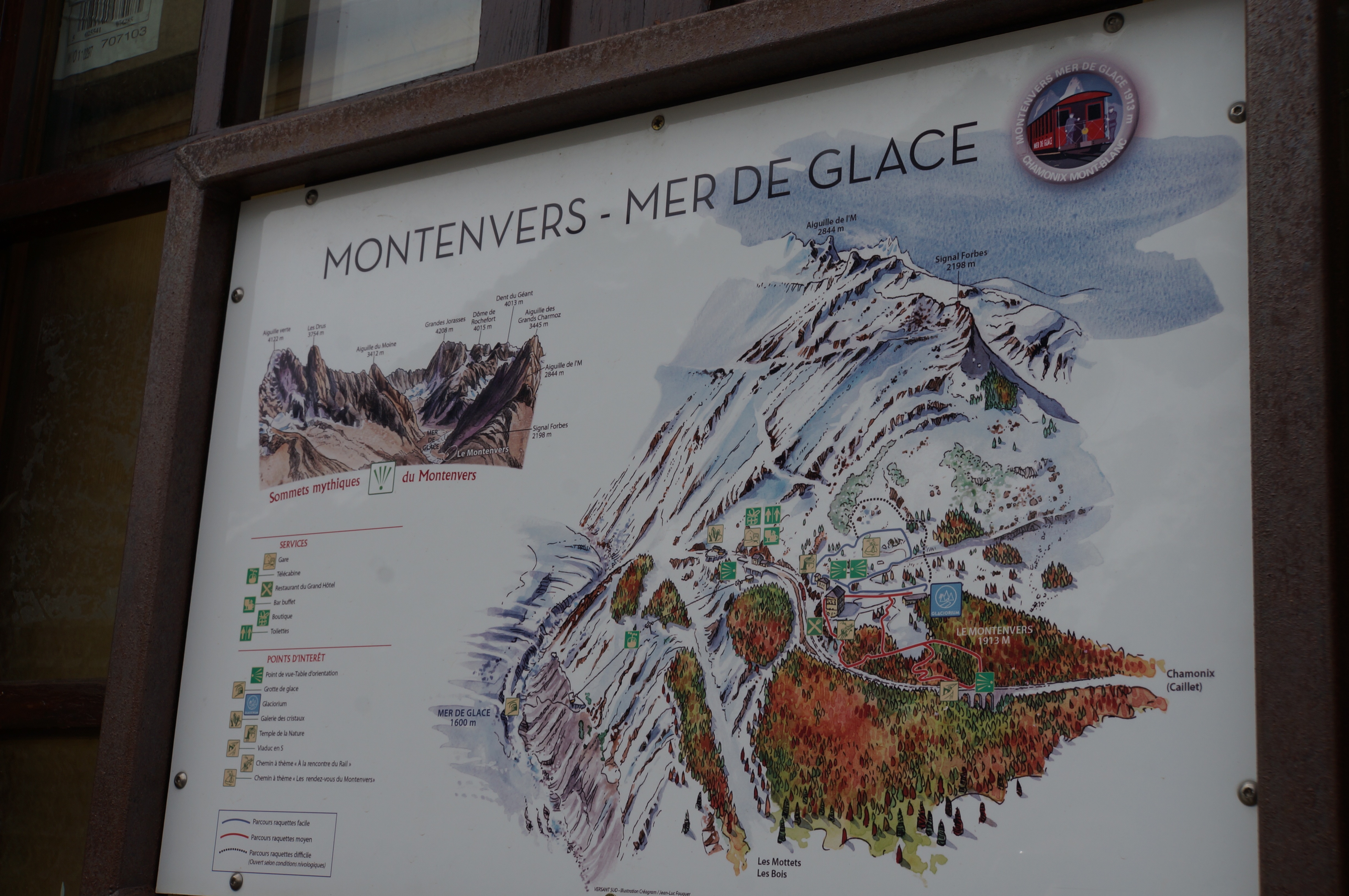
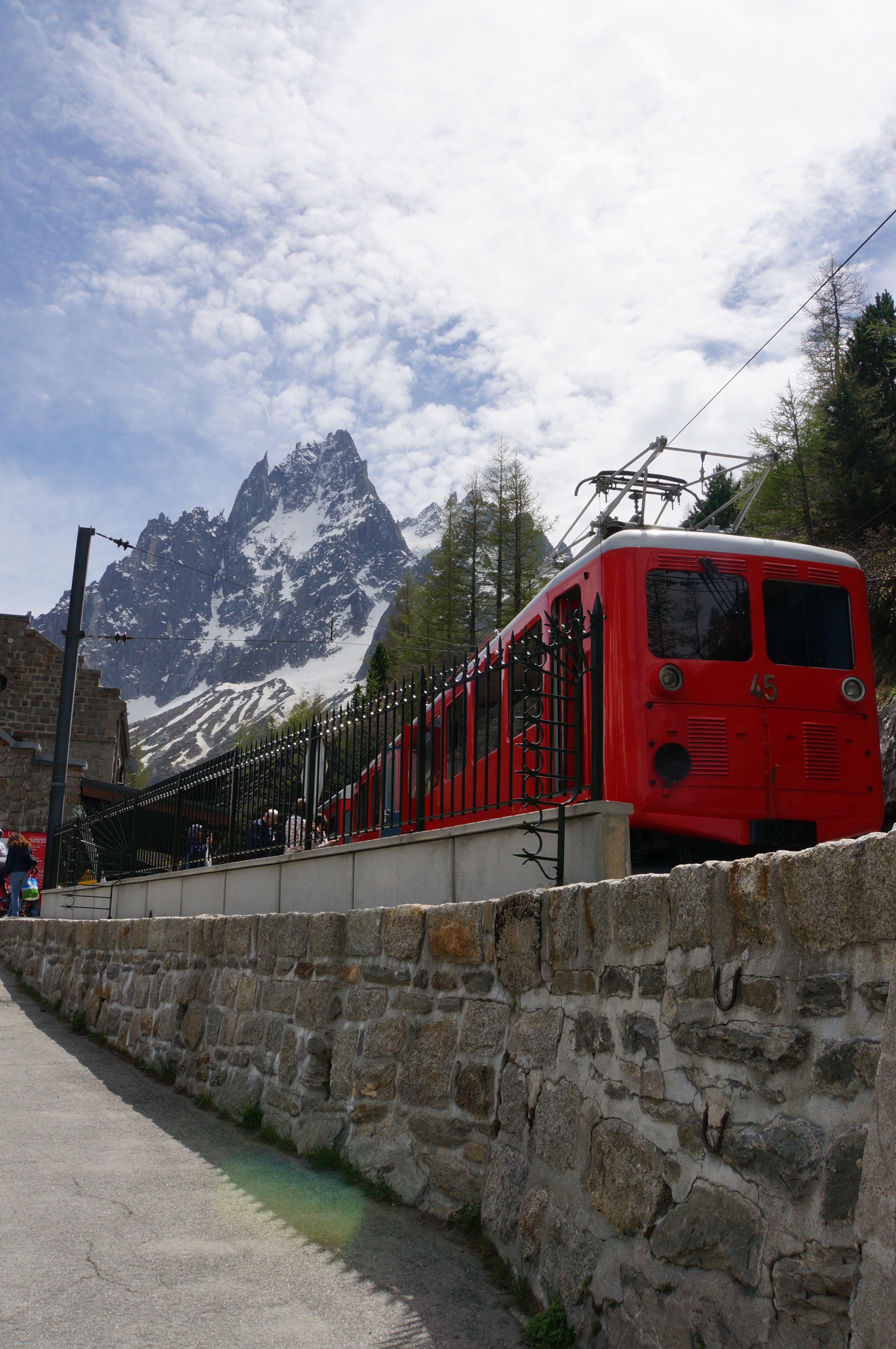
The train that took us up to  Montenvers where we enjoyed Mer de Glace and views of Le Dru

The train that took us up to Montenvers where we enjoyed Mer de Glace and views of Le Dru

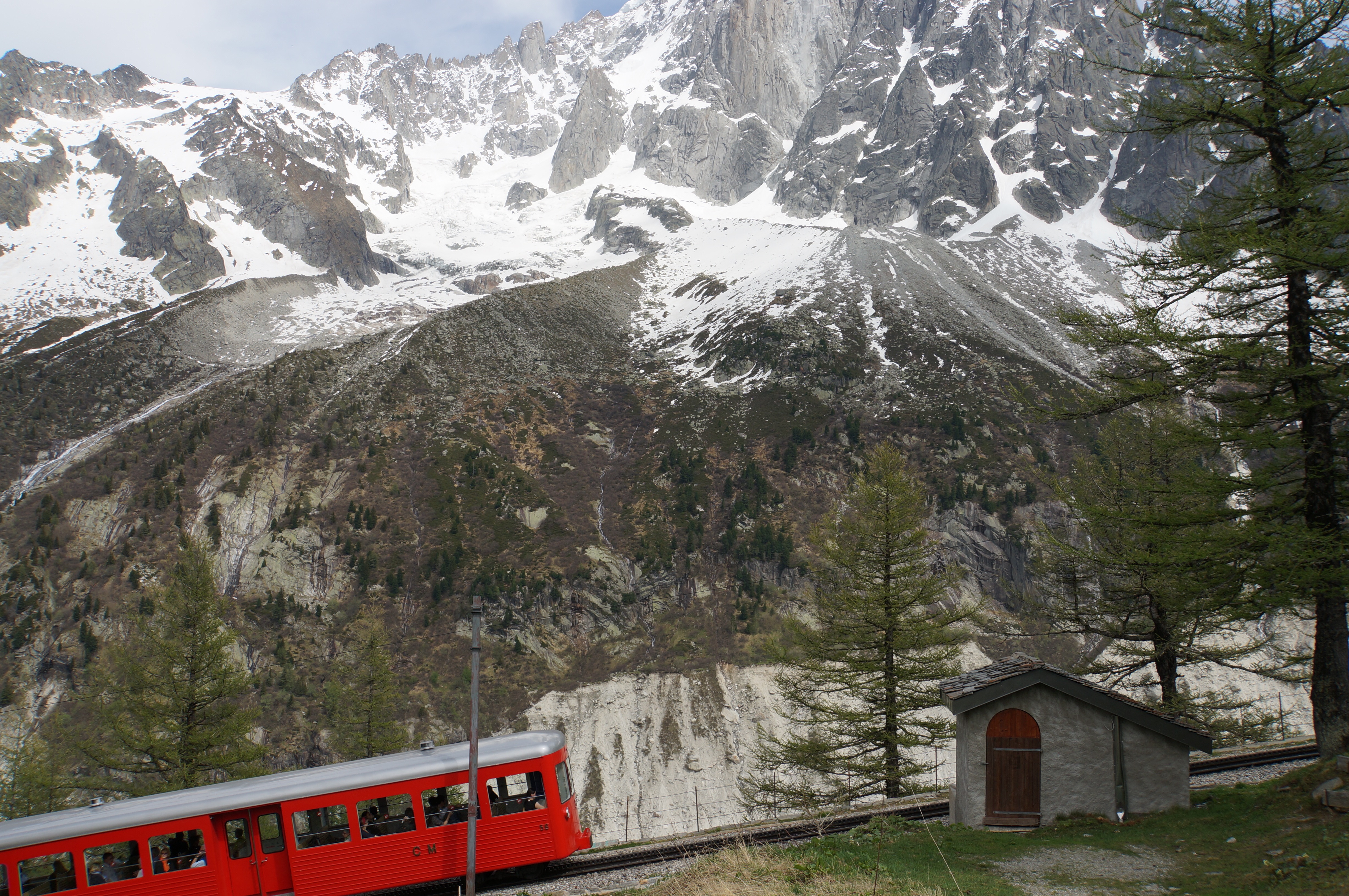
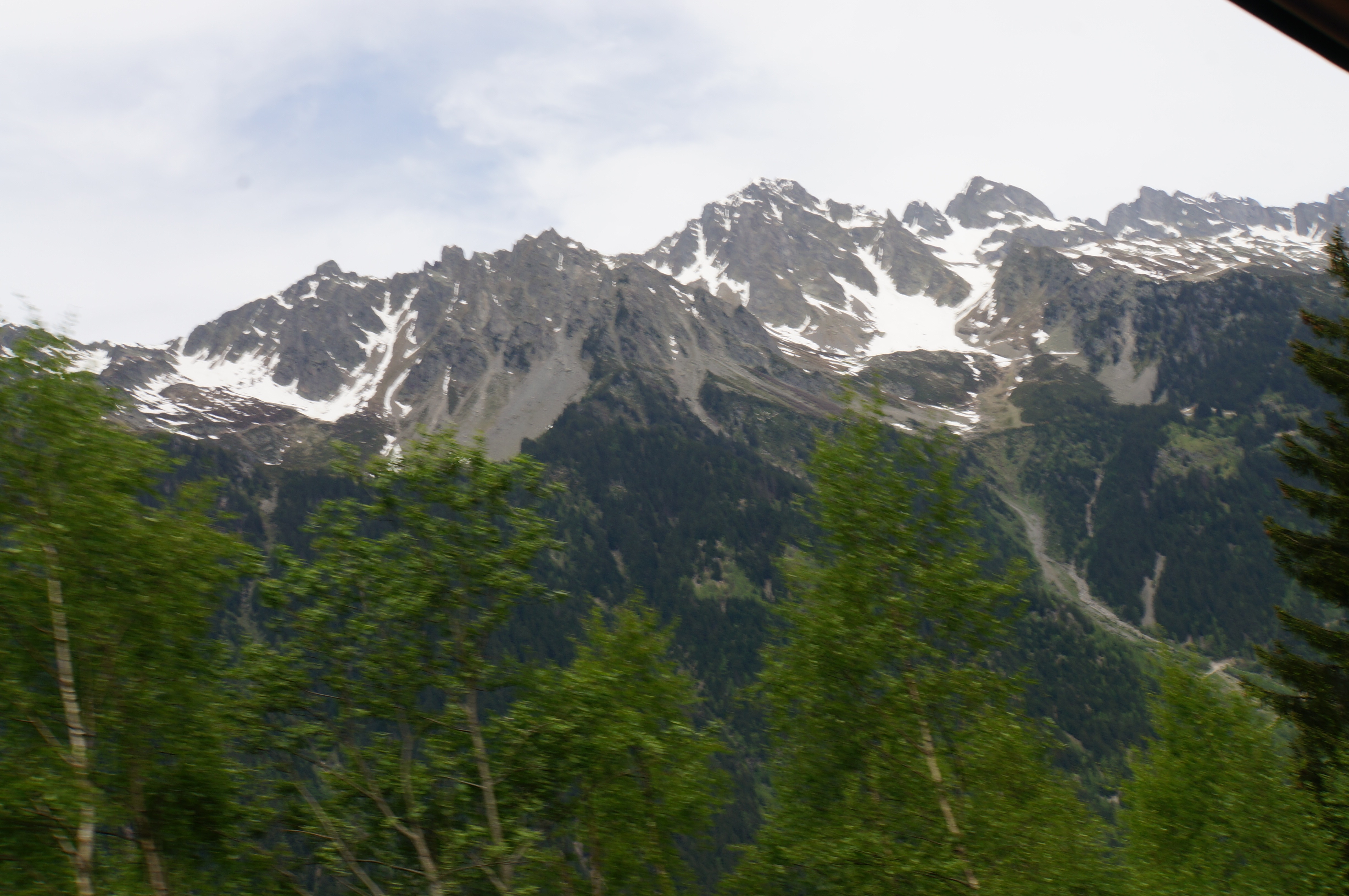
Spring has begun to appear on the mountainsides, as seen from the little red train.

Spring has begun to appear on the mountainsides, as seen from the little red train.


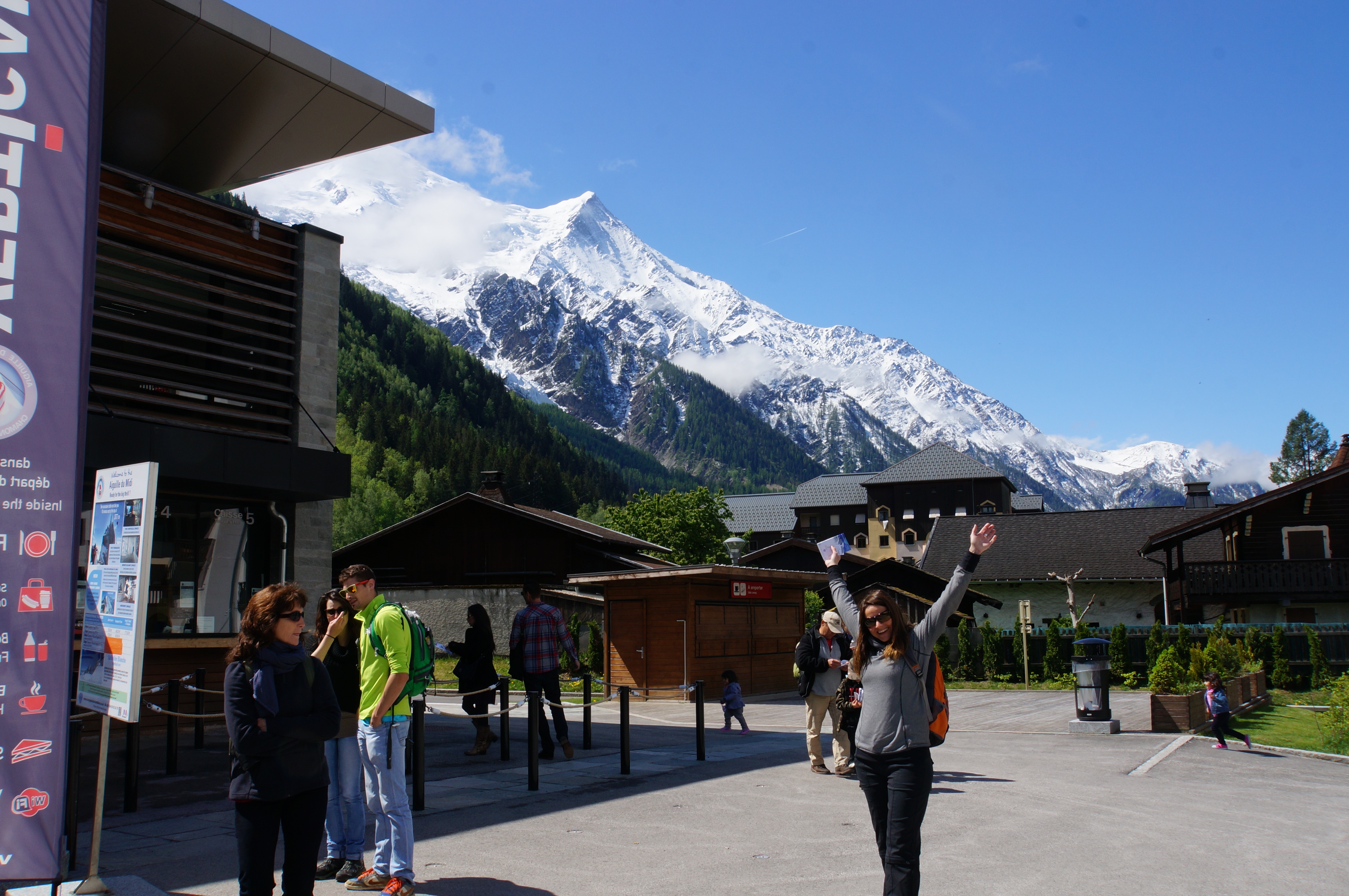
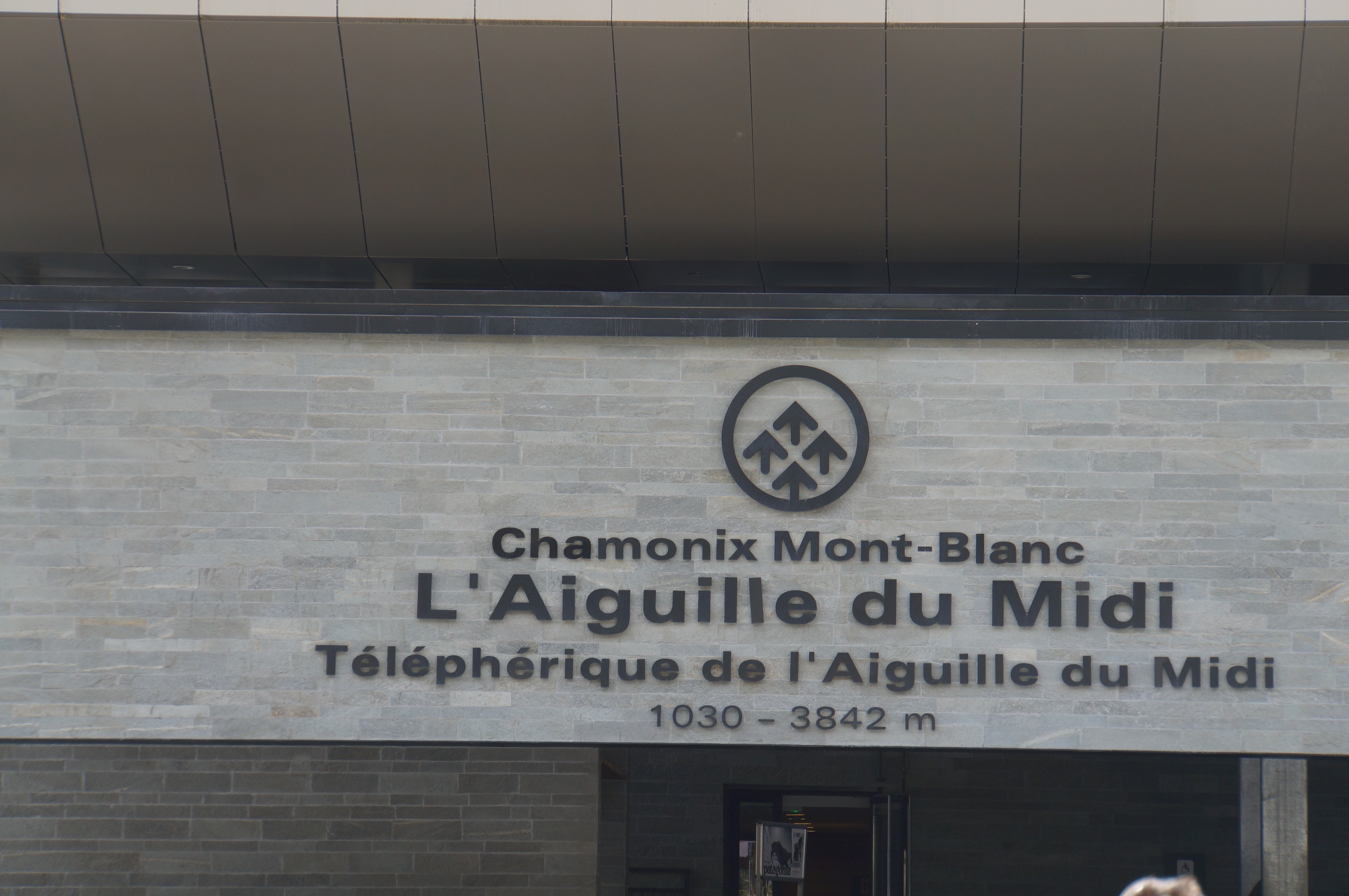
Astrid - excited to be in Chamonix - and about to head up to the Aigulle de Midi

Astrid – excited to be in Chamonix – and about to head up to the Aiguille de Midi

Astrid - reflecting....

Astrid – reflecting….

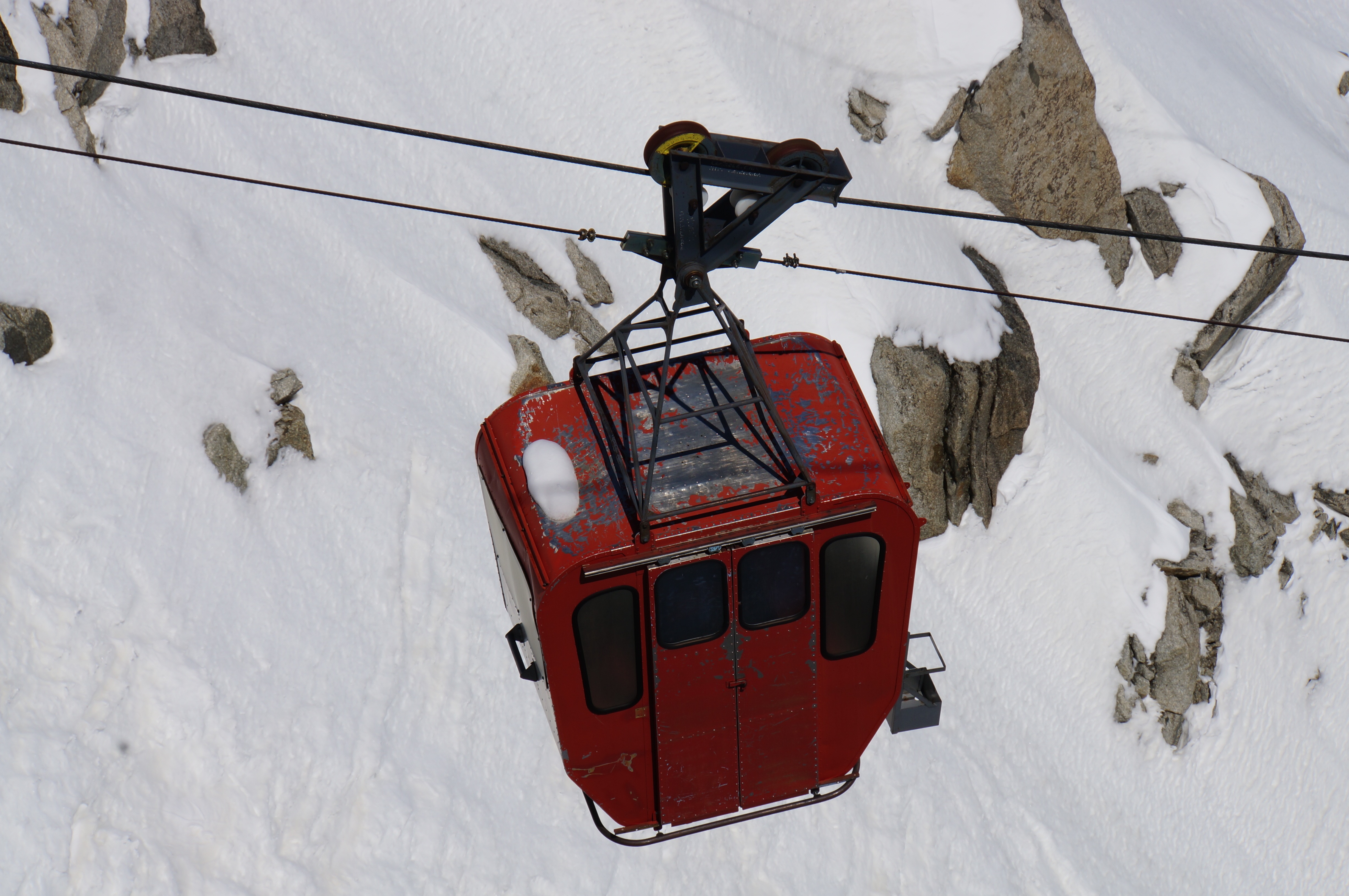
A gondola that was closed during our visit. Possibly the one that could have taken us to Itlay for lunch?

A gondola that was closed during our visit. Possibly the one that could have taken us to Italy for lunch?

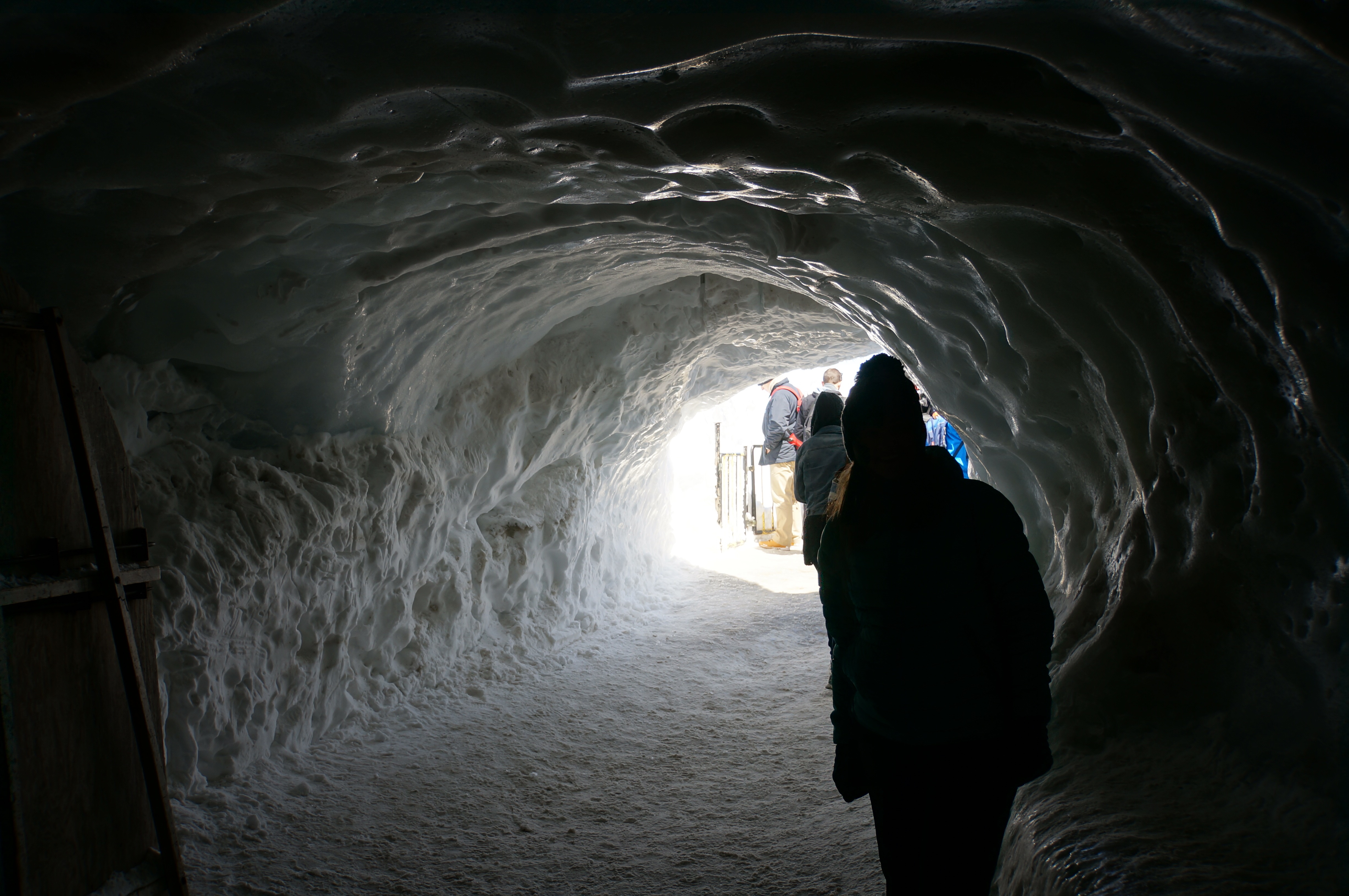
Heading out the tunnel

Heading out the tunnel

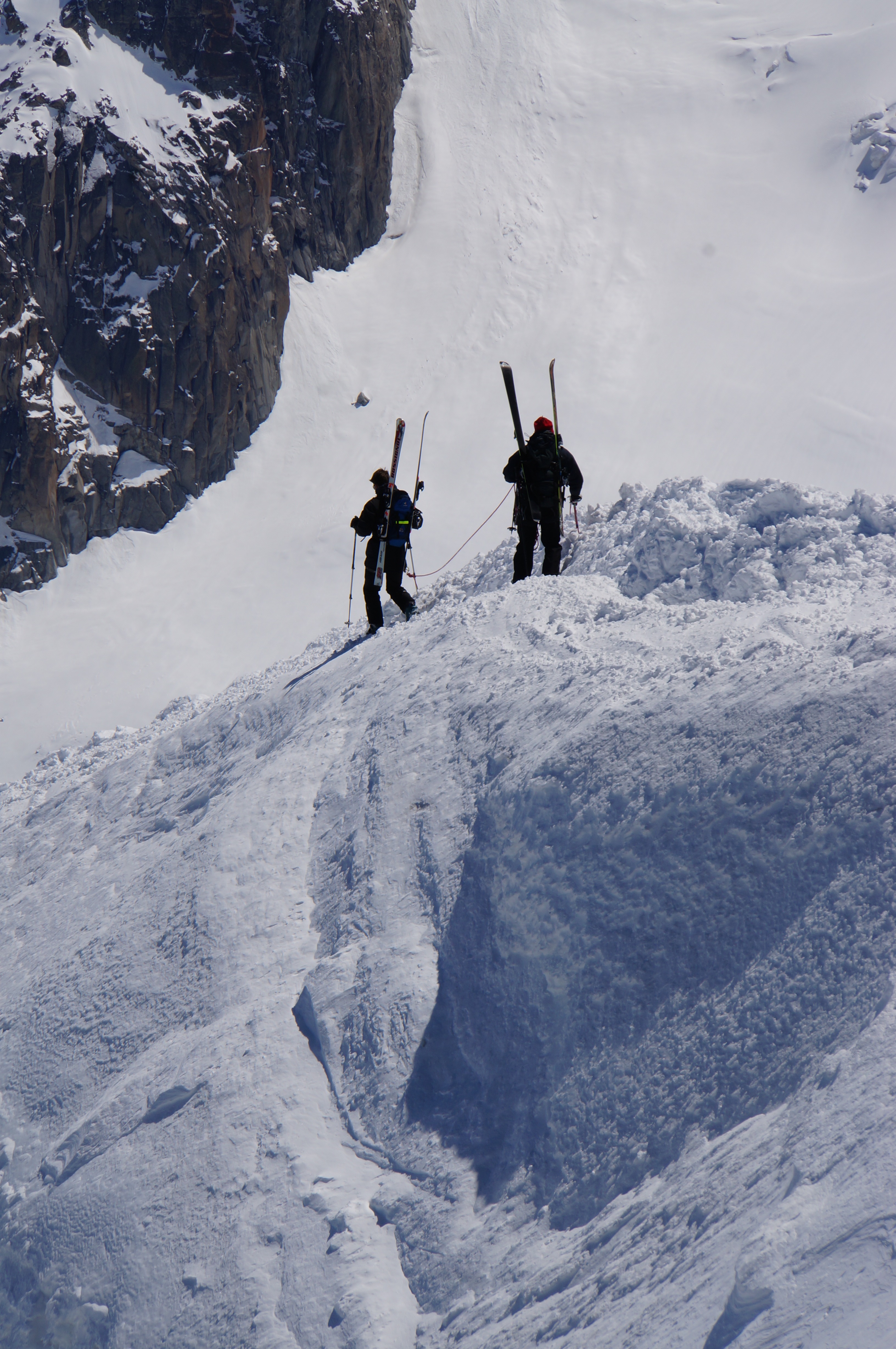
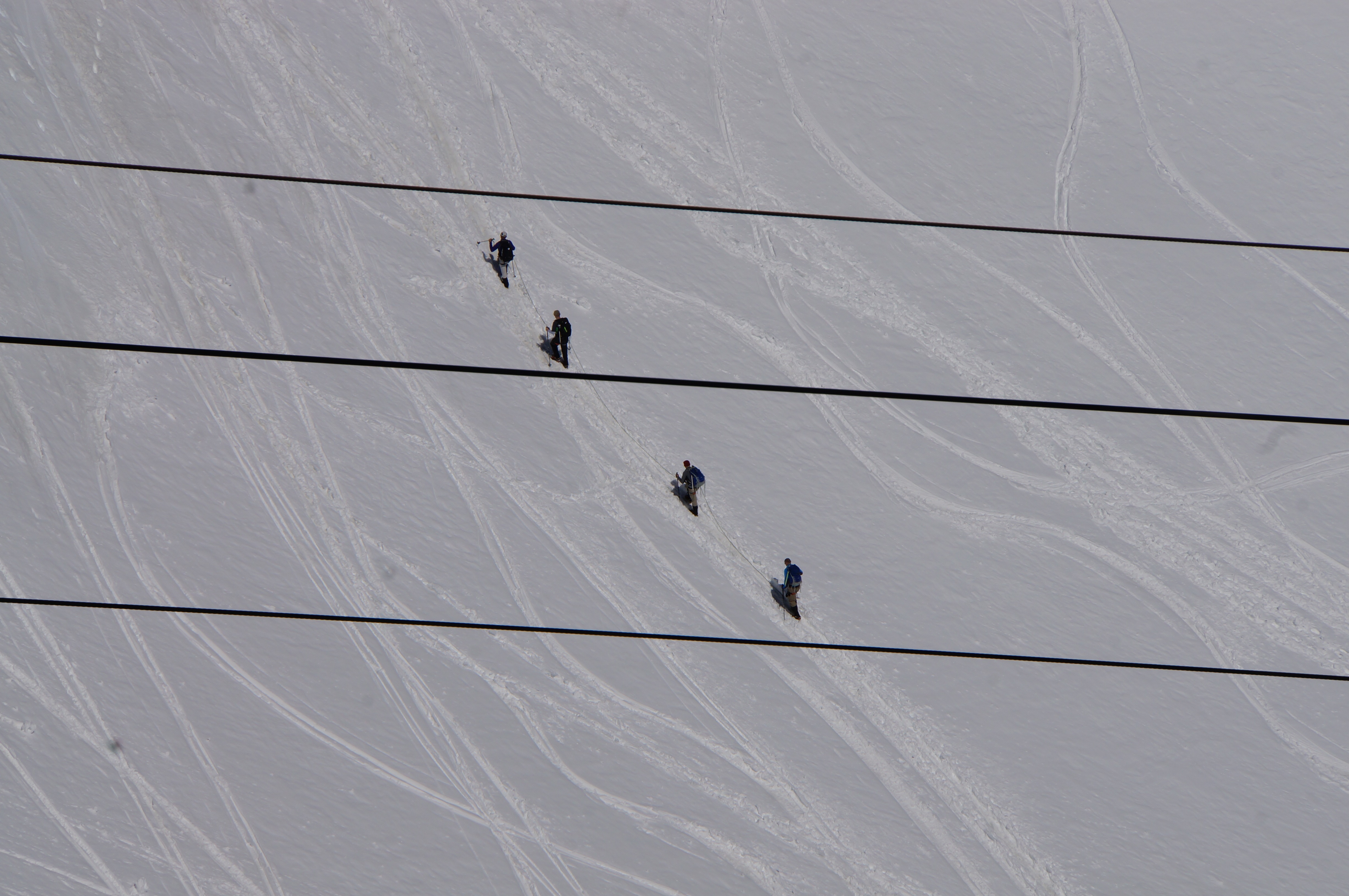
The tiny little figures getting ready to ski their favourite lines.

The tiny little figures getting ready to ski their favourite lines.

Skiers in action - makes my stomach drop

Skiers in action – makes my stomach drop

DSC00976

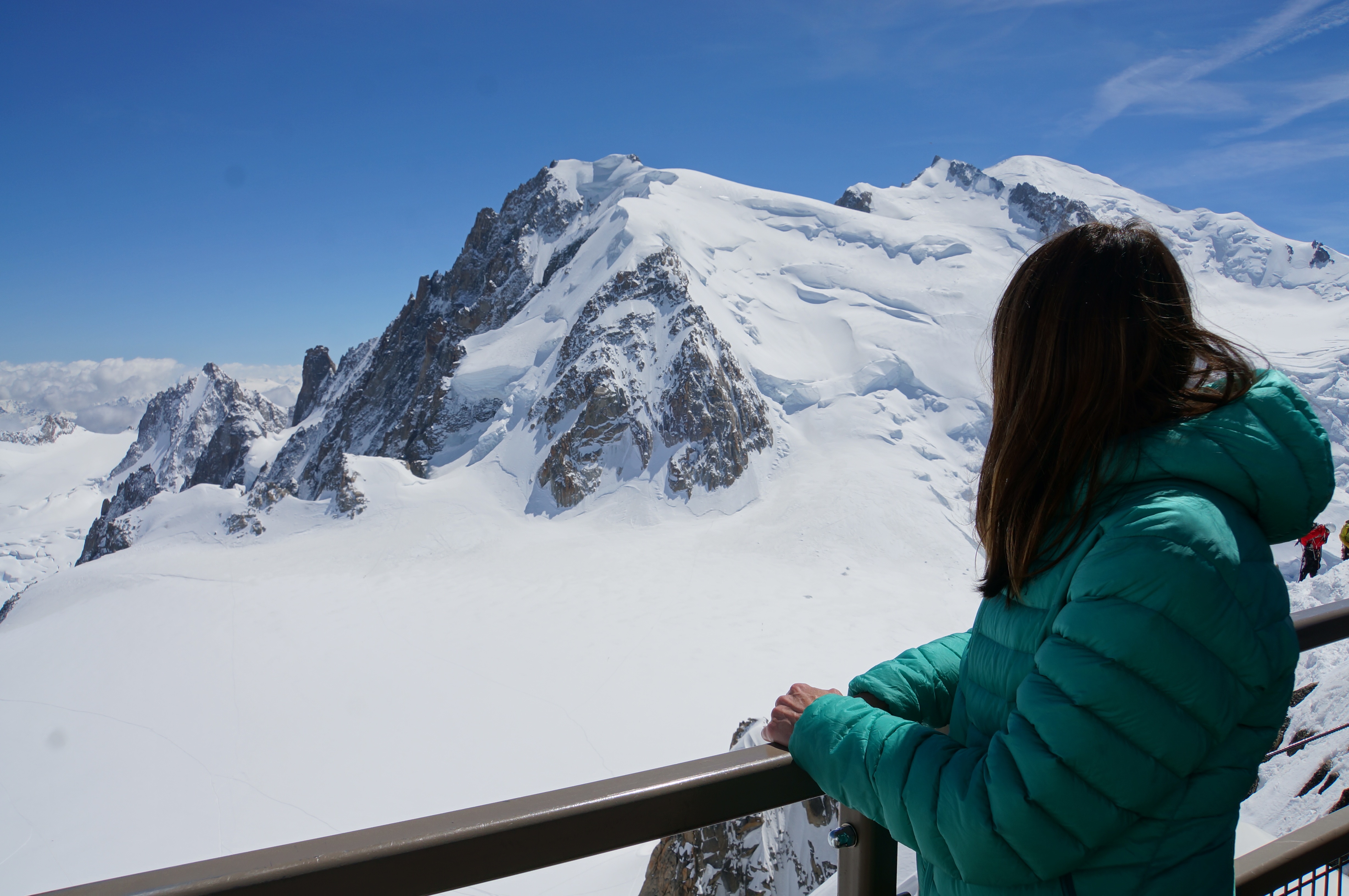
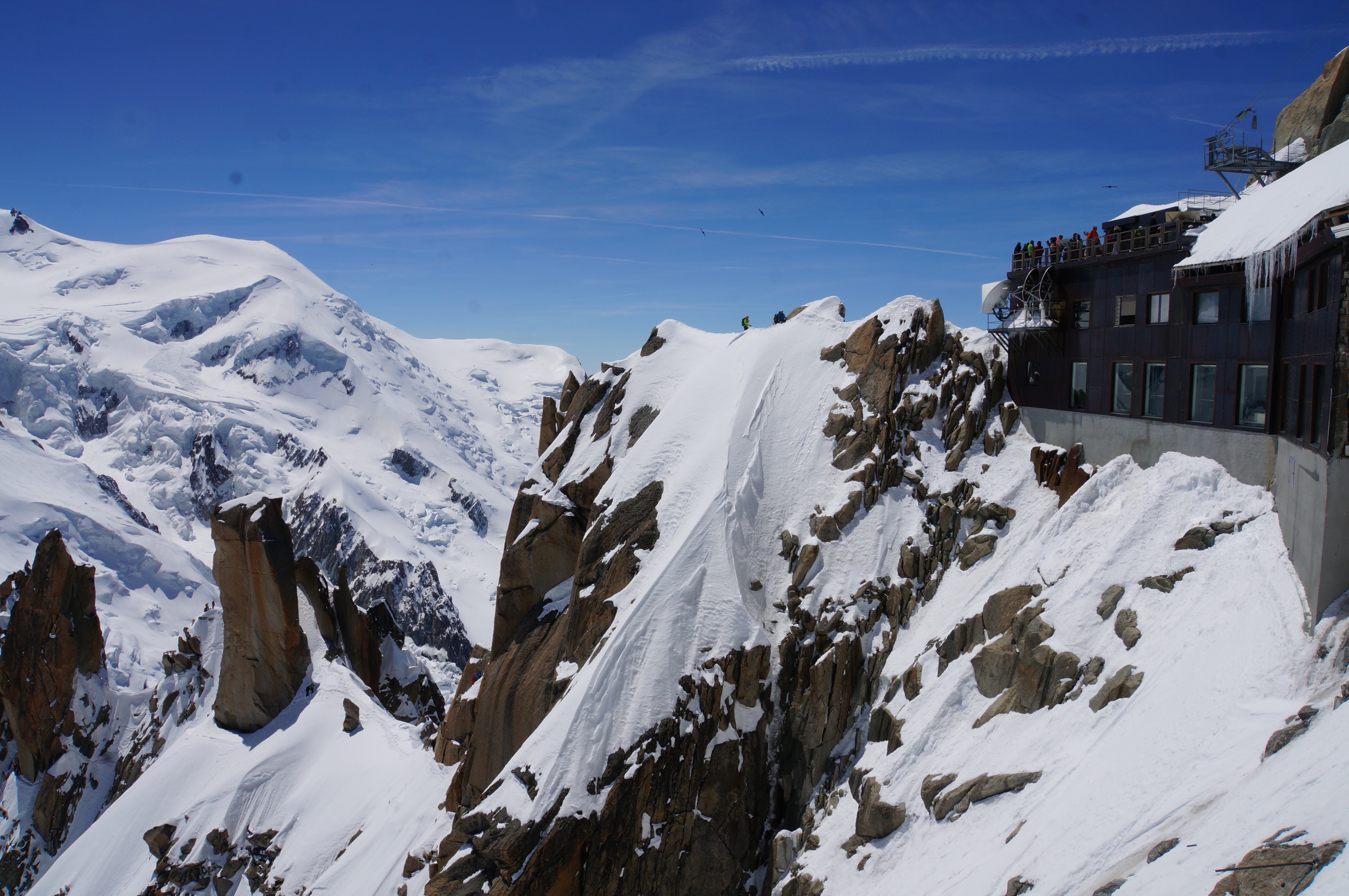
The view....I mean come on!

The view….I mean come on!

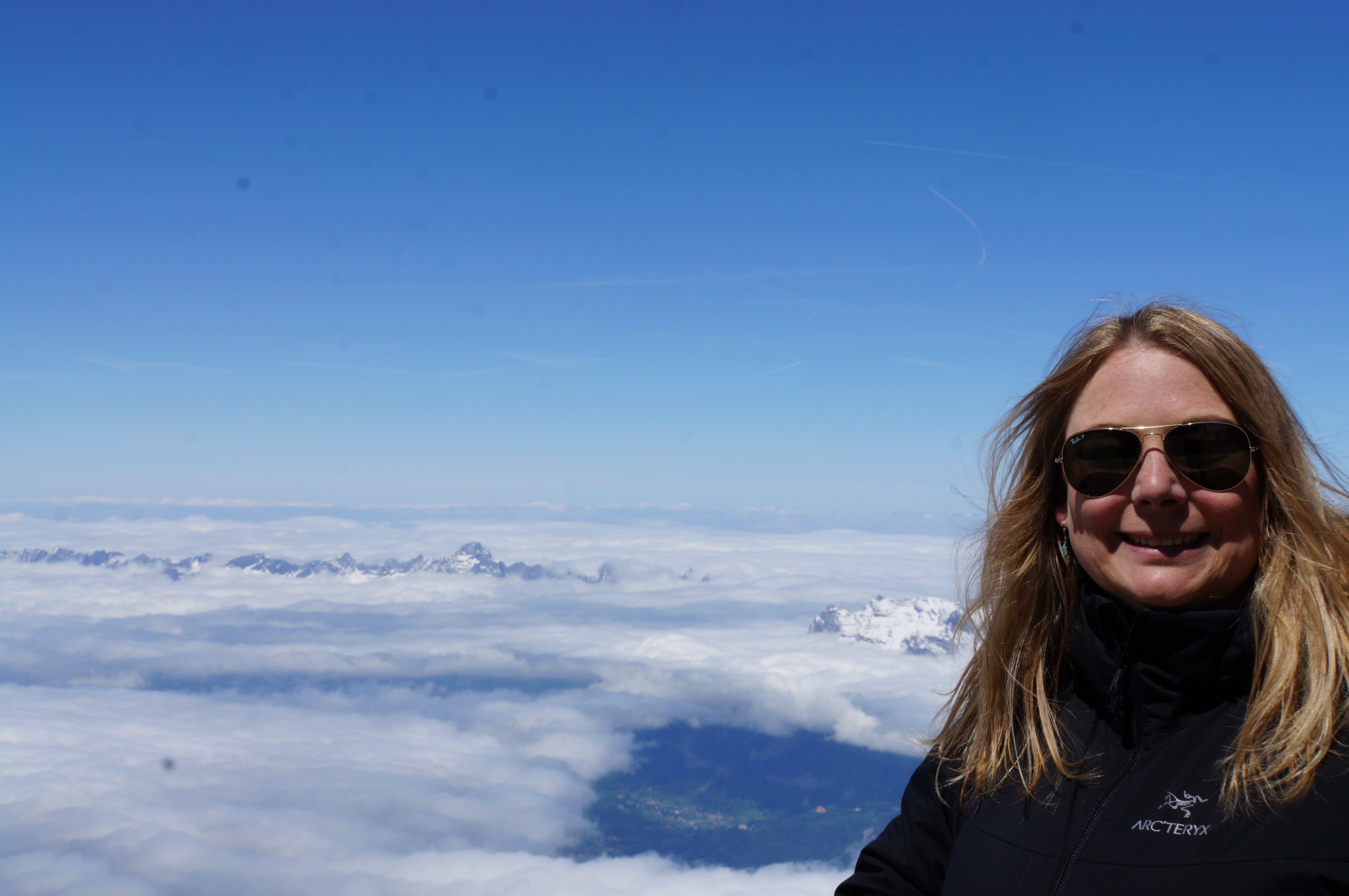
Me - taking in the view

Me – taking in the view

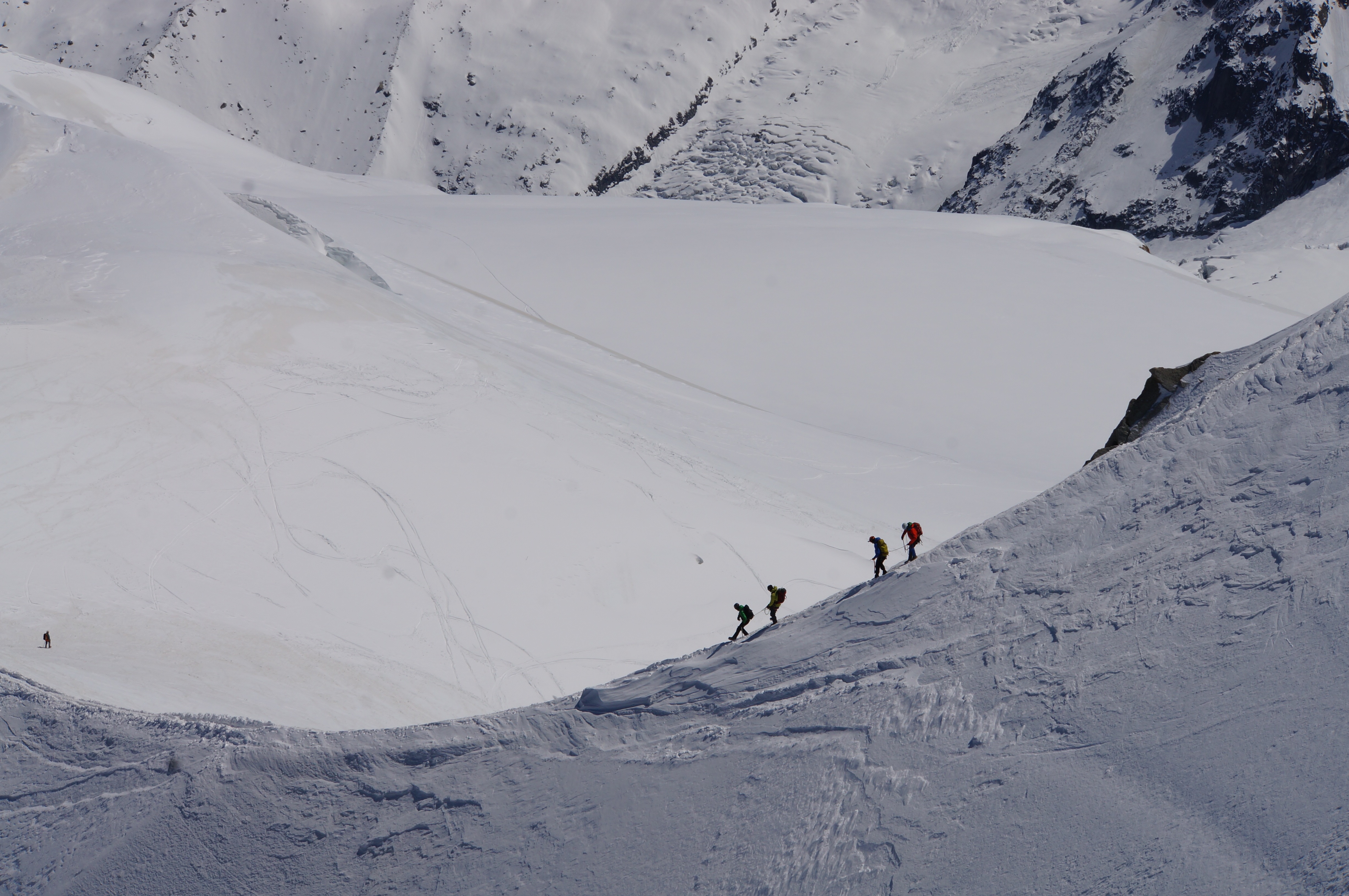
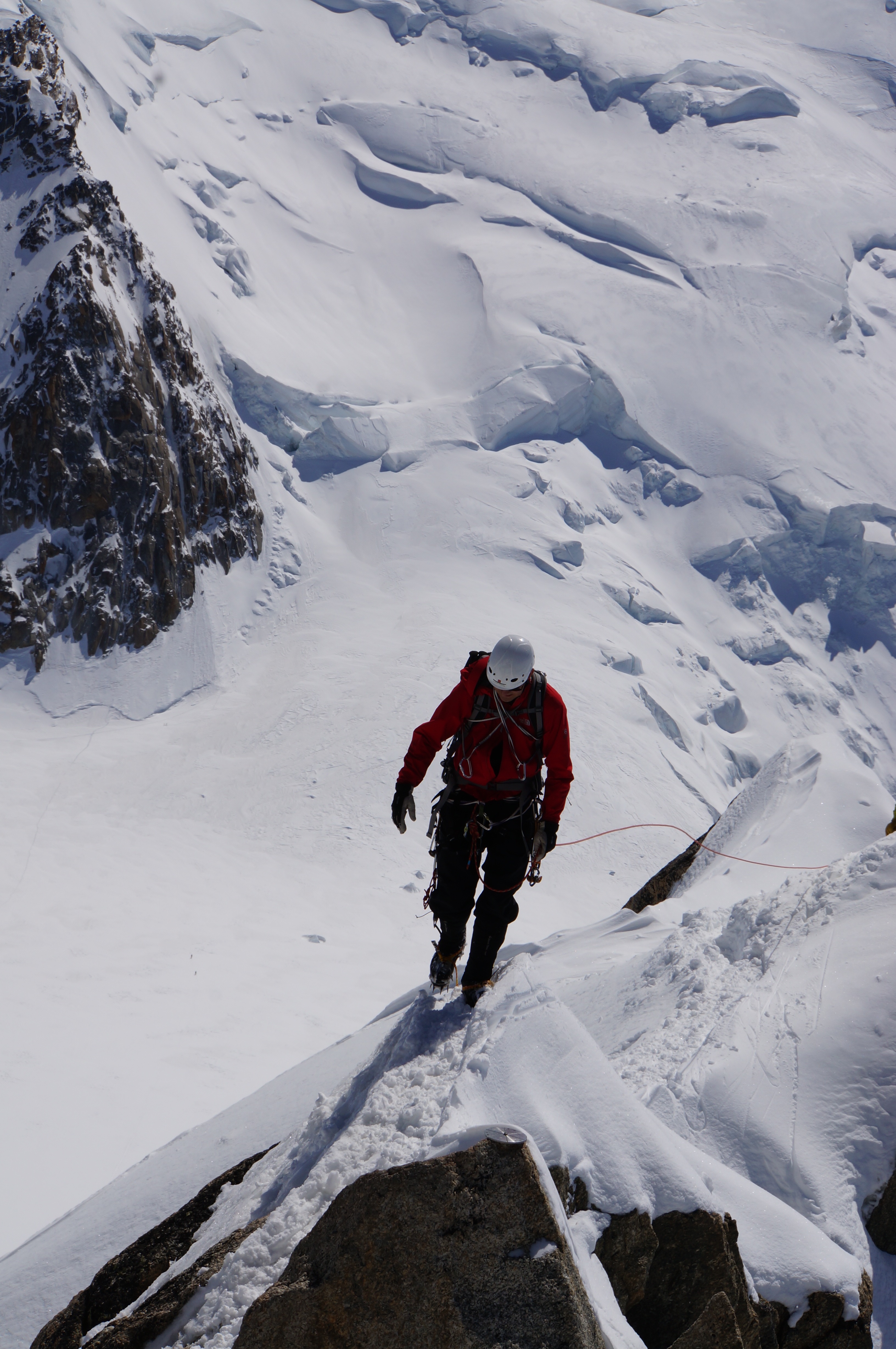
Mountaineers arriving at the peak

Mountaineers arriving at the peak


DSC00866

DSC00983

DSC01036 DSC01116

DSC01061 DSC00903

DSC01070 DSC00944 DSC00737

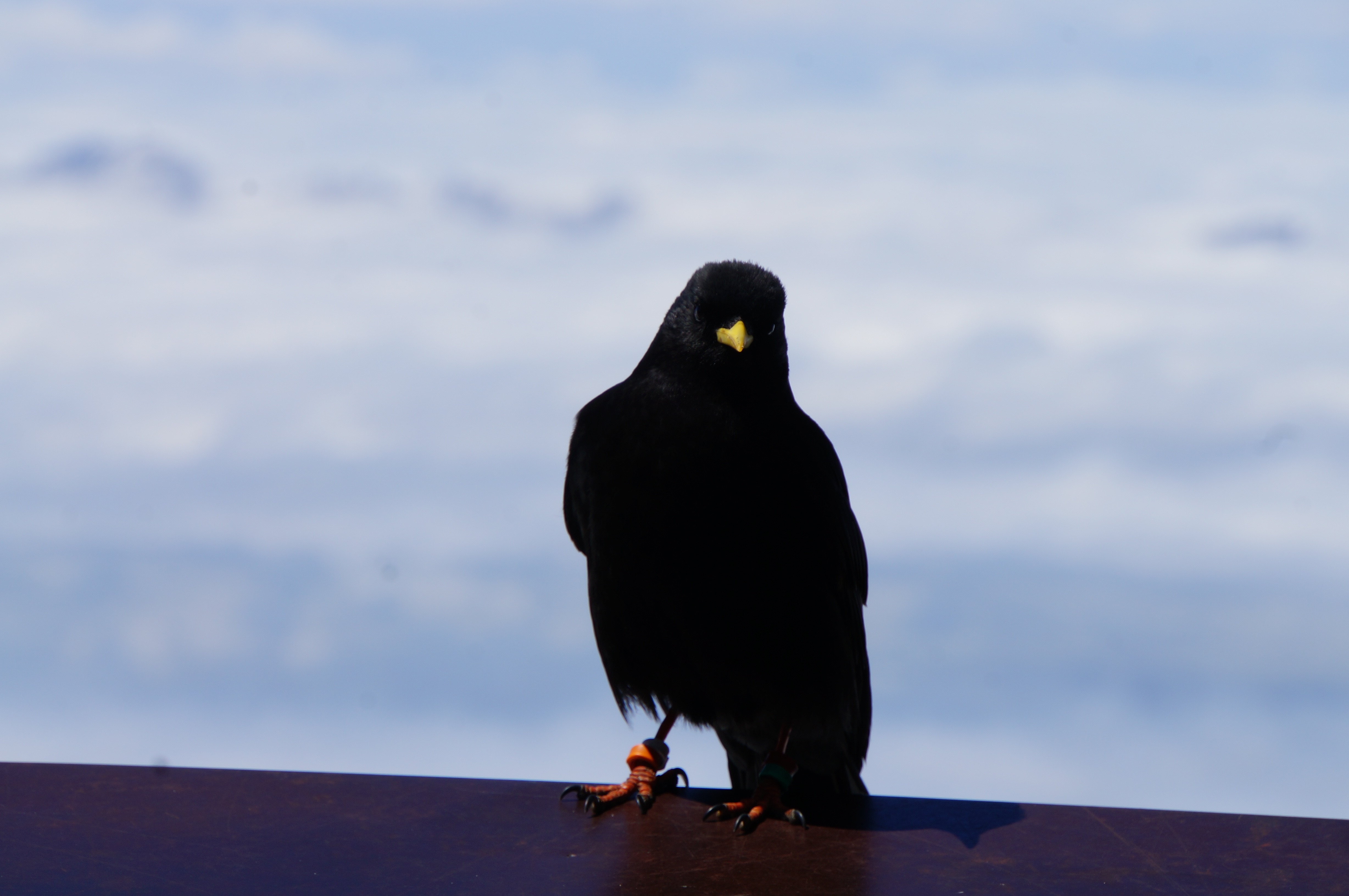
These birds are well known to soar the skies at the top of the Midi

These birds are well known to soar the skies at the top of the Midi

DSC01060 DSC01047 DSC01080

DSC00970 DSC00690

DSC00987

The mountains are like little islands rising up from the clouds, reminding us how freakin high up we actually are.

The mountains are like little islands rising up from the clouds, reminding us how freakin high up we actually are.

DSC00639 DSC01143
DSC00450

DSC00647


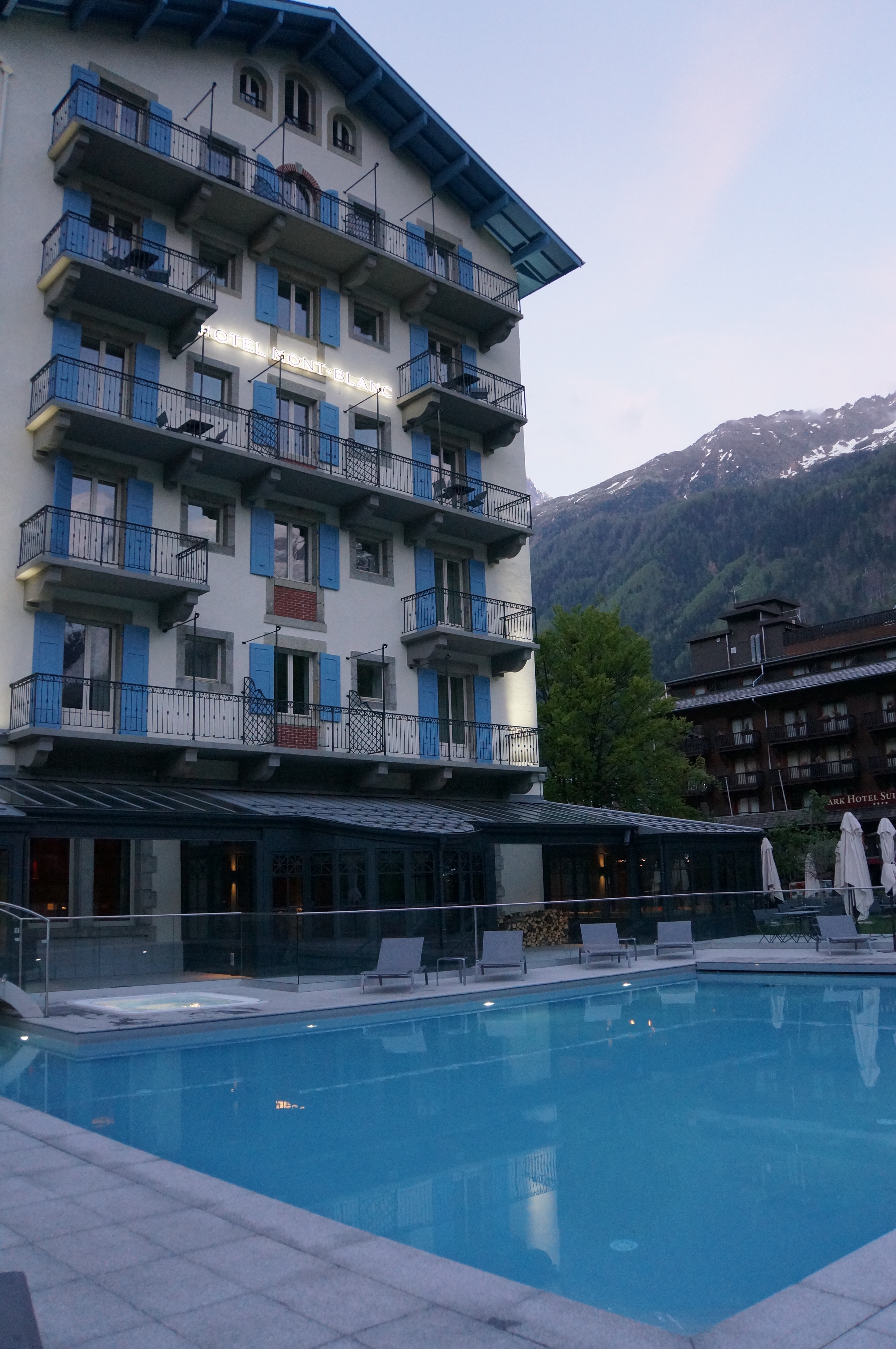
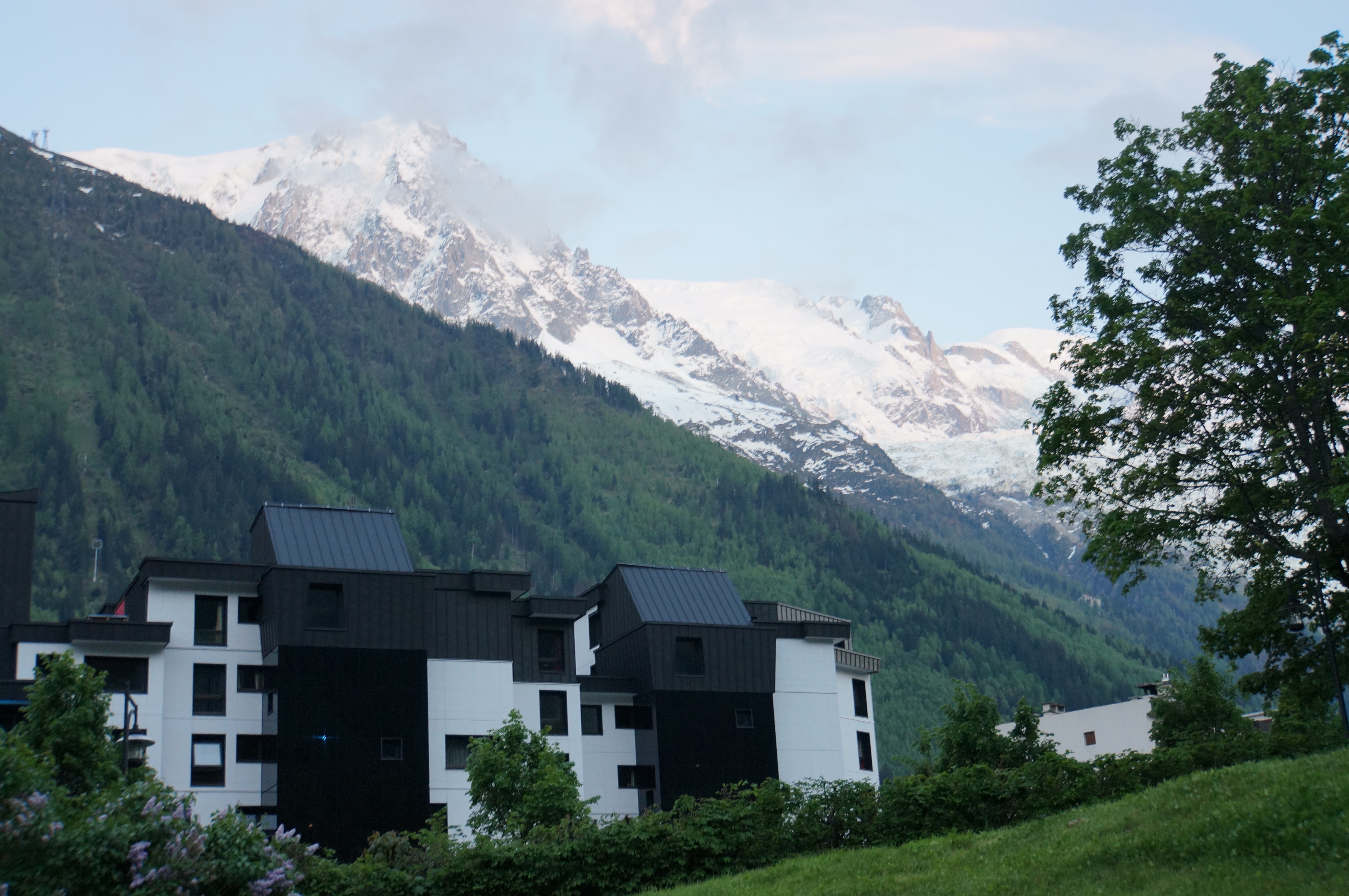
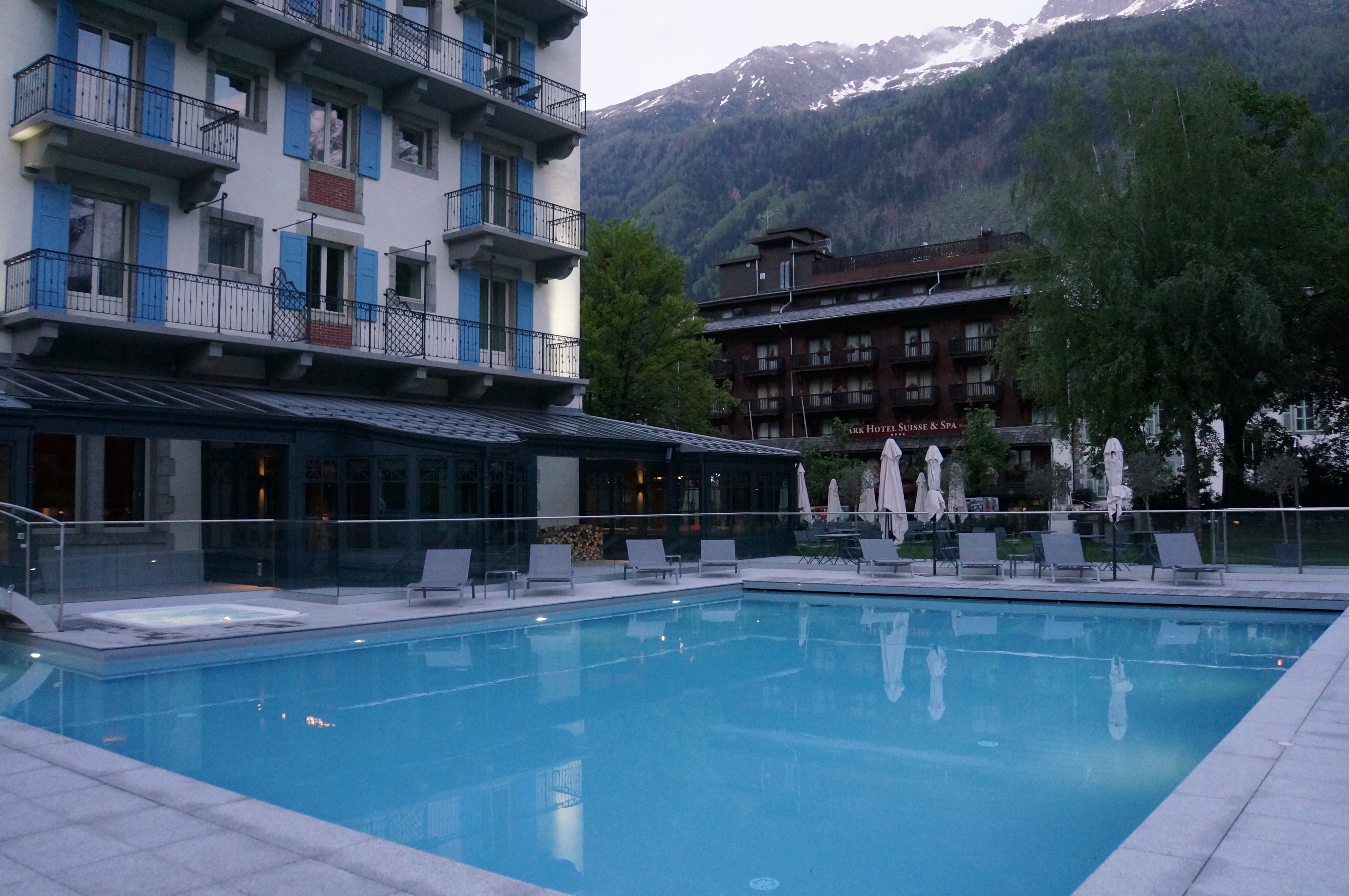
The view from the pool & valley up to the sunlight mountains

The view from the pool & valley up to the sunlight mountains

Life with an outdoor pool surrounded by mountains is simply just the right way to live.

Life with an outdoor pool surrounded by mountains is simply just the right way to live.

DSC01137 DSC00645

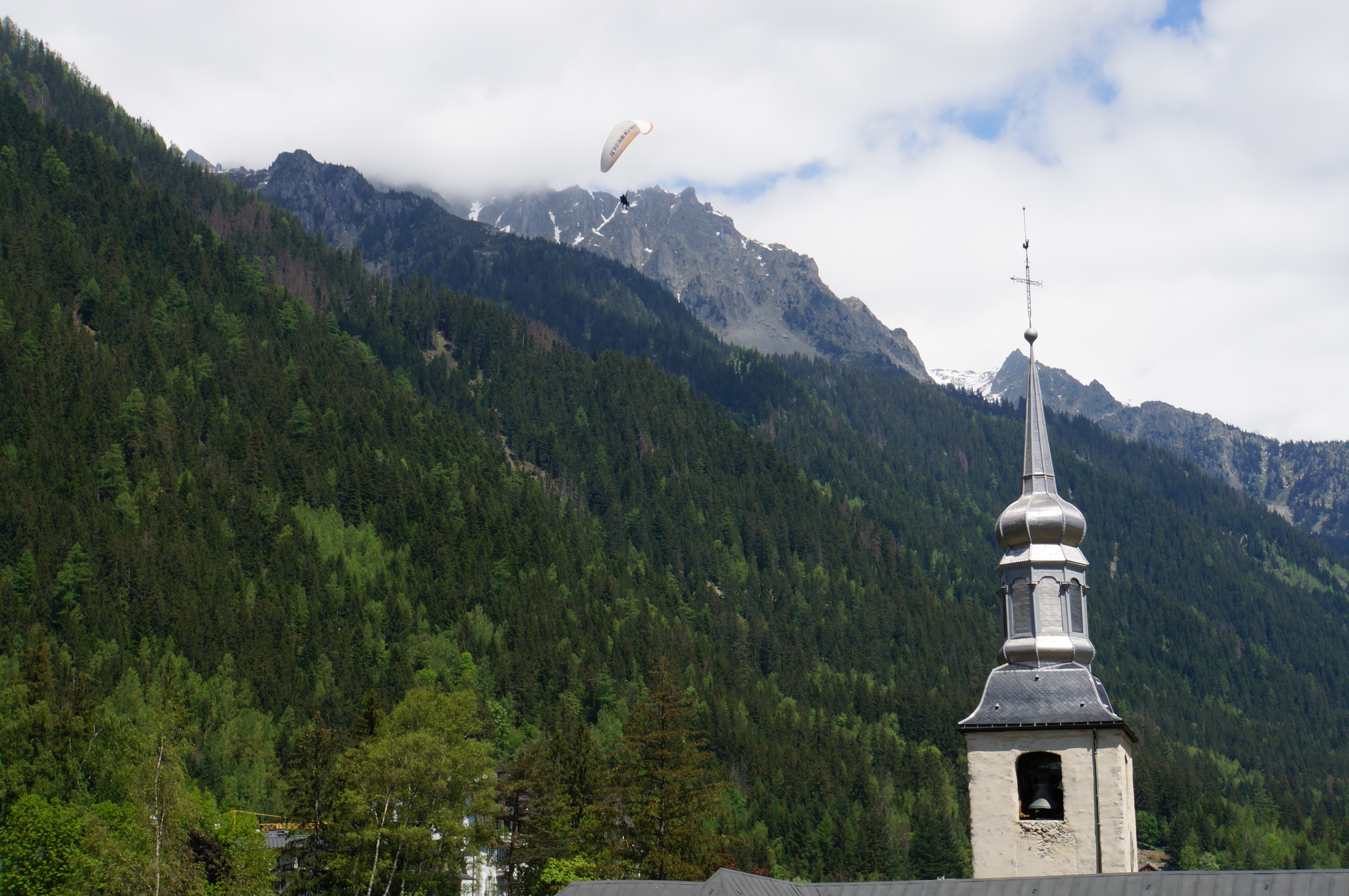
The gliders float effortlessly from the mountaintops pas the church steeple in the centre of town

The gliders float effortlessly from the mountaintops pas the church steeple in the centre of town


Leave a comment

Paris Museums … Not Just For Rainy Days

We had some trouble with wifi during our time in Florence so we fell behind on our blogging.  Shockingly a 500 year old building  – next to what once was a women’s prison (more on that later) had spotty coverage.

Tourism took over and we are now back to “real life” in Calgary. Not wanting to leave our audience mid-story, the rest of our trip will be blogged as quickly as we can get to it.  Clearly, touring 3 countries in 23 days plus running a real-time blog was a bit ambitious.

Now, that we are back online, I am taking you back to Paris…

As you might imagine, there are endless museum choices throughout Paris and the Paris Museum Pass, while pricey, is your best friend for line hopping. Before we left, lots of advice and suggestions were made about which museums were a “must see”. For Cecily, Musee d”Orsay  and the Musee Rodin were top of this list. For Astrid, time spend in this historic Musee du Louvre was important. We also searched out Napoleon’s Tomb to begin the “I see dead people” Instagram series that tracked the various graves and tombs of significant people in European history who crossed our paths.

It would take hours to talk about each of these museums and this blog post – with lots of photos – is far too long as it is. Each museum offered amazing exhibits, and each had some “key works” that we wanted to see – like all the other tourists did – up close and personal. Here is a summary of those four- Musee du Louvre, Musee d’Orsay, Musee Rodin and Eglise du Dome Church at the Hotel des Invalides where Napolean’s tomb rests.


Musee de Louvre:

The Musee du Louvre apparently has one of the largest – and some might argue – most important art collections in the world.  Its been around for centuries and it is fricken huge!  There are more than 35,000 works of art displayed in this museum.  Its history is long and complicated but the short version is that through the centuries kings and emperors all wanted to build upon and enlarge the space.

It seems it was Francois I that built the Renaissance style building and is also thought to have started the Louvre’s collection with 12 stolen italian works, including the Mona Lisa. Its glory days were in the 17th century (Louis XIV) who loved the arts and this is when works by Leonardo da Vinci, Raphael and Titian were added.  Even Napoleon – known for the worst eye for art of any French leader in history – also added to the collection that was looted during his years of victory. In recent years a glass pyramid structure was built to serve as the entrance to the museum (photos below), which apparently and unsurprising became quite controversial.

For us, knowing it was more than we could ever see in one trip – and knowing about 30,000 visit the galleries each day – we make a napkin list of highlights and set forth.

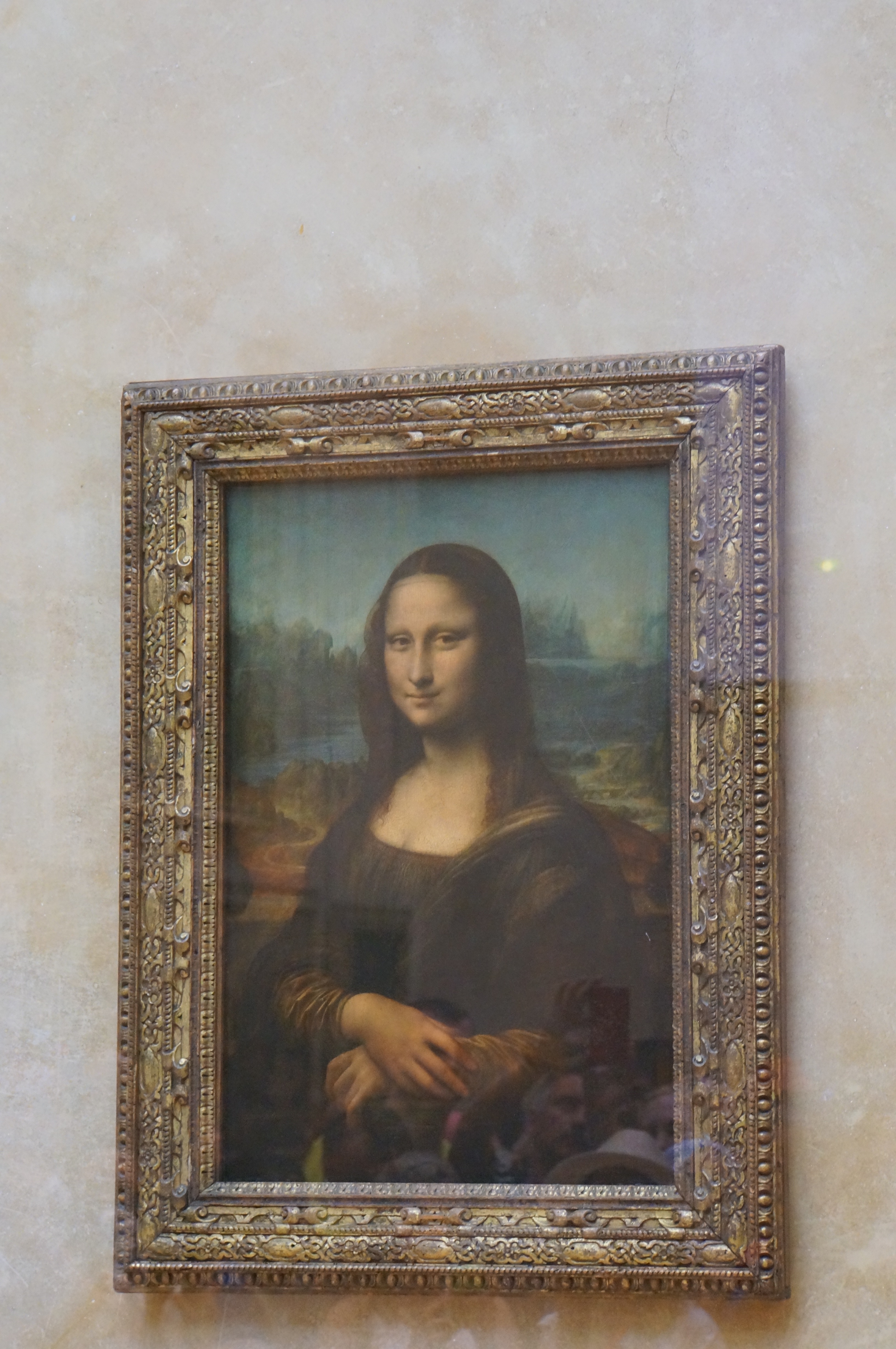
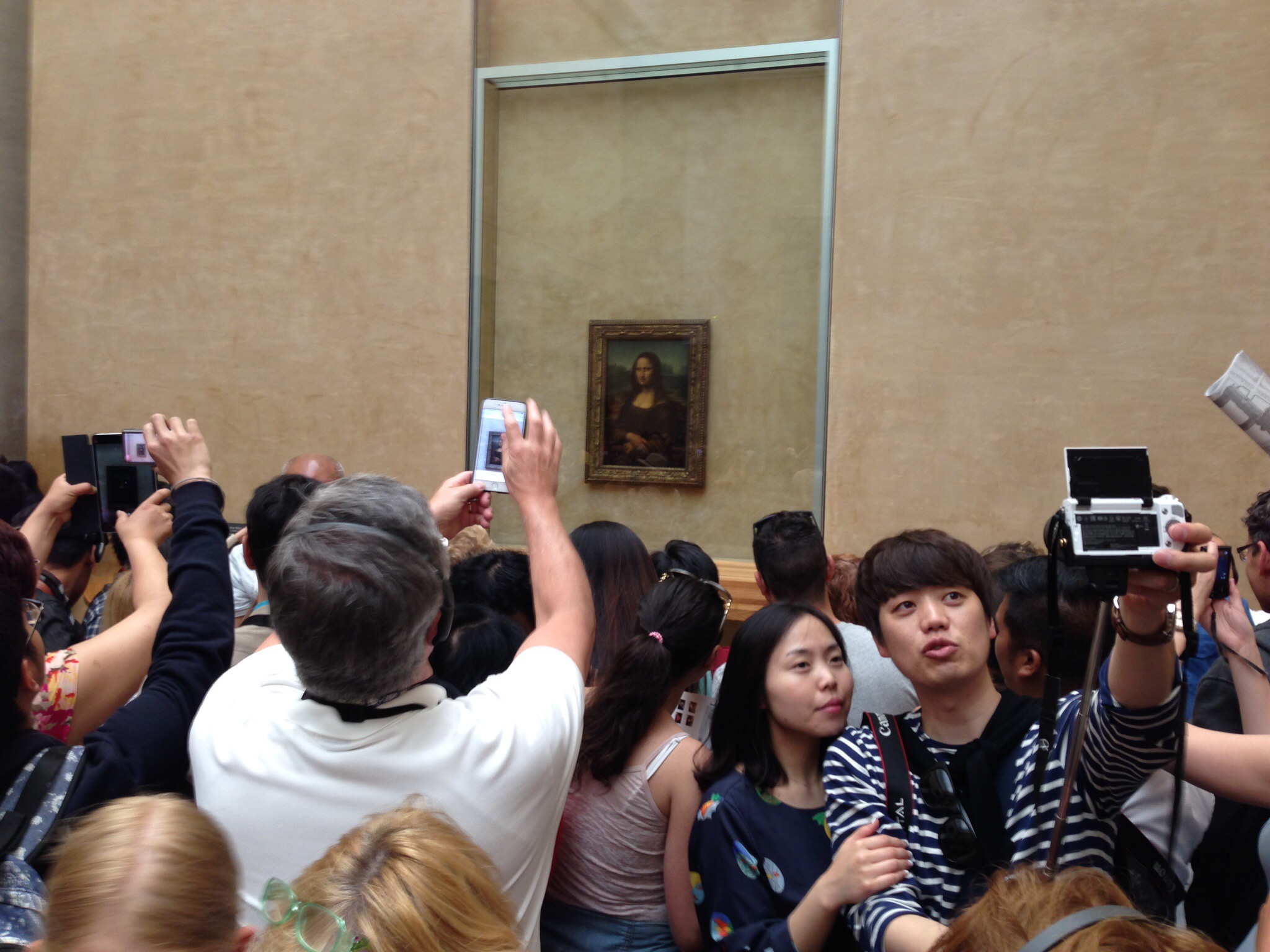
The Portrait of the Mona Lisa – the word on the street is that it is tiny and, yes, that is true, but it was larger than I expected. You always hear it is the size of a postage stamp. I’d say its more like the size of a small poster. What is truly unfortunate about seeing her is the crowd. There are so many people crowded around that the routine is basically politely (we are Canadian after all) shove your way through the hoards of people until you are close enough to the exhibit, take your selfie and then quickly admire this classic painting before someone shoves you out-of-the-way. Photographs of such well-known works of art are also problematic because the art is often encased in a plexiglass because the general public cannot be trusted not to touch or otherwise attempt to destroy them.  But, on the artistic bucket list, this one now has a check mark.

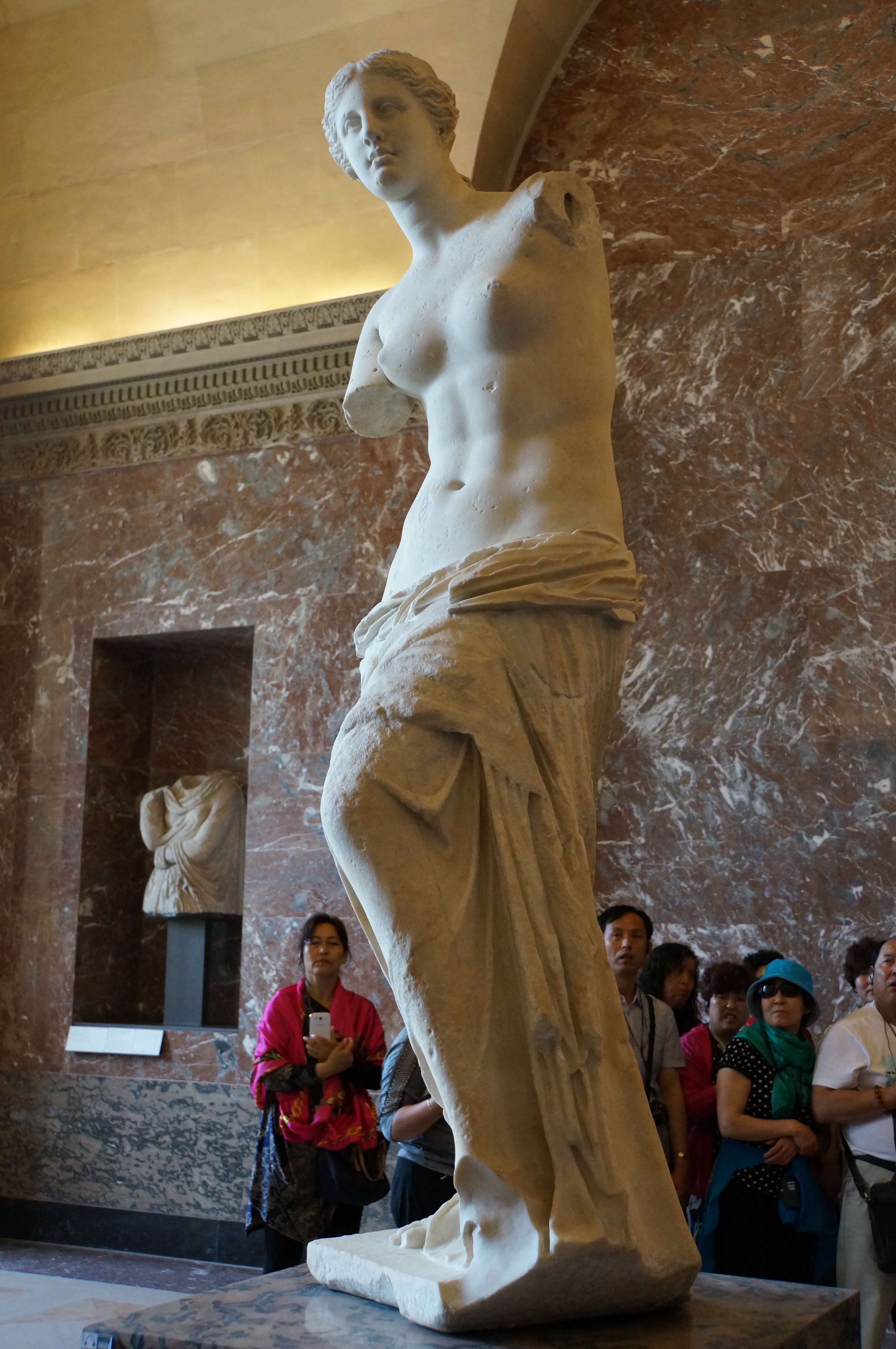
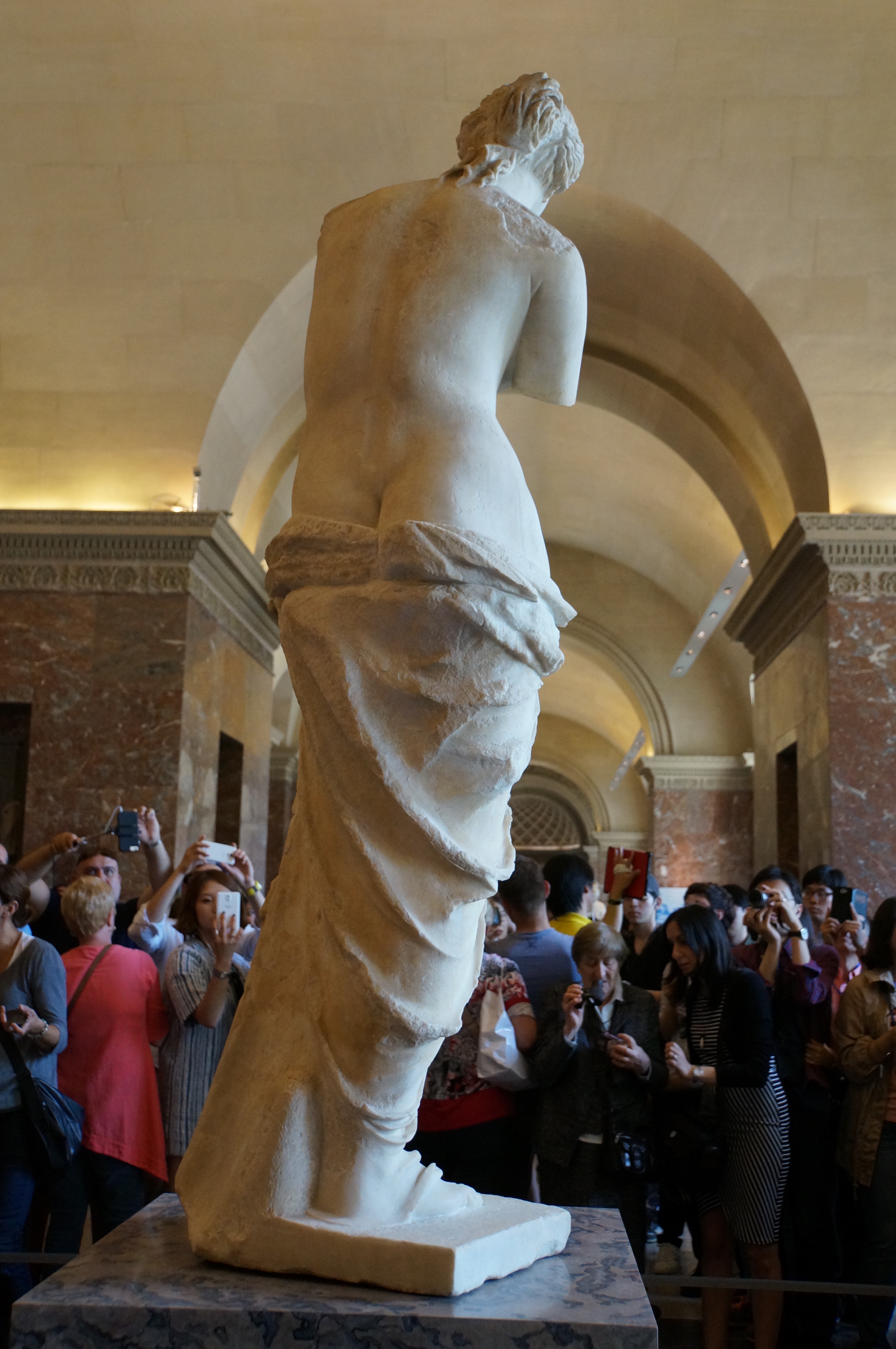
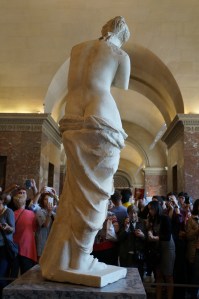
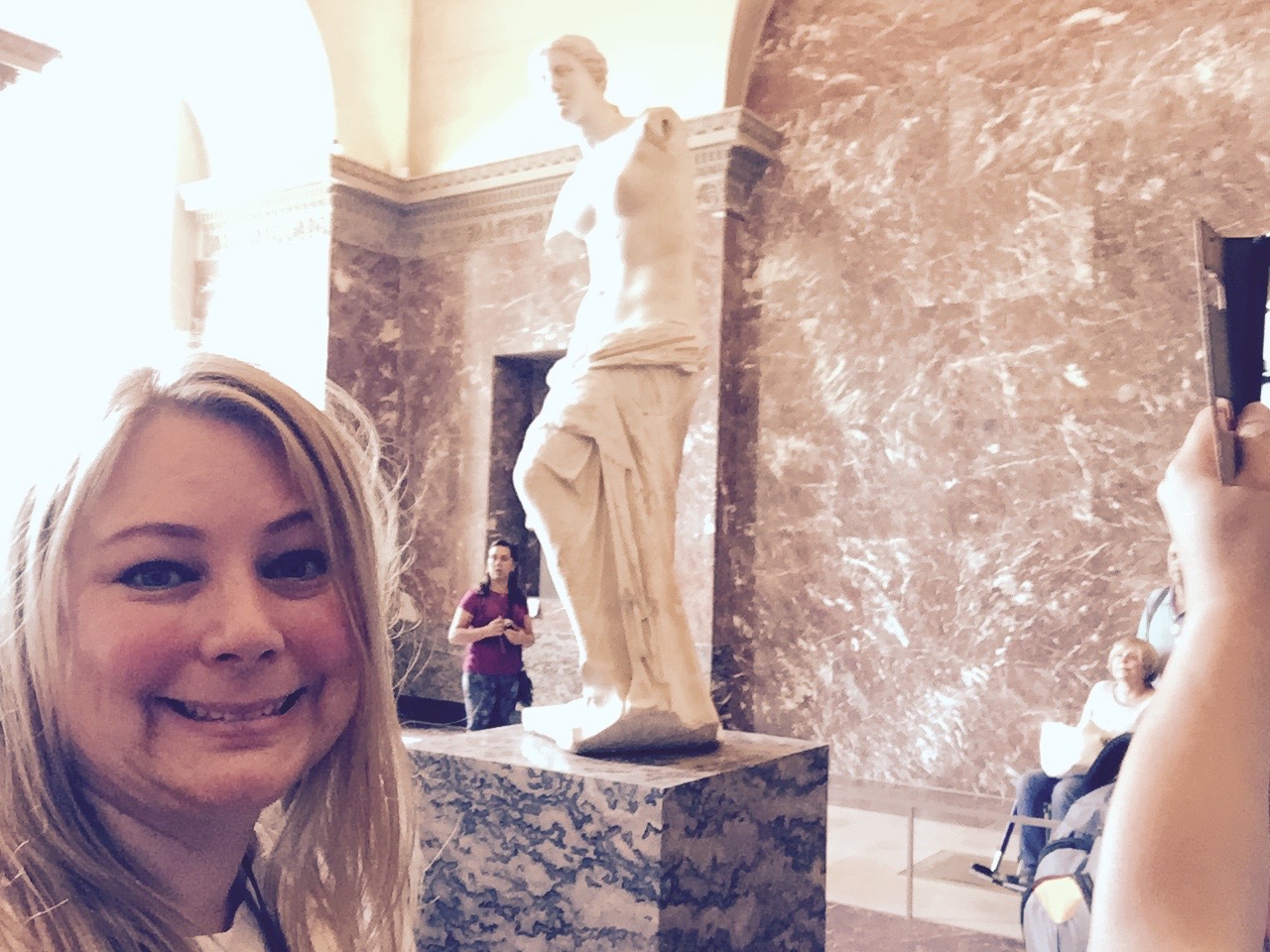
Venus de Milo – was found in 1820 on the Greek island of Milo and named on this island where it was discovered.  According to our friends at Wikipedia – it is an ancient Greek statue and one of the most famous works of ancient Greek sculpture. Created sometime between 130 and 100 BC, it is believed to depict Aphrodite, the Greek goddess of love and beauty (Venus to the Romans). It is a marble sculpture, slightly larger than life-size at 203 cm (6 ft 8 in) high. The arms and original plinth were lost following its discovery. From an inscription that was on its plinth, it is thought to be the work of Alexandros of Antioch; earlier, it was mistakenly attributed to the master sculptor Praxiteles. It is currently on permanent display at the Louvre Museum in Paris.

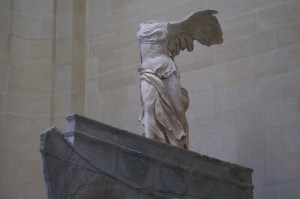
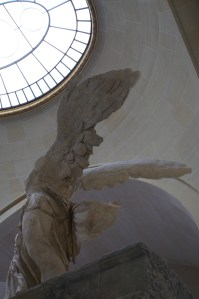
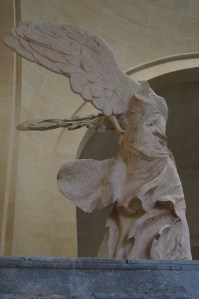
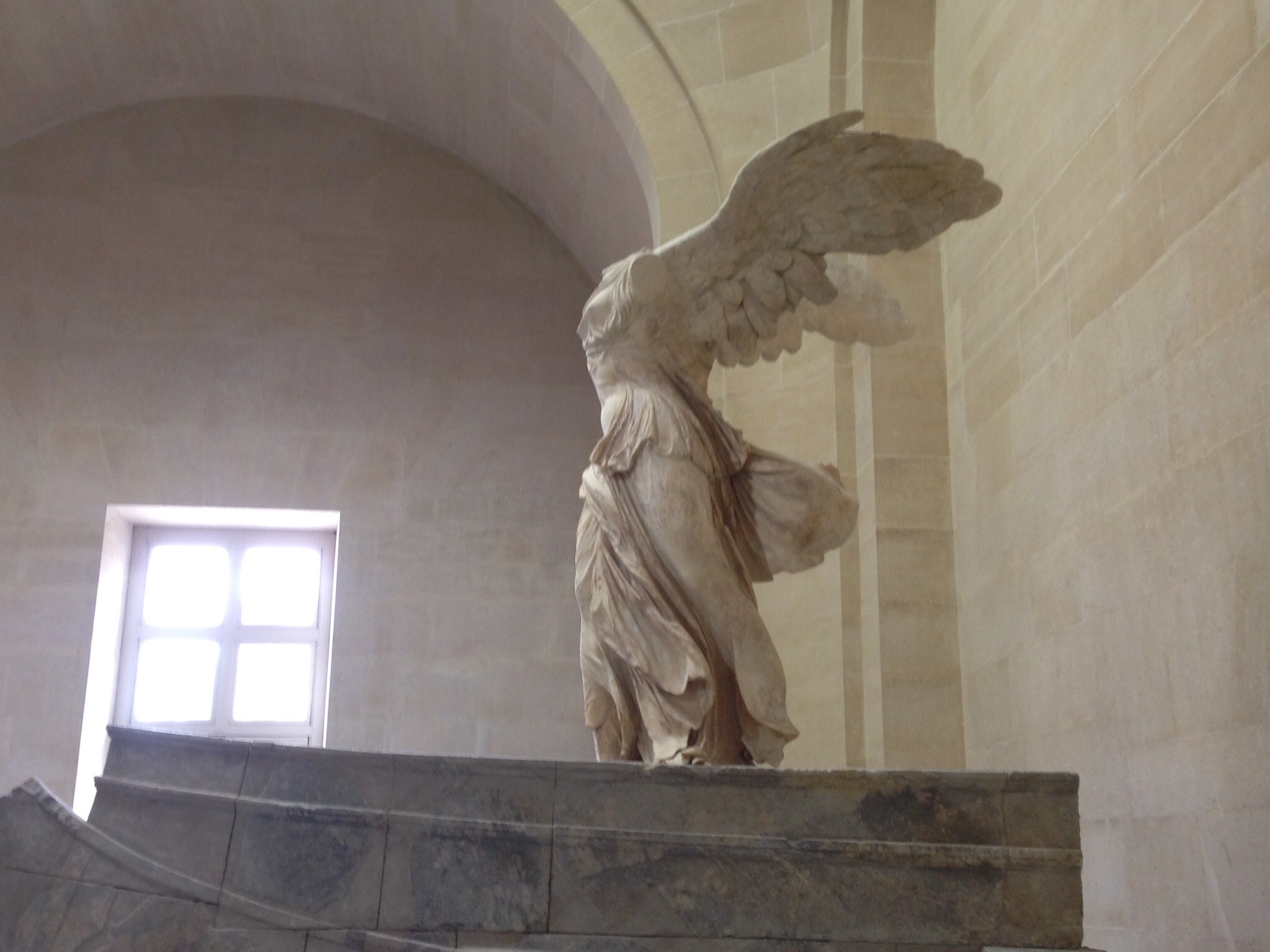
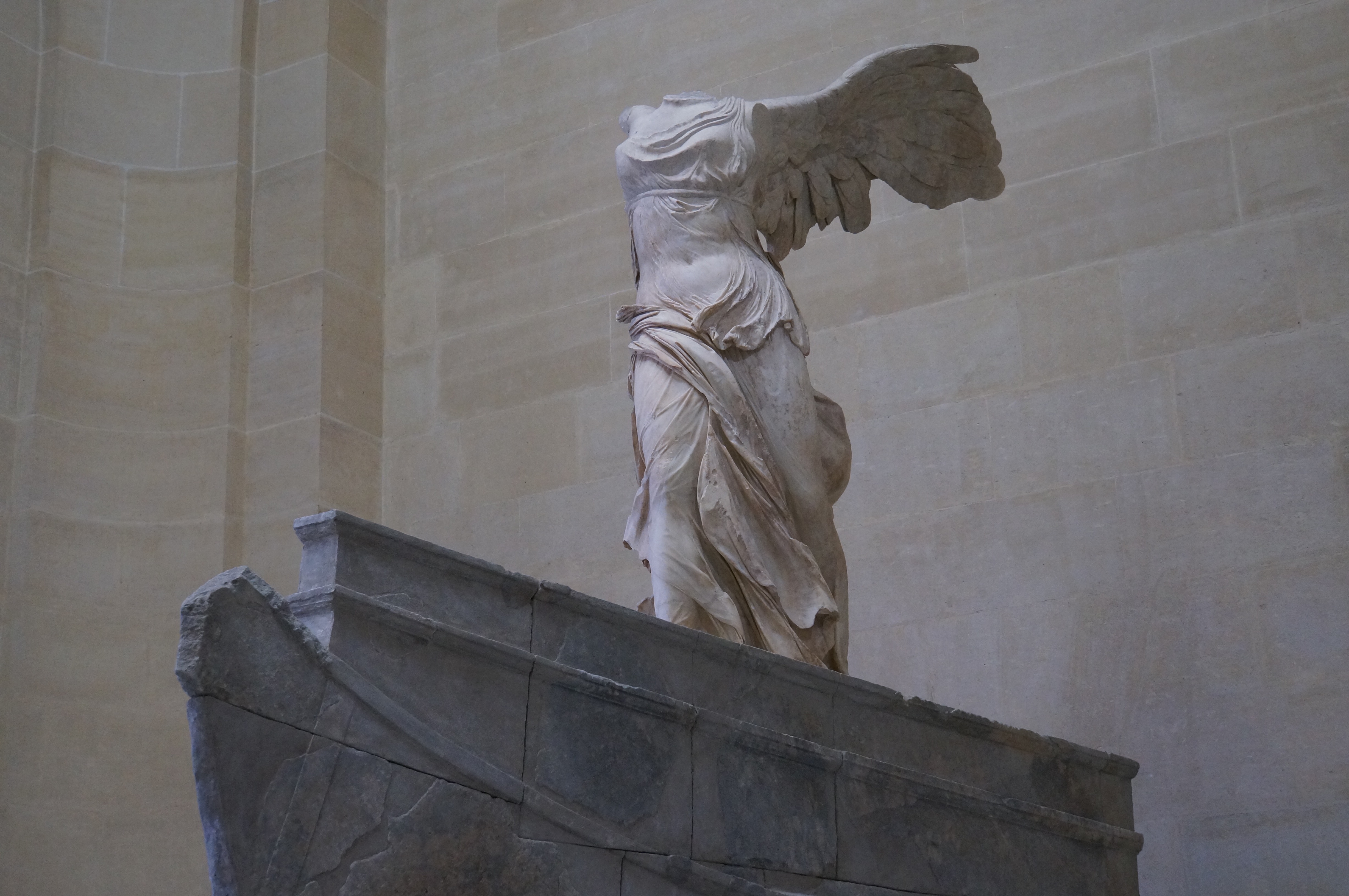
Winged Victory of Samothrace – Likely my favourite of the three, perched atop a staircase and flooded in daylight, it is also called the Nike of Samothrace. It as described as a 2nd-century BC marble sculpture of the Greek goddess NIke (Victory).  Since 1884, it has been prominently displayed at the Louvre and is one of the most celebrated sculptures in the world. As a side note, how many of you knew that Nike translated into “Victory” (other than Amy Tam-Naulty)….hands please? I thought so…

Wikipedia  also tells us that The Winged Victory of Samothrace, discovered in 1863, is estimated to have been created around 200–190 BC. It is 8 feet (2.44 metres) high. It was created to not only honor the goddess, Nike, but to honor a sea battle. It conveys a sense of action and triumph as well as portraying artful flowing drapery, as though the goddess was descending to alight upon the prow of a ship. Modern excavations suggest that the Victory occupied a niche above a theater and also suggest it accompanied an altar that was within view of the ship monument of Demetrius I Poliorcetes (337–283 BC).

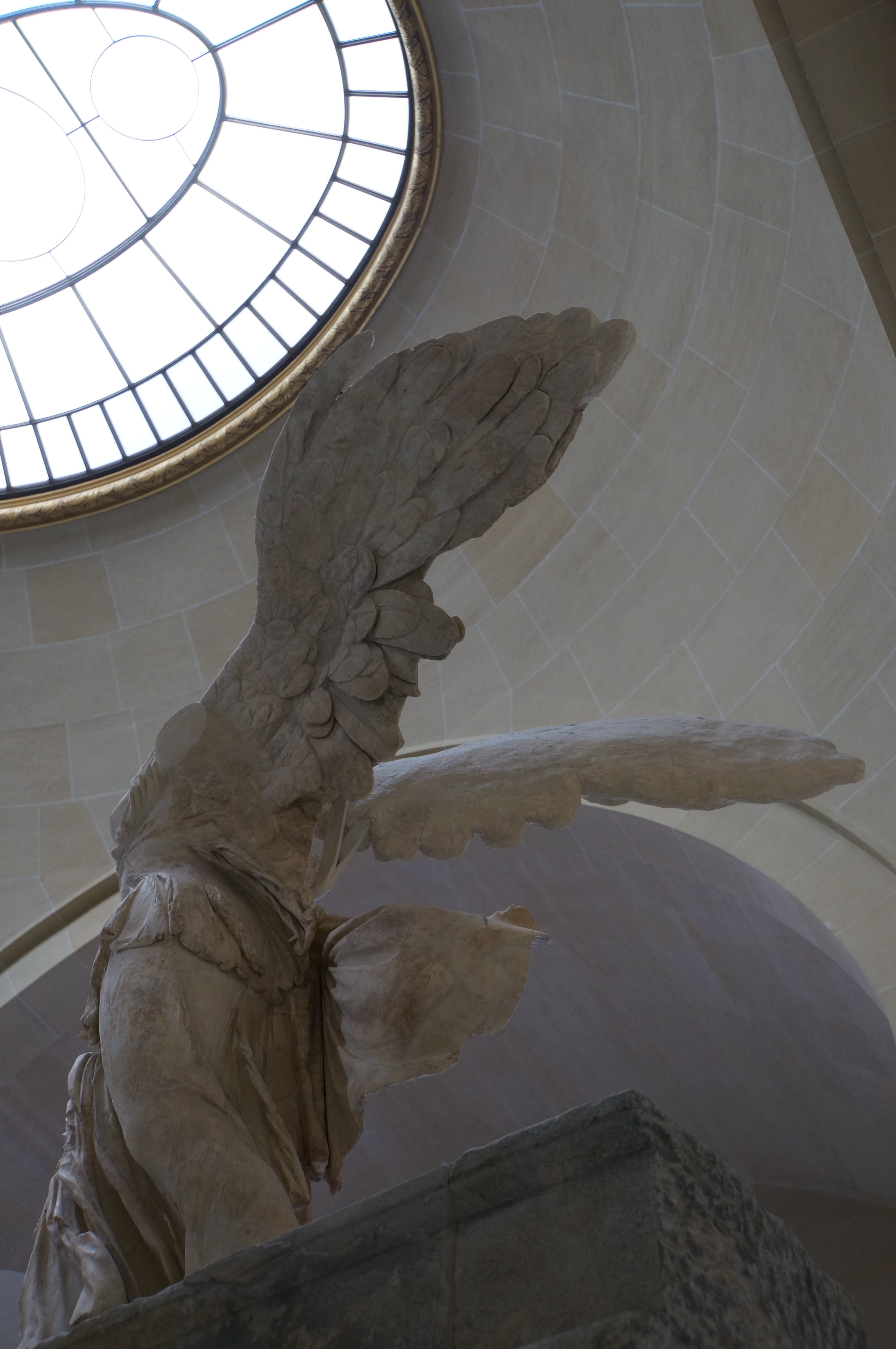
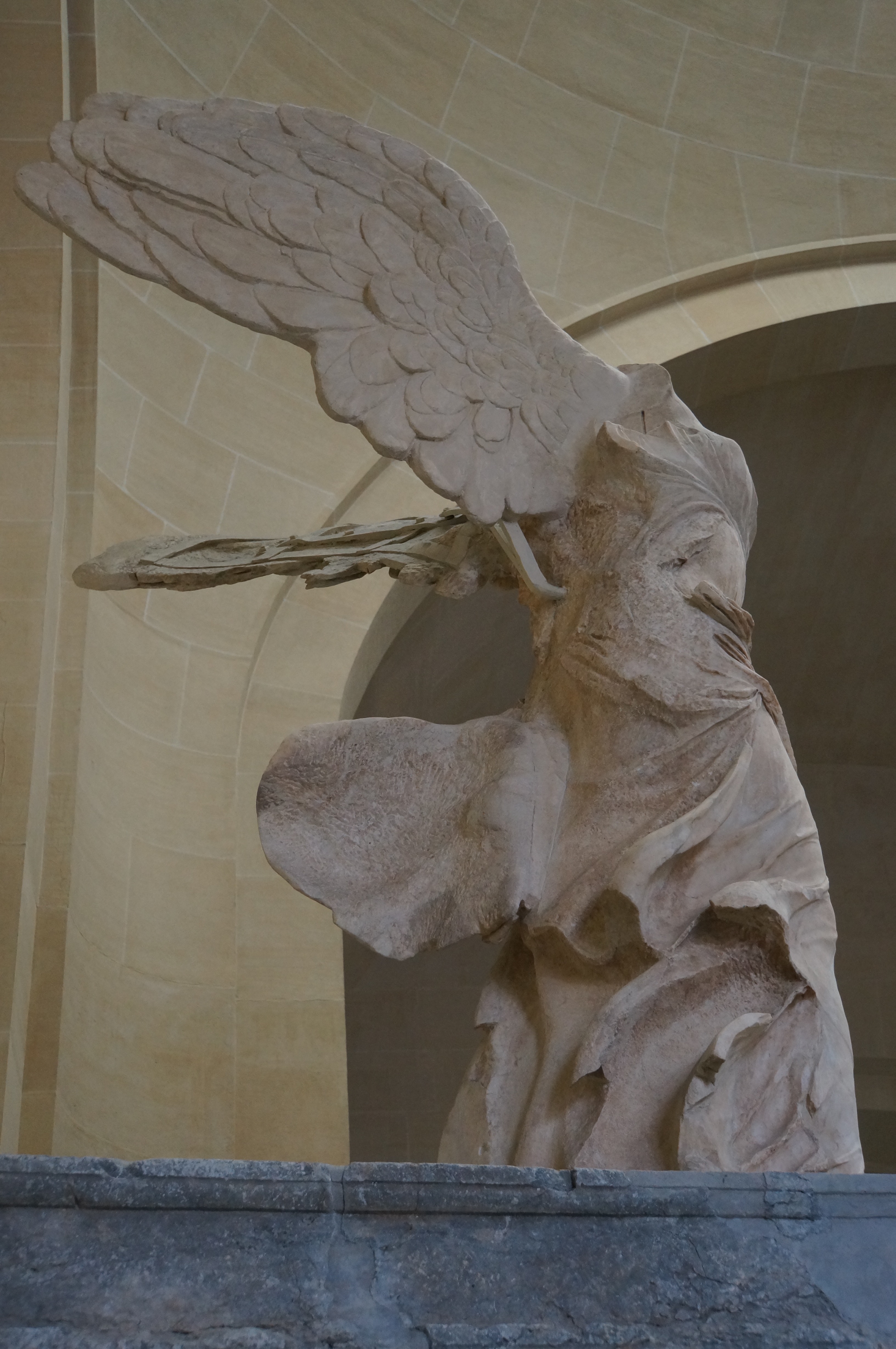
Rendered in grey and white Thasian and Parian marble, the figure originally formed part of the Samothrace temple complex dedicated to the Great gods, Megaloi Theoi. It stood on a rostral pedestal of gray marble from Lartos representing the prow of a ship (most likely a trihemiolia), and represents the goddess as she descends from the skies to the triumphant fleet. Before she lost her arms, which have never been recovered, Nike’s right arm is believed to have been raised, cupped round her mouth to deliver the shout of Victory. The work is notable for its convincing rendering of a pose where violent motion and sudden stillness meet, for its graceful balance and for the rendering of the figure’s draped garments, compellingly depicted as if rippling in a strong sea breeze.  The statue’s outstretched right-wing is a symmetric plaster version of the original left one.

As with the arms, the figure’s head has never been found, but various other fragments have since been found: in 1950, a team led by Karl Lehmann unearthed the missing right hand of the Louvre’s Winged Victory. The fingerless hand had slid out of sight under a large rock, near where the statue had originally stood; on the return trip home, Dr Phyllis Williams Lehmann identified the tip of the Goddess’s ring finger and her thumb in a storage drawer at the Kunsthistorisches Museum, Vienna, where the second Winged Victory is displayed; the fragments have been reunited with the hand,[6] which is now in a glass case in theLouvre next to the podium on which the statue stands.

For more on the Louvre Museum, visit: http://www.louvre.fr/en

The interior courtyard of Musee du Louvre including the controversial pyramid

The interior courtyard of Musee du Louvre including the controversial pyramid

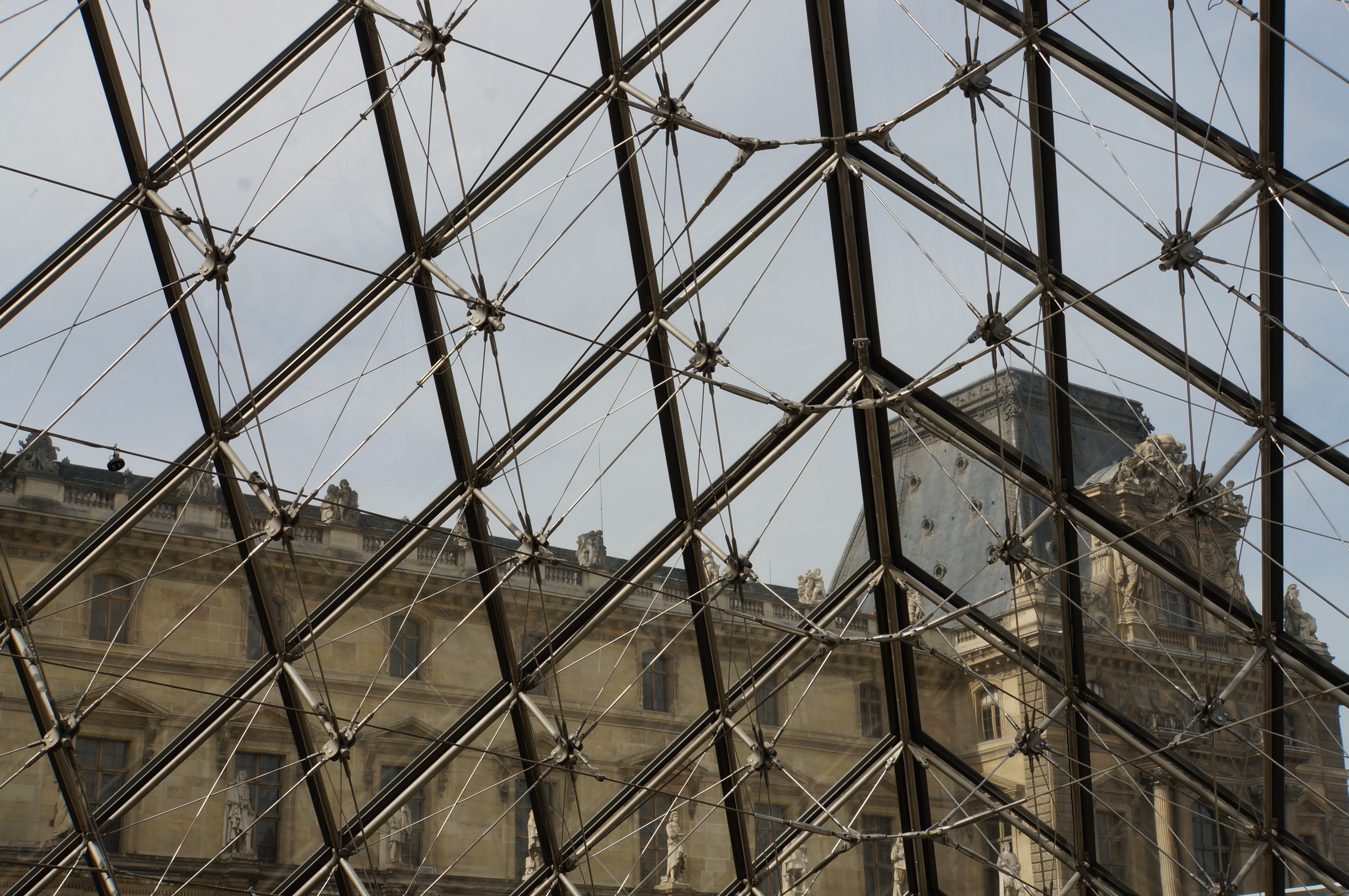
Inside looking out at Musee du Louvre

Inside looking out at Musee du Louvre

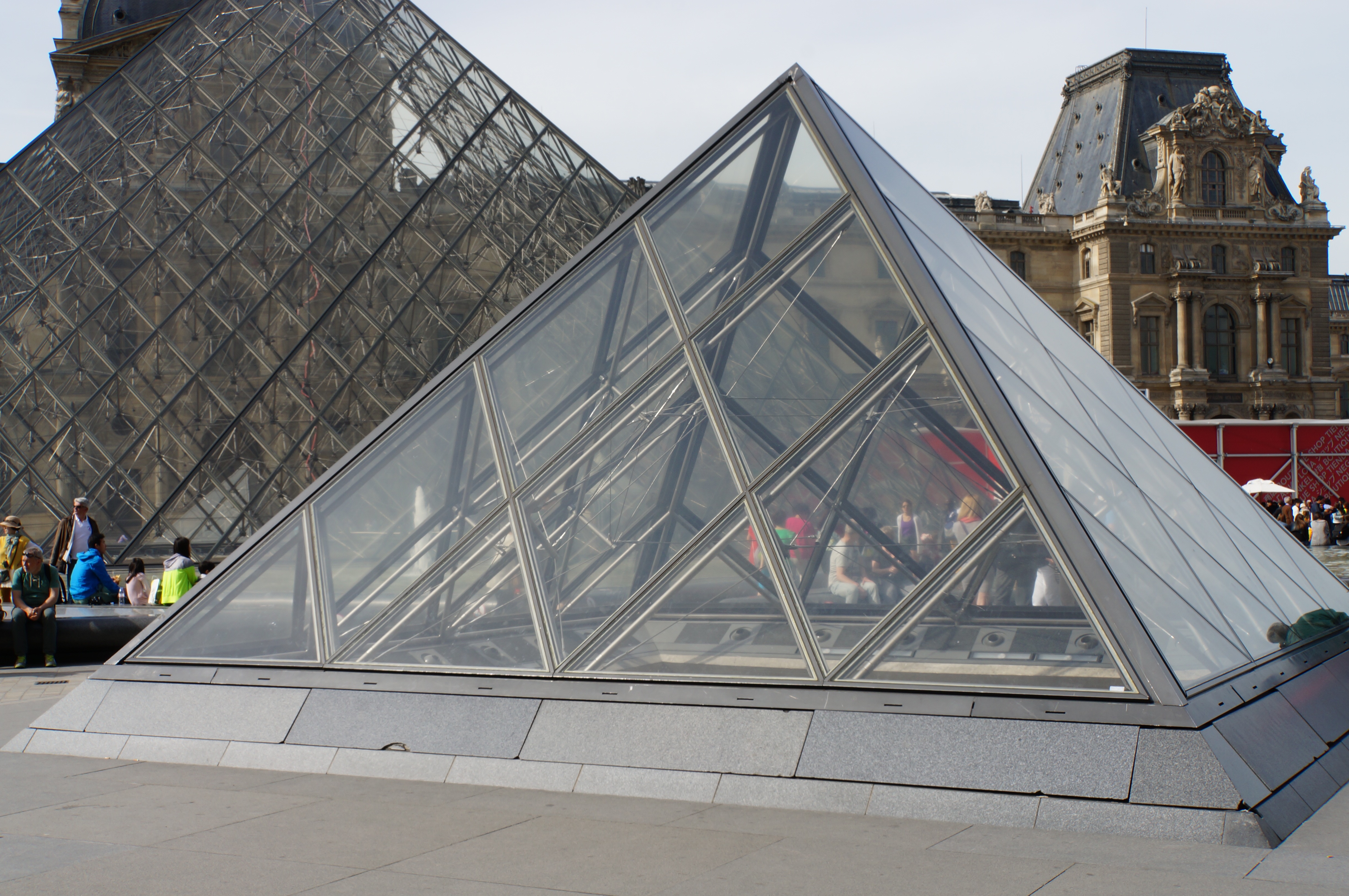
Up close - the controversial pyramid that is used as the entrance to the Louvre.

Up close – the controversial pyramid that is used as the entrance to the Louvre.

The controversial pyramid entrance at the Louvre – excited and ready to tackle the crowds
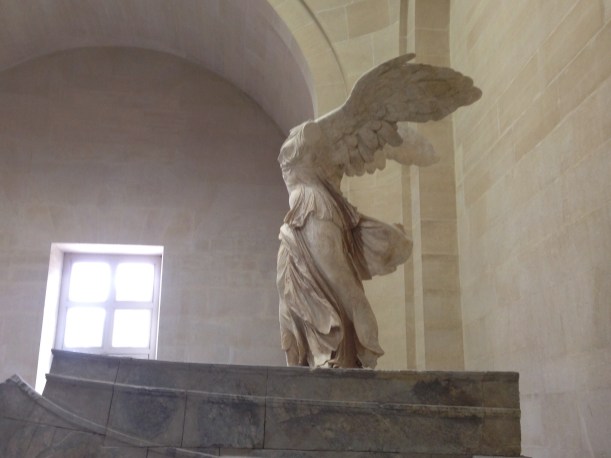
  The Winged Victory of Samothrace

DSC09195

DSC09203

Winged Victory - up close you can see the detail.

Winged Victory – up close you can see the detail.

The best tourist free shot I could manage of the Portrait of the Mona Lisa.
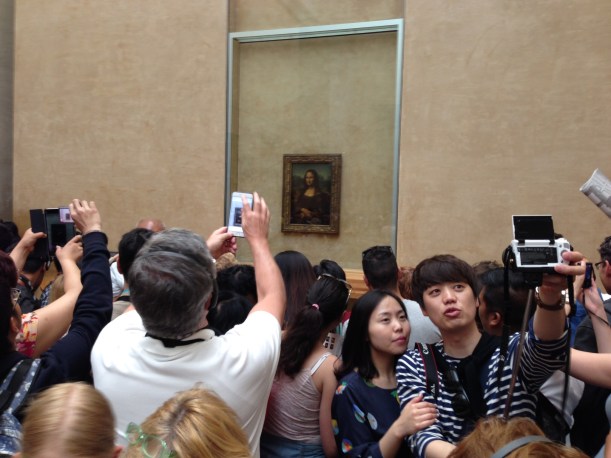
The best tourist free shot I could manage of the Portrait of the Mona Lisa.

The swarms of tourists trying to get a shot of the Portrait of the Mona Lisa. Smart phones, SLRs and Selfie’s abound. #donttouchme
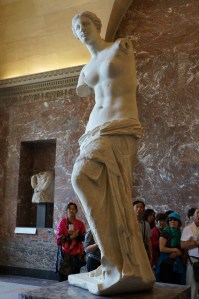
Venus de Milo, from the front.
Venus de Milo, from the front.

Venus de Milo, from behind.
Venus de Milo, from behind.

IMG_4379

C’est Moi!

thumb_IMG_4374_1024

We took a moment to sit in the hallway outside the area where the Mona Lisa was hung, partly to brace ourselves for the crowds. We also wanted to sit quietly and watch this artist at work!

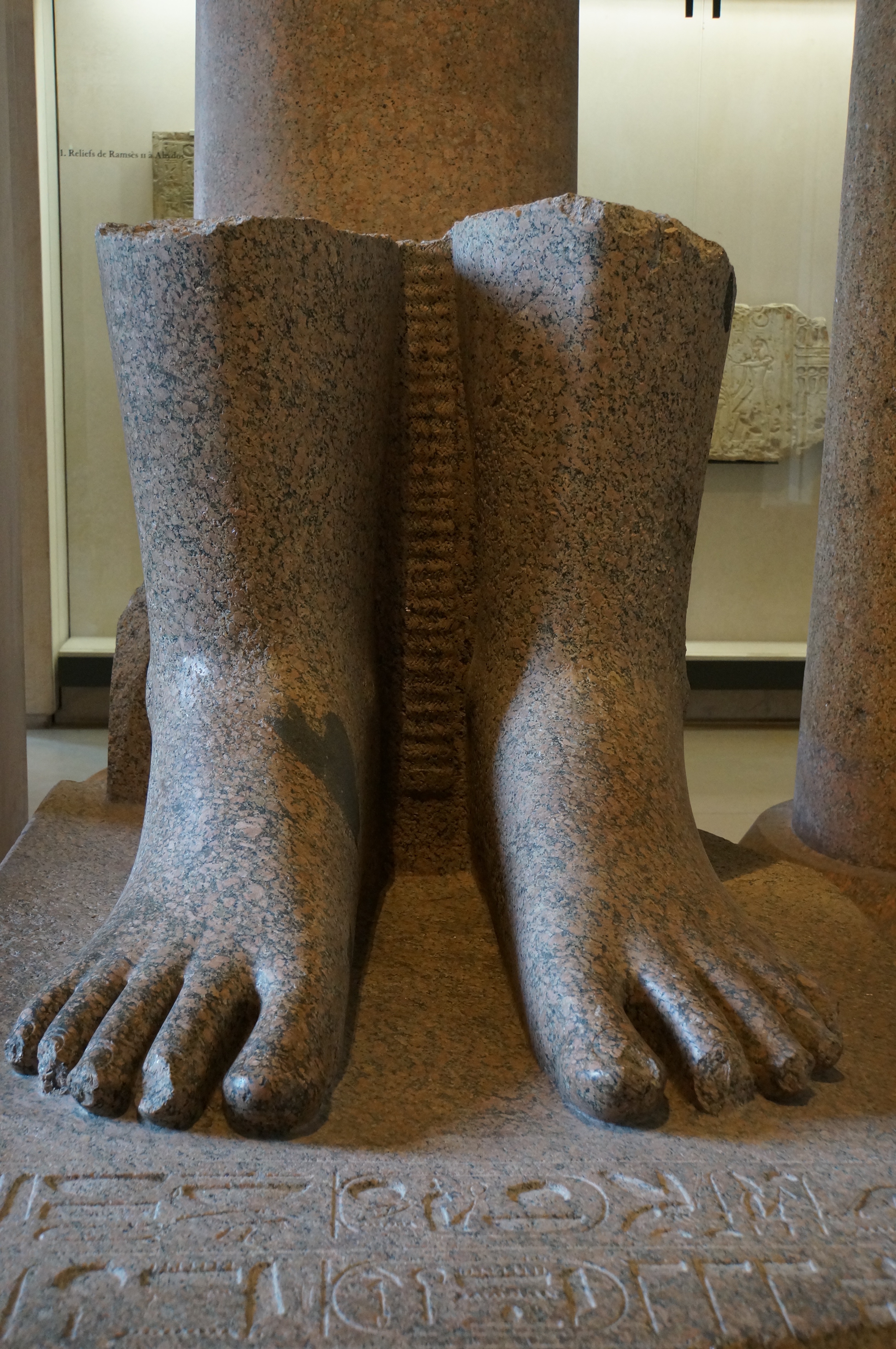
Astrid is a big fan of Egyptian history so we also spent time in that wing of the museum. Here she is trying to replicate a statue’s pose.  Not unlike how we all at some point in our lives have tried to “Vogue…”
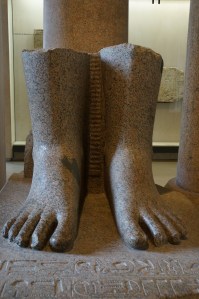
Feet! In the Egyptian Exhibit at the Musee de Louvre.
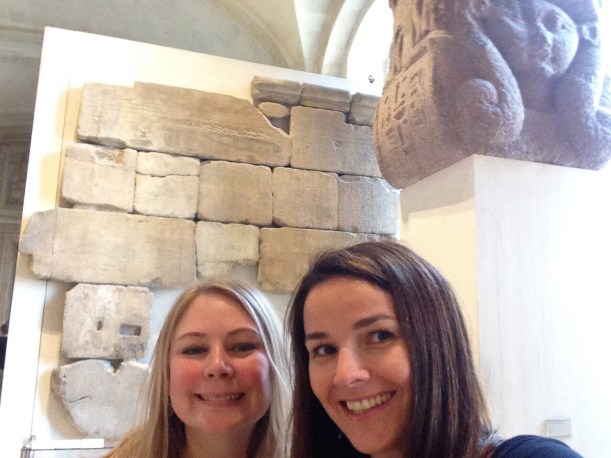
Feet! In the Egyptian Exhibit at the Musee de Louvre.

Musee D’Orsay:

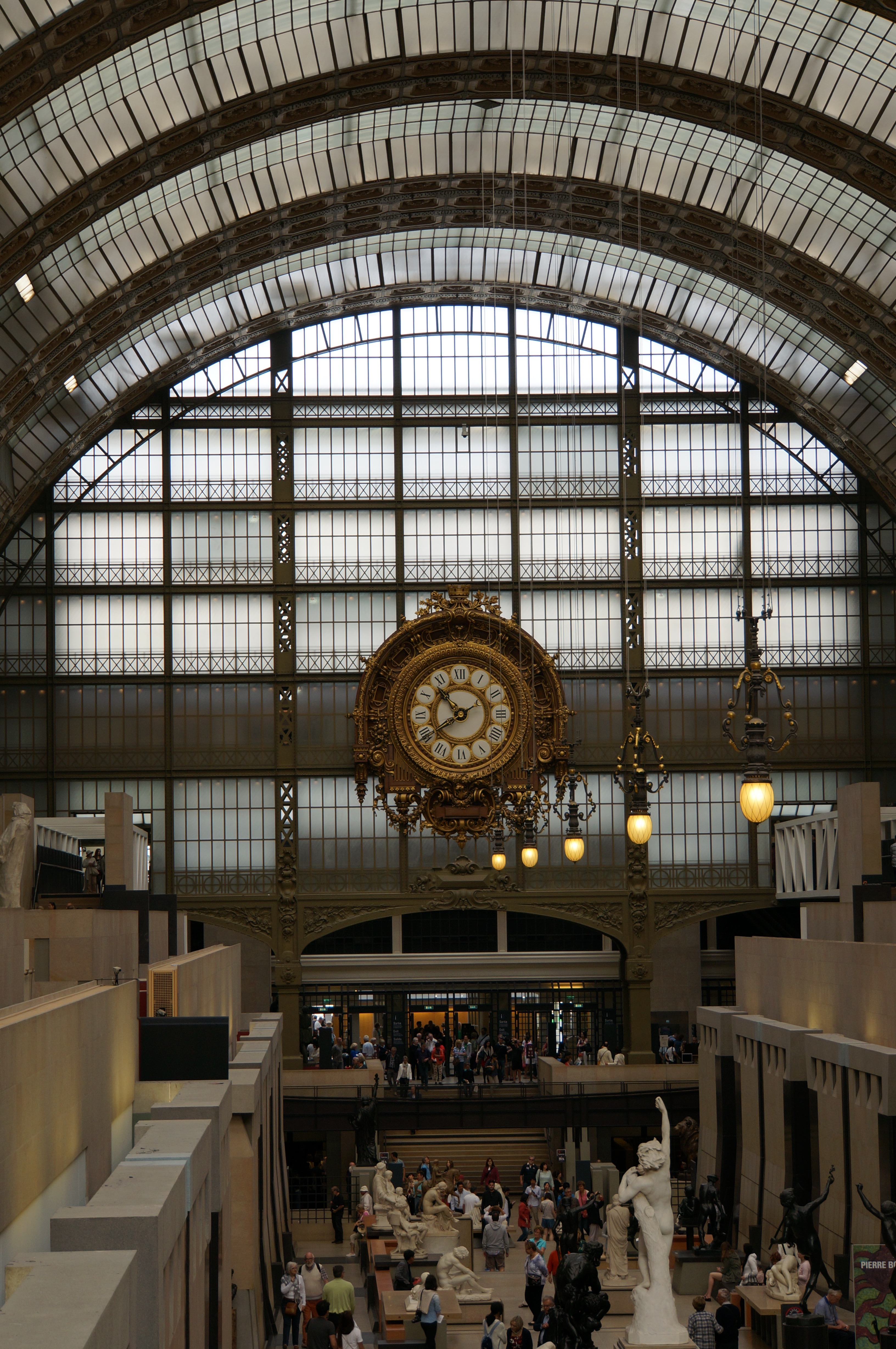
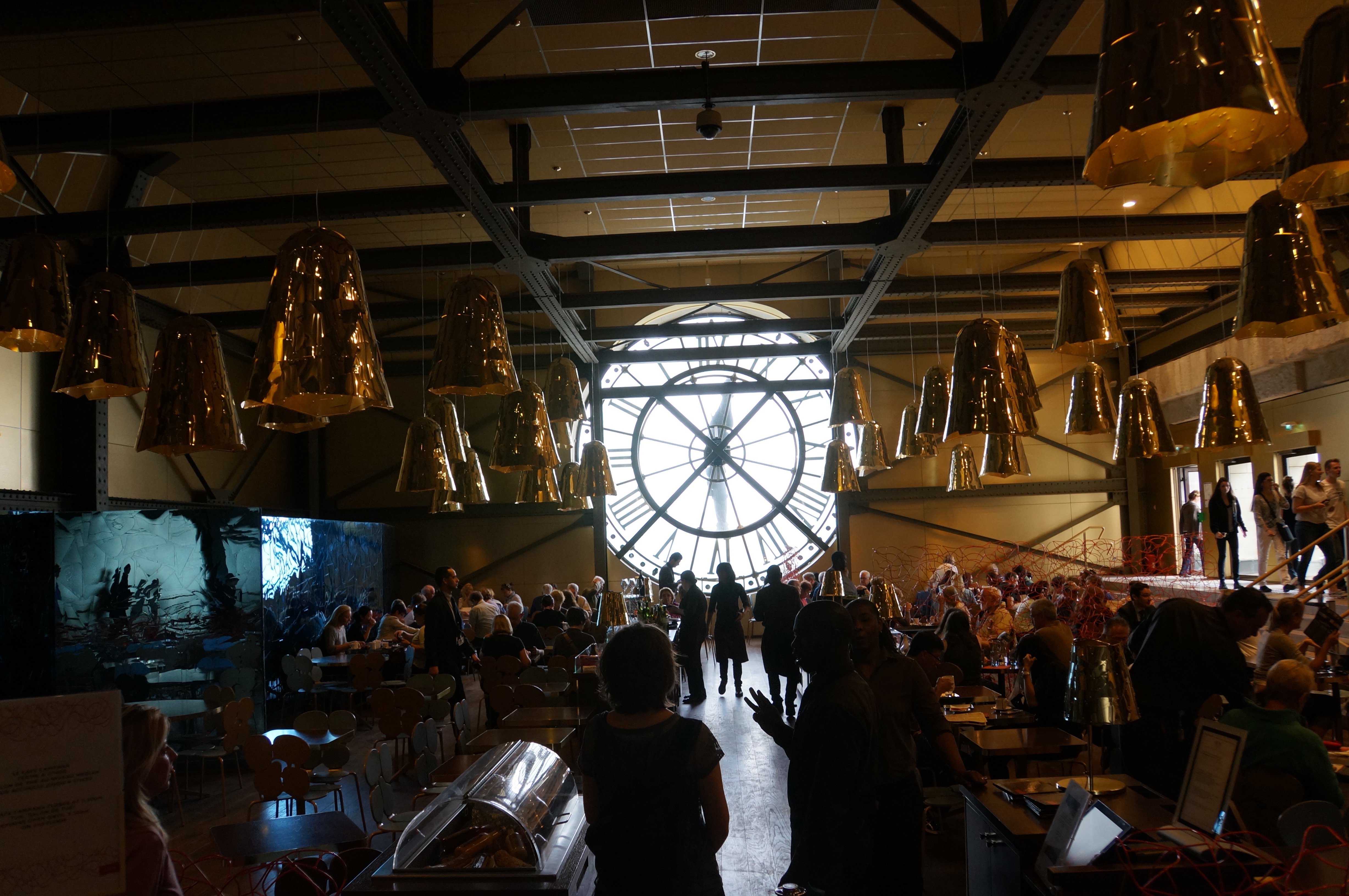
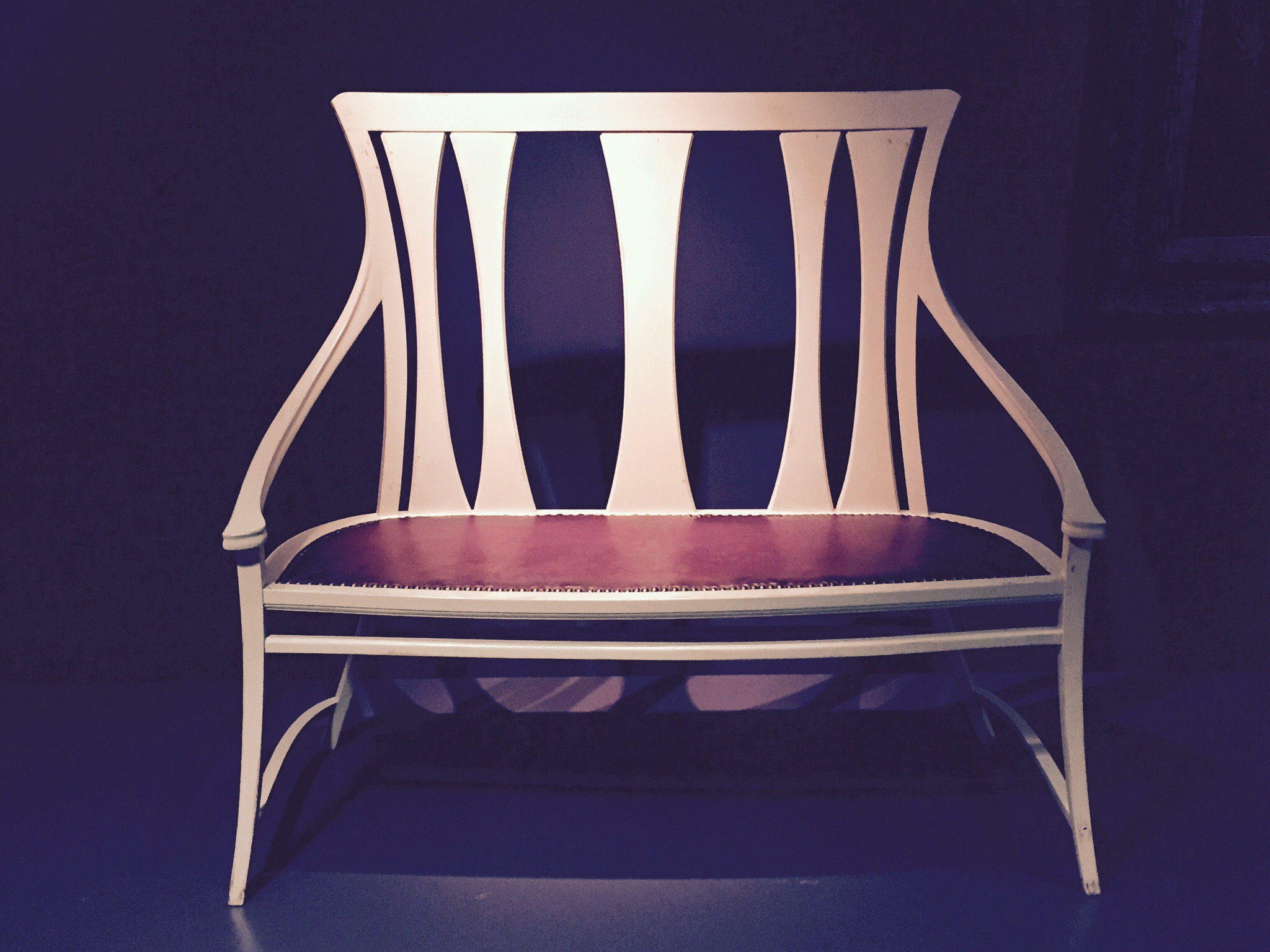
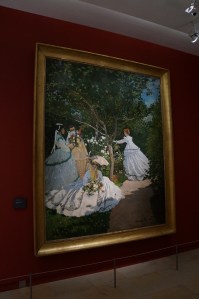
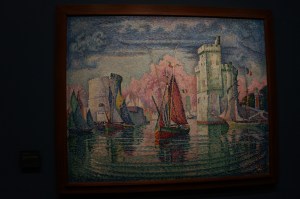
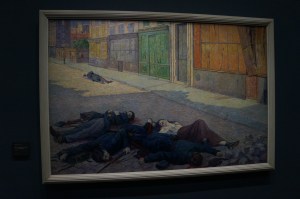
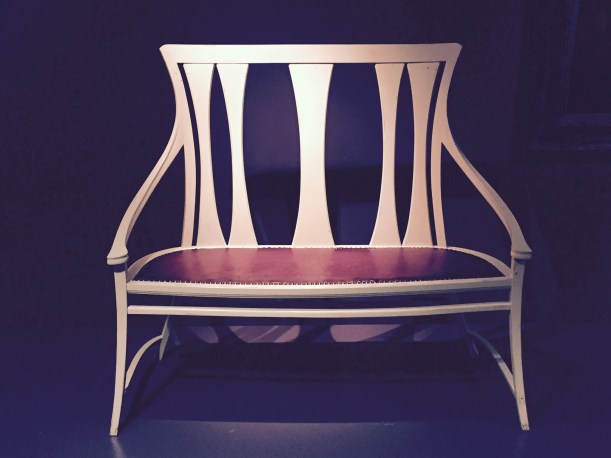
By far, this was the museum – across the entire trip – I was most exited to see, well, other than the Catacombs of Paris (more on that to come).  Several people told me that if there was only one museum we visited in Paris, this should be the one. The building was originally a train station and has a huge clock tower right in its centre. There are apparently also bee hives on the roof (which we did not happen to see). It is well-known for its amazing collection on Impressionists works.  Also, a welcome surprise was a fourth floor exhibit of works for furniture. We are both amidst some home renovations & decorating so it was a fun space to imagine how each of intriguing and unusual pieces of furniture might fit into our respective decor schemes.

According to the museum’s website “the museum building was originally a railway station, Gare d’Orsay, constructed for theChemin de Fer de Paris à Orléans and finished in time for the 1900 Exposition Universelle to the design of three architects: Lucien Magne, Émile Bénard and Victor Laloux. It was the terminus for the railways of southwestern France until 1939. The national museum of the Musée d’Orsay opened to the public on 9 December 1986 to show the great diversity of artistic creation in the western world between 1848 and 1914. It was formed with the national collections coming mainly from three establishments:”

  • from the Louvre museum, for the works of artists born after 1820 or coming to the fore during the Second Republic;
  • from the Musée du Jeu de Paume, which since 1947 had been devoted to Impressionism;
  • and lastly from the National Museum of Modern Art, which, when it moved in 1976 to the Centre Georges Pompidou, only kept works of artists born after 1870.

But each artistic discipline represented in the Musée d’Orsay collections has its own history, which you can dig into on their website at: http://www.musee-orsay.fr/en/collections/history-of-the-collections/home.html

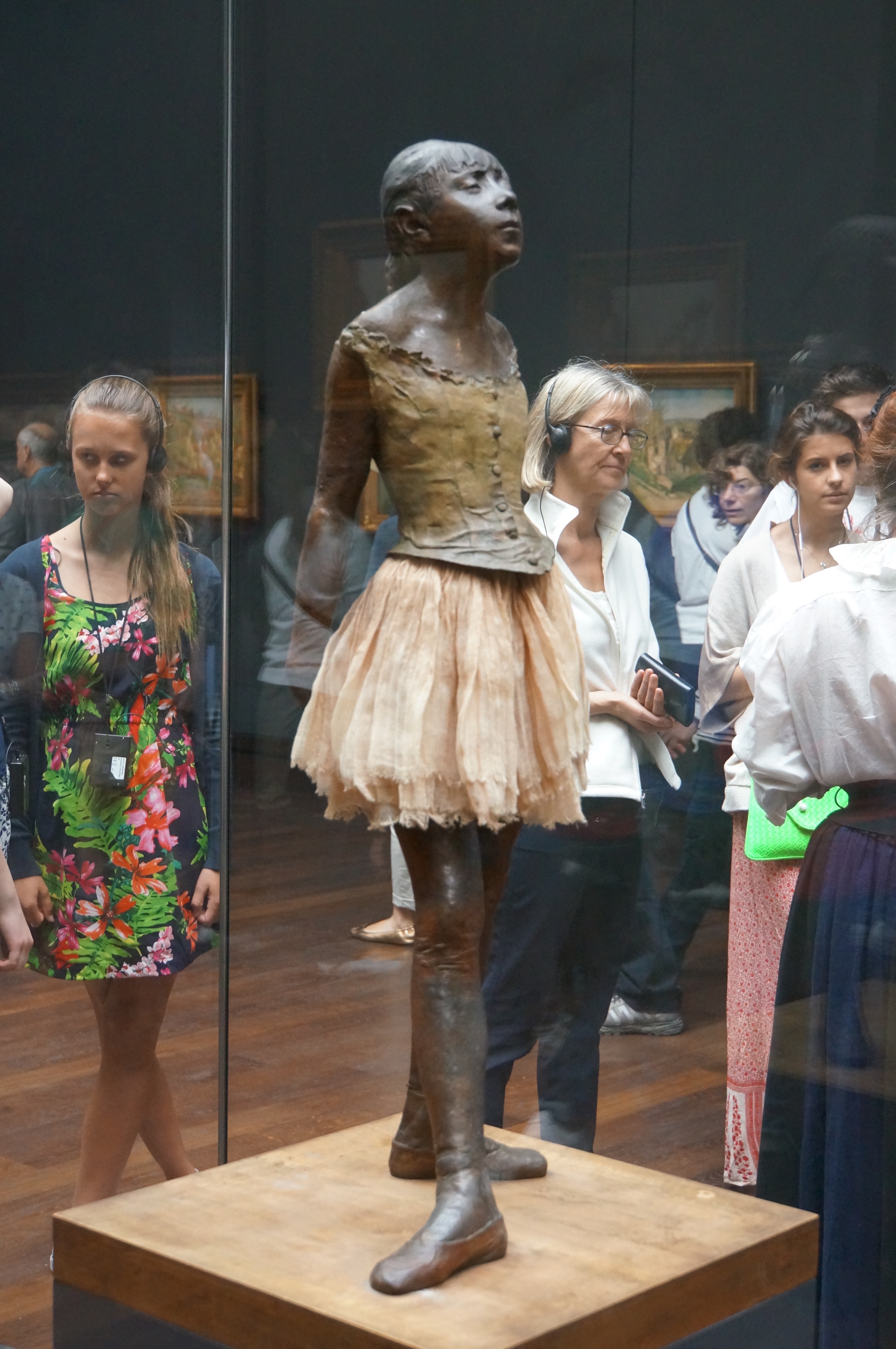
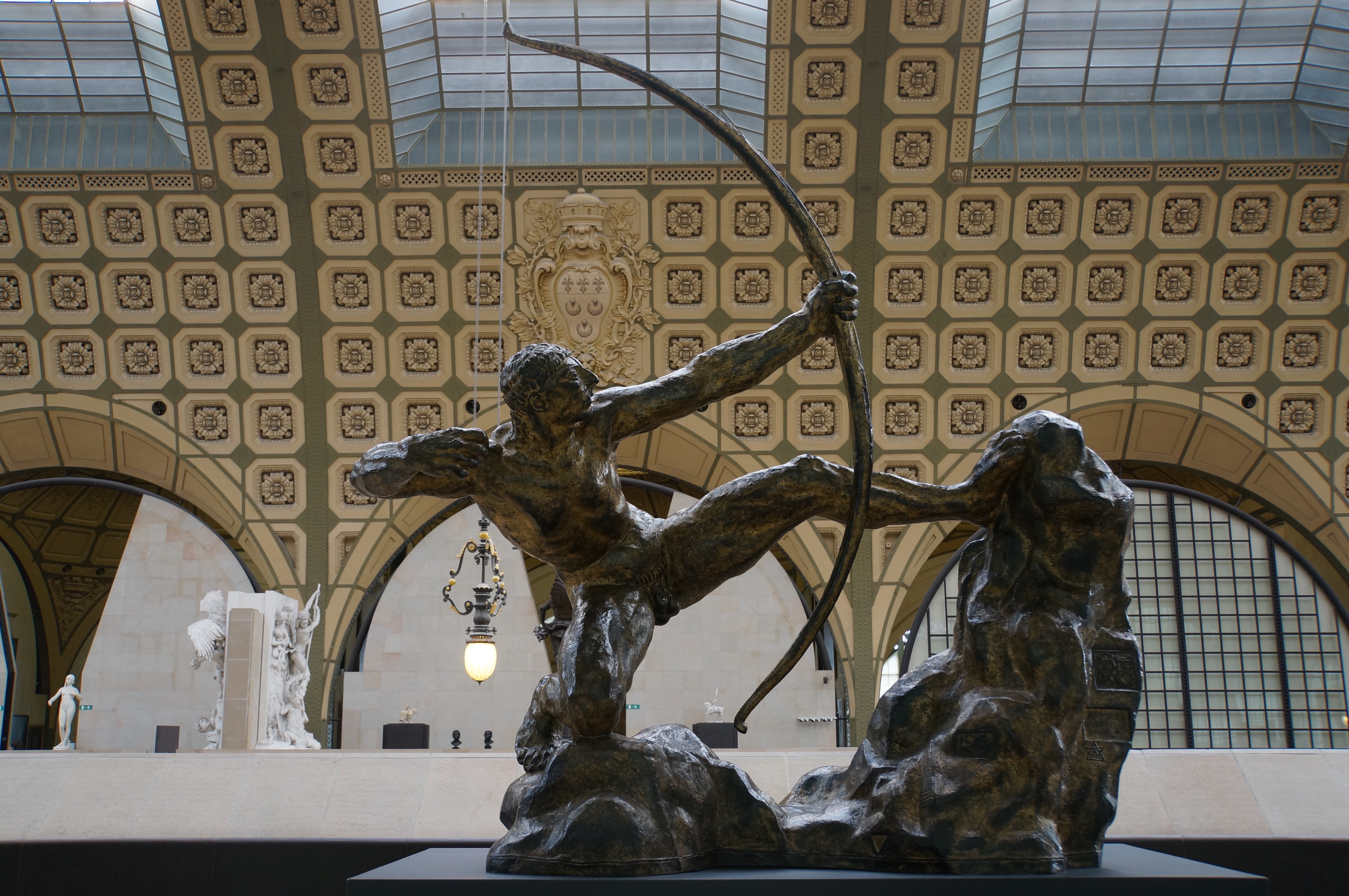
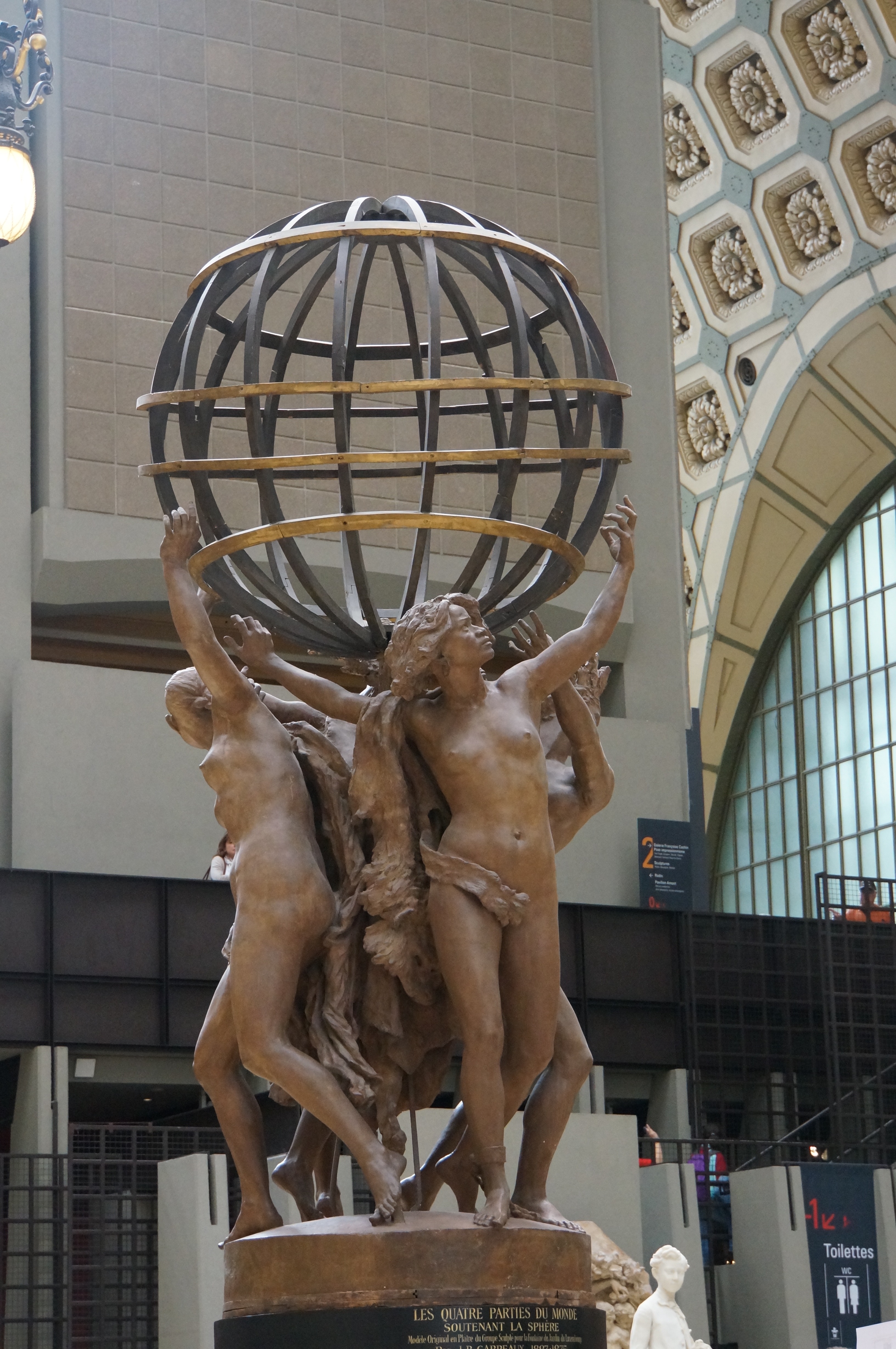
Major sculptors includes François Rude, Jules Cavelier, Jean-Baptiste Carpeaux, Auguste Rodin, Paul Gauguin, Camille Claudel,Sarah Bernhardt and Honoré Daumier.

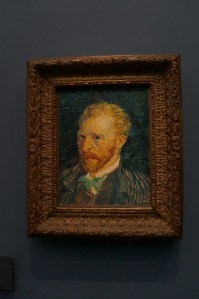
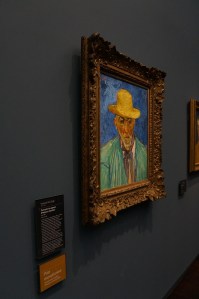
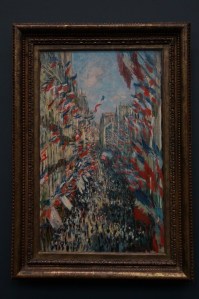
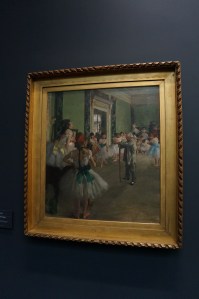
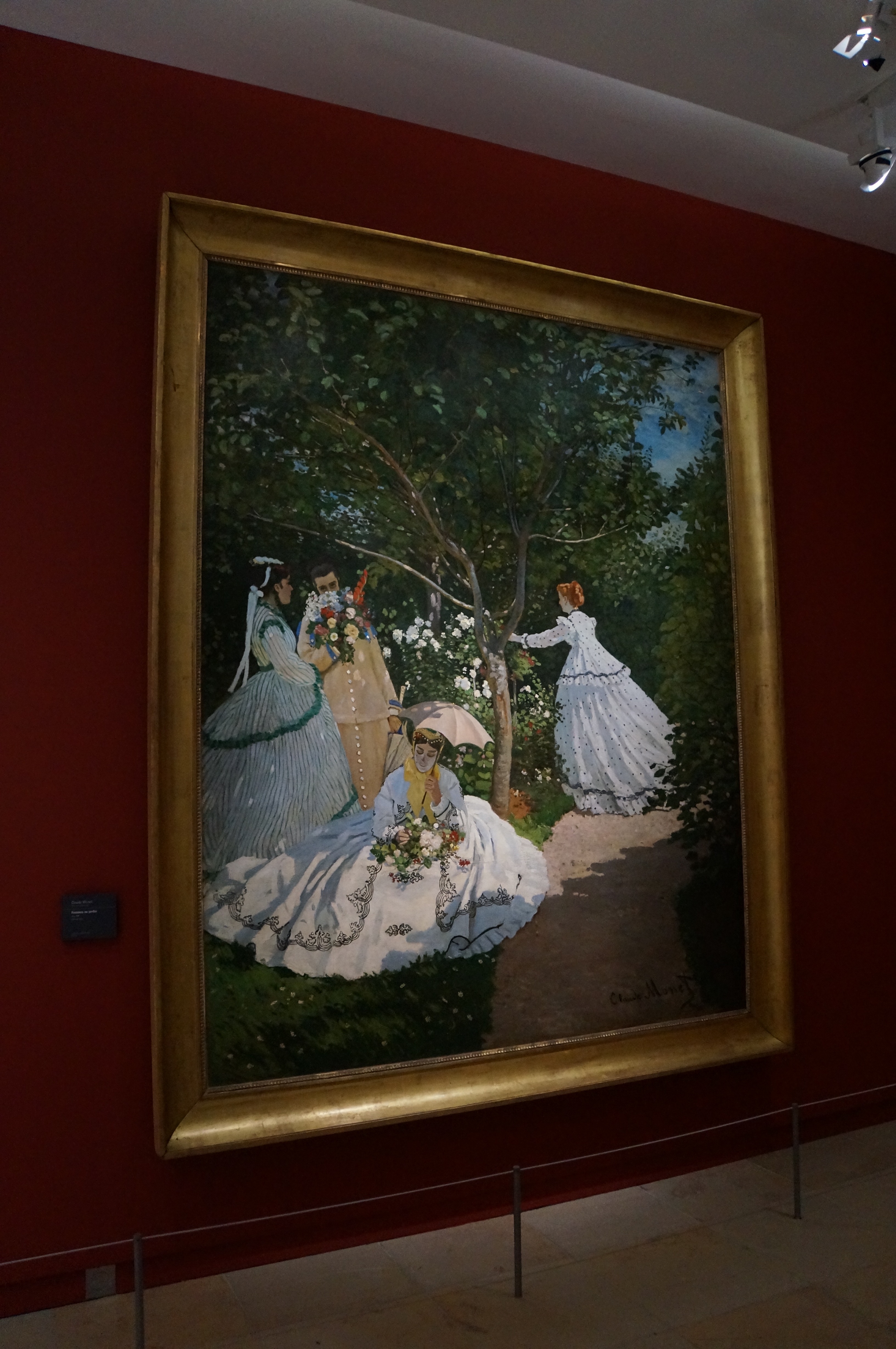
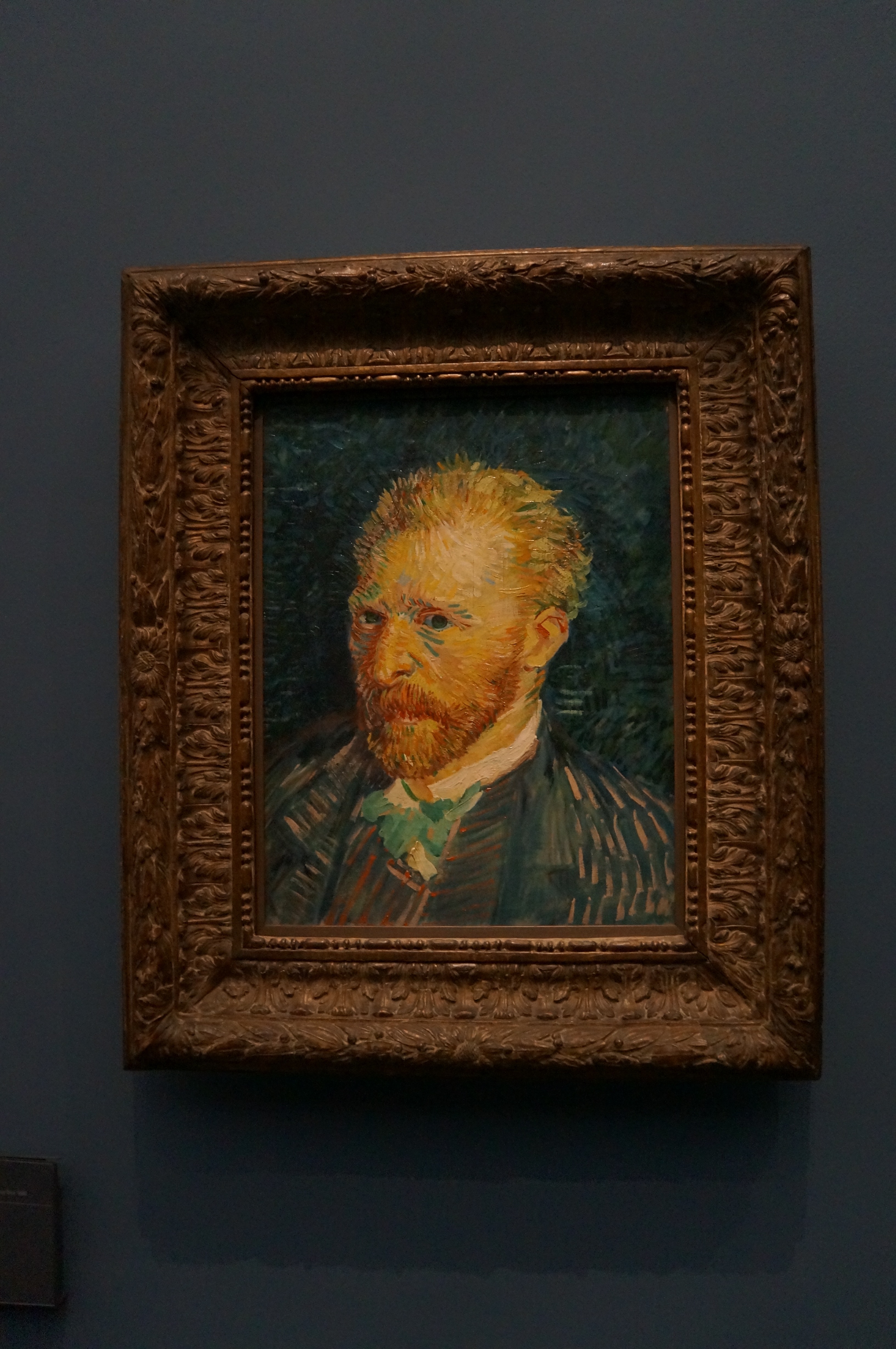
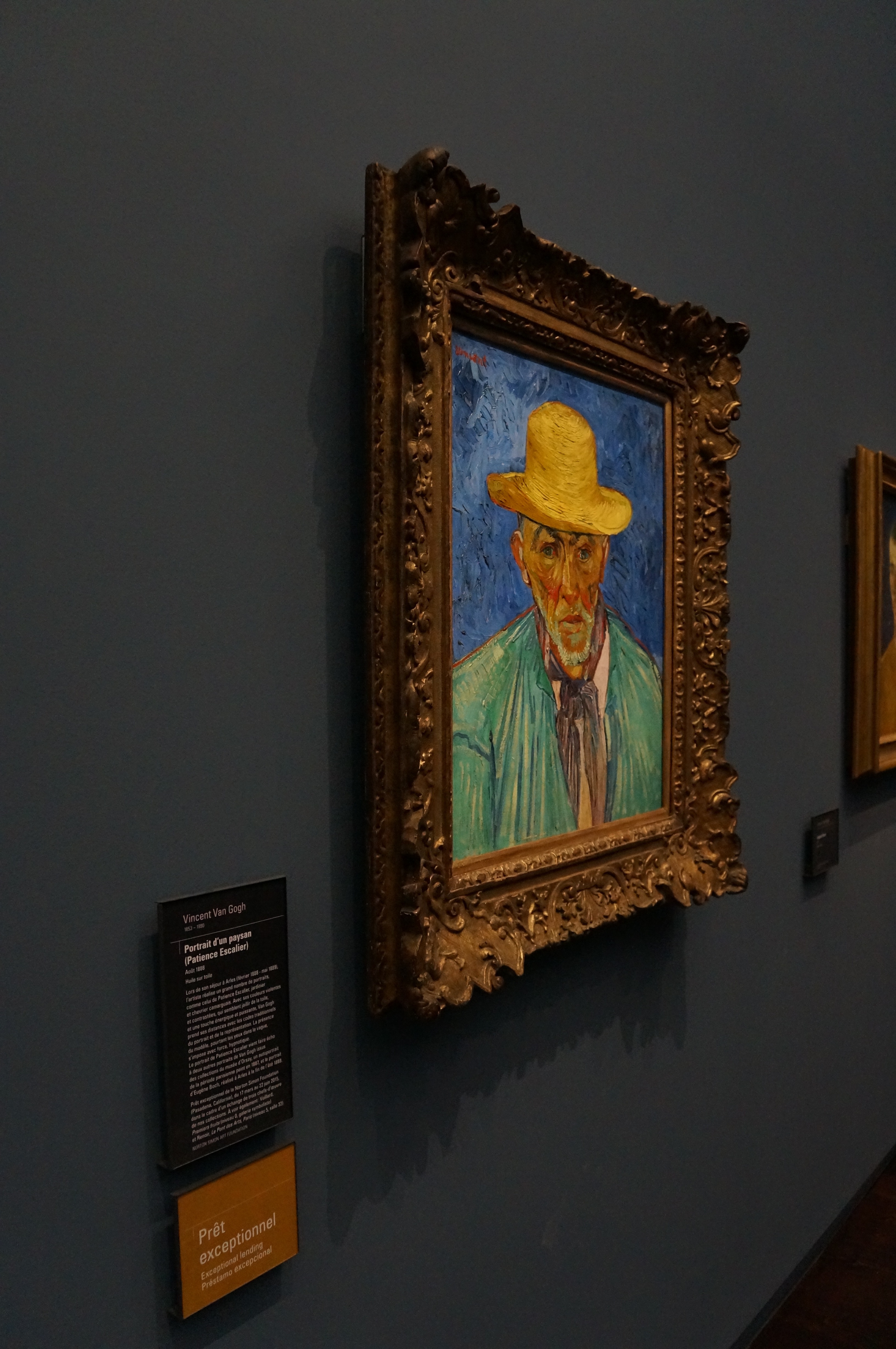
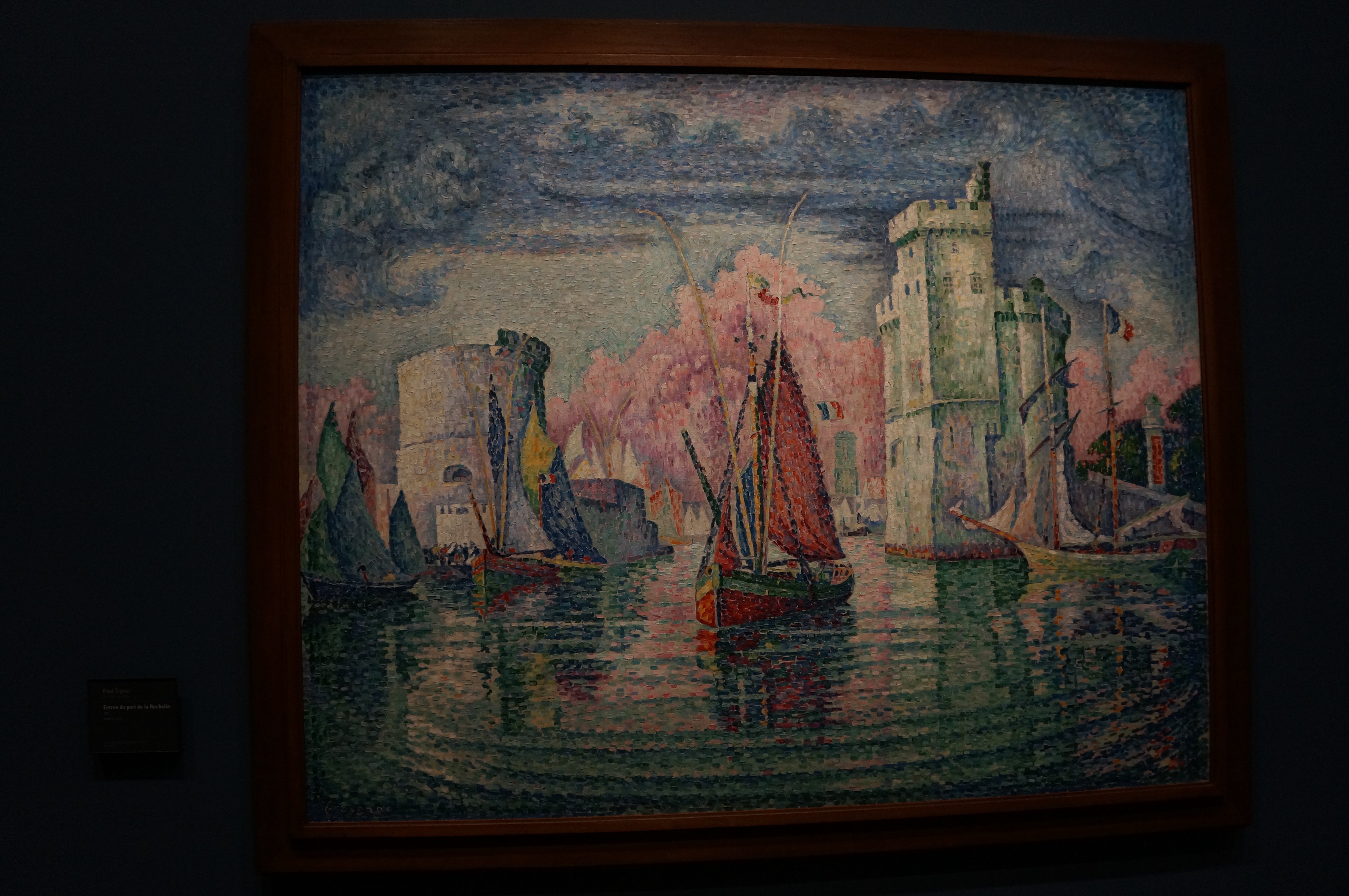
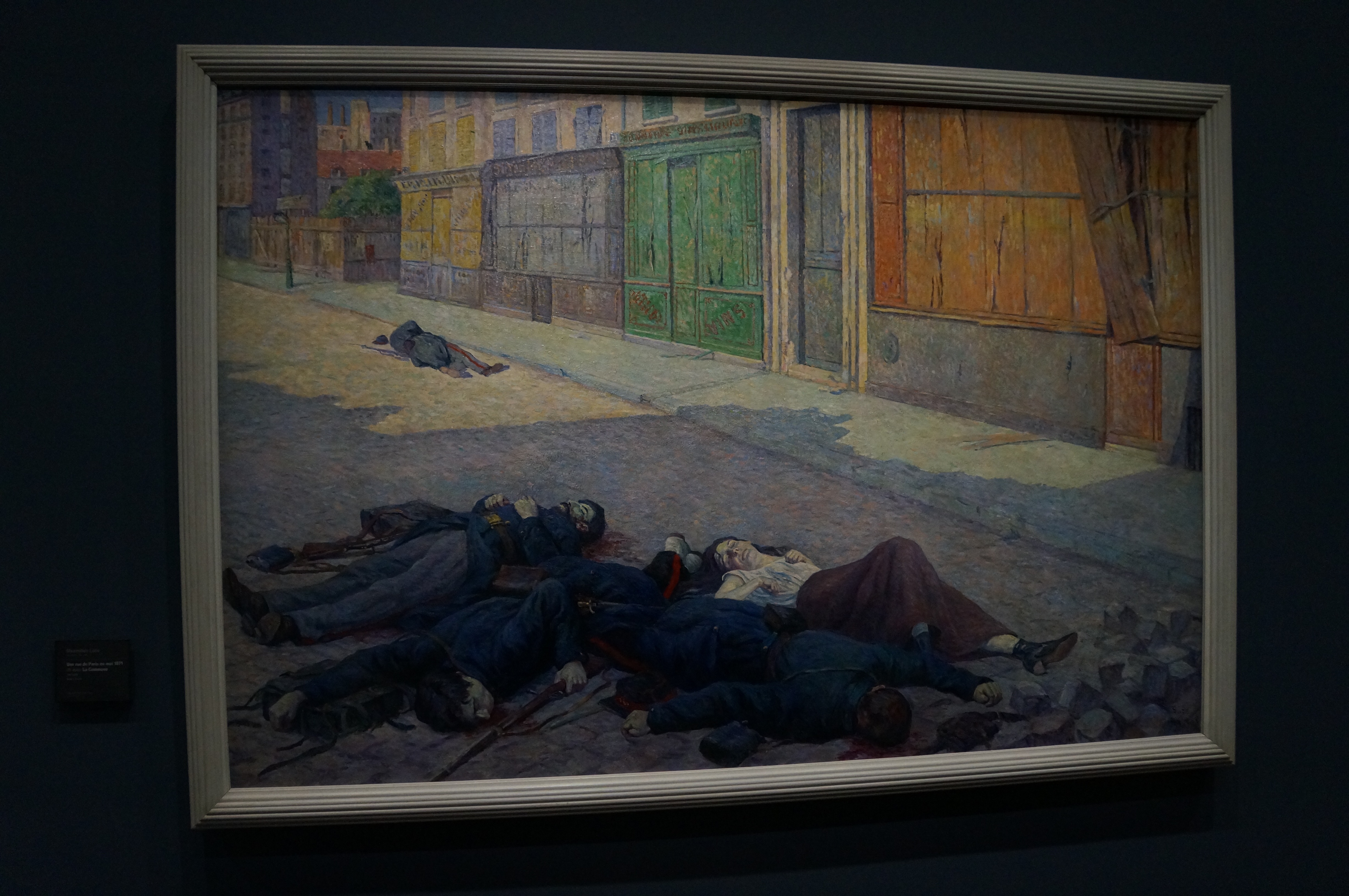
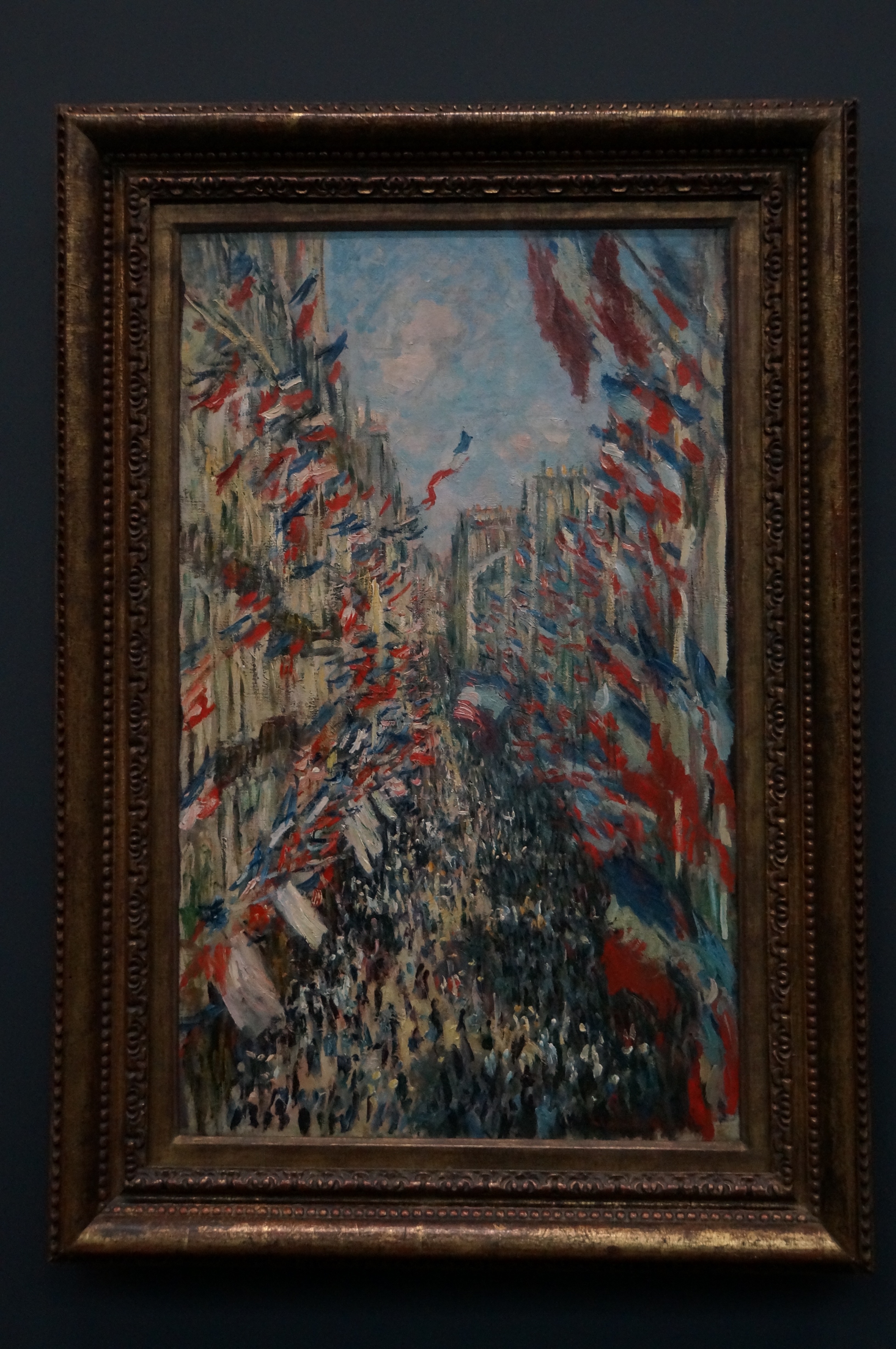
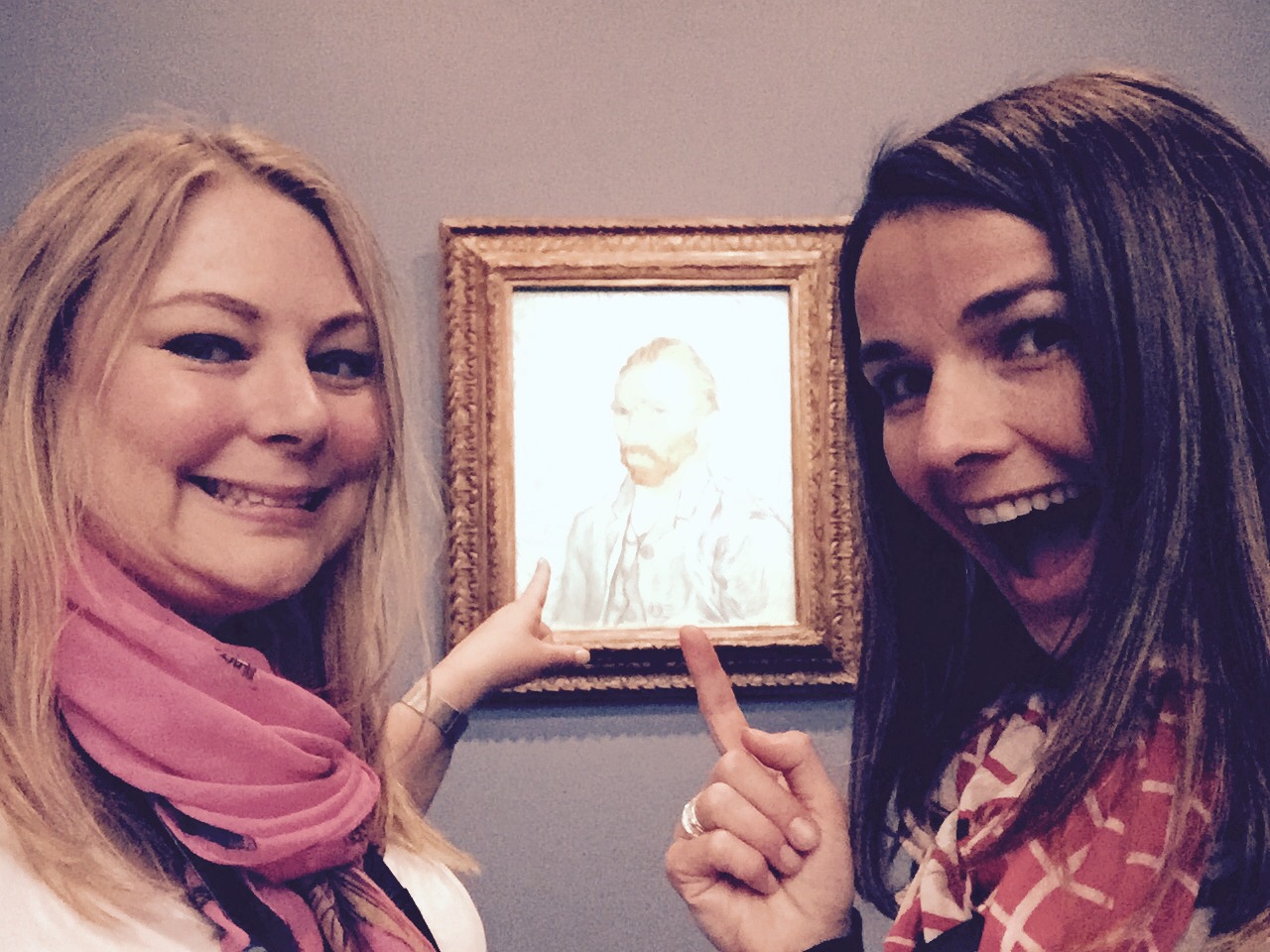
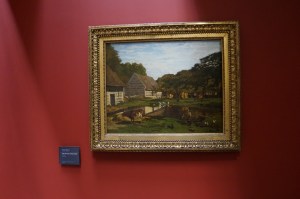
There are far too many amazing sculptures, paintings and artists to mention them all but some well know pieces – The Birth of Venus, Blue Water Lilies, Starry Night over the Rhone, Apples and Oranges as well as The Card Players (Cezanne), a self-portrait by Vincent Van Gogh, The Circus, (Sevrat), The painting family, The sick child (Carriere) and the Luncheon on the Grass.

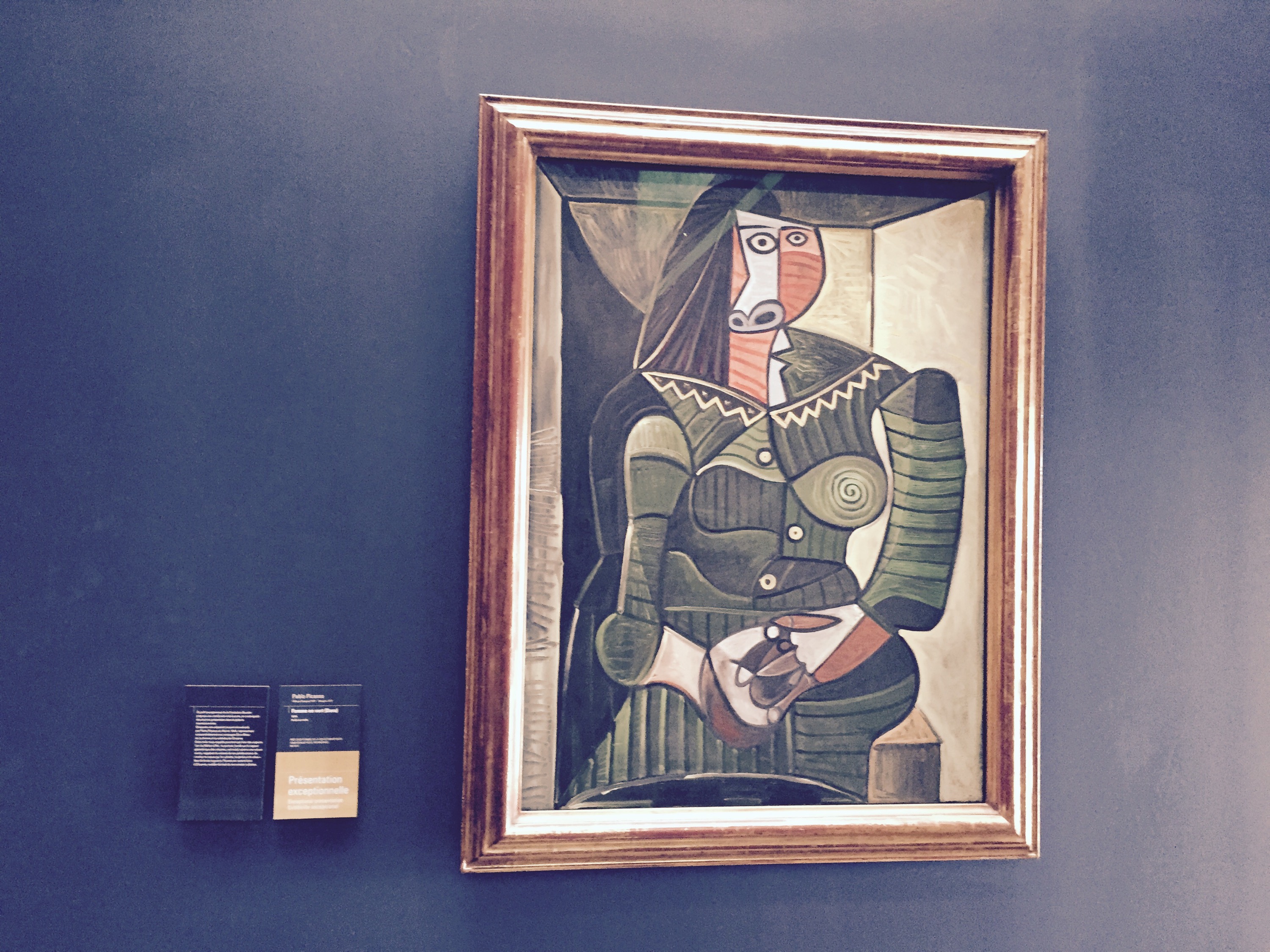
As luck would have it for us, a small exhibit of Picasso’s work is also on display until June 2015 – (citing http://www.musee-orsay.fr/en/collections/overview/actualites/the-museum-in-motion.html#c84991).

The Femme en vert (Dora) [Woman in Green, Dora]painting by Pablo Picasso

Pablo PicassoFemme en vert (Dora)© Succession Picasso 2015 © Peter Schibli, Basel

This exceptional loan from the Fondation Beyeler provides a dramatic conclusion, in contrast with the works presented in the Impressionist gallery.  Fifty years elapsed between this portrait produced by Pablo Picasso in February 1944, representing in all likelihood his companion Dora Maar, and La femme à la cafetière [Woman with a Coffeepot] by Cézanne.

Nevertheless, many aspects of this canvas are reminiscent of Cézanne’s artwork: the portrait, based on the aspect ratio of volumes, is treated as a still life, recalling his predecessor’s desire to “treat nature through cylinders, spheres and cones”.  Towards the end of the war, Picasso turned once again to Cézanne, whom he declared to be his role model for his Cubist years.

Pablo PicassoThe Absinthe Drinker© Succession Picasso 2015 / Photo Sophie Boegly

On the ground floor, visitors can admire Picasso’s works thanks to a long-term loan granted by a private collector.

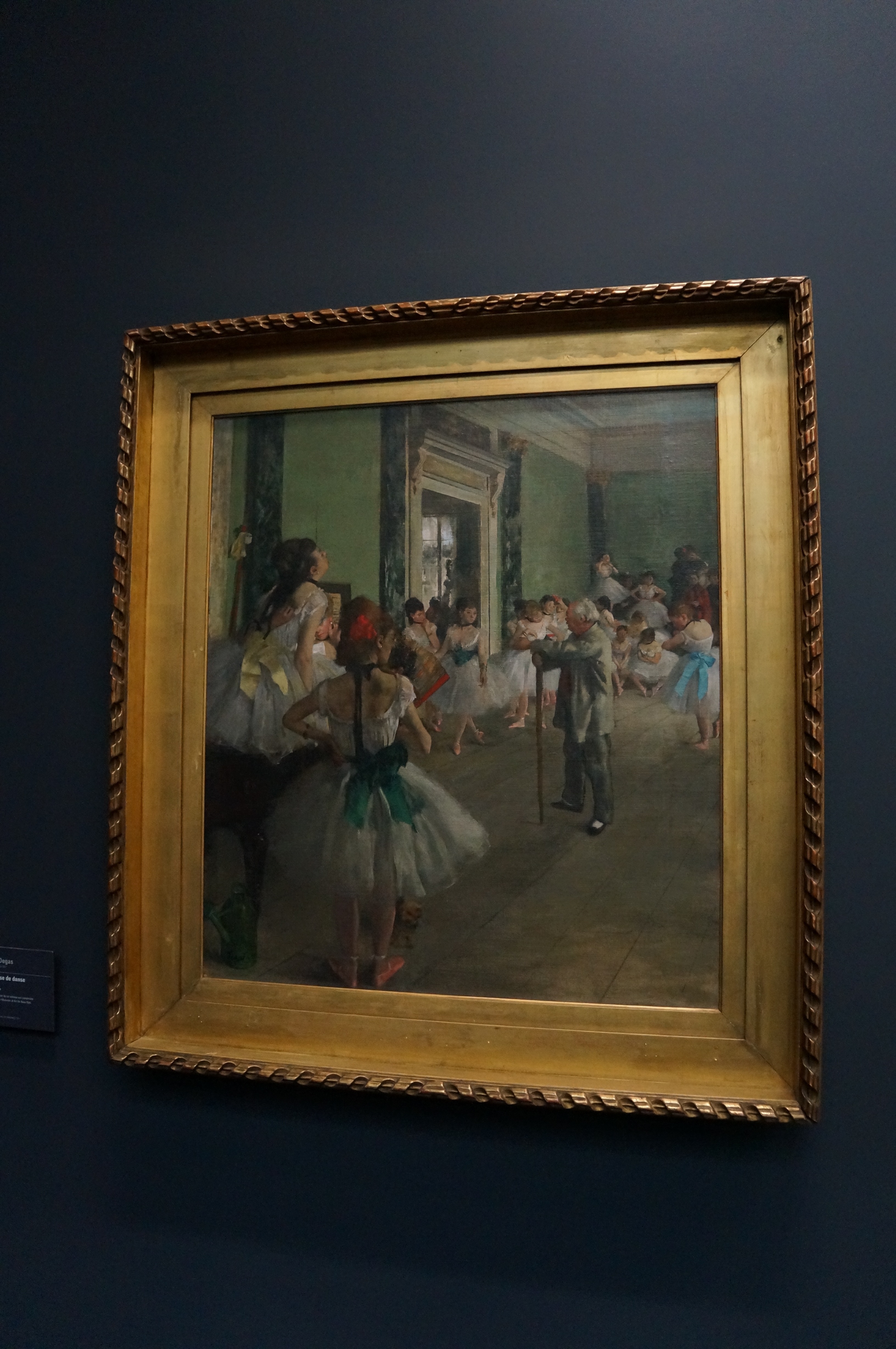
Displayed in the room devoted to Parisian lifestyle (ground floor, room 10), The Absinthe Drinker (1901) hangs alongside scenes of entertainment, dance halls, brothels, portraits by Toulouse-Lautrec, Boldini and Anquetin, and once again reveals the fascination that bohemian Paris held for so many painters at the end of the 19th century. It is also a unique opportunity for visitors to compare this absinthe drinker by Picasso with that of Degas displayed in the Impressionist gallery.

For more: http://www.aviewoncities.com/paris/garedorsay.htm
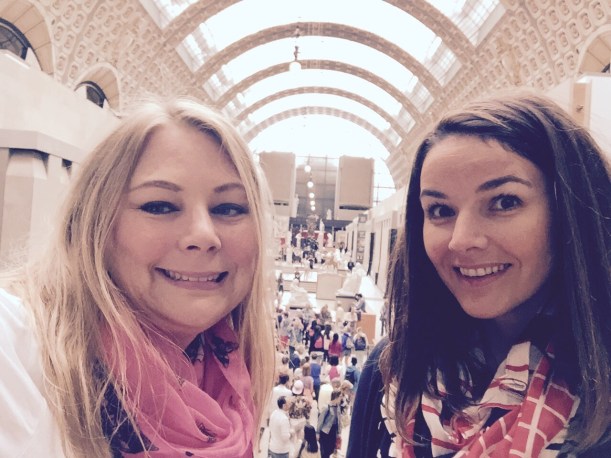
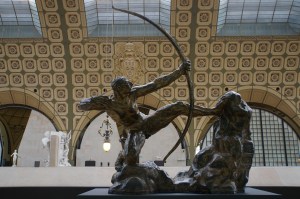
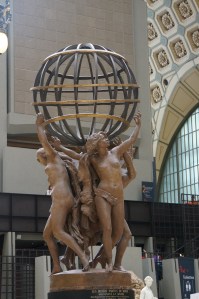
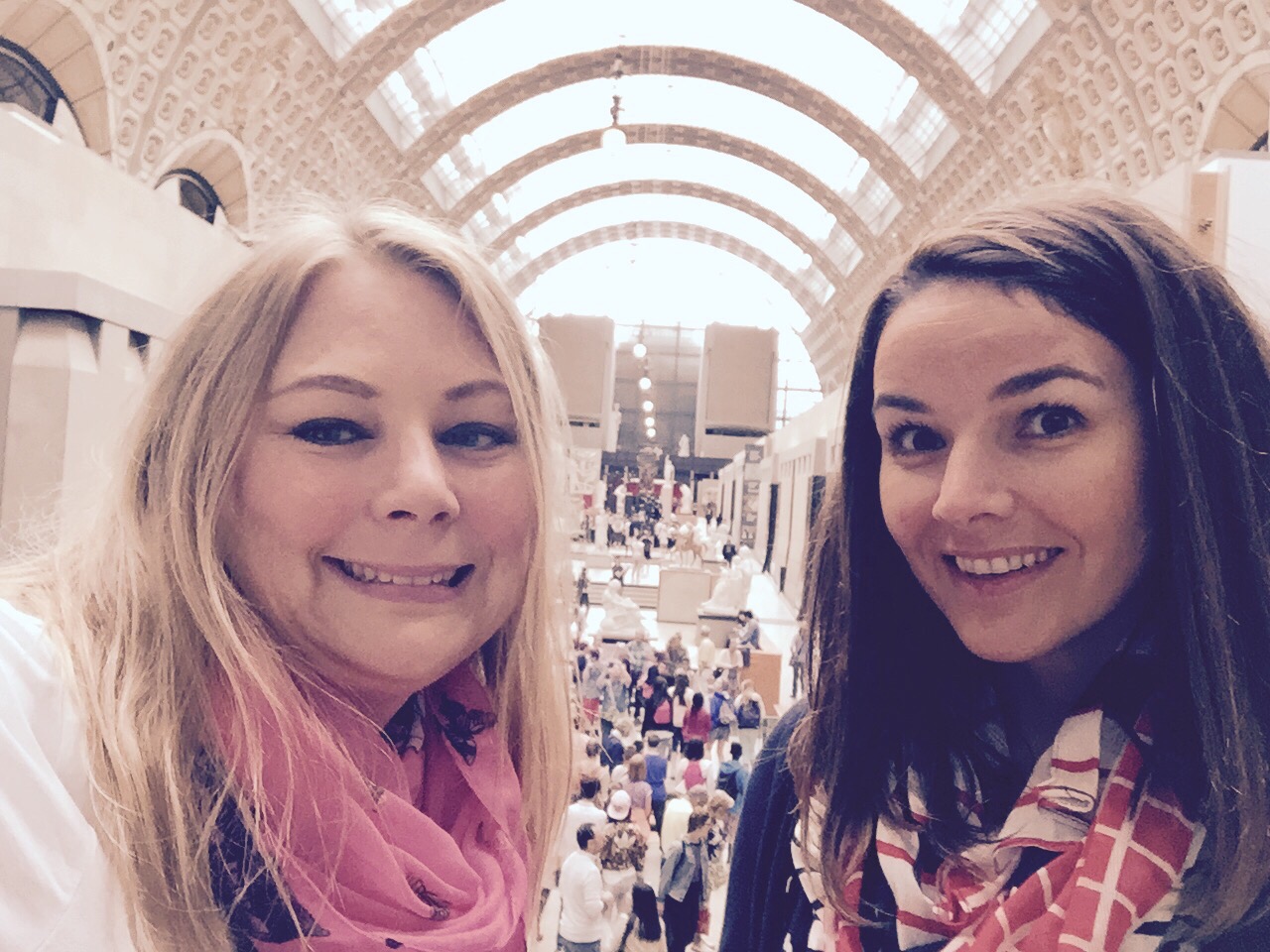
The main hall of Musee D’Orsay
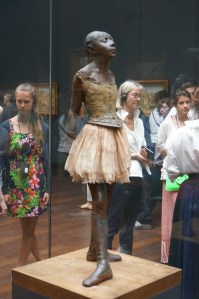
DSC09722

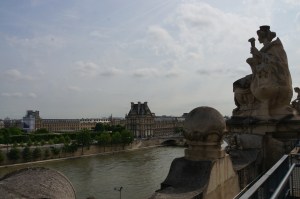
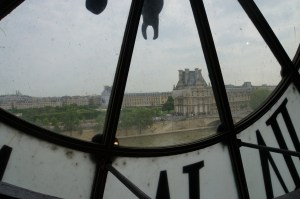
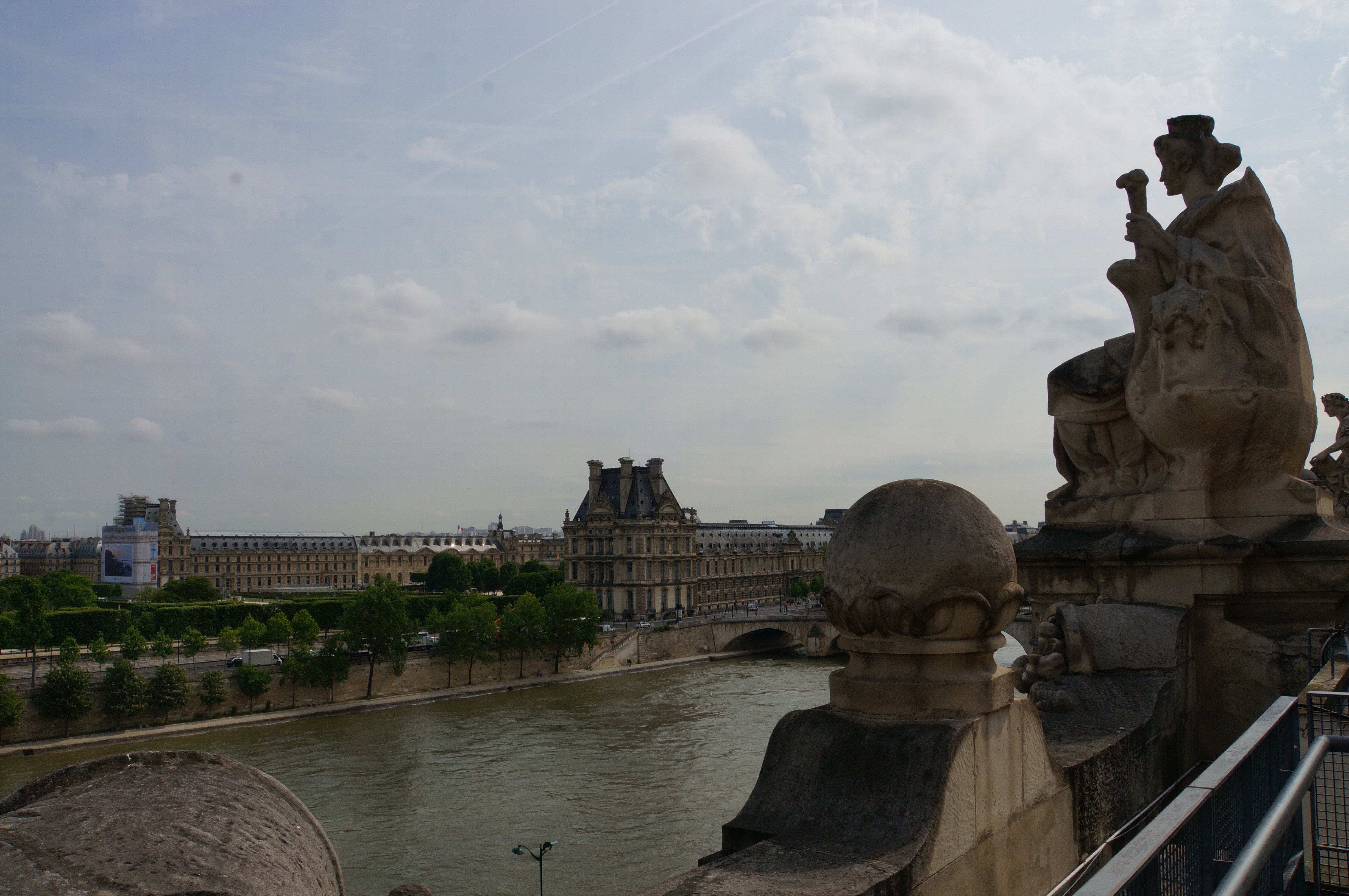
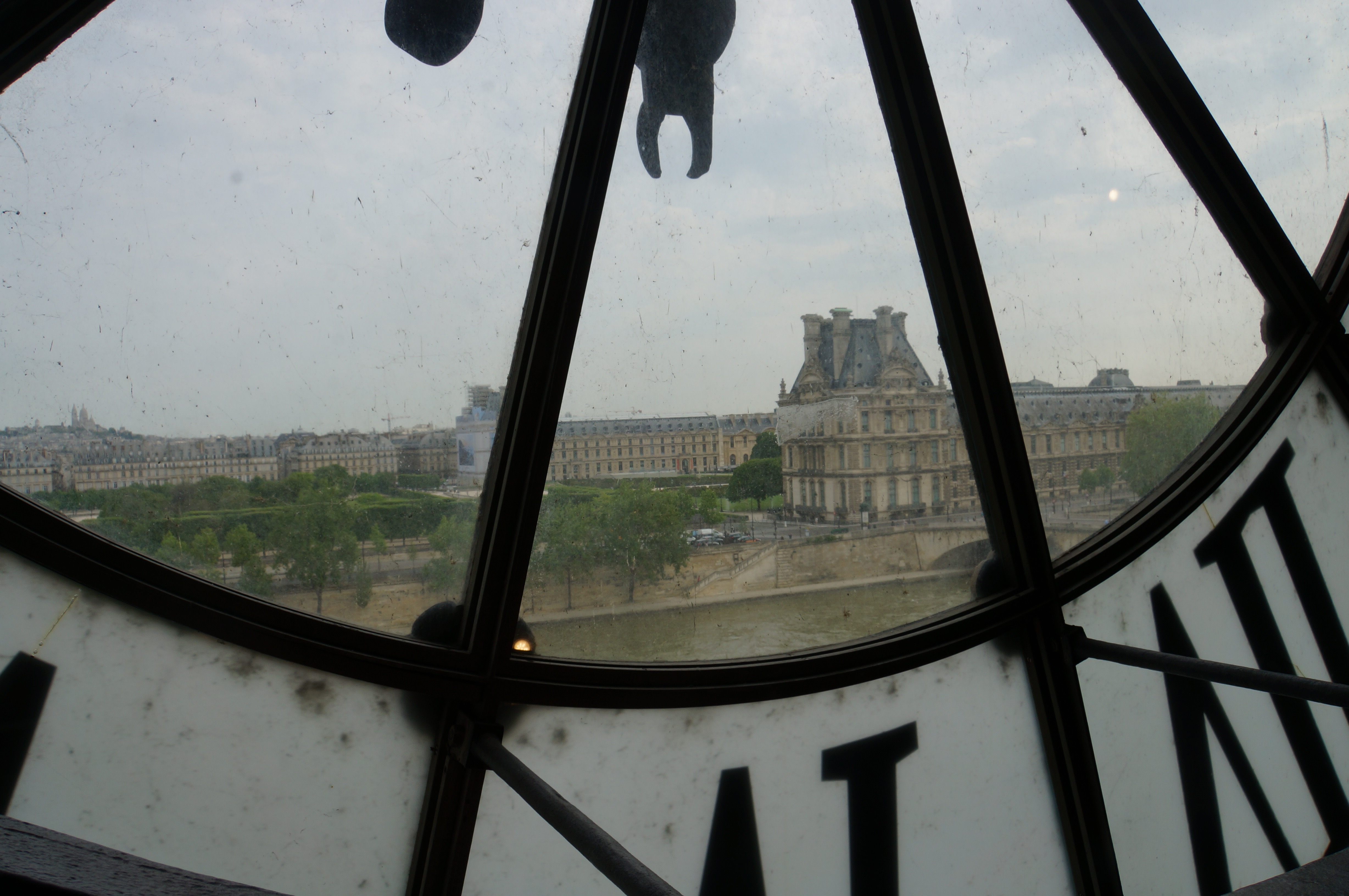
Views of Paris and the Seine from the rooftop of Musee D'Orsay

Views of Paris and the Seine from the rooftop of Musee D’Orsay
DSC09724DSC09655

DSC09651 DSC09650

Train station clock in the shadows. With the city of Paris and the Seine in view.

Train station clock in the shadows. With the city of Paris, Musee de Louvre, and the Seine in view.
DSC09657 DSC09659 DSC09694

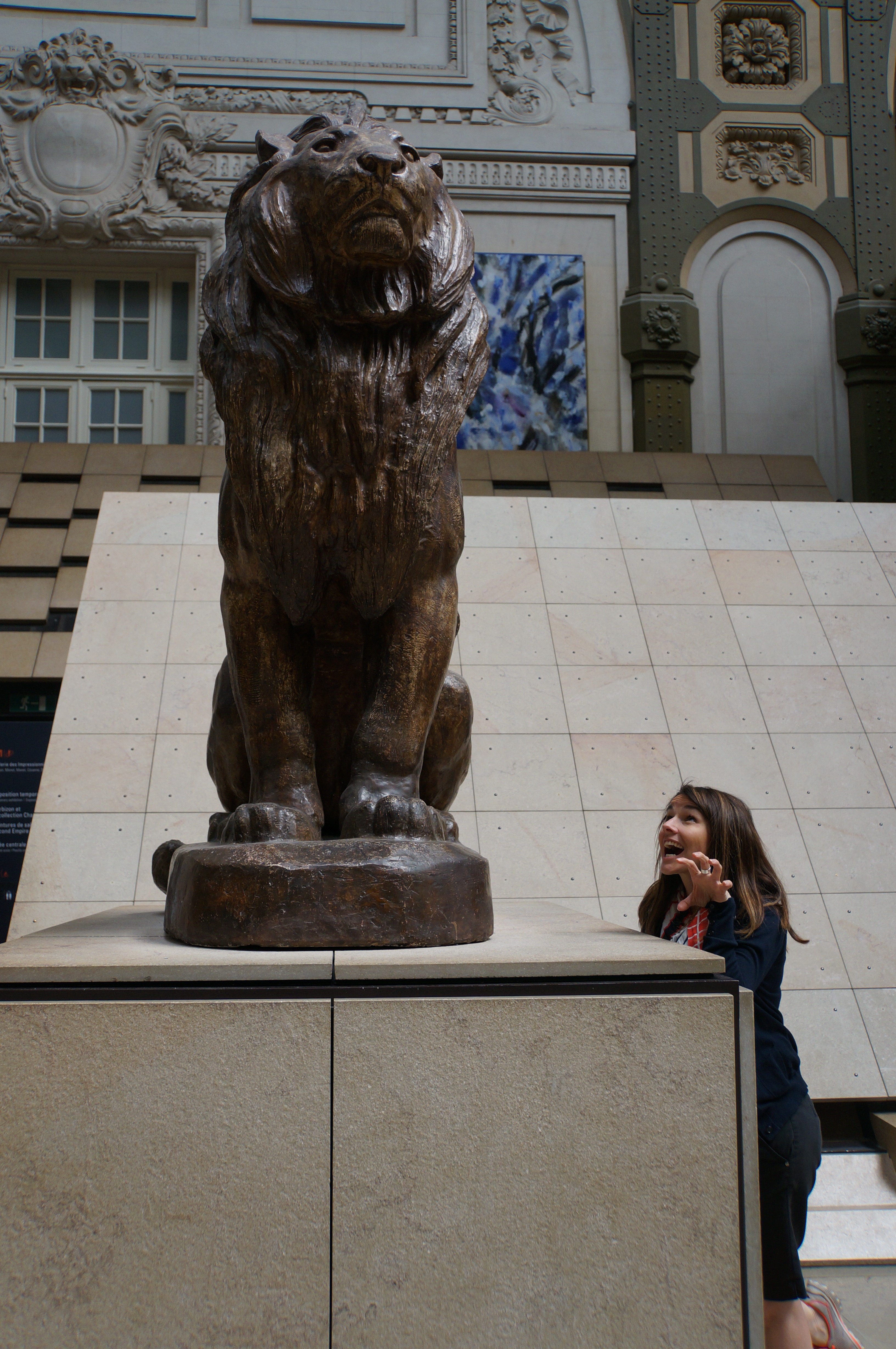
Roar....

Roar….

DSC09719

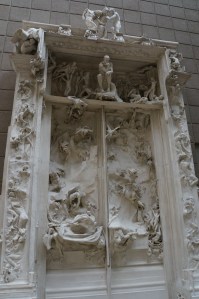
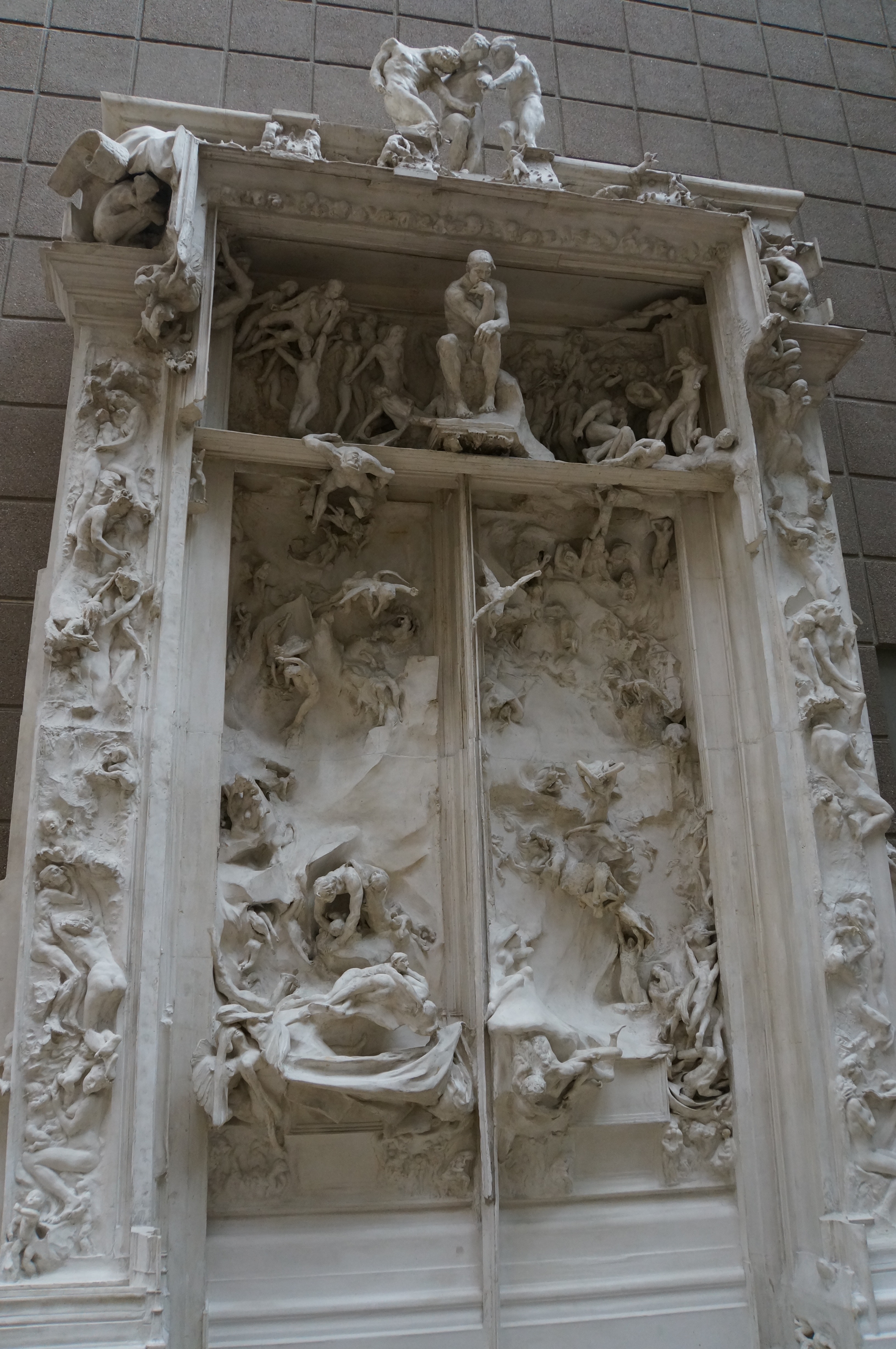
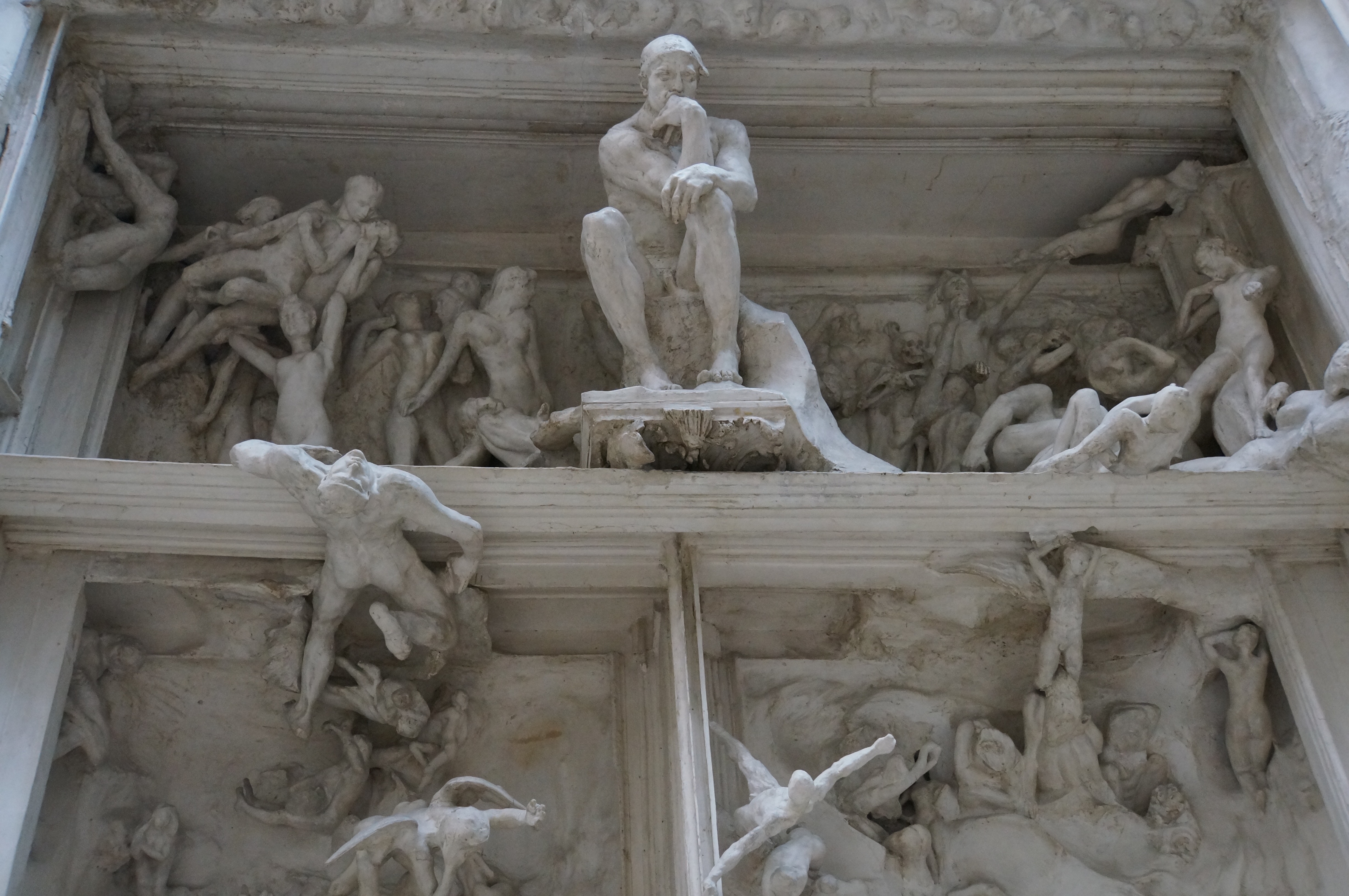
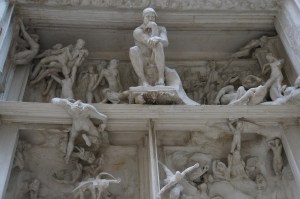
The Gates of Hell sculpture by Rodin at the Musee D'Orsay

The Gates of Hell sculpture by Rodin at the Musee D’Orsay
DSC09670

Main gallery hallway at Musee D'Orsay

Main gallery hallway at Musee D’Orsay

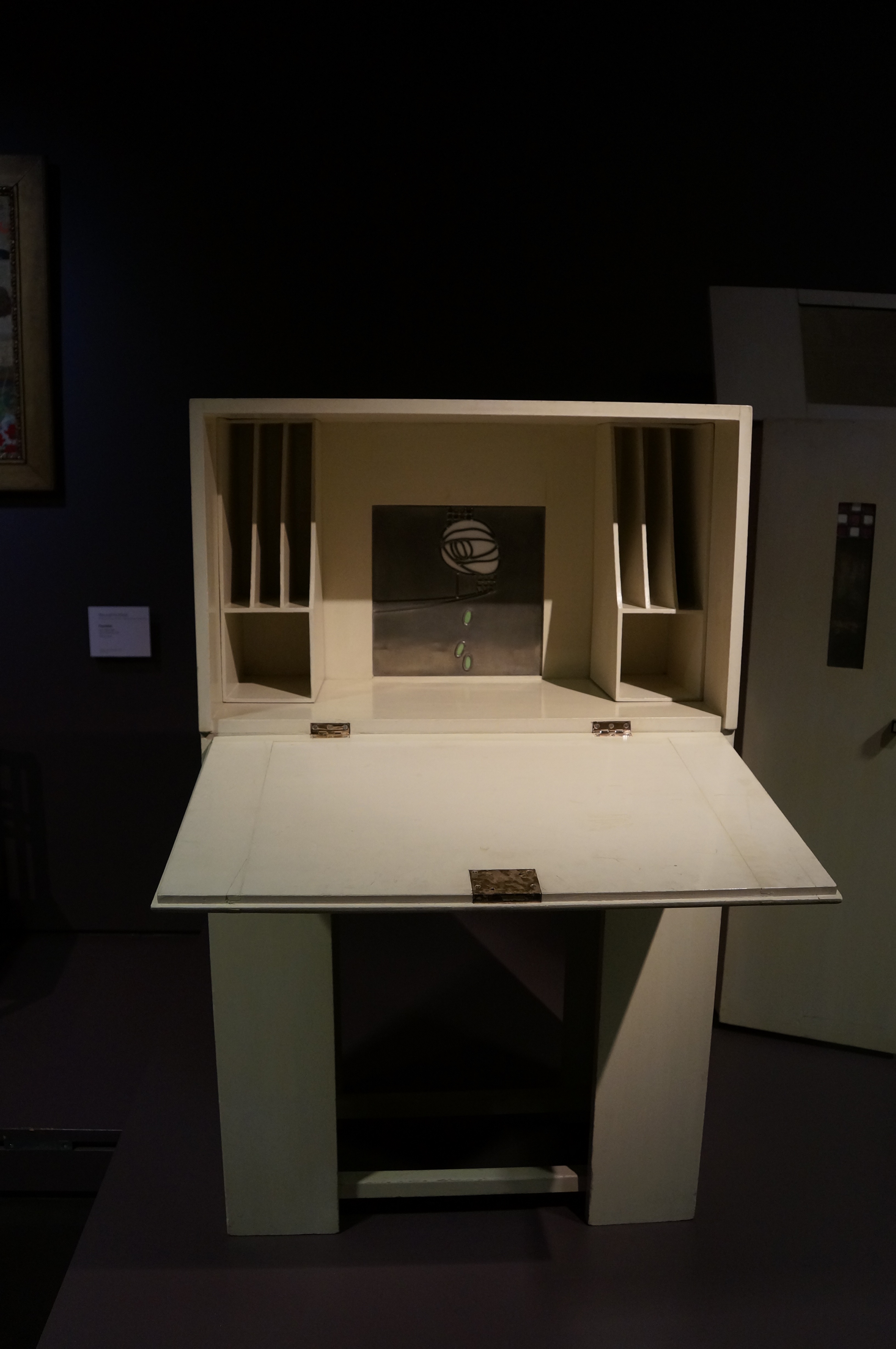
Furniture can also be art!
Furniture can also be art!

DSC09726

DSC09727

Delicious cafe - wonderful decor.

Delicious cafe – wonderful decor.

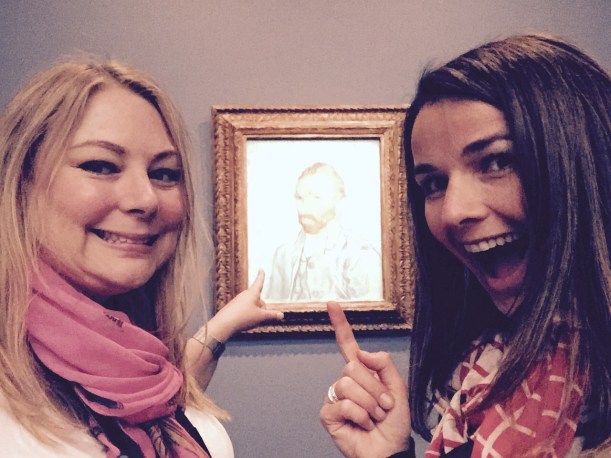
Our Selfie with the Self-portrait (1889) by Vincent van Gogh
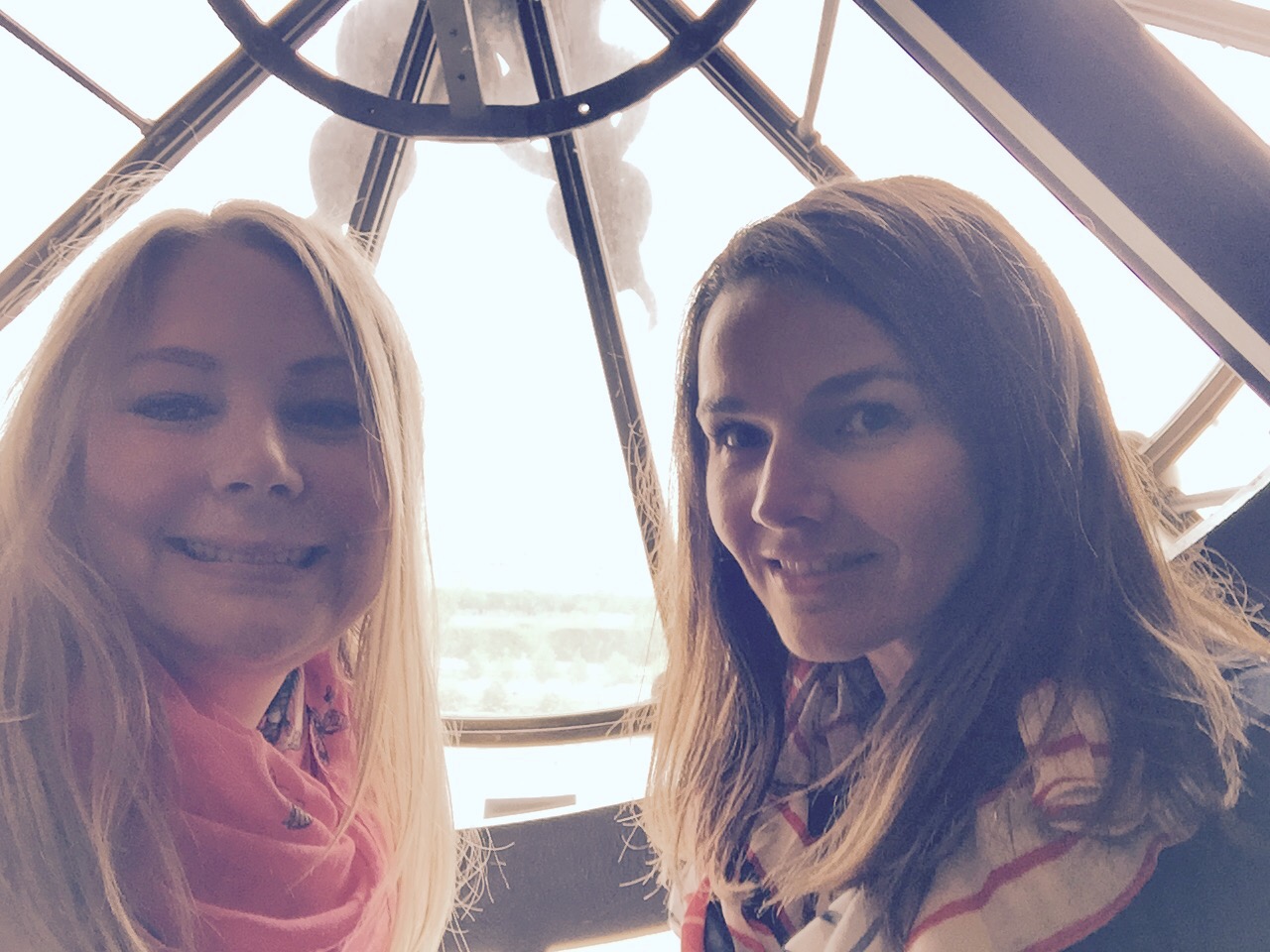
Behind the clock tower of the former train station that houses Musee D’Orsay
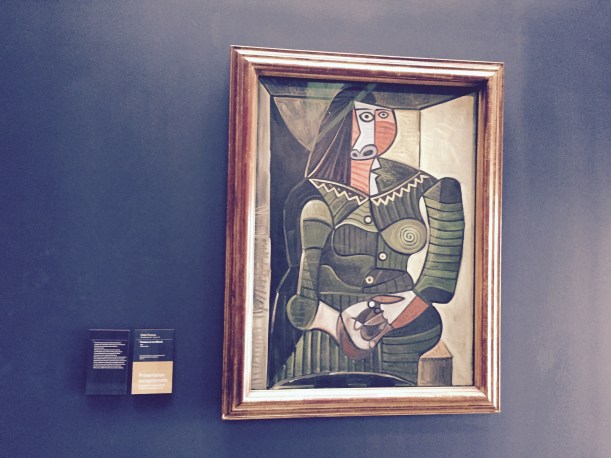
 Pablo Picasso Femme en vert (Dora)

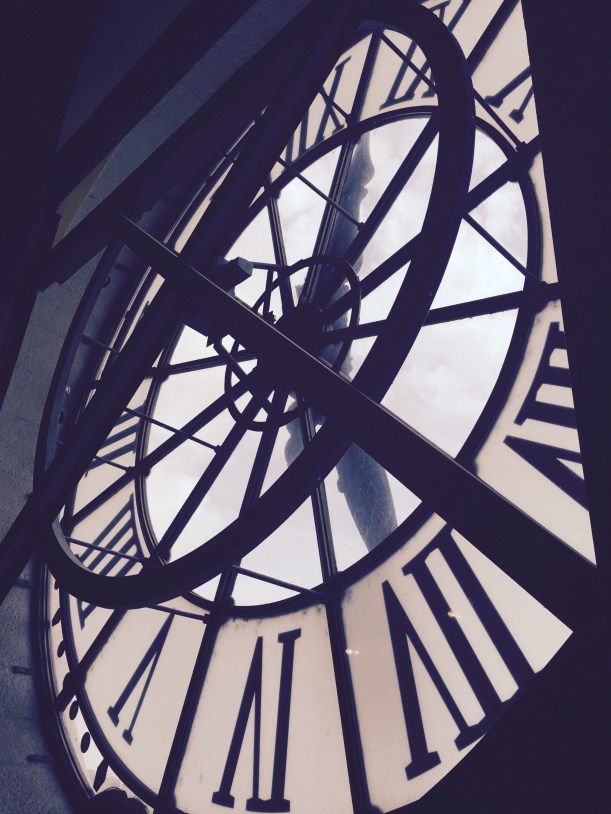
  Light and dark – the Musee D’Orsay clock

Realizing we’ve just spend hours in this museum, decided it was time to book it to our next museum.

Musee Rodin:

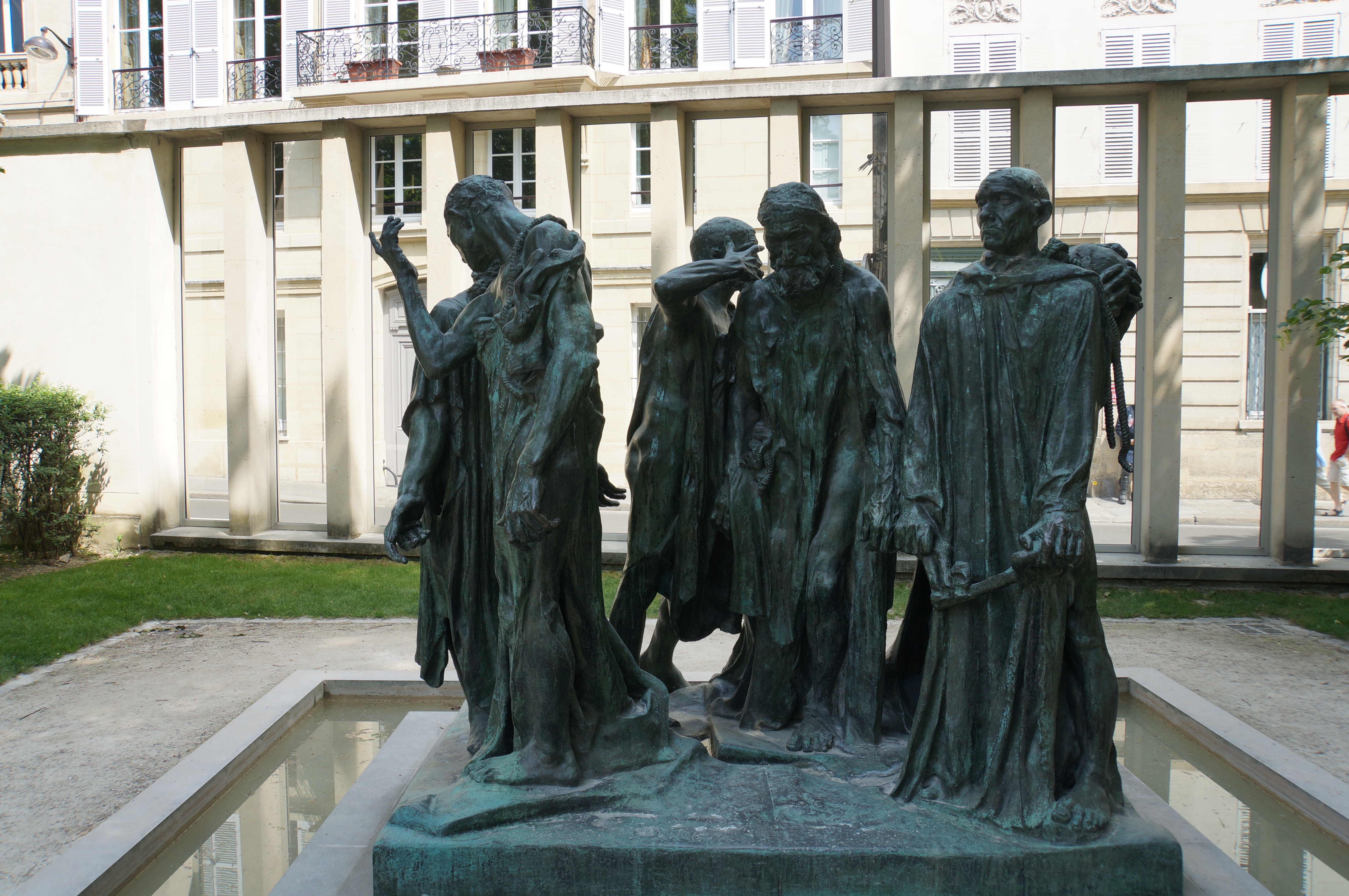
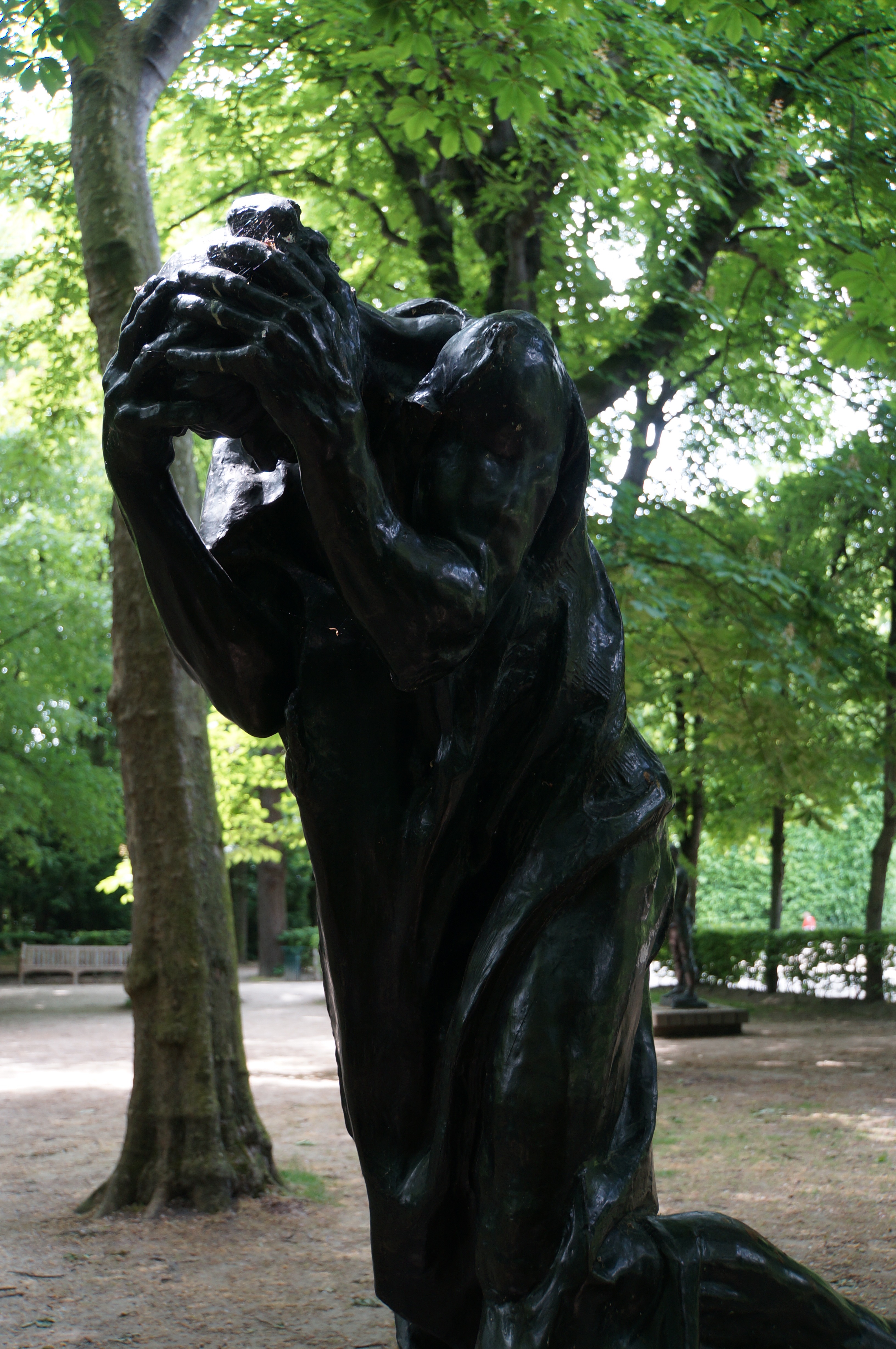
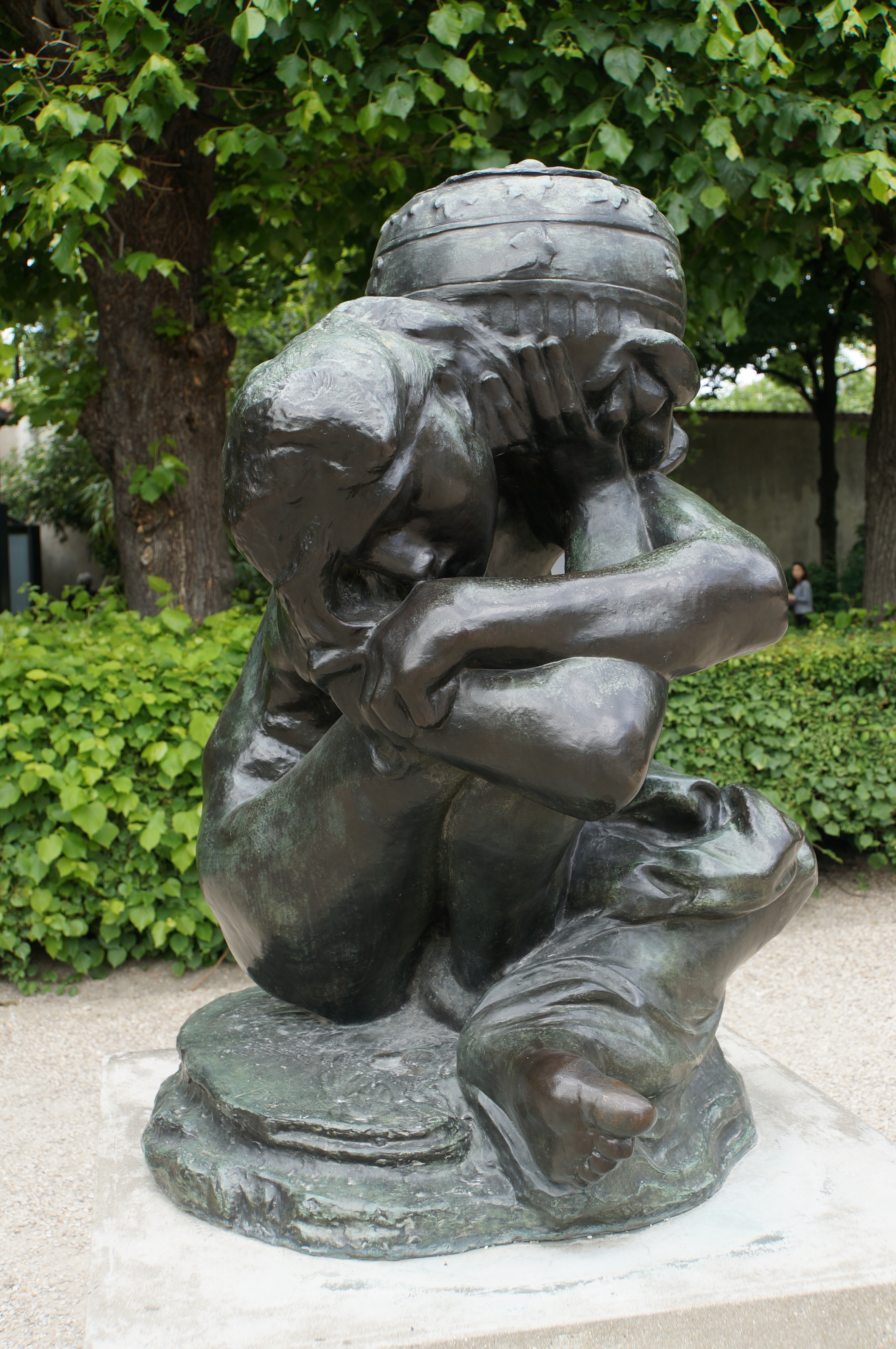
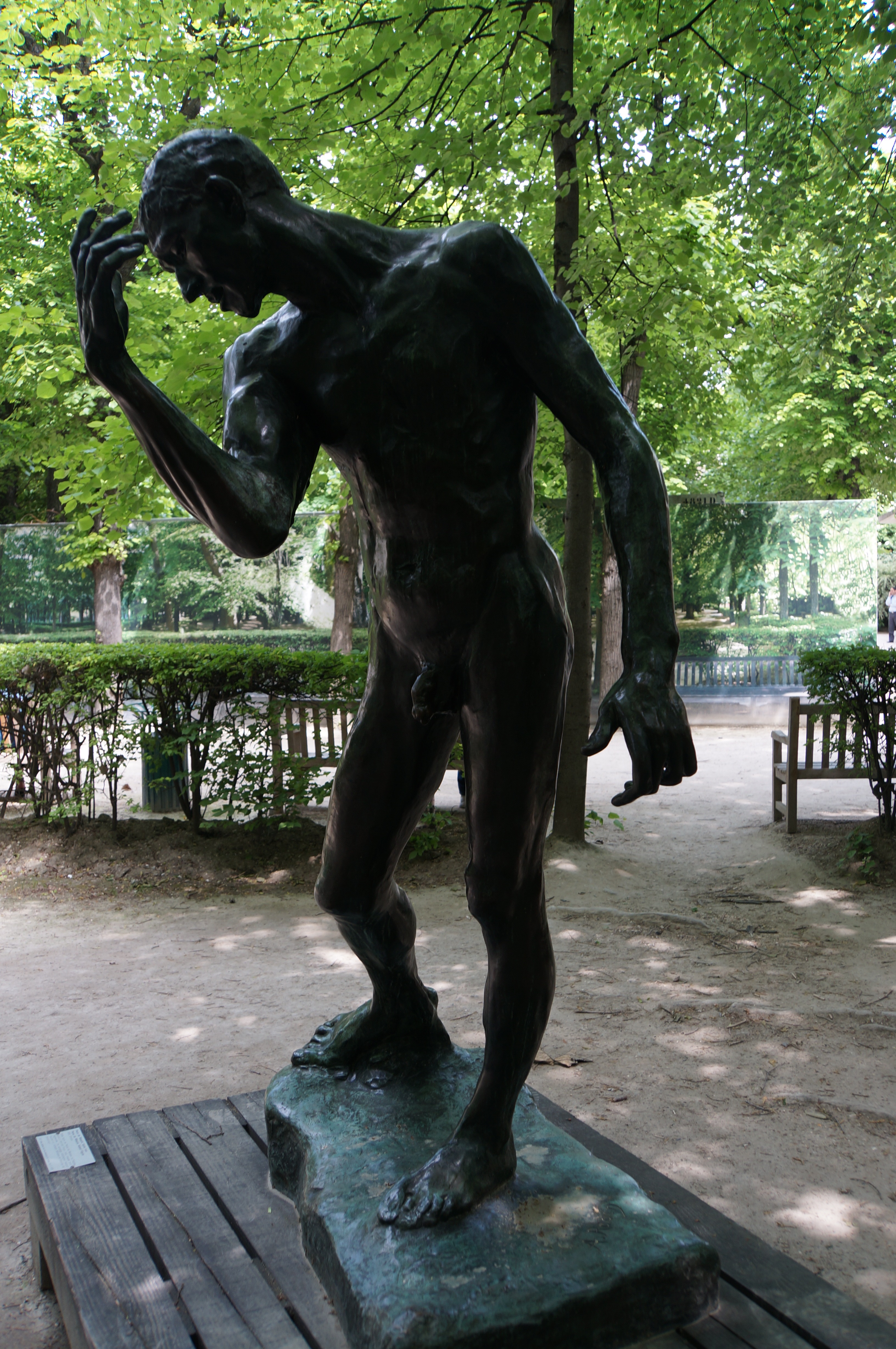
By comparison to Versaille, Musee de Louvre and even Musee D’Orsay, the Musee Rodin is quite small. But, it was also on my list of things to see in Paris.  There are three main highlights of this visit – the gardens of the Rodin, where sculptures are nestled amongst the trees, flowers and grassy sections, hotel within which the museum is situated and the chapel.

The Hôtel Biron is in the style of rocaille architecture and the entire space (gardens included) is nearly three hectares. Hosts about 700,000 visitors every year. It opened to the public in August 1919 housed in a mansion, formerly called the Hôtel Peyrenc de Moras, now called Hôtel Biron, built between 1727 and 1732 and houses about 300 works.

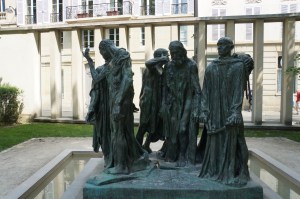
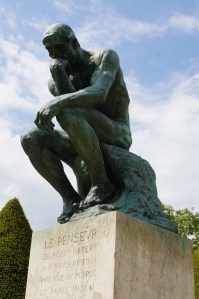
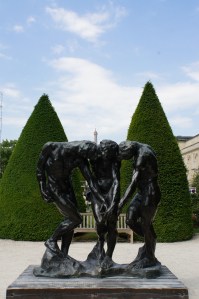
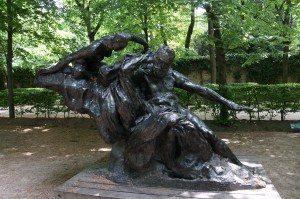
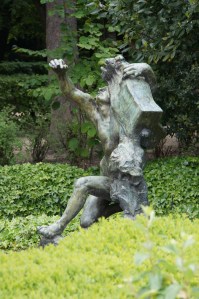
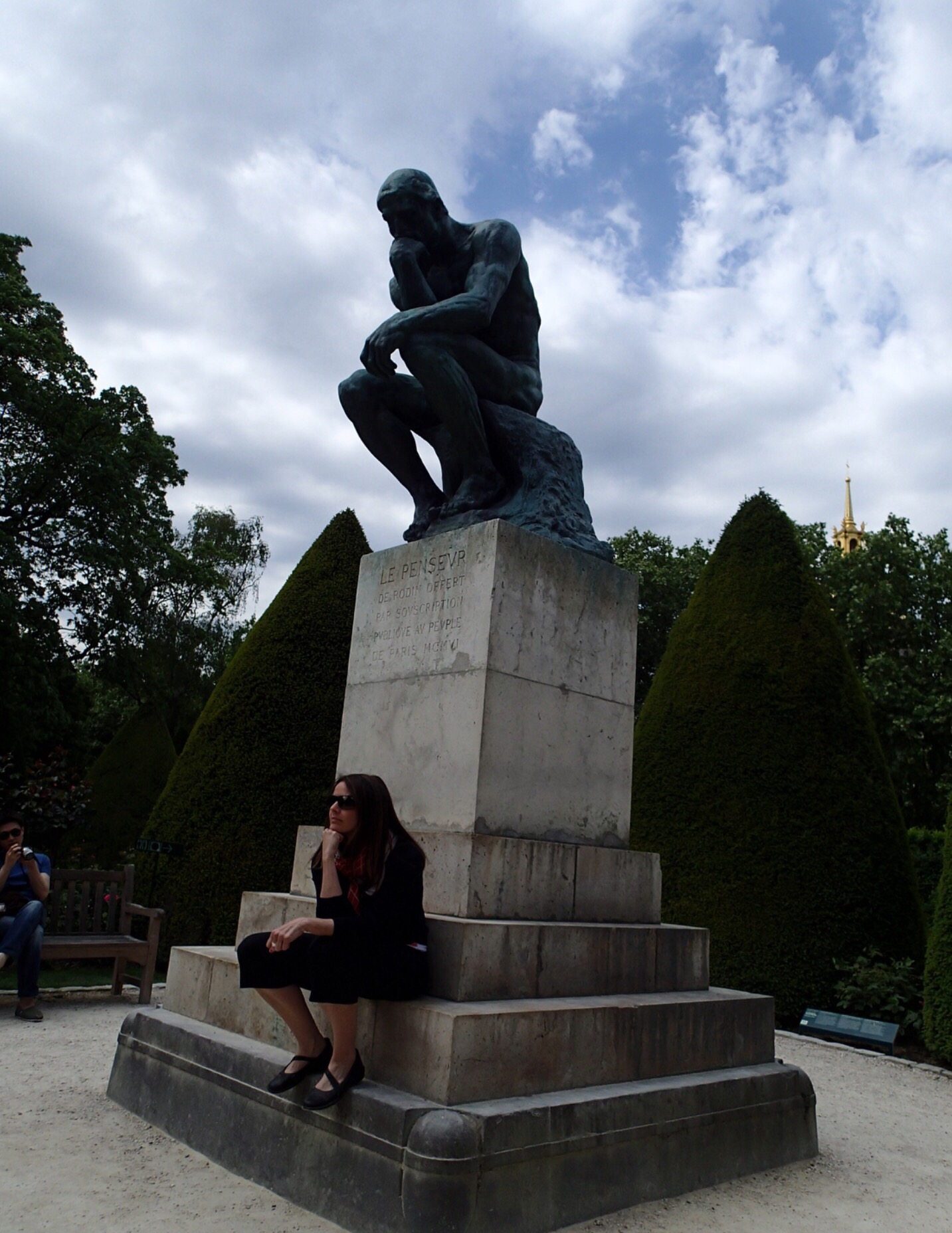
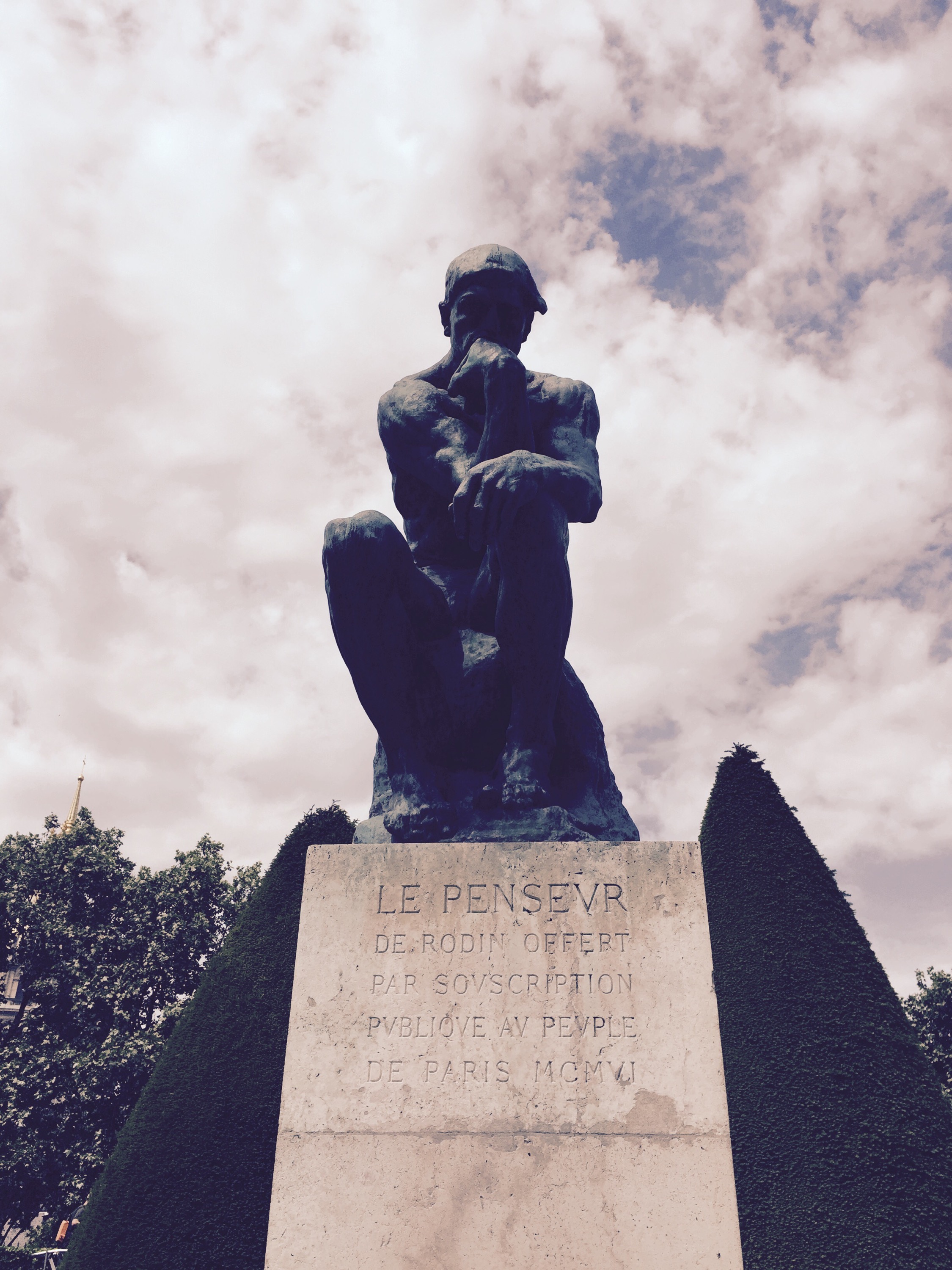
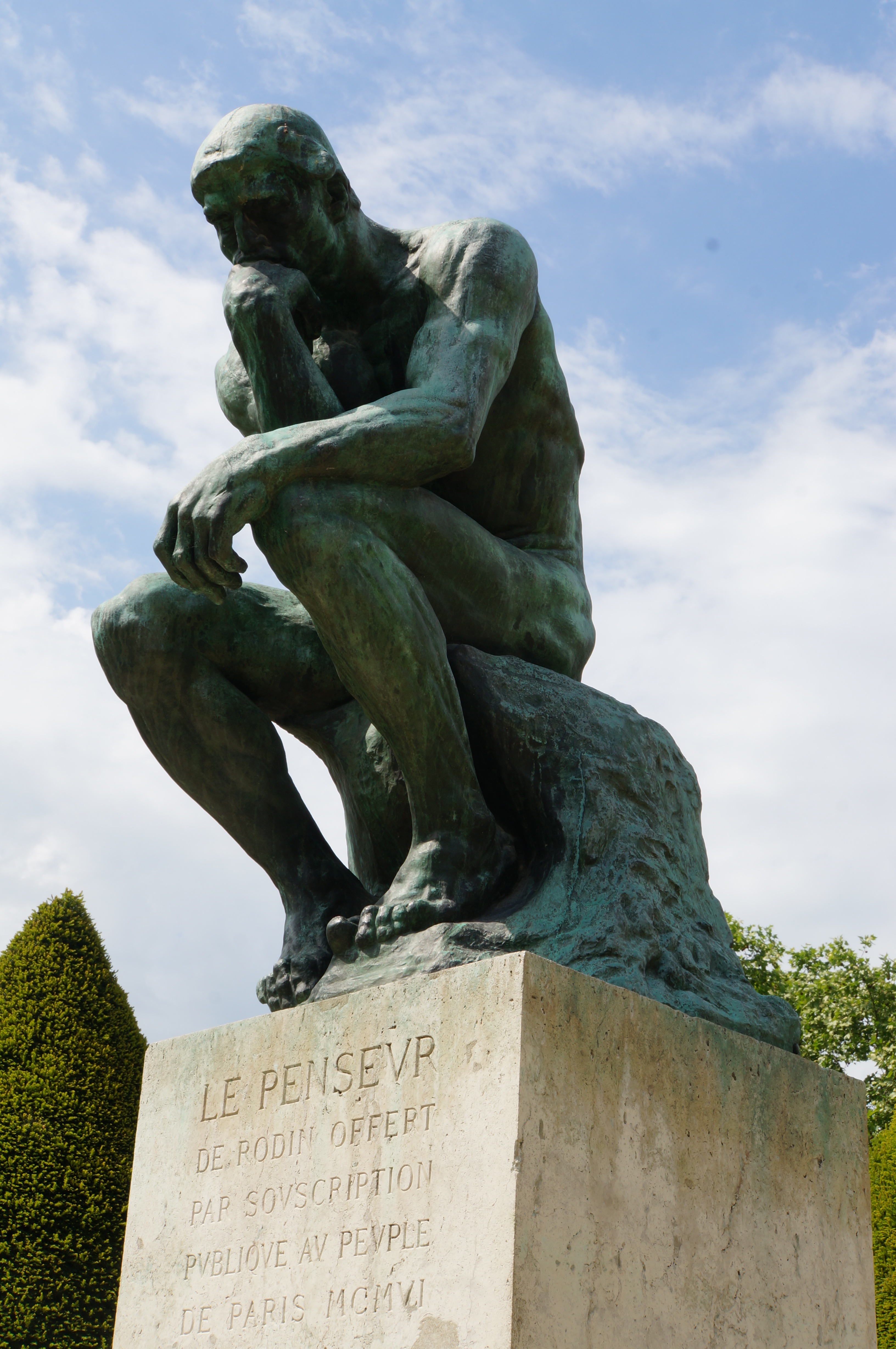
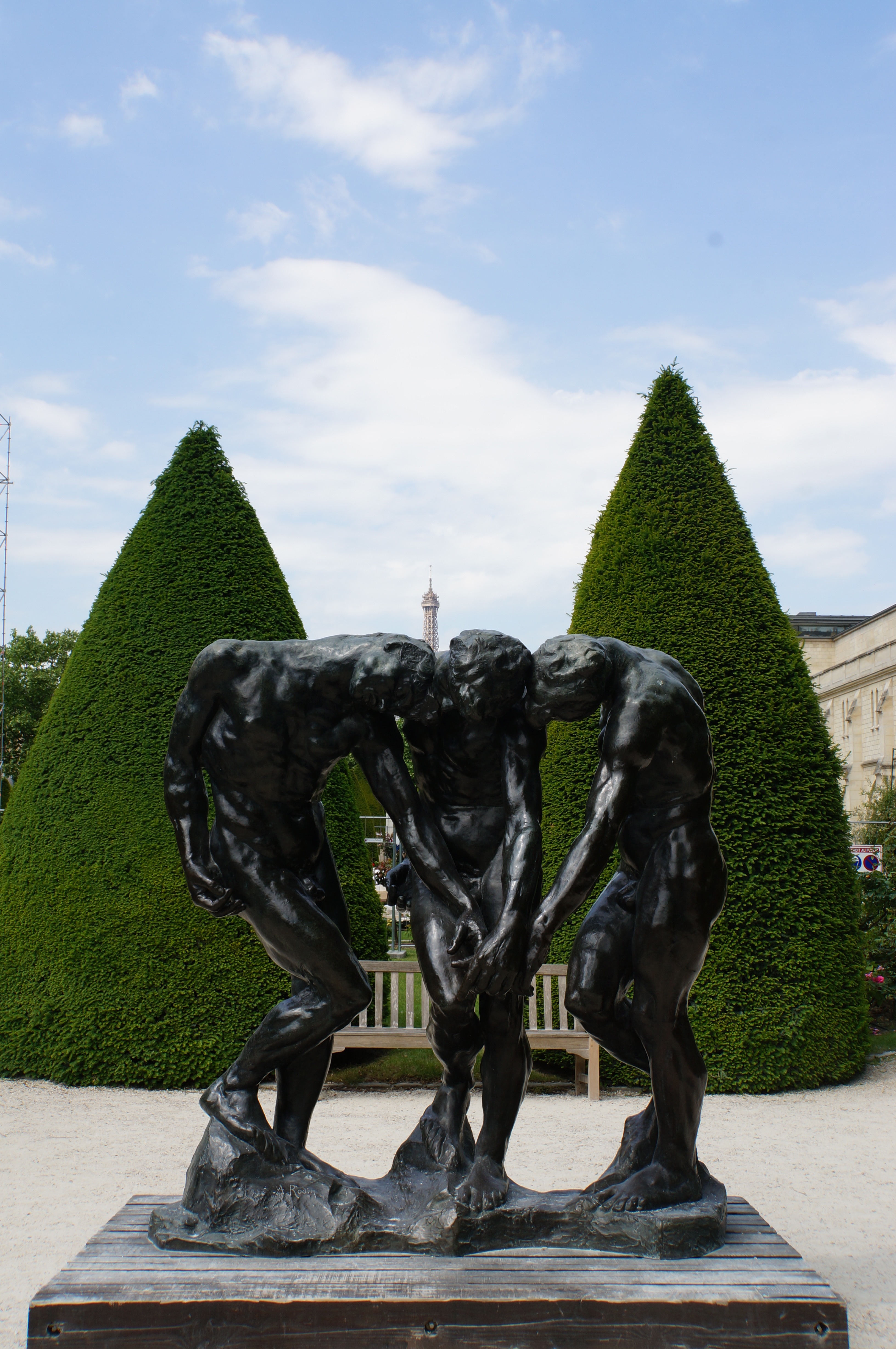
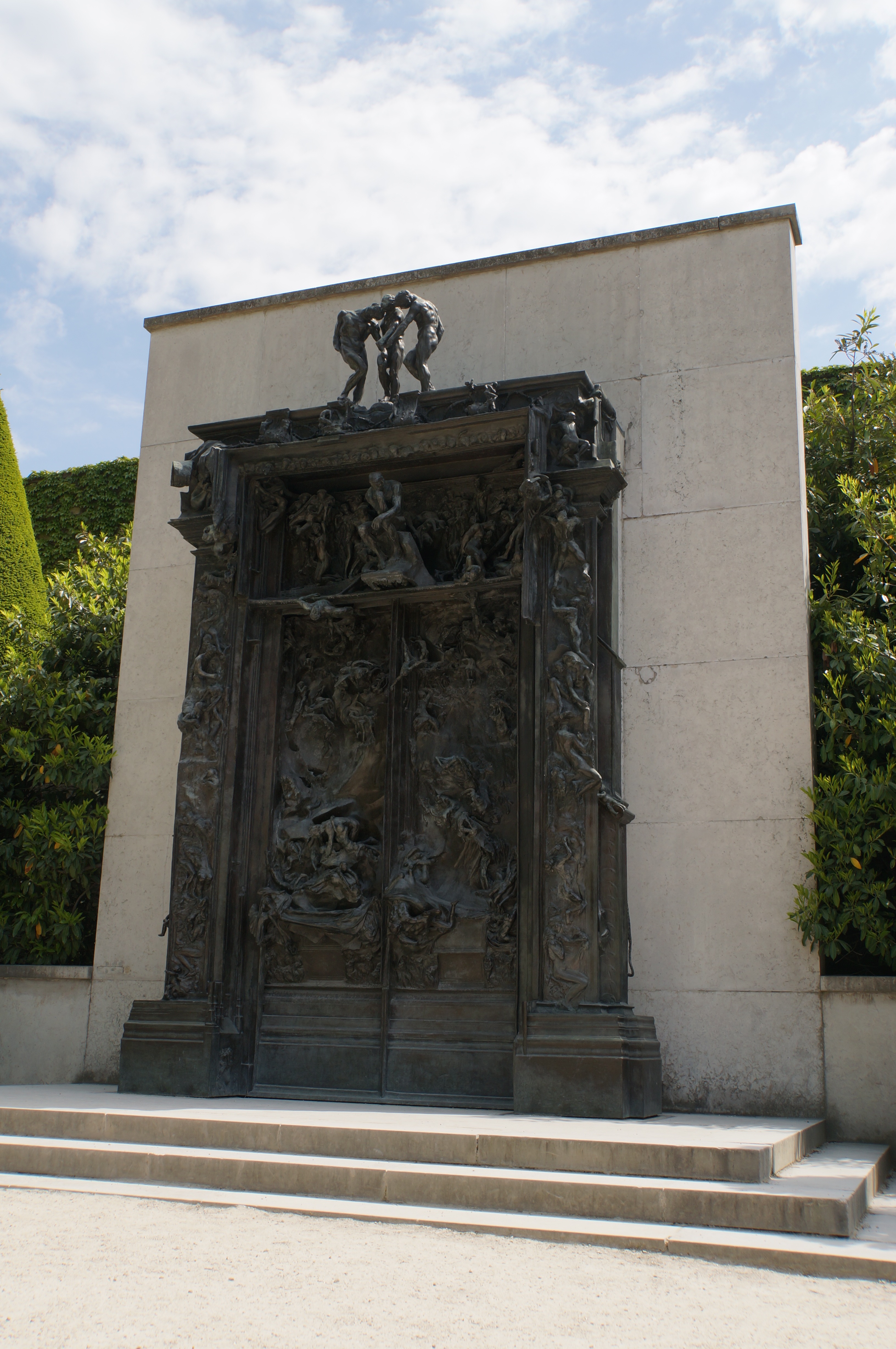
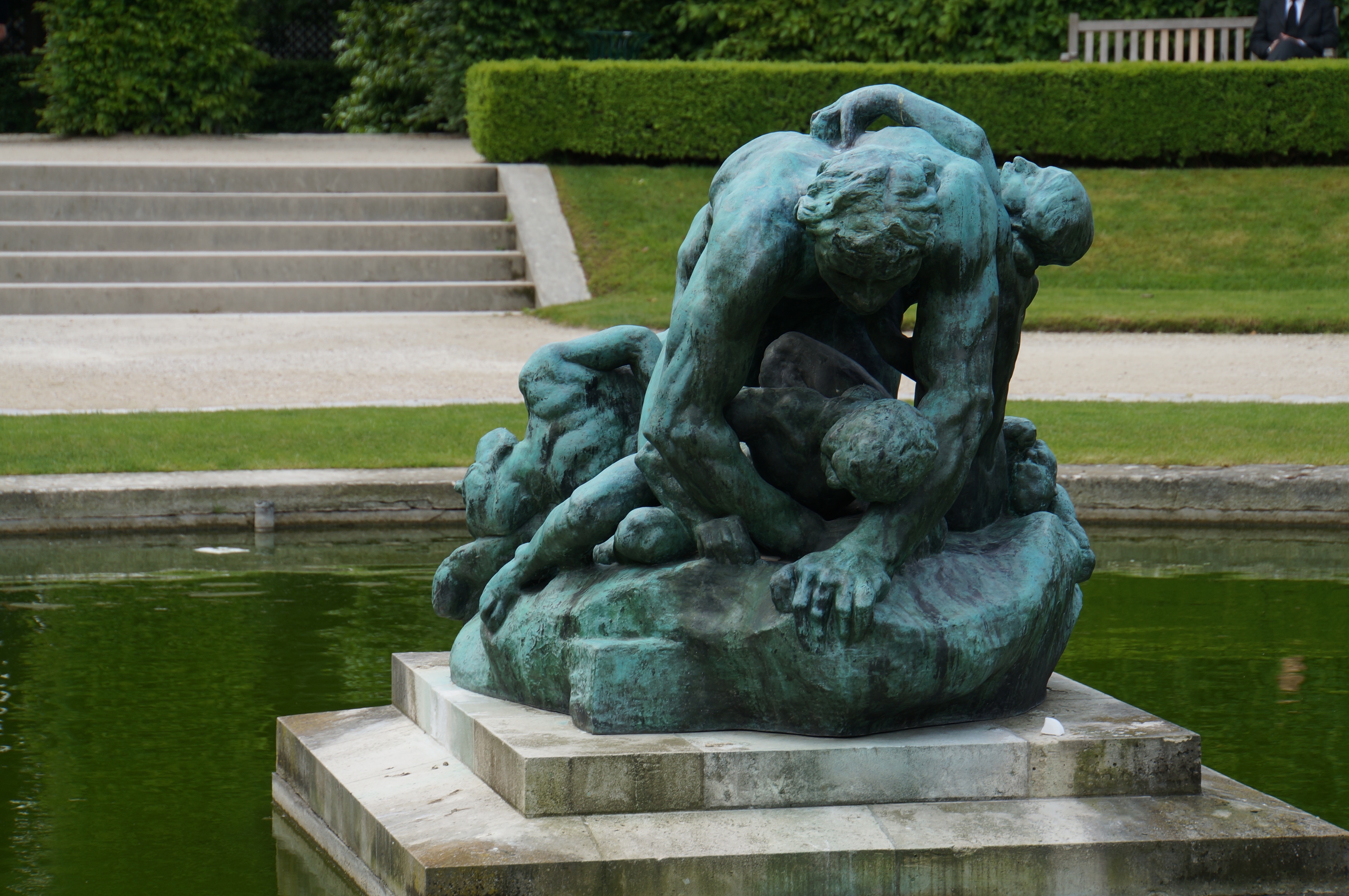
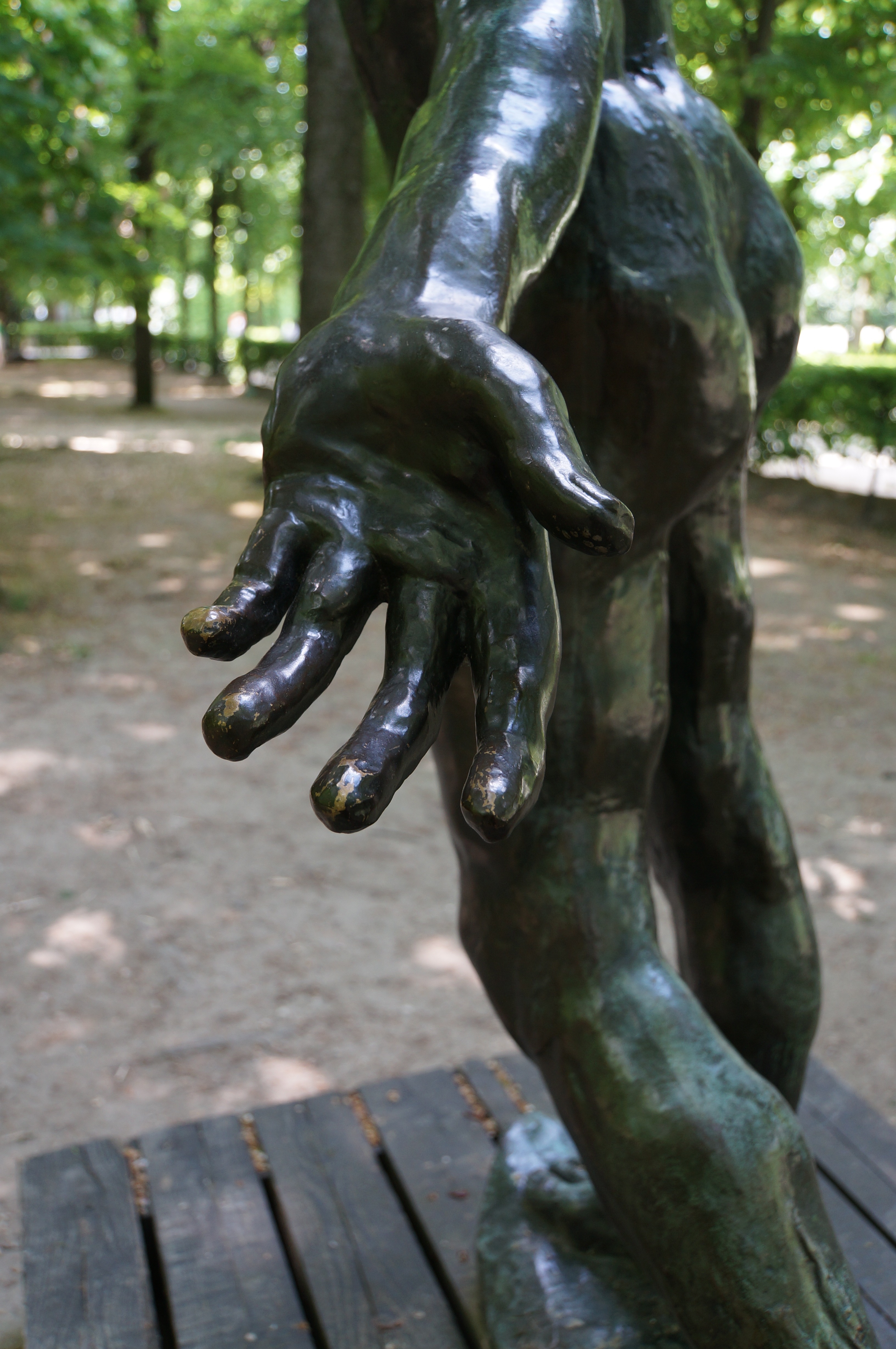
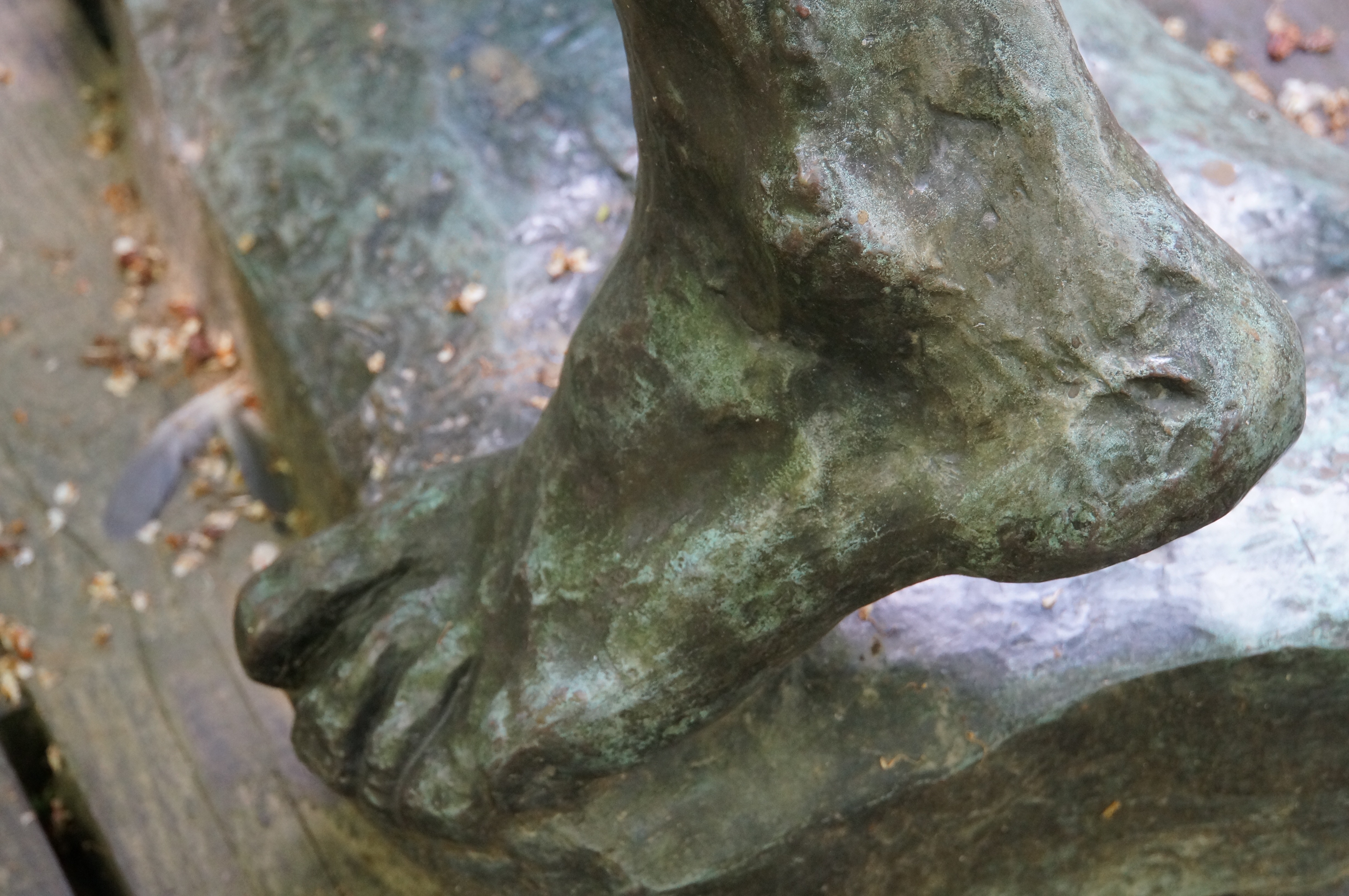
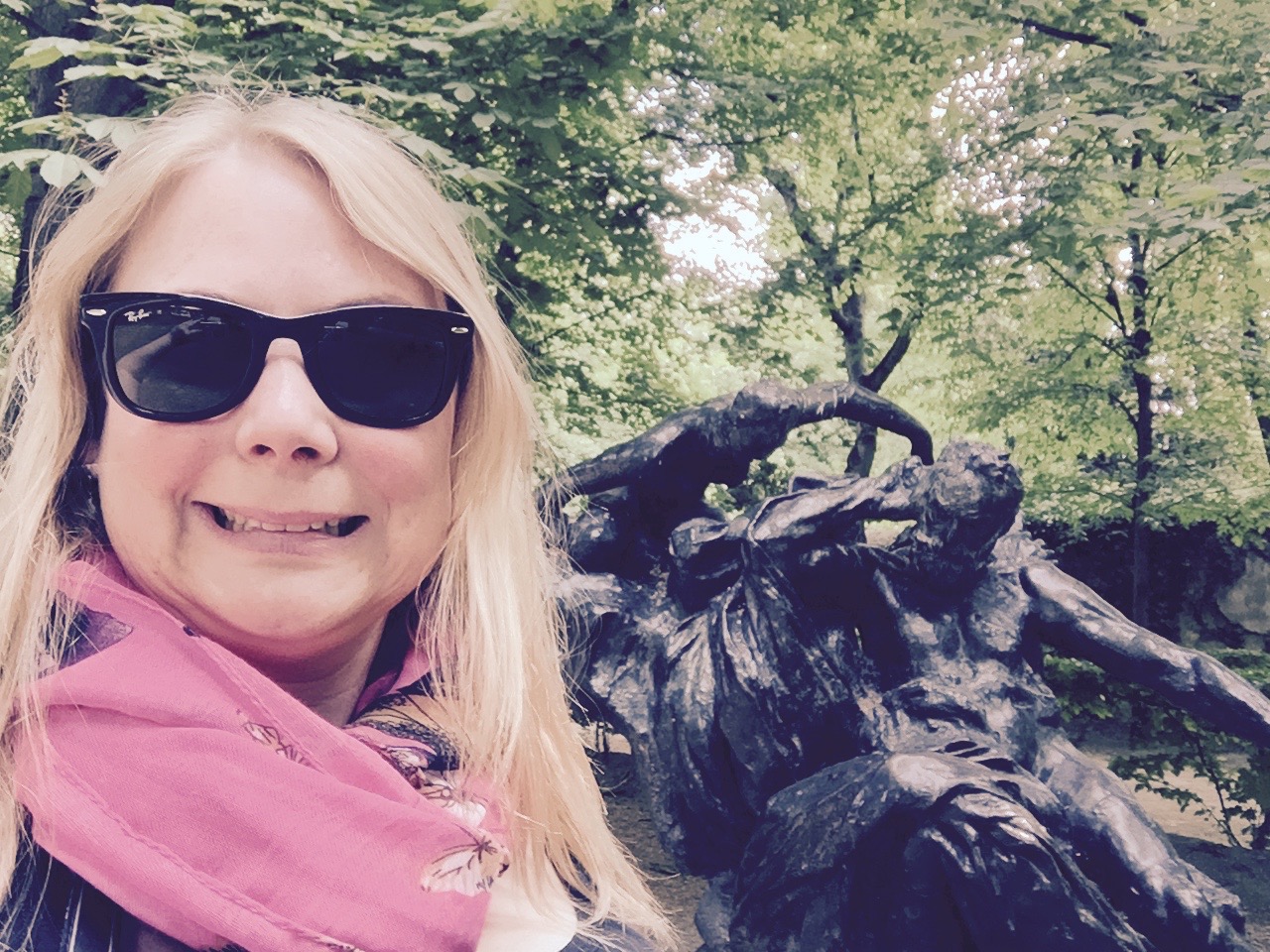
There are 8 key pieces of Rodin’s work in the Garden, many such as The Thinker and The Gates of Hell are well-known – and have stood in place since 1929 when the museum opened.  Adam and The Shade, The Age of Bronze and Eve surround the reflecting pool and in another section, The Three Shades is displayed.

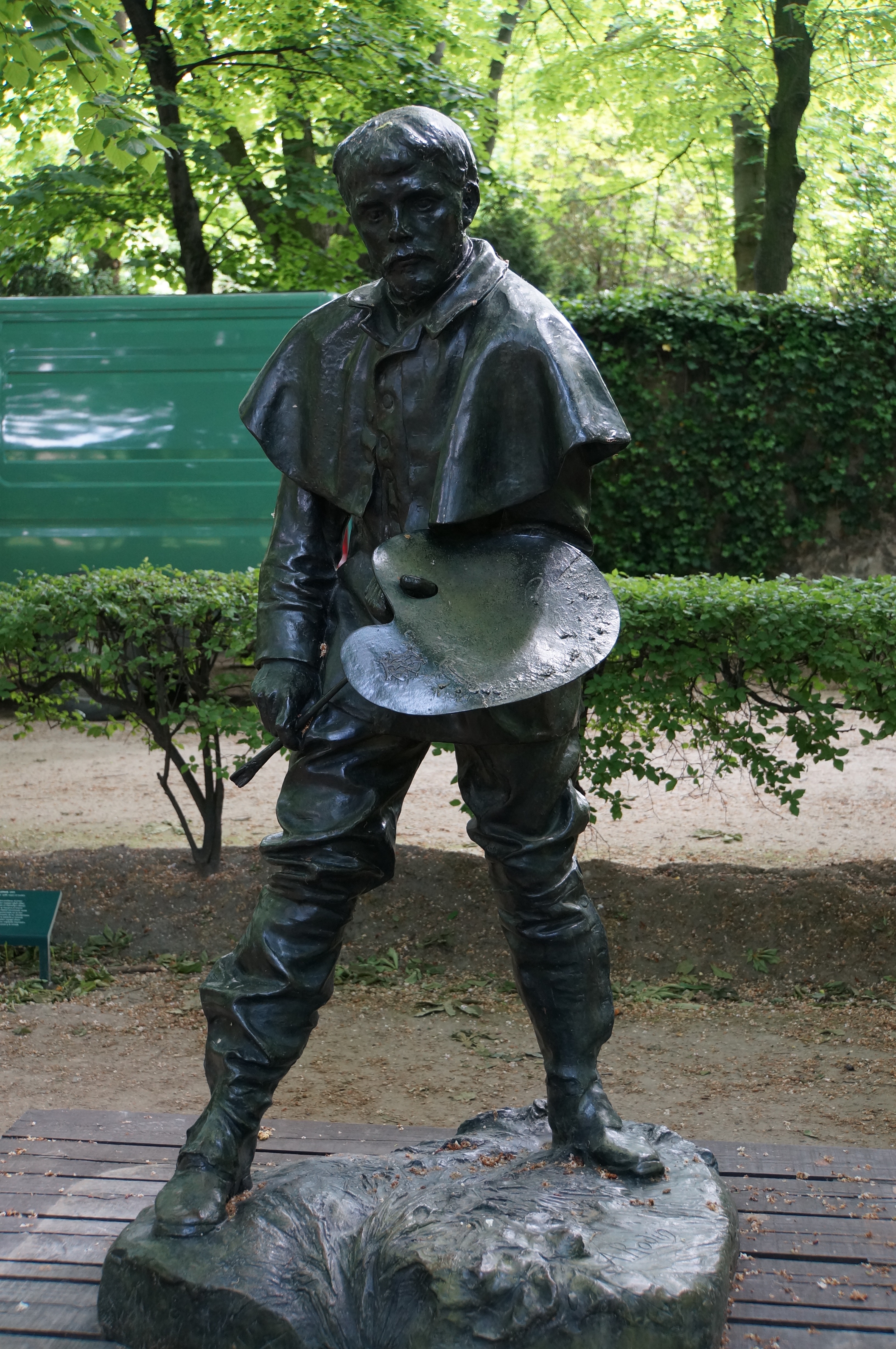
The gallery inside the former hotel hold many famous works and I was overwhelmed to see many “in person”.  According to the museum’s website, “for Auguste Rodin, working with a living, breathing model was essential—it enabled him to study the anatomy, facial expressions, and personality of his subject. When he hired models to pose for him, he asked them to move freely in the studio and was most inspired by their unguarded, unrestrained movements. In his portraits of political figures, writers, and artists, Rodin took measurements of their heads and studied their neck and shoulders. Some individuals were uncomfortable with this scrutiny, but Rodin’s aim was to understand and know his subjects intimately so that he could convey their character.Rodin’s portraits were prized in his lifetime for their vitality and honesty, and they continue to offer fascinating insights into his working practice. The works on view include such renowned subjects as Honoré de Balzac and Victor Hugo, the women in Rodin’s life including Rose Beuret and Camille Claudel, and several works that haven’t been exhibited for many years.”

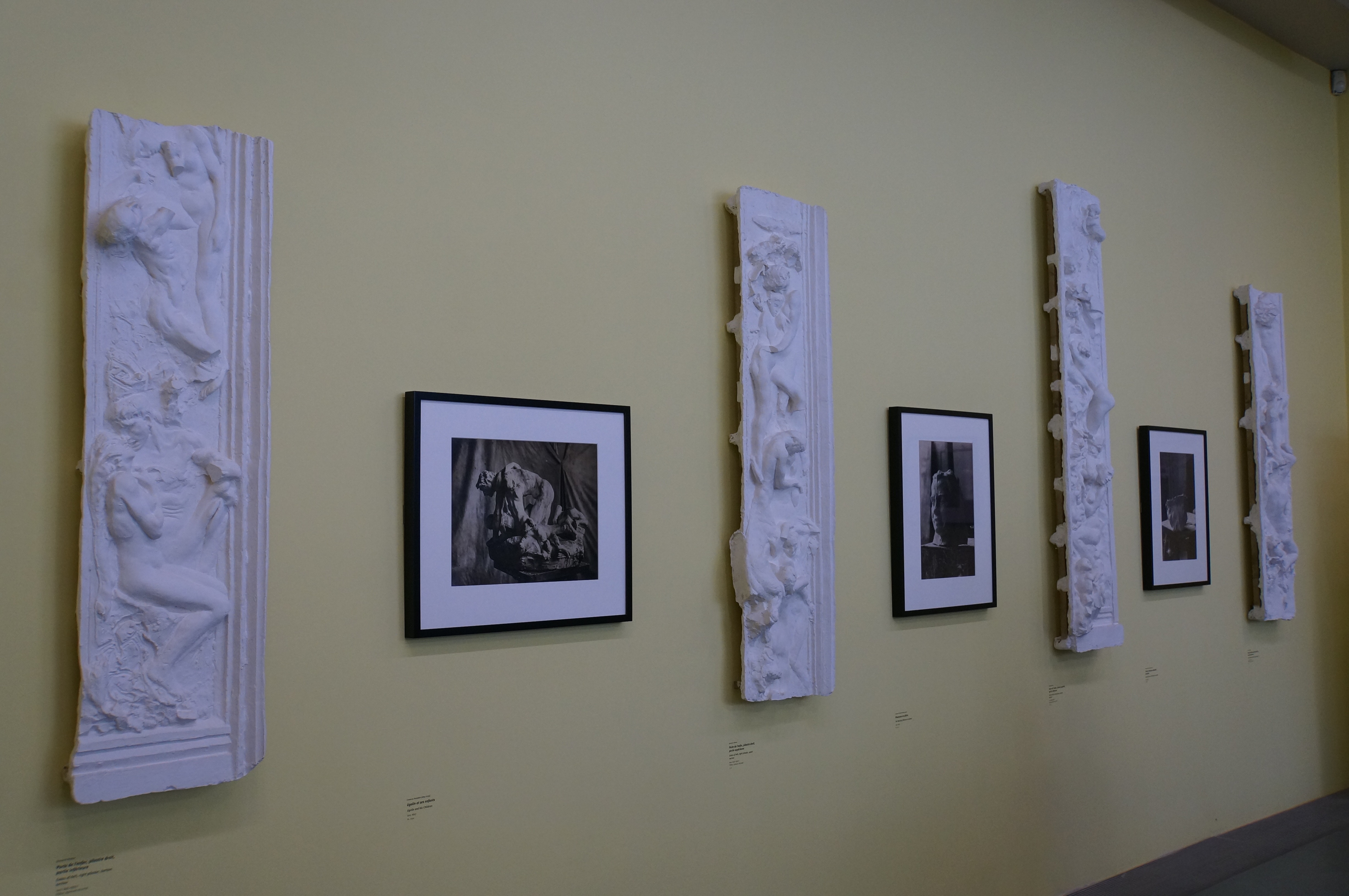
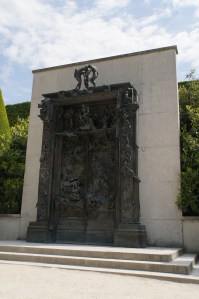
Key works on display are the larger than life bronze doors inspired by Dante’s Divine Comedy, The Kiss, and a smaller version of sculpture “The Thinker” found outside in the garden.

For more on Rodin, visit: http://www.musee-rodin.fr/en/museum/musee-rodin-paris
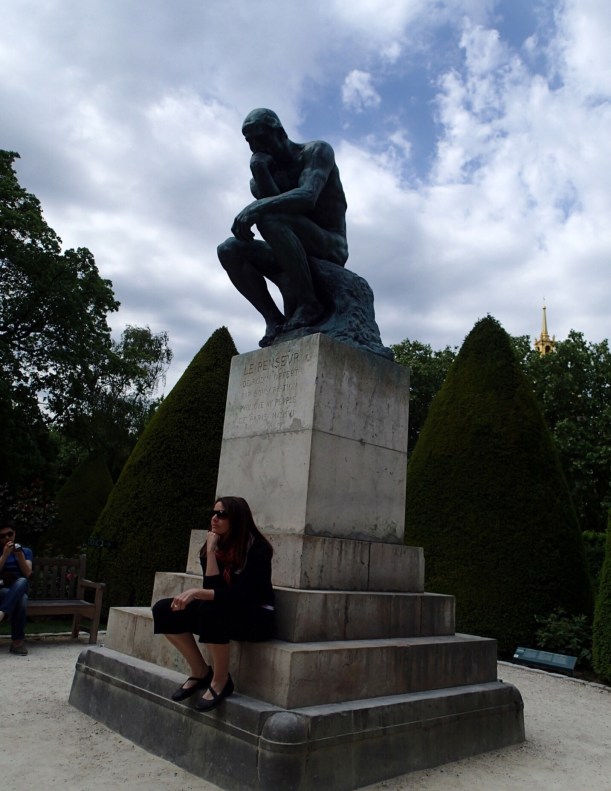
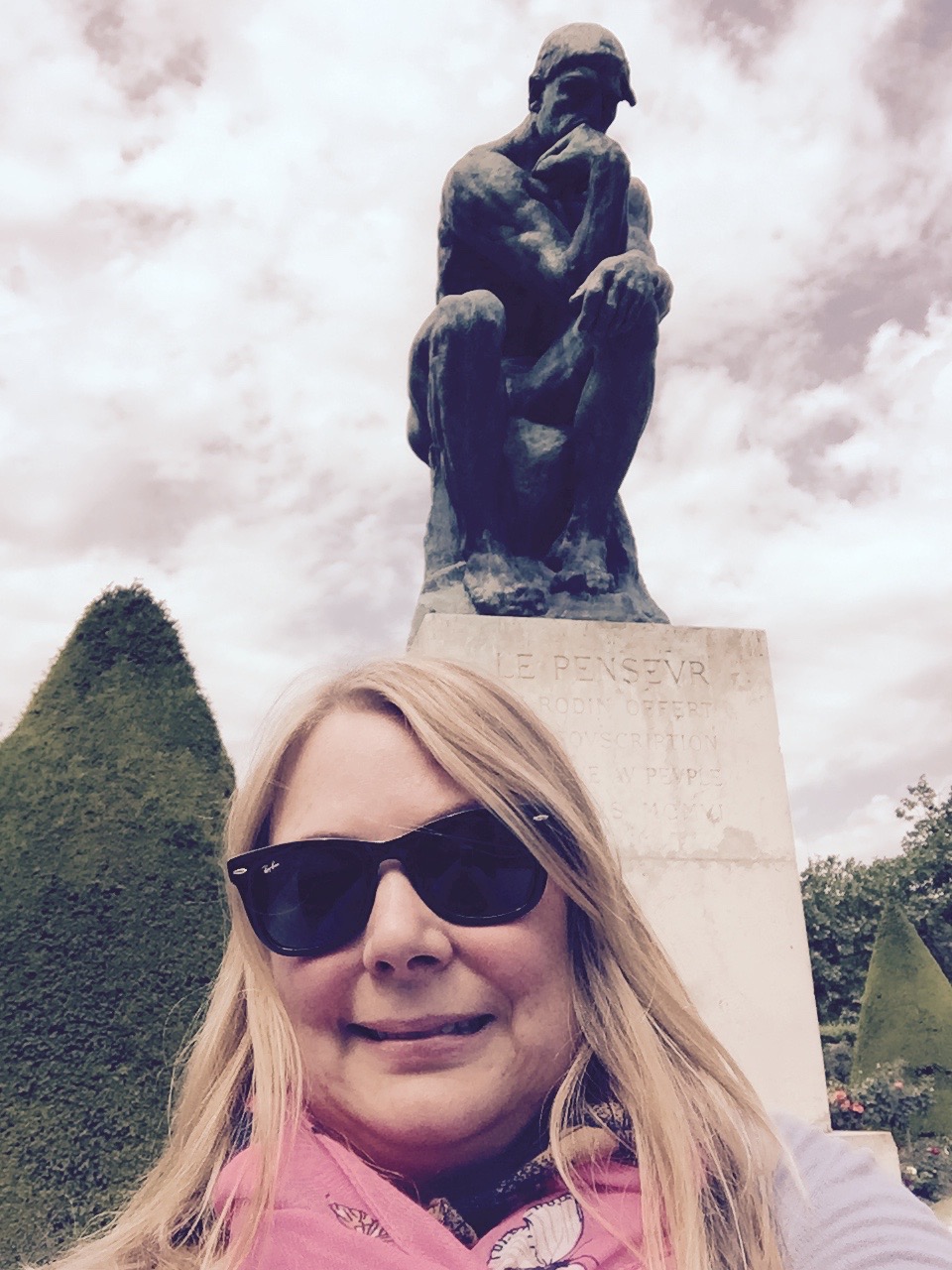
Recreating the pose – “The Thinker” and “The Geologist”
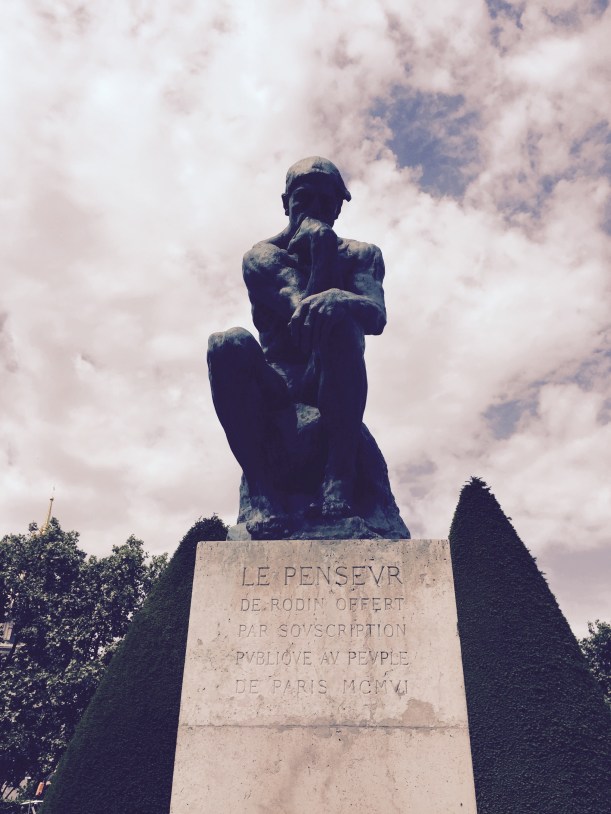
Le Penseur 1903
IMG_4979

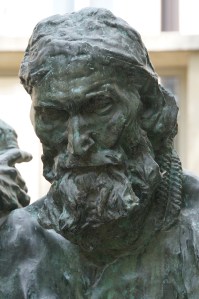
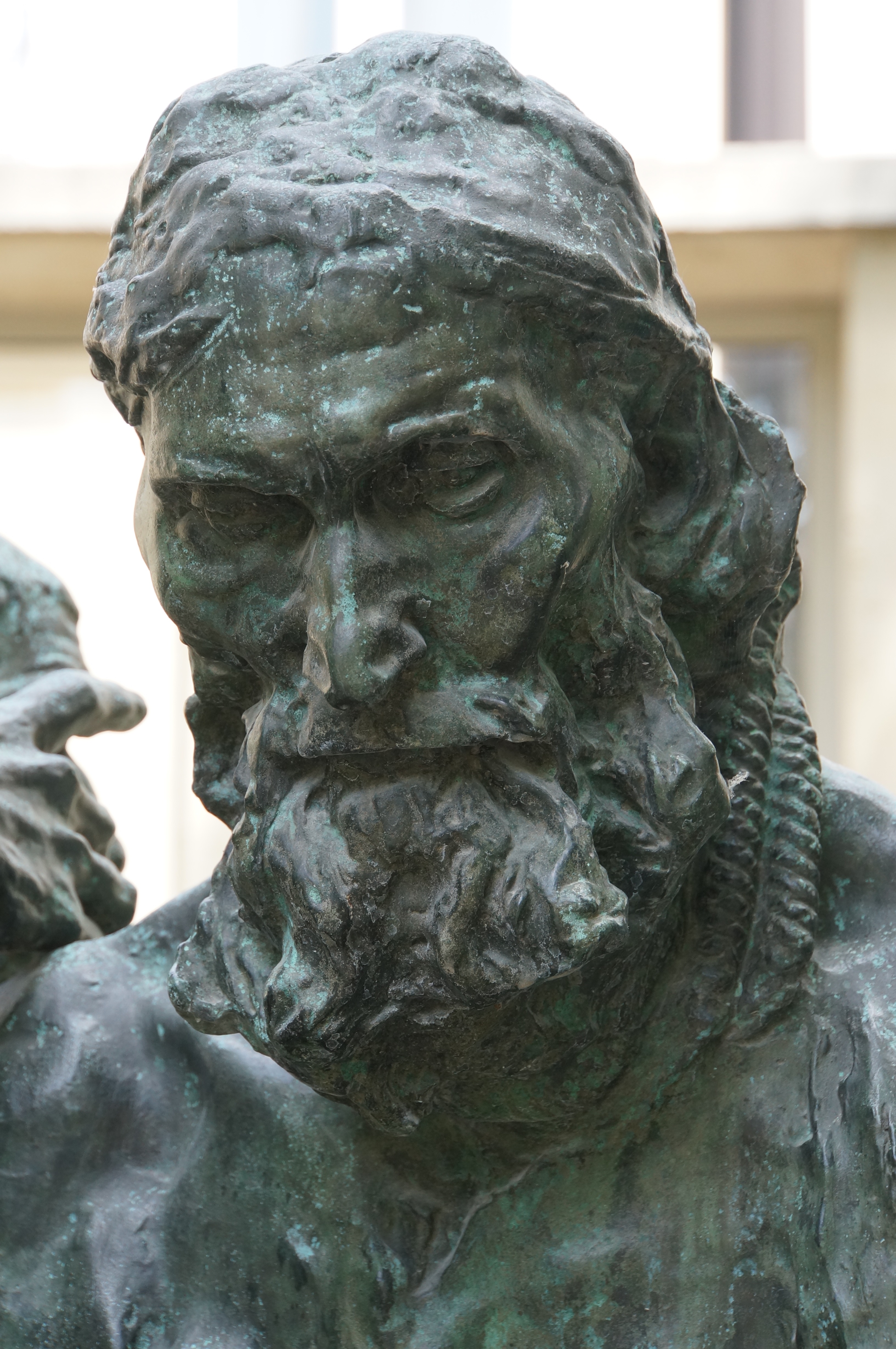
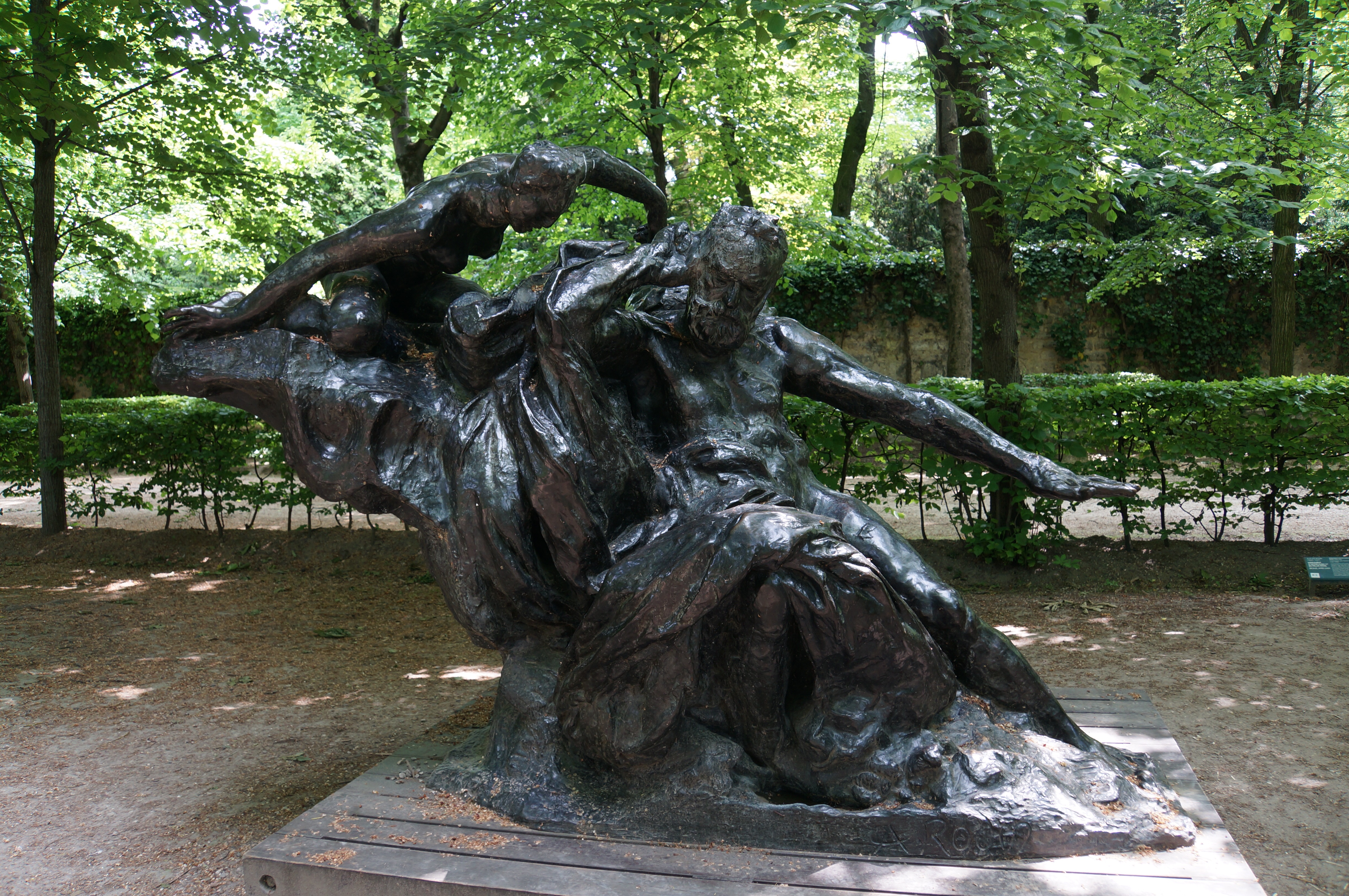
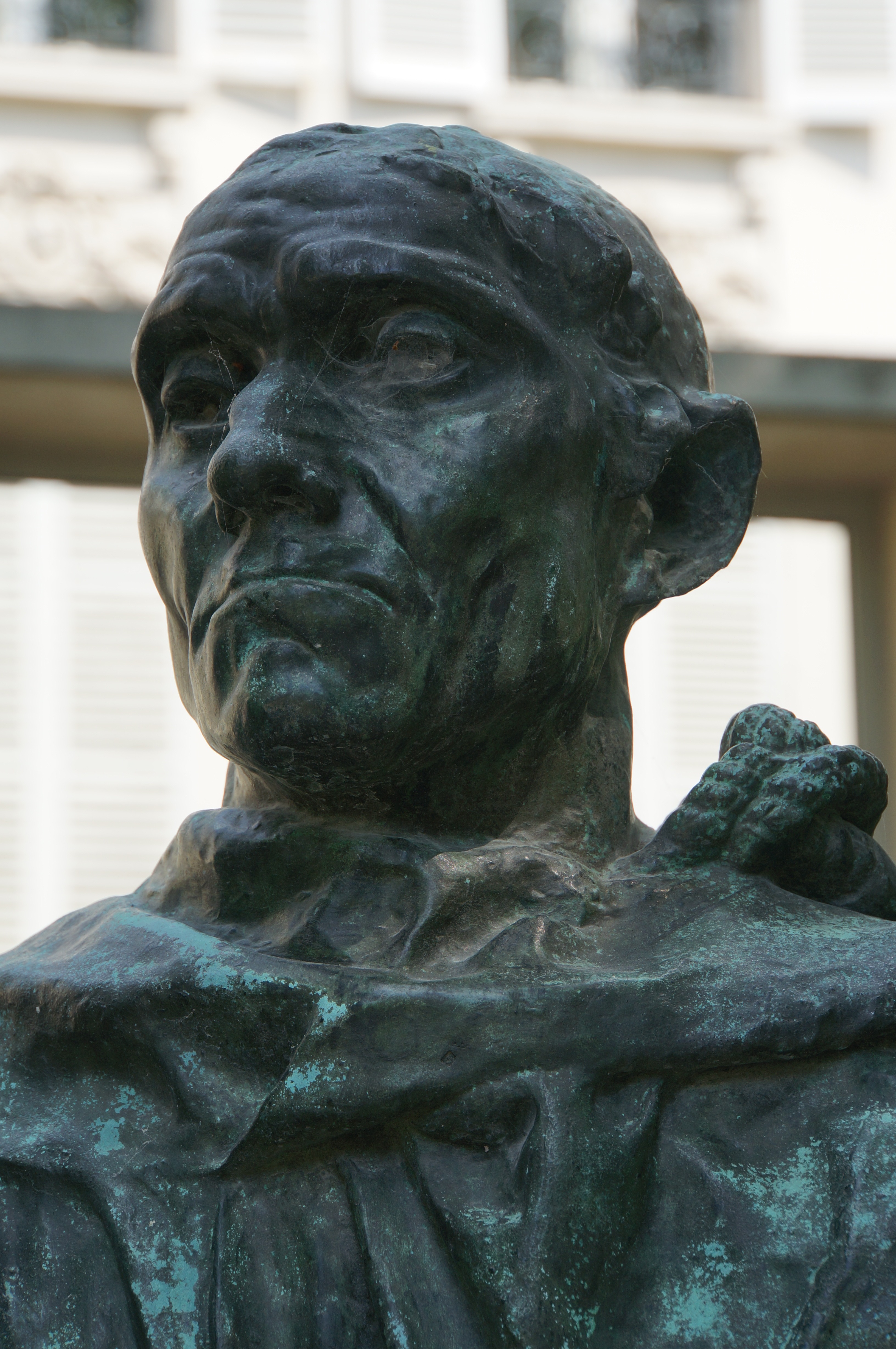
Monument a Victor Hugo (dit du Palis Royal)
IMG_4971

Overthinking?

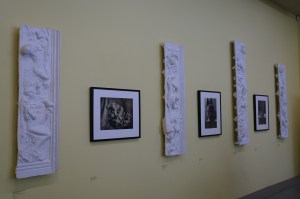
DSC00310 DSC00288 DSC00251 DSC00252 DSC00255 DSC00312 DSC00308 DSC00309

Monument a Victor Hugo (did du Palais Royal)
Monument a Victor Hugo (did du Palais Royal)
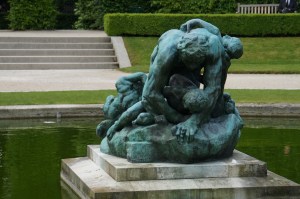
DSC00305 DSC00272 DSC00269 DSC00289 DSC00260 DSC00261 DSC00301 DSC00313
DSC00293

DSC00333

The plasters from the Gates of Hell
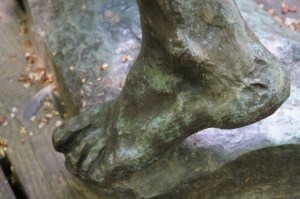
DSC00294

DSC00269 DSC00289 DSC00260

Eglise du Dome Church at the Hotel des Invalides:

We end this phase of museum hopping at Napoleon’s tomb. I’ll be honest, retaining all this history on this is a challenge so I’m dipping into the Google.

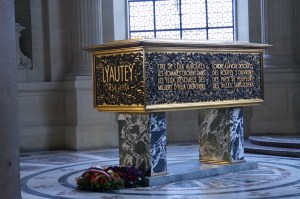
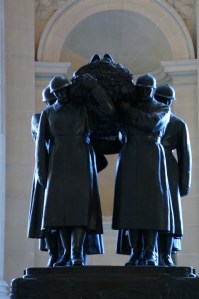
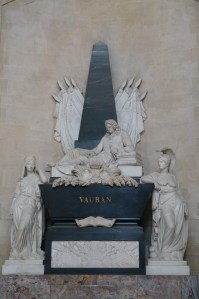
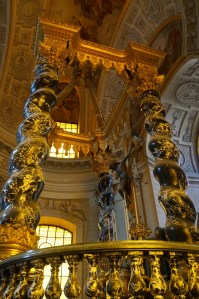
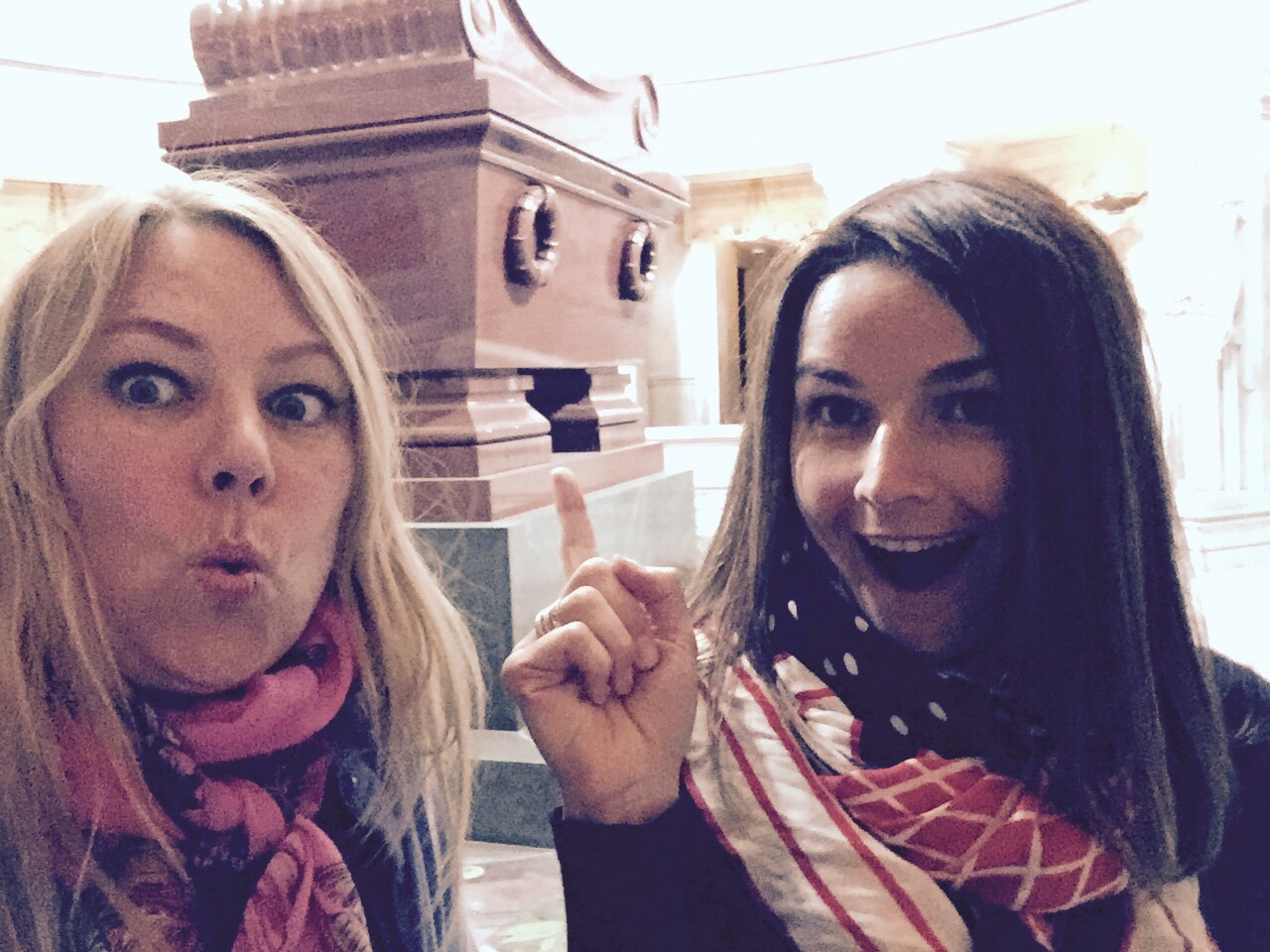
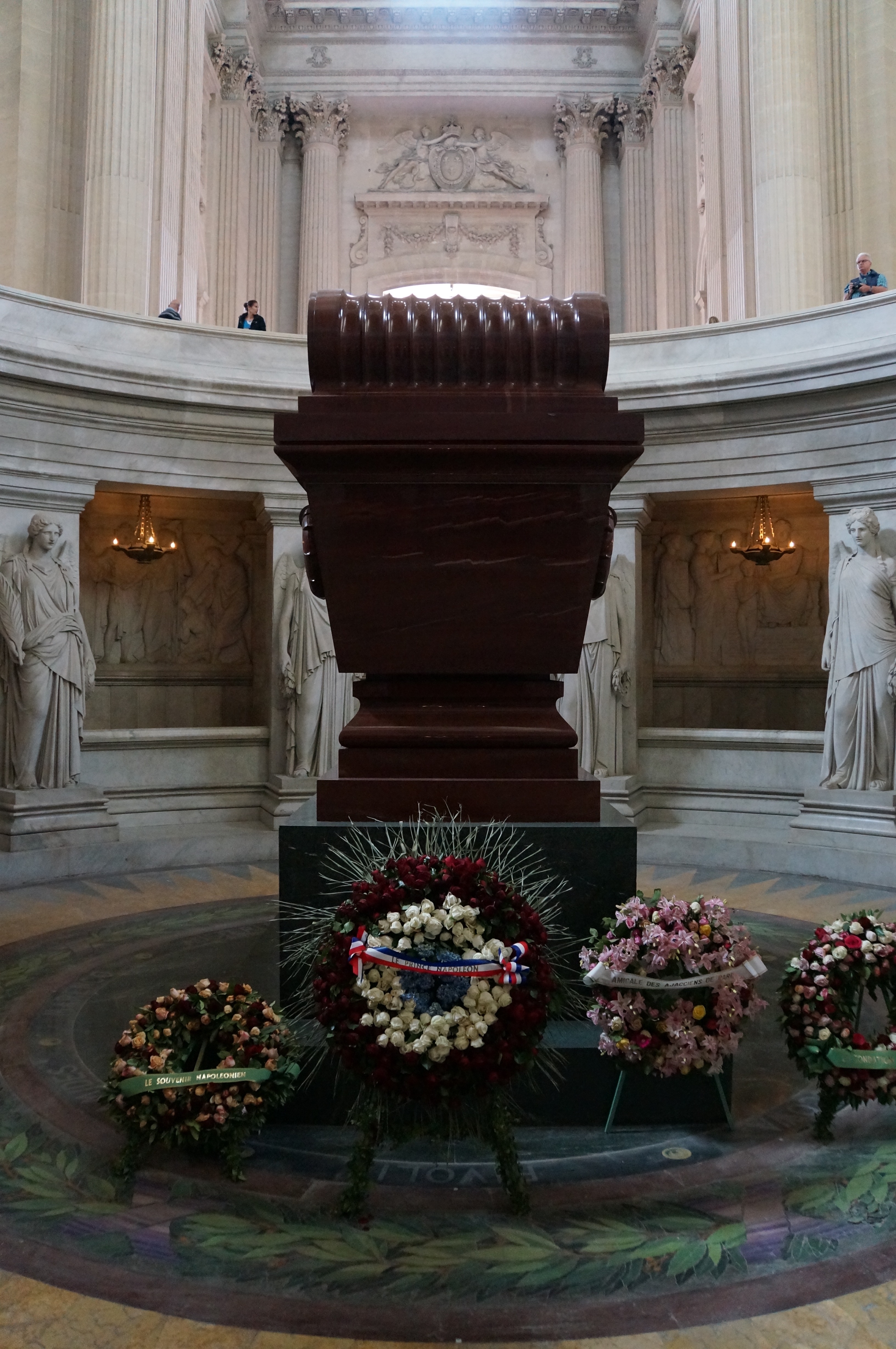
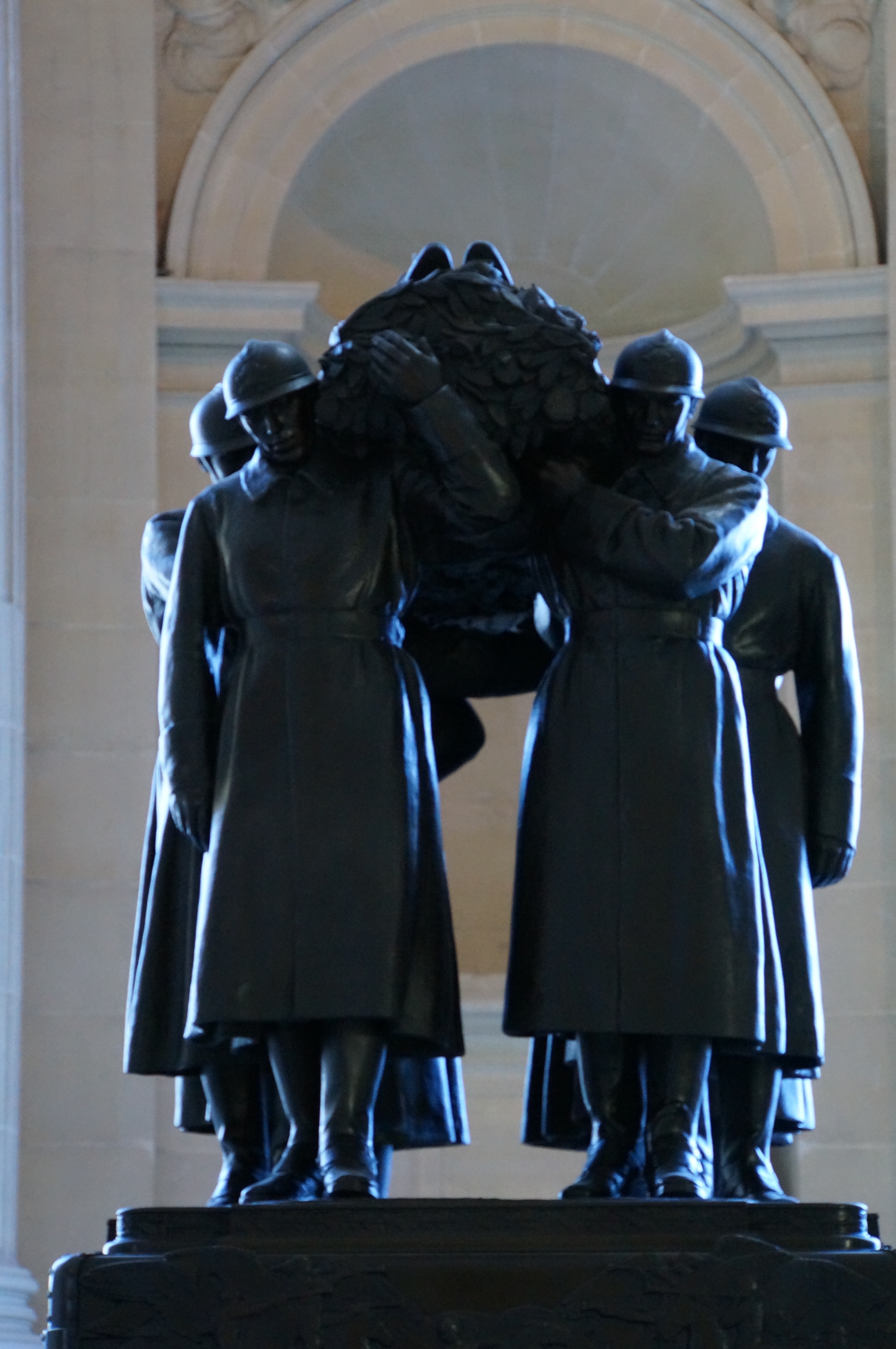
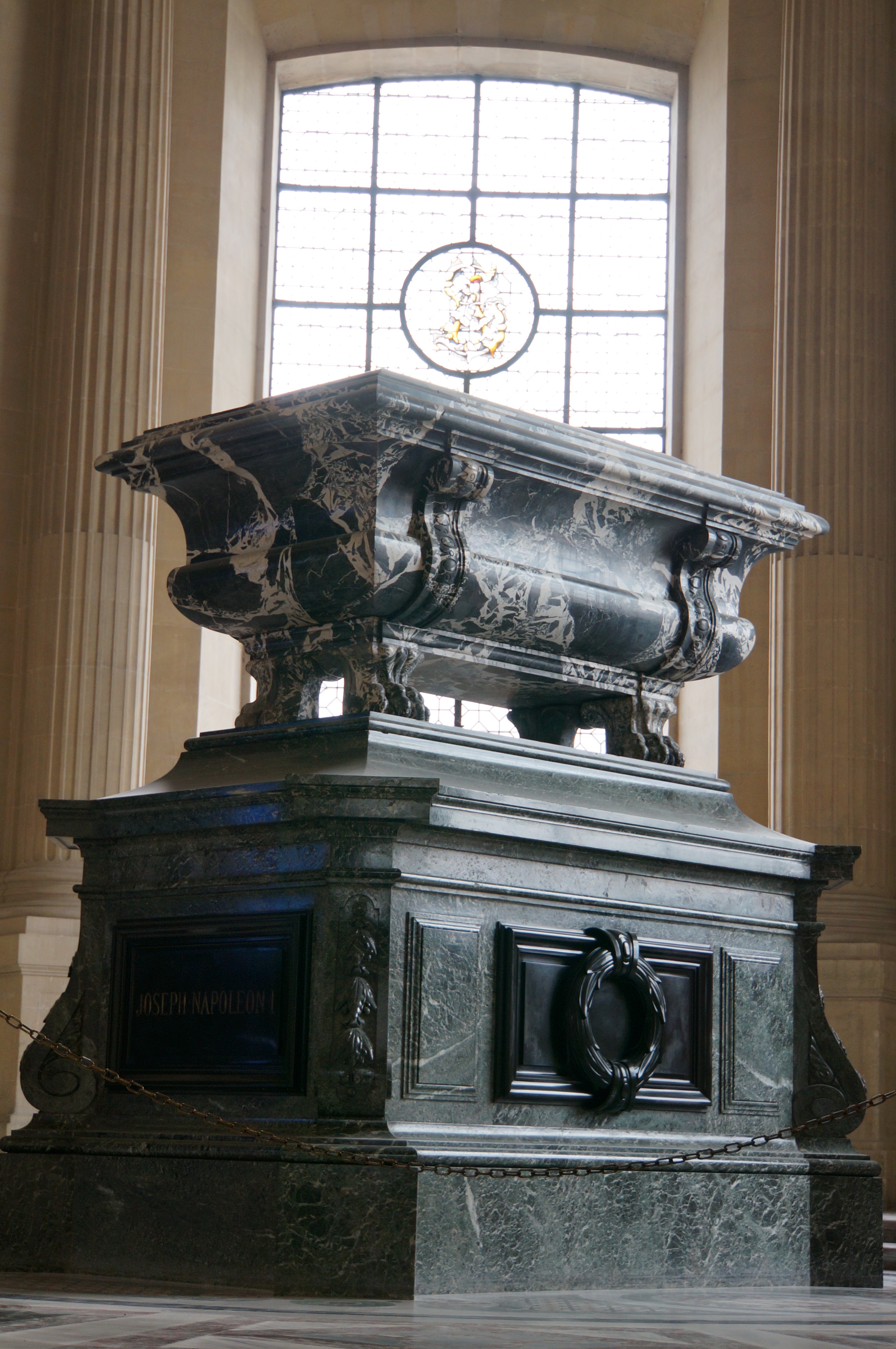
According to http://www.paris-france.me.uk/napoleon’s_tomb.htm Napoleon’s Tomb is located in the central crypt of the Eglise du Dome Church at the Hotel des Invalides, which is situated on the Esplanade des Invalides, within the 7th Arrondissement, in the city of Paris. The remains of the emperor, inside the sarcophagus, are protected by six concentric coffins, built from different materials, including mahogany, ebony, and oak, all one inside the other. It was also the start of our “I see dead people” instagram photo series.  Started by accident, but a highlight of our goofy online documentation.

On May 5th 1821, Napoleon died on the island of St Helena, where he had been in exile since 1815. He was buried in the Geranium valley. His remains rested there until October 15th 1840. In 1840 his remains were exhumed and brought to Paris, under the instructions of Louis-Philippe, who demanded that the English return the emperor to French soil. A state funeral was held, and the remains laid to rest in St Jerome’s Chapel. The remains were moved in 1861 when the tomb was completed.

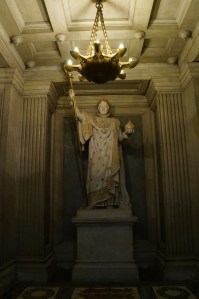
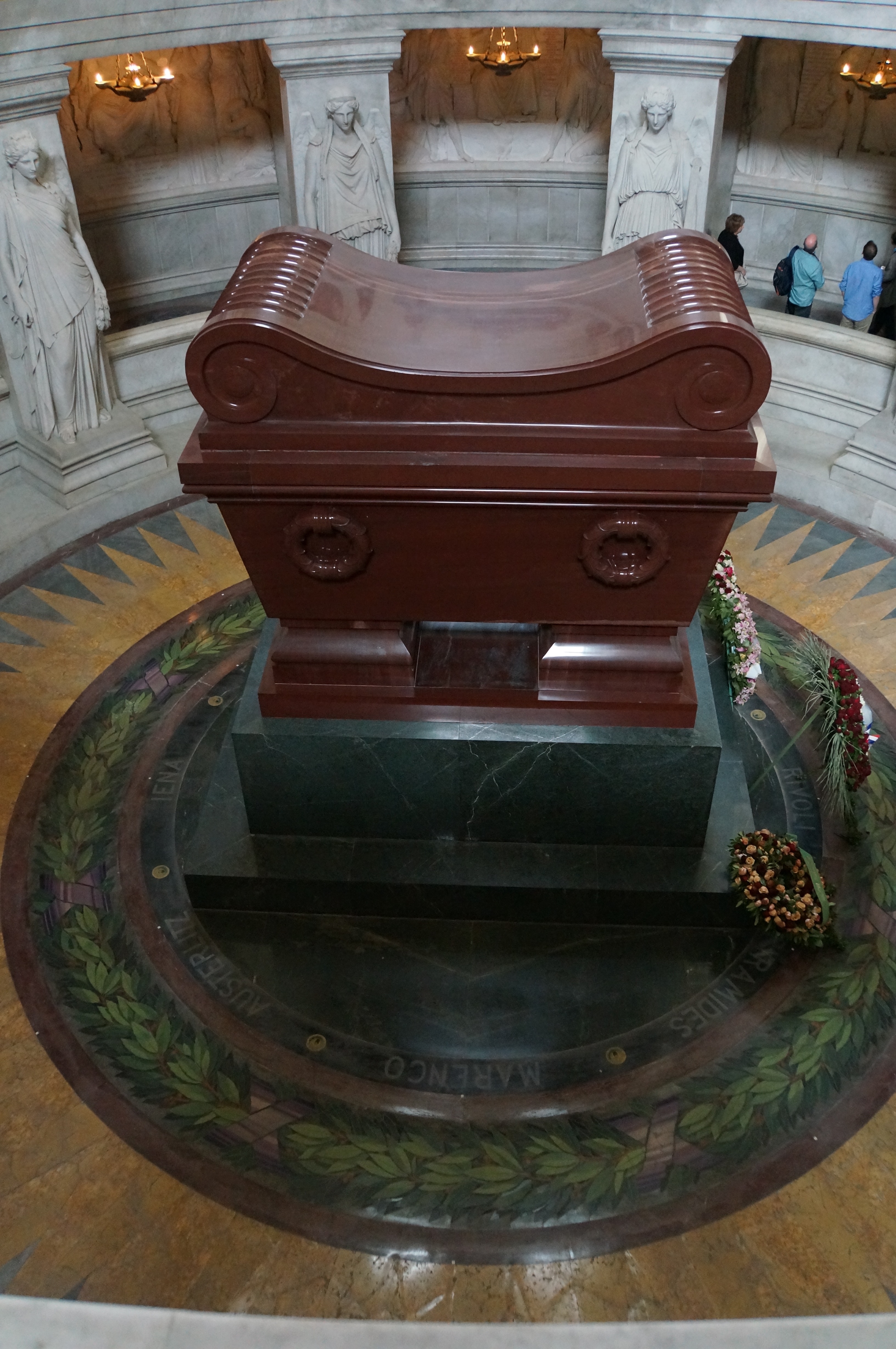
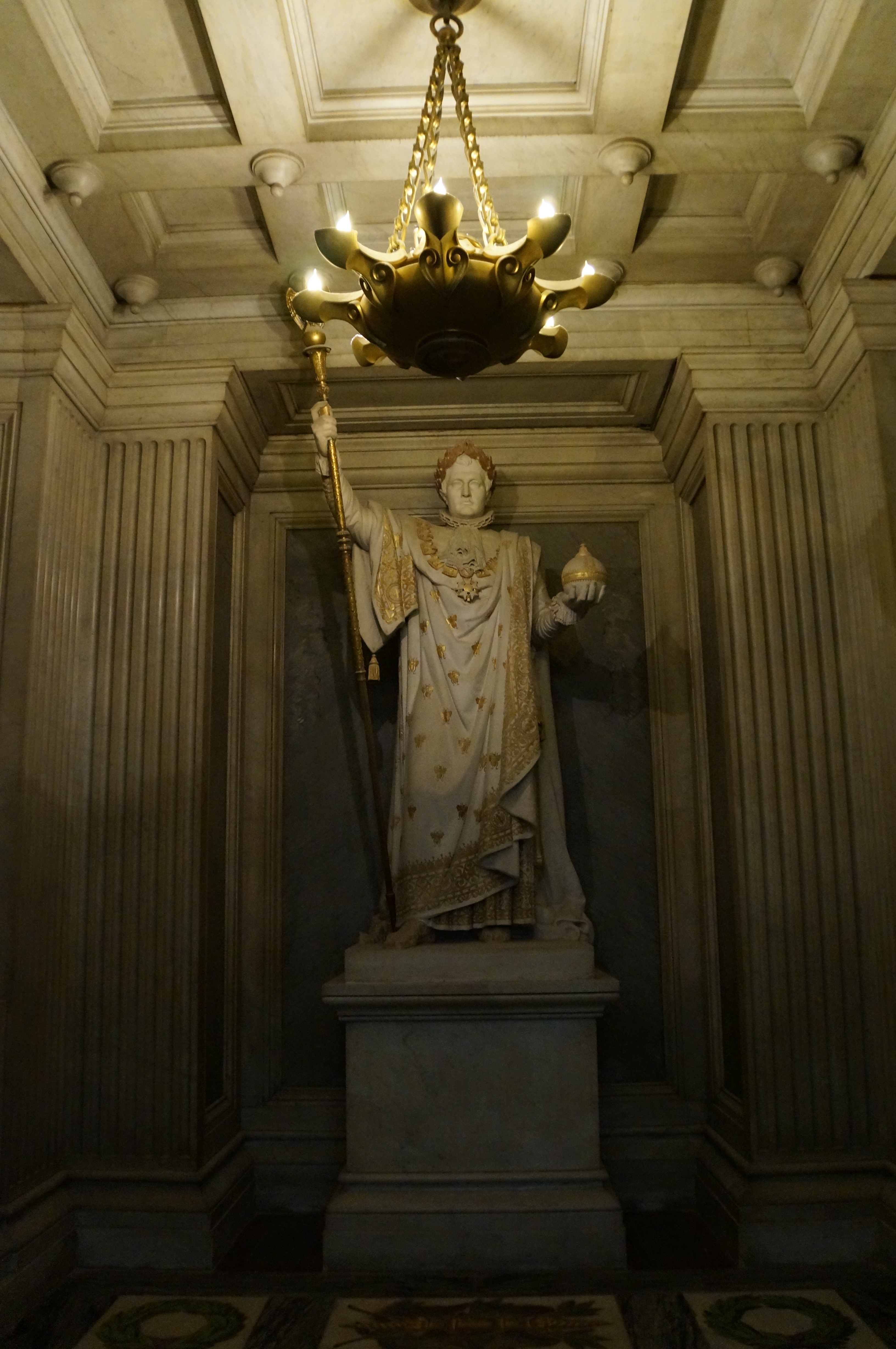
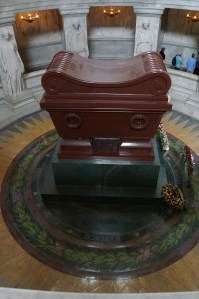
The tomb is crafted in red porphyry, and placed on a green granite base (GEOLOGY ALERT!), it is circled by a crown of laurels with inscriptions, which act as reminders of the empires great victories. In the round gallery is a series of low relief, sculptures by Simart. A statue of the emperor, bearing the imperial emblems, is located at the back of the crypt.

As a spoiler alert – we trudged through many more museums in the Alps and Italy so – wait for it – that excitement is still to come!

Writers footnote: some facts used in this blog were taken from and are credited to: Paris: AMA Spiral Guides, Wikipedia and any websites cited within our blog. 
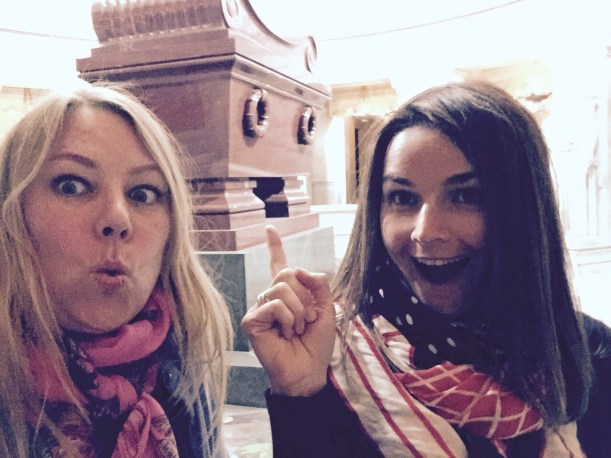
I See Dead People – Napleon’s Tomb.
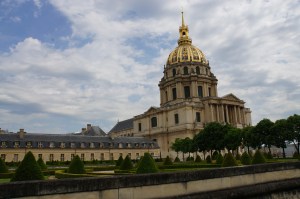
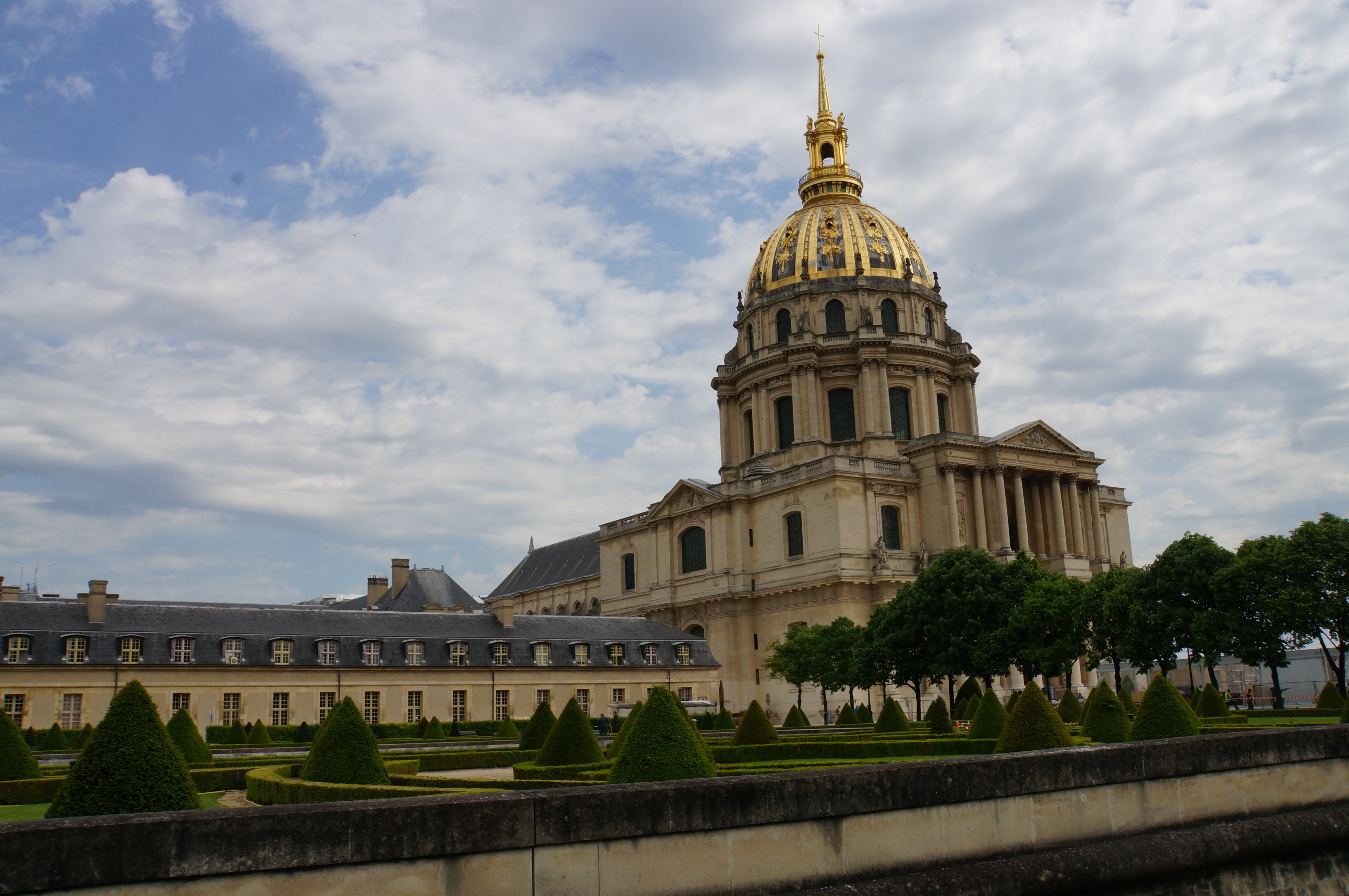
The view from the street
The view from the street

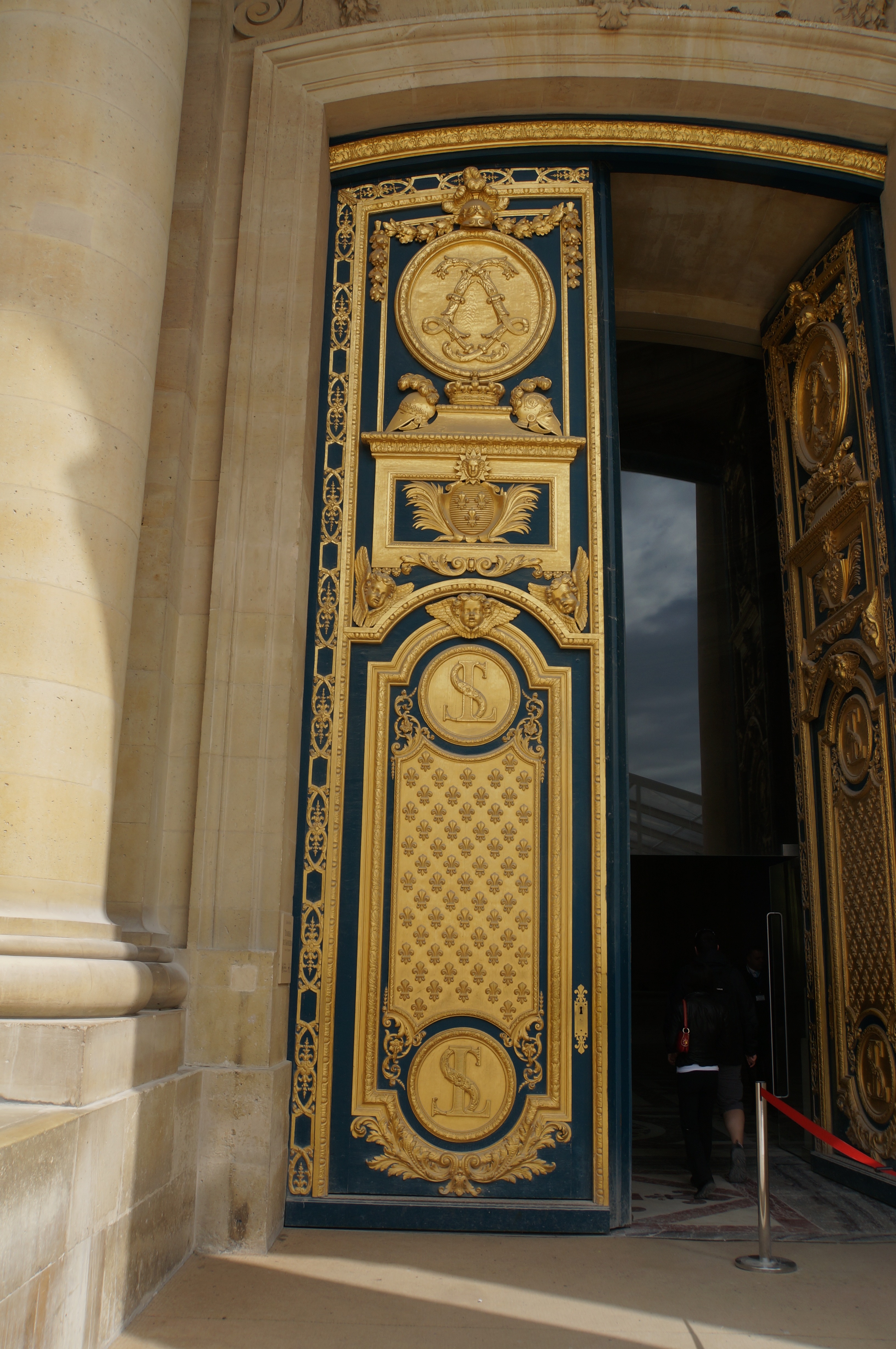
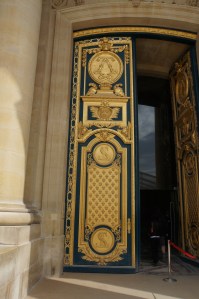
Opulent doorway as you enter the museum
Opulent doorway as you enter the museum

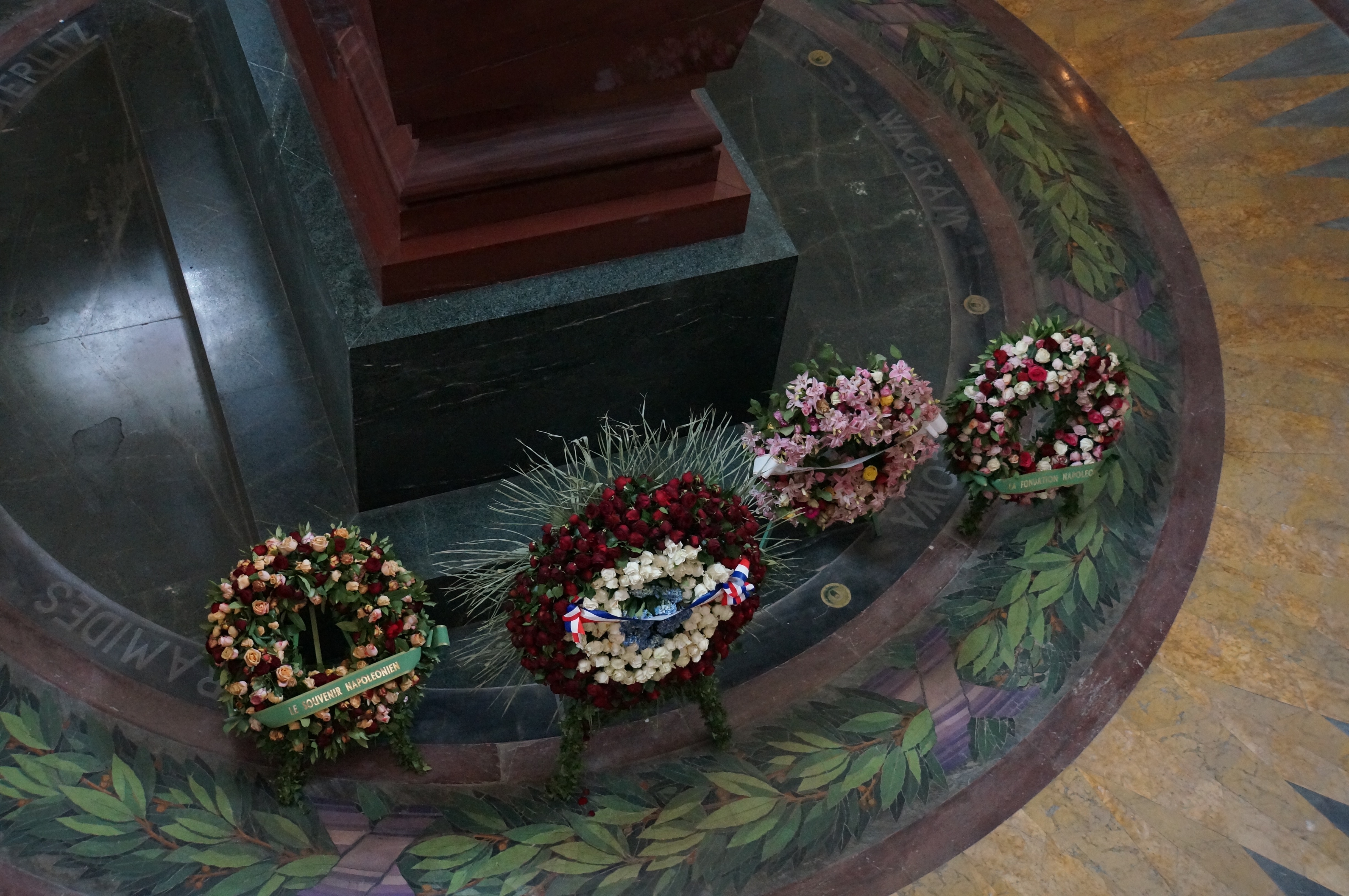
Napoleon' tomb from above

Napoleon’s tomb from above

DSC00215

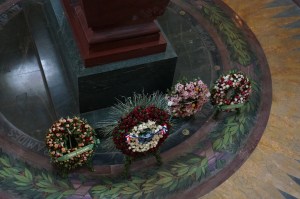
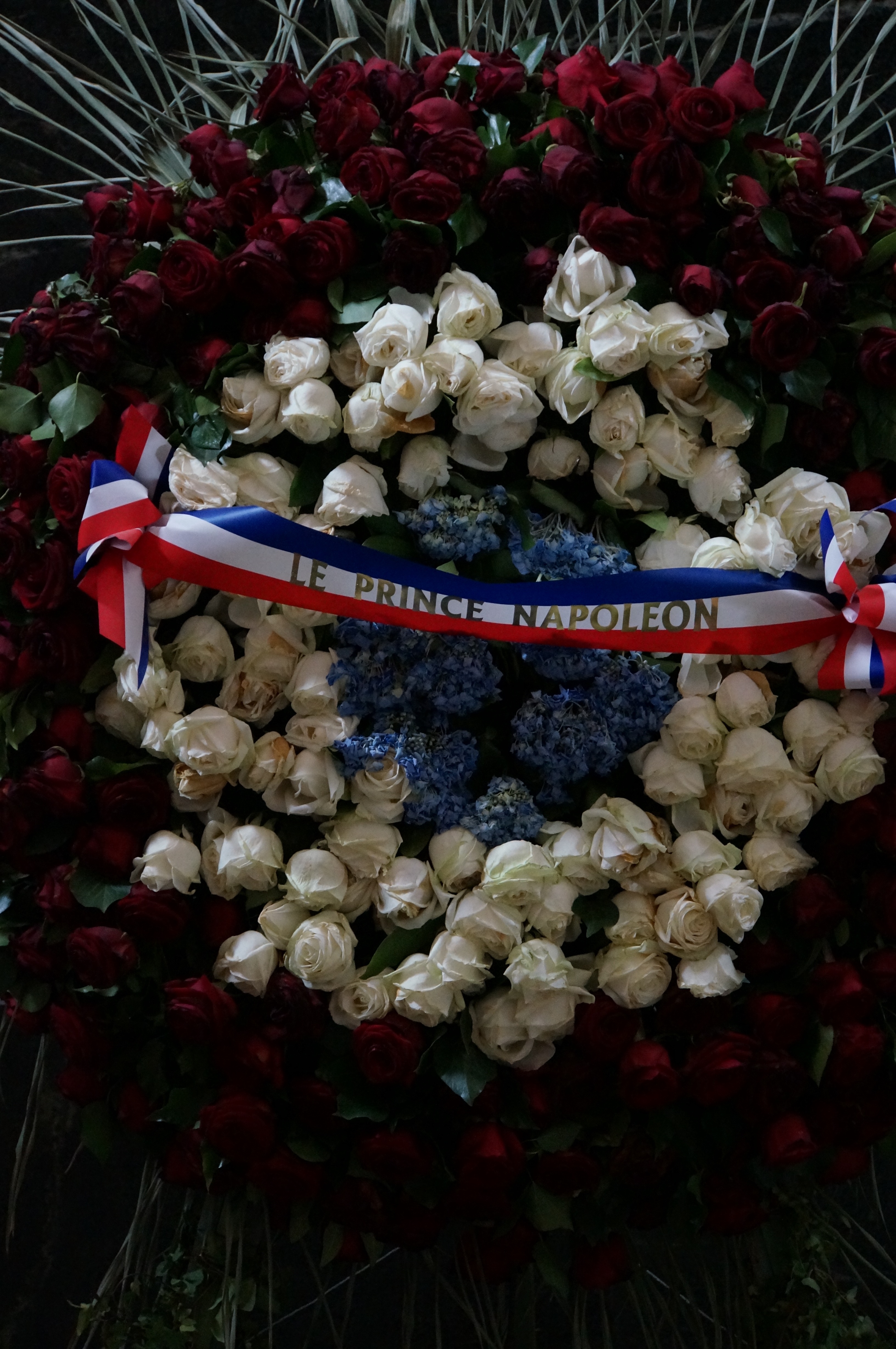
Fresh floral wreaths are present at his tomb
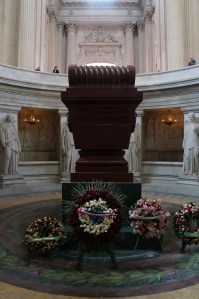
Fresh floral wreaths are present at his tomb
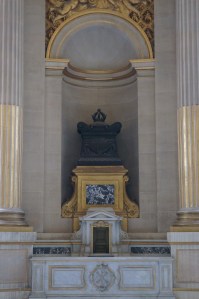
DSC00217

DSC00241 DSC00240

DSC00182 DSC00196

DSC00176 DSC00193 DSC00209 DSC00228


1 Comment

Helping Flat Levi See The World

There is a young six-year-old boy named Levi Mayhew who lives in Ohio.  He is very sick, with a terminal genetic disorder that has made it impossible for him to travel. The backstory is that the Make-a-Wish Foundation offered Levi a trip to Disney World in Orlando, Florida. Because he was too ill to travel, he asked if his best friend could go in his place – she’d been a great support to him & of course MaWF said ‘yes’.  It was Emma who cooked up the idea to make a flat, colour cut out of Levi, laminated it and took it everywhere she went.

Hearing about this story, my employer acquired a set of “Levi’s” and encouraged its employees (our awesome CEO even takes him on business trips) to take Levi on a vacation. Being a former cast member, a fan of travel and clearly touched by his story, it was a no brainer to take Levi with us to Europe.

While not all monuments we visited allowed me take in my backpack (so he had to stay behind) and it was not practical to take him up to the top of the Aiguille du Midi (it’s pretty windy at 3,842 metres) & the Flat version IS cardboard after all or appropriate (does a six year old really need to see the brothel at Pompeii?), we tried to bring him along as often as we could and capture our adventure – and his. And, I’m pretty sure when he did stay back at the hotel, he was the reason our room looked like chaos when we got back. I’m mean, we can’t possibly be THAT messy all on our own…

His story is both sad and amazing and I strongly encourage you to read the links that follow to learn more about Levi’s story and maybe add some travels of your own to his map.

It is a great privilege to have the time, means and health to travel and explore, something this little boy won’t experience in his own lifetime, but he and his family are sure enjoying traveling with others!

Read this article on the Make-a-Wish Foundation website and to see where he’s “been”, check out this map of the world. He’s on Facebook too, as a #topic here and with a Page “Loving Levi” you can Like and follow here!

Wishing Levi our best and the time to continue to enjoy these travel stories. We are proud to support Emma’s challenge and had a great time on the road with the feisty little guy!

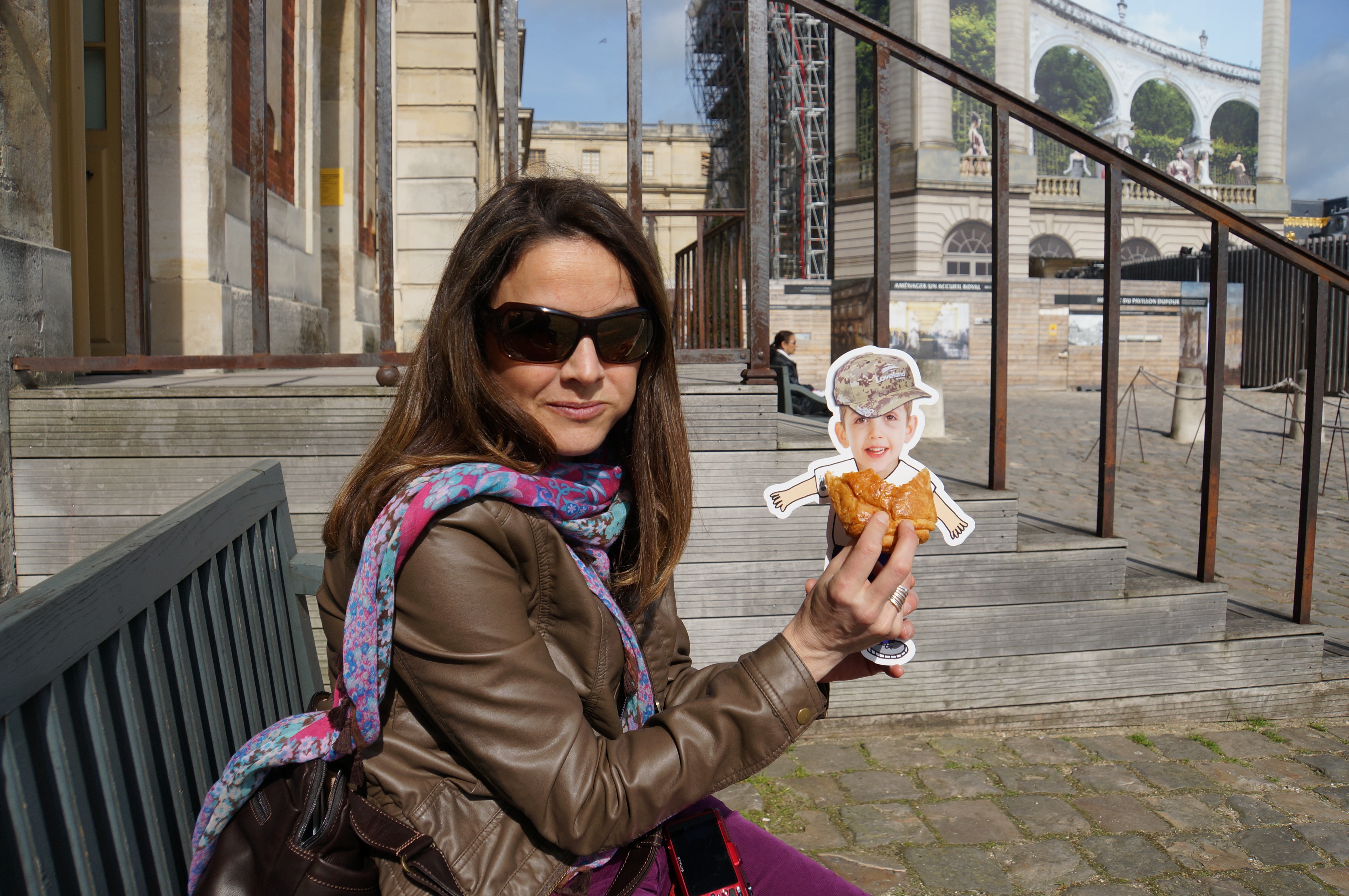
Astrid aspired to eat her body weight in Pain au Chocolate. Flat Levi just wanted a bite.

Astrid aspired to eat her body weight in Pain au Chocolate. Flat Levi just wanted a bite.

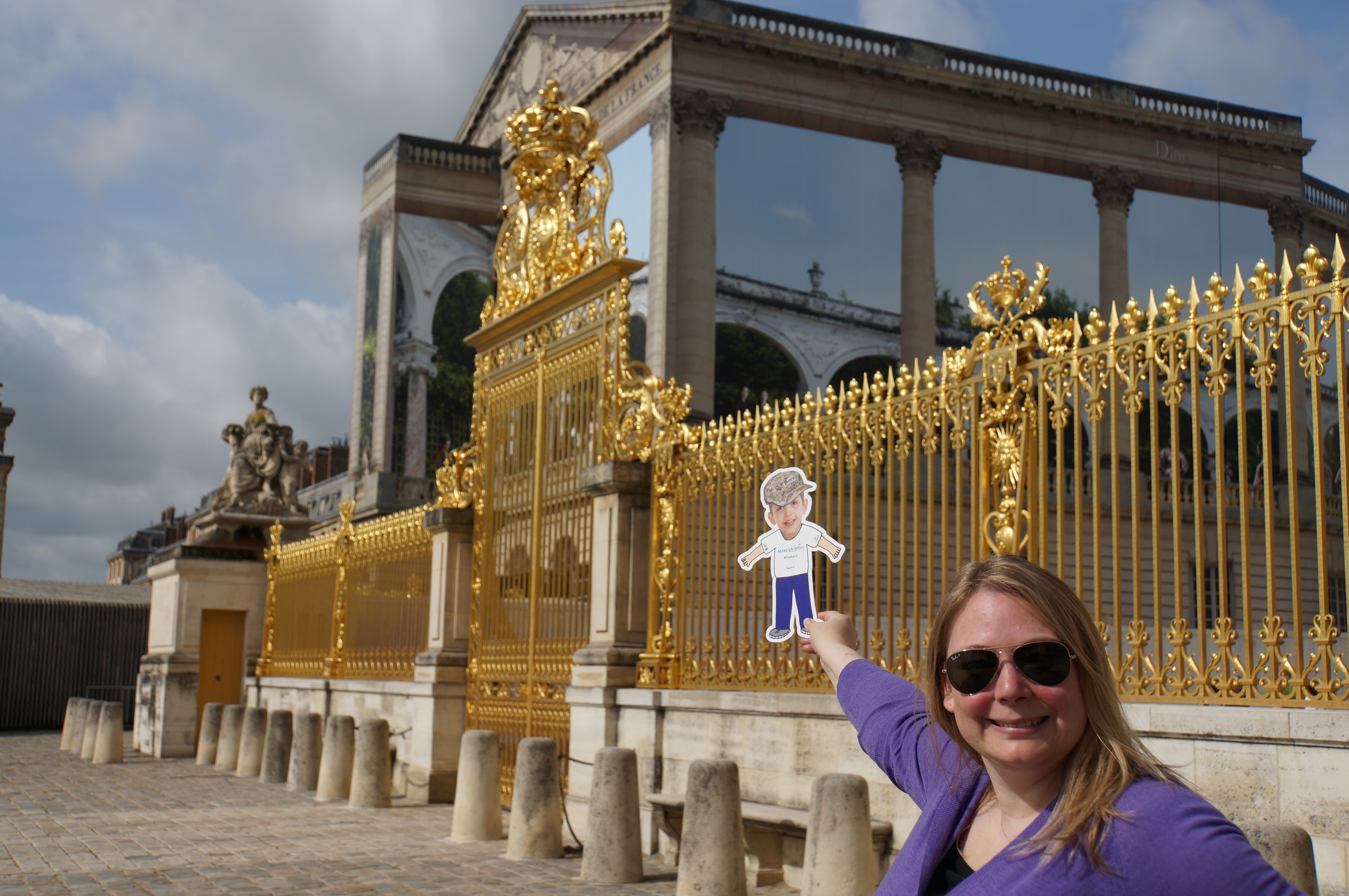
Our first full day in France - completely jetlagged - we tackled Versailles. Levi was cheerful through that 13 hour day and even posed with me at the palace gates before we left.

Our first full day in France – completely jet-lagged – we tackled Versailles. Levi was cheerful through that 13 hour day and even posed with me at the palace gates before we left.

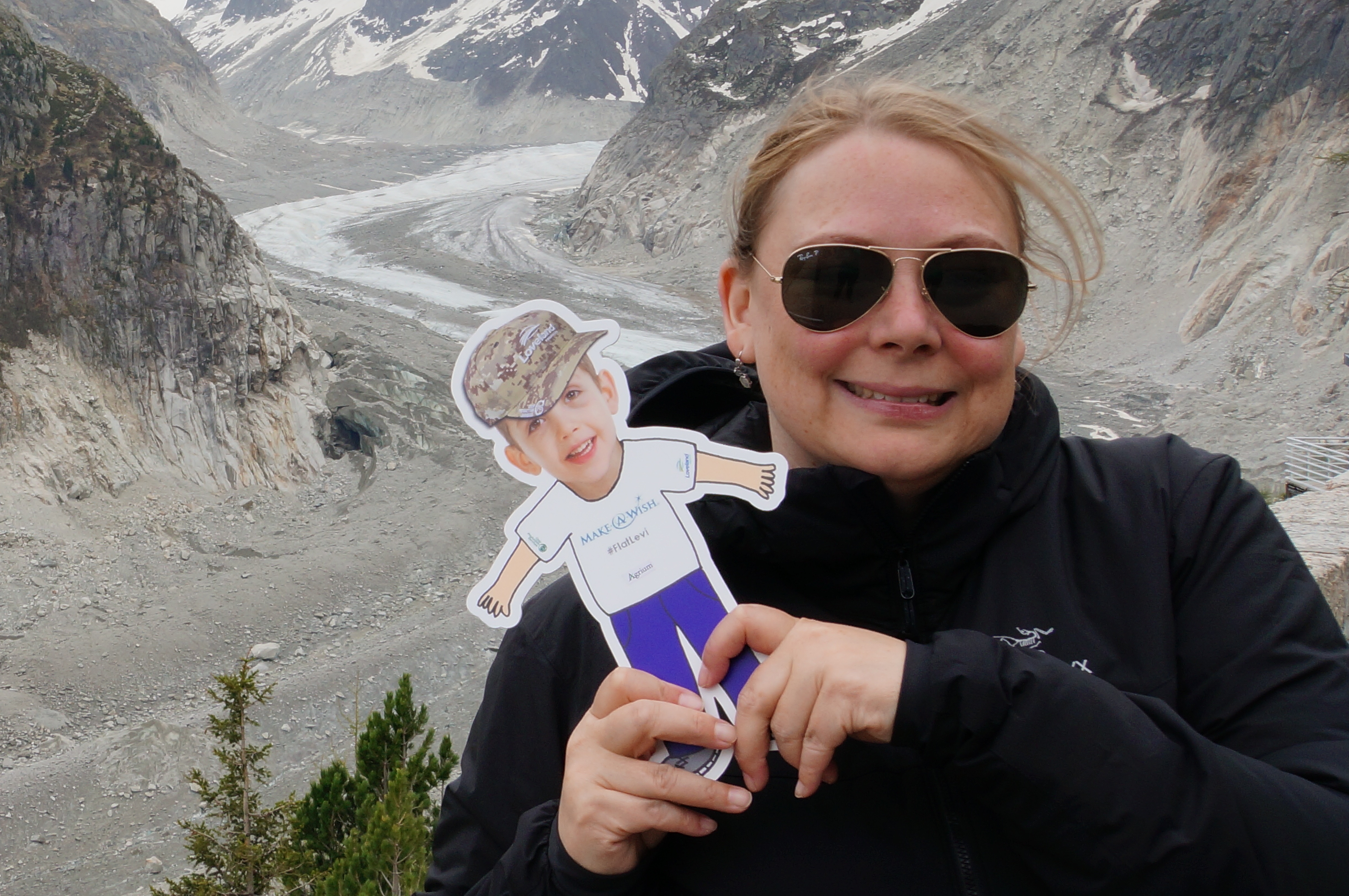
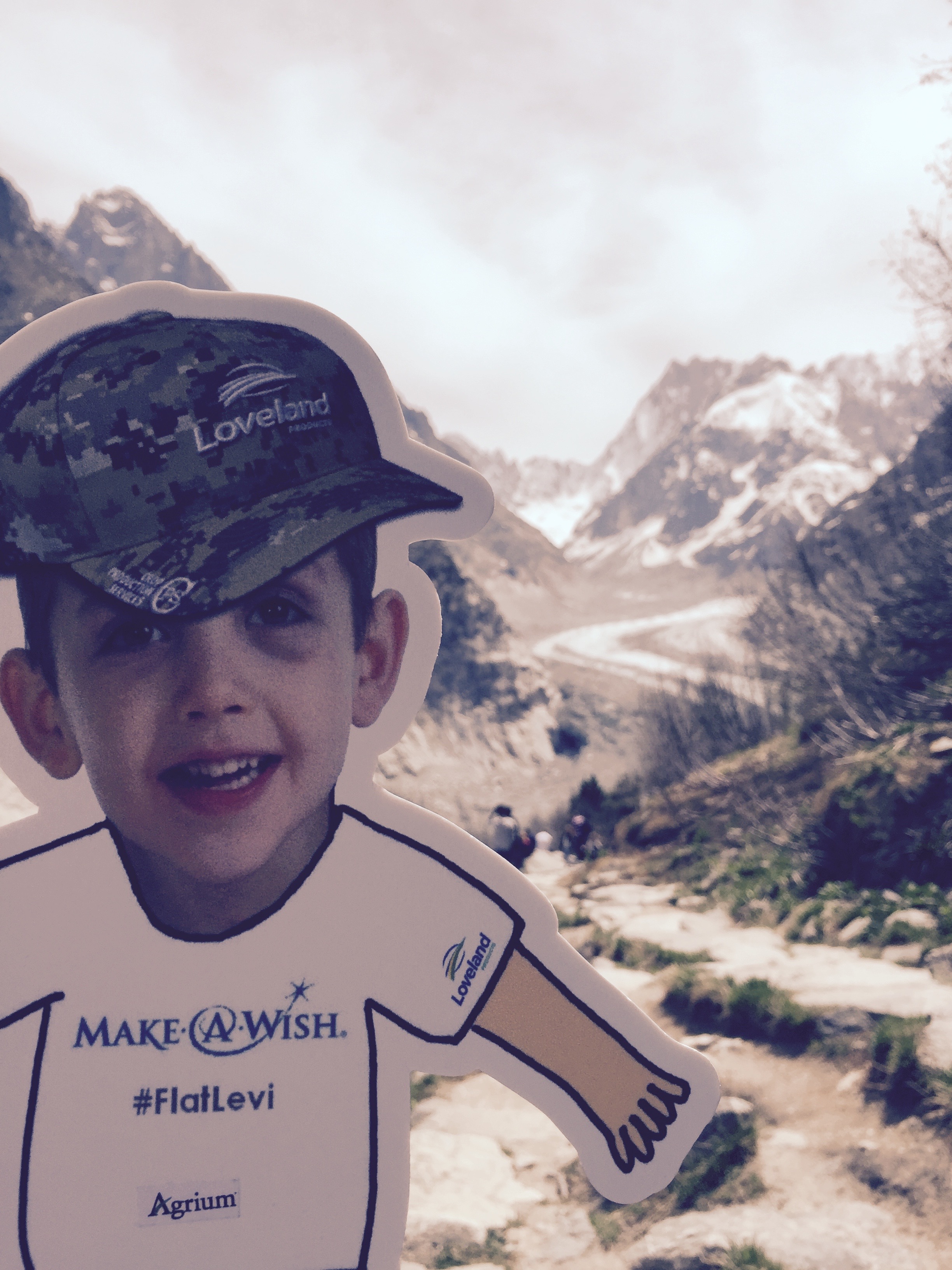
Flat Levi & I in Chamonix, France, posing with Mer de Glace.  He too was amazed at how the glacier advances and recedes. To learn more on that, check out Astrid's blog post.

Flat Levi & I in Chamonix, France, posing with Mer de Glace. He too was amazed at how the glacier advances and recedes. To learn more on that, check out Astrid’s blog post.

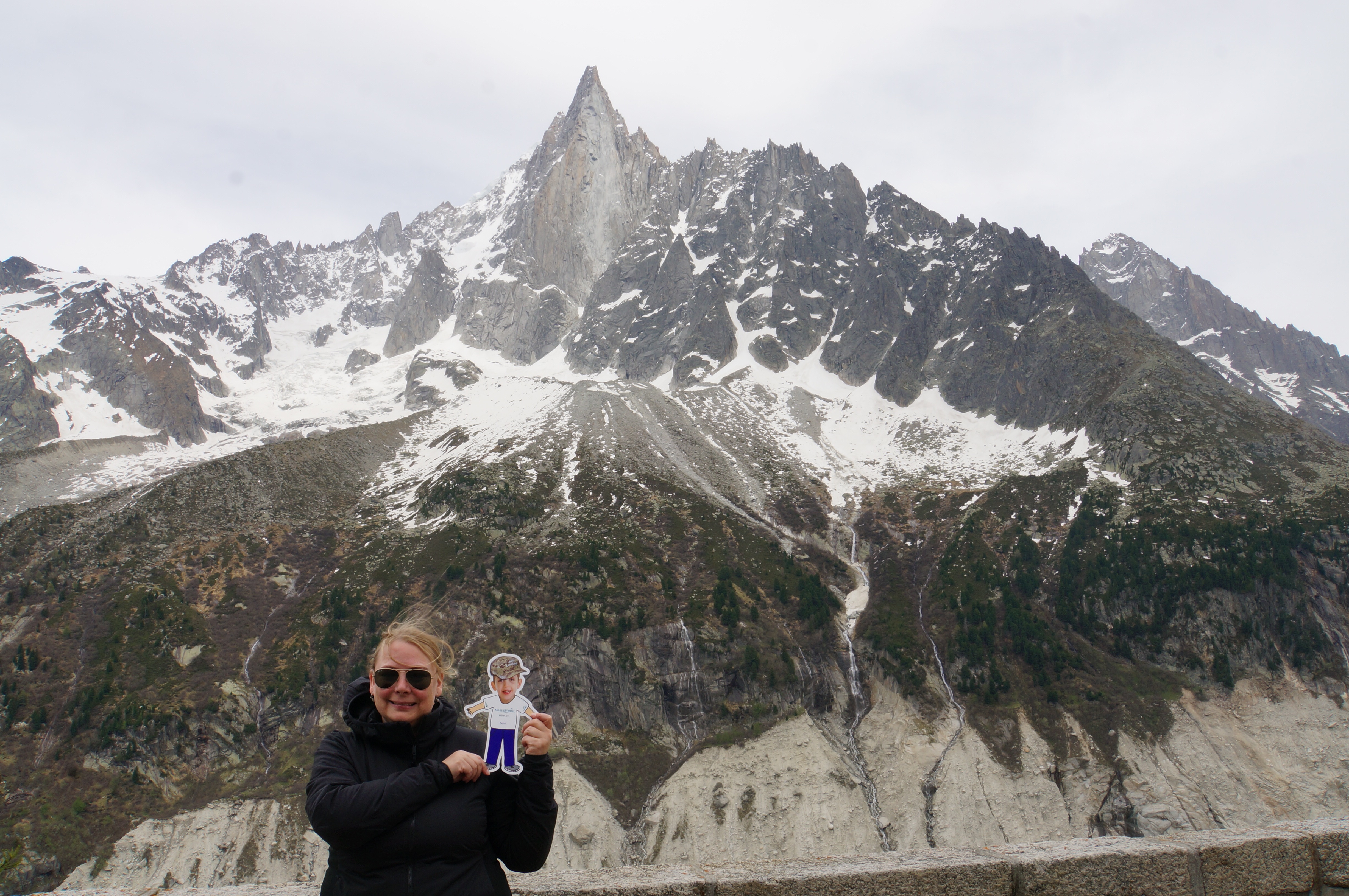
A visit to Chamonix, France would not be complete without a photo of Le Dru. Flat Levi & I checked that off our list.

A visit to Chamonix, France would not be complete without a photo of Le Dru. Flat Levi & I checked that off our list.

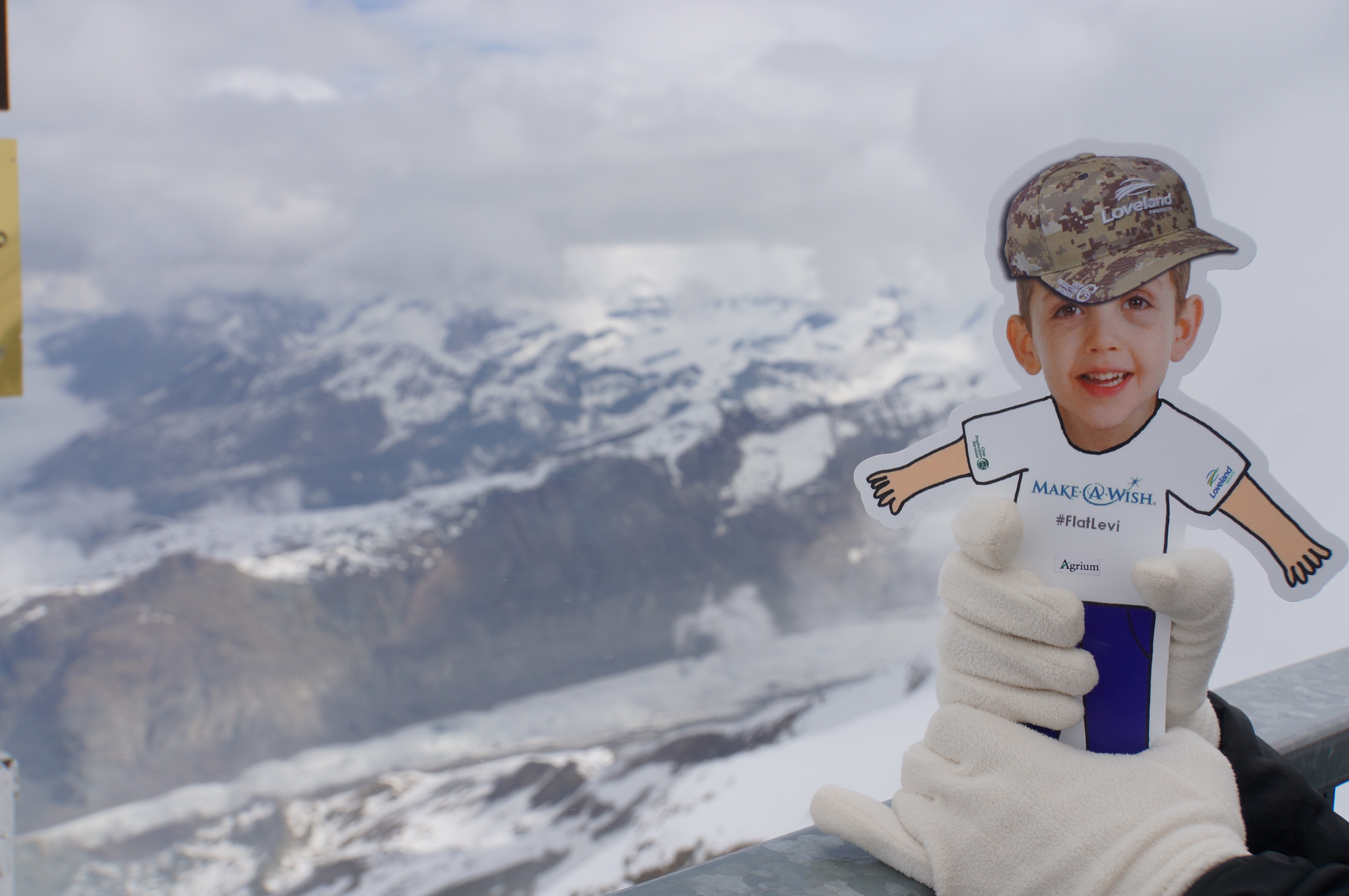
While he didn't make it to the top of Aiguille du Midi, he insisted we take him to the top of the Glacier Mountain Paradise in Zermatt, Switzerland. Although we were not able to get a glimpse of the Matterhorn that day due to poor weather, with a very firm grip, we got this panoramic shot for his Swiss photo album.

While he didn’t make it to the top of Aiguille du Midi, he insisted we take him to the top of the Glacier Mountain Paradise in Zermatt (over 12,000 ft), Switzerland. Although we were not able to get a glimpse of the Matterhorn that day due to poor weather, with a very firm grip, we got this panoramic shot for his Swiss photo album.

IMG_5234

Flat Levi in Chamonix, France with Aiguille du Dru

IMG_5235

Flat Levi in Chamonix, France with Mer de Glace

IMG_9718

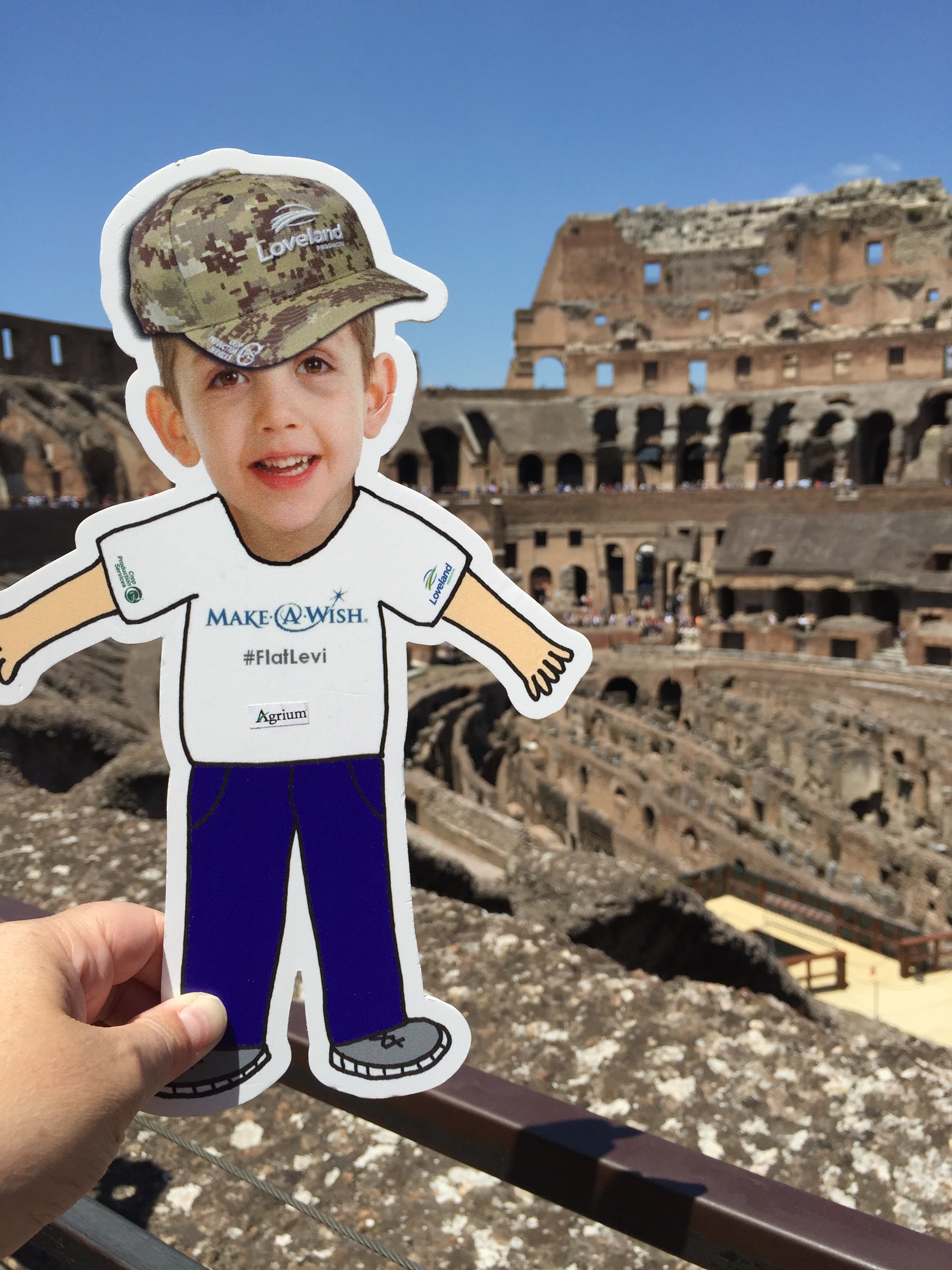
Levi thought the Colosseum in Rome was huge! And a small group of school kids visiting that day found him just as fascinating. One little boy asked me about his story and gave him a “High Five”!

IMG_9733

IMG_9794

IMG_9779

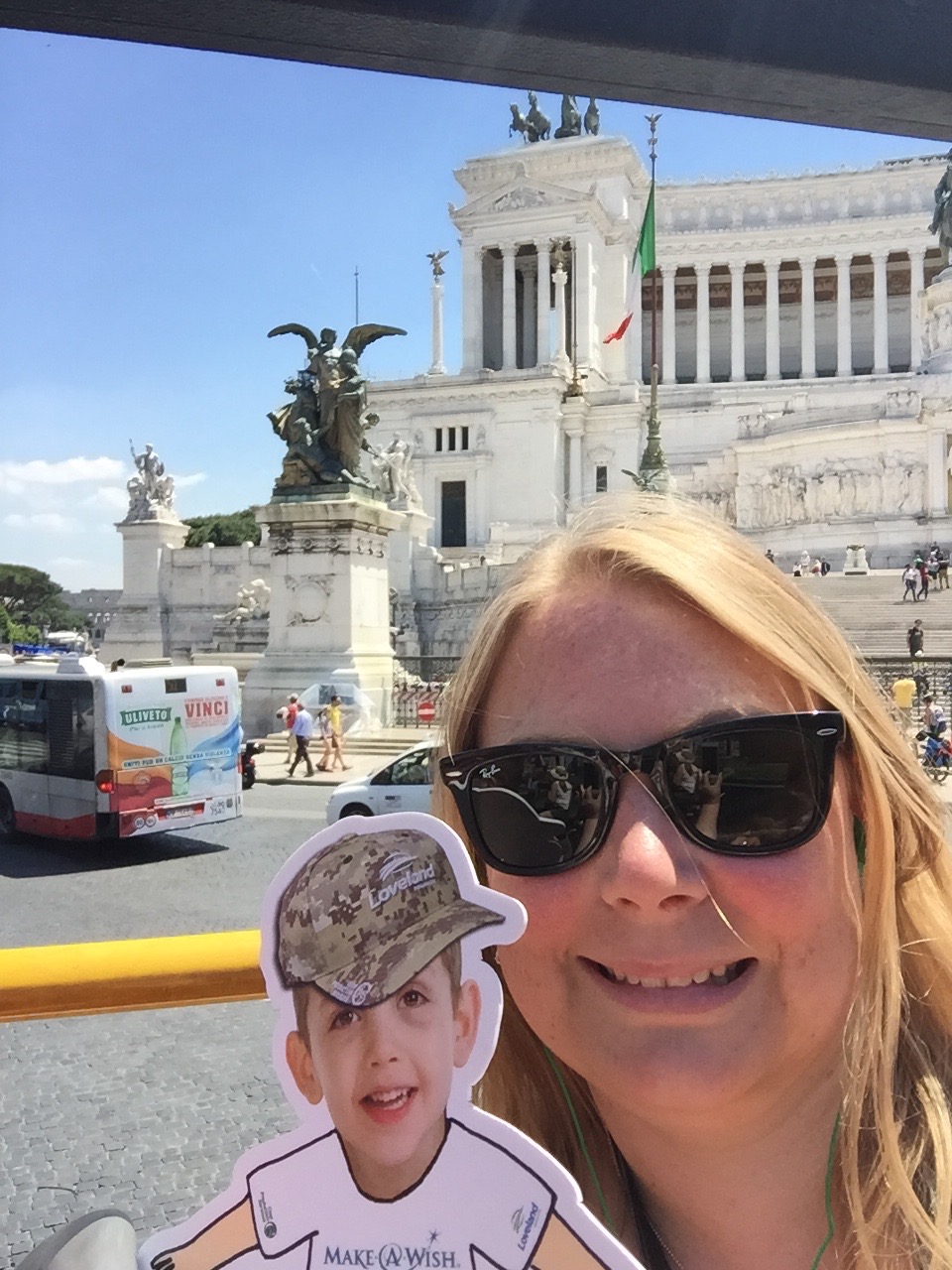
Astrid told me small children (including her own) always want to ride at the very front of the bus. While we did not indulge Flat Levi in this request, he did have an awesome time sight seeing from the Hop on Hop off bus in Rome.

IMG_9802

IMG_9908

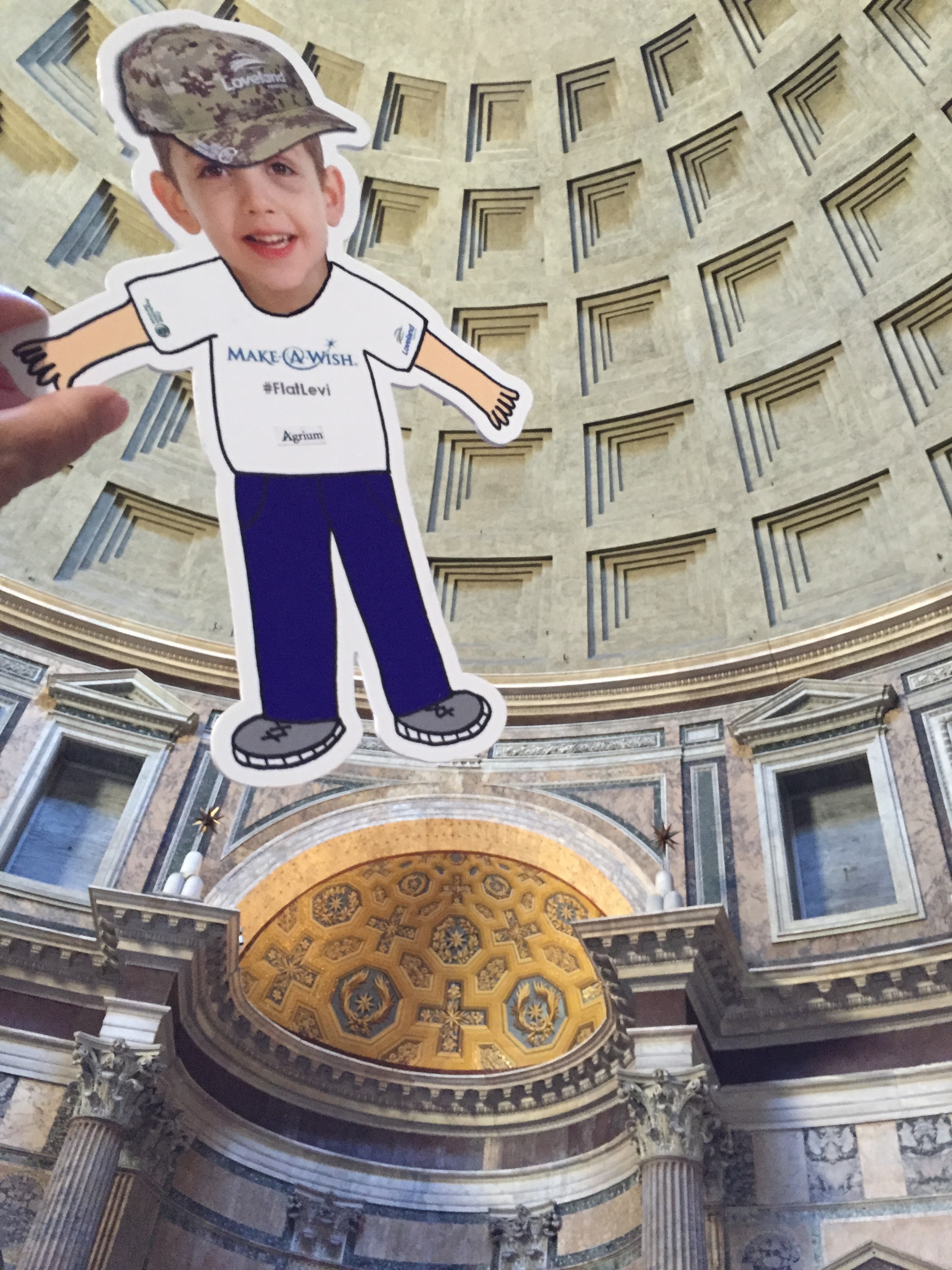
And a visit to Rome would not be complete without a stop at the Pantheon. Levi was amazed to learn from Astrid that the roof of the Pantheon is a “mathematical marvel” and perfectly measured.